
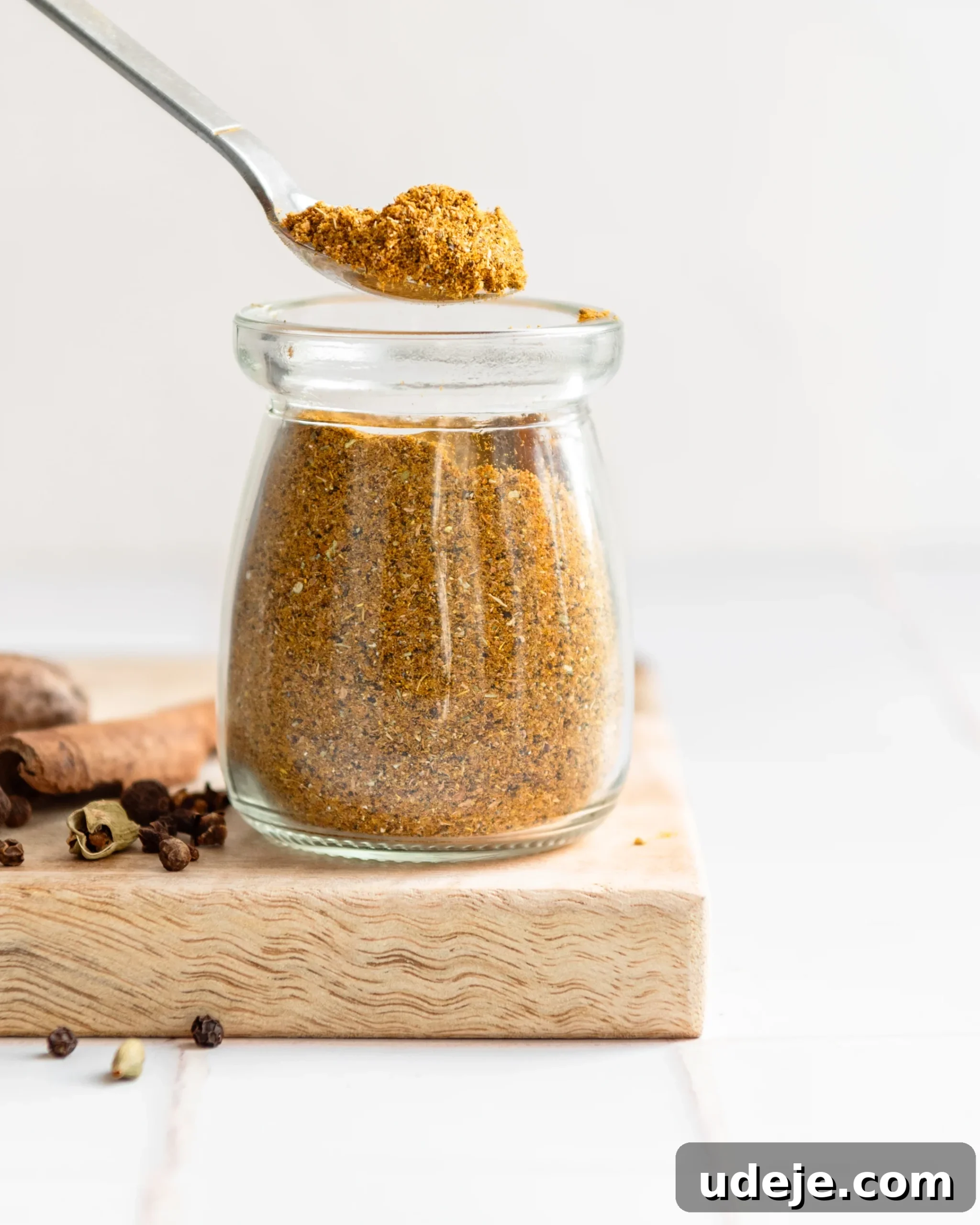
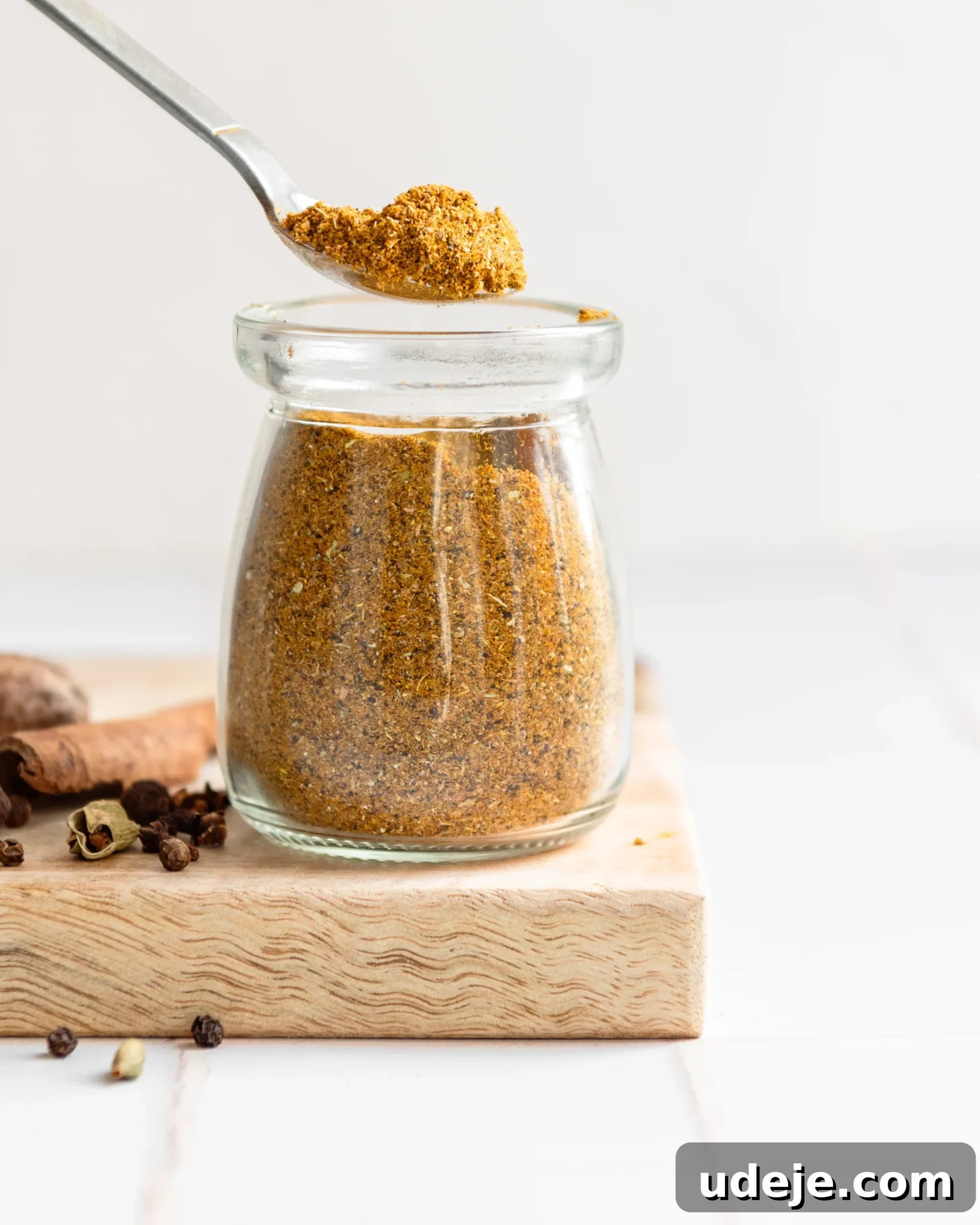
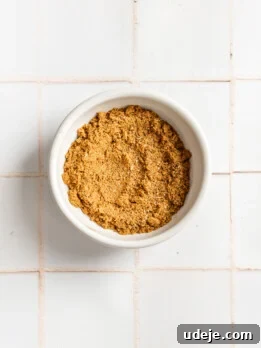
Welcome to the enchanting world of Baharat, a cornerstone spice blend that breathes life into Middle Eastern and North African cuisine. Known for its profound aroma and incredible versatility, Baharat typically harmonizes a delightful mix of warming spices such as fragrant black pepper, earthy cumin, and sweet cinnamon. While its essence remains consistent, recipes for Baharat are a testament to regional diversity, with each family often cherishing its unique blend. The recipe we explore today is a cherished family heirloom, a special blend passed down from my mother. This aromatic, all-purpose spice mix promises to infuse a remarkable depth and comforting warmth into an array of dishes, from succulent meats and fluffy rice to vibrant vegetables, solidifying its status as an indispensable staple in countless kitchens. Prepare to discover the secrets behind crafting this exceptional spice blend, with detailed instructions for both whole and ground spices!
Decoding Baharat: A Cultural Perspective
Before we delve into the exquisite details of my mother’s signature Baharat blend, it’s crucial to clarify the true meaning of the word and how it is often interpreted, or sometimes misinterpreted, in Western culinary contexts. In Arabic, the word “Baharat” directly translates to “spices.” Therefore, when someone in an Arabic-speaking country says, “add baharat,” it doesn’t refer to a single, specific blend of spices with a fixed composition. Instead, it’s a general instruction, simply meaning to “add a mix of spices” to the dish.
The actual composition of this “mix of spices” is entirely flexible and deeply personal. It’s a culinary fingerprint, unique to each family, region, or even individual cook. This is where the Western interpretation often diverges; the term “Baharat” is frequently used to denote one particular, standardized spice blend. However, there is no single “right” or “wrong” recipe for Baharat. It’s a concept, a tradition of blending, rather than a rigid formula.
Despite the variations, a common thread unites many Baharat blends found across the Middle East: they are typically aromatic, rich, and brimming with warm spices. My personal blend, the one I grew up with and learned from my mother, embodies this essence. It strikes a perfect balance of fragrant, warm spices, elevated by a subtle yet distinctive kick from a touch of curry powder. The inclusion of curry powder is a beloved characteristic of Iraqi spice blends, and it’s this unique twist that truly sets our family’s Baharat apart from many other wonderful versions available.
Regional Tapestry: Variations of Baharat Across the Middle East
Understanding that “Baharat” fundamentally means “spices” helps us appreciate the incredible diversity of spice blends found throughout the Middle East and North Africa. Each country, and often each region within it, boasts its own celebrated interpretation of a “spice mix,” all falling under the umbrella of Baharat. These diverse blends are culinary ambassadors, reflecting the unique histories, agricultural bounties, and trading routes of their respective cultures.
- Levantine Seven Spice (Lebanon, Syria, Jordan, Palestine): Often considered a close cousin to what many in the West perceive as “Baharat,” this blend typically features a foundation of allspice, black pepper, cinnamon, cloves, nutmeg, cardamom, and sometimes ginger or fenugreek. It’s a versatile blend, a staple in dishes like kibbeh, rice pilafs, and stews, providing a balanced, warm, and slightly sweet flavor.
- Yemeni Hawaij: Yemen offers two distinct Hawaij blends. The savory Hawaij, integral to many Yemeni dishes, commonly includes cardamom, cumin, black pepper, and turmeric, imparting an earthy, warm, and slightly peppery profile. The other Hawaij, specifically for coffee, is a sweeter, more aromatic blend featuring ginger, cinnamon, cardamom, and nutmeg, transforming a simple cup of coffee into a rich, fragrant experience.
- Moroccan Ras el Hanout: Hailing from Morocco, Ras el Hanout (meaning “head of the shop” or “best of the shop”) is renowned for its complexity. A master blend can contain dozens of spices, sometimes including rare and exotic ingredients like rosebuds, lavender, mace, and even Spanish fly (though this is rare in modern recipes). This intricate mix offers a fragrant, earthy, sweet, and occasionally floral flavor profile, essential for tagines, couscous, and roasted meats.
- Libyan Bzaar: In Libya, Bzaar is a vibrant, robust blend often characterized by its inclusion of chili, coriander, turmeric, and cumin. This combination typically delivers a more potent, sometimes spicier, and deeply aromatic flavor, ideal for enriching hearty stews and meat dishes.
What remains constant across all these wonderful variations is their shared characteristic: a fragrant, warm, and immensely versatile blend of spices. Each serves to elevate local cuisines, adding layers of flavor and aroma that are distinctly their own.
Helpful Tip: If you find yourself without homemade Baharat, Garam Masala makes an excellent and readily available substitute, especially for this particular recipe. Its similar warm and aromatic profile means you can easily grab a jar from your favorite spice store and still achieve fantastic results!
Culinary Applications: How to Use Baharat
The beauty of Baharat lies in its remarkable adaptability, making it an ideal spice blend for a myriad of culinary creations. There are truly no strict rules when it comes to incorporating this aromatic mix into your cooking. Its warm, complex flavor profile can transform simple ingredients into extraordinary dishes. Here are some of my favorite ways to utilize Baharat:
- Grilled and Roasted Meats: Baharat shines as a dry rub for various meats. Whether it’s lamb chops, chicken pieces, beef kebabs, or a whole roasted chicken, a generous coating of Baharat before grilling or roasting infuses the meat with incredible flavor and a beautiful crust. It’s particularly fantastic for seasoning air-fried whole chicken.
- Rice Dishes: One of my absolute favorite applications for Baharat is in rice dishes. It adds unparalleled depth to pilafs, stuffed vegetables, and especially my Arabic Biryani. To preserve its delicate and aromatic compounds, it’s best added towards the end of the cooking process for rice dishes.
- Roasted Vegetables: Elevate everyday roasted vegetables with a sprinkle of Baharat. Potatoes, carrots, cauliflower, zucchini, and eggplant all benefit from its warming notes. Simply toss your chopped vegetables with olive oil and Baharat before roasting for a flavorful side dish. My crispy roasted potatoes are a perfect example.
- Lentil Soups and Stews: Baharat can add a comforting richness to hearty lentil soups, stews, and bean dishes. Stir it in during the sautéing of aromatics or simmer it with the broth to let its flavors meld beautifully.
- Marinades: Create quick and easy marinades for chicken, fish, or even firm tofu by combining Baharat with olive oil, lemon juice, garlic, and a touch of salt. Let your ingredients soak in the flavors for at least 30 minutes before cooking.
- Dips and Spreads: Stir a pinch of Baharat into hummus, labneh (strained yogurt), or other Middle Eastern dips for an extra layer of flavor. It also pairs wonderfully with scrambled eggs or omelets for a unique breakfast experience.
- Simple Weeknight Dinners: When dinner inspiration wanes, Baharat is my go-to. A quick sprinkle over chicken and potatoes before baking in the oven consistently delivers a satisfying and delicious meal that’s a winner every time.
Experiment with Baharat in your kitchen; its versatility invites creativity and promises to infuse your cooking with the authentic tastes of the Middle East.
The Essence: The 8 Spices in My Baharat Mix
My mother’s cherished Baharat blend, which has become my own, is a meticulously balanced combination of eight distinctive spices. While this recipe provides a specific guide, remember that Baharat is highly customizable. If you find yourself missing one or two spices, feel free to omit them. Conversely, if you have a particular favorite among these, don’t hesitate to add a little extra to suit your personal palate. This blend is an invitation to culinary expression!
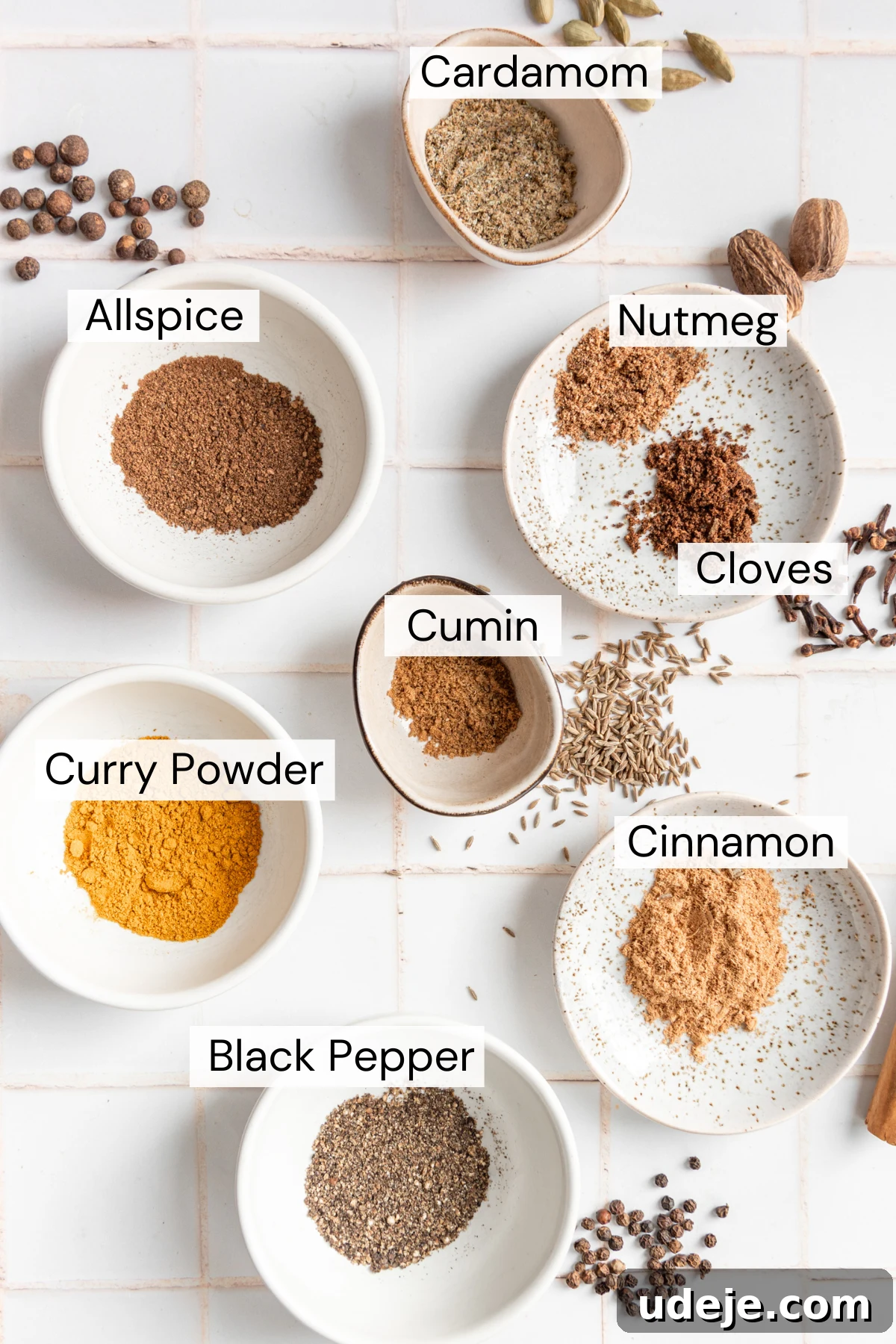
Let’s explore the individual contributions of each of these eight vital components:
- Black Pepper: The backbone of many spice blends, black pepper provides a pungent heat and a foundational, sharp kick that awakens the palate and adds immediate warmth.
- Cumin: Known for its earthy, warm, and slightly bitter notes, cumin is a quintessential Middle Eastern spice. It contributes a deep, savory undertone that is both grounding and aromatic.
- Cinnamon: This sweet and woody spice is more than just a baking ingredient in Middle Eastern cuisine. It imparts a distinctive sweet warmth and depth, often lending a subtle exotic note that balances the savory elements.
- Allspice: As its name suggests, allspice offers a complex flavor profile that hints at cloves, nutmeg, and cinnamon all in one. It acts as a bridge between sweet and savory, adding a harmonious roundness to the blend.
- Cardamom: Highly prized for its potent, sweet, and intensely floral aroma, cardamom adds an elegant, almost citrusy brightness. Even a small amount can significantly elevate the overall fragrance of the blend.
- Cloves: Intensely aromatic, sweet, and pungent, cloves are used sparingly due to their strong flavor. They contribute a deep, resonant warmth and a touch of exotic sweetness, crucial for adding complexity.
- Nutmeg: With its warm, sweet, and slightly woody flavor, nutmeg beautifully complements the other warming spices like cinnamon and allspice. It adds a comforting, aromatic richness.
- Curry Powder: This is the unique element in our family’s Iraqi-style Baharat. While not traditionally found in all Baharat blends, its inclusion offers a distinct, slightly piquant, and savory note. It provides an extra layer of aromatic complexity and a gentle warmth that sets this blend apart.
Whole vs. Ground Spices: The Quest for Flavor
For the ultimate sensory experience and maximum flavor intensity, I wholeheartedly recommend starting with whole spices. The process of lightly toasting them (with the exception of curry powder and nutmeg, which are typically used ground or grated) and then freshly grinding them in a spice grinder truly unlocks their full potential. This ritual of toasting and grinding whole spices intensifies their essential oils, resulting in a Baharat blend that is incredibly fragrant, vibrant, and bursting with warm flavors. On those days when I have the time, I indulge in this process, and the benefits of freshly ground spices are undeniably rewarding.
However, I understand that life gets busy. More often than not, I rely on a quick assembly of high-quality ground spices. And rest assured, you can still create a fantastic Baharat blend using pre-ground spices, especially if you prioritize sourcing them from reputable suppliers who ensure freshness and quality. The key is to use fresh spices, whether whole or ground, as their potency diminishes over time.
A Note on Curry Powder Selection
When incorporating curry powder into your Baharat, the choice of mild or medium curry powder is paramount. This particular Baharat blend is crafted to celebrate the warm, fragrant nuances of the spices, not to deliver intense heat. A hot curry powder, while delicious in other contexts, would overpower the more subtle and delicate aromas of the other spices in this blend, disrupting the intended balance. Opt for a curry powder that enhances the savory depth without dominating the other flavors.
The Art of Making Baharat: A Step-by-Step Guide
Crafting your own Baharat blend at home is a simple yet incredibly rewarding process. Whether you choose to work with whole spices for superior aroma or opt for the convenience of pre-ground ingredients, the result will be a vibrant, flavorful mix that elevates your cooking. Follow these detailed steps to create your perfect Baharat.
Method 1: Crafting Baharat from Whole Spices for Unparalleled Freshness
Starting with whole spices allows you to capture their peak flavor and aroma. This method, though requiring a few extra steps, yields a profoundly fragrant Baharat that is well worth the effort.
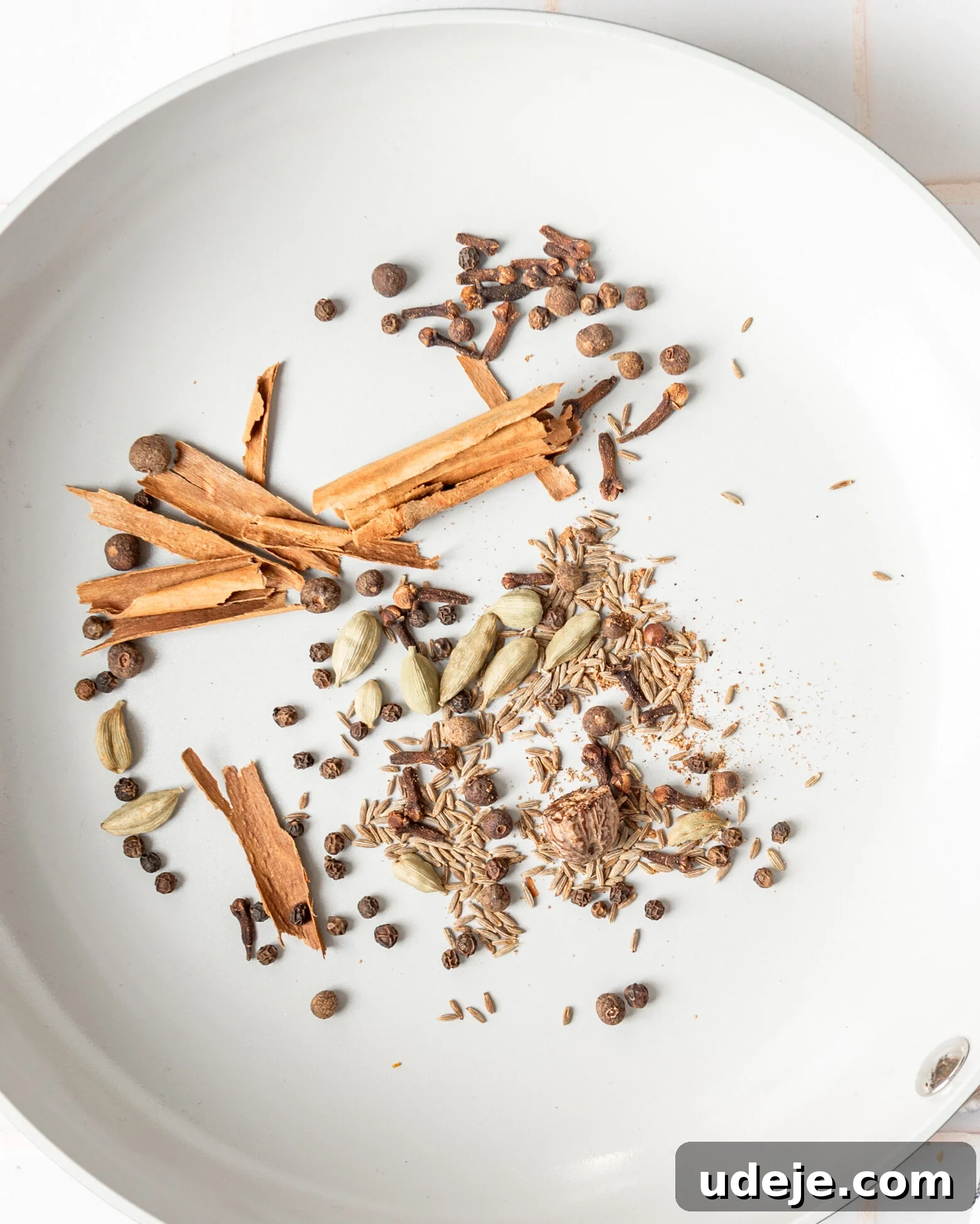
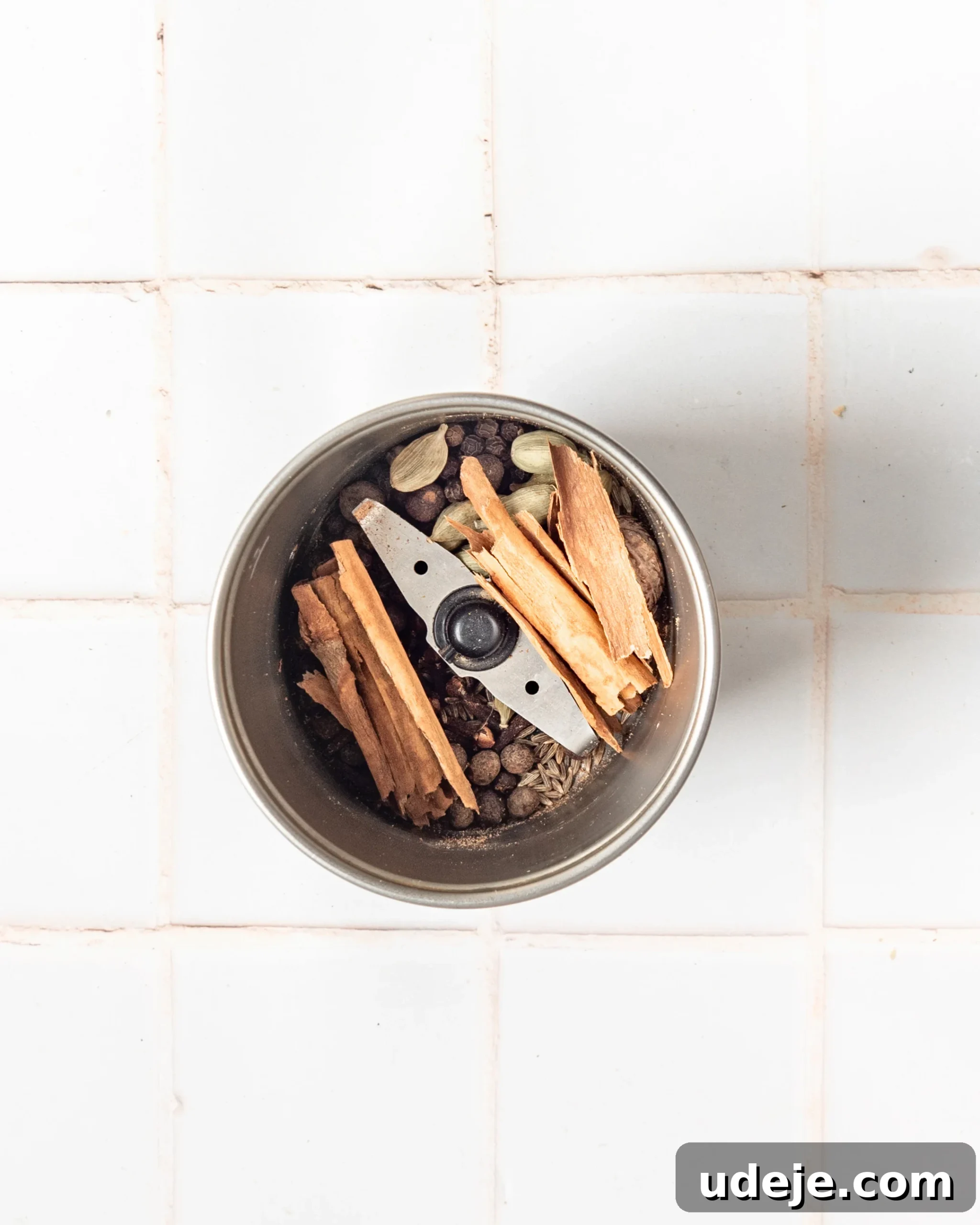
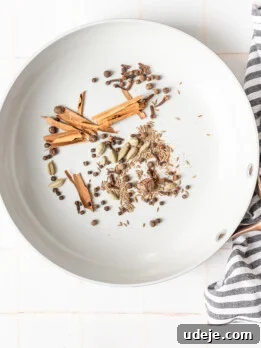
- Toast the Whole Spices: Begin by placing all the whole spices—black peppercorns, whole allspice, cinnamon sticks (broken into smaller pieces for easier toasting), cardamom pods, cumin seeds, and cloves—into a small, dry skillet. Exclude the nutmeg and curry powder at this stage. Place the skillet over low heat and gently toast the spices for 3-5 minutes. You’ll know they’re ready when their aromatic fragrance begins to fill your kitchen. It’s crucial to stir constantly to ensure even toasting and prevent burning, which can turn spices bitter. Once fragrant, remove the skillet from the heat and allow the spices to cool for about 2 minutes. This brief cooling period prepares them for grinding.
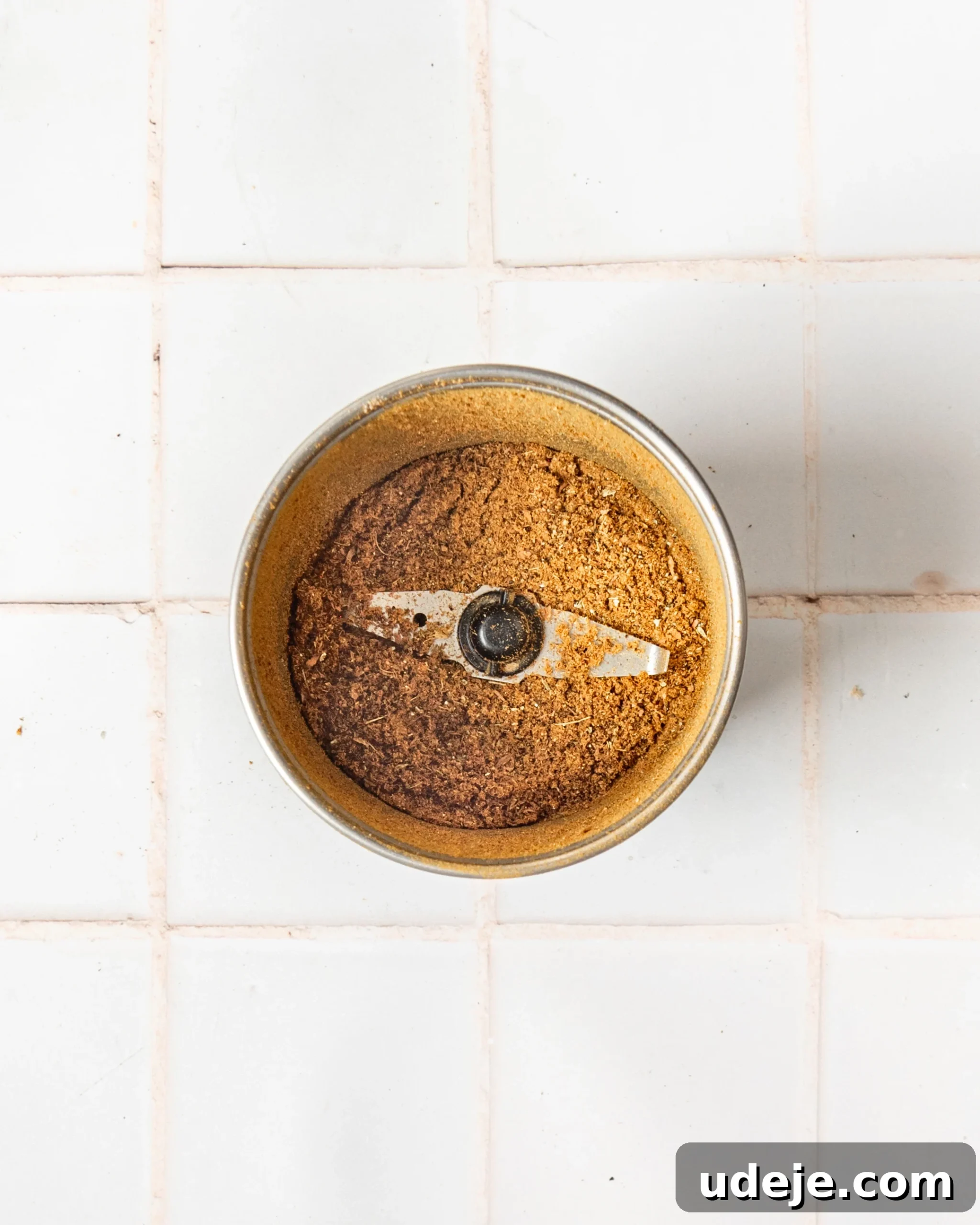
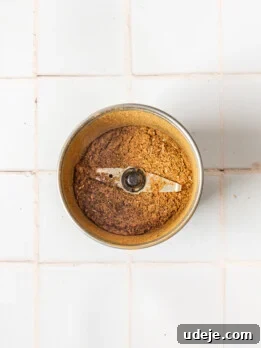
- Grind the Spices: Carefully transfer the toasted whole spices to a spice grinder. Add the curry powder and the piece of nutmeg (grated or broken, if large) to the grinder as well. Secure the lid and blend until you achieve a fine, consistent powder. You might notice the texture is slightly coarser than store-bought ground spices, which is perfectly normal and contributes to its rustic charm and intense flavor.
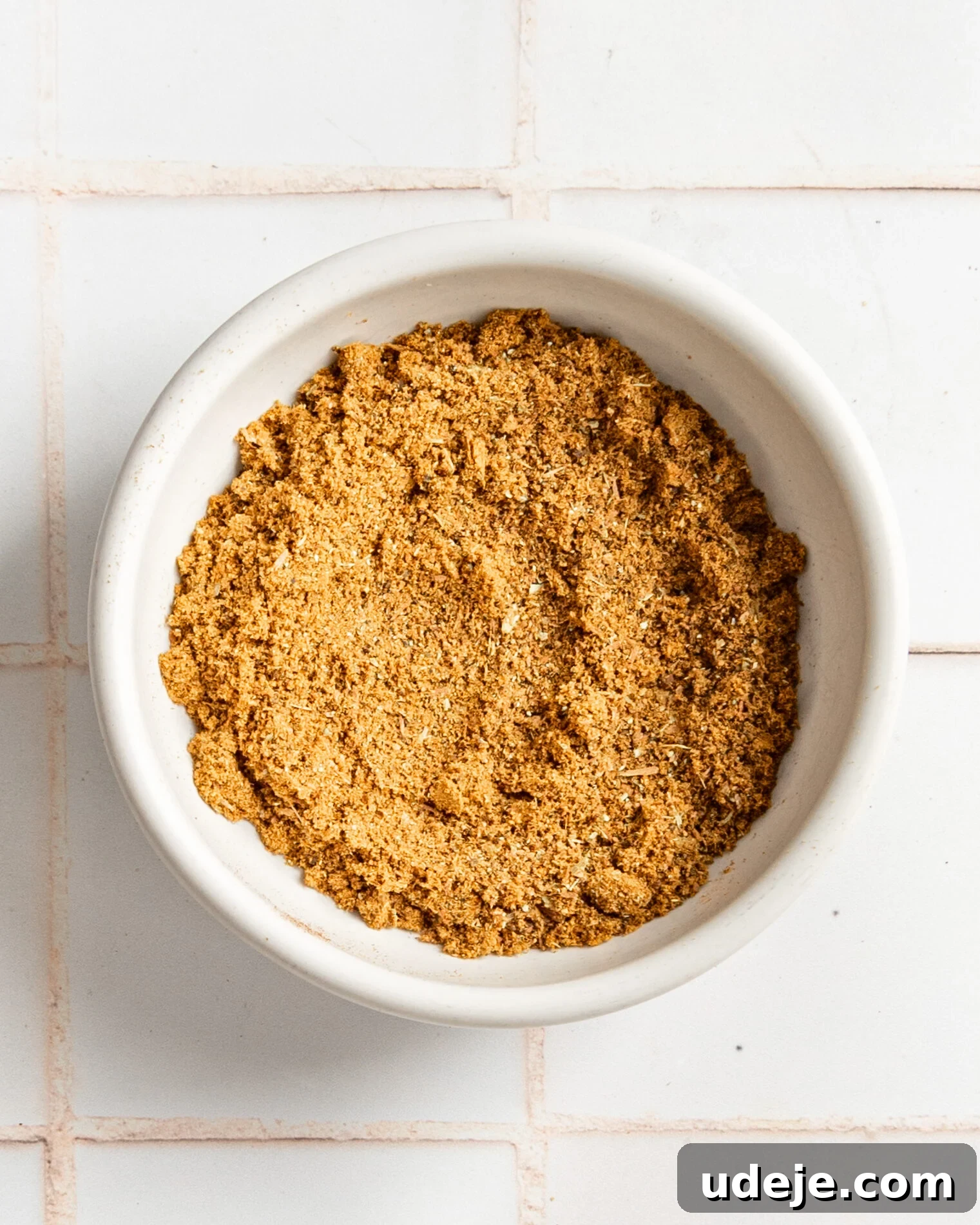
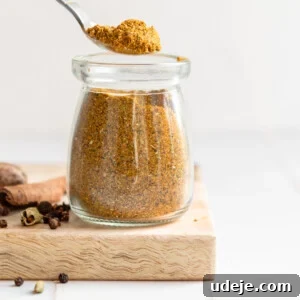
- Store Properly: Once ground, transfer your freshly made Baharat into a clean, tightly sealed airtight jar. Using a funnel can be incredibly helpful to prevent spills and ensure every precious bit of spice makes it into the jar. Label your jar with the date it was made and store it in a cool, dark pantry away from direct sunlight and heat. This will help preserve its vibrant flavor and aroma for up to 6 months.
Method 2: Assembling Baharat from Ground Spices for Quick Convenience
If time is of the essence or if you prefer the simplicity of pre-ground spices, this method offers a swift way to prepare a delicious Baharat blend. The key here is to use high-quality, fresh ground spices for the best flavor.
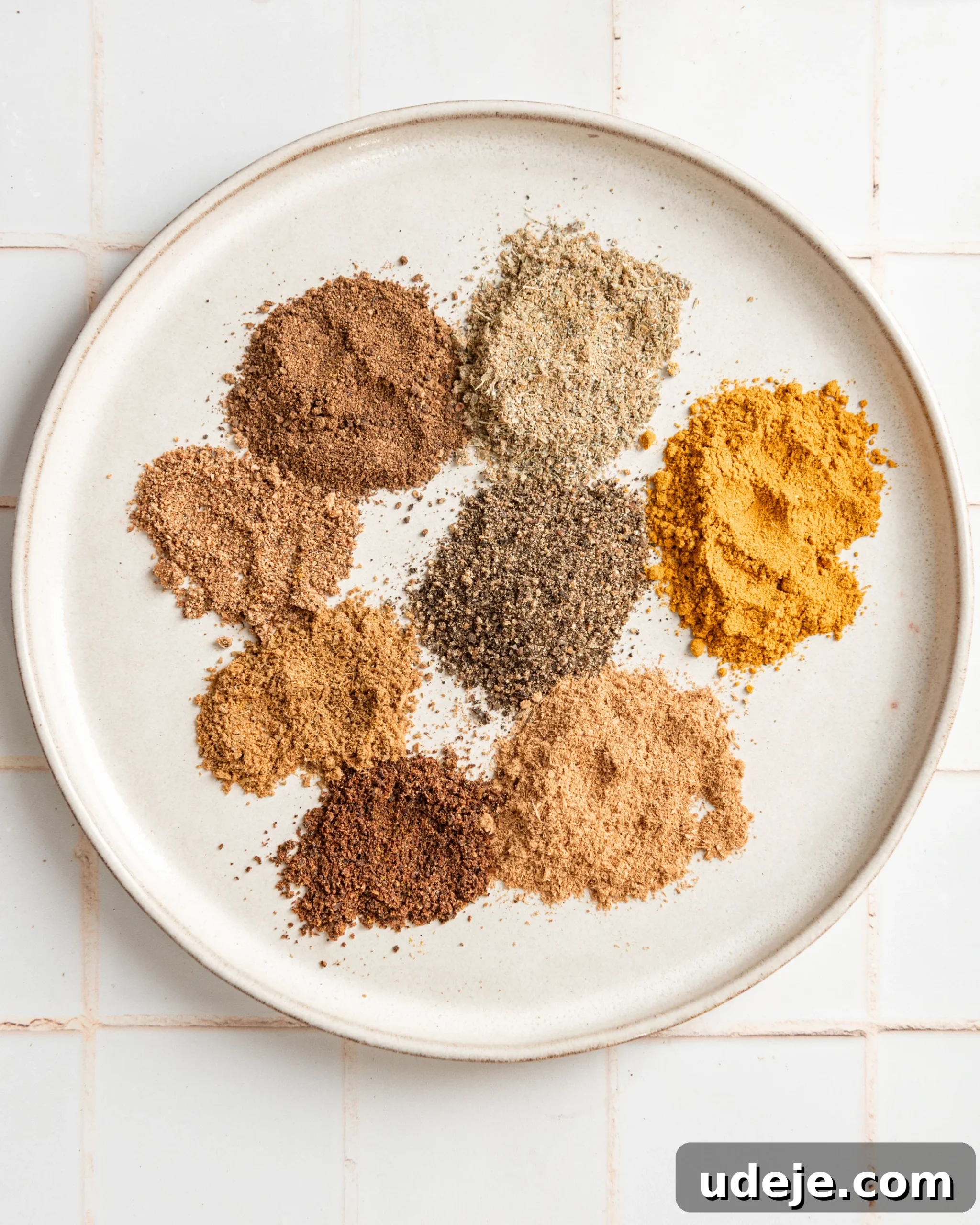
- Combine the Spices: Measure out all the ground spices as specified in the recipe. Place them into a medium-sized bowl or onto a plate.
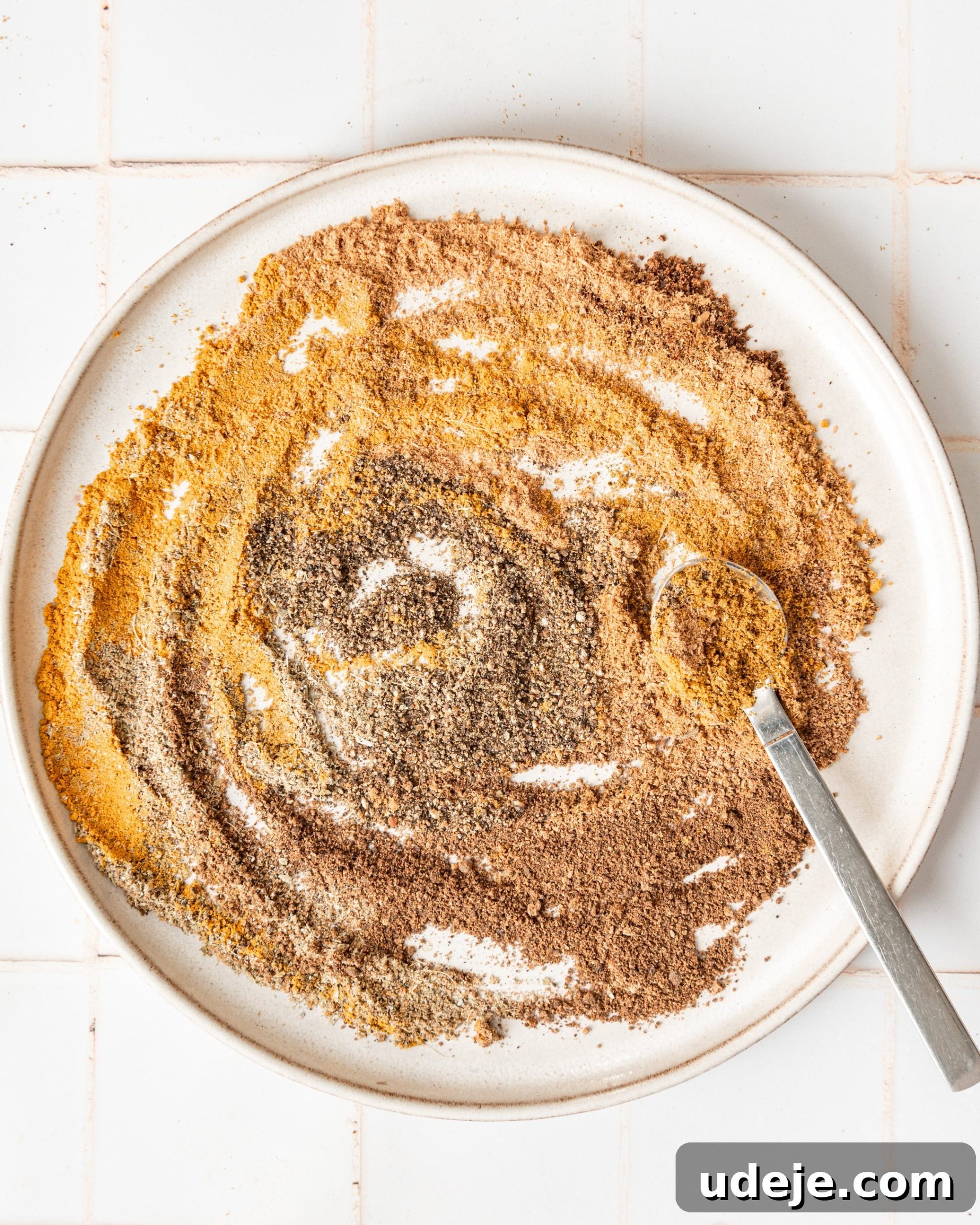
- Mix Thoroughly: Using a spoon or a small whisk, mix the spices together until they are completely and evenly combined. Ensure there are no clumps and that the color is uniform throughout the blend.
- Store Properly: Just as with the whole spices method, transfer the mixed ground Baharat into a tightly sealed airtight jar. Again, a funnel can be very useful here. Label the jar with the date and store it in a cool, dark pantry. This blend will maintain its quality for about 6 months before starting to lose its potency.
Storage Instructions for Optimal Freshness
To ensure your homemade Baharat blend retains its potent flavor and fragrant aroma for as long as possible, proper storage is key. Spices are sensitive to air, light, and heat, all of which can rapidly degrade their quality.
Store your Baharat mix in a clean, opaque, and well-sealed airtight jar. Glass jars with tight-fitting lids are excellent choices. Ensure the container is completely dry before adding the spices. Keep the jar in a cool, dark pantry or a cupboard away from direct sunlight, the stove, or any other heat sources. Exposure to heat and light accelerates the loss of volatile oils, which are responsible for the spices’ distinctive flavors and aromas.
Generally, most spice blends, including Baharat, will maintain their peak flavor for about 6 months when stored correctly. After this period, they may start to lose some of their potency and vibrancy. While still safe to consume, you might find yourself needing to use more to achieve the desired flavor intensity. To check for freshness, simply take a small pinch and smell it; if the aroma is faint or dull, it’s a sign that it might be time to prepare a fresh batch.
Other Recipes You Will Love
If you tried these recipes, please consider leaving a star ⭐⭐⭐⭐⭐ rating in the recipe card below and/or a review in the comments section further down the page – I’d love to hear from you! You can also hop on over to Instagram and say hello!
Homemade Baharat Spice Blend
4
oz
5
mins
5
mins
Amina Al-Saigh
Leave a Review
Pin Recipe
Ingredients
Using Whole Spices
- 2 teaspoons curry powder
- 1 1/2 teaspoons black peppercorns
- 1 1/2 teaspoons whole allspice
- 1 1/2 large cinnamon sticks, broken into smaller pieces
- 1 1/4 teaspoons cardamom pods (approx. 16 pods)
- 3/4 teaspoon cumin seeds
- 3/4 teaspoon cloves
- 1/2 large nutmeg (approx. 1 cm piece)
Using Ground Spices
- 2 teaspoons curry powder
- 2 teaspoons black pepper (ground)
- 2 teaspoons ground allspice
- 2 teaspoons ground cinnamon
- 2 teaspoons ground cardamom
- 1 teaspoon ground cumin
- 1 teaspoon ground cloves
- 1 teaspoon ground nutmeg
Instructions
Using Whole Spices
-
 In a small, dry skillet over low heat, add all of the whole spices except for the nutmeg and curry powder. Toast, stirring constantly, until fragrant (3-5 minutes). Be careful not to burn them. Remove from heat and allow to cool for 2 minutes.
 -
Transfer the cooled whole spices to a spice grinder. Add the curry powder and nutmeg, then blend until you achieve a fine powder. A slightly coarse texture is acceptable and often desired for homemade blends.
-
Place the freshly ground Baharat into a tightly sealed airtight jar (a funnel will help immensely). Label the jar and store in a cool, dark pantry for up to 6 months.
Using Ground Spices
-
Measure the specified amounts of all ground spices and place them in a medium-sized bowl or on a plate. Mix thoroughly until all spices are well combined and the blend has a uniform color.
-
Transfer the blended spices into a tightly sealed airtight jar (using a funnel for ease). Label the jar with the date and store in a cool, dark pantry for up to 6 months.
Notes
- Experience the warm and fragrant flavors of this Baharat blend by using it in my Arabic Chicken Biryani.
- Indian garam masala makes a good substitute for Baharat, offering a similar warm spice profile.
- While making Baharat from whole spices generally yields a more fragrant and potent blend, using high-quality ground spices can also produce excellent results.
- This recipe makes approximately 4 oz of Baharat.
Did you make this recipe?
Please leave a star rating and review below!