
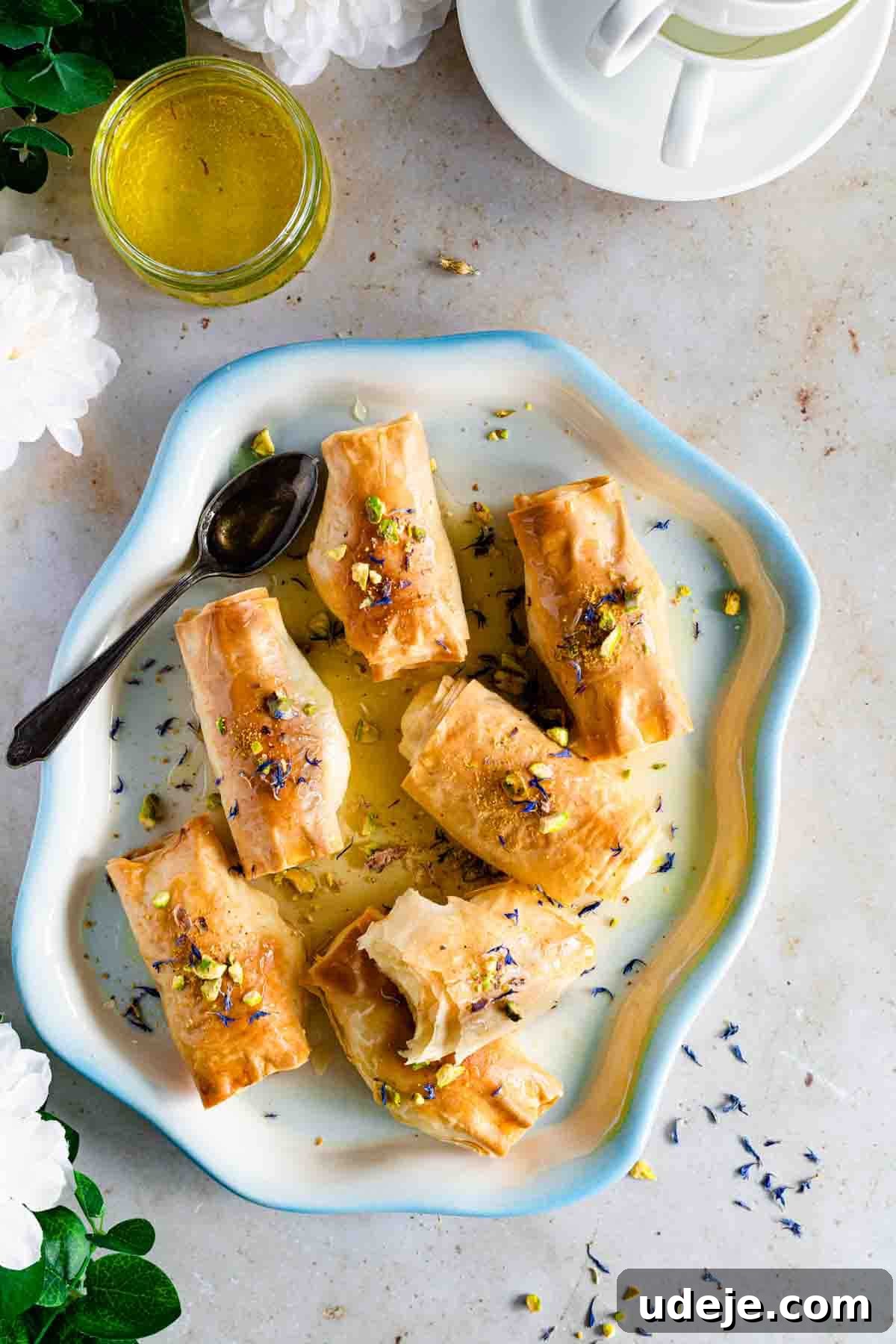
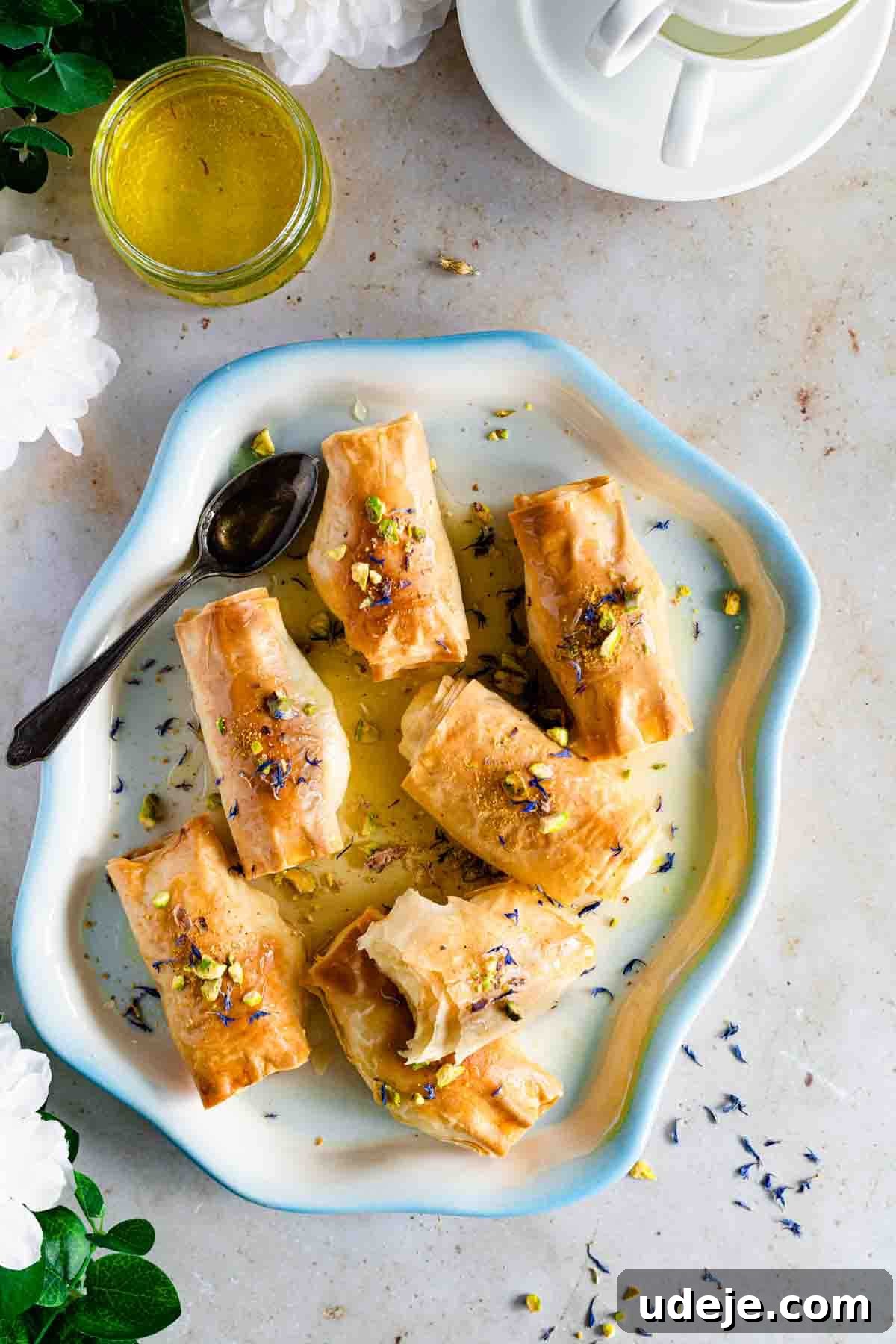
Discover Znoud El Sit: Crispy Middle Eastern Lady Fingers with Creamy Ashta
Embark on a culinary journey to the heart of the Middle East with Znoud El Sit, a truly captivating dessert that beautifully balances crispy textures with a rich, aromatic sweetness. Often referred to as “Lady Fingers” due to their elegant, elongated shape, these delightful pastries feature delicate phyllo dough meticulously wrapped around a luscious, sweet cream known as ashta. Whether baked to a golden crisp or fried to perfection, each roll is generously drizzled with simple syrup and often crowned with a sprinkle of vibrant nuts, creating an irresistible treat. Despite their impressive appearance, Znoud El Sit are surprisingly simple to prepare at home, making them a perfect project for both seasoned bakers and curious newcomers to Middle Eastern cuisine. Prepare to dazzle your taste buds and your guests with this decadent dessert, ready in less than an hour.
What is Znoud El Sit? Unveiling a Beloved Middle Eastern Dessert
Znoud El Sit, pronounced “Z-nood El Set,” holds a cherished place in Middle Eastern culinary traditions, especially during the holy month of Ramadan, much like other revered sweets such as Baklava and Mahalabia. The name itself, which translates literally to “a lady’s upper arms,” is an endearing and somewhat whimsical nod to the dessert’s distinctive cylindrical form. While the playful naming might spark a moment of amusement, it speaks to the rich cultural tapestry that often intertwines with the region’s food.
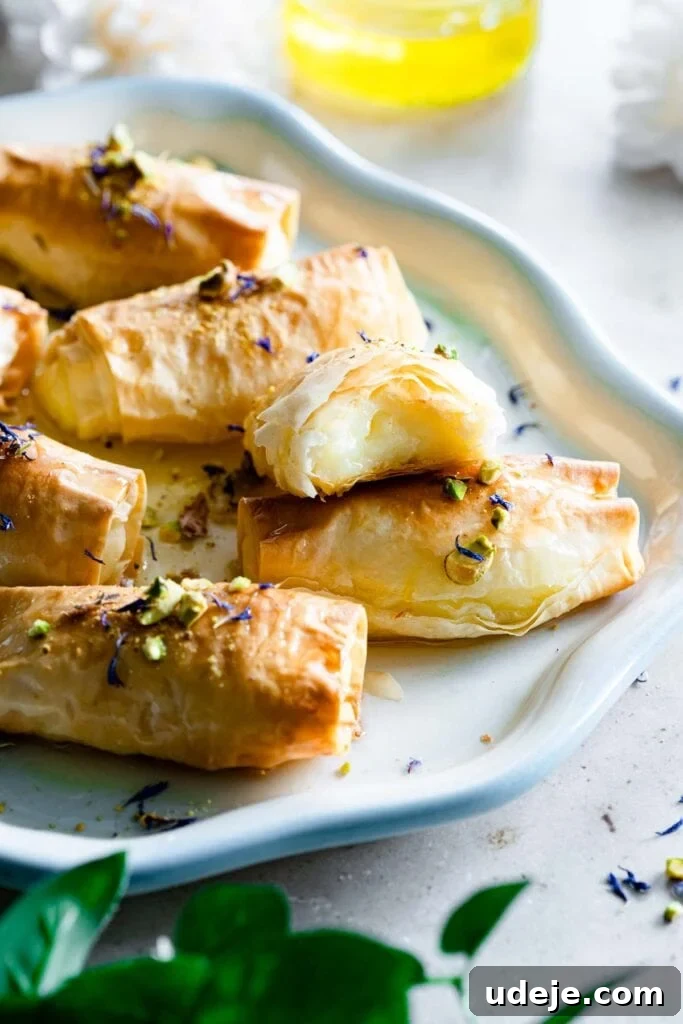
This classic dessert is fundamentally a celebration of contrasts: the ethereal crunch of the phyllo exterior giving way to a velvety, milky ashta cream interior. Ashta, a traditional Middle Eastern clotted cream or pudding, forms the heart of Znoud El Sit, imparting a delicate sweetness and creamy texture that perfectly complements the crisp pastry. Growing up, I remember the anticipation of enjoying one of these sweet, decadent treats from the local sweet shop after the Iftar meal during Ramadan. That first bite into the flaky shell, revealing the smooth, cool cream within, was always a moment of pure bliss. For years, I believed such a sophisticated dessert must be incredibly difficult to recreate at home. To my delight, and perhaps yours, the process is far more straightforward than it appears.
After much experimentation with various preparation methods, I’ve come to prefer baking Znoud El Sit over frying. Baking results in a wonderfully light and equally crispy pastry, allowing the delicate flavors to shine without the added heaviness of oil. This lighter version means you might even be tempted to enjoy an extra piece or two! However, for those who prefer the traditional fried approach, or wish to experience both, I’ve included detailed instructions for both methods so you can choose what best suits your taste and preference.
Essential Ingredients for Perfect Znoud El Sit
Crafting these delectable Lady Fingers requires a selection of readily available ingredients, each playing a crucial role in achieving the signature taste and texture. Here’s what you’ll need:
- Phyllo Dough: The foundation of our crispy rolls. Phyllo (or fillo) dough is incredibly thin, paper-like pastry sheets that crisp up beautifully when baked or fried. To ensure it’s easy to work with, always thaw frozen phyllo dough slowly in the refrigerator overnight before you plan to use it. This prevents the delicate sheets from cracking or sticking together.
- For the Ashta Cream: This rich and creamy filling is made from a simple yet effective combination:
- Whole Milk: Provides the creamy base for the ashta.
- Liquid Whipping Cream (35% fat): Adds extra richness and a luxurious texture to the cream. If 35% whipping cream isn’t available, you can use 18% liquid table cream or simply substitute with additional whole milk for a lighter ashta.
- Granulated Sugar: Sweetens the cream to perfection. The amount can be adjusted to your preference.
- Corn Starch: This is the essential thickening agent for the ashta, giving it its characteristic pudding-like consistency that holds its shape inside the phyllo rolls.
- For the Simple Syrup (Ater or Qater): This sweet, fragrant syrup is poured over the hot pastries, infusing them with moisture and flavor. You’ll need:
- Granulated Sugar: The primary sweet component of the syrup.
- Water: To dissolve the sugar and create the syrup base.
- Lemon Juice: A small squeeze of lemon juice is vital. It prevents the sugar syrup from crystallizing, keeping it clear and smooth.
- Flavoring (Optional but Recommended): This is where you can truly personalize your Znoud El Sit.
- Rose Water: The classic, traditional choice, imparting a beautiful floral aroma that is synonymous with many Middle Eastern desserts.
- Orange Zest and Saffron: My personal favorite, offering a vibrant, citrusy note with the subtle, exotic perfume of saffron. A delightful modern twist.
- Orange Blossom Water: Another traditional option, similar to rose water but with a distinct, slightly different floral fragrance.
- Fat for Cooking:
- Melted Butter: Essential if you’re baking the rolls, ensuring a golden, flaky crust.
- Vegetable Oil or Neutral Oil: Required for frying, providing that traditional crispiness.
- Garnish:
- Chopped Pistachios: A classic and visually stunning topping. Their vibrant green color and subtle crunch offer a beautiful contrast to the golden pastries. Other nuts like almonds or walnuts can also be used.
Step-by-Step Guide to Crafting Znoud El Sit
Making Znoud El Sit is a rewarding process that comes together smoothly with a little organization. Follow these steps for perfect results:
1. Prepare the Aromatic Simple Syrup (Ater)
The simple syrup is a critical component that needs to be completely cooled before being drizzled over the hot pastries. Therefore, it’s always the first step. In a medium saucepan, combine the granulated sugar, water, and a small squeeze of fresh lemon juice. If you’re opting for the vibrant flavor of orange zest and saffron, add them to the pot now. Stir gently to dissolve the sugar, then place the saucepan over medium heat. Allow the mixture to simmer for about 10-12 minutes, or until it slightly thickens and becomes clear. Avoid over-stirring once it begins to boil, as this can encourage crystallization. Once cooked, remove the syrup from the heat. If using rose water or orange blossom water, stir in your chosen flavoring at this stage. Transfer the syrup to a heat-proof bowl and set it aside to cool completely to room temperature. A well-chilled syrup will contrast beautifully with the warm pastries.
2. Create the Creamy Ashta Filling
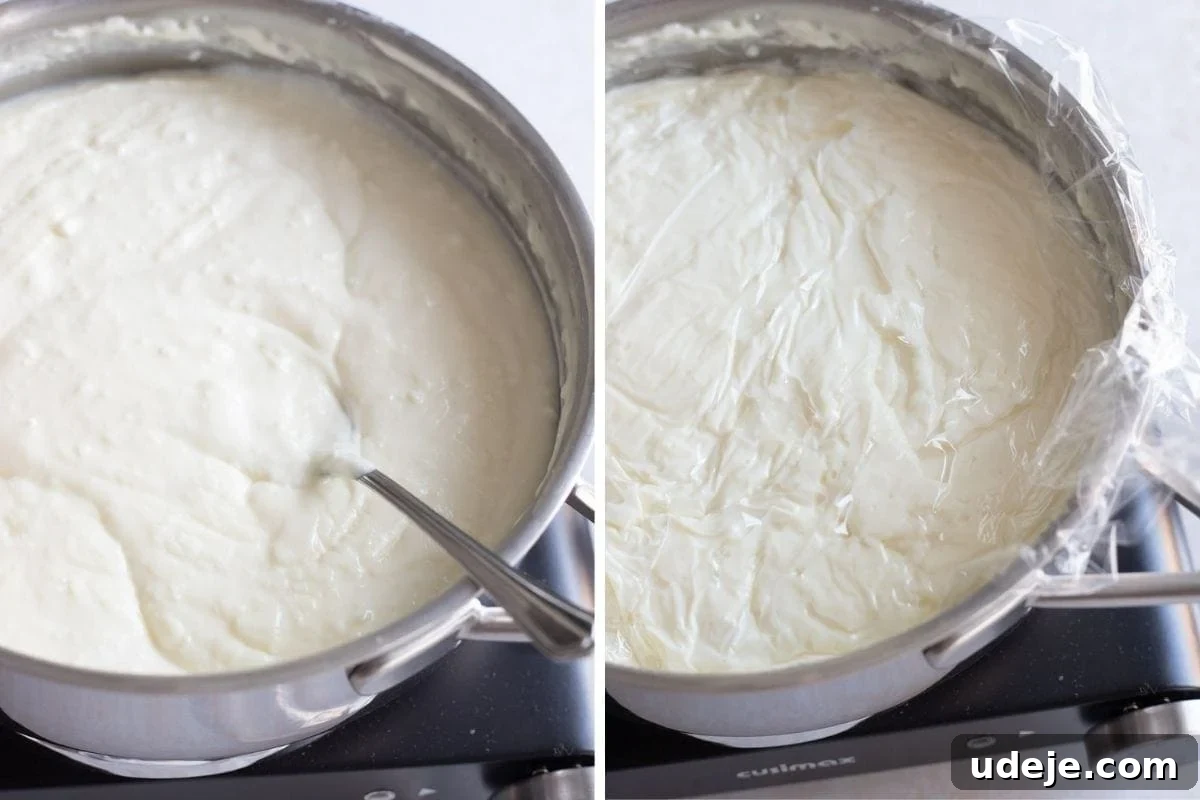
With the syrup cooling, it’s time to prepare the star of the show: the ashta cream. In a heavy-bottomed saucepan, combine the whole milk, liquid whipping cream (or your chosen substitute), granulated sugar, and corn starch. Before heating, whisk all the ingredients together thoroughly while they are cold. This crucial step ensures that the corn starch completely dissolves, preventing lumps and guaranteeing a smooth, silky cream. Once dissolved, place the saucepan over medium heat. Continue to whisk constantly, ensuring the cream doesn’t stick to the bottom of the pan, until the mixture begins to thicken. This process usually takes about 10 minutes. You’ll notice it transform into a rich, pudding-like consistency. Once it reaches your desired thickness, remove it from the heat.
Now, stir in your preferred flavoring for the ashta, such as rose water or orange blossom water. Immediately transfer the hot ashta to a shallow dish. To prevent a skin or film from forming on the surface as it cools, cover the cream directly with plastic wrap, ensuring the wrap is in full contact with the entire surface of the ashta. Place the covered dish in the refrigerator for 1-2 hours, allowing it to cool down completely and firm up. This chilled and firm ashta will be much easier to work with when rolling the phyllo.
3. Master the Art of Rolling Znoud El Sit
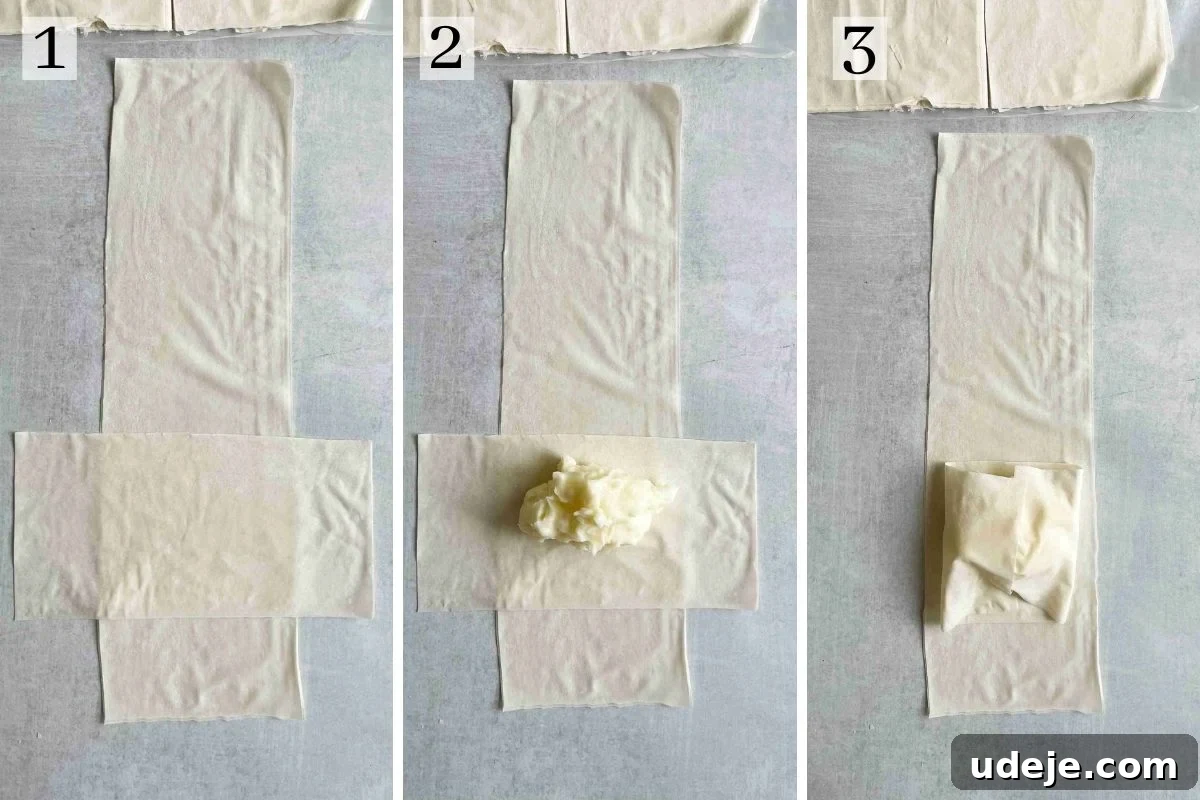
Once your ashta is perfectly chilled and firm, you’re ready for the assembly phase. Carefully unroll your thawed phyllo dough sheets onto a clean, dry work surface. It’s essential to keep the remaining phyllo covered with a damp cloth or plastic wrap to prevent it from drying out, which can make it brittle and prone to tearing. While the sheets are still stacked, use a sharp knife or pizza cutter to cut them into four long strips along their shorter edge. This should yield bundles of equally sized, approximately 4-inch-wide strips.
Next, take one of these long strip bundles and cut it in half to create shorter strips. You will use a combination of these lengths for each roll. To assemble a single Znoud El Sit, gently take two layers of a long phyllo strip and one layer of a shorter strip. Lay the shorter strip horizontally on top of the longer one, forming a “T” or cross shape in the center of your workspace. This layering technique provides extra reinforcement for the filling.
Place about 1.5 tablespoons of the cooled ashta filling directly in the center of the cross, where the two strips overlap. You can adjust the amount of ashta based on your preference for a fuller or leaner roll. Carefully fold the two sides of the shorter phyllo strip over the ashta filling, completely enclosing it. This critical step ensures that the creamy ashta is securely tucked in and less likely to seep out during cooking.
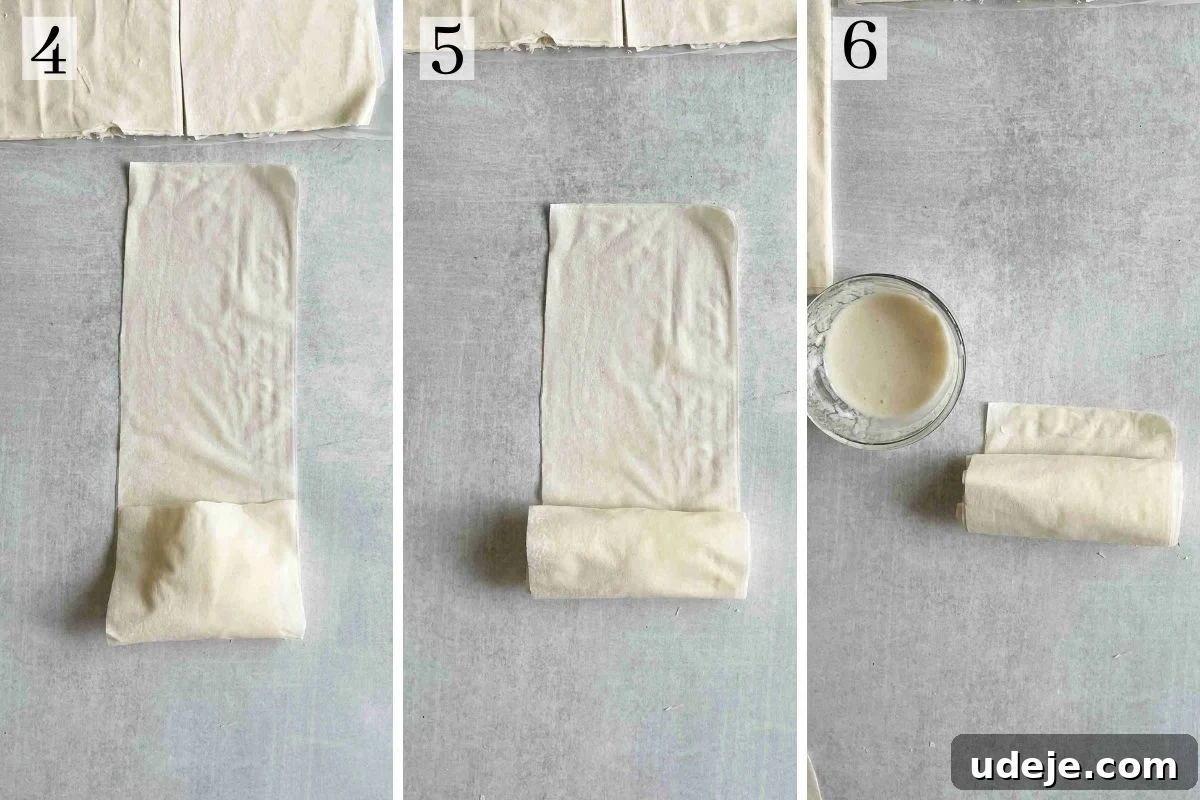
Now, begin rolling the longer phyllo strip tightly but gently from the bottom up, creating a neat, cylindrical log. Work carefully to avoid tearing the delicate dough. Continue rolling until you reach the end of the strip. To secure the roll, prepare a simple “glue” by mixing 1 tablespoon of all-purpose flour with 4-5 tablespoons of water until it forms a thick paste. Dab a small amount of this flour-water mixture onto the end of the phyllo strip and press firmly to seal the roll. Repeat this process for all your Znoud El Sit. As you finish each roll, place it seam-side down on a baking sheet (if baking) or a tray lined with parchment paper.
4. Baking for a Lighter, Crispier Finish
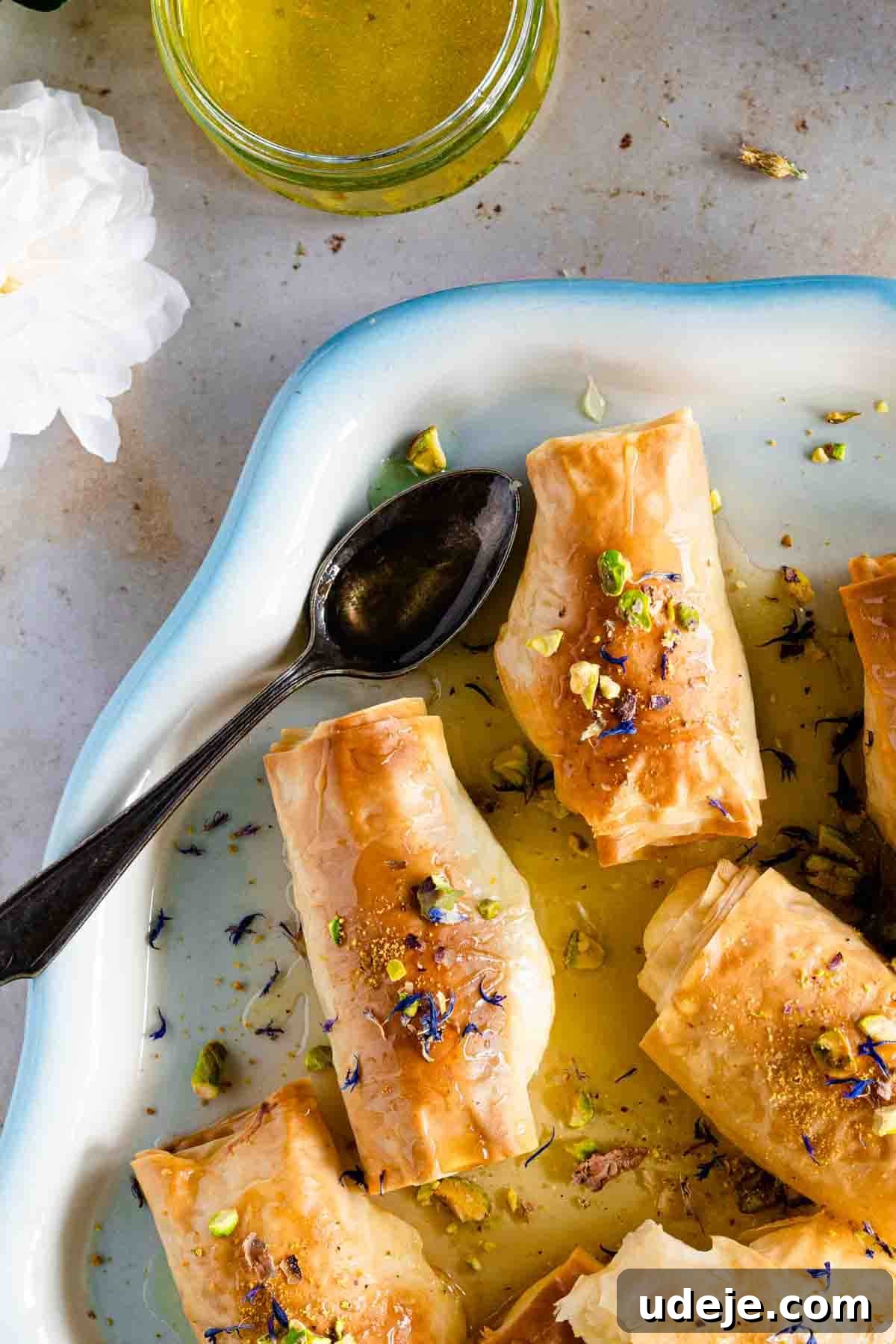
For those who prefer a lighter dessert without sacrificing crunch, baking is an excellent choice. Preheat your oven to 450°F (230°C). Generously brush a large baking sheet with melted butter. Arrange the rolled Znoud El Sit side by side on the prepared sheet, ensuring they have a little space between them. Now, take a pastry brush and generously coat each roll with melted butter from all sides. Don’t be shy with the butter; it’s what helps the phyllo turn golden and incredibly crisp. Bake for 15-25 minutes, or until the pastries achieve a beautiful golden brown color and feel firm to the touch. It’s common for a very minimal amount of ashta to ooze out during baking, but this should be negligible if you’ve rolled them securely. As soon as they emerge from the oven, while still hot, generously drizzle them with the cooled, room-temperature simple syrup. The hot phyllo will readily absorb the sweet syrup. Finish by garnishing with a generous sprinkle of chopped nuts, such as pistachios, and serve immediately for the best experience.
5. Frying for Traditional Decadence
Frying is the traditional method for preparing Znoud El Sit, resulting in an incredibly crispy and slightly richer pastry. You can choose to deep fry them in a pot or shallow fry them in a large pan. If shallow frying, ensure there’s enough oil to submerge at least half of the rolls. Heat your chosen oil in a pot or deep pan over medium-high heat until it’s hot but not smoking (around 350°F / 175°C). Carefully drop 2-3 rolls into the hot oil at a time, being careful not to overcrowd the pan, which can lower the oil temperature and lead to soggy pastries. Fry each side for approximately 30-60 seconds, or until they turn a beautiful golden brown. Using tongs, carefully flip them to ensure even browning on all sides. Once golden, remove the fried rolls and place them immediately on a plate lined with paper towels to drain any excess oil. While still hot, generously drizzle them with the cooled simple syrup and then garnish with a scattering of chopped nuts. Serve warm for an authentic taste of this Middle Eastern classic.
FAQs and Expert Tips for Znoud El Sit Success
The name “Znoud El Sit” is an Arabic term that charmingly translates to “a lady’s upper arms.” This whimsical name refers to the dessert’s distinctive elongated, cylindrical shape, which resembles a woman’s arm. It has become the universally recognized name for these delightful cream-filled phyllo rolls.
Znoud El Sit is a harmony of textures and flavors. Its outer layer consists of thin, flaky, and crispy phyllo dough. Inside, it’s generously stuffed with a sweet, milky cream known as ashta. This ashta is often subtly flavored with rose water or orange blossom water. The entire pastry is then soaked or drizzled with a simple sugar syrup (ater) and traditionally garnished with finely chopped pistachios or other nuts.
Since ashta is made with milk and cream, proper refrigeration is crucial for food safety and freshness. Once prepared, ashta should be stored in an airtight container in the refrigerator for up to 3-4 days. To prevent a tough skin from forming on the surface, always press plastic wrap directly onto the surface of the cream before covering the container.
Yes, for convenience, you can certainly use a good quality store-bought thick cream such as Nestle or Puck cream as a substitute for homemade ashta. However, it’s vital to ensure that the ready-made cream is thick enough to hold its shape when you’re rolling the phyllo. If it’s too thin or runny, it will be difficult to work with and may ooze out during cooking, so always check the consistency before proceeding.
Standard frozen phyllo dough, readily available in most grocery stores’ freezer sections, works perfectly for Znoud El Sit. Look for packages labeled “phyllo pastry” or “fillo dough.” Always thaw it according to package directions, ideally overnight in the refrigerator, to ensure the sheets are pliable and easy to separate without tearing.
While chopped pistachios are traditional and visually appealing, you can get creative with your garnishes! Toasted slivered almonds, finely chopped walnuts, or even a sprinkle of shredded coconut can add different flavors and textures. For an extra touch of elegance, a few dried rose petals can also be beautiful.
Smart Make-Ahead Tips for Stress-Free Preparation:
- Simple Syrup: The simple syrup is incredibly stable. You can prepare it several days, even weeks, in advance and store it in an airtight jar at room temperature on your countertop. It will keep beautifully and be ready whenever you need it.
- Ashta Filling: The creamy ashta can also be made ahead of time. Prepare it as directed, cover it with plastic wrap directly touching its surface to prevent a skin, and refrigerate for up to 2-3 days. Make sure it’s well-chilled and firm before assembly.
- Assembling and Cooking: For optimal crispiness, it’s generally best to assemble and bake or fry the Znoud El Sit on the same day you plan to serve them. However, if you need a slight head start, you can fry or bake them a few hours before serving. They maintain their delicious crunch and do not need to be served piping hot, making them convenient for entertaining guests.
- Freezing Raw Rolls: For longer-term planning, you can freeze the assembled, uncooked rolls. Arrange them in a single layer on a parchment-lined baking sheet and freeze until solid. Once frozen, transfer them to a freezer-safe bag or airtight container. When ready to enjoy, you can deep-fry them directly from frozen, adding a couple of extra minutes to the cooking time. I do not recommend baking them from frozen, as the texture may suffer.
Other Middle Eastern Dessert Recipes You Will Love
If you tried this delightful recipe, please consider leaving a star ★★★★★ rating in the recipe card below and/or a review in the comments section further down the page – I’d love to hear from you! You can also hop on over to Instagram and say hello!
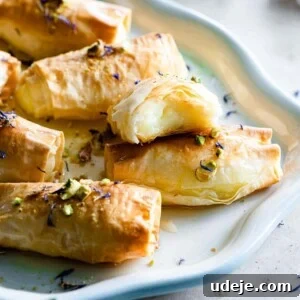
Znoud El Sit (Lady Fingers)
These “lady fingers” are made with crispy phyllo dough stuffed with a creamy ashta (pudding), drizzled with flavored sugar syrup. So crunchy and delicious!
Yield: 20 pieces
Prep Time: 30 mins
Cook Time: 20 mins
Total Time: 50 mins
Author: Amina Al-Saigh
Leave a Review
Pin Recipe
Ingredients
For the Ashta Filling
- 1/2 litre whole milk
- 1/2 litre 35% whipping cream (or 18% liquid table cream or replace with whole milk for a lighter version)
- 3/4 cup corn starch
- 1/2 cup granulated sugar
- 1 tbsp rose water (or orange blossom water)
For the Simple Syrup
- 2 cups granulated sugar
- 1 cup water
- 1 squeeze of lemon juice
Choice of Flavoring for Simple Syrup
- 1 tbsp rose water OR
- 1 tsp orange zest and 5 strands saffron
Other Ingredients
- 15-20 sheets phyllo dough
- 1/2 cup melted butter
- Nuts for garnish (e.g., chopped pistachios)
Equipment
- Stove
- Refrigerator
- Oven (if baking)
- Saucepan (for syrup and ashta)
- Whisk
- Shallow dish (for cooling ashta)
- Plastic wrap
- Sharp knife or pizza cutter
- Pastry brush
- Baking sheet (if baking)
- Deep pot or large pan (if frying)
- Tongs (if frying)
- Paper towels (for draining)
Instructions
- Remove phyllo pastry from the freezer the night before and thaw it completely in the refrigerator.
- Start by making the simple syrup: In a pot, combine granulated sugar, water, and a squeeze of lemon juice. If using orange zest and saffron, add them at this point.
- Stir to combine and place over medium heat to simmer for 10-12 minutes. The sugar should dissolve completely, resulting in a clear syrup. Remove from heat and allow it to cool completely at room temperature. If using rose water or orange blossom water, stir it in after removing from heat.
- While the syrup cools, prepare the ashta filling: In a separate pot, add the whole milk, cream, and corn starch. While all ingredients are still cold, whisk vigorously to ensure the corn starch dissolves completely and there are no lumps.
- Place the pot over medium-high heat and whisk continuously for about 10 minutes, or until the mixture thickens to a pudding-like consistency. Constant whisking prevents the cream from burning at the bottom.
- Once thickened, remove from heat. Stir in the rose water (or orange blossom water if desired). Transfer the ashta to a shallow dish and immediately cover with plastic wrap, ensuring the wrap directly touches the surface of the cream to prevent a film from forming. Refrigerate for 1-2 hours until completely cooled and firm.
- If you are baking, preheat your oven to 450°F (230°C). Skip this step if frying.
- Once the ashta is cool, you’re ready to roll. Unroll the phyllo sheets and keep them stacked. Cut the stack into four equal-sized strips along the short edge (approximately 4 inches wide per strip). Keep unused phyllo covered with a damp cloth to prevent drying.
- Take one of the strip bundles and cut it in half to create shorter strips.
- To roll one piece: Lay two layers of a long phyllo strip on your work surface. Place one layer of a shorter strip horizontally on top of the long one, forming a cross shape.
- Place about 1.5 tablespoons of the cooled ashta filling in the center of the cross, on top of the shorter piece.
- Fold the sides of the shorter phyllo piece over the ashta to completely cover and secure the filling.
- Fold the bottom part of the longer phyllo strip over the enclosed ashta and begin rolling tightly but gently upwards to form a neat log. Refer to photos in the post for visual guidance.
- When you reach the end of the roll, seal it securely. You can use a dab of water, or for a more secure seal, mix 1 tablespoon of flour with 4-5 tablespoons of water to form a thick paste (like glue) and apply a small amount to the end.
- If baking: Brush a sheet pan very generously with melted butter. Place the rolled Znoud El Sit side by side on the pan.
- Brush each phyllo roll generously with melted butter from all sides.
- Bake in the preheated oven for 15-25 minutes, or until deeply golden brown. A minimal amount of filling may ooze out, but secure rolling will keep this to a minimum.
- Remove from the oven and immediately drizzle the hot pastries with the room-temperature simple syrup. Garnish with chopped nuts and serve.
- If frying: Heat a pot or deep pan with oil (sufficient to half-submerge the rolls) over medium-high heat until hot.
- Carefully drop 2-3 pieces at a time into the hot oil, ensuring not to overcrowd. Fry each side for 30-60 seconds until golden brown, then flip and fry the other side.
- Remove fried rolls and place them on paper towels to drain excess oil. Immediately drizzle with cooled sugar syrup, then garnish with nuts and serve.
Notes
- Ashta Cream Options: For the cream, you can use full-fat 35% whipping cream for maximum richness, 18% liquid table cream for a slightly lighter texture, or simply whole milk if you prefer a less indulgent version.
- Simple Syrup Flavoring: Customize your simple syrup! The classic choice is rose water, but my personal favorite is the aromatic combination of orange zest and saffron. You can also opt for orange blossom water or leave it unflavored entirely.
- Baking vs. Frying:
- Frying: This is the traditional method, offering a quick cook time and ensuring the ashta remains perfectly contained. It results in a crispier, richer pastry, but can be more oily.
- Baking: A lighter alternative that still delivers a delightful crunch. While there’s a small risk of the filling oozing, careful rolling minimizes this. Many prefer baking for its cleaner taste and the ability to enjoy more pieces!
- Make-Ahead Flexibility: The ashta filling can be prepared 2-3 days in advance and stored in the fridge. The simple syrup can be made weeks ahead and kept at room temperature. For best crispness, assemble and cook the Znoud El Sit on the day of serving, or at most 2-3 hours beforehand.
Nutrition Information (per serving)
Serving: 1 piece, Calories: 198kcal, Carbohydrates: 37g, Protein: 1g, Fat: 5g, Saturated Fat: 3g, Polyunsaturated Fat: 1g, Monounsaturated Fat: 2g, Trans Fat: 1g, Cholesterol: 12mg, Sodium: 111mg, Potassium: 13mg, Fiber: 1g, Sugar: 25g, Vitamin A: 142IU, Calcium: 4mg, Iron: 1mg
Did you make this recipe? Please leave a star rating and review below!