
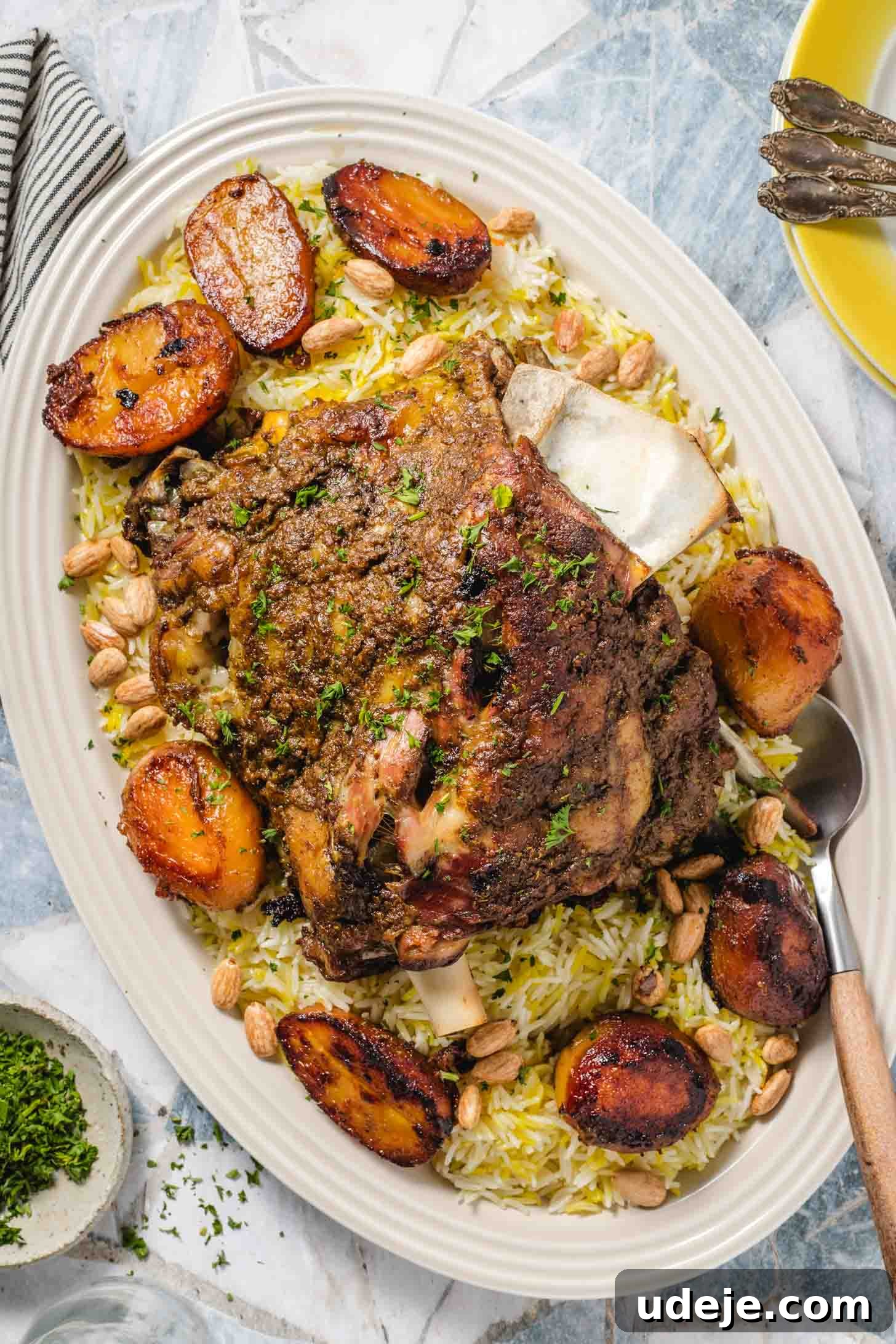
Exquisite Slow-Roasted Lamb Haneeth: A Yemeni Culinary Masterpiece
Embark on a culinary journey to the heart of Yemen with this exceptional recipe for Lamb Haneeth. This traditional dish transforms a humble bone-in lamb shoulder into a truly show-stopping center-piece, marinated overnight in a symphony of warm Arabian spices and then slow-roasted to an ethereal fall-off-the-bone tenderness. Celebrated for its profound flavor, intoxicating aroma, and luxurious, melt-in-your-mouth texture, Haneeth is the quintessential choice for special occasions, family gatherings, and festive celebrations. While it requires a generous cooking time, the beauty of this authentic lamb recipe lies in its surprising simplicity. It’s remarkably easy to prepare in advance, demanding minimal hands-on effort and rewarding you with an unforgettable feast.
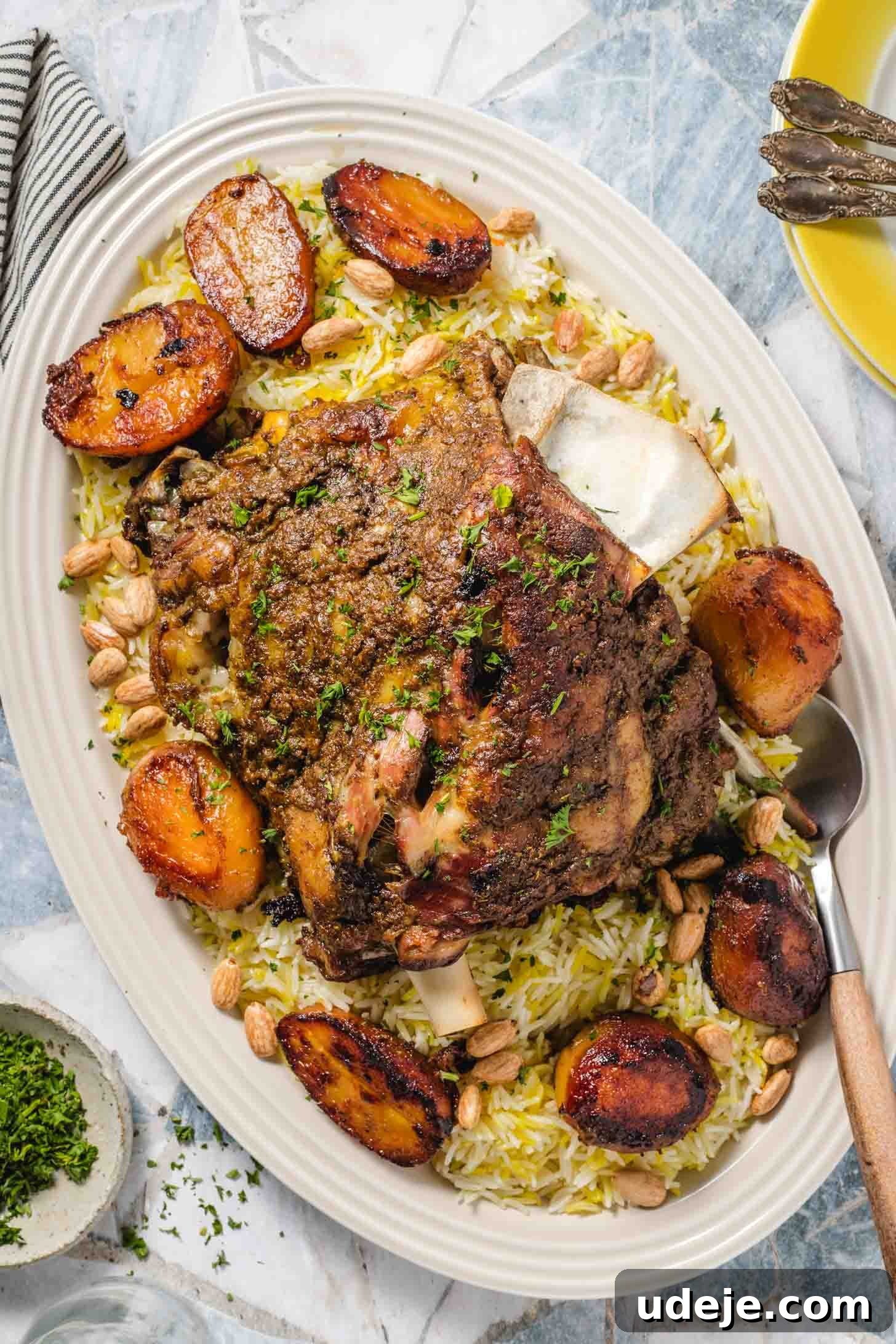
My Family’s Time-Honored Secrets for Achieving Perfectly Tender Slow-Roasted Lamb
As someone with Iraqi heritage, lamb has always held a special place at our dinner table. Growing up, dishes like Iraqi Quzi and Lamb Kabsa were staples, and a succulent slow-roasted lamb shoulder was a regular and cherished occurrence. However, my first taste of Yemeni-style lamb shoulder was a revelation. The intricate blend of spices, far more pronounced than what my Iraqi palate was accustomed to, truly captivated me, opening up a whole new dimension of lamb cookery.
This exquisite Haneeth recipe can be prepared using either a lamb leg or a lamb shoulder. While both yield delicious results, I consistently lean towards the shoulder for its superior texture and flavor profile. Understanding the nuances between these two cuts is key to selecting the perfect one for your preference:
- Lamb Shoulder: This cut boasts a higher fat content, abundant connective tissue, and beautiful marbling throughout. These elements contribute to a richer, more profound “lamb” flavor. When slow-roasted, the connective tissues break down into gelatin, resulting in incredibly soft, deeply tender, and truly fall-apart meat.
- Lamb Leg: In contrast, the lamb leg is leaner with more compact muscle fibers, offering a milder lamb flavor and a firmer, more “meaty” bite. While it can also be slow-roasted until tender, it typically requires a longer cooking time and will generally not achieve the same ultra-tender, melt-in-your-mouth consistency as the shoulder.
Based on these characteristics, choose the cut that best suits your desired outcome. My father, the ultimate lamb enthusiast in our family, imparted invaluable wisdom on consistently achieving perfectly tender, fall-apart lamb. These are his tried-and-true principles:
- Embrace the Shoulder: For the most exquisitely tender results, unequivocally choose a bone-in lamb shoulder. Its inherent fat and connective tissue are your allies in achieving that coveted succulence.
- Prioritize Marination: To infuse the lamb with maximum flavor, an extended marination period is essential. Aim for an overnight soak (12-24 hours) or, at the very least, a solid 4-6 hours. This allows the aromatic spices to penetrate deep into the meat fibers.
- Master Low and Slow Roasting: The secret to transforming tough cuts into tender marvels lies in the slow-roasting process. In this Haneeth recipe, we advocate for a consistent low temperature of 350°F (175°C) for a duration of at least 4 to 5 hours. Patience is paramount here.
- Ensure a Sealed, Moist Environment: Critical for tenderness is preventing the lamb from drying out. Achieve this by roasting in a tightly sealed environment with a touch of moisture. Our method involves using two layers of heavy-duty aluminum foil to completely seal the edges of the baking dish, along with adding a small amount of water to the bottom of the pan to create a steamy braising effect.
Essential Ingredients and Strategic Planning for Your Haneeth Feast
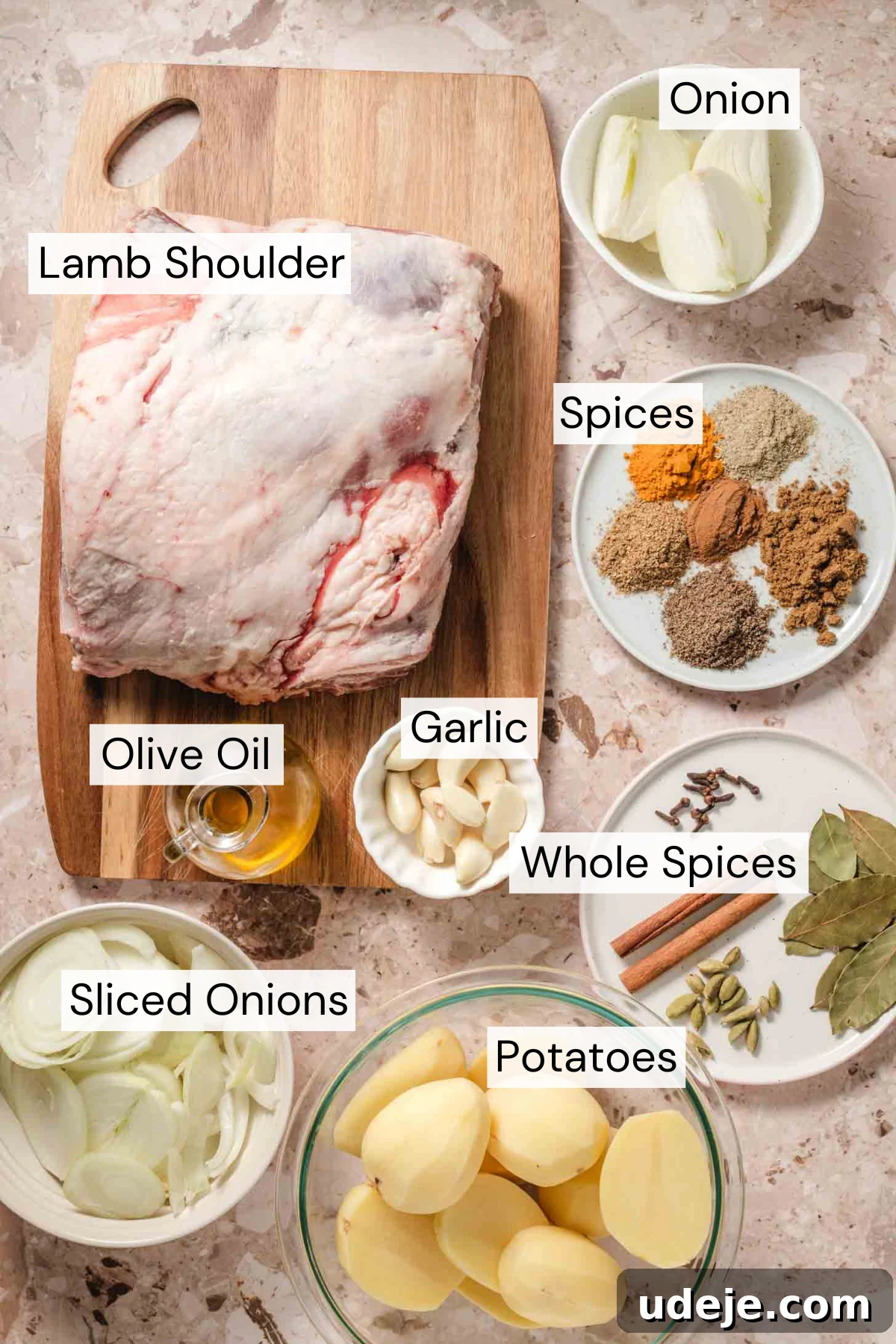
The star of this elaborate meal is undoubtedly the lamb shoulder itself. While roasted potatoes are a delightful addition, feel free to adjust or skip them if you plan to serve your Haneeth with an abundance of rice, a vibrant salad, or other complementary sides. A personal recommendation is to utilize the rich lamb drippings to prepare a spectacularly fluffy basmati rice – detailed instructions for this will be found in the recipe notes section below. This elevates the entire meal, ensuring no drop of flavor goes to waste.
Strategic Timing for Flawless Execution
Successful Haneeth preparation, especially when entertaining, hinges on thoughtful planning. Here’s a suggested timeline to ensure your lamb is ready for serving right on time:
- Overnight Marination (Highly Recommended): If you choose the superior overnight marination route, begin the night before your intended cooking day. On the day of cooking, remove the marinated lamb from the refrigerator by 12 PM (noon) to allow it to come to room temperature. This ensures even cooking. Aim to have the lamb in the oven by 1 PM, which will allow it to be perfectly done between 5 PM and 6 PM, just in time for an evening meal.
- Minimum 4-Hour Marination: Should you forget to marinate overnight, don’t fret! Start the marination process promptly at 9 AM and place the seasoned lamb back into the fridge. Take it out by 12 PM (noon) to temper, and then begin roasting by 1 PM. This schedule will also have your Haneeth ready by 5 PM to 6 PM. Remember, the longer the marinade, the deeper the flavor, so plan accordingly!
This meticulous planning allows you to enjoy your company while the oven does most of the heavy lifting, making Haneeth an ideal dish for entertaining guests.
Crafting Lamb Haneeth: A Step-by-Step Guide to Perfection
Lamb Haneeth is my go-to dish for company, without fail. Its exceptional flavor and impressive presentation belie its ease of preparation. The ability to prepare it mostly ahead of time (which, in fact, enhances its flavors even further!) means minimal fuss on the day of serving, allowing you to relax and enjoy the occasion.
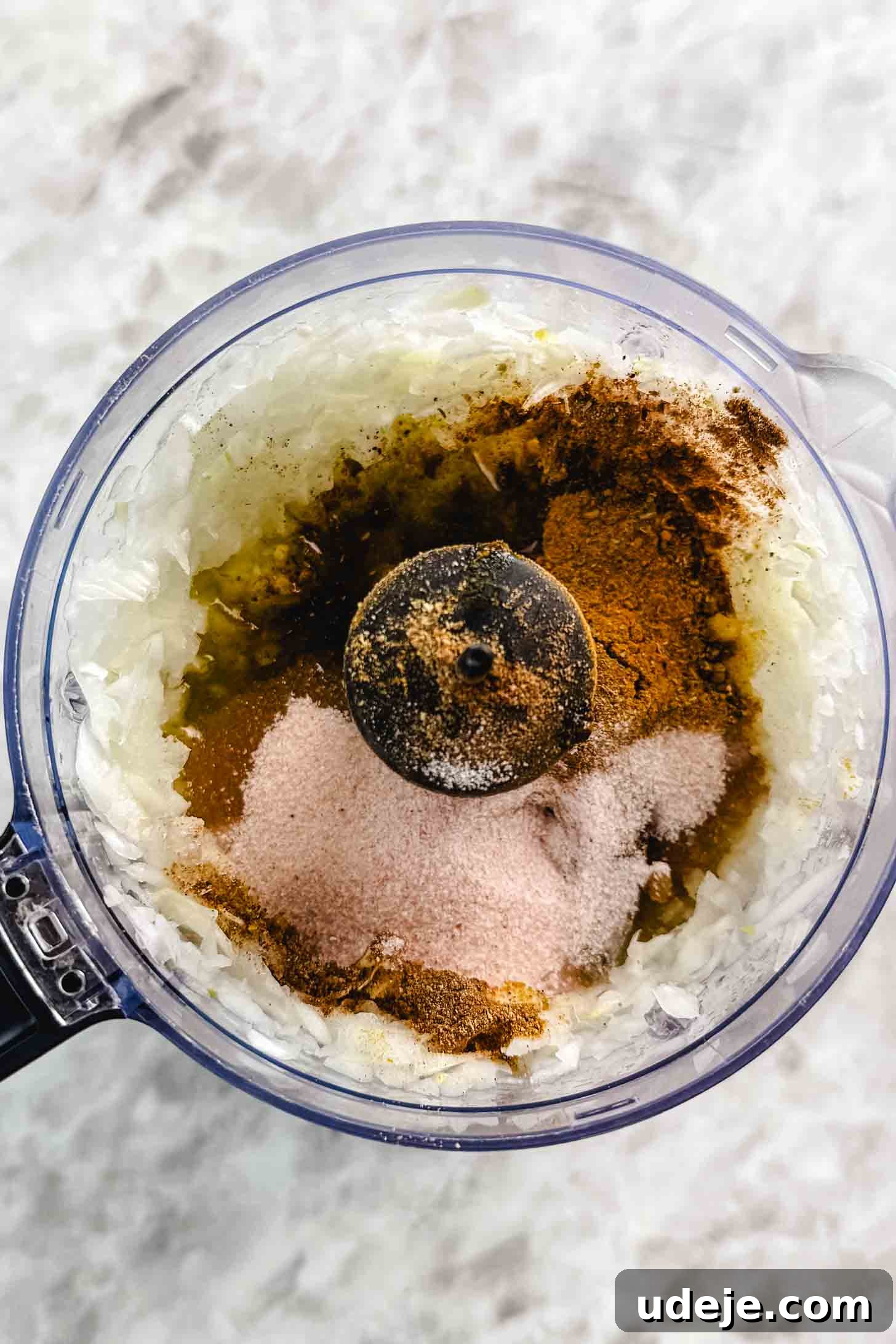
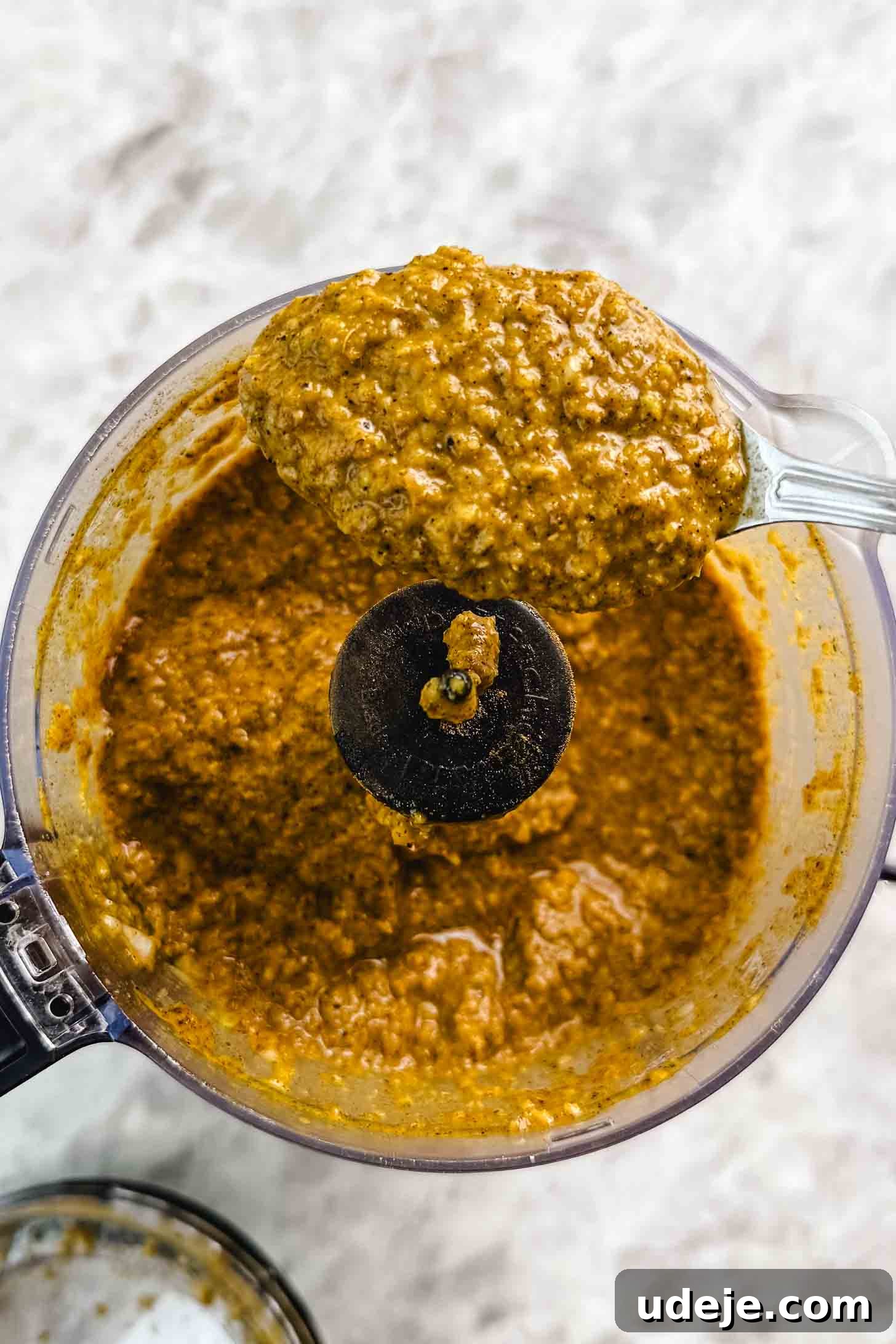
This vibrant paste is the cornerstone of the Haneeth’s deep flavor. The blend of cumin, turmeric, coriander, cinnamon, cardamom, and black pepper, combined with onion, olive oil, and salt, creates a potent marinade that penetrates the lamb, ensuring every bite is bursting with Arabian warmth.
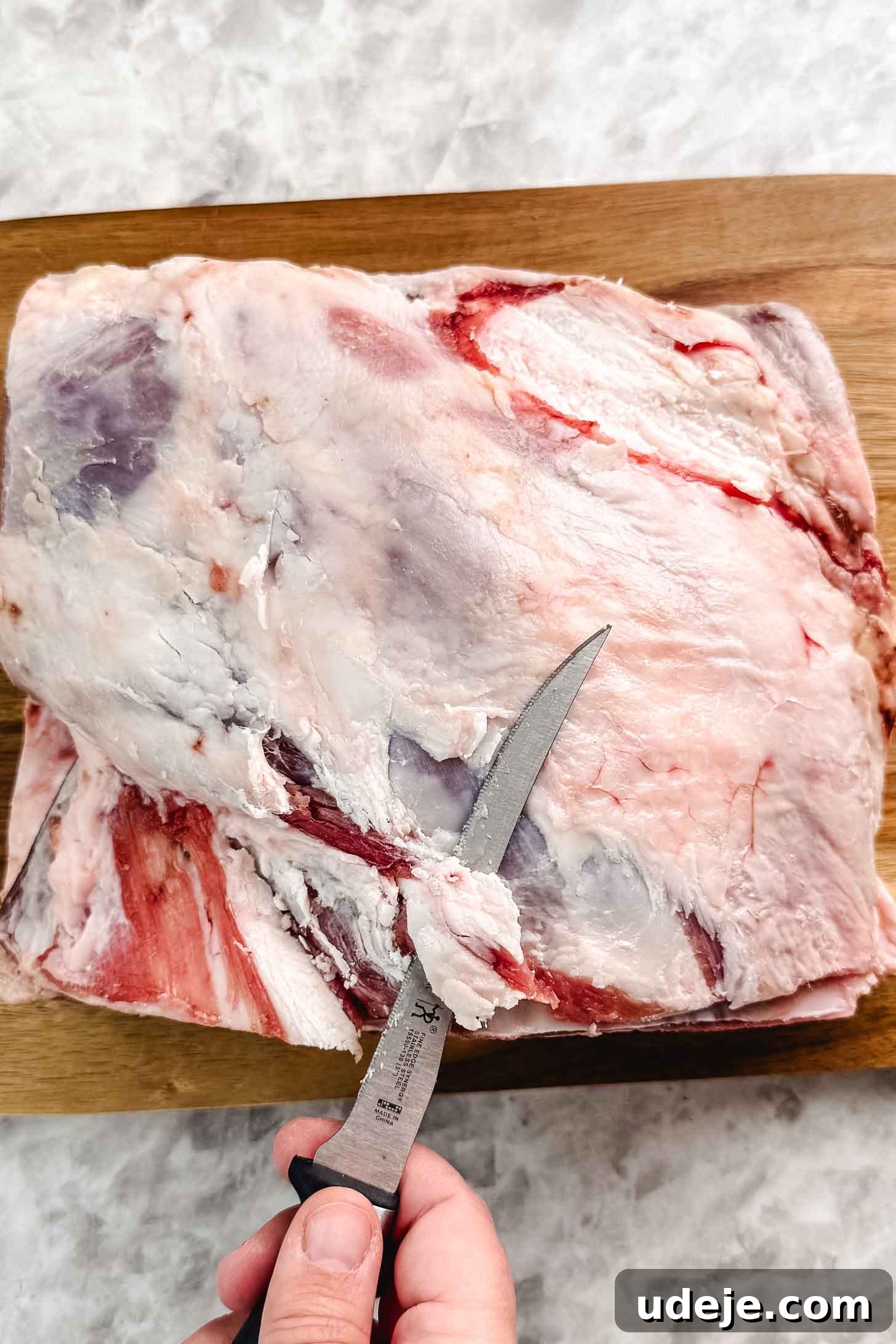
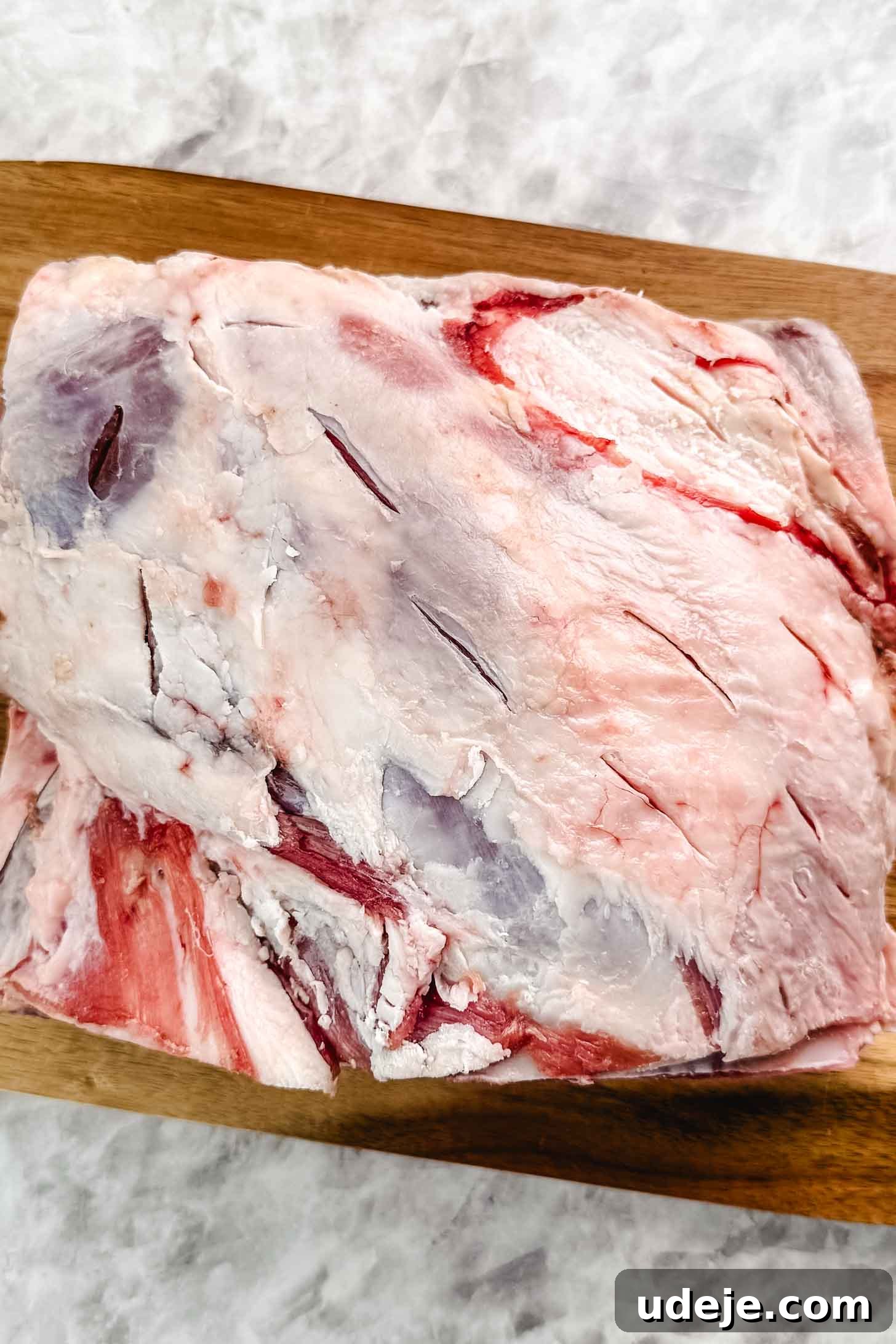
The trimming of fat is crucial for a balanced dish, and the deep scoring ensures the marinade truly infuses the meat. Don’t be shy – these slits are vital for flavor absorption and contribute to the lamb’s ultimate tenderness.
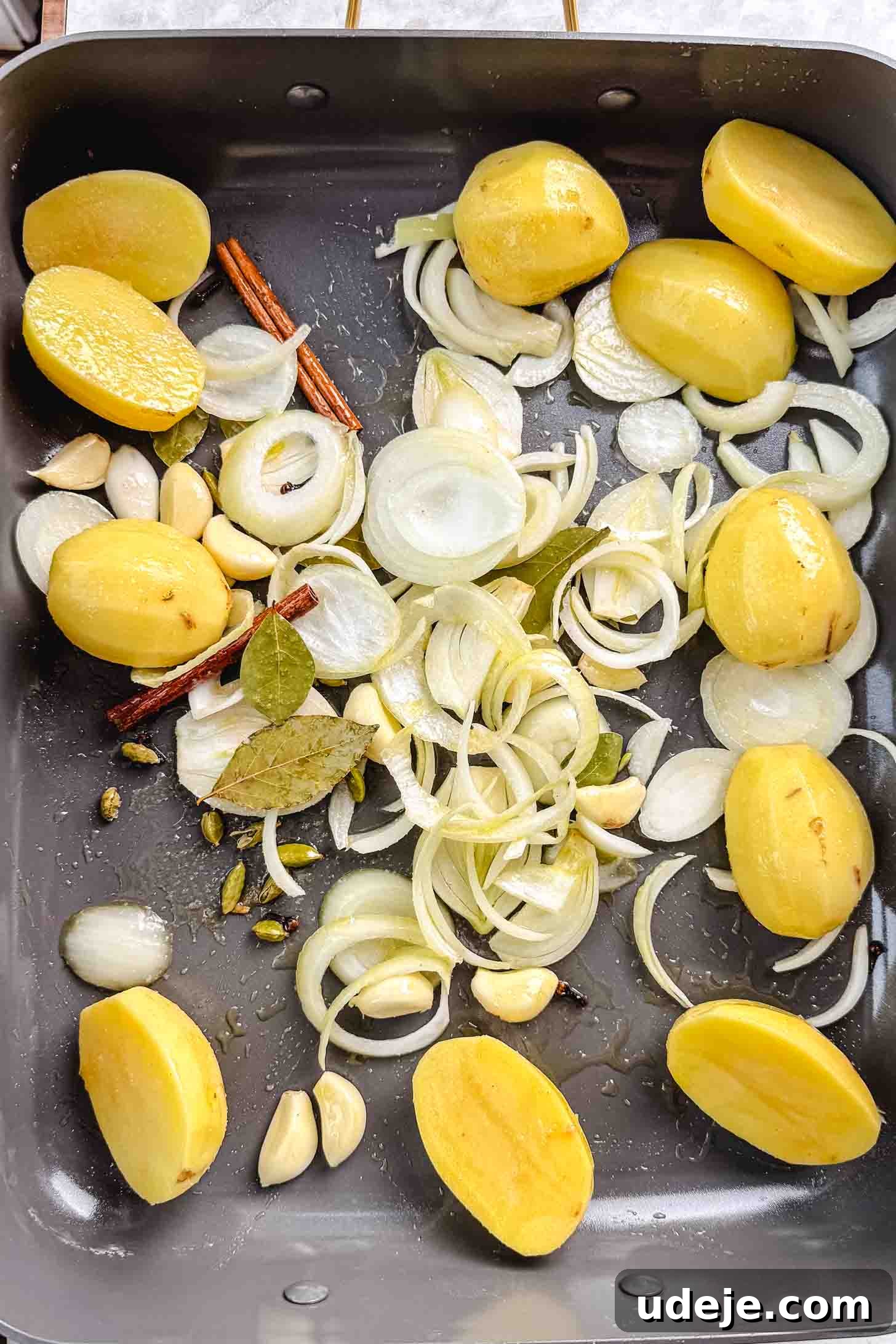
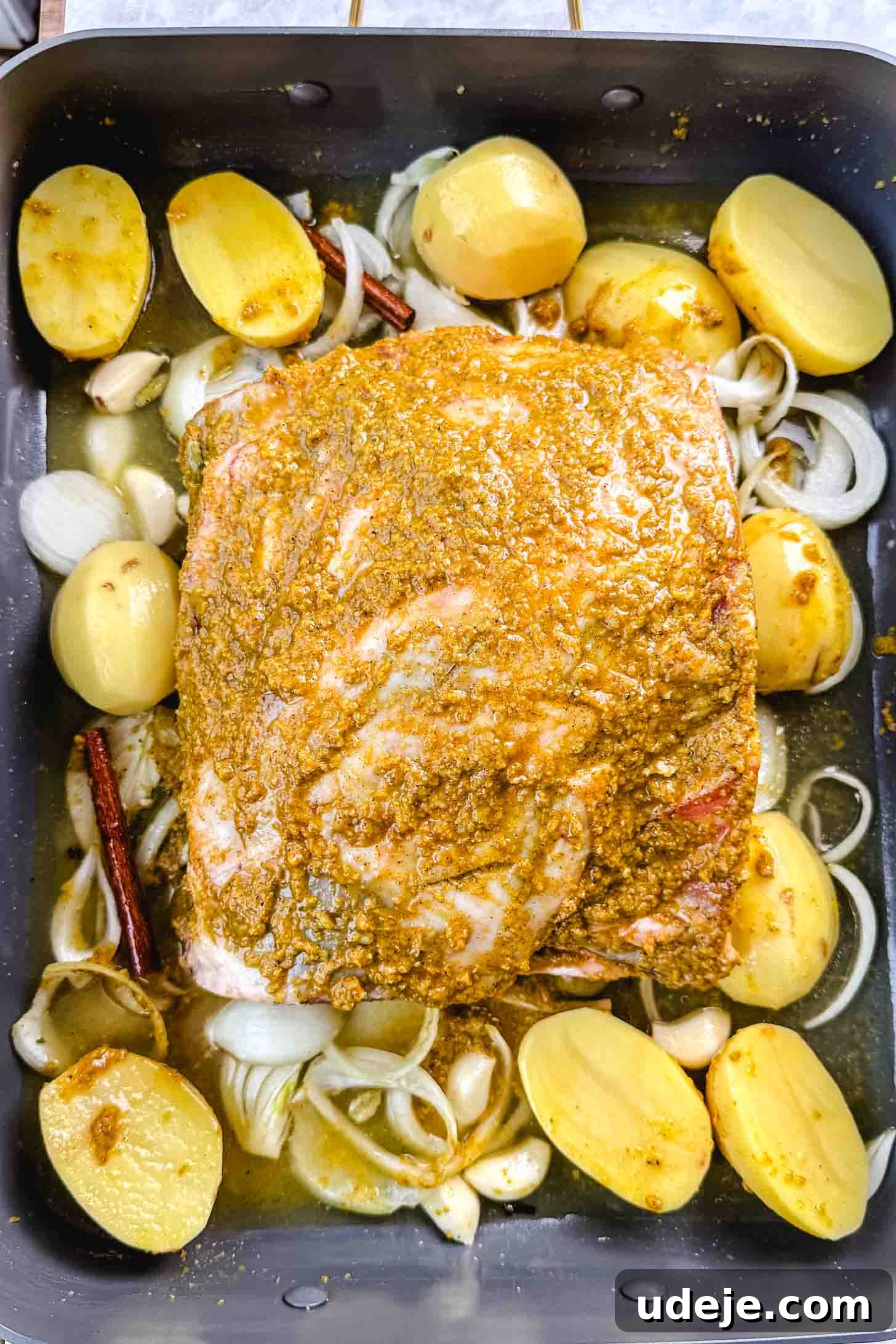
This foundation of vegetables and whole spices not only prevents the lamb from scorching but also imparts incredible flavor to the pan drippings, which are later perfect for flavoring rice. The added water creates a steaming effect, crucial for tenderizing the lamb.
Crucial Step for Tenderness: Ensuring a Perfect Seal.
This is perhaps the most vital step in achieving that signature fall-off-the-bone texture. After placing your lamb and vegetables, first cover the entire dish with a sheet of parchment paper. It’s perfectly fine if the paper lightly touches the water and vegetables – its purpose is to create a non-reactive barrier. Next, seal the dish meticulously with two, or even three, layers of heavy-duty aluminum foil. Ensure all edges are crimped tightly to create an impenetrable seal, trapping all the moisture and steam within the roasting environment. This creates a miniature pressure cooker effect, essential for slow-roasting success.
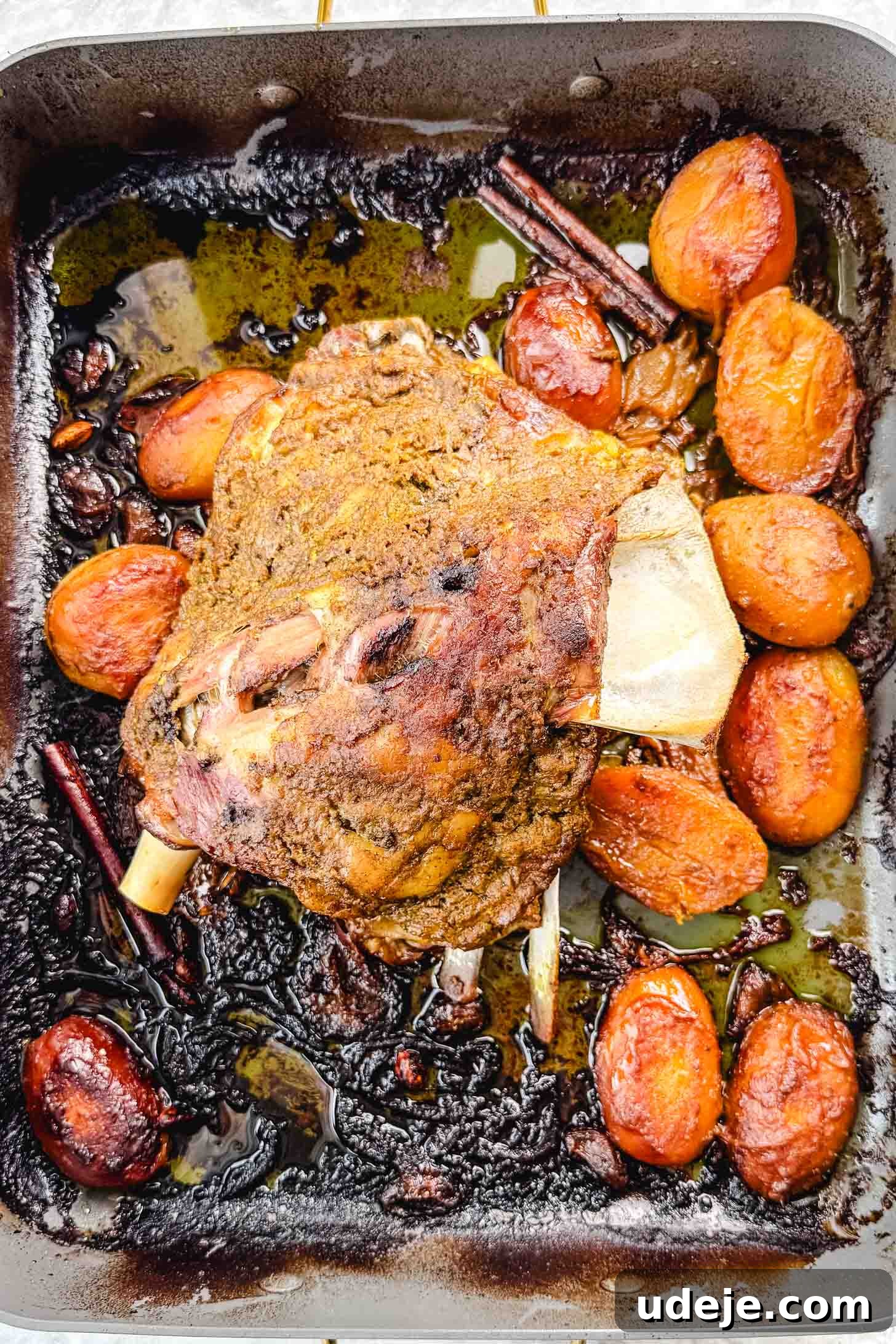
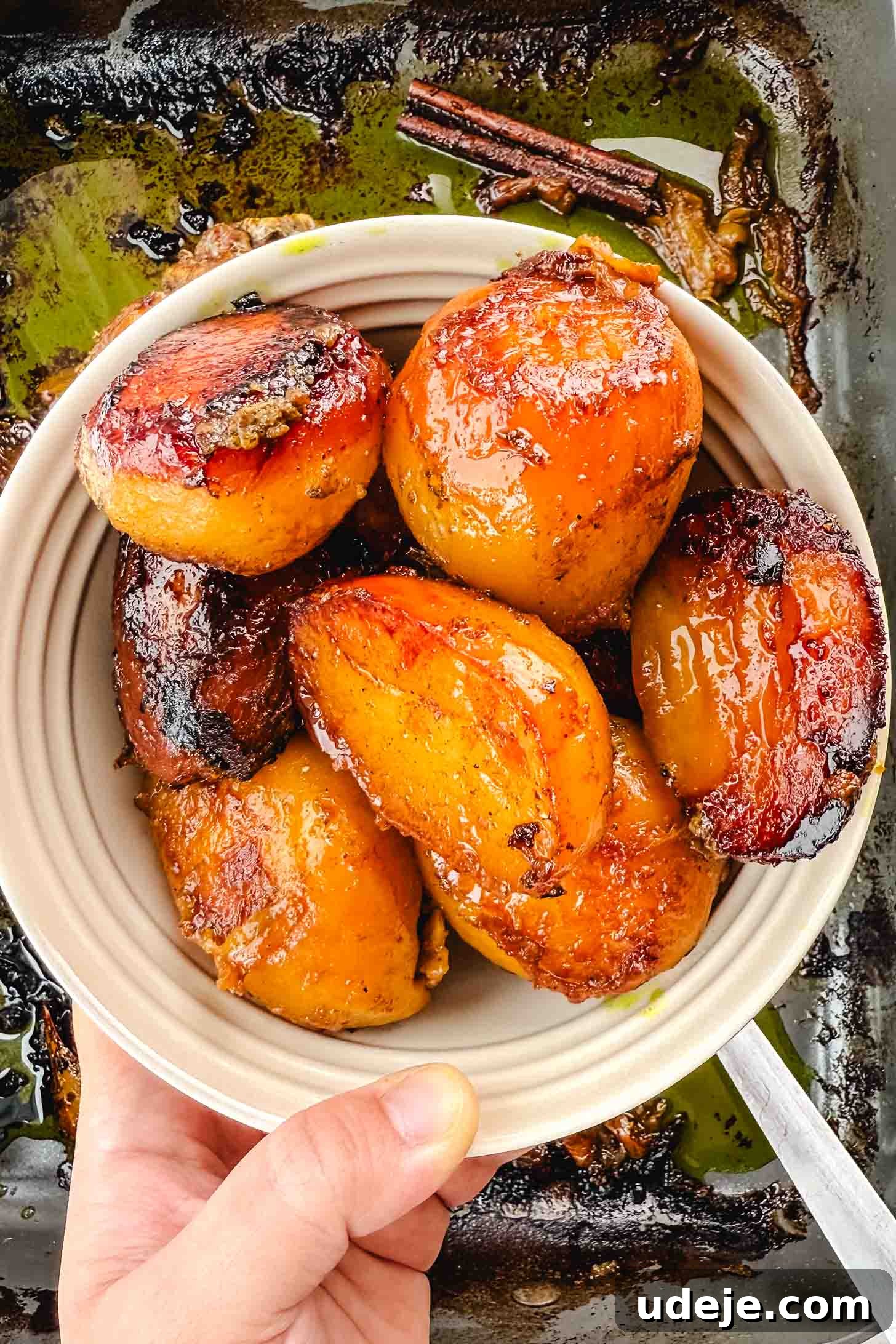
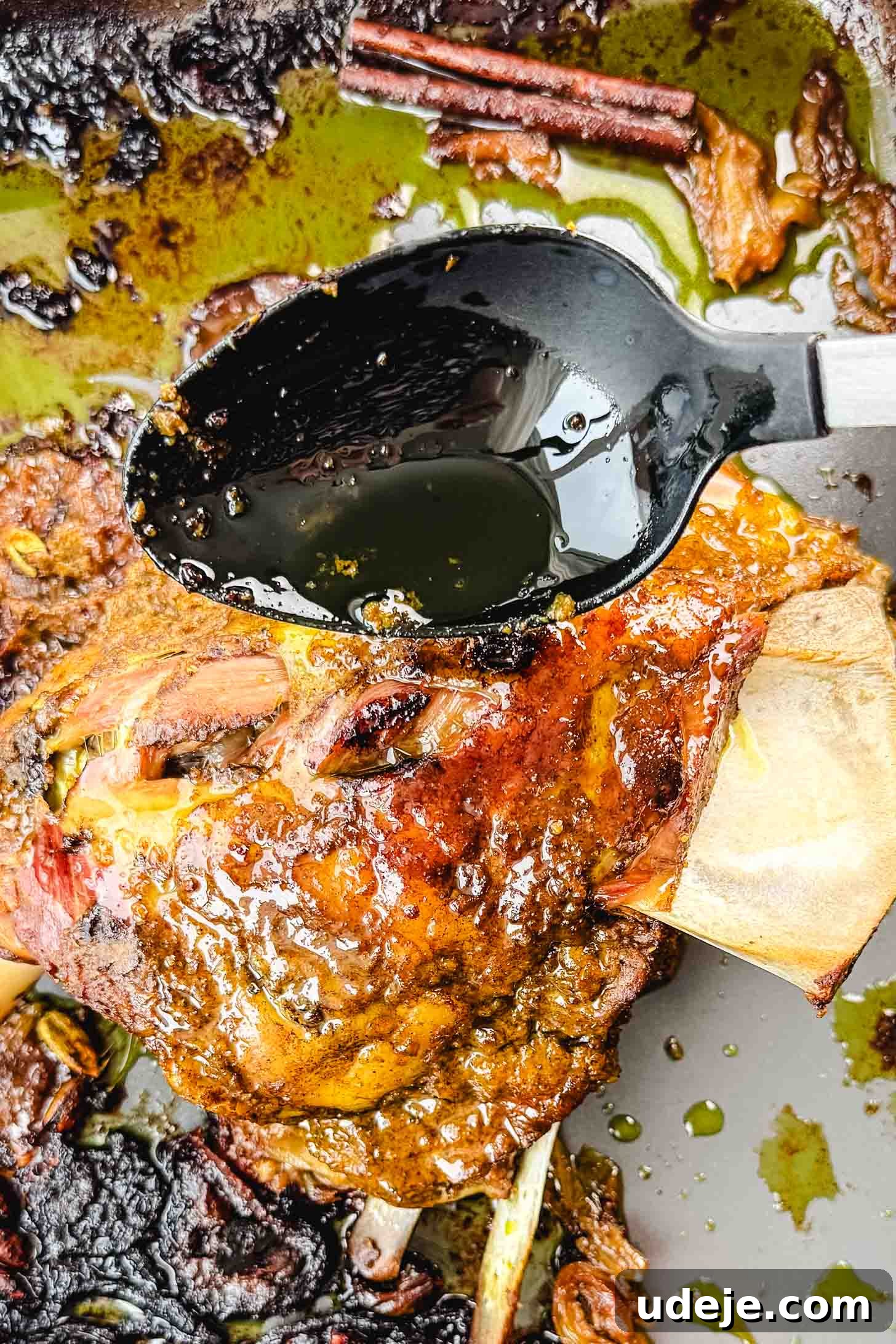
The final broiling step is quick but transformative, adding a desirable crispiness and caramelized crust to the exterior of the lamb, contrasting beautifully with its tender interior. Keep a close watch during this stage to prevent burning.
Serving Your Magnificent Lamb Haneeth
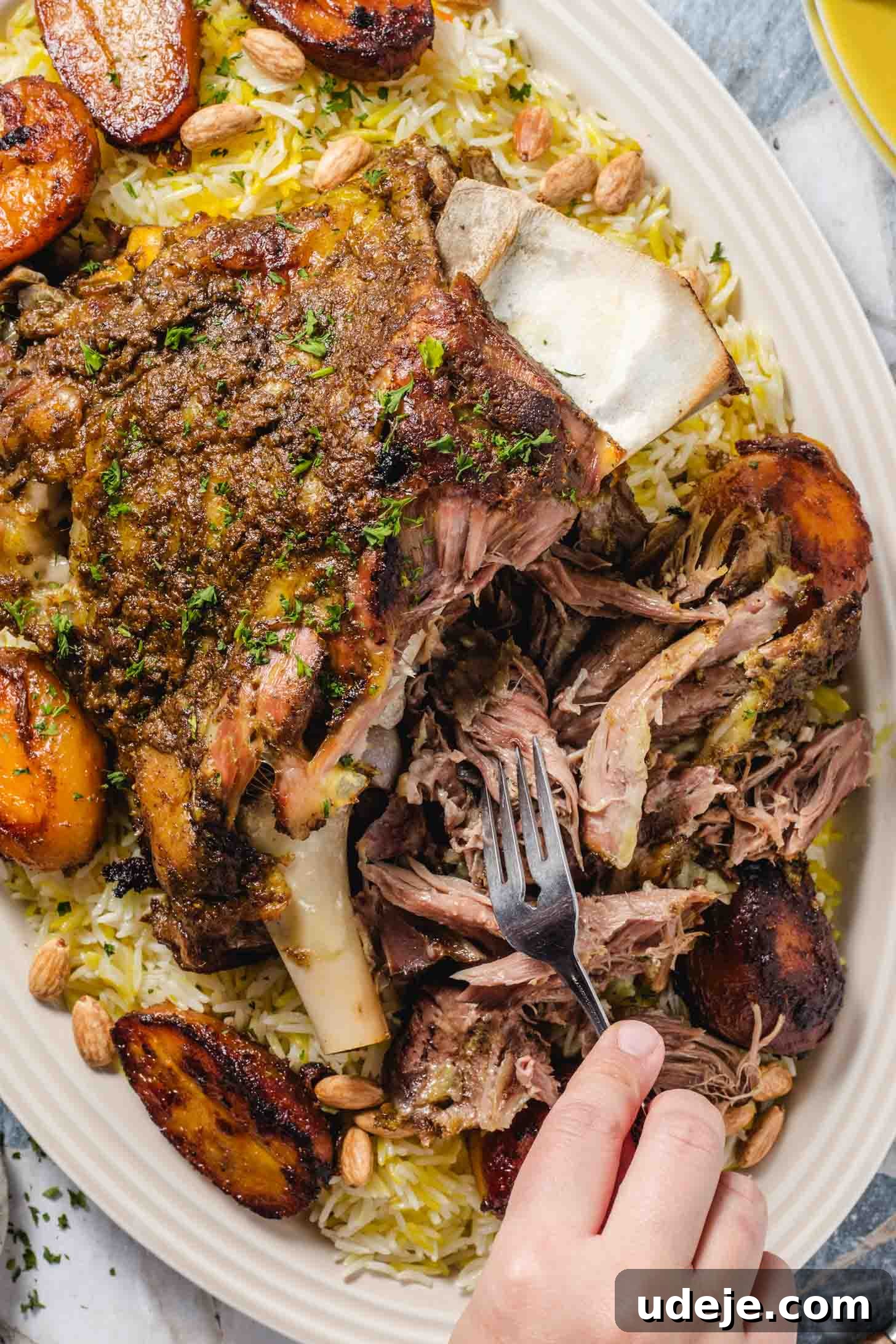
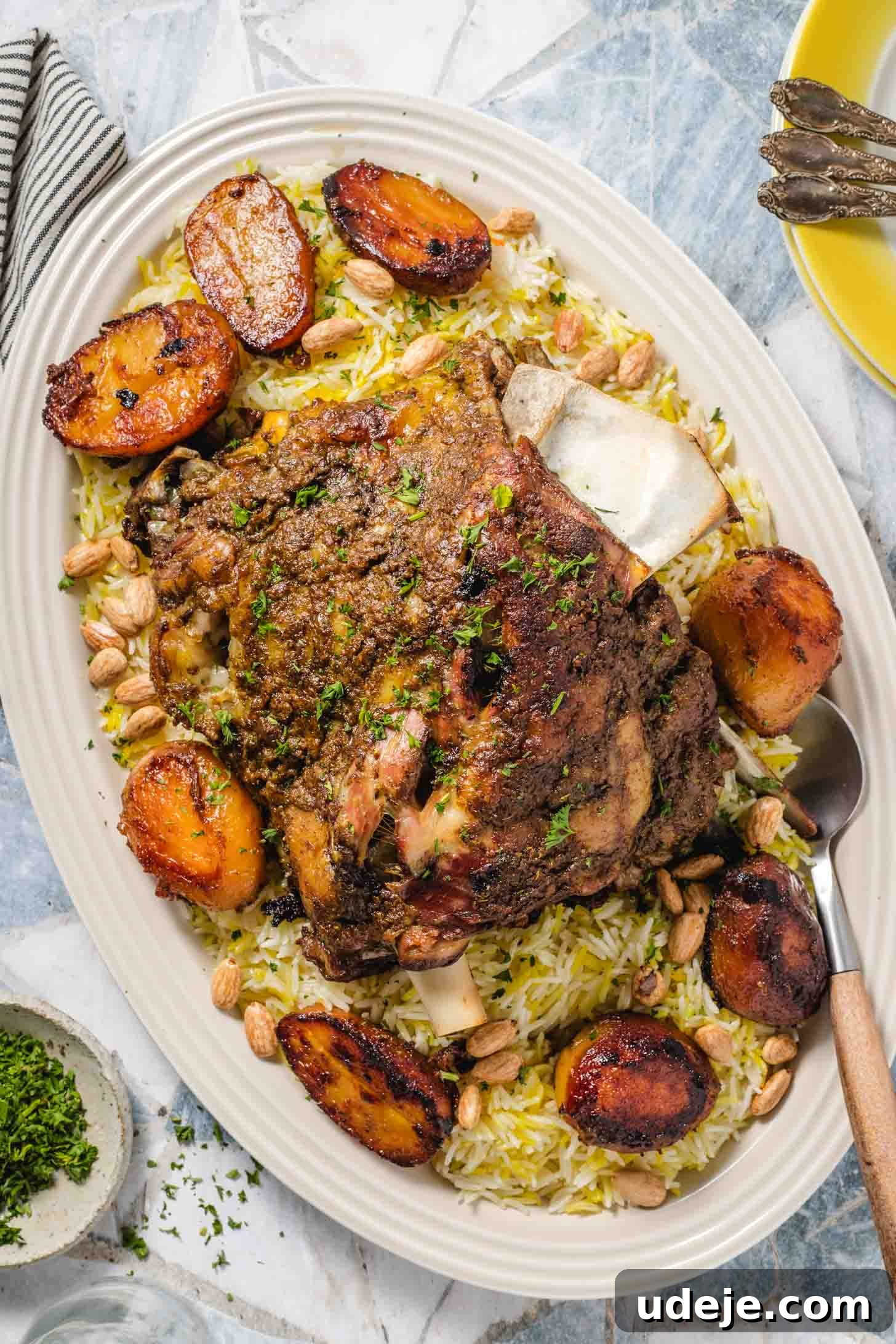
Once your Lamb Haneeth emerges from the oven, glistening and impossibly tender, it’s time for the grand presentation. My absolute favorite way to serve this dish is dramatically over a bed of fragrant basmati rice. To complete the experience, I generously sprinkle toasted almonds or pine nuts over the lamb and rice, adding a delightful crunch and nutty aroma. A vibrant scattering of fresh parsley not only provides a pop of color but also a fresh herbaceous counterpoint to the rich meat.
For an authentic and incredibly flavorful rice accompaniment, I wholeheartedly recommend using the rich lamb drippings collected from the roasting pan. You’ll find detailed instructions on how to transform these precious juices into a spectacular rice dish in the recipe card notes section below. Alternatively, if you prefer a different aromatic rice, my Mediterranean Yellow Rice recipe or Arabic Rice with Vermicelli would both pair absolutely perfectly with the Haneeth.
Beyond rice, consider a fresh, crisp salad dressed with a light vinaigrette to cut through the richness of the lamb. Fresh pita bread is also an excellent option, perfect for tearing and scooping up the tender meat and flavorful juices. Whether you opt for a traditional spread or a more modern interpretation, Lamb Haneeth promises to be the undisputed highlight of any meal.
Discover More Delicious Lamb Recipes
If you tried these recipes, please consider leaving a star rating in the recipe card below and/or a review in the comments section further down the page – I’d love to hear from you! You can also hop on over to Instagram and say hello!
Yemeni Lamb Haneeth
8 Servings
20 mins
4 hrs
4 hrs 20 mins
Amina Al-Saigh
Lamb Haneeth is a beloved Yemeni dish made with slow-roasted lamb marinated in an aromatic blend of spices. The tender, fall off the bone, meat is typically served with basmati rice.
Leave a Review
Pin Recipe
Ingredients
For the Lamb
- 1 medium onion, peeled and quartered
- 1/2 cup olive oil
- 1½ teaspoon cumin
- 1½ teaspoon turmeric
- 1½ teaspoon coriander
- 1 teaspoon cinnamon
- 1 teaspoon cardamom
- 1 1/2 teaspoons black pepper
- 5 teaspoons salt
- 2½ kilogram lamb shoulder, bone in, fat trimmed, cleaned and washed
For the Vegetables
- 10 cloves garlic, peeled
- 2 medium onions, thinly sliced
- 12 small potatoes, peeled, washed and halved (see notes)
- 1 1/2 teaspoons salt
- 10 cardamom pods
- 10 bay leaves
- 1 cinnamon stick
- 7 cloves
- 3 tablespoons olive oil
- 2 cups water
For Serving
- fresh pita bread
- basmati rice, see notes for cooking method
Instructions
- Note: If marinating overnight, you need to start this recipe the night before. If marinating for 4 hours, you need to start at 9 am for a 6 pm finish.
- In a food processor, blend together the onion, olive oil, cumin, turmeric, black pepper, coriander, and salt until well blended and a thick paste forms.
- To prepare the lamb shoulder, pat it dry with paper towel. If required, trim off any excess fat. Using a sharp knife, make deep slits (3-4 cm long) all over the shoulder. Massage the marinade thoroughly into the shoulder, cover, and refrigerate preferably overnight, or for at least 4 hours. Skipping marinating is possible, but the flavor is significantly enhanced with a longer marination.
- The next day, remove the lamb shoulder 1 hour before baking to allow it to come to room temperature. Preheat the oven to 350℉ (175°C).
- In a large Dutch oven or a large baking dish (at least 7 cm deep), place the peeled garlic, potatoes, sliced onions, salt, cardamom, bay leaves, cinnamon stick, cloves, and 3 tablespoons of olive oil. Mix these well. Place the marinated lamb shoulder directly on top of the vegetables and add the 2 cups of water to the bottom of the dish.
- Cover the lamb very well with parchment paper (it’s okay if the paper touches the water/vegetables), then seal it tightly with 2 layers of aluminum foil, securing all the edges. Bake for 4 hours, or until the lamb is incredibly tender and falls off the bone. Important: While 4 hours is typical, cooking time can vary from 3 to 5 hours depending on your specific cut and oven. Check periodically after 3 hours and add more water if the bottom of the tray appears dry. Once tender, carefully scoop some of the rich fat and drippings from the bottom of the tray and drizzle it generously over the lamb shoulder. Then, broil for about 5 minutes, or until the top is beautifully browned and slightly crispy – always keep a close eye on it during this final step to prevent burning.
- Serve the lamb with a side of fragrant basmati rice (see notes for preparation using drippings) or warm fresh pita bread. Complement with additional vegetable sides or a refreshing salad.
Notes
- Lamb Cooking Time: The exact cooking time for your lamb may vary based on its size, cut, and quality. While 4 hours is a general guideline, it’s wise to check for doneness after 3 hours and be prepared to extend baking for up to 5 hours if needed to achieve ultimate tenderness.
- To Serve with Rice (Using Lamb Drippings): For a truly exceptional rice side, scoop the flavorful drippings from the baking dish into a pot. Add about 1/2 teaspoon each of ground cinnamon, cloves, coriander, cardamom, and turmeric (the turmeric is optional, for yellow rice). Add 1.5 cups of liquid (water or broth) for every 1 cup of basmati rice you plan to cook. Bring this mixture to a boil. Add enough salt until the liquid tastes noticeably salty. Then, add your washed basmati rice. Once the rice comes back to a boil, reduce the heat to very low, cover the pot tightly, and cook for 20 minutes. Finally, fluff with a fork before serving.
- Perfect Potatoes: I recommend using small to medium-sized potatoes (not tiny baby potatoes), peeled and halved. Smaller potatoes might become overly soft during the long slow roast.
- You can also serve your Haneeth with my Arabic rice or Mediterranean rice for delicious alternatives.
- Storage: Leftover Lamb Haneeth can be stored in an airtight container in the refrigerator for up to 3 to 4 days, making it perfect for meal prepping or enjoying later.
Nutrition Information
Serving: 1 Serving, Calories: 659 kcal, Carbohydrates: 53g, Protein: 46g, Fat: 30g, Saturated Fat: 6g, Polyunsaturated Fat: 3g, Monounsaturated Fat: 18g, Cholesterol: 126mg, Sodium: 2050mg, Potassium: 1772mg, Fiber: 8g, Sugar: 4g, Vitamin A: 21IU, Vitamin C: 55mg, Calcium: 101mg, Iron: 7mg
Did you make this recipe? Please leave a star rating and review below!