
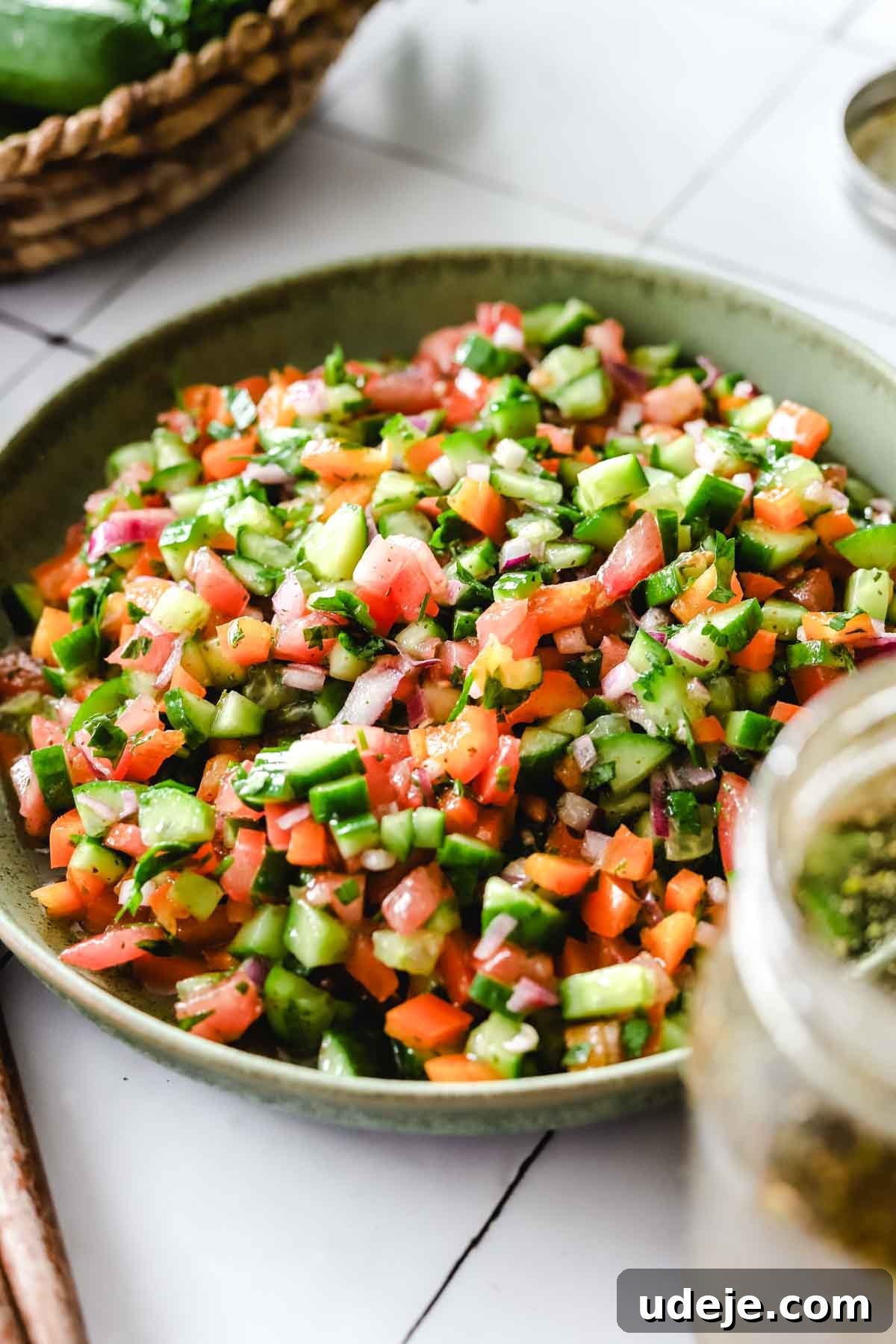
Step into the heart of Middle Eastern culinary tradition with a dish that embodies freshness, simplicity, and vibrant flavors: the Arabic Chopped Salad. More than just a side dish, this salad is a foundational element in countless meals across the region, celebrated for its bright, tangy profile and satisfying texture. Imagine a medley of finely diced tomatoes, crisp cucumbers, pungent onions, and aromatic herbs, all brought together by an irresistible dressing. This isn’t just any dressing; it’s a concoction featuring the unique sweetness of pomegranate molasses, the zesty punch of sumac, the richness of olive oil, and the cooling touch of dried mint. It’s a recipe that’s not only easy to master but also endlessly adaptable to whatever fresh produce you have on hand. What truly sets this salad apart is the meticulous, fine chop of its ingredients, ensuring that every spoonful delivers a harmonious burst of flavor and a delightful textural experience. Let’s embark on the journey of creating this iconic Middle Eastern gem.
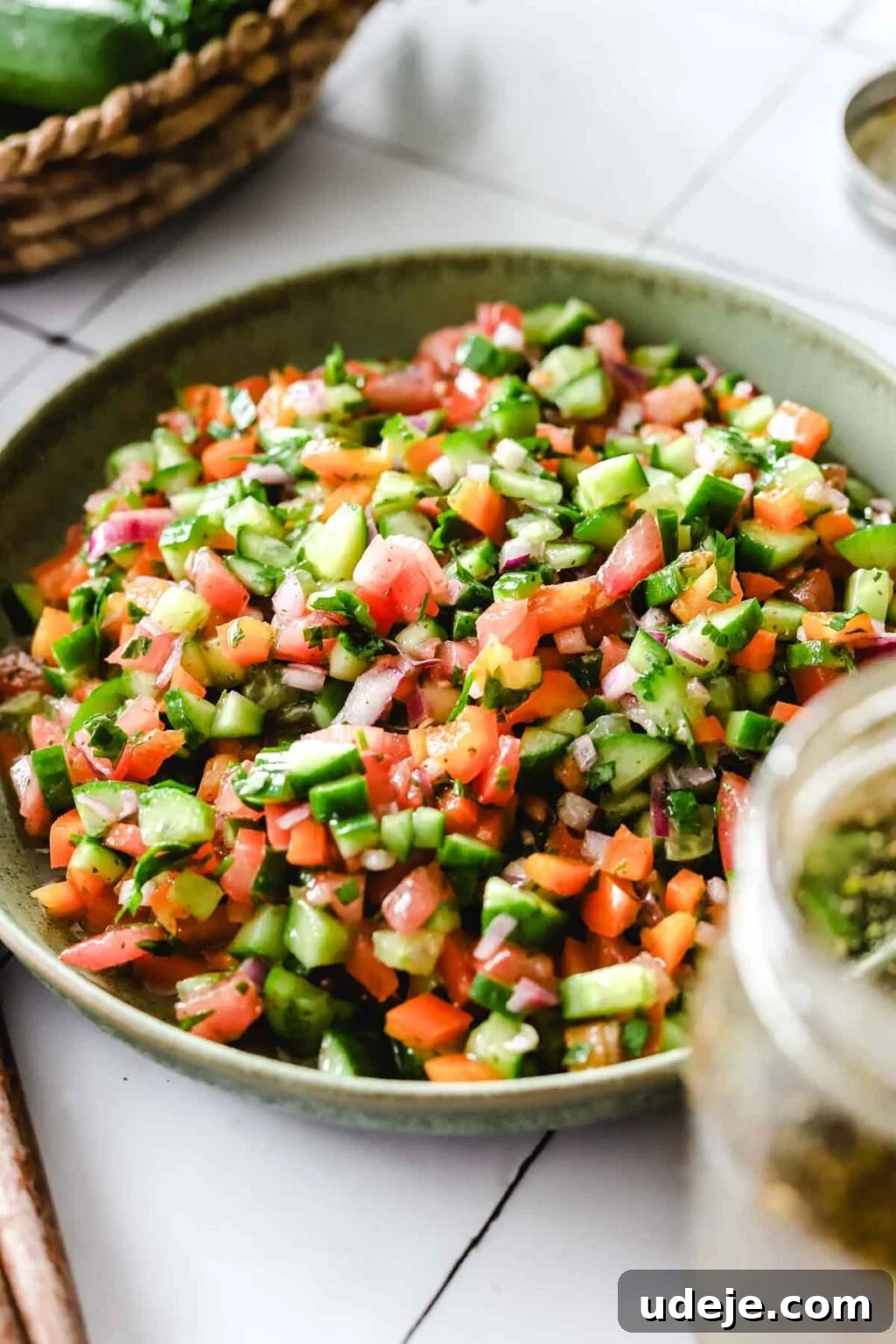
The Heart of Every Middle Eastern Table
Growing up in a Middle Eastern household, mealtime was incomplete without a generous bowl of salad or a platter of fresh, whole vegetables like crisp green onions, peppery radishes, and cooling cucumbers. These fresh accompaniments were not merely an afterthought; they were integral to the dining experience, providing a refreshing counterpoint to richer main courses. I genuinely can’t envision enjoying a hearty Fasolia (green bean stew) served over fluffy Arabic rice with vermicelli, or a comforting plate of Mujadara (lentils and rice) without a vibrant side of this classic chopped salad. It’s more than just food; it’s a taste of home, a tradition passed down through generations.
This particular Arabic salad recipe has become my go-to, a dish I can whip up in a mere 10-15 minutes just before we gather around the table. Its brilliance lies in its beautiful simplicity and the incredible depth of flavor it achieves with minimal fuss. The dressing, in particular, is a game-changer – so extraordinary that I always keep a jar of it readily available in my fridge. It’s this accessibility and versatility that makes it a beloved staple.
Customizing Your Perfect Chopped Salad
One of the many charms of this salad is its adaptability. While a core set of ingredients provides its signature taste, you’re encouraged to customize it based on what’s fresh and available. My personal favorite combination includes crisp Persian cucumbers, vibrant red or yellow bell peppers, juicy ripe tomatoes, thinly sliced red onions, and a generous handful of fresh parsley. This blend offers a delightful spectrum of colors, textures, and tastes. However, feel free to experiment with other additions like finely chopped lettuce, green bell peppers, or even a sprinkle of crumbled feta cheese for an extra layer of flavor.
The secret to this salad’s irresistible appeal, beyond its fresh ingredients and incredible dressing, lies in the technique of chopping. Achieving a consistently fine chop for all the vegetables is paramount. This ensures that each spoonful offers a harmonious blend of every ingredient and a uniform texture that is incredibly satisfying. Eating it with a spoon isn’t just a preference; it’s the definitive way to savor this salad, allowing you to scoop up every last drop of that exquisite dressing along with the finely chopped goodness.
The Unforgettable Dressing: A Symphony of Flavors
The soul of this Arabic chopped salad resides undeniably in its distinctive dressing. It’s a carefully balanced blend of sweet, sour, earthy, and savory notes that elevates the fresh vegetables to a gourmet experience. Each ingredient plays a crucial role in creating this complex and utterly delicious flavor profile.
The Magic of Pomegranate Molasses
The standout ingredient, the one that truly sets this dressing apart, is undoubtedly pomegranate molasses. Without it, the dressing would taste overly tart, lacking the crucial balance that makes it so addictive. Pomegranate molasses, a thick, dark syrup made from reducing pomegranate juice, introduces a deep, fruity sweetness alongside a pleasant tang. This rich, concentrated flavor harmonizes beautifully with the bright acidity of lemon juice, creating a multi-dimensional dressing that is both refreshing and profound.
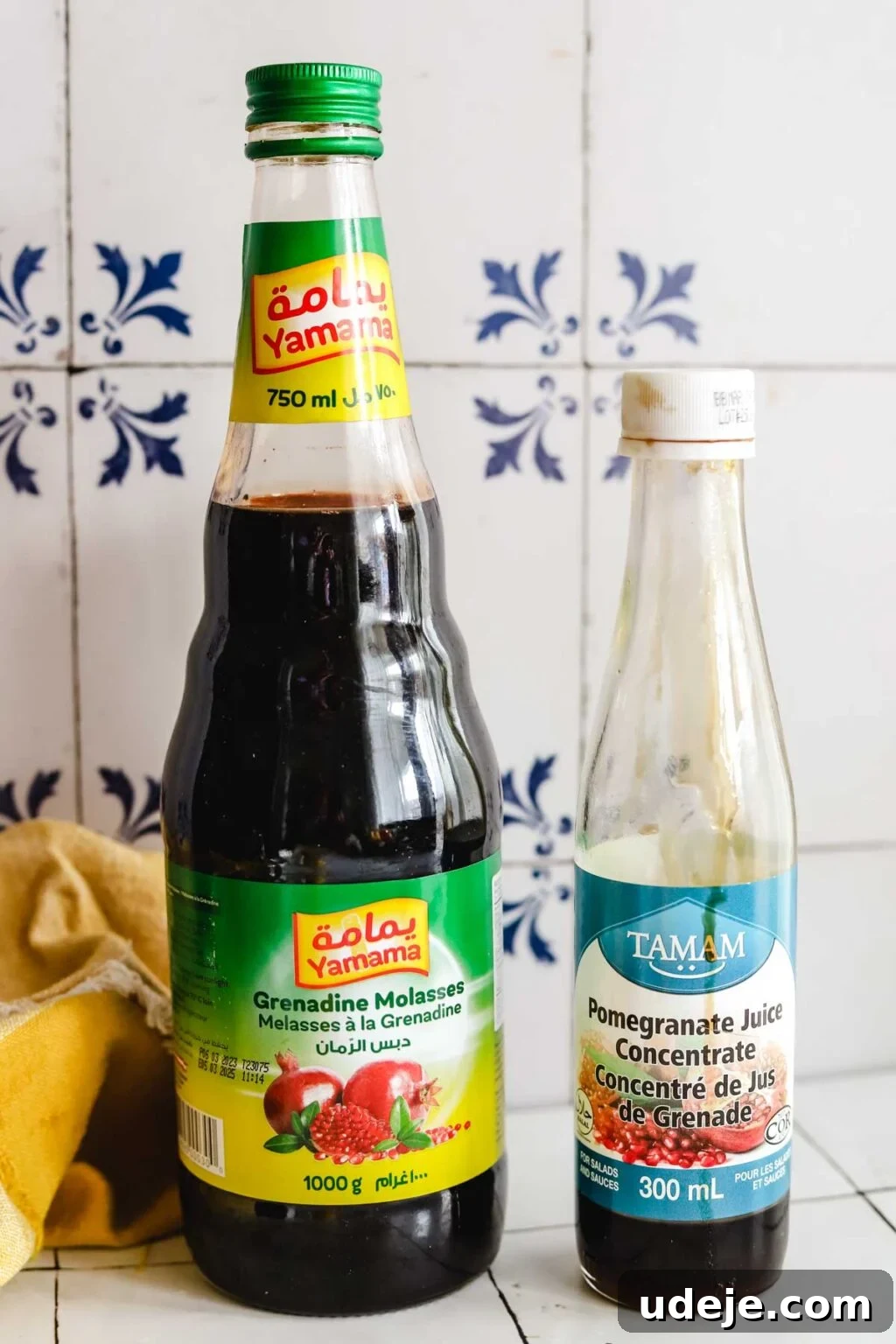
You can typically find pomegranate molasses in well-stocked Middle Eastern grocery stores or in the international aisle of larger supermarkets. While several brands are available, I’ve found that Yamama consistently delivers excellent quality, offering that perfect balance of sweetness and acidity. Don’t skip this ingredient; it’s the heart and soul of this dressing!
Complementary Spices and Herbs
Beyond pomegranate molasses, other key players contribute to the dressing’s signature taste. Sumac, a vibrant, crimson spice derived from dried and ground berries, imparts an additional layer of lemony, tangy notes without adding liquid. It has a slightly earthy, tart flavor that perfectly complements the fresh vegetables. Dried mint is another essential component, lending a wonderfully earthy and aromatic quality that is characteristic of Middle Eastern cuisine. Its refreshing hint brings the entire dressing together. If you don’t have dried mint on hand, don’t worry – you can easily substitute it with finely chopped fresh mint, which will provide a similar, albeit slightly brighter, flavor profile to the salad itself.
Finally, a good quality extra virgin olive oil forms the base, adding richness and helping to emulsify the dressing. Freshly squeezed lemon juice brightens everything up, while a pinch of salt brings all the flavors into focus. Together, these ingredients create a dressing that is not just a condiment but a flavor experience in itself.
Crafting Your Authentic Arabic Chopped Salad
The beauty of this salad lies in its straightforward preparation. With a few simple steps, you can create a refreshing and flavorful dish that will impress your family and friends. The key is to gather your ingredients and pay attention to the chopping technique.
Gathering and Prepping Your Ingredients
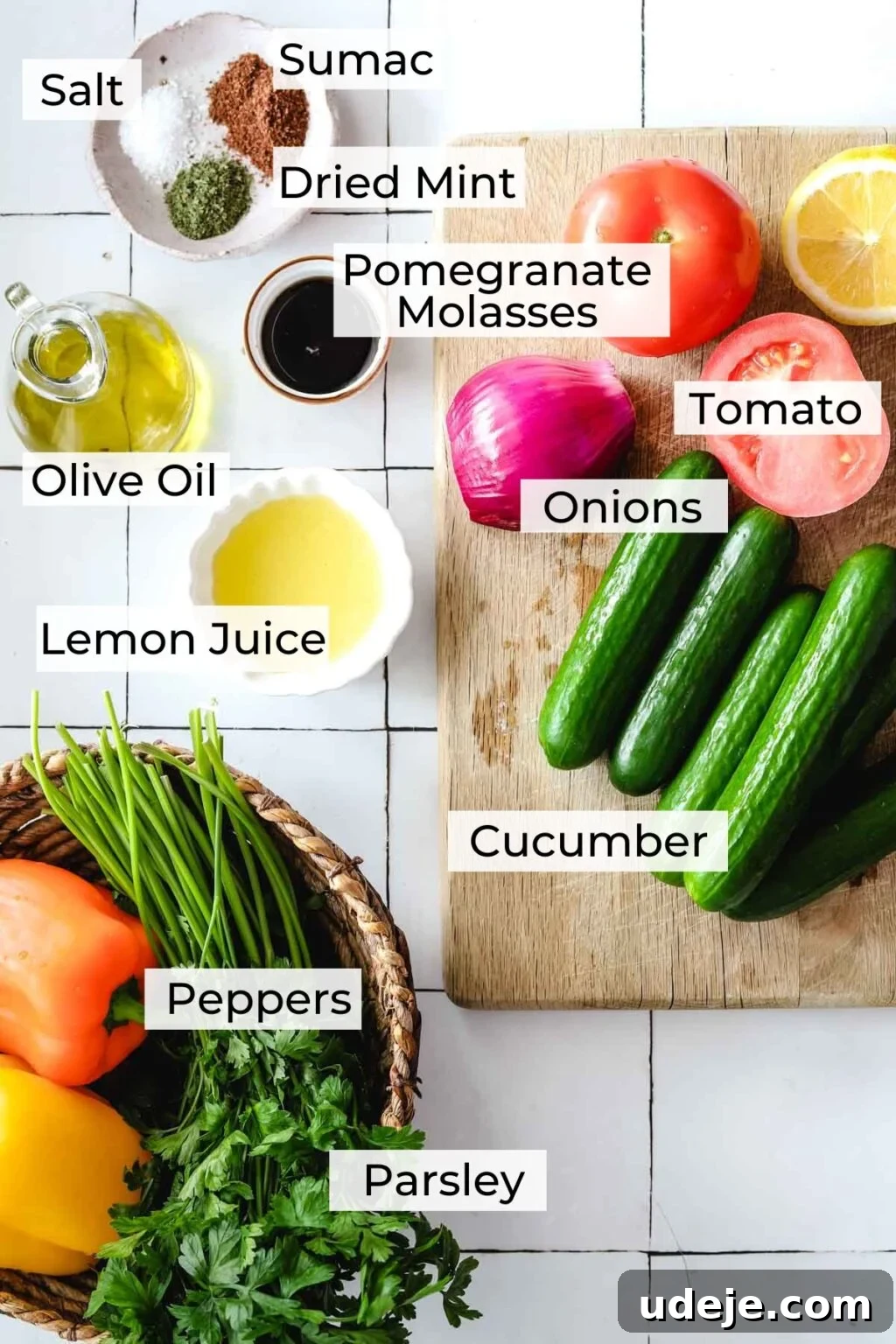
Start by collecting all your fresh vegetables and dressing components. Give all your produce a thorough wash under cool running water. This ensures cleanliness and prepares them for chopping.
Whipping Up the Signature Dressing
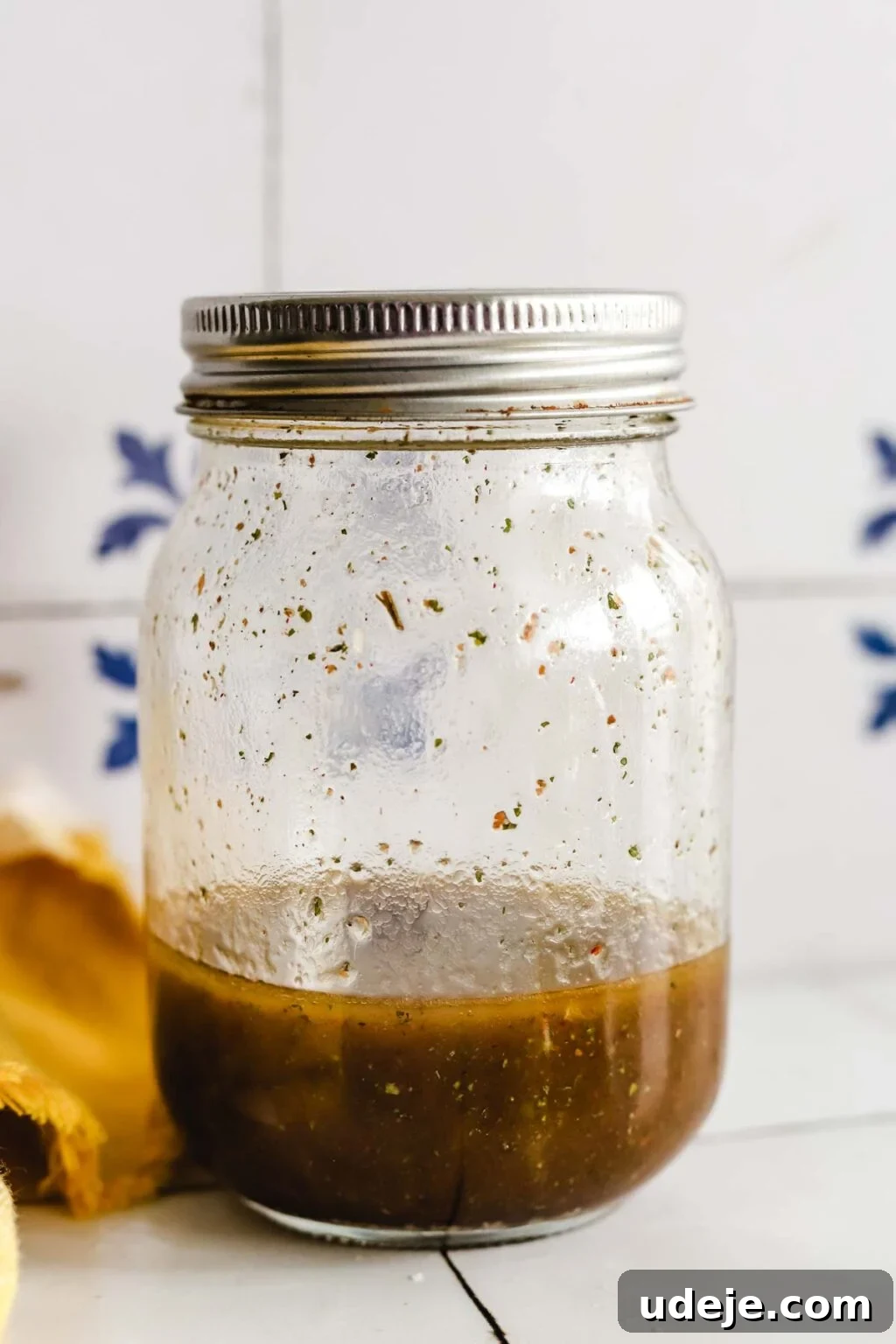
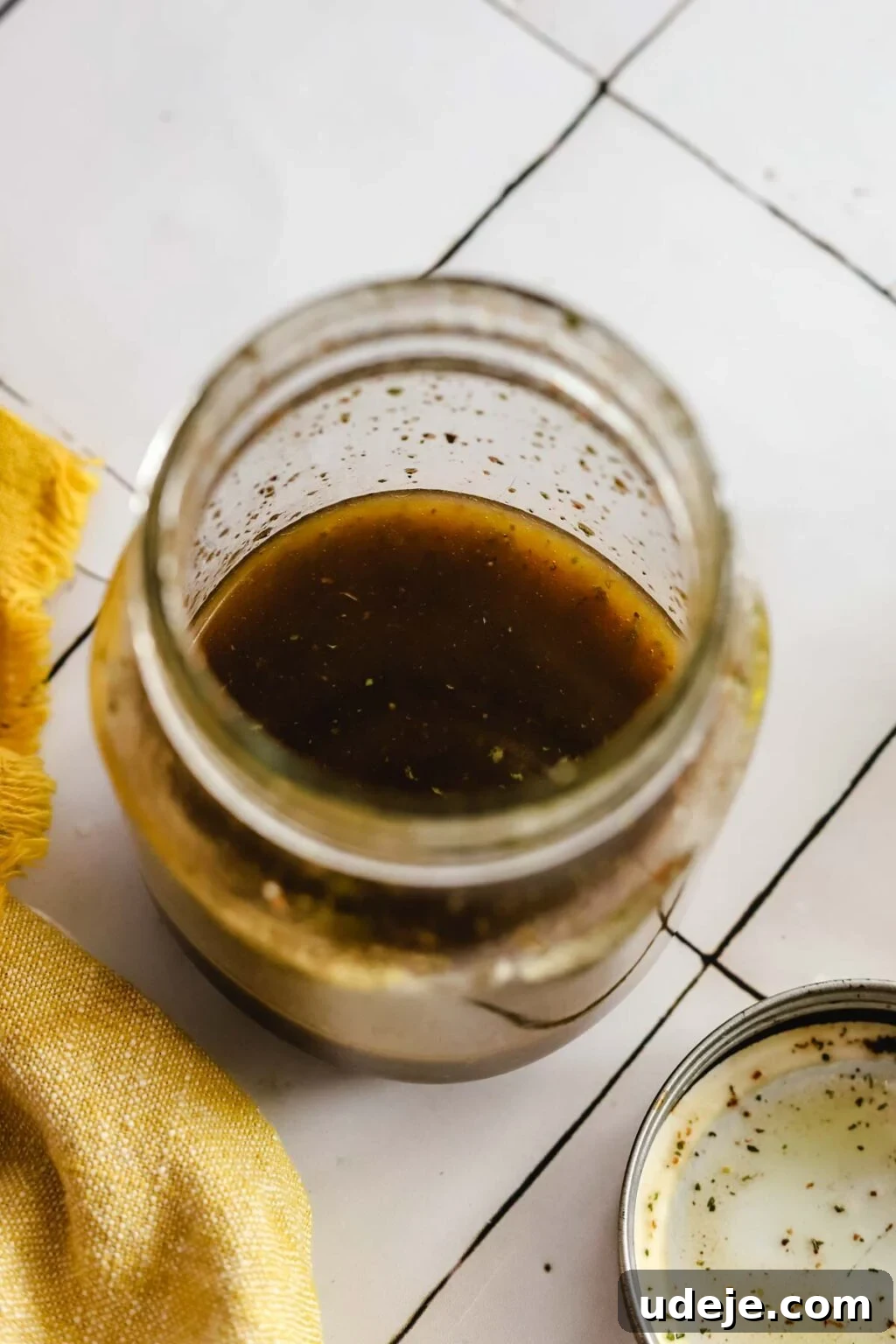
The dressing is remarkably simple to prepare and can be made in advance, which is perfect for busy weeknights. In a mason jar or a small bowl, combine the olive oil, lemon juice, pomegranate molasses, sumac, dried mint, and salt. Secure the lid on the mason jar tightly and shake vigorously until all the ingredients are well combined and the dressing transforms into a uniform, dark brown liquid. If using a bowl, whisk thoroughly. This dressing can be stored in the fridge for up to two weeks, making it a convenient staple for future salads.
The Art of the Fine Chop
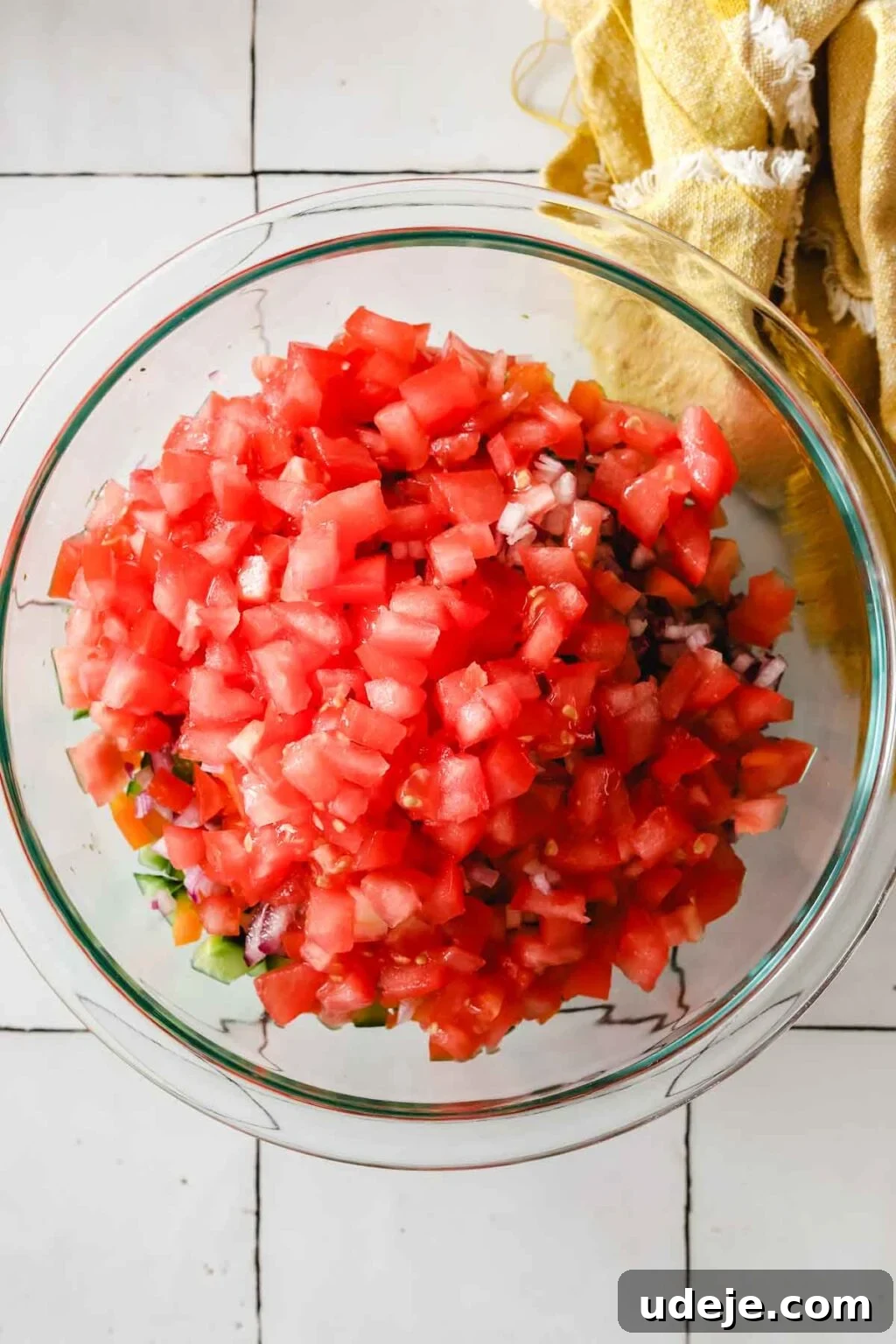
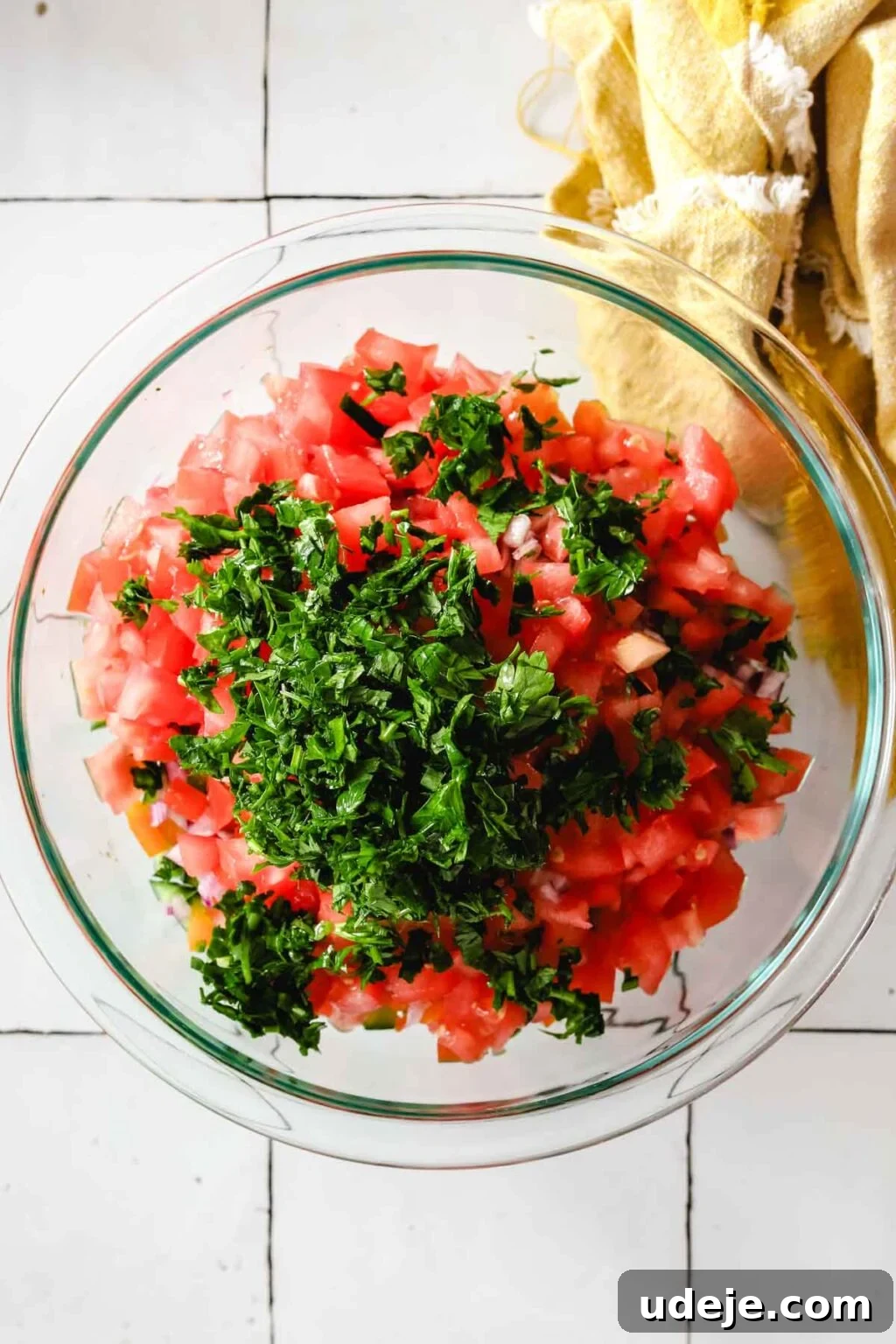
Now comes the most important step for achieving the authentic Arabic salad experience: the fine chop. Each vegetable – cucumbers, tomatoes, bell peppers, onions, and parsley – should be meticulously diced to approximately 1/4 of an inch or even smaller. This consistent, fine chop is what allows all the flavors to meld beautifully and ensures you get a delightful mix of everything in every bite.
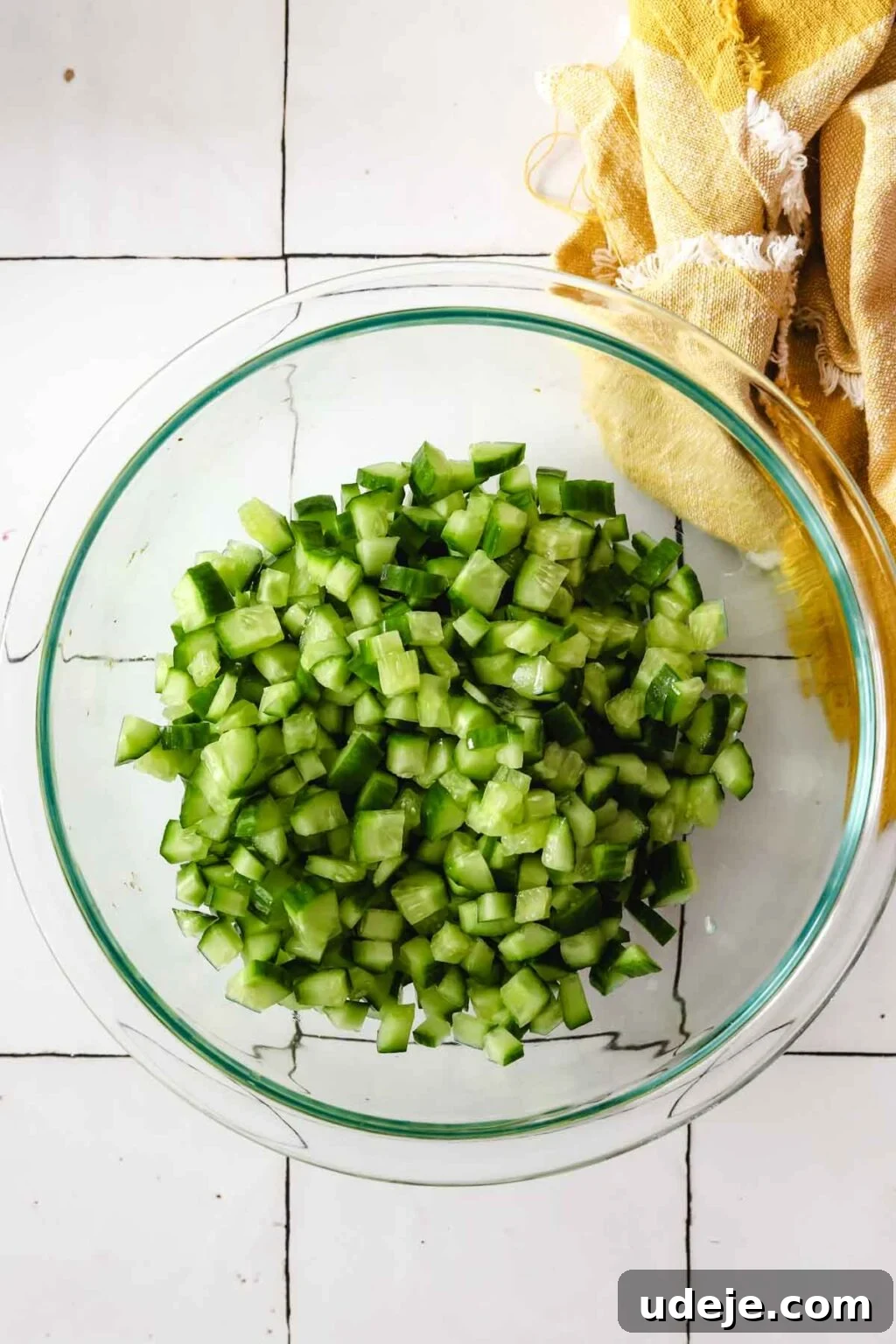
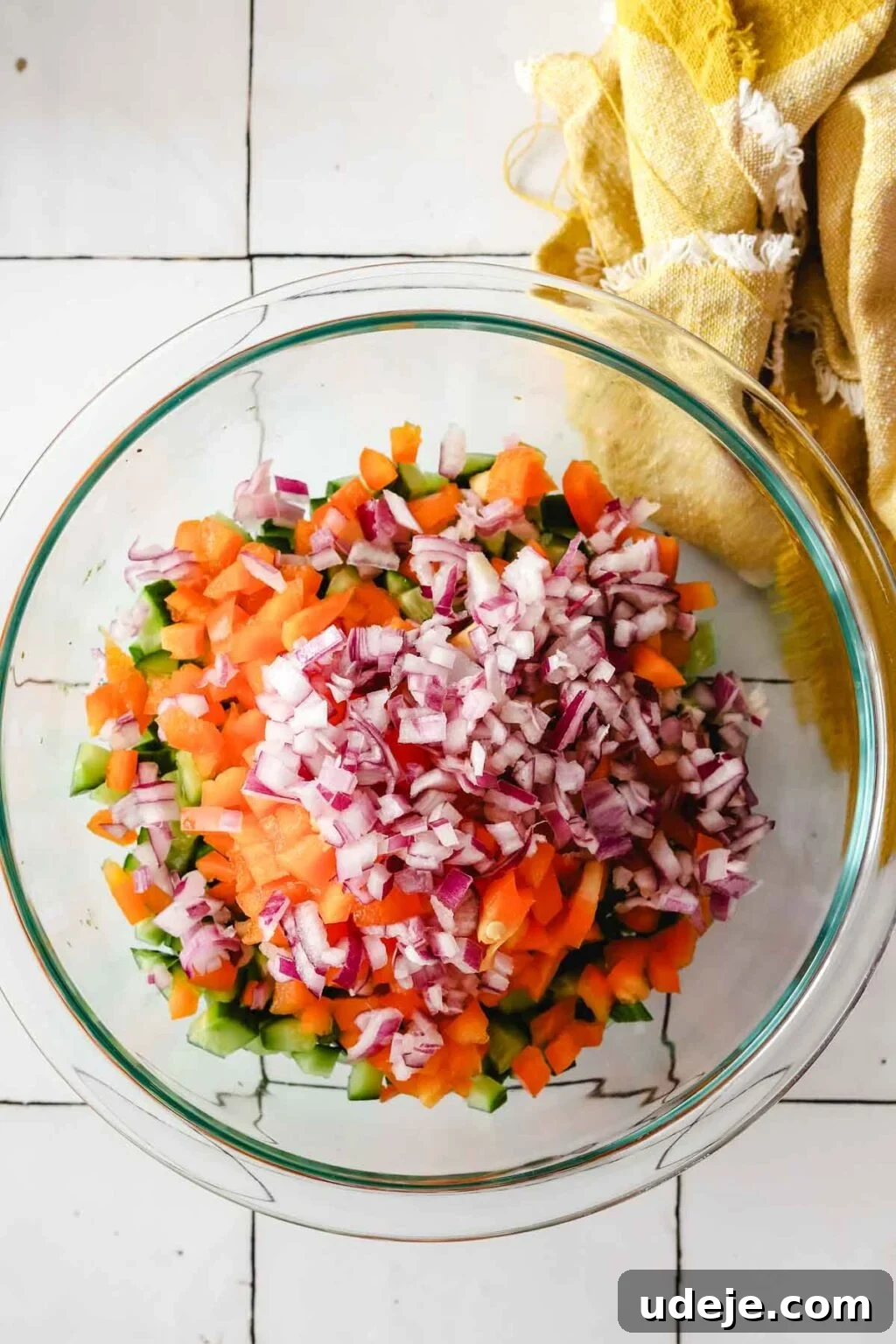
Using a very sharp knife is absolutely essential for an even and precise chop. Take your time with this step, as it genuinely makes a difference in the final texture and enjoyment of the salad. For the best results, aim for uniform pieces that are small enough to fit comfortably on a spoon along with the dressing.
Combining and Serving
Once all your vegetables are finely chopped, transfer them to a large mixing bowl. Season them lightly with a pinch of salt to draw out their natural flavors. Now, it’s time to dress your masterpiece. Begin by drizzling about 1/4 cup of your prepared dressing over the chopped vegetables. Toss everything gently to ensure an even coating. Taste a spoonful, and then adjust the seasoning, adding more salt or dressing as needed to suit your preference. The goal is a perfectly balanced salad where every component shines.
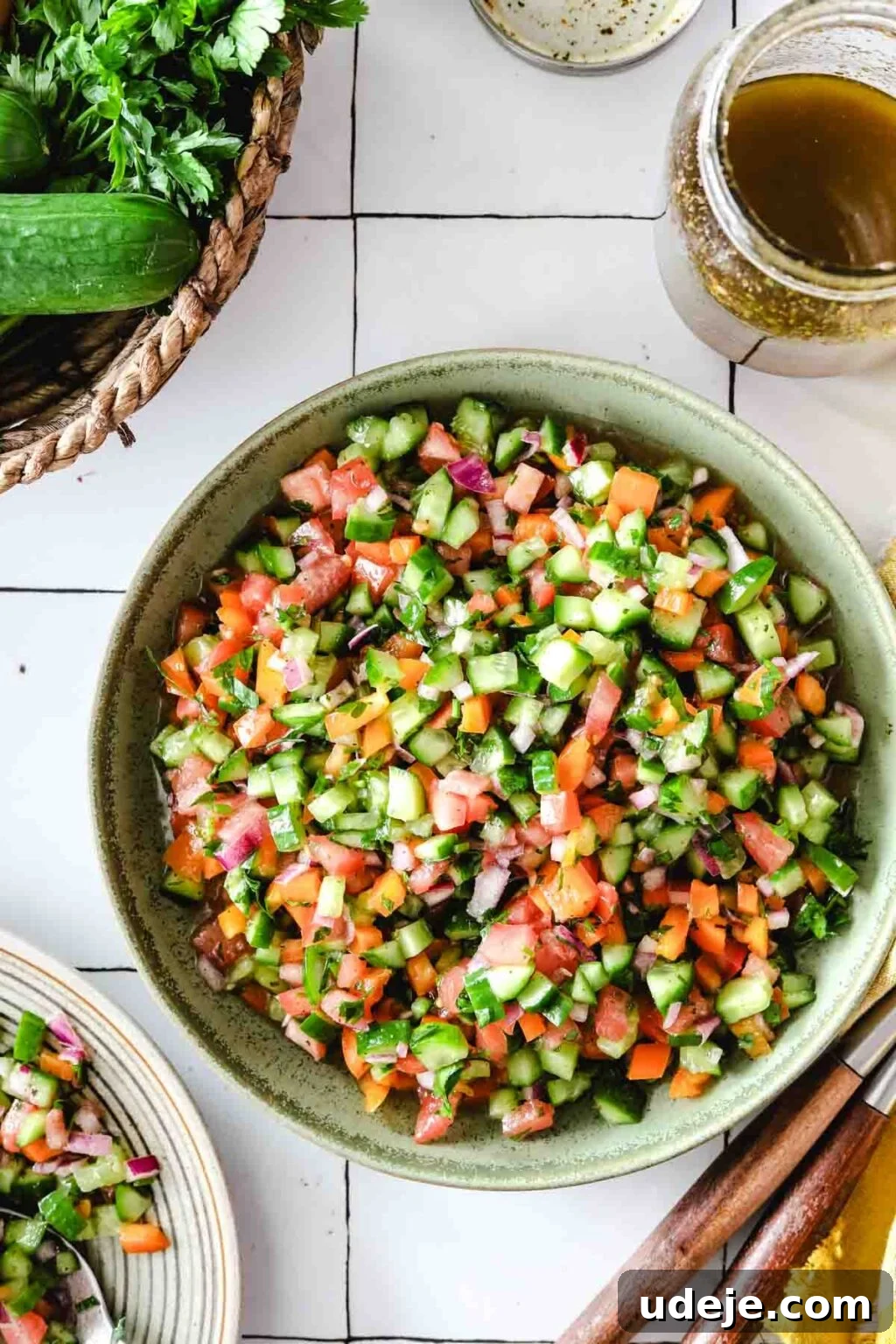
Serve immediately and enjoy the refreshing, tangy flavors that make this salad an absolute delight. It’s perfect as a standalone light meal, an appetizer, or a vibrant side dish to almost any main course.
Make-Ahead Tips and Storage for Freshness
While this salad is best enjoyed freshly dressed, there are smart strategies to prepare it in advance, ensuring you can enjoy its goodness without compromising on quality.
Dressing Longevity
As mentioned, the dressing is your best friend for make-ahead convenience. Prepare a larger batch of the pomegranate molasses dressing and store it in an airtight jar in the refrigerator. It will stay fresh and flavorful for at least two weeks, if not longer. This way, you always have a delicious base ready to transform fresh vegetables into a quick and easy salad.
Preserving Salad Crispness
The dressed salad doesn’t hold up well for extended periods, as the vegetables tend to soften and become watery. To maintain optimal crispness, always dress only the amount of salad you intend to consume on the same day. For any leftovers, it’s best to store the dressing and chopped vegetables separately.
If you’re planning to prepare the salad a day ahead, chop all the vegetables except for the tomatoes. Tomatoes release a lot of moisture and can make the salad soggy if pre-chopped too early. Layer the chopped cucumbers, onions, and bell peppers in an airtight container. Place a paper towel on top of the vegetables before sealing the container and storing it in the fridge. The paper towel will absorb any excess moisture, keeping your vegetables crisp. When you’re ready to serve, simply chop the fresh tomatoes, add them to the pre-chopped vegetables, pour over your desired amount of dressing, toss, and serve immediately. This method ensures your salad remains wonderfully fresh and vibrant.
Serving Suggestions: Pairing Perfection
The Arabic Chopped Salad is incredibly versatile and pairs beautifully with a wide array of dishes. Its refreshing acidity cuts through rich flavors, making it an ideal companion for hearty Middle Eastern stews, grilled meats, and rice dishes. Consider serving it alongside traditional favorites like slow-cooked lamb, chicken shawarma, or even a simple falafel platter. It also makes a fantastic addition to a larger mezze spread, offering a light and tangy counterpoint to dips and breads. For a more adventurous pairing, try it with our recommended salads below, which offer diverse flavors and textures that complement the Arabic chopped salad wonderfully.
More Salad Recipes to Try:
If you tried these recipes, please consider leaving a star ★★★★★ rating in the recipe card below and/or a review in the comments section further down the page – I’d love to hear from you! You can also hop on over to Instagram and say hello!
Arabic Salad with Simple Dressing
4 servings
20 mins
20 mins
Amina Al-Saigh
This easy chopped Arabic salad is perfect for every day, and it just about goes with every Middle Eastern dish out there! Make it with a simple dressing of lemon juice, olive oil, pomegranate molasses, mint, and sumac and you’ll never be bored of it.
Leave a Review
Pin Recipe
Ingredients
For the dressing:
- 1/2 cup olive oil
- 1/2 cup lemon juice
- 2 tablespoons pomegranate molasses
- 1 teaspoon sumac
- 1/2 teaspoon dried mint
- 1/2 teaspoon salt
For the vegetables:
- 4 persian cucumbers, finely chopped
- 1 tomato, finely chopped
- 1/4 red onion, finely diced
- 1 red or yellow pepper, finely chopped
- 1/2 cup parsley, finely chopped
Instructions
- To make the dressing, combine all ingredients in a mason jar and shake well. The dressing will turn a dark brown. Store in the fridge and use as needed. This quantity will make enough for 2-3 salads.
- For the salad, finely chop the cucumbers, tomato, bell pepper, onion, and parsley.
- Place the chopped vegetables in a bowl and drizzle over roughly 1/4 cup of the salad dressing.
- Stir to combine. Taste and adjust for salt and more dressing as needed.
Notes
- I suggest using Persian cucumbers as they have more flavor than English cucumber, offering a crisper texture.
- The salad dressing quantity listed will make enough for 2-3 salads. Store it in an airtight jar in the fridge, and it will last for 2 weeks or even longer.
- Once the salad is dressed, serve it right away for the best texture. You can keep it in the fridge for up to 30 minutes before serving, but no more than that to avoid a soggy salad.
Calories:
293kcal
,
Carbohydrates:
13g
,
Protein:
1g
,
Fat:
27g
,
Saturated Fat:
4g
,
Polyunsaturated Fat:
3g
,
Monounsaturated Fat:
20g
,
Sodium:
299mg
,
Potassium:
303mg
,
Fiber:
1g
,
Sugar:
6g
,
Vitamin A:
1015IU
,
Vitamin C:
83mg
,
Calcium:
30mg
,
Iron:
1mg
Did you make this recipe?
Please leave a star rating and review below!