
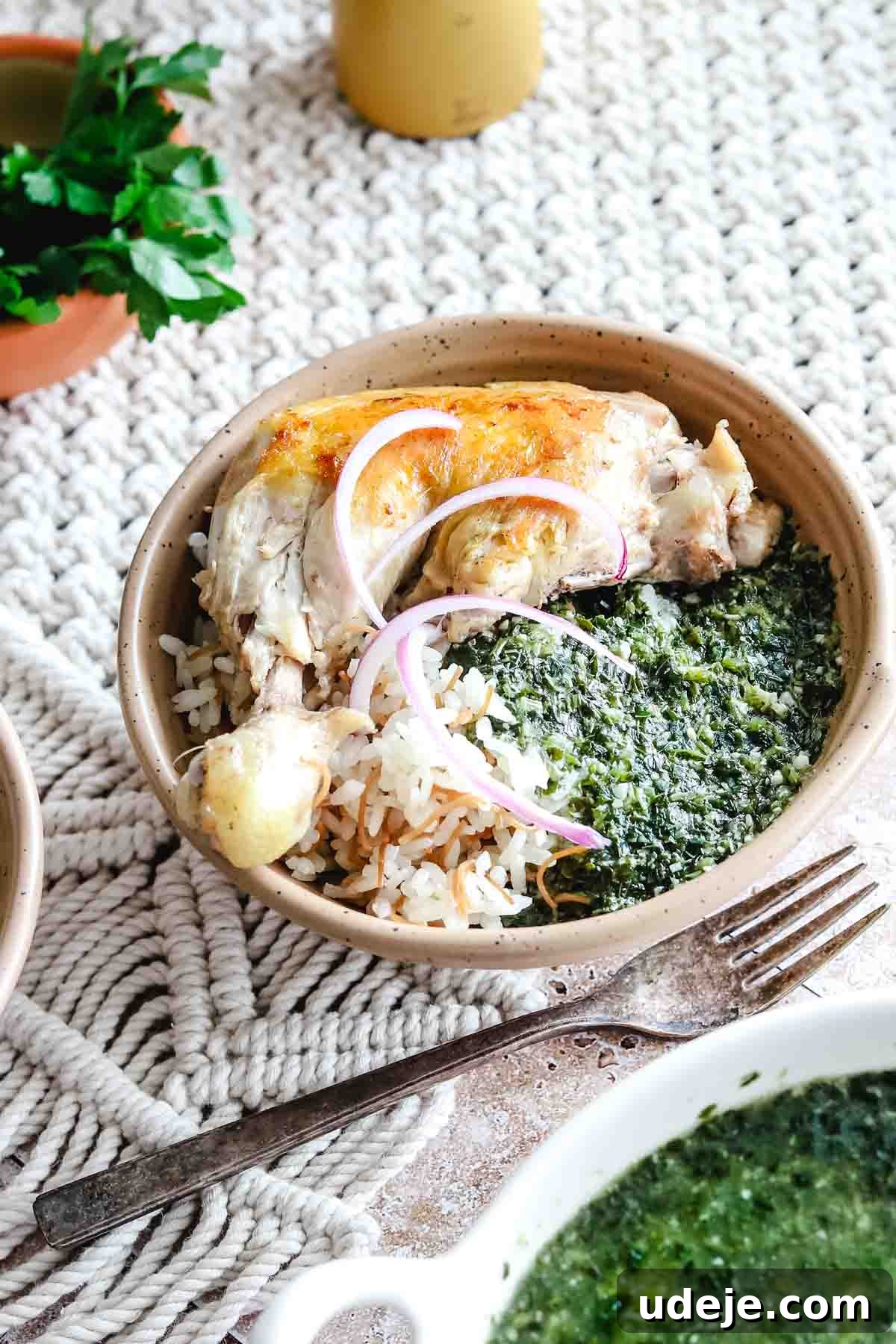
If you’ve never had the pleasure of tasting Molokhia, also known as Mulukhiya or Jute Mallow, you’re in for a truly comforting and profoundly flavorful journey into Middle Eastern cuisine. This cherished green stew, a staple in countless homes across the Arab world, is prepared with finely chopped jute leaves, slow-simmered in a rich, garlicky, and often subtly lemony broth. Traditionally, it’s served generously over fluffy rice, accompanied by succulent pieces of chicken or tender beef. Every family boasts its unique rendition, passed down through generations. This particular recipe offers a simple yet profoundly authentic take, designed to showcase the deep, earthy flavor of the molokhia leaves without being excessively heavy, creating a delightful meal that warms both body and soul.
The Unique Texture: Love It or Leave It?
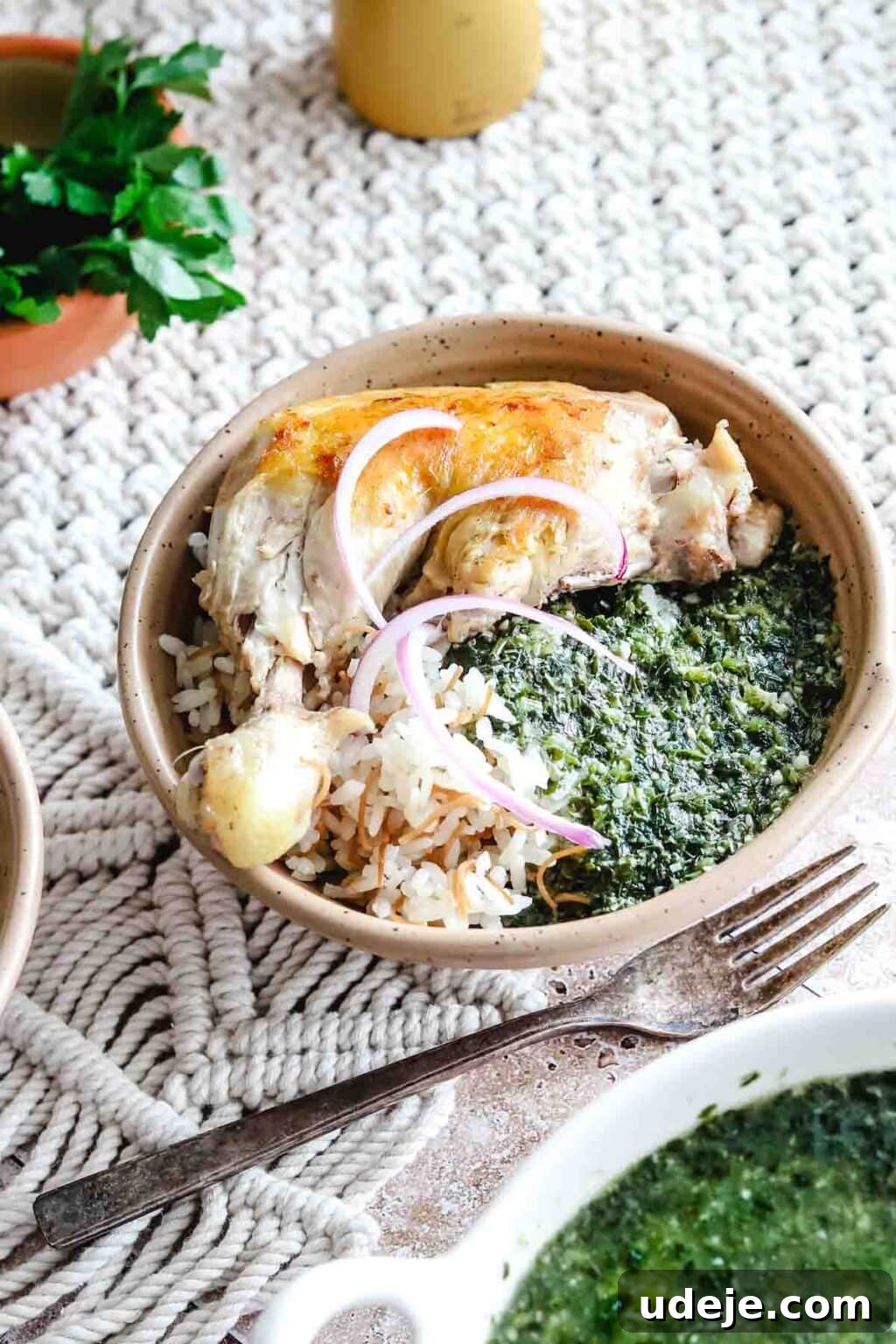
Molokhia often evokes strong reactions among those who experience it. For many Arabs, it’s a source of deep nostalgia and comfort, a dish that immediately transports them back to childhood memories. However, its distinctive texture can be quite polarizing. Some diners find it challenging to get past its characteristic “slimy” or “mucilaginous” consistency, which is a natural property of the jute mallow leaves. For me, any dish simmered in a robust, flavorful chicken broth with an abundance of garlic is an immediate favorite. This stew, indeed, creates an almost gooey liquid that gently clings to your spoon as you serve it. While some might be deterred by this, I find it incredibly appealing and an integral part of its charm. Interestingly, my husband doesn’t share my enthusiasm, whereas I simply cannot get enough of it!
Across the diverse regions of the Middle East, the preparation of molokhia varies significantly. Countries like Egypt typically utilize finely minced molokhia leaves, which contribute to a thicker, more uniform stew. In contrast, in places like Lebanon, cooks often prefer using whole molokhia leaves, resulting in a stew with a distinct leafy texture and often a lighter consistency.
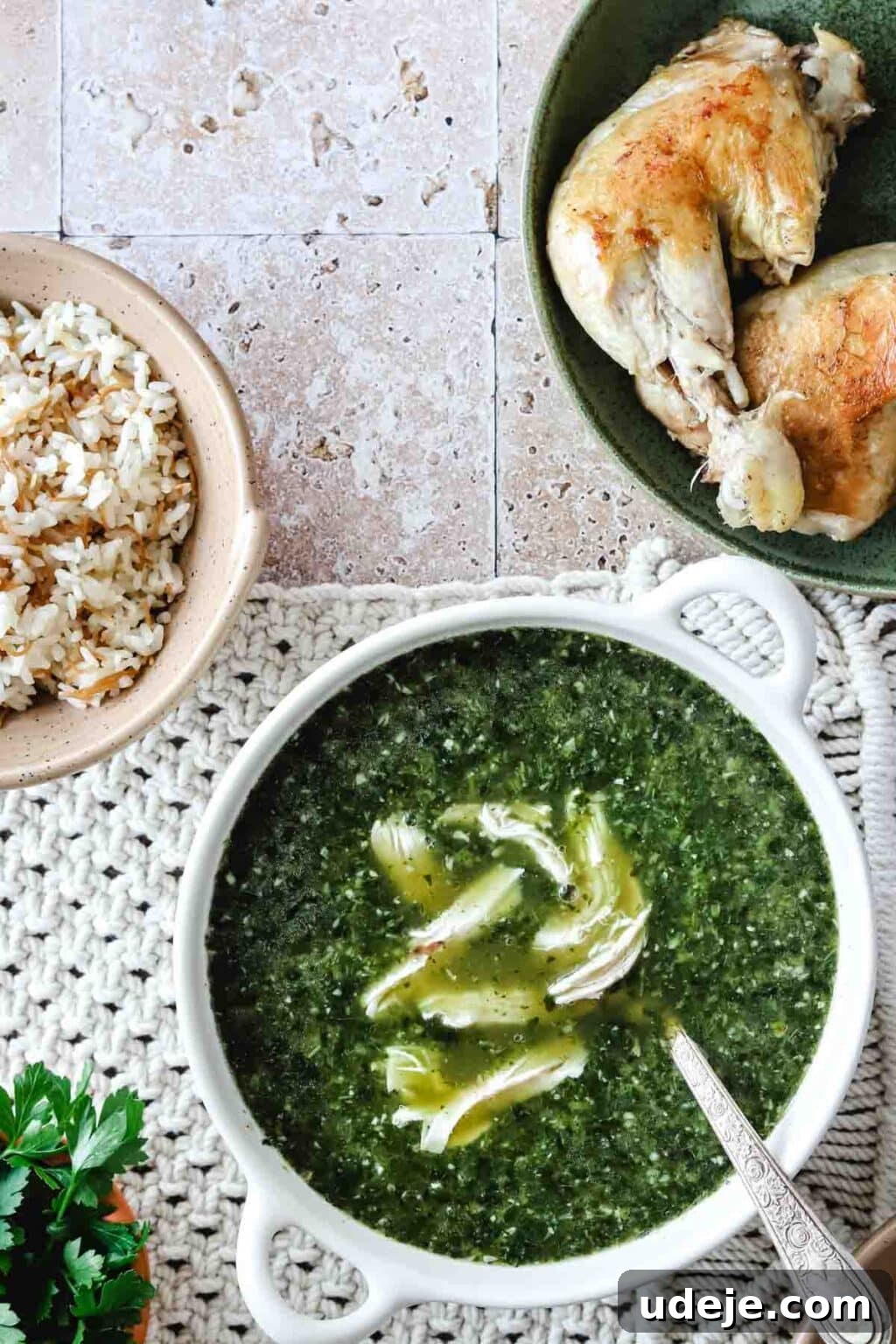
This recipe specifically focuses on the Egyptian style of Molokhia, renowned for its deeply flavored broth. It begins with a whole chicken, simmered with aromatic whole spices to create a broth that forms the very soul of the stew. The cooked chicken is then either shredded directly into the molokhia stew, allowing its flavors to meld beautifully, or served as a flavorful accompaniment alongside the stew. For an authentic and truly complete dining experience, I wholeheartedly recommend serving this Molokhia with authentic Egyptian rice, which perfectly complements the stew’s rich profile.
While Molokhia wasn’t a dish I grew up with in my Iraqi household – our comforting stews were typically fasolia yabsa or okra stew – as an adult living in the vibrant greater Toronto area, I’ve developed a significant addiction to it. My frequent visits to my favorite local Egyptian restaurant have solidified Molokhia’s place as a cherished comfort food in my culinary repertoire.
Where to Buy Molokhia (Jute Mallow)
Finding fresh molokhia leaves outside of the Middle East can be quite a treasure hunt, though they have been known to appear at specialty farmers’ markets in certain regions of the US, making it worthwhile to keep an eye out. You might also spot them in some local Middle Eastern grocery stores. Be aware that preparing fresh molokhia is a labor of love: it involves meticulously picking the leaves off the stems, multiple washes, drying, and then finely mincing them. This traditional preparation method, while rewarding, can be time-consuming.
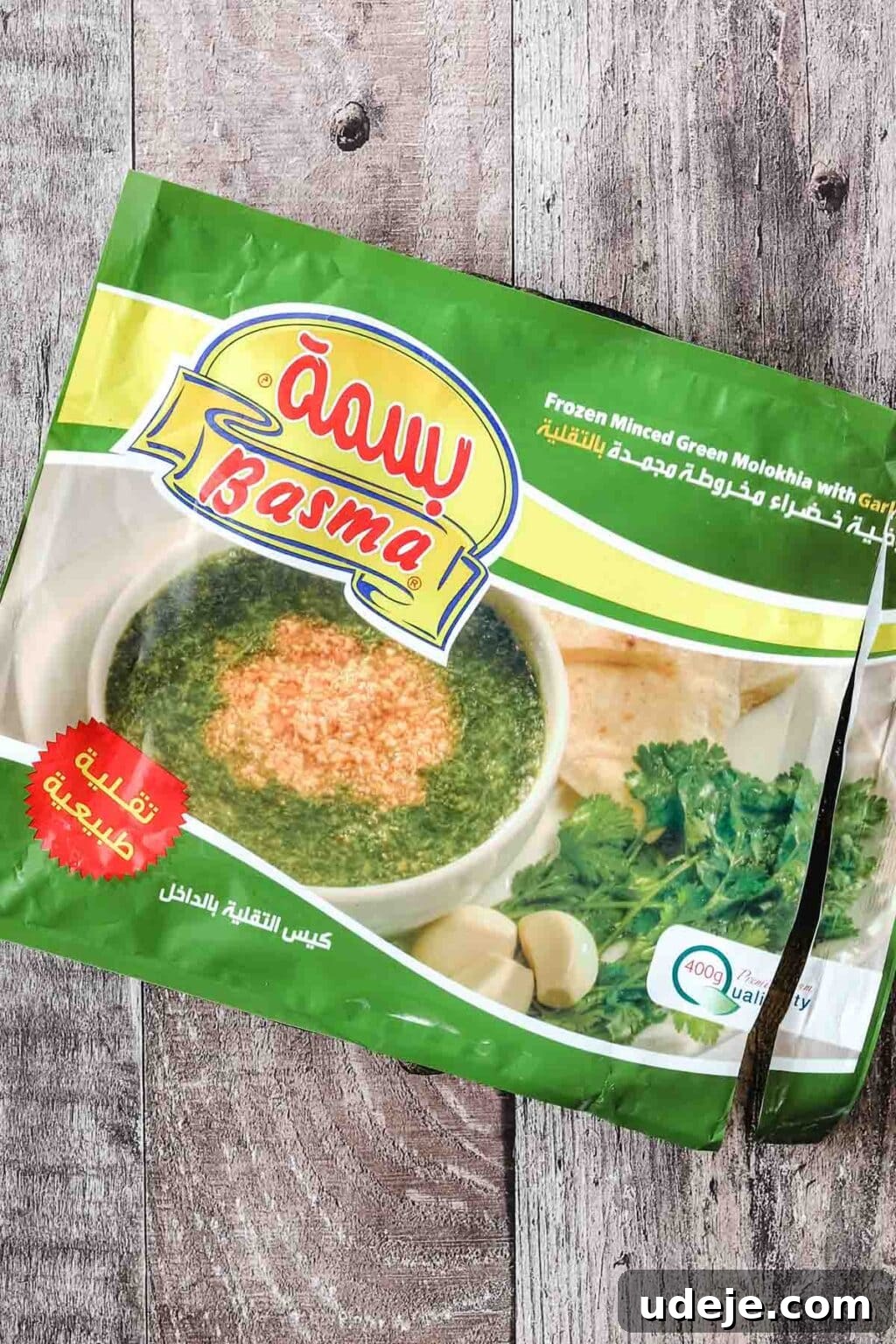
Fortunately, for those of us living outside the immediate region, molokhia is widely available in its convenient frozen form in most Middle Eastern grocery stores. Frozen molokhia offers an excellent alternative, significantly reducing preparation time without sacrificing flavor. The brand shown below is one I consistently use with fantastic results, yielding a stew that is rich in taste and authentic in texture. You’ll typically find frozen molokhia in both minced and whole leaf varieties, allowing you to choose based on your preferred texture for the final dish or the specific regional style you aim to recreate.
The Essential Three Components of Authentic Molokhia
Crafting this delicious Molokhia recipe involves three distinct yet interconnected stages, each crucial for developing the depth of flavor that makes this dish so special:
- The rich and aromatic chicken broth, forming the foundation of the stew.
- The star ingredient itself, the finely prepared molokhia leaves.
- The ‘tasha’, a vibrant and fragrant topping of fried garlic and coriander, which adds a final burst of flavor and aroma.
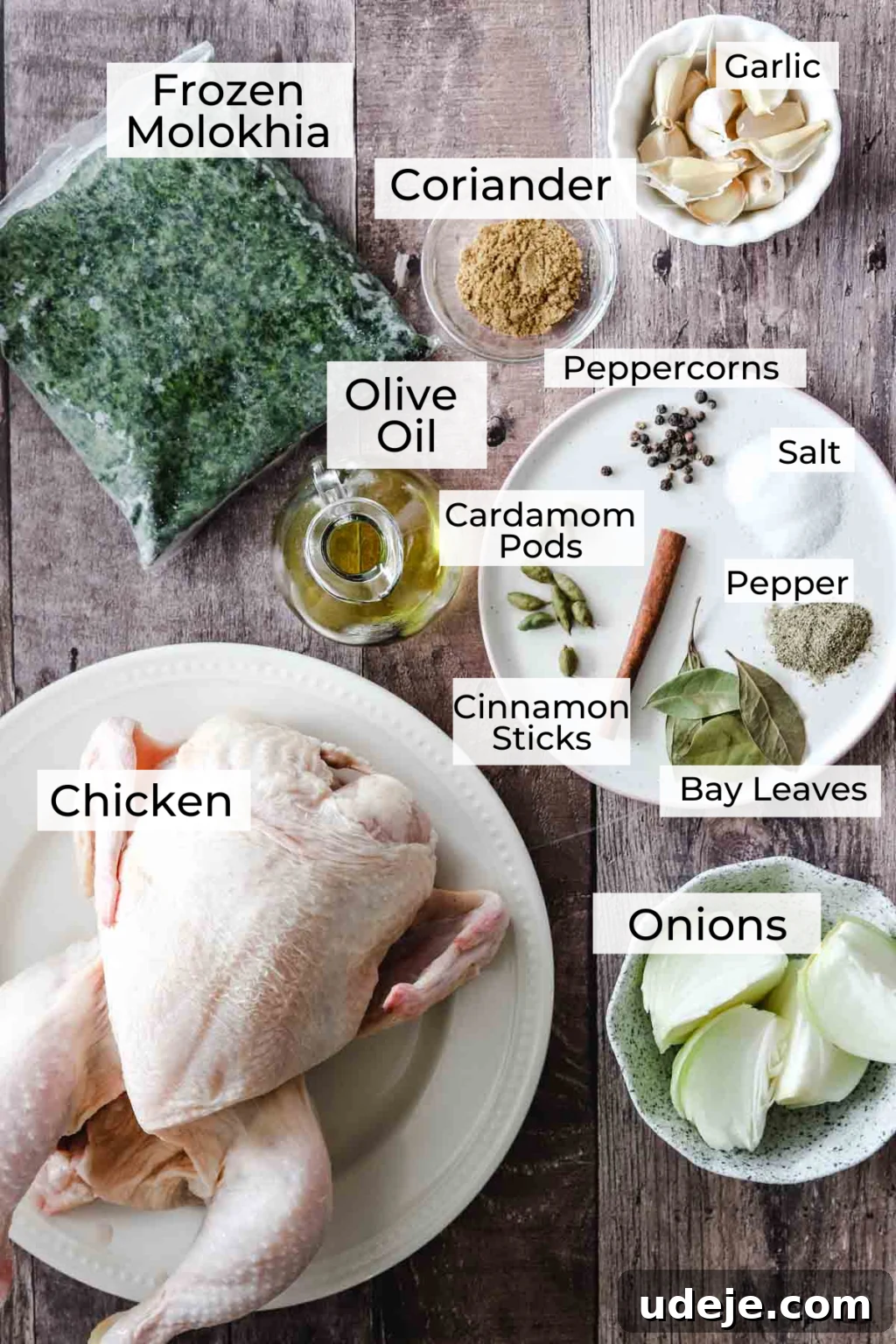
Crafting the Flavorful Chicken Broth
For the chicken broth, the choice of chicken is paramount. I highly recommend using either a whole chicken, expertly cut into quarters, or at least four full chicken legs. The key here is to use bone-in chicken, as the bones are rich in marrow and collagen, which are essential for extracting a deeply flavorful and gelatinous broth that forms the perfect base for your Molokhia. This homemade broth is the backbone of the dish, contributing significantly more depth and authenticity than any store-bought alternative.
While you certainly can use pre-made homemade chicken broth if you have it on hand, I strongly advocate for making it from scratch for this particular recipe. The broth isn’t merely a liquid component; it’s the main flavor foundation upon which the entire dish is built. Its quality directly impacts the richness and authenticity of your Molokhia, so investing a little time here truly pays off in the final taste.
Step-By-Step Instructions for a Perfect Molokhia
Let’s walk through the process of creating this exceptional Molokhia, ensuring every step contributes to a dish brimming with authentic Middle Eastern flavors.
Step 1: Preparing the Aromatic Chicken Broth
Begin by heating the olive oil in a large, heavy-bottomed pot or Dutch oven over medium heat. Once shimmering, add the whole spices – peppercorns, cardamom pods, and bay leaves – to the pot. Toast these spices for a few minutes, stirring gently, until their captivating aromas begin to fill your kitchen. This brief toasting step awakens their essential oils, infusing the broth with a complex fragrance.
Next, carefully place the chicken pieces into the pot. Sear them for several minutes on all sides until they develop a beautiful light golden crust. This crucial searing step not only locks in the chicken’s juices but also creates a richer, more flavorful base for the broth.
EXPERT TIP: Searing the chicken before simmering helps to prevent excessive foam from building up on the surface of the broth, resulting in a clearer, more visually appealing final product. More importantly, it significantly enhances the overall depth and complexity of the broth’s flavor.
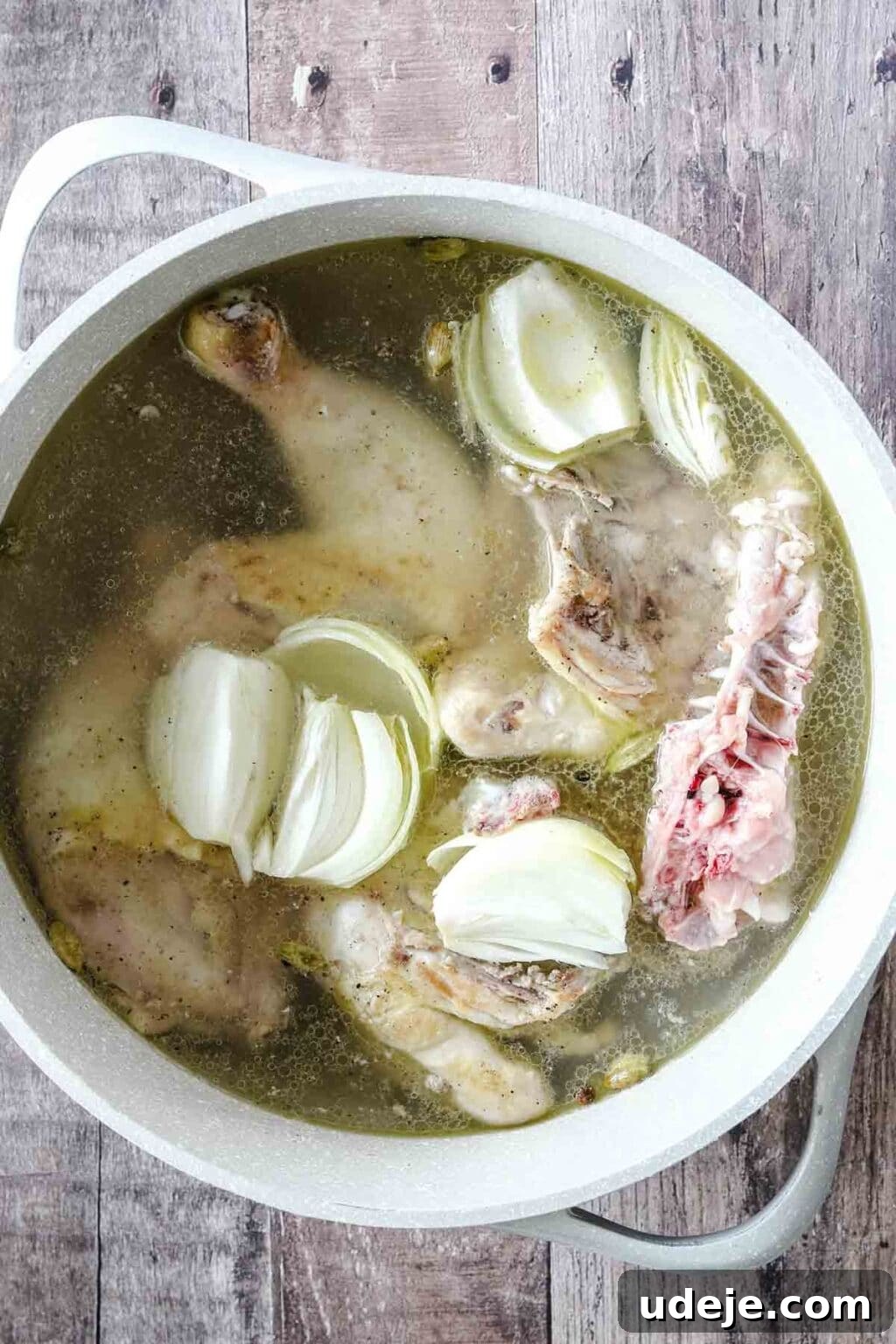
Once the chicken is seared, pour in enough water to fully cover the chicken, then add the quartered onion. Bring the mixture to a strong, rolling boil. After reaching a boil, reduce the heat to low, cover the pot, and allow the broth to gently simmer for at least 45 minutes. For an even more profound depth of flavor, if time permits, you can extend the simmering to 2-3 hours. The longer the broth simmers, the more concentrated and rich its flavor will become.
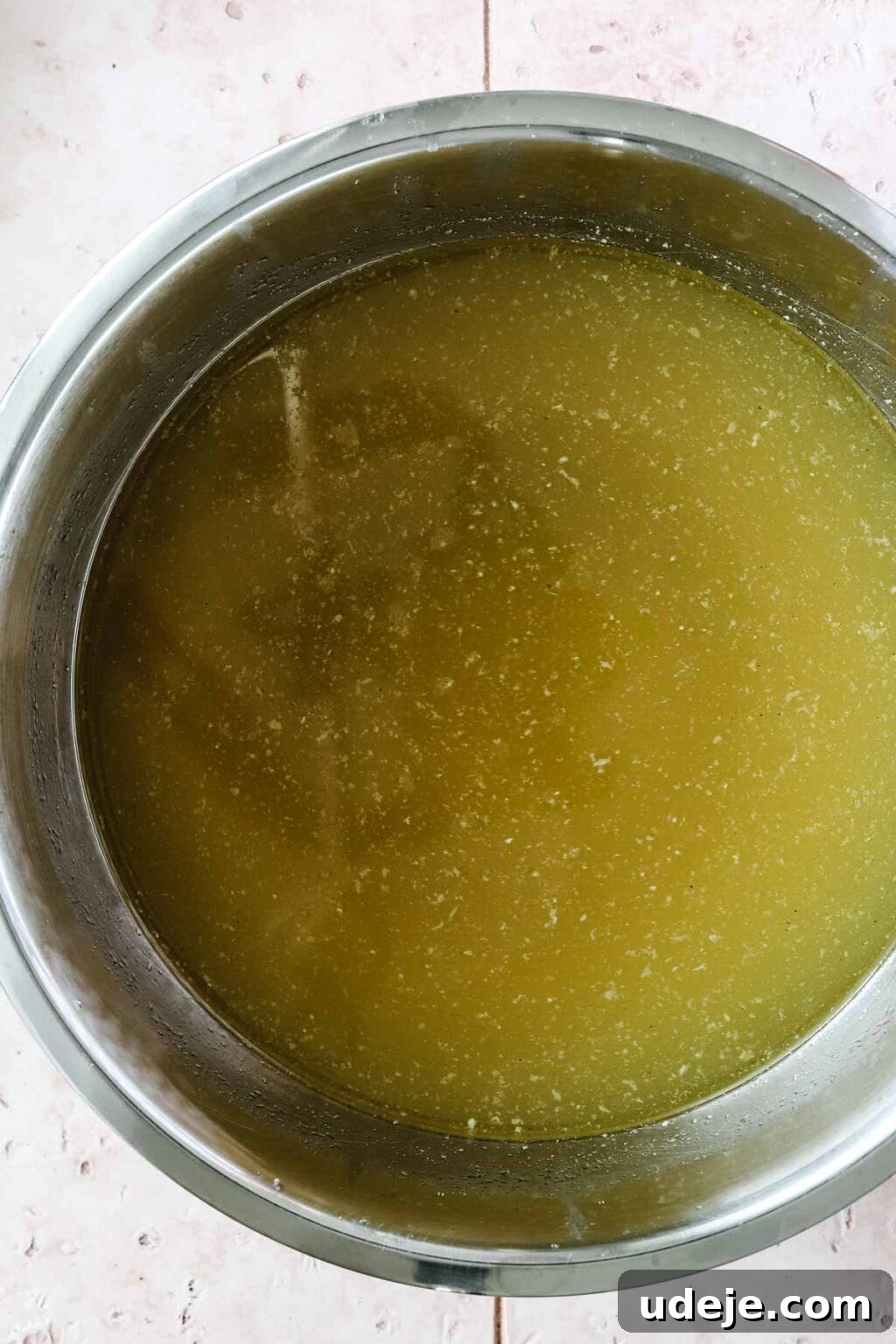
During the simmering process, you may notice some foam or “scum” rising to the surface. Use a spoon or a fine-mesh skimmer to occasionally remove and discard this, as it helps to keep your broth clear and pristine. Once the simmering is complete, carefully remove the cooked chicken pieces from the pot and set them aside. Strain the broth through a fine-mesh sieve to remove all the whole spices and onion, yielding a beautifully clear and intensely flavorful chicken broth.
At this stage, it’s essential to taste your clear broth. Adjust the seasoning with additional salt and black pepper as needed. Remember, seasoning in layers and tasting along the way is the secret to a perfectly balanced dish!
Step 2: Preparing the Molokhia Base
Return the strained, clear chicken broth to the same pot. Begin by adding about half the quantity of broth, or approximately 4-5 cups. The consistency of Molokhia is a matter of personal preference – some enjoy a thick, hearty stew, while others prefer a thinner, more soup-like consistency. Starting with less broth allows you to gradually add more until you achieve your desired thickness, preventing the molokhia from becoming too thin.
If you choose to use a vegetable stock cube or bouillon for an extra layer of flavor, dissolve it in about half a cup of hot water before stirring it into the broth in the pot. Taste the mixture again and adjust the seasoning with salt and pepper if necessary.
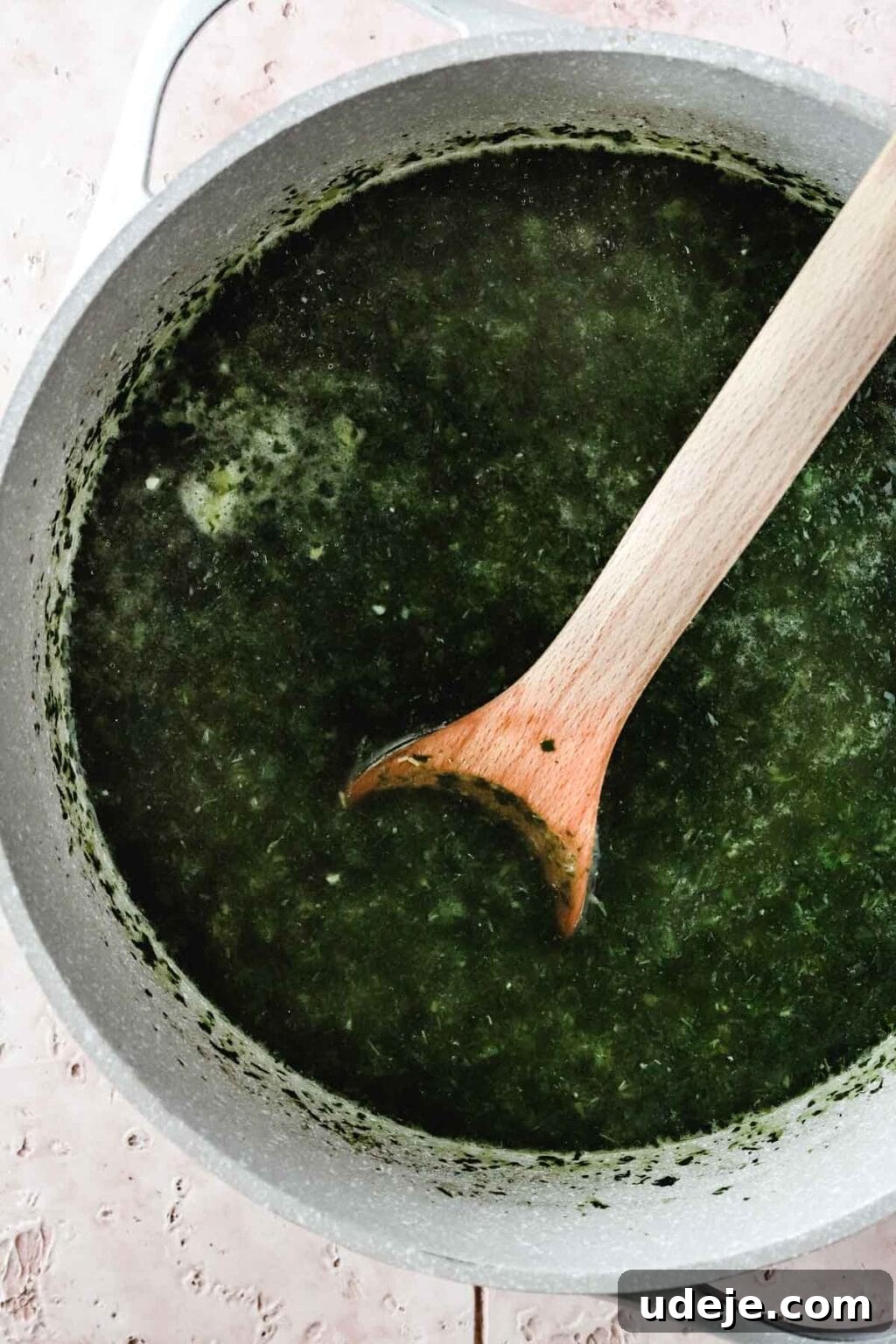
Bring the broth to a gentle boil, then immediately reduce the heat to a low simmer. Now, add the frozen molokhia directly into the simmering broth. There’s no need to defrost it beforehand; the warm broth will gently thaw the leaves. Stir continuously until the molokhia has completely defrosted and smoothly combined with the broth, forming an even green stew. It’s crucial to avoid rapid boiling during this stage; maintain a slow, gentle simmer as you prepare the ‘tasha’ to prevent the molokhia from separating or becoming stringy.
Step 3: Creating the Aromatic ‘Tasha’
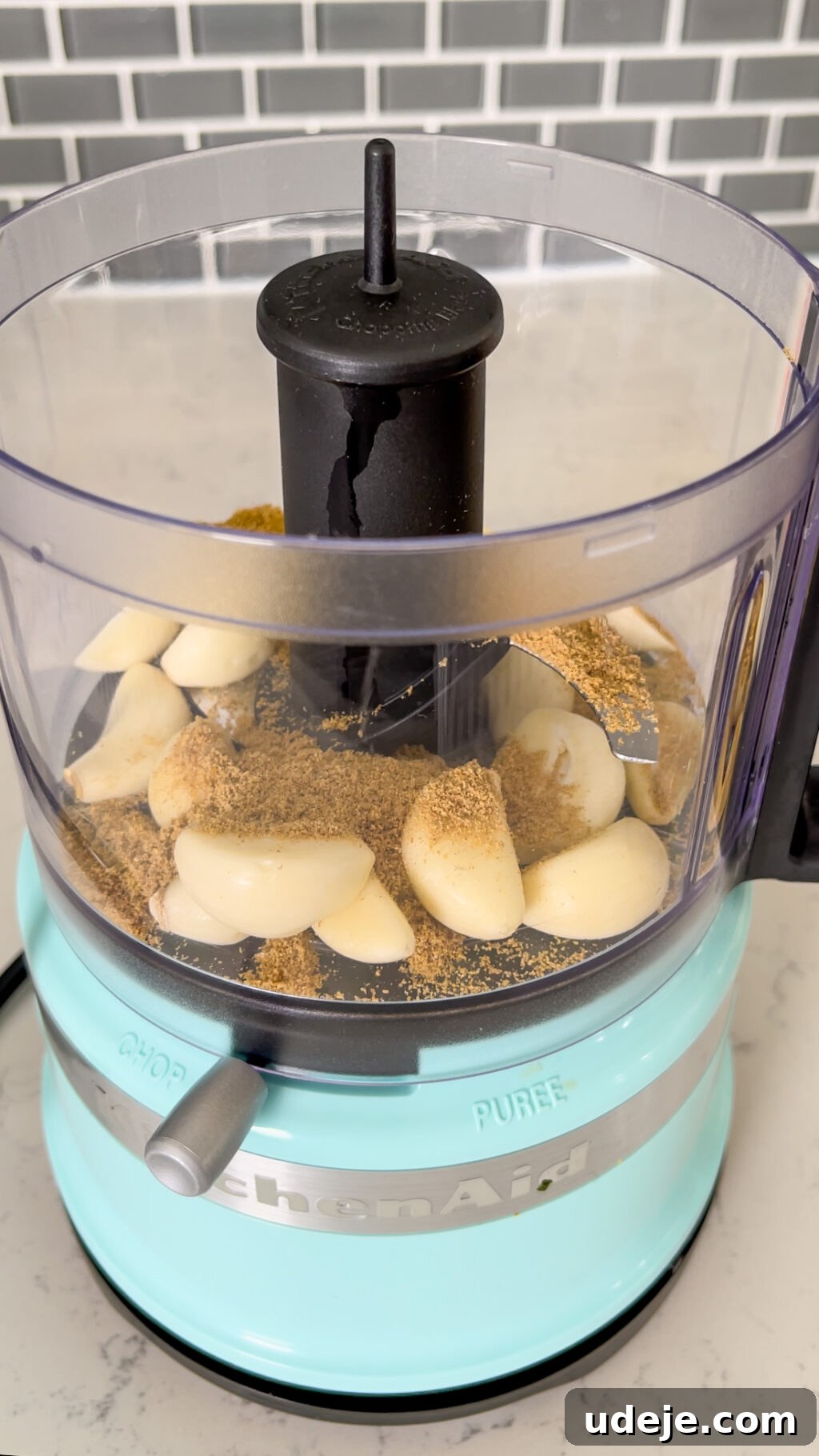
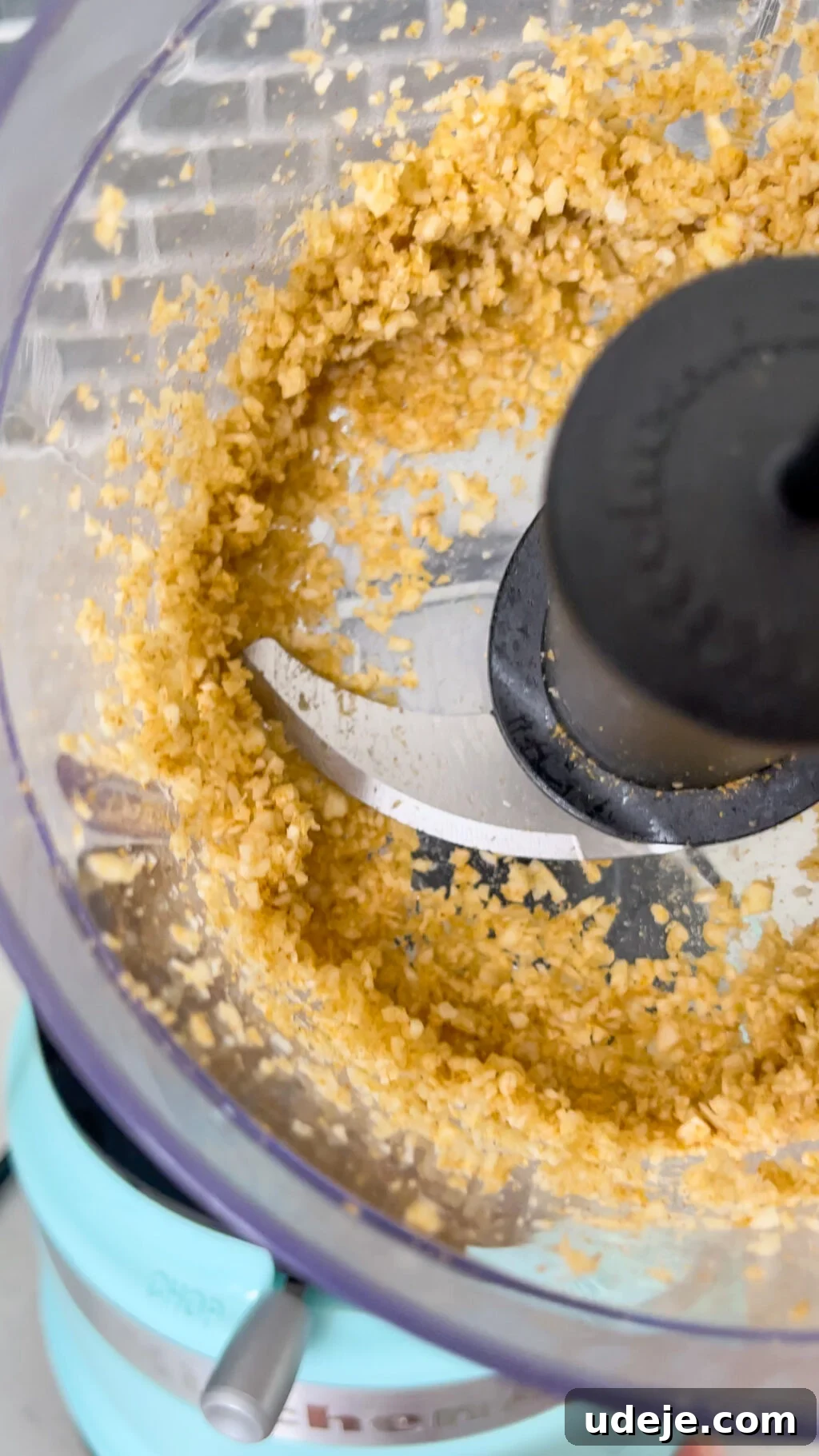
The ‘tasha’ is arguably the most exciting and transformative part of this dish – a true flavor explosion that infuses the Molokhia with its signature aroma and taste! To prepare it, take your whole peeled garlic cloves and ground coriander, and place them into a food processor. Blitz until they form a very fine, aromatic mixture. If you don’t have a food processor, a traditional mortar and pestle will work beautifully, albeit with a little more effort, to achieve the same finely minced consistency.
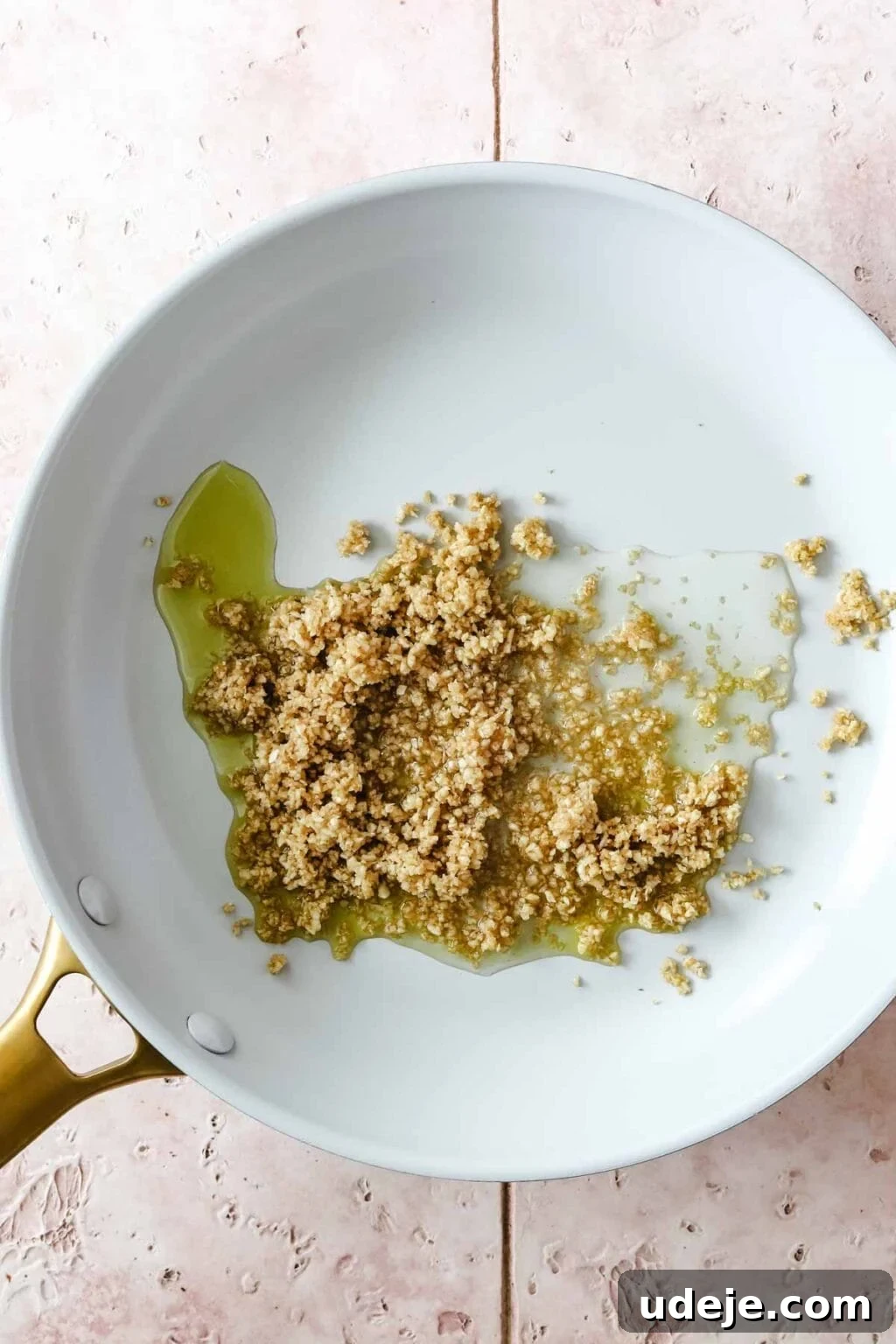
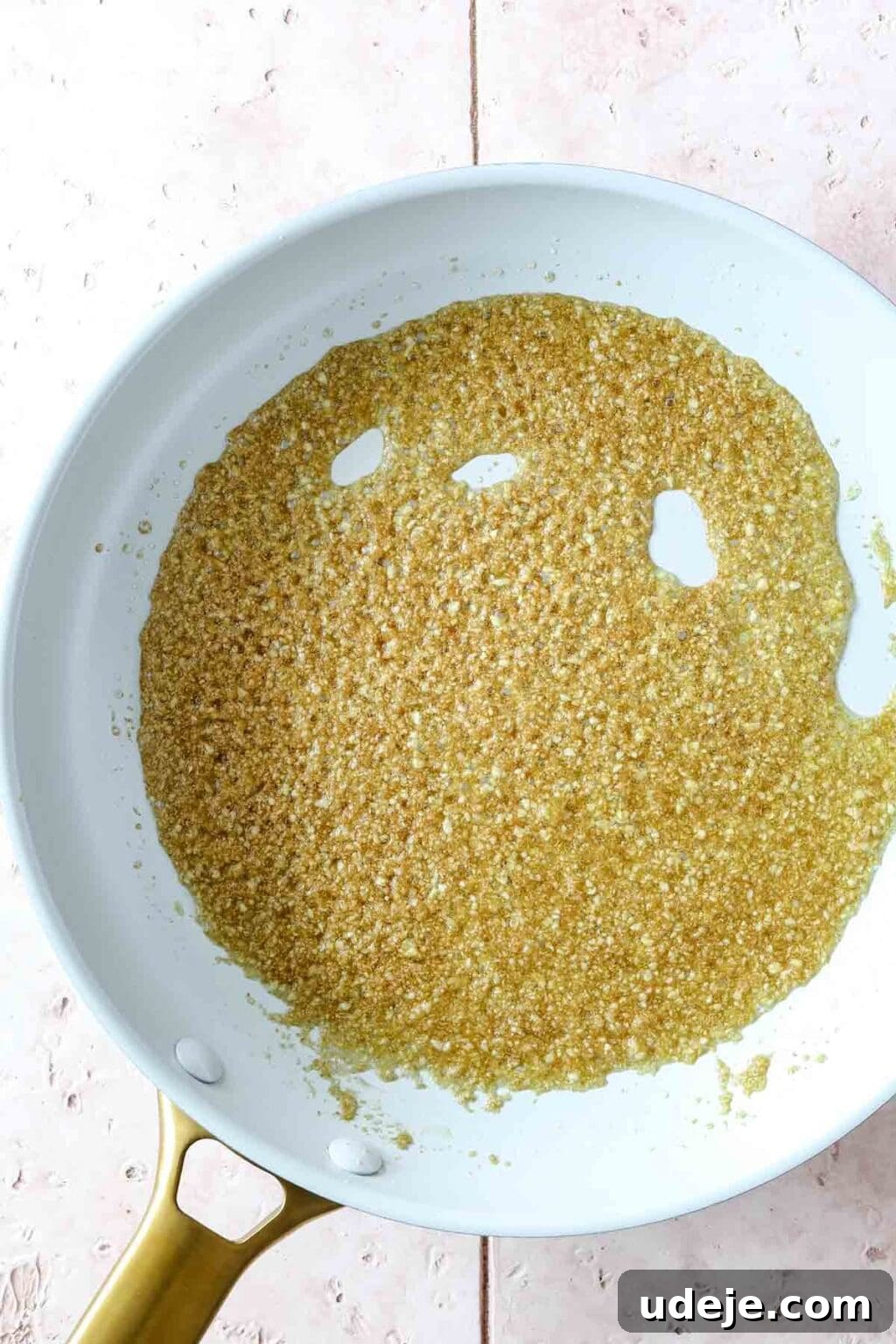
Once your garlic and coriander mixture is ready, heat a tablespoon of olive oil, butter, or ghee in a small skillet over medium-low heat. Add the minced garlic and coriander mixture to the hot fat. Sauté, stirring frequently, for about 3-4 minutes. You’ll know it’s ready when the garlic turns a light golden color and releases an incredibly fragrant, pungent aroma. Be careful not to burn the garlic, as this can impart a bitter taste to your ‘tasha’.
Step 4: Finishing the Molokhia and Serving
The moment of truth! Carefully pour the fragrant, sautéed garlic and coriander mixture directly over the simmering molokhia in the pot. For good measure and to capture every last drop of flavor, scoop a little molokhia into the skillet, swirl it around, and pour it back into the main pot. Stir everything together until the ‘tasha’ is perfectly incorporated, infusing the entire stew with its tantalizing aroma and taste.
At this point, assess the consistency of your molokhia. If it’s to your liking, turn off the heat. If you prefer a thicker stew, allow it to simmer uncovered for a few more minutes until it reaches your desired consistency. For the cooked chicken, you have a couple of delicious options: you can lightly fry or broil the whole pieces until golden and serve them alongside the molokhia and rice, offering a crispy exterior and tender interior. Alternatively, you can shred the chicken meat from the bones and stir it directly into the molokhia stew, allowing the chicken to become an integral part of the comforting green dish. Both methods are authentic and delicious; choose what best suits your preference.
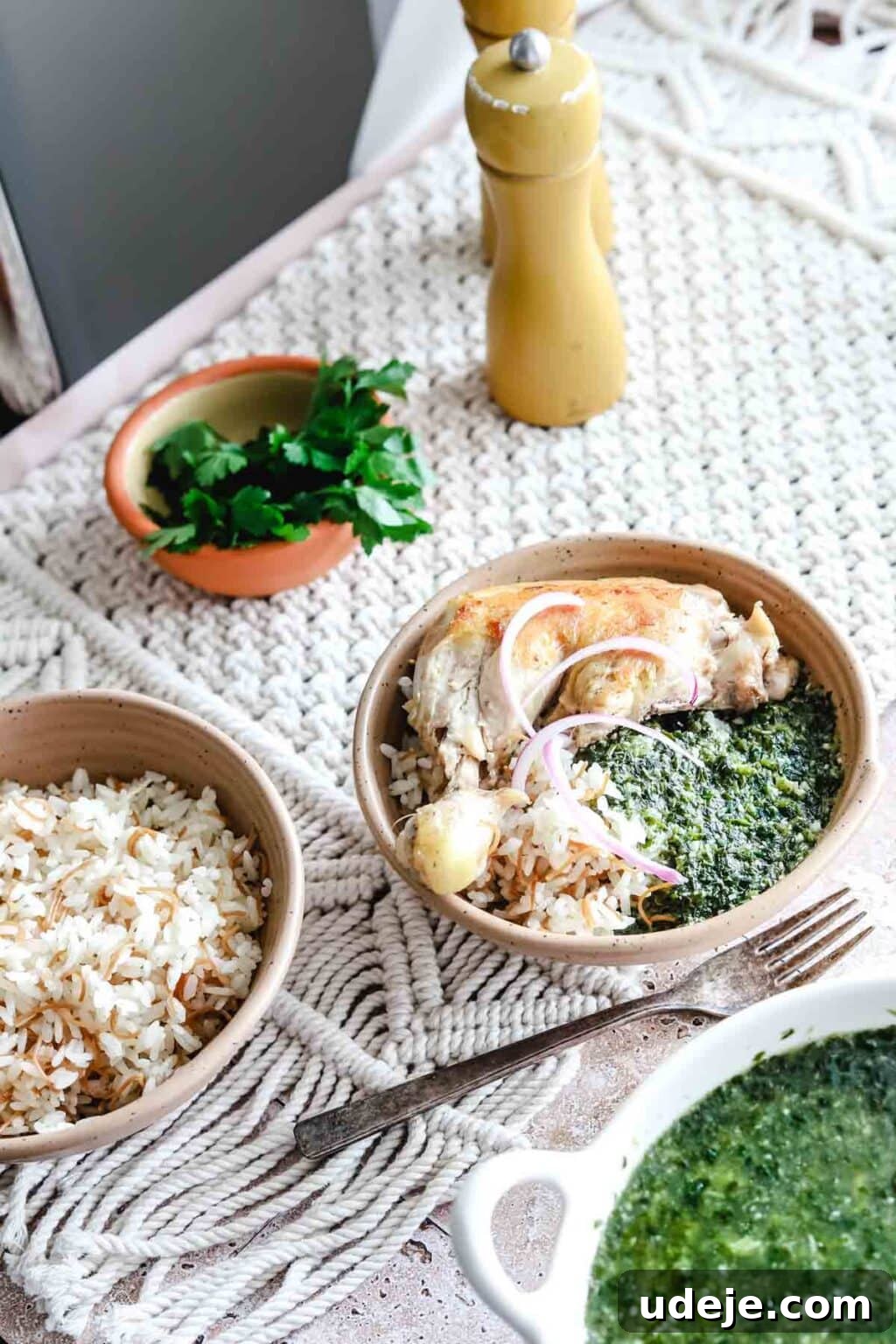
Serve your hot, authentic Egyptian Molokhia immediately, accompanied by a generous portion of fluffy Egyptian rice or fresh Middle Eastern bread. Garnish with a squeeze of fresh lemon juice and perhaps some thinly sliced red onions for an added burst of flavor and texture. This dish is truly a heartwarming experience, perfect for sharing with family and friends.
If you’ve tried this recipe, please consider leaving a star rating and review in the comments section further down the page – I’d love to hear from you! You can also hop on over to Instagram and say hello!
Authentic Molokhia (Mulukhiya)
Molokhia is a leafy green plant called Jute Mallow that is commonly simmered in chicken broth, garlic, and coriander to make this flavourful stew. Serve with Egyptian rice or bread, it’s comfort in a bowl!
Leave a Review
Pin Recipe
Ingredients
For the broth
- 2 tablespoons olive oil
- 5-6 cardamom pods
- 2-3 bay leaves
- 1/2 teaspoon peppercorns
- 1 1/4 teaspoon black pepper
- 1 1/2 teaspoon salt, plus more to taste
- 1 medium sized whole chicken, cut into quarters, or 4 full legs
- 8-10 cups water, enough to cover the chicken
- 1 onion, quartered
For the molokhia
- 4-5 cups broth, made using instructions for the broth
- 1 cube vegetable stock or bouillon (optional), add 1/2 cup water if using
- salt and pepper, to taste
- 400 grams frozen molokhia (jute mallow), 1x frozen package
For the tasha
- 15 garlic cloves, peeled, 45 grams
- 2 teaspoon ground coriander
- 1 tablespoon ghee or butter
- 1 tablespoon olive oil
Instructions
For the broth
-
Start by heating the olive oil in a large pot on medium heat, add in the peppercorns, cardamom, bay leaves, salt and pepper.
-
Stir together for a few minutes until fragrant before adding and searing the chicken pieces on each side for a few minutes until lightly golden.
-
Add water and the onion and bring broth to a boil before covering and lowering the heat.
-
Allow broth to simmer for at least 45 minutes or up to 1-2 hours. You may need to skim off and discard any scum while it is simmering.
-
Take the chicken out and set aside. Strain the broth to remove the whole spices and onion. Set aside.
For the molokhia
-
Add the strained broth back into the pot filling the pot about a third of the way or using about 4-5 cups of broth. It’s better to start with less broth and add more as needed to avoid molokhia that is too thin.
-
If using the vegetable stock cube or bouillon, dissolve in the 1/2 cup of water before adding it to the broth in the pot.
-
Season mixture with salt and pepper if needed, bring to a boil, then reduce the heat to low and simmer.
-
Add the frozen molokhia (no need to defrost!) and mix until it has defrosted and completely mixed into the broth, leaving it at a slow simmer.
-
Taste again and adjust seasoning if necessary.
For the tasha
-
In a food processor, blend together the garlic cloves and the ground coriander.
-
In a skillet, heat up the ghee or butter and the olive oil over medium-low heat.
-
Add the garlic and coriander mixture to the skillet and sauté for 3-4 minutes until the garlic turns lightly golden and fragrant, stirring frequently to avoid burning.
To finish the molokhia
-
Pour in the sautéed garlic and coriander over the simmering molokhia.
-
Scoop up the molokhia and pour it into the sauté pan to get every last bit of garlic and flavour.
-
Stir together until well incorporated. If you like the consistency, turn off the heat. Otherwise, simmer it to thicken it to your desired consistency.
-
Lightly fry or broil the chicken pieces in oil and serve alongside the molokhia. Or you can shred the chicken and add it right into the molokhia pot.
-
Serve hot with Egyptian rice or bread.
Notes
- This recipe uses frozen minced molokhia. For fresh molokhia, refer the blog post for instructions on how to prepare it.
- This molokhia recipe is Egyptian style. Refer to the blog post for how Lebanese style molokhia is slightly different.
- Adjust the thickness of the molokhia to your liking, using less or more broth as needed.
- Aim to use fresh homemade chicken broth vs. the store bought broth because it has a lot more flavour.
Tips for the Best Molokhia
- **Broth is King:** The quality of your chicken broth truly elevates this dish. Using homemade, bone-in chicken broth is non-negotiable for achieving the deepest, most authentic flavor. Store-bought options simply can’t compare.
- **Searing for Clarity and Flavor:** Don’t skip searing the chicken for the broth. This step seals in flavor and helps produce a clearer broth by minimizing the amount of scum that rises to the surface during simmering.
- **Adjusting Consistency:** Molokhia’s thickness is a personal preference. Start with less broth and gradually add more until you reach your desired consistency. It’s easier to thin out a thick molokhia than to thicken a thin one!
- **Gentle Simmering:** Avoid vigorous boiling of the molokhia once the leaves are added. A slow, gentle simmer prevents the leaves from becoming stringy or separating, maintaining that desirable velvety texture.
- **The Power of ‘Tasha’:** The fried garlic and coriander ‘tasha’ is not just a garnish; it’s a flavor powerhouse. Ensure the garlic is golden and fragrant, not burnt, to impart its best taste and aroma.
- **Lemon is Essential:** A squeeze of fresh lemon juice at the table is customary and highly recommended. The acidity brightens the stew’s flavors and cuts through its richness beautifully.
Health Benefits of Jute Mallow (Molokhia)
Beyond its delicious taste, Molokhia offers a wealth of nutritional benefits, making it a healthy addition to your diet. The jute mallow leaves are packed with vitamins, minerals, and dietary fiber:
- **Rich in Vitamins:** Molokhia is an excellent source of Vitamin A (important for vision and immune function), Vitamin C (a powerful antioxidant), and several B vitamins.
- **Mineral Powerhouse:** It’s loaded with essential minerals like iron (vital for red blood cell production), calcium (for strong bones), potassium (important for blood pressure regulation), and magnesium.
- **High in Fiber:** The significant fiber content aids digestion, promotes gut health, and can help regulate blood sugar levels.
- **Antioxidant Properties:** Like many leafy greens, Molokhia contains various antioxidants that help protect the body’s cells from damage caused by free radicals.
Storage and Reheating
Molokhia is a fantastic dish for meal prepping as it often tastes even better the next day! Here’s how to store and reheat it:
- **Storage:** Allow the Molokhia to cool completely to room temperature before transferring it to an airtight container. It can be stored in the refrigerator for up to 3-4 days.
- **Freezing:** Molokhia freezes exceptionally well. Portion the cooled stew into freezer-safe containers or bags, leaving a little headspace. It can be frozen for up to 3 months. Thaw overnight in the refrigerator before reheating.
- **Reheating:** Reheat Molokhia gently on the stovetop over low to medium heat, stirring occasionally, until it is heated through. You may need to add a splash of extra broth or water to achieve the desired consistency, as it can thicken upon cooling. Avoid high heat or vigorous boiling during reheating, as this can affect the texture.
Embark on this culinary adventure and discover the heartwarming appeal of Molokhia. Whether you’re a long-time fan of Middle Eastern cuisine or new to its flavors, this authentic Egyptian Molokhia recipe promises a comforting, flavorful, and incredibly satisfying meal that you’ll want to make again and again. Its unique texture and robust garlic-coriander infusion create a truly memorable dining experience. Enjoy!