
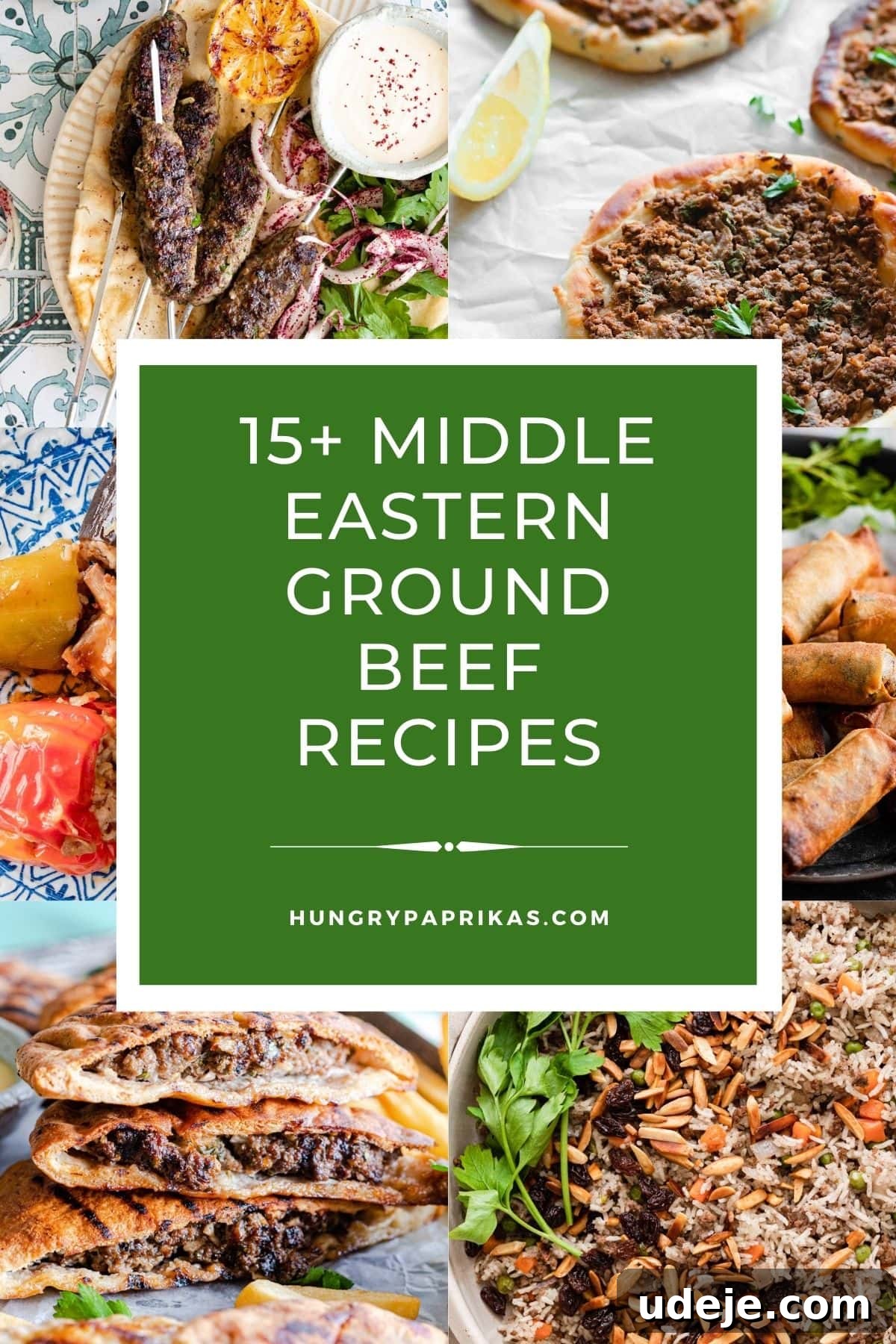
Unlock a world of exquisite flavors with ground beef, a culinary staple renowned for its versatility and ease of preparation. Whether you’re a seasoned chef or a home cook looking to infuse your weekly meals with vibrant tastes, Middle Eastern cuisine offers an array of ground beef recipes that are both comforting and exciting. This comprehensive guide delves into a curated collection of the finest Middle Eastern ground beef dishes, all meticulously tested and adored by many, promising to transform your dinner table into a feast of authentic aromas and deliciousness.
The Unparalleled Versatility of Ground Beef in Your Kitchen
Ground beef stands out as a go-to protein source for countless families, and for good reason. Its adaptability makes it a star ingredient, particularly within the rich tapestry of Middle Eastern cuisine. Beyond its widespread appeal, ground beef is consistently one of the easiest meats to cook, making it an ideal choice for busy weeknights and elaborate weekend spreads alike. Over the years, many have also found it to be incredibly kid-friendly, often ranking alongside chicken as a top choice for younger palates. Here’s a deeper look into why ground beef earns its place as a kitchen MVP:
- Rapid Preparation: Frozen ground beef thaws quickly, and it cooks in a skillet in mere minutes. This speed is a lifesaver when you need to whip up a satisfying meal without a lengthy preparation time. From spontaneous dinners to planned meal prep, its quick-cooking nature saves valuable time.
- Fat Content Customization: You have complete control over the leanness of your dish. By selecting regular, lean, or extra-lean ground beef, you can adjust the fat content to perfectly match your dietary preferences and the requirements of your recipe, ensuring both flavor and health considerations are met.
- Excellent Storage and Reheating: Cooked ground beef stores exceptionally well in the refrigerator, retaining its delicious taste and texture for days. This makes it a fantastic option for meal prepping, allowing you to cook in batches and enjoy flavorful leftovers throughout the week.
- Freezer-Friendly: Beyond refrigeration, ground beef freezes beautifully, both raw and cooked. This makes it an invaluable asset for batch cooking and long-term meal planning, ensuring you always have a protein source ready for future culinary adventures.
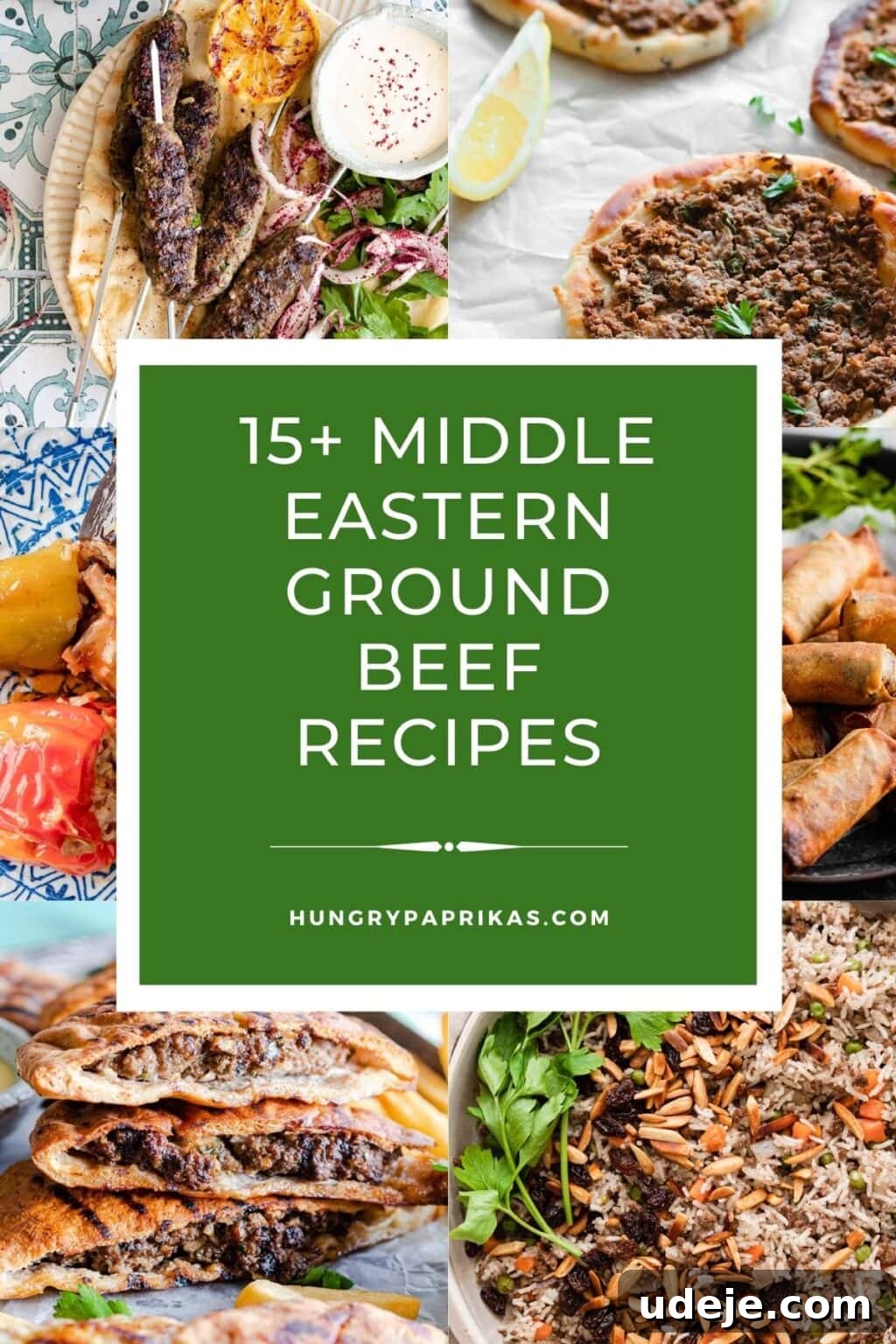
Understanding the demands of a busy lifestyle, we’ve carefully assembled this collection of Middle Eastern ground beef recipes. Our selection spans from remarkably quick and simple dishes like the iconic Kafta and the delightful Arayes, to more traditional and deeply nostalgic Arabic recipes such as the elaborate Dolma. With such a diverse range to choose from, you’ll want to bookmark this page and return often to explore every mouth-watering option.
Choosing the Best Ground Beef for Authentic Middle Eastern Flavors
When it comes to preparing authentic Middle Eastern dishes, the type of ground beef you select can significantly influence the final taste and texture. Historically, many traditional recipes often call for regular ground beef, which has a higher fat content. This preference stems from the belief that fat imparts a deeper, richer flavor and contributes to a juicier, more succulent meat. The added richness from the fat is a hallmark of many beloved Arabic and Middle Eastern recipes, providing that signature indulgent quality.
However, modern culinary approaches often lean towards healthier alternatives without compromising on taste. Many cooks, myself included, prefer to use extra lean ground beef and then consciously add healthy fats during the cooking process. This method allows for greater control over the overall fat content while still achieving incredible flavor through additions like high-quality olive oil or clarified butter (ghee). This provides the best of both worlds: a healthier profile with rich, authentic taste.
Here’s a general breakdown of ground beef types by their fat content (percentages may vary slightly by region and butcher):
- Regular Ground Beef: Typically contains 20% – 30% fat. Ideal for dishes where maximum juiciness and robust flavor are desired, often without additional fat.
- Medium Ground Beef: Falls between 15% – 20% fat. A good balance for those who want flavor without excessive grease.
- Lean Ground Beef: Features a fat content of 10% – 15%. A popular choice for a healthier approach while still retaining moisture.
- Extra Lean Ground Beef: Contains the lowest fat, usually 5% – 10%. Perfect for health-conscious cooking, allowing you to add controlled amounts of healthy fats for flavor.
Ultimately, the best type of ground beef for your Middle Eastern cooking depends on your personal preferences, dietary needs, and the specific requirements of the dish you are preparing. Experimentation can help you discover what works best for your palate.
Essential Spices for Middle Eastern Ground Beef Dishes
The soul of Middle Eastern cuisine lies in its aromatic spices, and ground beef recipes are no exception. You’ll find that many of these dishes share a common, beloved seasoning palette that creates a uniquely warm and inviting flavor. My personal go-to spice blend for ground beef typically includes:
- Salt: The fundamental flavor enhancer, bringing out the natural taste of the beef and other spices.
- Black Pepper: Adds a subtle heat and pungent aroma that complements the richness of the meat.
- Allspice (Ground Berry): This is a singular spice, not a blend, despite its name. It offers notes of cloves, nutmeg, and cinnamon, creating a beautifully rounded, warm flavor profile that is indispensable in Middle Eastern cooking.
- Cinnamon: Often used in savory dishes in the Middle East, cinnamon adds a distinctive sweet and woody warmth that elevates ground beef, preventing it from tasting flat.
This combination is my absolute favorite and, in my opinion, perfectly suits most applications of ground beef in Middle Eastern dishes. For an even more authentic and convenient option, you can simply season your ground beef with salt, pepper, and a high-quality Lebanese seven-spice mix. This powerful blend typically includes allspice, black pepper, cinnamon, cloves, nutmeg, coriander, and sometimes cardamom, providing a complex and deeply aromatic foundation for your culinary creations.
Beyond these core spices, other regional favorites often make an appearance, such as cumin (for earthy depth), coriander (for citrusy notes), and a touch of paprika (for color and mild sweetness). Understanding these essential spices is key to mastering the vibrant and comforting flavors of Middle Eastern ground beef.
Defrosting Ground Beef Like a Pro: Methods and Tips
Properly defrosting ground beef is crucial for both food safety and maintaining the quality of your meat. Depending on how much time you have and whether you’ve planned ahead, there are several effective methods. I utilize all of these techniques based on my schedule and meal planning needs. Here are the most preferred methods, listed in order of recommendation:
1. Overnight in the Refrigerator (The Gold Standard)
This method is by far the safest, easiest, and most recommended way to defrost ground beef. Simply remove the frozen ground beef from the freezer, place it on a plate or in a shallow dish (to catch any potential leaks and prevent cross-contamination), and leave it in the refrigerator overnight. Depending on the size of the block, it typically takes 12-24 hours to thaw completely. This slow, even defrosting process helps maintain the meat’s texture and prevents bacterial growth, making it my most frequently used approach. However, sometimes life happens, and planning ahead isn’t always possible—that’s when the next methods come in handy.
2. Cold Water Submersion (Faster and Effective)
If you remember in the morning that you want to use ground beef for dinner, defrosting it in cold water is an excellent alternative. Place the frozen ground beef, still in its sealed original packaging or a leak-proof plastic bag, into a bowl of cold tap water. It’s important that the water remains cold, so you may need to change the water every 30 minutes to ensure it stays below 40°F (4°C). I often place a plate on top of the package to keep it fully submerged, as it tends to float. This method usually takes 1-2 hours for a 1-pound package of ground beef, providing relatively even defrosting.
3. Microwave Defrost (When Time is of the Essence)
The microwave is your fastest option when you need to use ground beef immediately for a quick meal, often within a few minutes. However, it’s generally my last resort because it can lead to uneven defrosting, where the edges of the meat might start to cook while the center remains frozen. To mitigate this issue, I usually defrost it in short bursts—1 to 2 minutes at a time—then remove it, scrape off any defrosted portions, and place them on a separate plate. I then return the remaining frozen portion to the microwave and repeat the process until all the beef is thawed. This technique helps achieve more consistent results and is best used when the defrosted meat will be cooked immediately.
Regardless of the method chosen, always ensure ground beef is cooked thoroughly after defrosting to eliminate any potential bacteria.
15+ Irresistible Middle Eastern Ground Beef Recipes for Every Occasion
Juicy Beef Kafta Kabobs (Skewers or Patties)
Check out this recipe!
Hashweh Rice (Arabic Keema Rice with Ground Beef)
Check out this recipe!
Arayes (Middle Eastern Stuffed Pita)
Check out this recipe!
Easy Potato Moussaka With Eggplant
Check out this recipe!
Lahm Bi Ajeen / Sfiha (Middle Eastern Flatbread)
Check out this recipe!
30-Minute Arabic Pasta with Yogurt Sauce
Check out this recipe!
Egyptian Goulash (Phyllo Meat Pie)
Check out this recipe!
How to Make Homemade Sambousek
Check out this recipe!
Bechamel Pasta Bake (Macarona Bechamel)
Check out this recipe!
Dawood Basha (Middle Eastern Meatballs Stew)
Check out this recipe!
Iraqi Dolma (Middle Eastern Stuffed Vegetables)
Check out this recipe!
Mediterranean Eggplant Casserole (Kafta Bil Sanieh)
Check out this recipe!
Stuffed Eggplant Boats with Ground Beef
Check out this recipe!
Middle Eastern Stuffed Sweet Potatoes
Check out this recipe!
Stuffed Onions with Ground Beef
Check out this recipe!
If you tried these recipes, please consider leaving a star ⭐⭐⭐⭐⭐ rating in the recipe card below and/or a review in the comments section further down the page – I’d love to hear from you! You can also hop on over to Instagram and say hello!
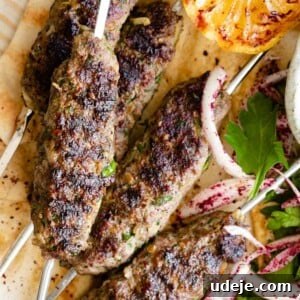
Kafta Kabobs (Skewers or Patties) – A Quick & Delicious Middle Eastern Treat
Leave a Review
Pin Recipe
Ingredients
- 1.5 lb extra lean ground beef
- 1 bunch parsley, approx. 2 cups packed
- 4 cloves garlic
- 1.5 teaspoon seven spice, Middle Eastern spice mix
- 1 teaspoon cumin
- 1/2 teaspoon paprika
- 1/2 teaspoon black pepper
- 1.5 teaspoon salt
- 2 teaspoons onion powder
- 4 tablespoons olive oil, plus more for grilling
- 1 tablespoon flour, see notes
Equipment
- BBQ or Stove or Oven
Instructions
-
Using a food processor, add the garlic, onions, and parsley. Process for a few seconds until they are finely chopped.
-
Transfer the chopped mixture to a bowl with the ground beef. Add all the seasonings and olive oil. Mix thoroughly using your hands until well combined. Then, add the flour (refer to notes below) and continue mixing until the mixture forms a firm “dough.” If the mixture feels too loose, add a small amount more flour.
-
Shape the Kafta mixture into pieces approximately 3-4 inches long and about 1 inch in thickness. You can also form them into patties or meatballs.
-
Preheat your BBQ grill or a grill pan on the stove to medium-high heat. Add a dash of olive oil to prevent sticking (a cast-iron pan is highly recommended for an excellent sear).
-
Grill each Kafta piece for 2-3 minutes per side, for a total of 6-8 minutes. Cook until it reaches your desired doneness (always test a piece to ensure it is cooked through). (See notes below for oven baking instructions.)
-
Serve your delicious Kafta with a refreshing yogurt-tahini sauce (find a great recipe in our Eggplant Fatteh post) over a bed of rice, alongside a fresh salad, or wrapped in warm pita bread.
Notes
- I often use 1 tablespoon of flour to help the kafta bind together, making it easier to skewer and grill without falling apart. This is particularly helpful if your meat has excess moisture, such as thawed ground beef. However, if your mixture feels firm and holds its shape well, there’s no need to add flour. Use flour sparingly, as too much can make the Kafta taste tough.
- Alternatively, you can bake the Kafta in the oven. Preheat your oven to 400°F (200°C) and bake for 15 to 20 minutes, or until fully cooked through. While baking is a convenient and faster method, grilling typically yields a juicier and more flavorful result.
- If you choose to use regular ground beef (which has a higher fat content) instead of extra lean, you can reduce the amount of added olive oil to 1 tablespoon, as the meat will naturally release more fat during cooking.
Nutrition Information (Approximate per serving)
- Serving: 1 piece
- Calories: 102 kcal
- Carbohydrates: 1g
- Protein: 10g
- Fat: 6g
- Saturated Fat: 2g
- Polyunsaturated Fat: 1g
- Monounsaturated Fat: 4g
- Trans Fat: 1g
- Cholesterol: 28mg
- Sodium: 269mg
- Potassium: 192mg
- Fiber: 1g
- Sugar: 1g
- Vitamin A: 387 IU
- Vitamin C: 6mg
- Calcium: 14mg
- Iron: 2mg
Did you make this recipe?
Please leave a star rating and review below!