
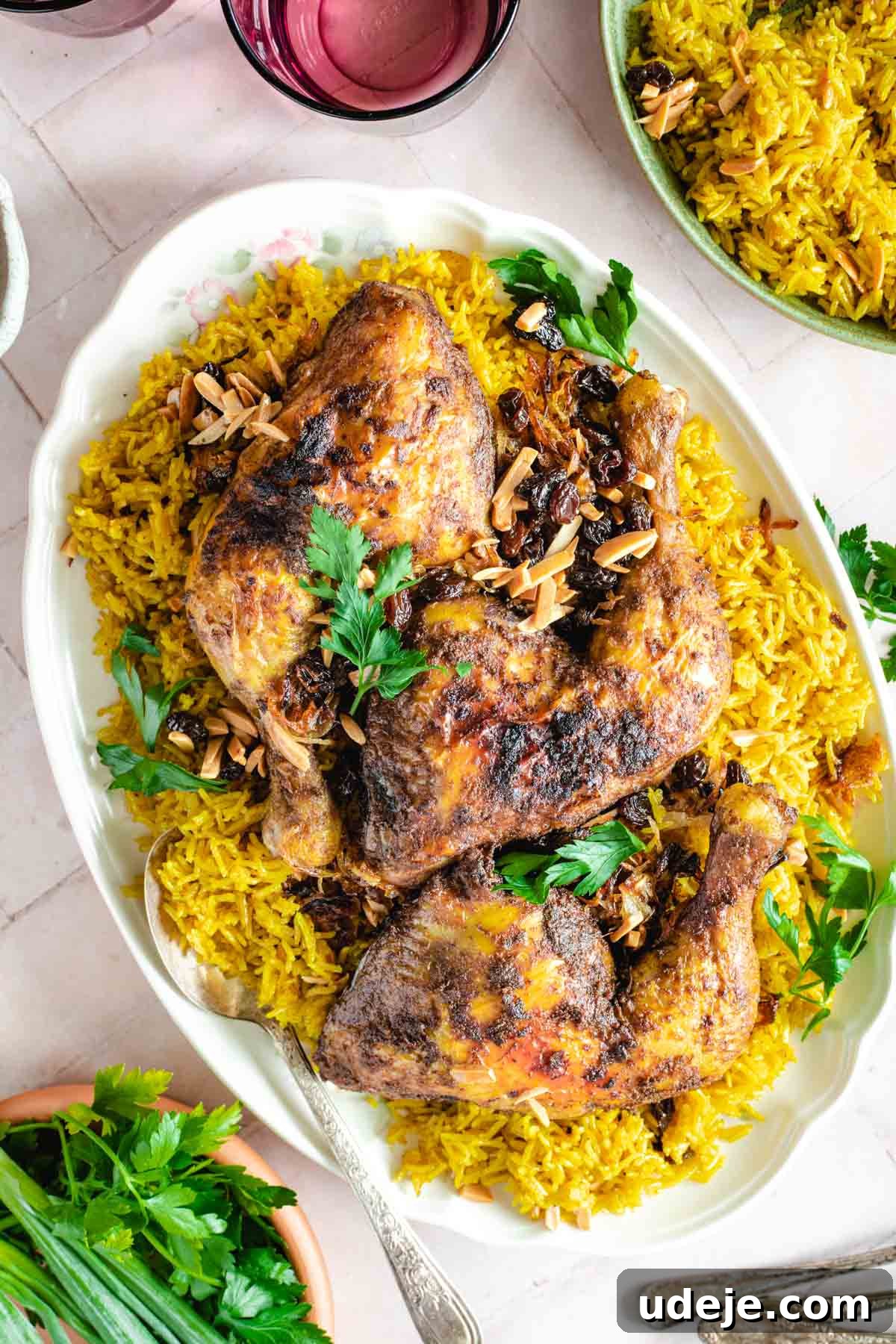
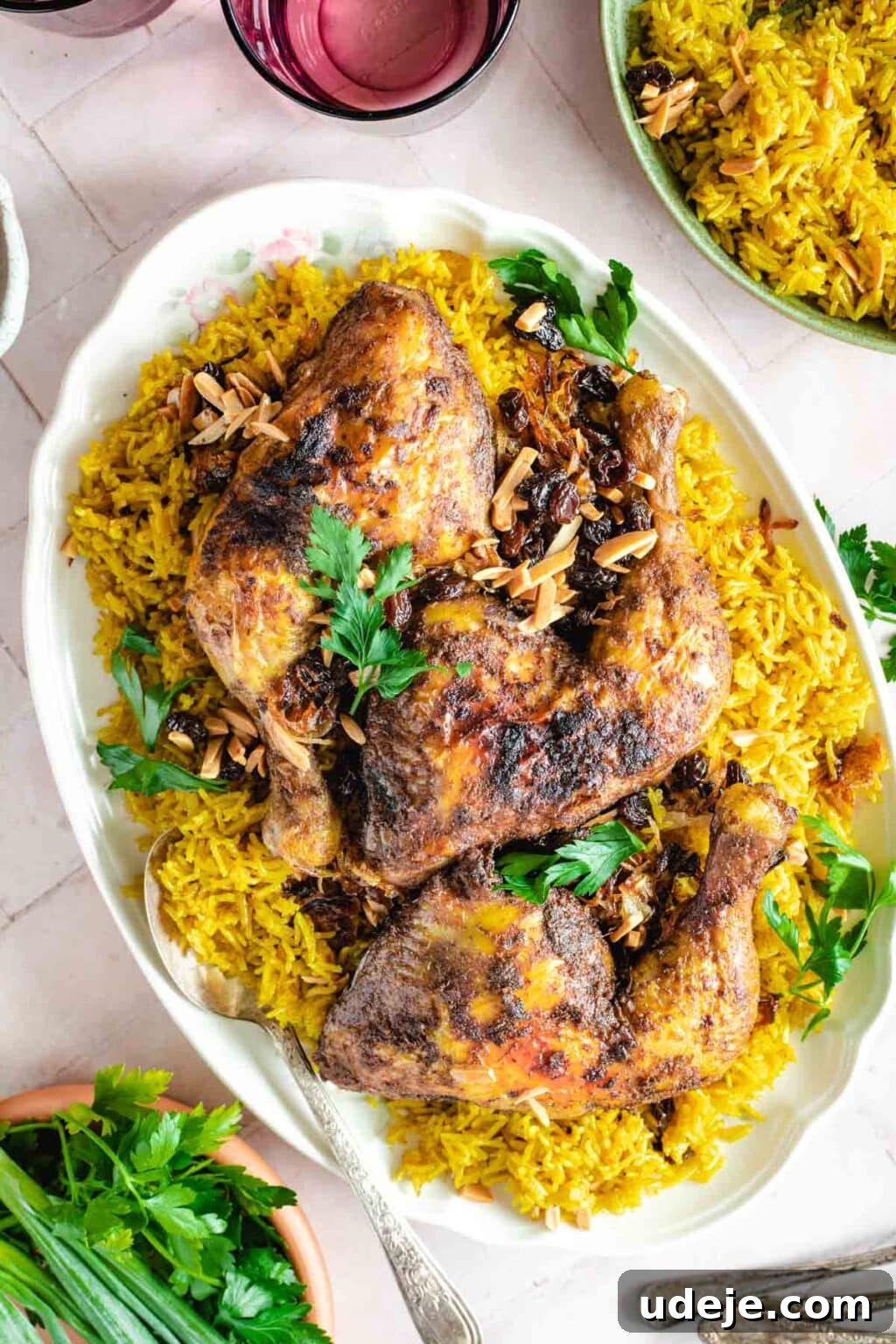
Yemeni Chicken Mandi is more than just a dish; it’s a culinary masterpiece beloved across the Middle East, offering a symphony of rich flavors and aromatic spices. This traditional chicken and rice recipe brings together succulent, spice-rubbed chicken, cooked to tender perfection, with fragrant yellow basmati rice. Each serving is elegantly crowned with golden, crispy fried onions, perfectly toasted almonds, and sweet, juicy raisins, creating a delightful contrast in textures and tastes. Our meticulously developed Mandi recipe has quickly become a reader favorite, earning a multitude of glowing 5-star reviews that attest to its authentic taste and accessible preparation.
5-STAR READER REVIEW
“The recipe had limited yet the perfect amount of ingredients, and was so easy to follow! My family loved the dish (had been trying my hands on it since months but never came out as perfect as yesterday!) They all called it restaurant quality and the next time we want to have mandi, for sure its going to be your recipe than a take-away!! Thank you soo much!”
—Mahreen
To truly capture the essence of this magnificent dish, it’s helpful to consider its three fundamental components: the flavorful chicken, the quintessential Yemeni spice blend known as “Hawaij,” and the vibrant aromatic yellow rice. While authentic Mandi is traditionally slow-cooked in a specialized underground oven called a “Taboon,” this recipe has been carefully adapted to replicate that deep, smoky flavor profile right in your home kitchen, without the need for specialized equipment.
My inspiration for perfecting this recipe comes from the exquisite Yemeni Mandi served at a local GTA-based Yemeni restaurant, Monasaba. Their rendition has guided my culinary journey in developing a recipe that promises an authentic experience.
I must admit, this recipe, particularly due to the integral role of the richly caramelized onions (which truly elevate the dish), can be a bit involved. I’ve strived to simplify the process wherever possible to ensure an enjoyable cooking experience. However, if you’re a beginner looking to explore warm Middle Eastern flavors with a simpler “one-pot” chicken and rice dish, I recommend starting with my Chicken Machboos recipe. Once you’ve gained confidence, you’ll be well-prepared to tackle the nuanced depths of this Yemeni Mandi.
Mastering Hawaij: The Authentic Yemeni Spice Blend
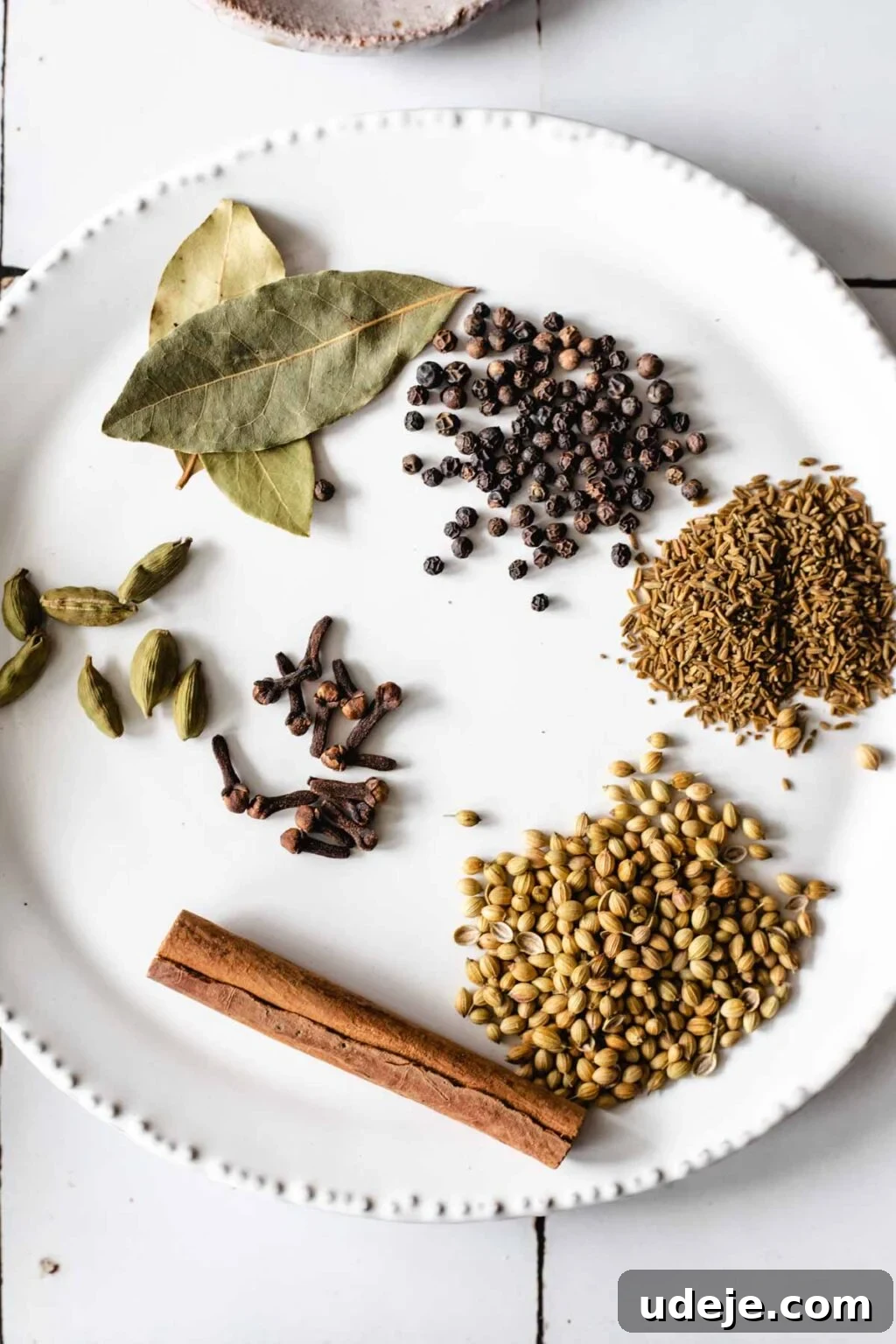
Hawaij is the soul of Yemeni Mandi, an indispensable spice mix that imparts its distinctive and authentic flavors. Getting this blend right is paramount to the dish’s success. As with any spice mixture, the superior aroma and taste come from using freshly ground, whole, and lightly toasted spices. This process is surprisingly quick and rewarding, especially if you have a dedicated spice grinder or even a coffee grinder (I highly recommend this particular model for its efficiency).
Beyond the primary Hawaij spice blend, another key ingredient for true Mandi flavor is dried limes (also known as loomi). These can typically be found at local Middle Eastern grocery stores. I’ve experimented with the recipe without them, and while it still yields a delicious meal, incorporating dried limes adds a profound, earthy, and subtly tart flavor note that is difficult to replicate, contributing significantly to the dish’s complexity and authenticity.
Your Culinary Journey: Step-by-Step Mandi Preparation
Embark on this exciting cooking adventure by gathering all your ingredients. Precision and patience are key to unlocking the incredible flavors of this Yemeni masterpiece!
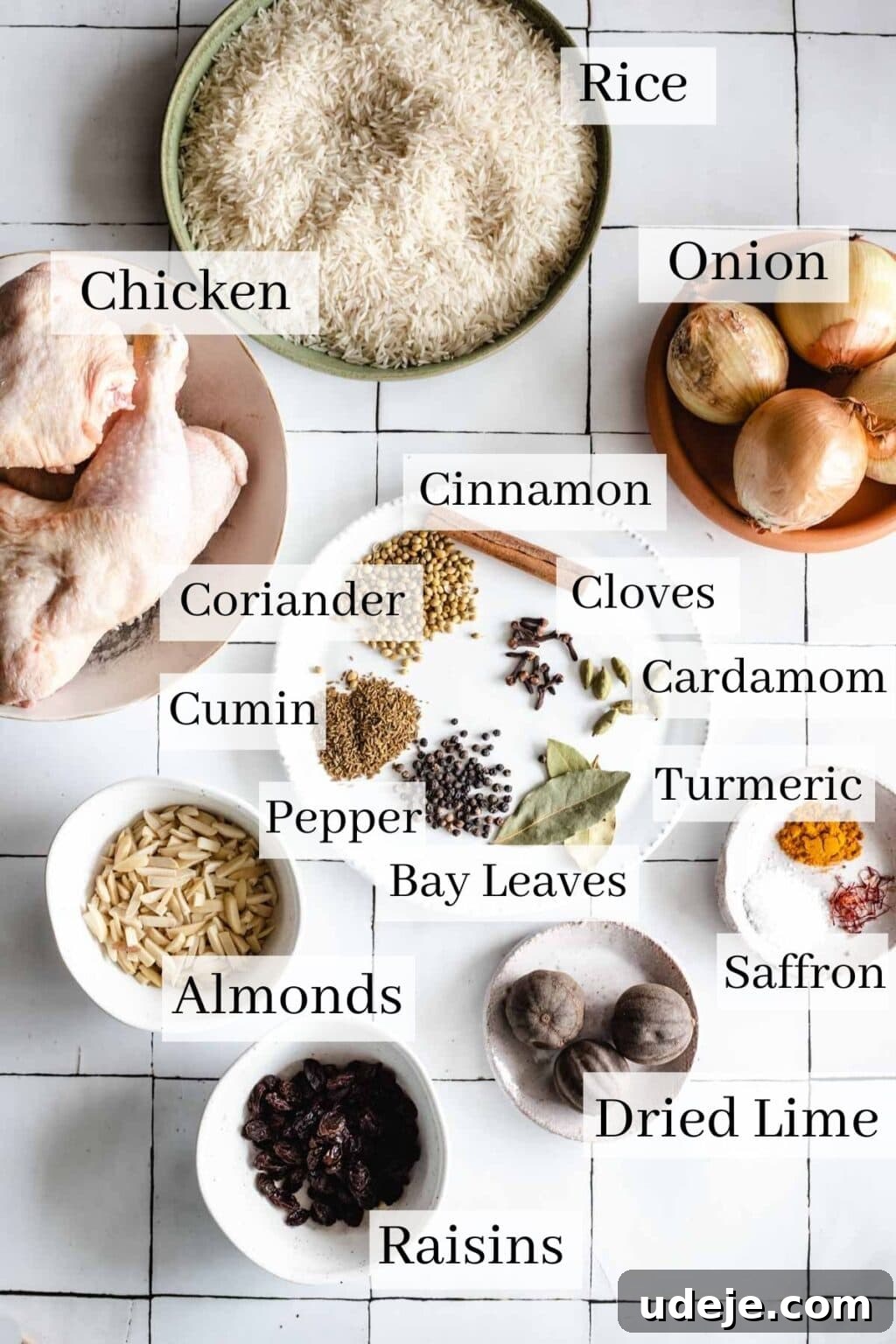
1. Crafting the Hawaij Spice Blend:
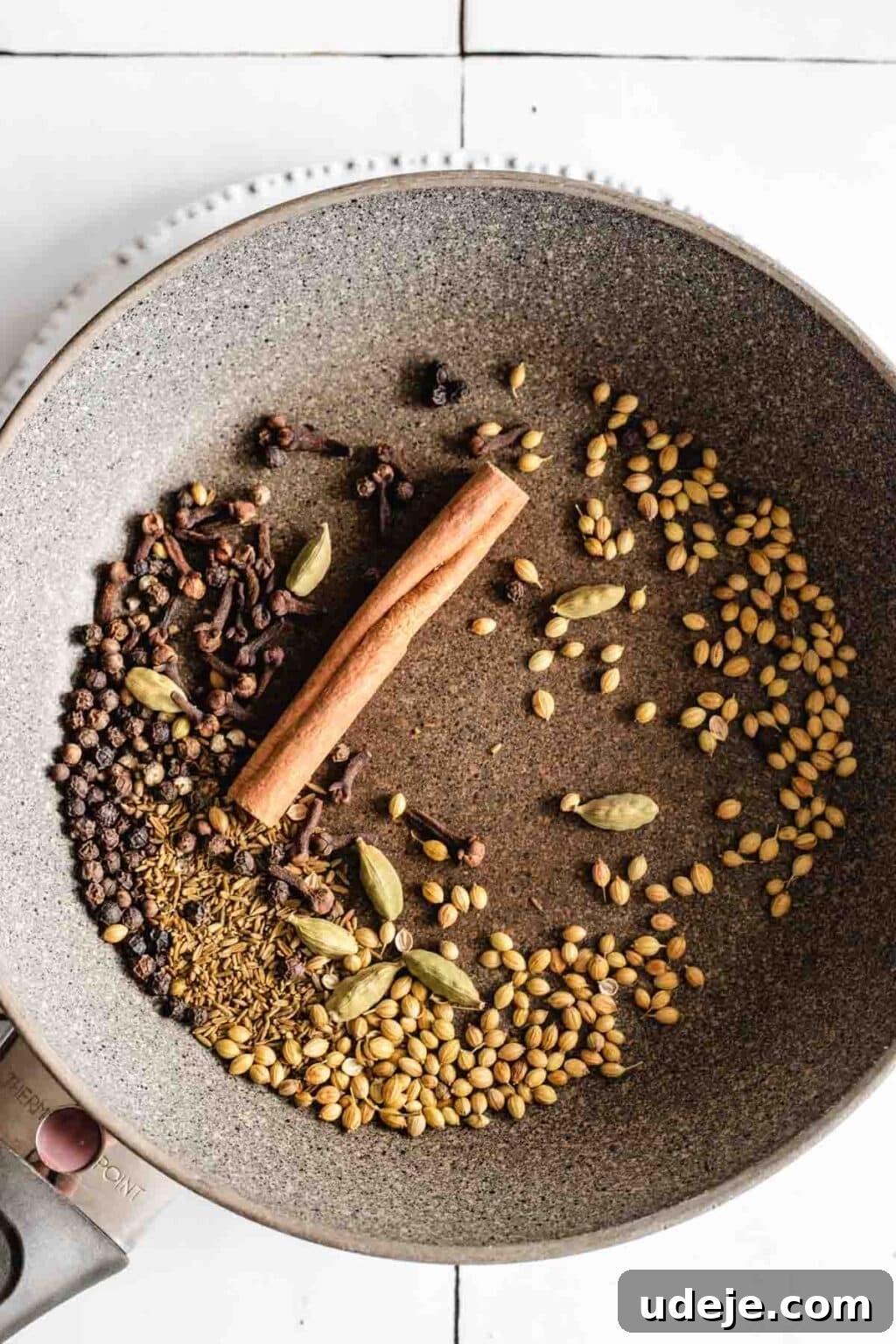
- Begin by placing all the whole spices for the Hawaij blend (excluding turmeric and bay leaves, which are added later) into a dry pan. Toast them over medium-high heat for 2-3 minutes, stirring constantly. Watch them carefully, as they can burn quickly. You’ll know they’re ready when a wonderfully fragrant aroma fills your kitchen.
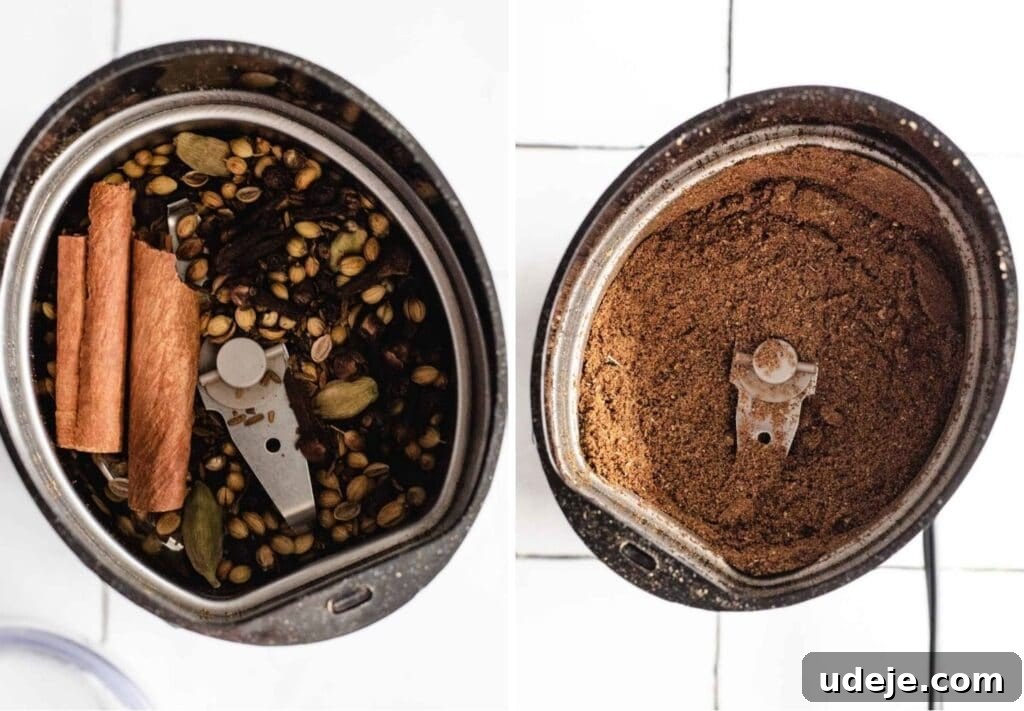
- Once toasted, transfer the spices into a spice grinder or a clean coffee grinder. Grind them until a fine, aromatic powder is achieved.
- Measure out and reserve two teaspoons of this freshly ground spice mix for the rice. The remaining spice blend will be used to marinate the chicken.
2. Marinating the Chicken for Deep Flavor:
- To the main portion of your Hawaij spice blend, add the specified turmeric powder and kosher salt (adjusting if using regular salt).
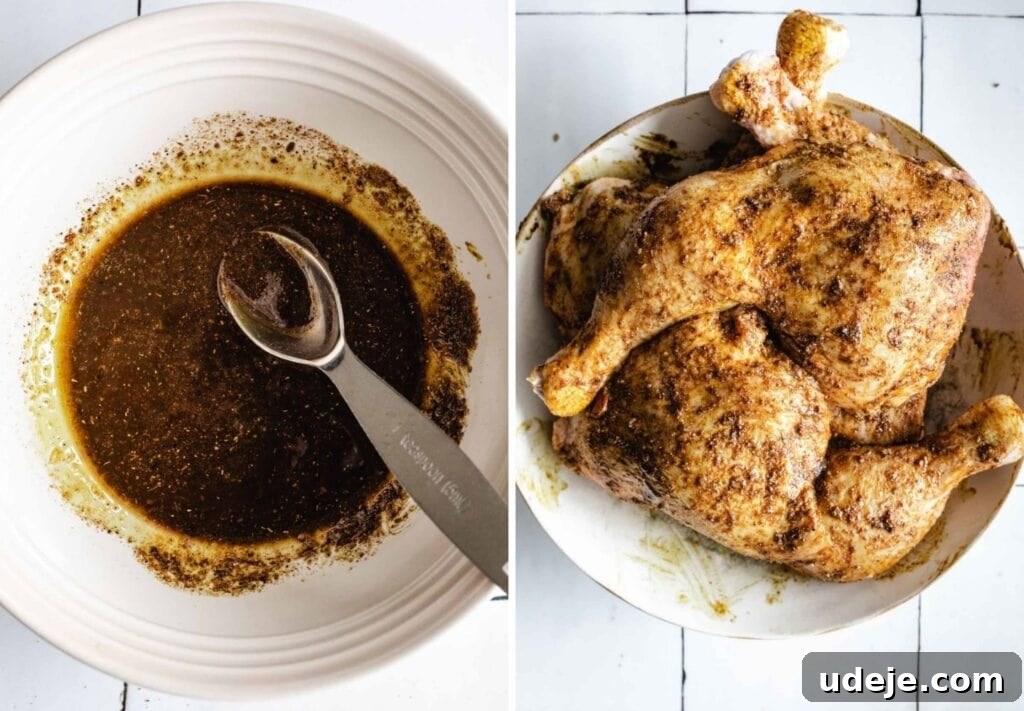
- Pour one tablespoon of olive oil into the spice mix and stir to form a thick, fragrant paste.
- Generously lather this spice paste all over your chicken pieces, ensuring every crevice is thoroughly massaged. For the most profound flavor penetration, marinate the chicken overnight in an airtight container in the refrigerator. If time is short, even a few hours will significantly enhance the taste.
EXPERT TIP: For perfectly even frying and beautiful golden onions, use a mandoline to slice them uniformly. If a mandoline isn’t available, a sharp knife and a steady hand will also work to achieve thin, consistent slices.
3. Preparing the Golden Caramelized Onions:
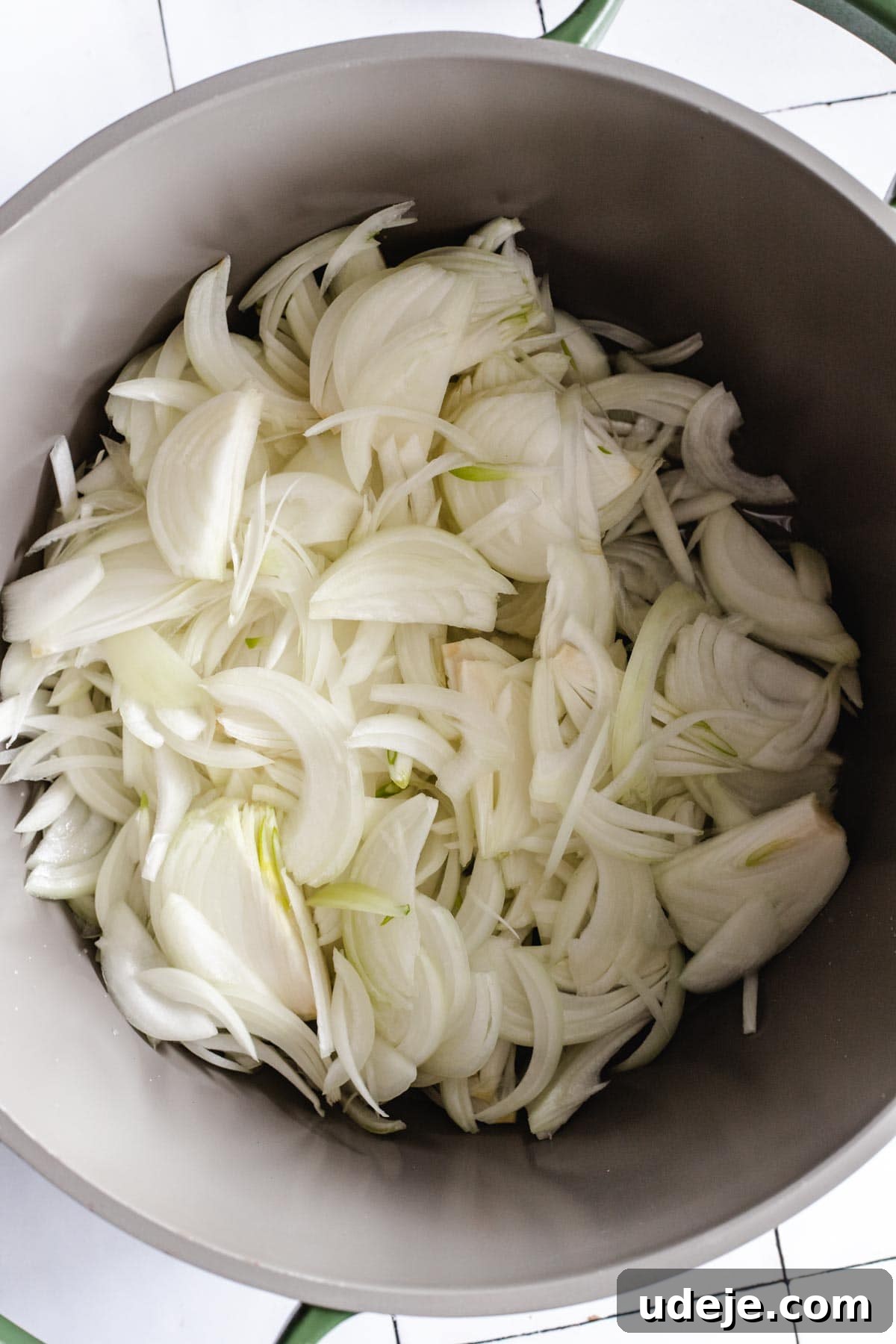
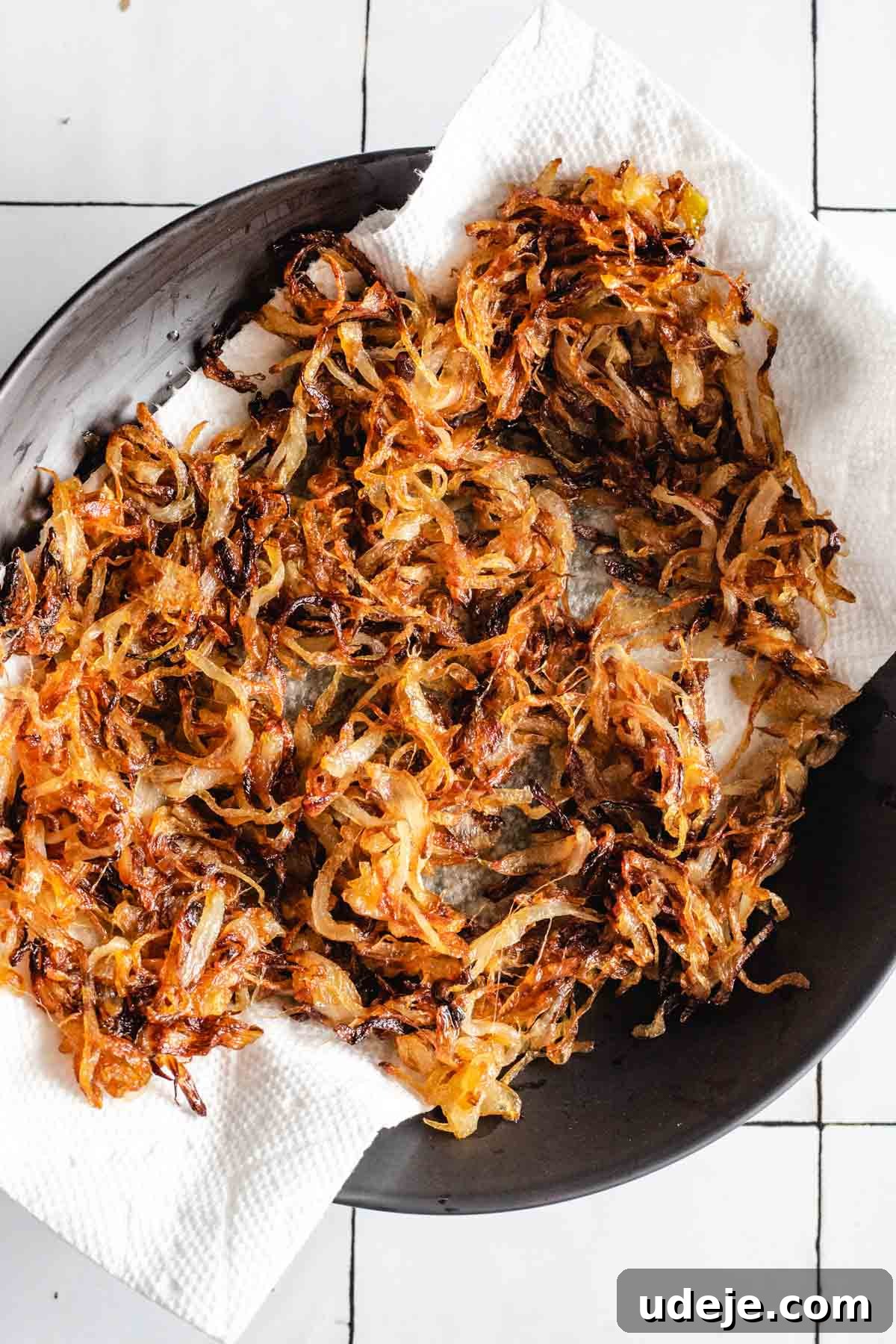
- Heat a generous amount of vegetable oil (as specified in the recipe card) in a large pot – ideally, the same pot you plan to cook your rice in. Add the thinly sliced onions and fry them over medium heat, stirring every few minutes. This process takes about 10-15 minutes. Be patient, as slow frying develops deep flavor, but remain vigilant as they can quickly burn towards the end.
- Once the onions are a beautiful golden brown, remove most of them with a slotted spoon, leaving approximately 3 tablespoons of onions and the flavorful oil in the pot. Spread the removed onions on paper towels to drain; they will crisp up as they cool. These are your glorious garnish!
FLAVOR TIP: To extract the maximum depth of flavor from your dried black limes, gently pierce them a few times with a sharp knife before adding them to the pot. This allows their intense aroma and tartness to infuse into the broth.
4. Steaming the Succulent Chicken:
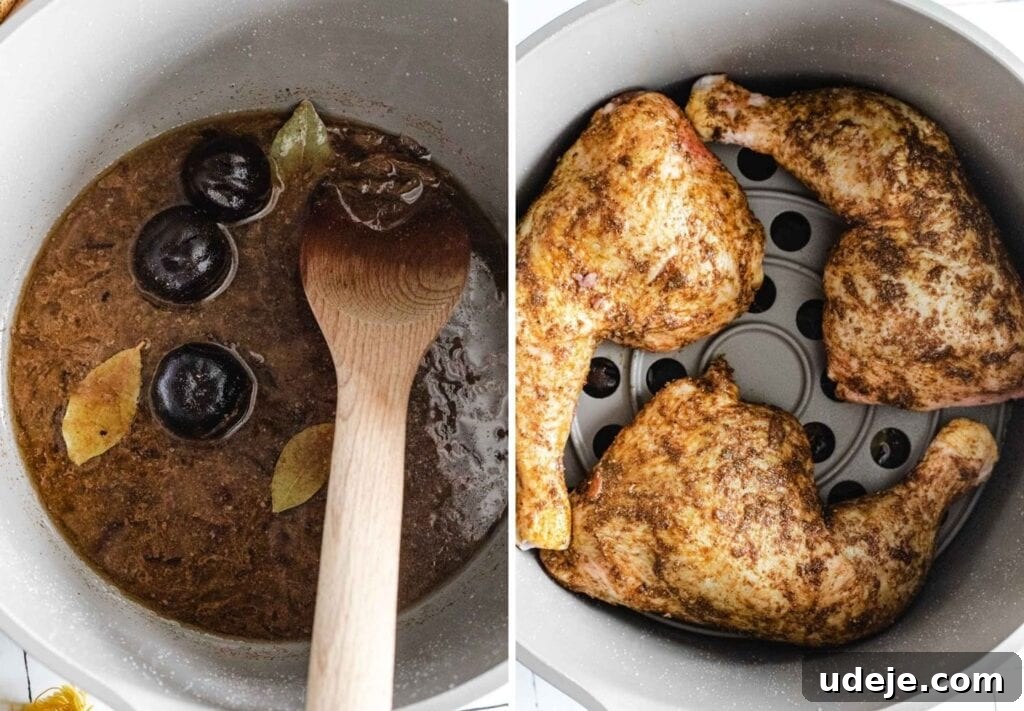
- To the same pot containing the remaining onions and flavored oil, add the reserved spice mix for the rice, along with the bay leaves and the pierced dried limes. Toast these spices for a few minutes over medium heat until fragrant.
- Pour in 2 cups of water and bring the mixture to a gentle simmer, creating a richly aromatic broth.
- Carefully place a steaming rack inside the pot. Arrange your marinated chicken pieces on top of the rack.
- Cover the pot tightly with a lid and steam the chicken for approximately 50 minutes over medium heat. Check the water level every 10 minutes and replenish if needed to ensure continuous steaming. This method keeps the chicken incredibly moist while infusing it with the broth’s flavors.
- Once cooked through, remove the chicken from the pot, reserving the flavorful broth below. Place the chicken on an oven-safe rack set over a baking tray.
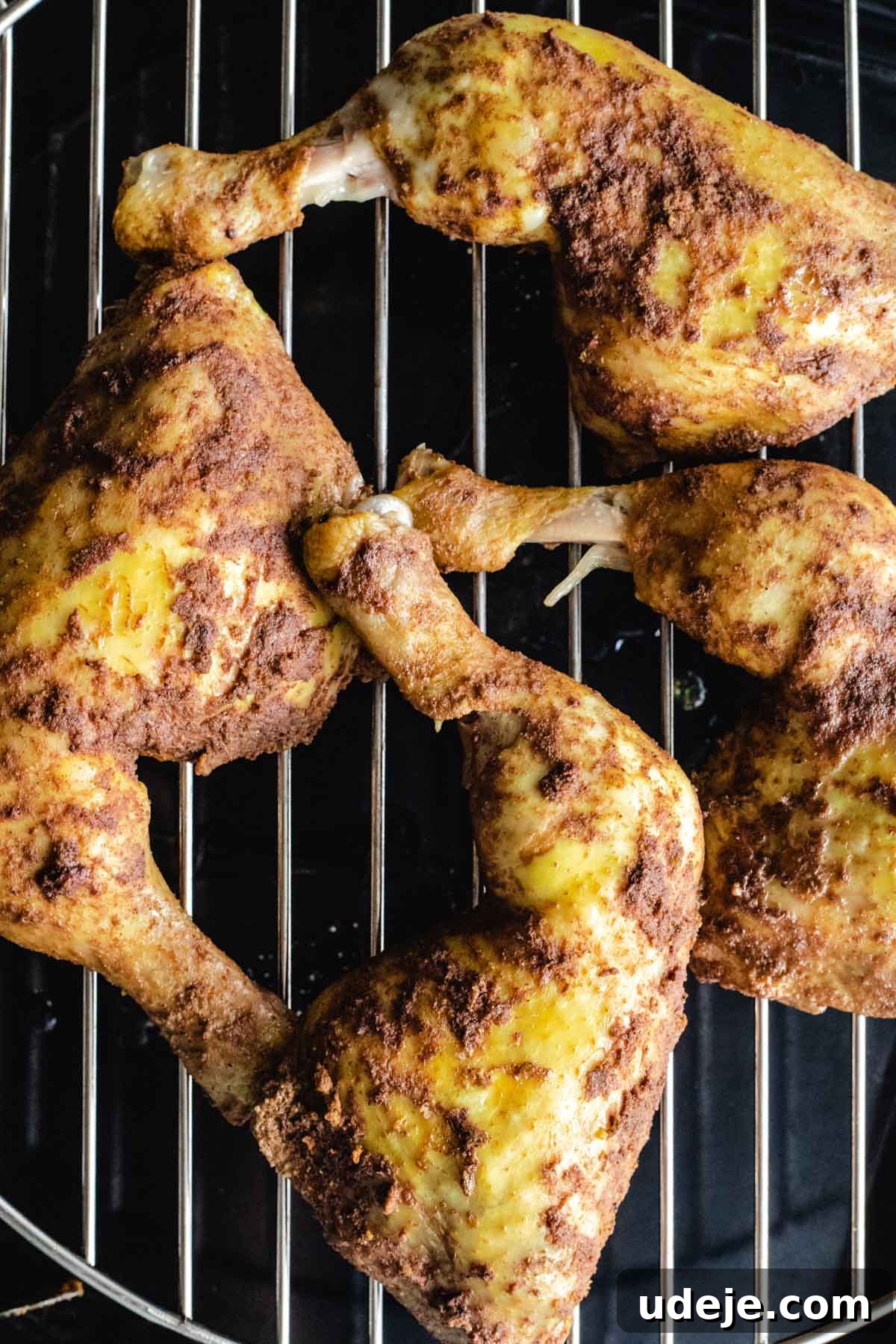
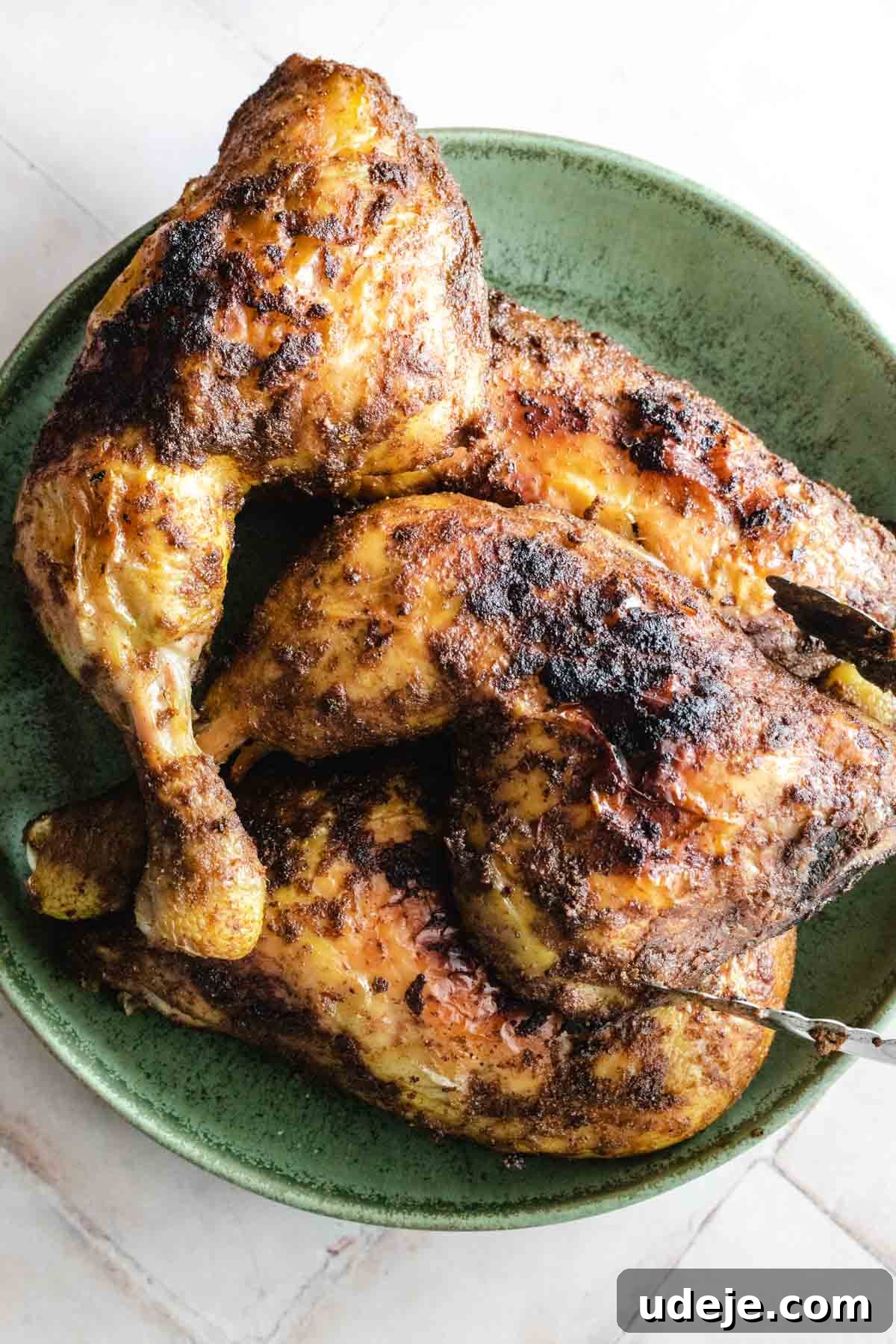
- Brush the chicken with the remaining olive oil, then bake at 400°F (200°C) for about 20 minutes. For an extra crispy skin, finish by broiling for 5 minutes until it turns a glorious golden brown. Keep the chicken warm until serving.
5. Preparing the Fragrant Yellow Basmati Rice:
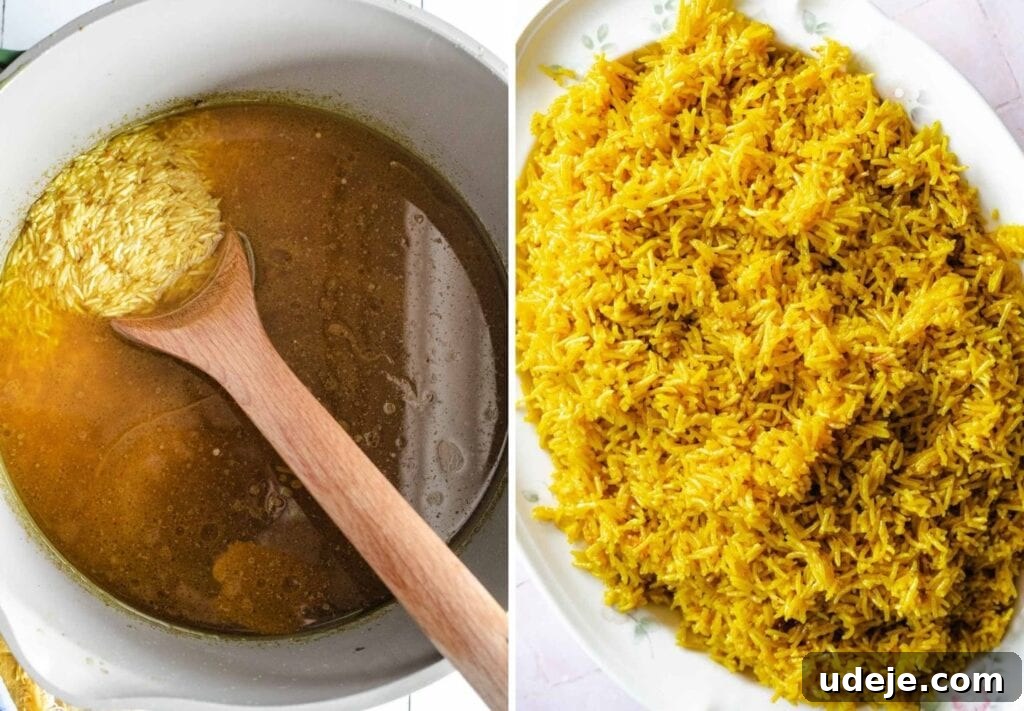
RICE PERFECTION TIP: For consistently fluffy basmati rice, aim for a precise 1:1.5 ratio of rice to water (or broth). Always soak the rice for 10 minutes after rinsing thoroughly. Bring the rice and liquid to a rolling boil, then cover the pot tightly and reduce the heat to low, allowing it to cook undisturbed for 20 minutes. Finally, let it rest off the heat for another 10 minutes before fluffing.
- First, thoroughly rinse your basmati rice multiple times until the water runs completely clear, then soak it for 10 minutes.
- While the rice soaks, bloom your saffron: grind the saffron strands to a fine powder using a mortar and pestle, then add 2 tablespoons of hot (but not boiling) water and let it sit for 5 minutes. This releases its vibrant color and aroma.
- Strain the chicken broth that was reserved from the steaming process. Measure out exactly 4.5 cups of this flavorful liquid (topping up with water if necessary). This precise measurement is crucial for fluffy rice.
- Pour the liquid back into the same pot you used for the onions and spices. Add the 1.5 teaspoons of turmeric for the rice, the 1 teaspoon of salt, and the bloomed saffron. Taste the liquid—it should be noticeably salty, much like sea water, to properly season the rice. Bring the liquid to a rolling boil.
- Add the soaked and drained basmati rice to the boiling broth and stir gently a few times to combine. Allow it to boil uncovered for a few minutes over medium-high heat.
- Once the liquid is bubbling vigorously and the surface of the rice is visible, place a sheet of paper towel directly over the pot opening, then immediately seal it tightly with the lid. Reduce the heat to medium-low and cook undisturbed for 20 minutes.
- After 20 minutes, turn off the heat and let the rice stand, still covered, for an additional 10 minutes. This resting period allows the steam to finish cooking the rice and results in beautifully fluffy grains. Finally, fluff the rice gently with a fork before serving.
6. Preparing the Flavorful Garnish:
- While the rice is cooking, prepare your final garnishes. In a small pan with a tablespoon of olive oil, quickly fry the slivered almonds over medium heat until they turn a beautiful golden color, stirring continuously to prevent burning. Remove them and set aside.
- In the same pan, add the raisins and toast for about 2 minutes until they plump up slightly. Combine the toasted raisins with the almonds.
7. Assembling Your Yemeni Chicken Mandi:
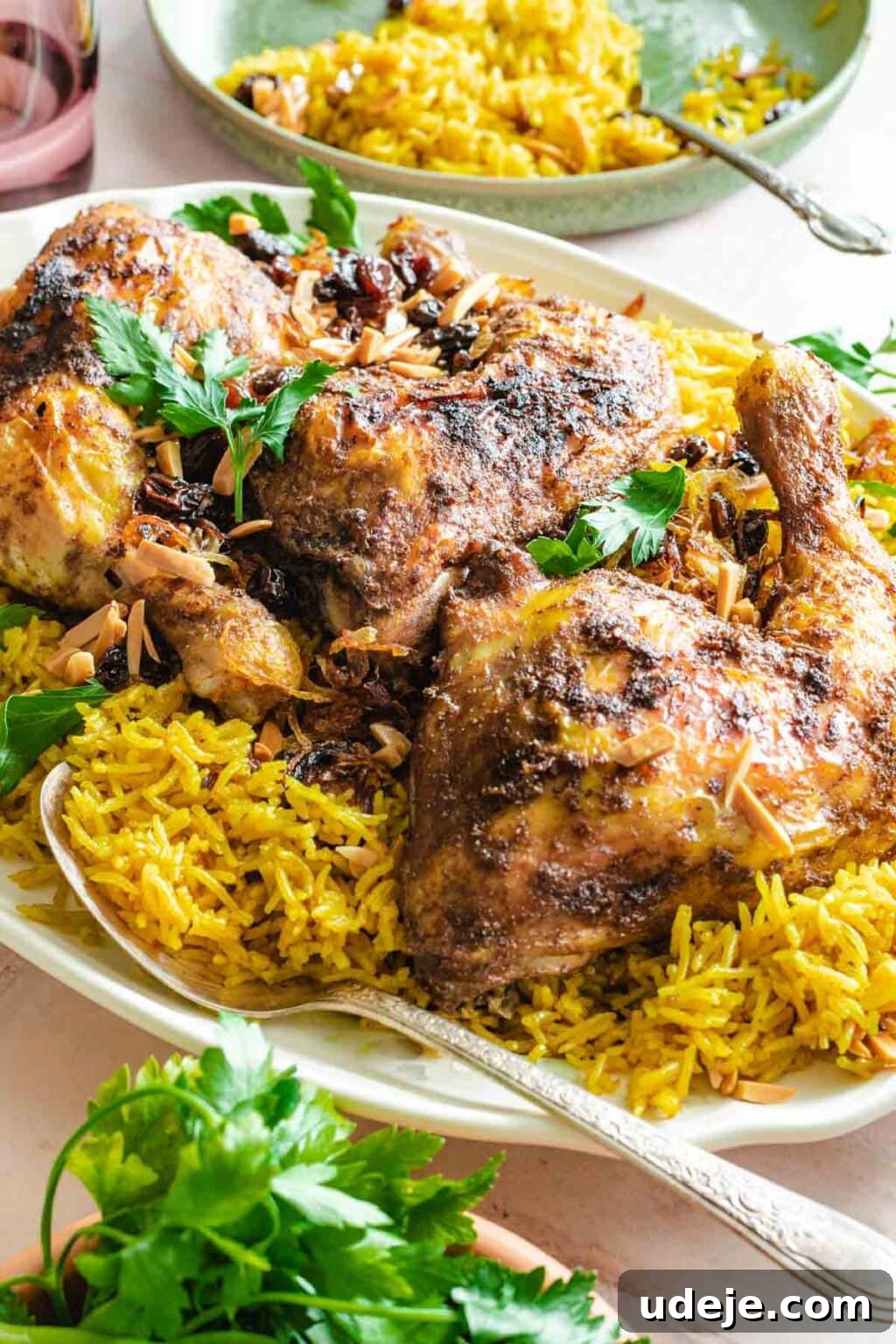
- To assemble this show-stopping dish, spoon a generous bed of the fragrant yellow basmati rice onto a large serving platter.
- Artfully scatter a layer of the crispy fried onions over the rice, followed by the toasted almonds and plump raisins.
- Finally, arrange the golden-brown chicken legs on top. For an even more lavish presentation, add another sprinkle of fried onions, raisins, and almonds. A garnish of fresh chopped parsley can add a pop of color and freshness, if desired.
The Smoky Secret: Replicating Traditional Mandi Flavors (Optional)
To truly capture the authentic, earthy, and smoky essence of traditional Mandi, which is typically slow-cooked over coal in a Taboon, you can incorporate a simple smoking step. This optional technique infuses the entire dish with a captivating aroma that will transport your taste buds straight to Yemen.
- Once both the chicken and rice are fully cooked, return the chicken pieces to the pot with the rice.
- Create a small well in the center of the rice and place a small, heatproof bowl inside. Add a small amount of oil to the bowl.
- Carefully light a small piece of coal (food-grade charcoal is ideal) until it’s glowing hot.
- Using tongs, gently drop the glowing coal into the oil-filled bowl in the center of the pot. Immediately and quickly cover the pot tightly with its lid.
- Allow the dish to smoke for about 4-5 minutes. The oil will sizzle and release a fragrant smoke that permeates the chicken and rice. Remove the coal and bowl before serving.
Serving Suggestions: Completing Your Mandi Feast
Yemeni Mandi, like many rich rice-based dishes from the region, is traditionally served with “Sahawiq,” a vibrant and spicy salsa-like condiment. Sahawiq is typically made from fresh green chilies, parsley, coriander, mint, garlic, tomato, vinegar, and cumin, all blended together to create a zesty and invigorating accompaniment that perfectly cuts through the richness of the Mandi.
I personally love to complement this flavorful rice dish with an array of refreshing side salads. Options such as Jajik (a cooling cucumber yogurt salad), the bright and tangy Fattoush salad, or a zesty Tabouli salad provide a wonderful balance of textures and flavors, making your Mandi feast truly unforgettable.
If you tried this incredible recipe, please consider leaving a star ⭐️⭐️⭐️⭐️⭐️ rating in the recipe card below and/or a review in the comments section further down the page – your feedback is invaluable! You can also hop on over to Instagram and say hello!

Chicken Mandi (Yemeni Chicken & Yellow Rice)
Leave a Review
Pin Recipe
Ingredients
For the Hawaij Spice Blend
- 2 teaspoons whole coriander seeds
- 1 teaspoon whole cloves
- 6 green cardamom pods
- 1.5 teaspoons cumin seeds
- 1 cinnamon stick
- 1 teaspoon whole black peppercorns
- 1/2 teaspoon turmeric (ground powder)
For the Chicken
- 4 full chicken legs, skin on, bone in
- 2 tablespoons olive oil
- 1.5 teaspoons kosher salt (use 1 tsp if regular salt)
For the Rice
- 3 cups basmati rice
- 3 bay leaves
- 2 teaspoons spice mix (from the Hawaij blend)
- 1.5 teaspoon turmeric
- 1/2 teaspoon saffron strands, plus 2 tablespoons hot water (optional)
- 3 dried limes (optional)
- 1 teaspoon salt
- 4.5 cups water and broth (see instructions)
For the Garnish
- 4 small onions
- 1 cup vegetable oil for frying
- 1/4 cup slivered almonds
- 1/4 cup raisins
- 1 tablespoon olive oil
Instructions
General Note: For optimal flavor, it is highly recommended to prepare the spice blend and marinate the chicken for at least 24 hours in advance.
For the Hawaij Spice Blend:
- Start by placing all of the whole spices for the blend (except for the turmeric) into a small skillet. Toast them on medium heat for 1-2 minutes, moving them around constantly. Be very careful as they can burn quickly! Remove them from the heat as soon as they become intensely fragrant.
- Once toasted, transfer the spices to a spice grinder or coffee grinder and process until a fine powder forms.
- Measure out 2 teaspoons of this freshly ground spice mix and set it aside; this portion will be used for the rice. Add the turmeric to the remainder of the spice mix, and this will be used for the chicken marinade.
To Marinate The Chicken:
- To the main portion of the prepared spice blend (with turmeric), add the 1.5 teaspoons of kosher salt (or 1 teaspoon if using regular salt) and 1 tablespoon of olive oil. Mix well to create a thick paste.
- Liberally coat the chicken legs with this paste, ensuring it’s thoroughly massaged into the skin and flesh.
- Place the marinated chicken in an airtight container and refrigerate overnight for the best results. If time is limited, a minimum of 30 minutes to 1 hour of marination will still impart good flavor.
To Fry the Onions:
- Thinly slice all the onions evenly. For precision, a mandoline is recommended, but a sharp knife works well too. Even slicing ensures uniform frying.
- Add 1 cup of vegetable oil to a large pot (preferably the same pot you plan to cook the rice in) and heat it over medium heat.
- Add the sliced onions to the hot oil and fry them, stirring every 3-4 minutes. This process will take 10-15 minutes. Exercise patience for deep caramelization, but be highly attentive towards the end as they can burn very quickly.
- Once the onions are golden brown, remove most of them with a slotted spoon, leaving approximately 3 tablespoons of onions and the flavored oil in the pot. Spread the removed onions on a paper towel-lined plate to absorb excess oil. They will become crispier as they cool. Set these aside for garnish.
To Cook the Chicken (Steaming & Broiling):
- The chicken will be cooked by steaming, which locks in moisture and flavor. Begin this step after the chicken has marinated. In the pot where you fried the onions (with the remaining onions and oil), add the 2 teaspoons of reserved Hawaij spice mix for the rice.
- Carefully pierce each dried lime a couple of times with a sharp knife (be cautious, as they are round and can roll!). Add them to the pot along with the bay leaves.
- Cook the spices in the oil on medium heat for a few minutes until fragrant. Then, add 2 cups of water to the pot.
- Place a steaming rack inside the pot. If you don’t have a dedicated steaming rack, a small wire rack (like an Instant Pot insert) will work. Arrange the marinated chicken pieces on the steaming rack.
- Close the pot lid tightly and steam the chicken for 50 minutes over medium heat. Check the water level every 10 minutes to ensure it doesn’t run dry, adding more hot water if necessary.
- Once the chicken is cooked through, carefully remove it from the pot. Be sure to reserve the flavorful broth that has collected below the steaming rack. Place the cooked chicken on an oven baking tray (ideally on a wire rack over a tray for air circulation).
- Brush the top of the chicken with the remaining olive oil (from the “For the Chicken” ingredients list). Bake for 20 minutes at 400°F (200°C). For a beautiful golden and crispy skin, broil for an additional 5 minutes at the end. Remove the chicken and keep it warm.
To Make the Rice:
- Wash the basmati rice thoroughly multiple times until the water runs completely clear, then soak it in fresh water for 10 minutes.
- In a mortar and pestle, grind the saffron strands to a fine powder. Add 2 tablespoons of hot (just off-the-boil, slightly cooled) water and allow the saffron to bloom for 5 minutes, releasing its color and aroma.
- Strain the chicken broth that was reserved from the steaming process. Measure out exactly 4.5 cups of this broth (top up with water if you have less than 4.5 cups). This precise measurement is crucial for fluffy rice.
- Pour the liquid back into the same pot you used for the onions and spices. Add the 1.5 teaspoons of turmeric for the rice, the 1 teaspoon of salt, and the bloomed saffron. Taste the liquid; it should be noticeably salty, like sea water, to ensure the rice is well-seasoned. Bring the liquid to a rolling boil.
- Add the soaked and drained rice to the boiling broth and stir gently a few times to combine. Let it come to a boil uncovered for a few minutes over medium-high heat.
- Once the liquid is bubbling vigorously and the surface of the rice is visible, place a paper towel directly over the pot opening, then immediately seal it tightly with the lid. Reduce the heat to medium-low and cook undisturbed for 20 minutes.
- After 20 minutes, turn off the heat and let the rice stand, still covered, for an additional 10 minutes. This resting period allows the steam to finish cooking the rice and results in beautifully fluffy grains. Finally, fluff the rice gently with a fork before serving.
For the Garnish:
- Your first layer of garnish will be the crispy fried onions you prepared earlier.
- To prepare the almonds, heat 1 tablespoon of olive oil in a small pan over medium heat. Add the slivered almonds and cook until golden, stirring continuously. Remove and set aside.
- In the same pan, add the raisins and toast for about 2 minutes until they plump up slightly. Combine the toasted raisins with the almonds.
To Assemble and Serve:
- On a large serving platter, create an inviting bed of the fragrant yellow basmati rice.
- Artfully scatter the crispy fried onions, toasted almonds, and plump raisins over the rice.
- Arranges the golden-brown chicken pieces on top of the garnished rice. For a final flourish, add more fried onions, raisins, and almonds. If desired, a sprinkle of fresh chopped parsley can enhance the visual appeal and add a touch of freshness.
- Serve your exquisite Yemeni Chicken Mandi with traditional side salads, cooling yogurt, or a vibrant Yemeni Sahawiq (Zhoug) for an authentic and unforgettable feast!
A video demonstration for Yemeni Chicken Mandi (Yellow Rice with Chicken) is available, offering visual guidance for this authentic recipe.
Chef’s Notes & Expert Tips:
- Here is the recommended order to execute the recipe steps for maximum efficiency and seamless cooking:
- Ideally, prepare the Hawaij spice blend and marinate the chicken the night before.
- On the day of serving, begin by frying the onions.
- Next, steam the chicken.
- While the chicken steams, you can start cooking the rice using the flavorful broth.
- Finally, prepare the remaining garnishes and assemble the dish just before serving.
- Regarding crispy fried onions: For this particular Mandi recipe, achieving ultra-crispy, deep-fried onions isn’t the primary goal, especially for the base. Instead, we shallow-fry them to infuse the oil with their rich flavor, which then beautifully seasons the rice. The crunch in this dish primarily comes from the toasted almonds.
- Don’t fret if your fried onions aren’t perfectly brittle. As long as you follow the frying directions, they will contribute the exact, deep flavor required for the dish, even if they remain slightly soft. The almonds will provide the desired textural contrast.
- If you cannot find dried limes (loomi), you can omit them. However, be aware that they contribute a truly unique, earthy, and tart dimension that is integral to authentic Yemeni Mandi and cannot be perfectly substituted.
- Saffron can be an expensive ingredient, and while it adds a beautiful golden hue and subtle, distinct aroma, your dish will still be delicious if you choose to skip it. It enhances the experience but won’t “make or break” the recipe.
- To avoid soggy rice and ensure perfectly fluffy basmati grains, meticulously measure your chicken broth and water according to the recipe’s precise directions (the 1:1.5 ratio). This is a critical step.
- Yes, this recipe, true to its authentic roots, requires a significant amount of oil. This is intentional and contributes immensely to the rich flavor and moist texture of the final dish. Trust the process, and you will be rewarded with an incredibly flavorful result.
Nutrition Information:
Calories: 1418 kcal, Carbohydrates: 131g, Protein: 34g, Fat: 84g, Saturated Fat: 15g, Polyunsaturated Fat: 37g, Monounsaturated Fat: 27g, Trans Fat: 1g, Cholesterol: 120mg, Sodium: 1578mg, Potassium: 754mg, Fiber: 7g, Sugar: 4g, Vitamin A: 143 IU, Vitamin C: 7mg, Calcium: 131mg, Iron: 4mg
Did you make this recipe?
Please leave a star rating and review below!