
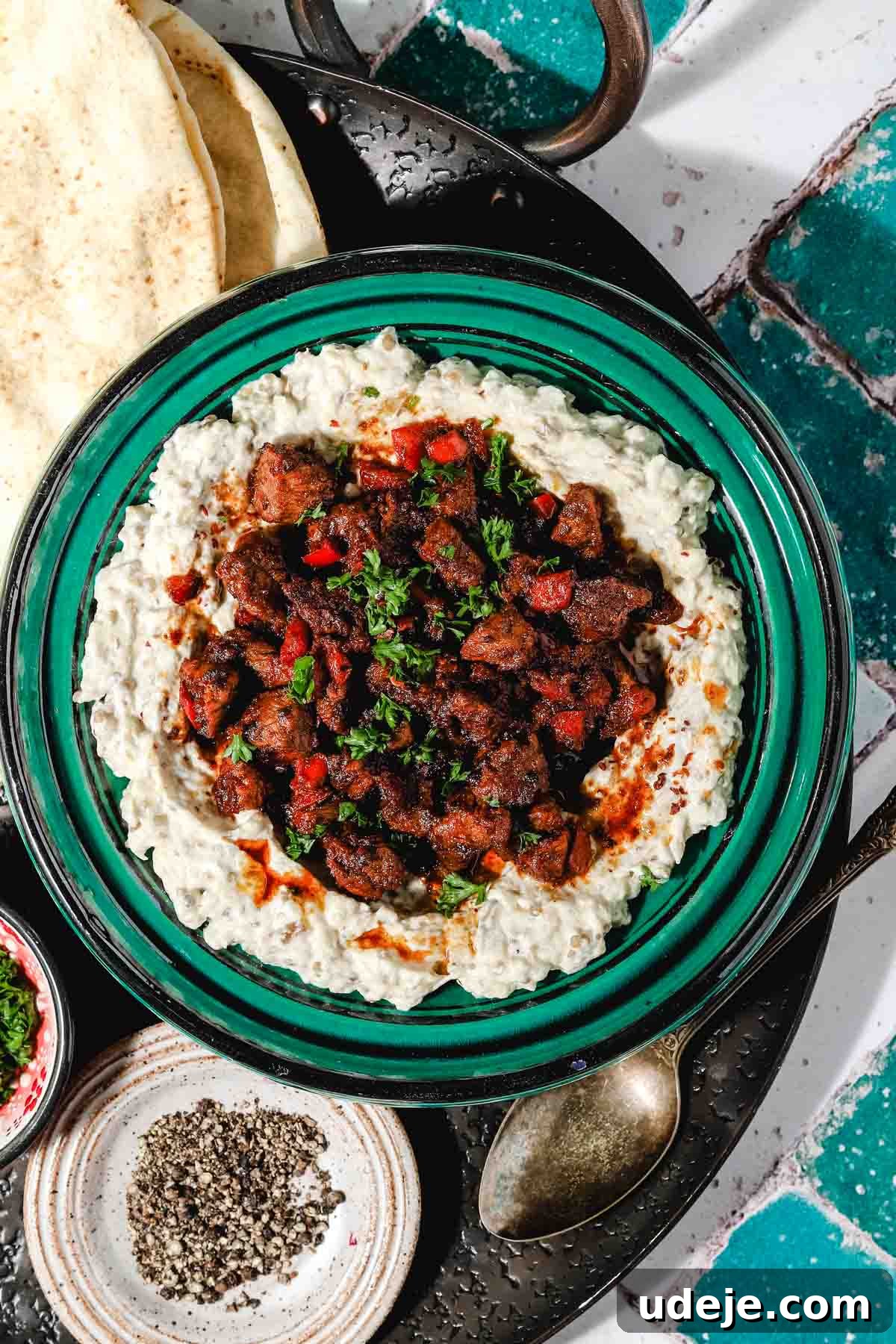
Embark on a culinary journey to the vibrant heart of Turkey with Ali Nazik, a dish that beautifully marries the smoky essence of charred eggplant with the rich, savory taste of tender lamb. More than just a meal, Ali Nazik is a celebration of texture and flavor, featuring a creamy bed of garlicky, yogurt-infused eggplant puree crowned with succulent lamb cubes stewed to perfection with aromatic spices, onions, and tomato. This beloved “kebab” variation stands out for its unique presentation and depth of flavor, offering a gourmet experience that is surprisingly simple to recreate in your home kitchen. Forget the hustle of Istanbul’s bustling restaurants; this recipe brings that authentic Turkish charm directly to your dining table, promising an unforgettable feast that will delight your senses. Typically enjoyed with warm flatbread or fluffy rice, Ali Nazik is a dish that invites you to savor every single, delicious bite.
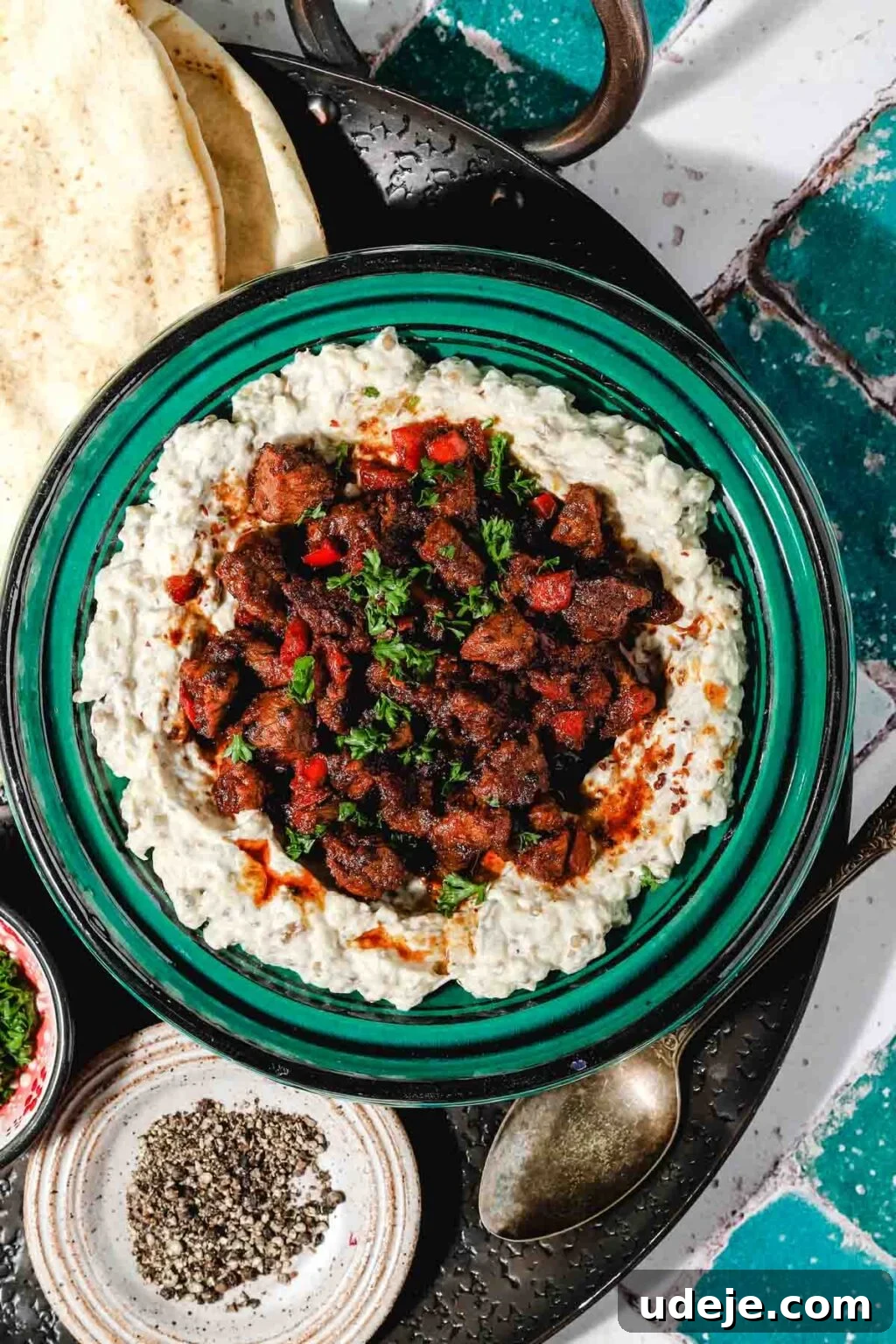
What is Ali Nazik? A Culinary Gem from Gaziantep
Turkish cuisine, renowned globally for its diverse flavors, holds a special place for grilled meats and the distinctive smoky profile imparted by open flames. Eggplant, a versatile vegetable cherished in the Middle East and Mediterranean, is a cornerstone ingredient in many Turkish dishes. While you might be familiar with popular Middle Eastern eggplant dips like Mutabbal or Baba Ghanoush, Ali Nazik elevates the humble eggplant puree by transforming it into a luxurious base for a rich, spiced lamb stew. This unique combination sets it apart, offering a symphony of textures and tastes.
The origins of Ali Nazik are deeply rooted in the gastronomic city of Gaziantep, a UNESCO Creative City of Gastronomy in southeastern Turkey. Gaziantep is famed for its rich culinary heritage, and Ali Nazik is one of its most celebrated contributions. The fascinating story behind its name adds to the dish’s allure. Legend has it that a Sultan, upon tasting this exquisite dish, was so captivated by its delicate flavors that he inquired, “Which delicate hand made this dish?” In Turkish, “eli nazik” translates to “delicate hands.” From that day forward, this exceptional creation was christened Ali Nazik, forever linking it to its royal appreciation and the skilled hands that craft it.
As an Arabic speaker from Iraq, I find it particularly interesting how closely our languages and culinary traditions intertwine with Turkish culture. The word “nazik” in Iraqi Arabic also conveys the meaning of something delicate, elegant, or beautiful, creating a wonderful linguistic bridge that highlights shared heritage and mutual admiration for fine craftsmanship – whether in language or in the kitchen. These cultural discoveries only deepen my appreciation for dishes like Ali Nazik.
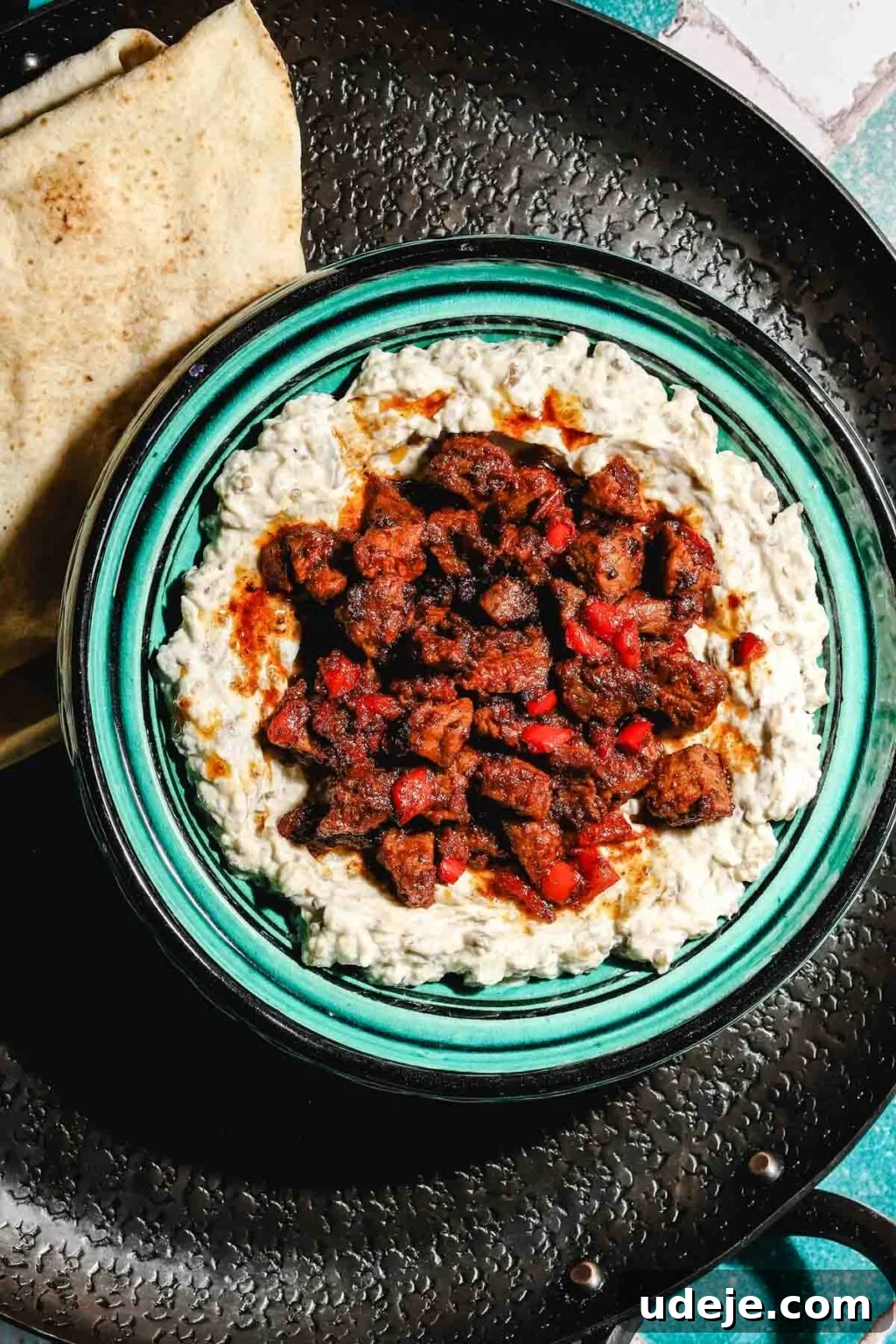
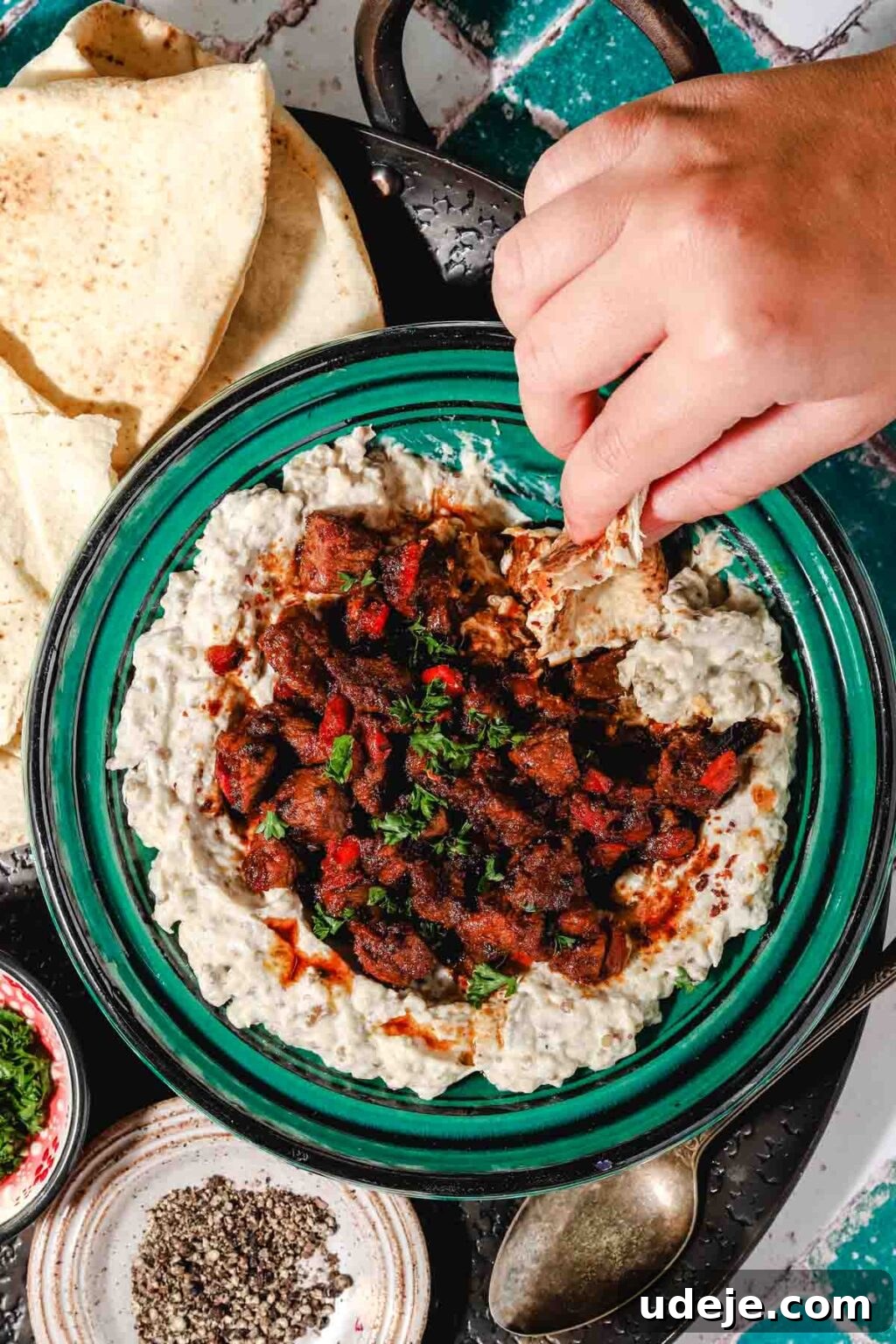
For those who adore eggplant recipes, the harmonious blend of smoky eggplant and succulent lamb in Ali Nazik is an absolute revelation. While I personally enjoy this dish on its own, relishing each spoonful with just a fork, it is traditionally presented with a side of warm, fluffy rice or freshly baked flatbread. The bread serves as a perfect vehicle to scoop up the creamy eggplant and tender lamb, ensuring you capture all the nuanced flavors in one perfect bite. This dish isn’t just food; it’s an experience, a taste of Turkish tradition.
Essential Ingredients and Clever Substitutions for Ali Nazik
Crafting the perfect Ali Nazik begins with selecting the right ingredients. Here’s a comprehensive guide to what you’ll need and how you can adapt the recipe to your pantry or dietary preferences:
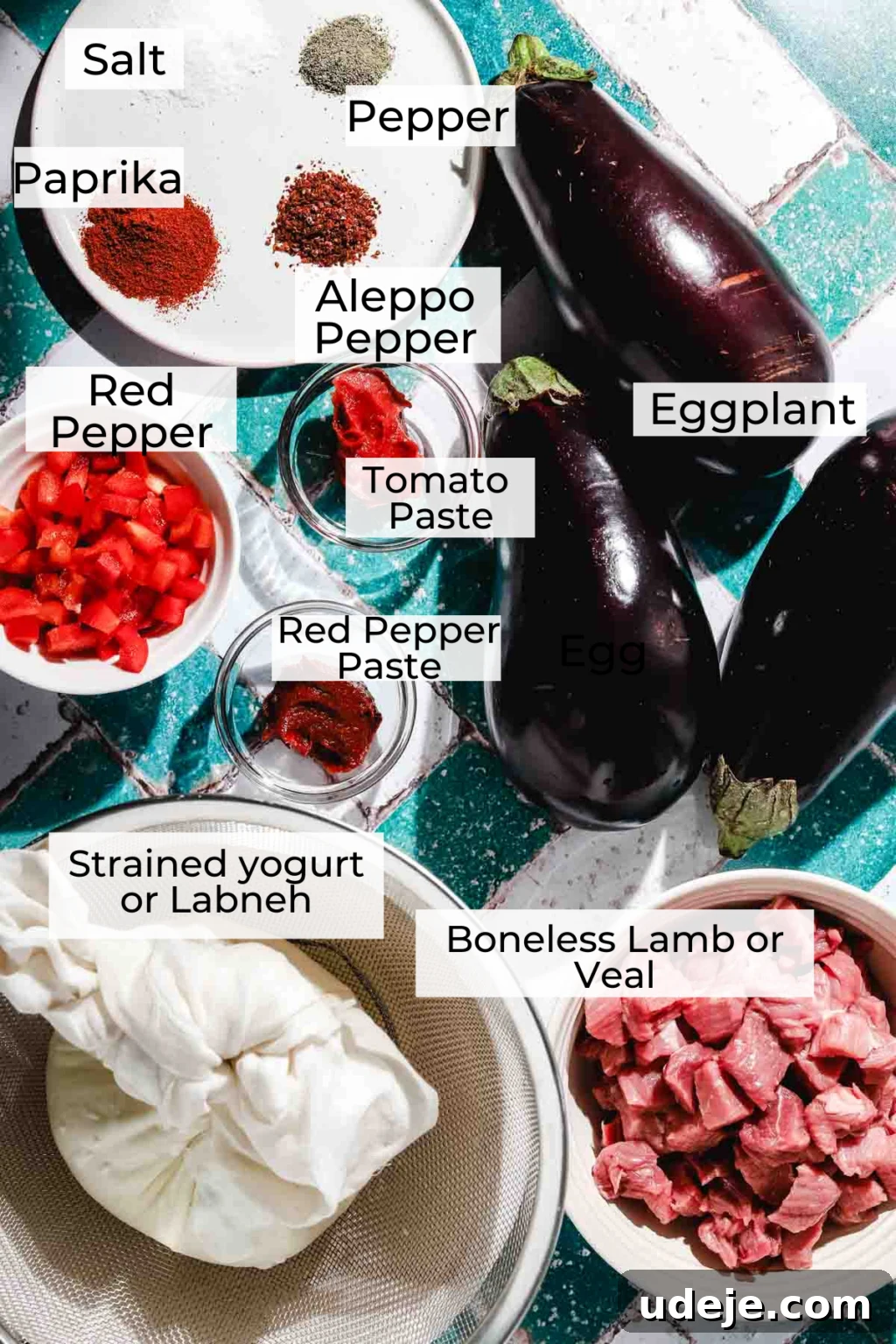
- Eggplant: For this recipe, I highly recommend using large globe (or American) eggplants or Italian eggplants. Their substantial flesh and robust flavor are ideal for roasting and puréeing. I advise against using thinner varieties like Chinese, Japanese, or Indian eggplants, as they tend to have less flesh and a different texture that won’t achieve the desired creamy consistency.
- Lamb Shoulder: The key to truly succulent lamb in Ali Nazik is using a quality cut like lamb shoulder, diced into small, approximately ½-inch pieces. Smaller pieces not only cook faster but also absorb the rich flavors of the stew more effectively. For a leaner alternative, feel free to substitute with veal, which offers a similar tender texture and mild flavor. However, I generally do not recommend beef, as it can be less tender and might not achieve the same melt-in-your-mouth quality as lamb or veal in this preparation.
- Yogurt: The creamy foundation of the eggplant puree relies on thick, strained yogurt. You have a few options:
- Regular Whole Yogurt: If using standard plain yogurt, it will need to be strained through a cheesecloth for at least 15-20 minutes (or longer) to remove excess whey and achieve a thick, rich consistency.
- Thick Greek Yogurt: A convenient alternative that often requires no straining, as it’s already naturally thick and creamy.
- Labneh: This Middle Eastern strained yogurt cheese offers an incredibly thick and tangy option that can be used directly without any additional straining.
- Spices: The spice blend for Ali Nazik is simple yet profound, contributing to the dish’s authentic Turkish character. I use a combination of salt, freshly ground black pepper, Aleppo pepper (for its mild heat and fruity notes), and sweet paprika. These spices not only add depth and warmth but also a subtle, inviting kick without overpowering the natural flavors of the lamb and eggplant.
- Red Bell Pepper, Tomato Paste, and Red Pepper Paste: These ingredients are crucial for building the rich flavor profile and vibrant color of the lamb topping.
- Red Bell Pepper: Diced red bell pepper adds a touch of sweetness and freshness to the savory lamb stew.
- Tomato Paste: Concentrated tomato paste provides a deep umami flavor and helps thicken the sauce.
- Red Pepper Paste (Biber Salçası): This is a staple in Turkish cuisine, known as “Biber Salçası.” It’s a paste made from sweet red peppers, though spicy varieties are also available. It functions similarly to tomato paste, adding a unique, earthy sweetness and a beautiful reddish hue to dishes. If you don’t have red pepper paste, you can certainly omit it, though it does contribute a distinct flavor that is worth seeking out. It’s a fantastic ingredient that enriches many Turkish dishes, including Turkish bulgur pilaf.
Crafting Ali Nazik: A Step-by-Step Guide for Home Cooks
To ensure the most efficient and enjoyable cooking experience, I’ve designed this recipe to streamline the process. By multitasking, you can have this flavorful dish on your table in under an hour. Here’s an overview of the recommended sequence of steps:
- Begin by roasting your eggplants to achieve that signature smoky flavor.
- While the eggplants are in the oven (or cooling), prepare your yogurt by straining it to the desired thickness.
- Concurrently, start cooking the tender lamb topping.
Now, let’s delve into each step with detailed instructions to guide you through making an exquisite Ali Nazik.
The Art of Roasting Eggplant for Maximum Flavor
Achieving the perfect smoky eggplant puree is paramount for Ali Nazik. There are several methods for roasting eggplant, each offering a slightly different flavor profile and level of smokiness. Choose the method that best suits your equipment and preference:
- The Traditional Gas Stove Method (Most Smoky):
If you have a gas stove, this is by far the best way to achieve an intensely smoky flavor. Carefully hold each eggplant over an open flame using long tongs, rotating it continuously until the skin is thoroughly charred and blistered on all sides, and the flesh feels completely soft when gently squeezed (approximately 15 minutes per eggplant). The skin will turn almost black and will easily peel away. Allow the eggplants to cool completely before handling and peeling.
- Cast Iron Skillet and Oven Method (Moderately Smoky):
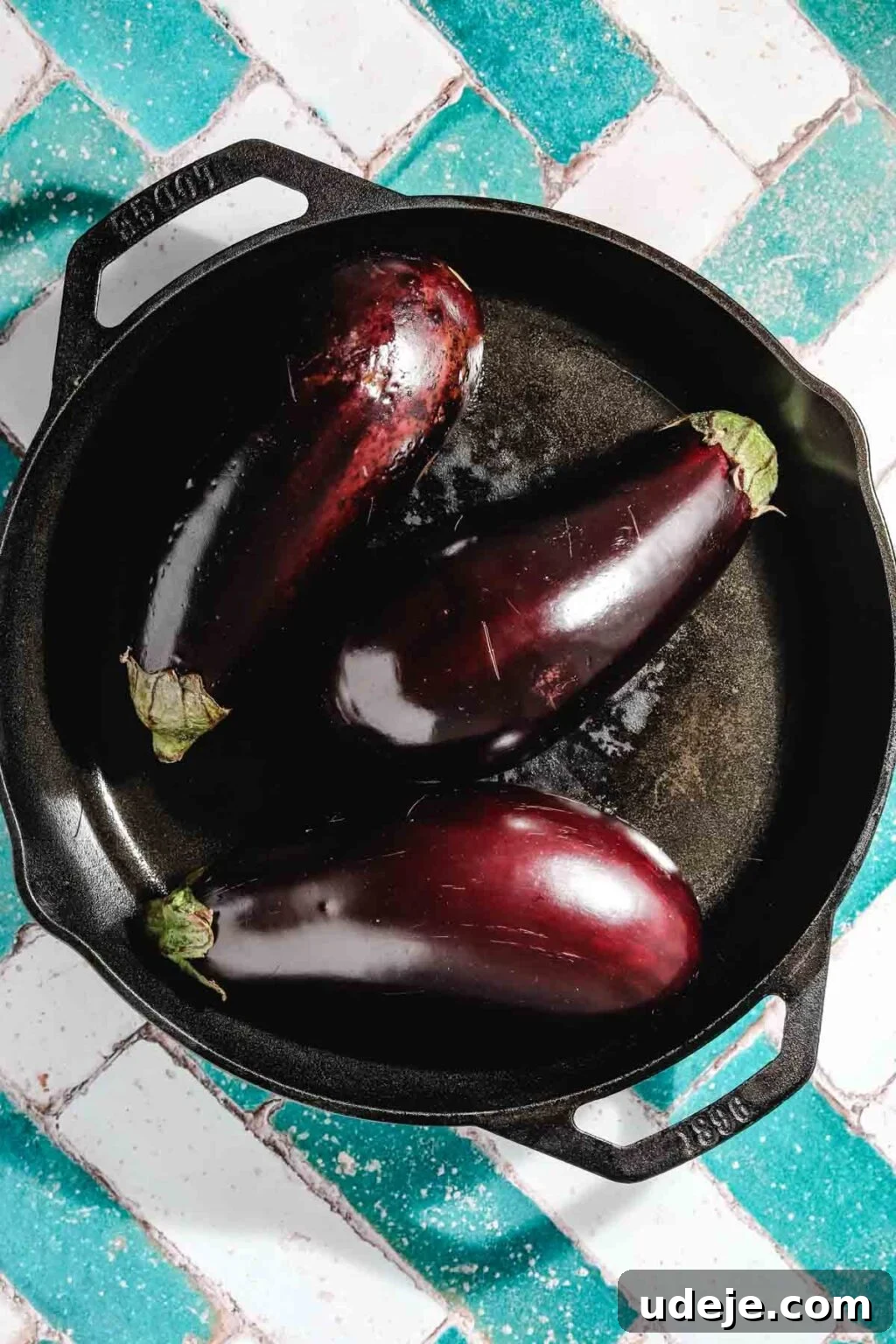
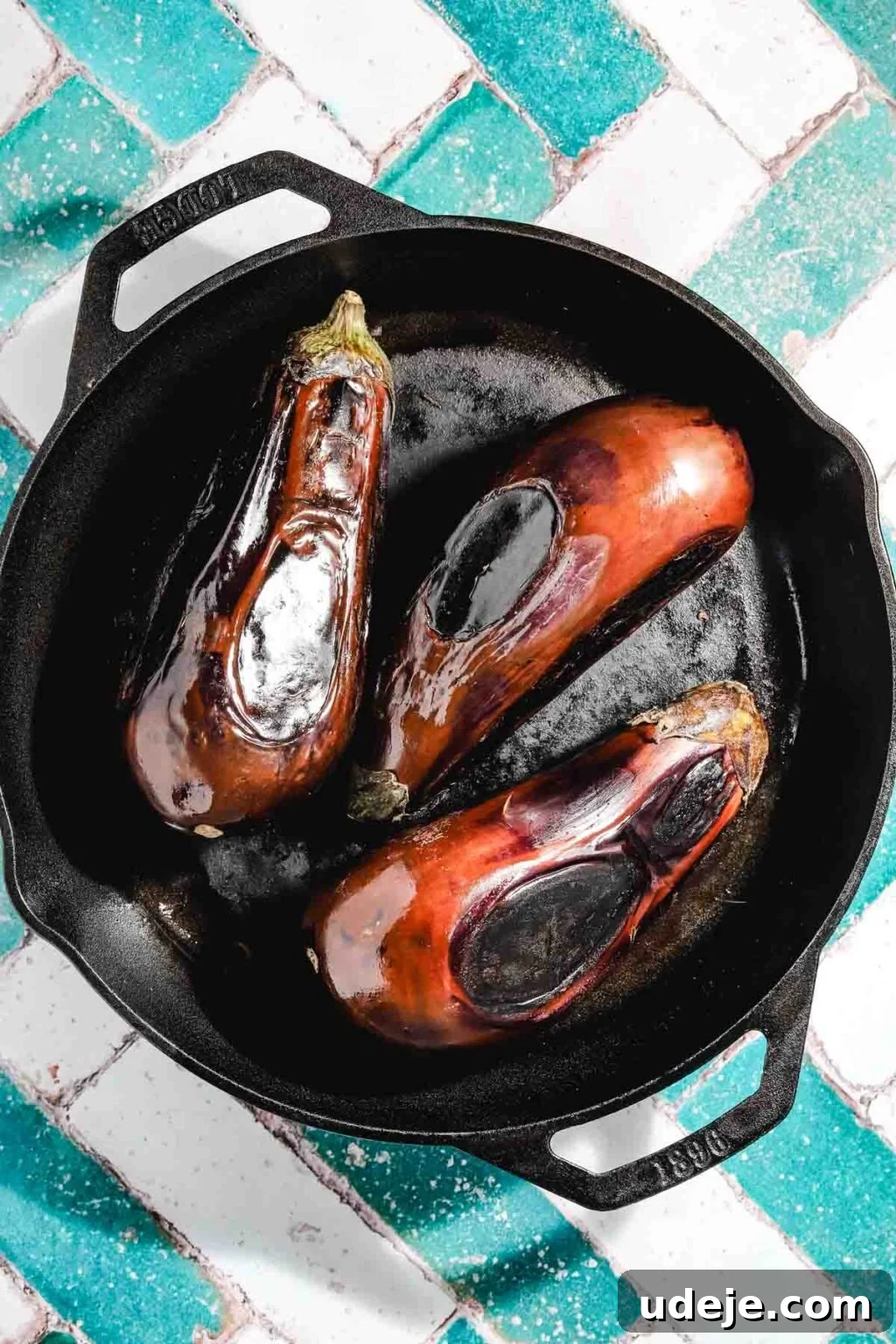
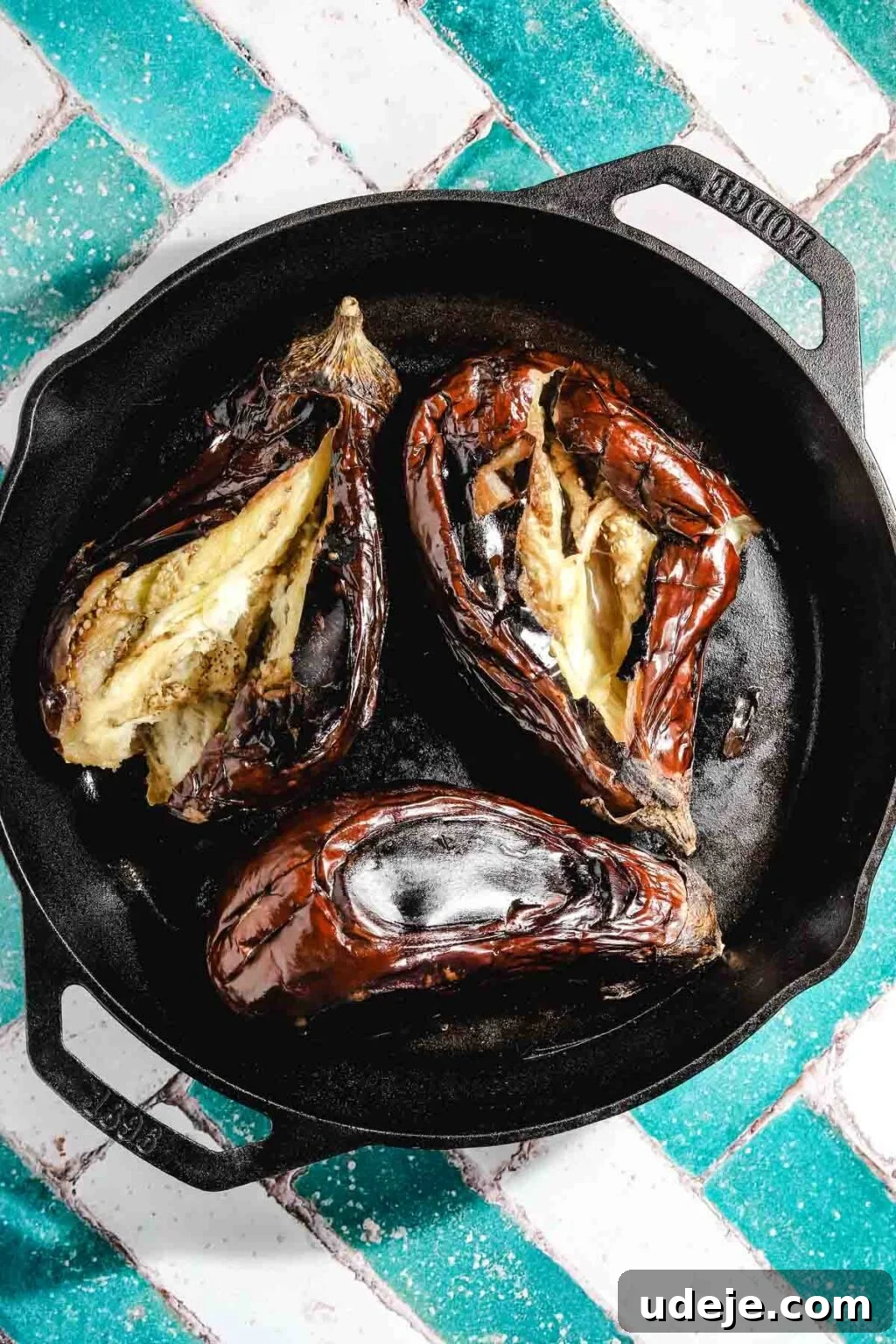
For those without a gas stove, or if you prefer a more controlled char, combine charring on a cast iron skillet with oven roasting. First, prick the eggplants all over with a fork (this prevents them from exploding in the heat). Heat a large cast iron skillet over medium-high heat (no oil needed). Place the eggplants directly on the hot skillet and char each side for 5-7 minutes, rotating until well-blistered and darkened. This initial charring imparts a lovely smoky depth. Once charred, transfer the eggplants to a foil-lined baking sheet and finish roasting in a preheated oven at 450°F (230°C) for an additional 25-30 minutes, or until the flesh is completely tender when pierced with a fork. Let them cool before peeling.
- Oven Roasting Method (Least Smoky, Most Hands-Off):
If you prefer a simpler, hands-off approach and are less concerned about intense smokiness, simply prick the eggplants all over with a fork. Place them directly on a foil-lined baking sheet and roast in a preheated oven at 450°F (230°C) for 35-45 minutes, or until they are very soft and collapsed. While this method won’t yield the same level of smoky flavor as direct flame, it still produces beautifully cooked eggplant flesh.
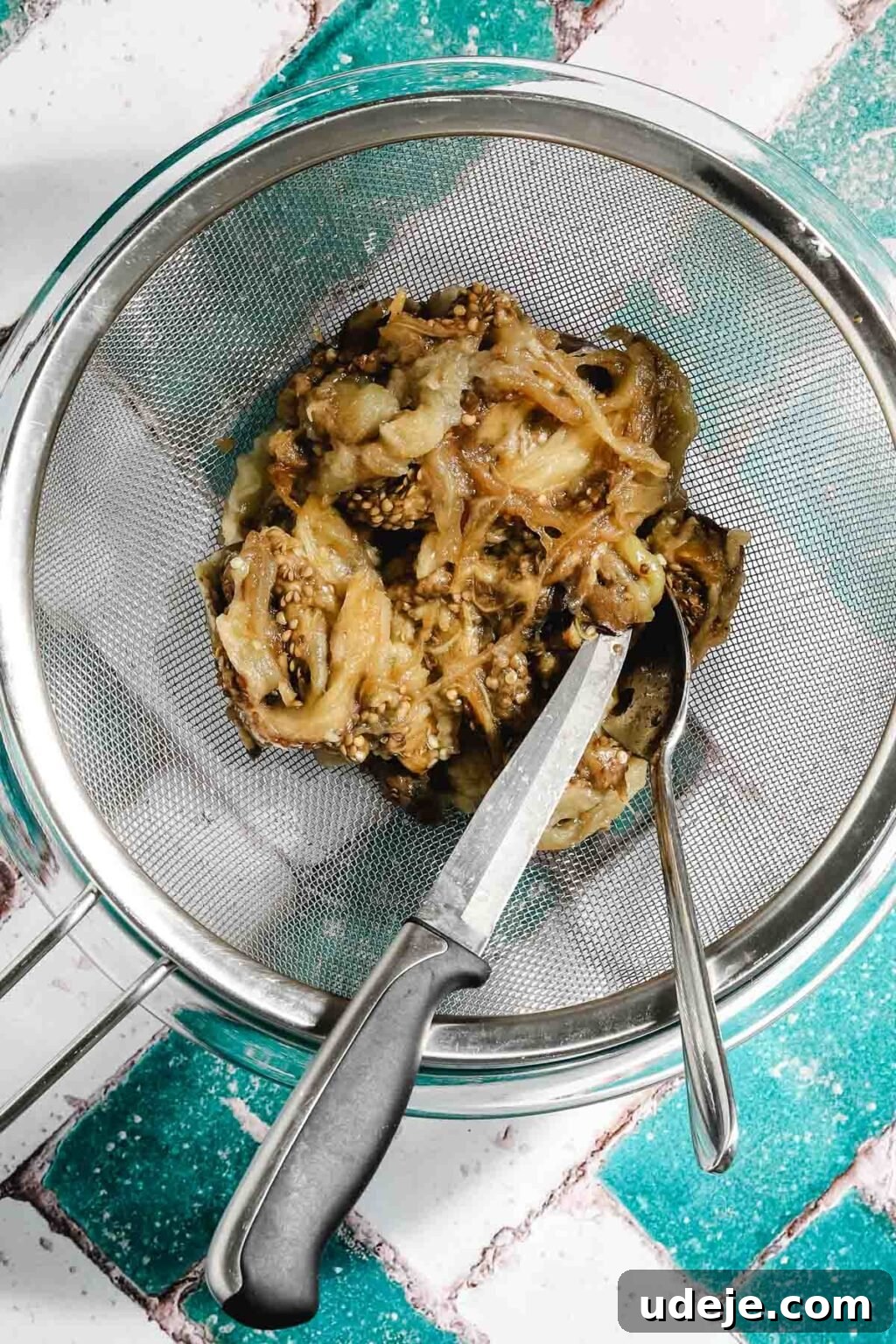
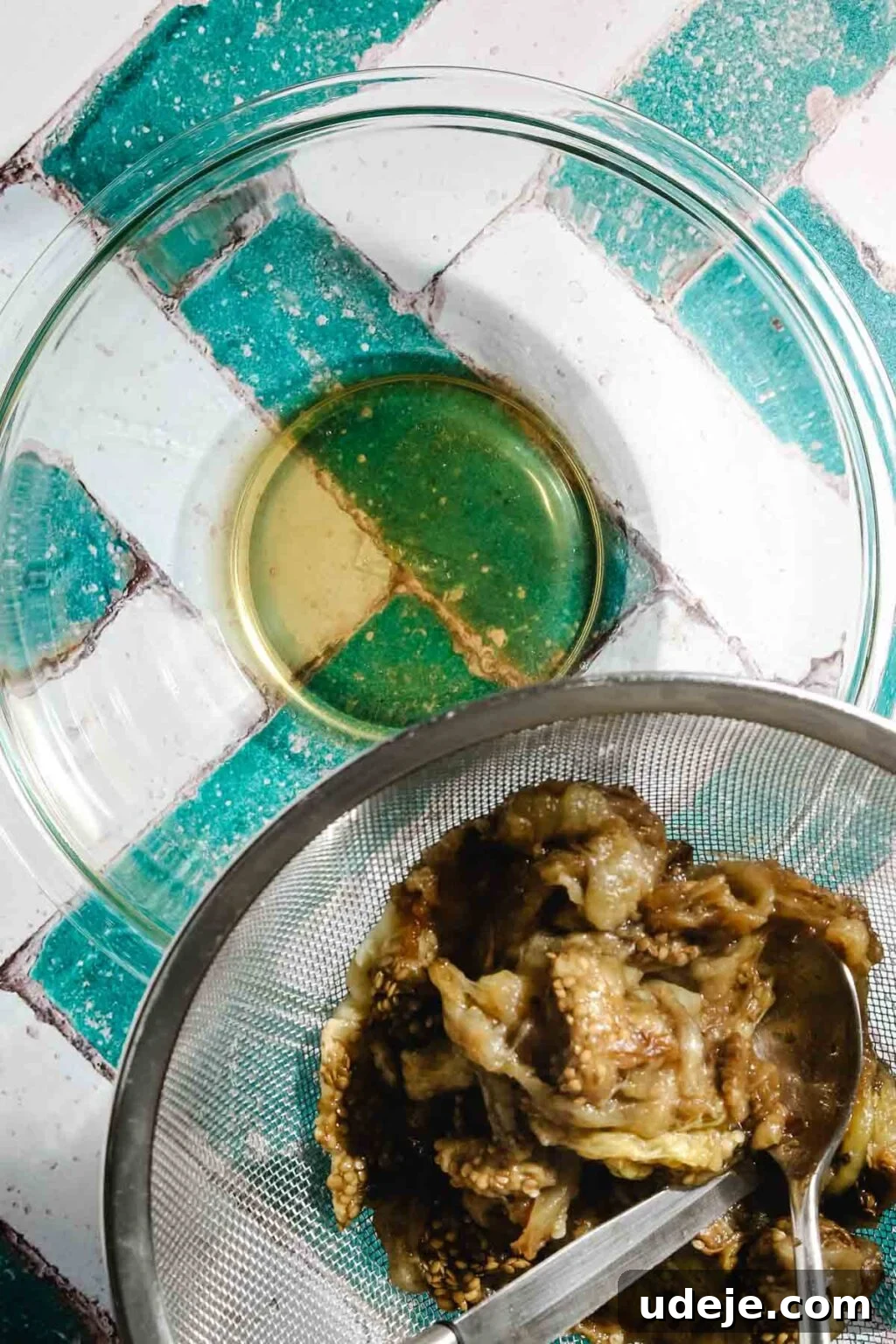
Once the eggplants are cooked and sufficiently cooled, carefully split each one open and scoop out the soft, tender flesh. You’ll notice the flesh will contain some liquid, which needs to be drained to prevent a watery puree. Place the eggplant flesh into a fine-mesh sieve and gently press down with the back of a spoon to release as much liquid as possible. Discard the drained liquid, as it can make your puree runny.
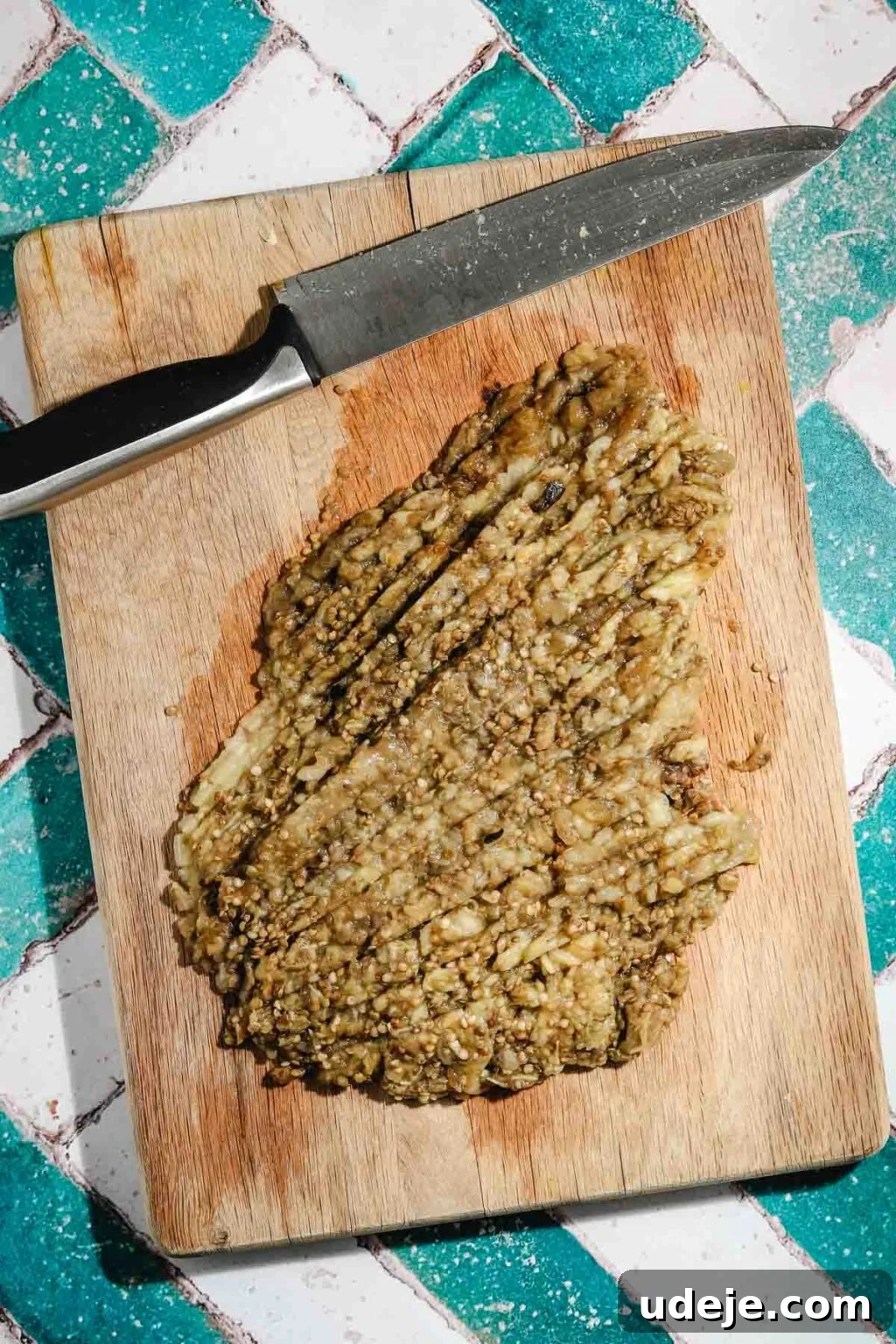
Finally, transfer the drained eggplant flesh to a cutting board. Using a large chef’s knife, finely chop the eggplant until it forms a rustic paste. Alternatively, you can mash it directly in a bowl with a fork, but chopping yields a smoother, less chunky consistency, which is generally preferred for Ali Nazik. Set aside the prepared eggplant.
Preparing the Creamy Yogurt Base
The creamy texture of the eggplant puree is heavily reliant on using thick yogurt. If you opt for already thick varieties, such as Greek yogurt or labneh, you can skip this step entirely, making your prep even quicker.
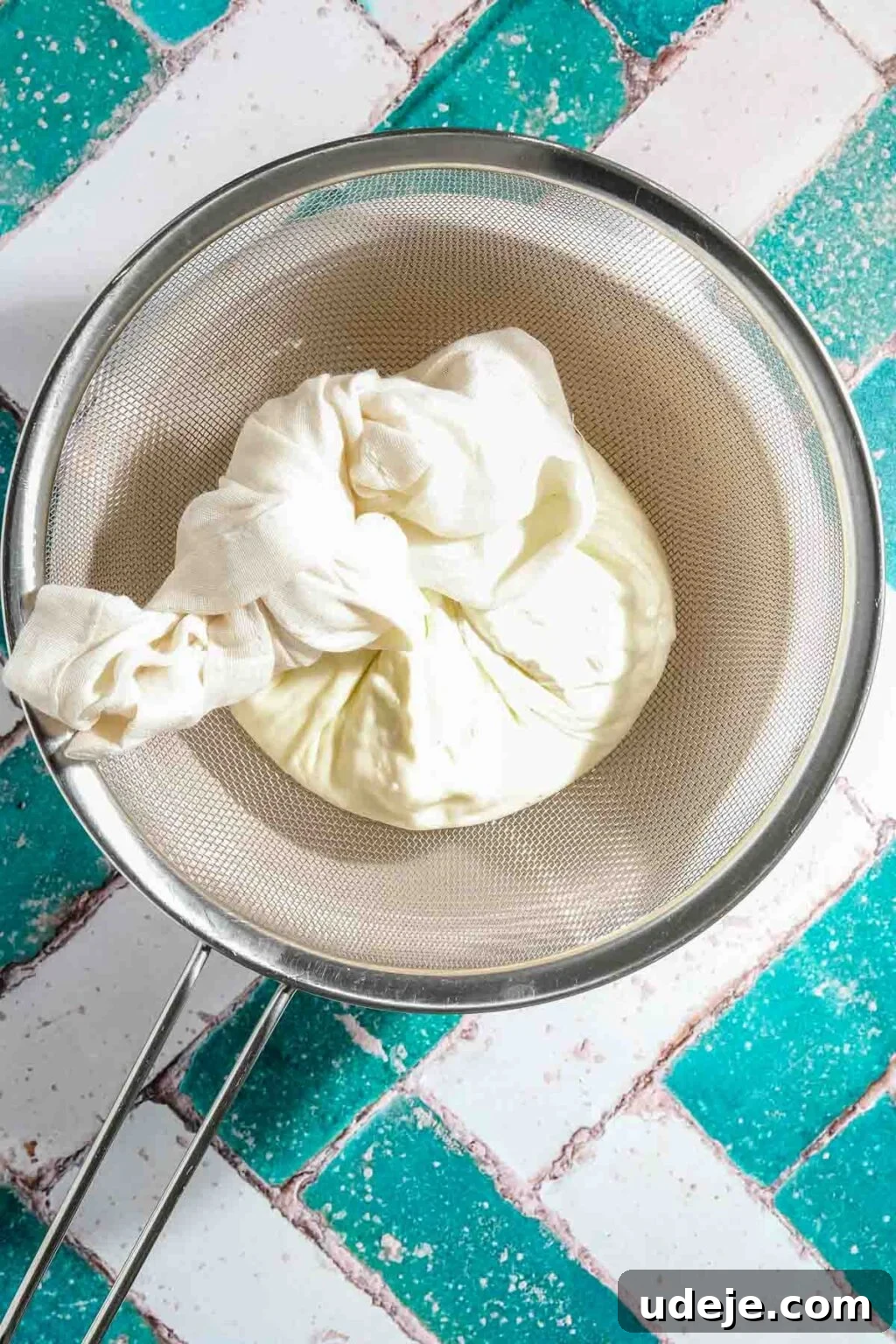
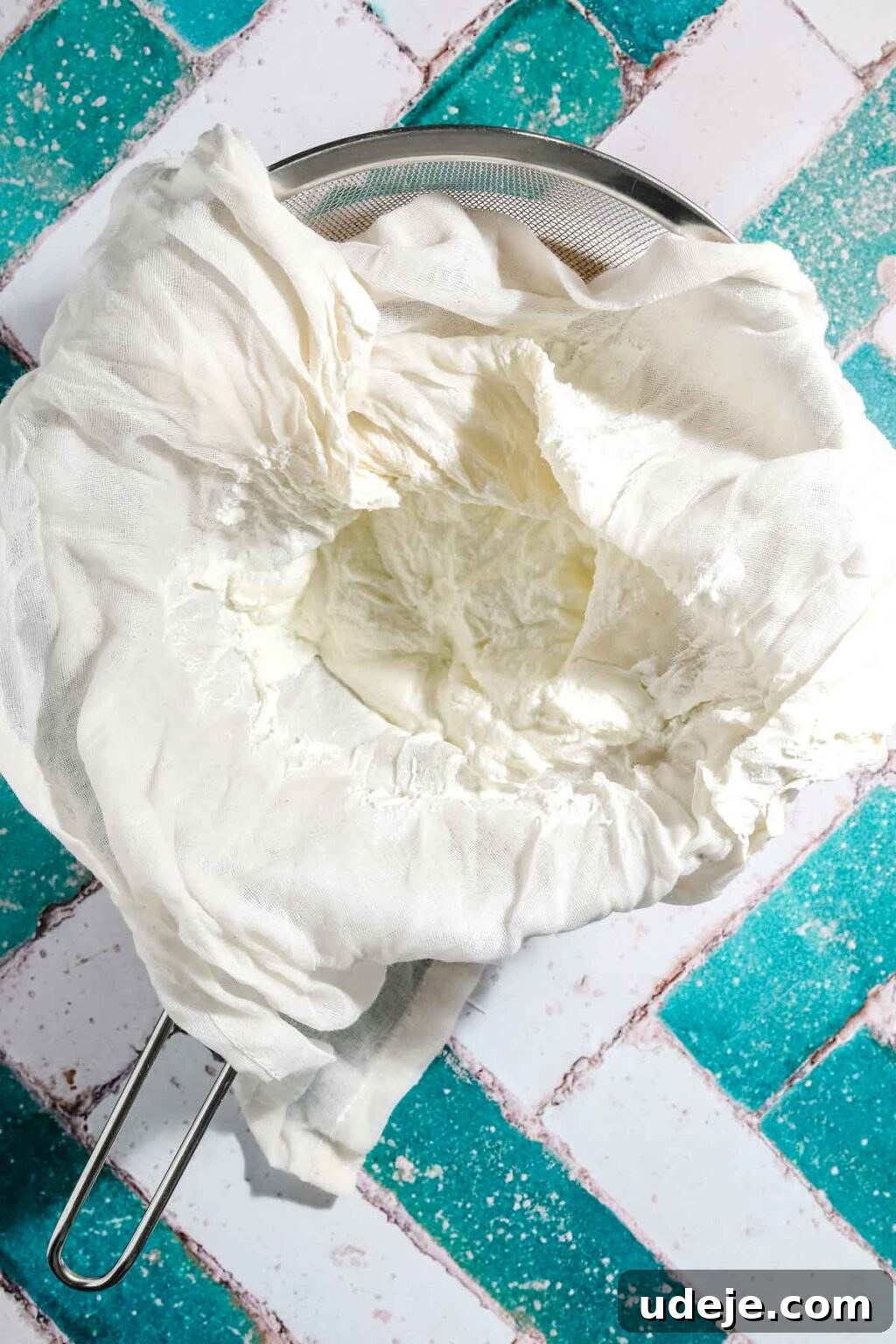
However, if you’re using regular whole yogurt, straining is essential. Line a mesh sieve with a clean cheesecloth and place it over a bowl. Pour the yogurt into the cheesecloth and allow it to strain for about 15-20 minutes. This process removes excess whey, resulting in a much thicker, richer yogurt, perfect for the smooth and creamy consistency needed for Ali Nazik. For best results, consider straining the yogurt for up to an hour if time permits, or even overnight in the refrigerator for an extra-thick labneh-like texture.
Pro Tip for Straining without Cheesecloth: Don’t have cheesecloth on hand? No problem! Simply line a fine-mesh sieve with a few layers of paper towels or a clean, thin kitchen towel. Place the yogurt on top, and it will effectively strain out most of the liquid, achieving a similar thick consistency.
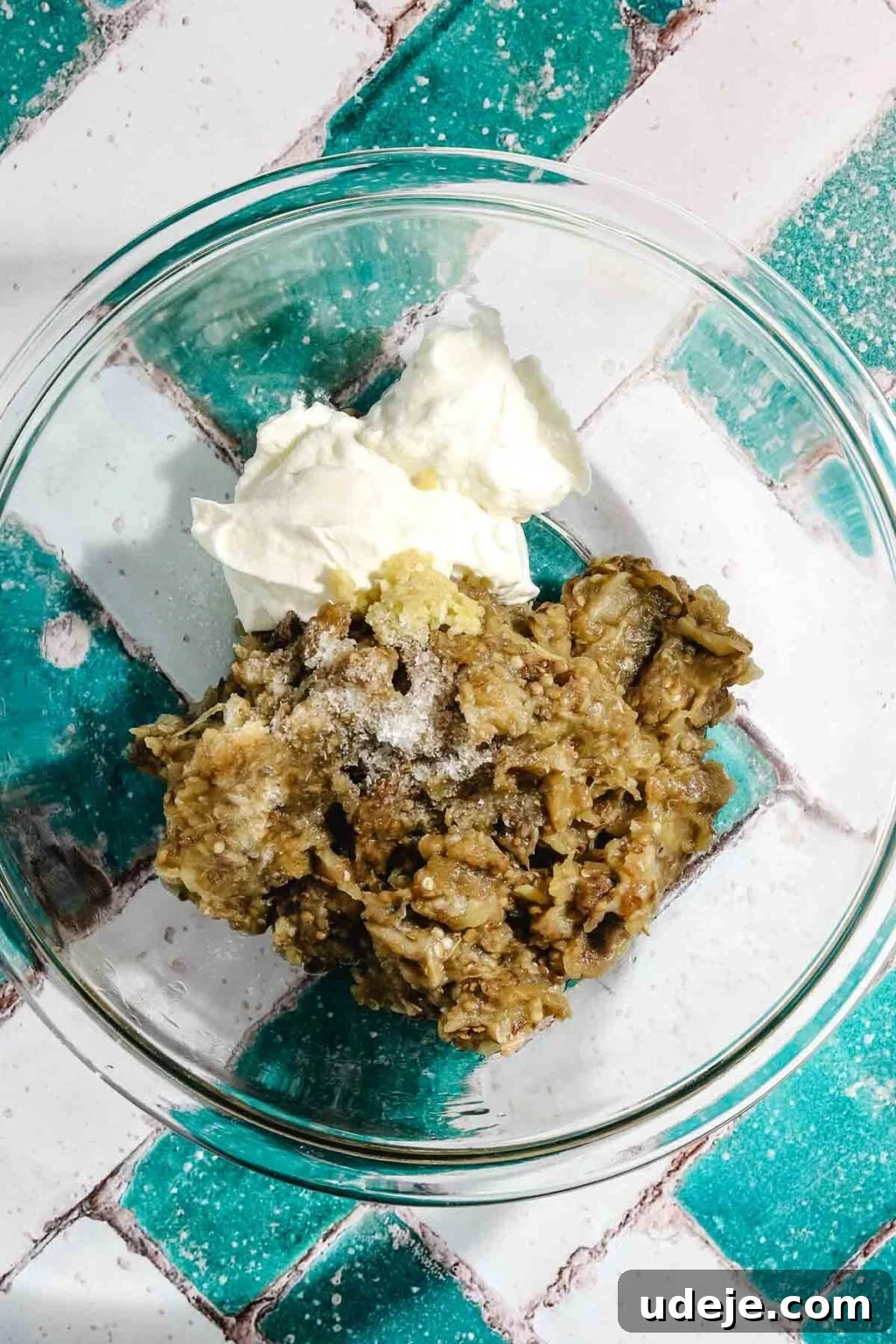
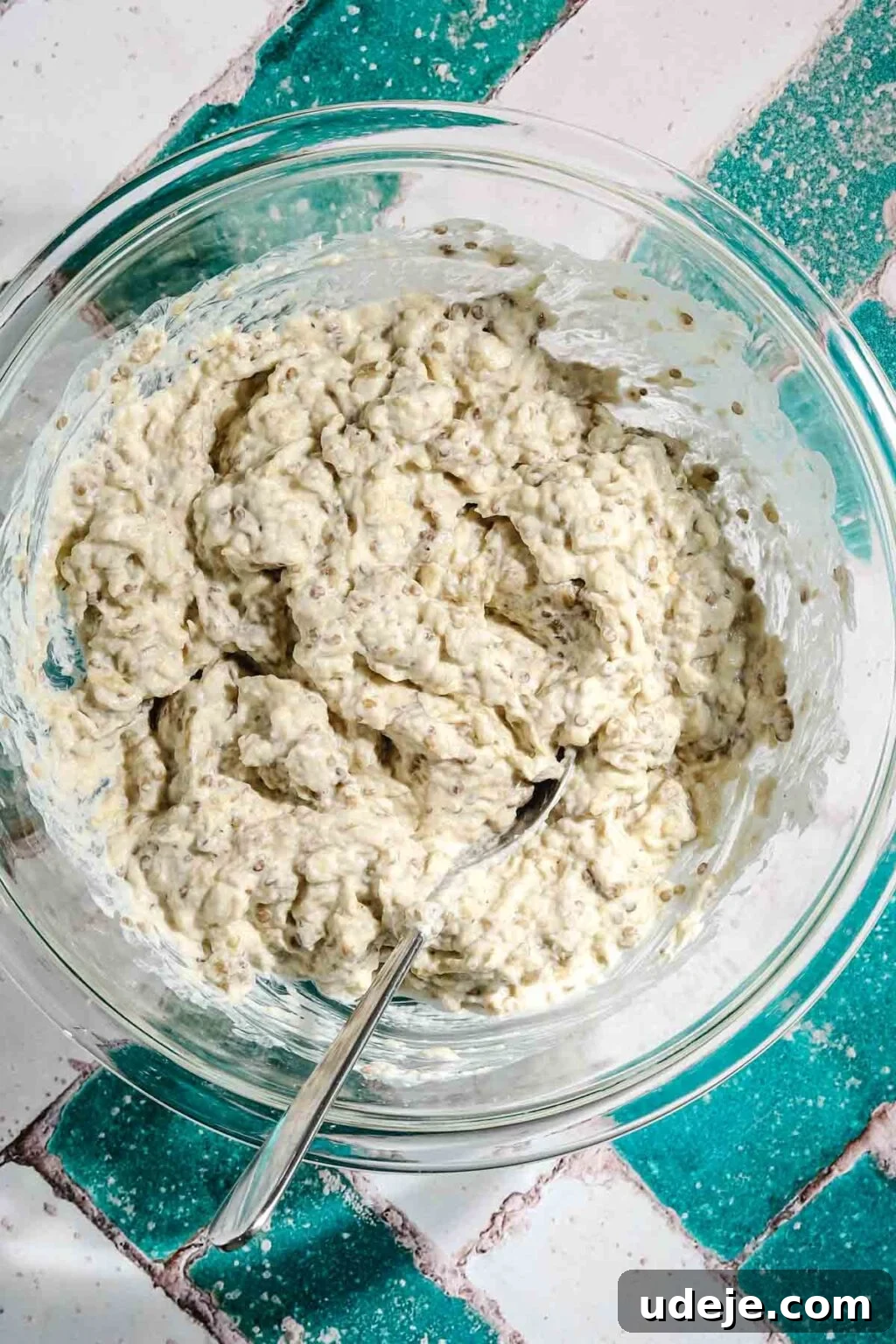
Once your yogurt is perfectly strained and thick, combine it in a bowl with the finely chopped eggplant flesh. Add salt, freshly ground black pepper, and crushed garlic to taste. Mix thoroughly until all ingredients are well incorporated and the puree is smooth and creamy. Taste the mixture and adjust seasonings as needed, ensuring a delightful balance of smoky, tangy, and savory flavors. Set this rich eggplant-yogurt blend aside until you are ready to assemble the dish.
Cooking the Succulent Lamb Topping
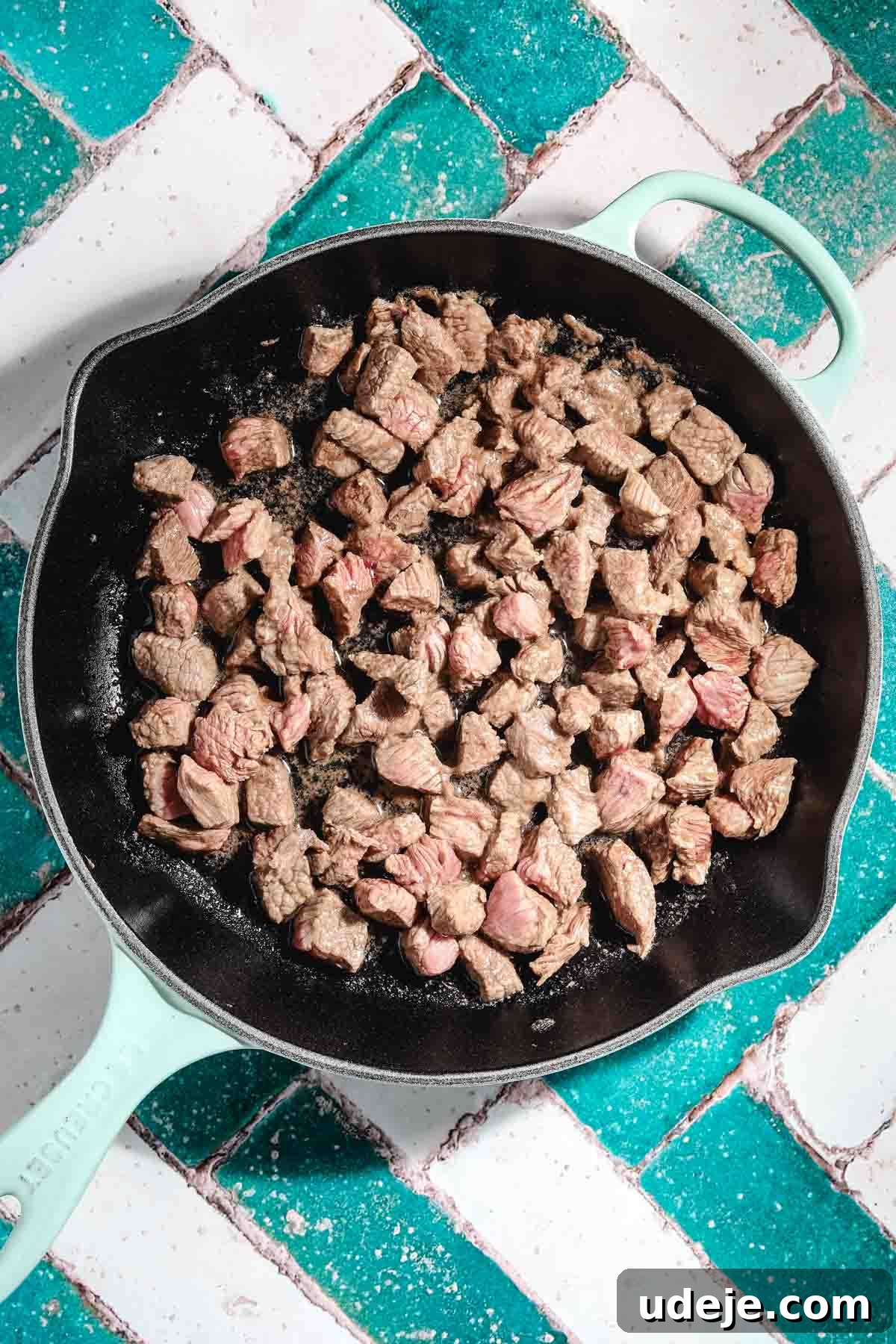
The lamb topping is the crowning glory of Ali Nazik, adding a rich, savory contrast to the creamy eggplant. Begin by heating olive oil in a large, heavy-bottomed skillet over medium-high heat. Once the oil shimmers, add the lamb pieces. It’s crucial not to overcrowd the pan; cook the lamb in batches if necessary. Overcrowding will cause the meat to steam rather than sear, preventing it from developing a beautiful brown crust and locking in those delicious juices. You’ll know it’s browning beautifully when it caramelizes and releases an enticing aroma.
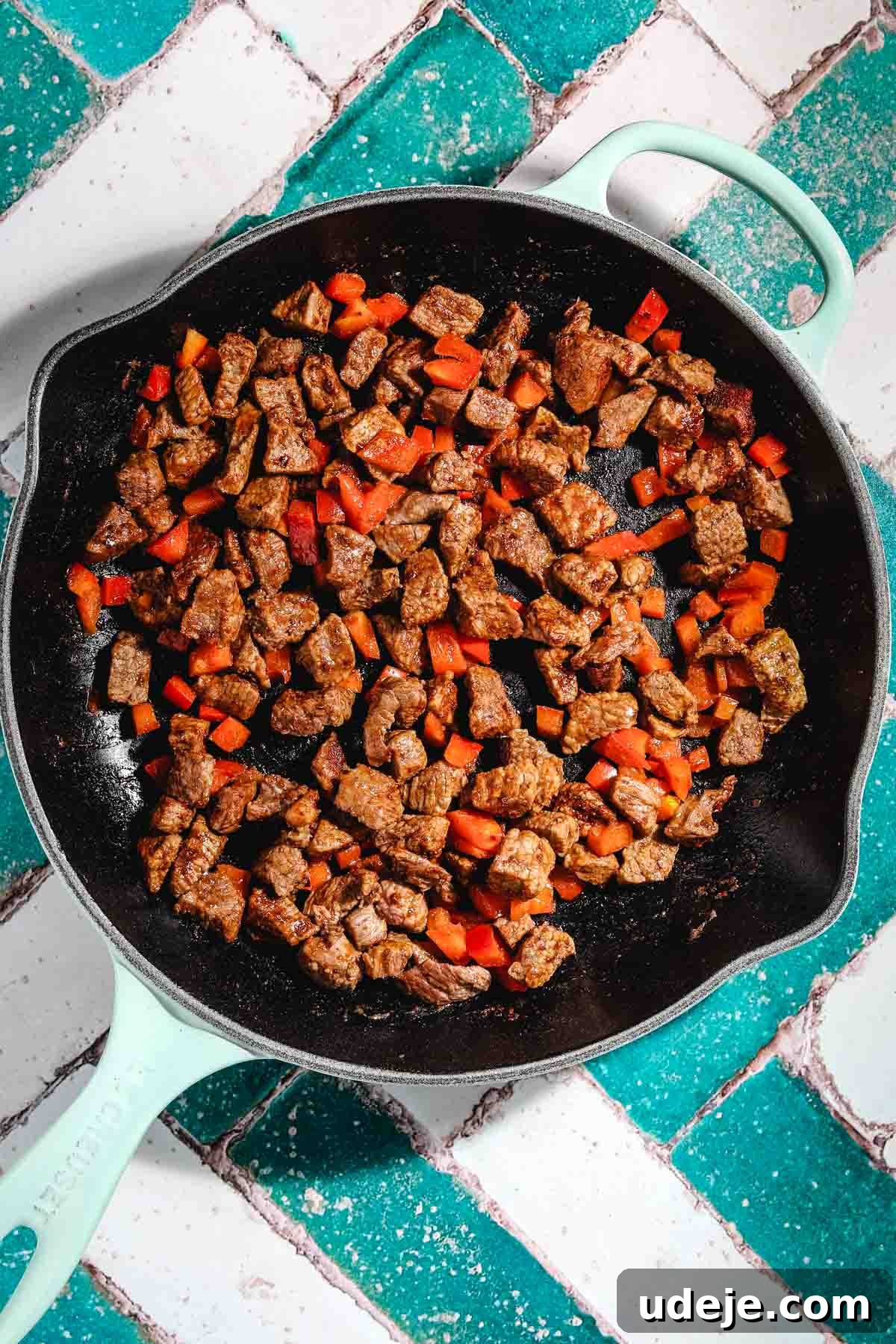
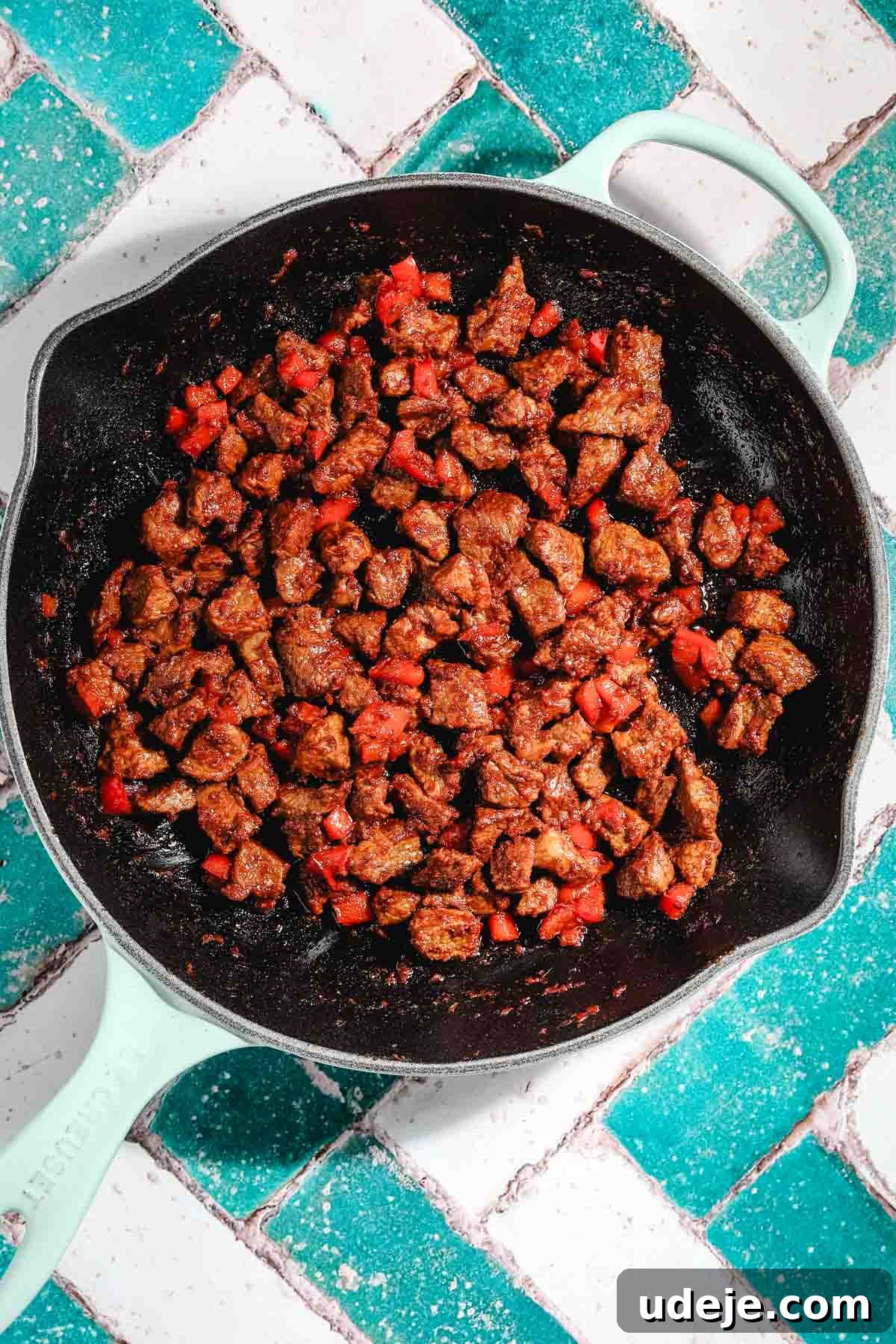
Once all the lamb pieces are beautifully browned on all sides (this usually takes about 5-7 minutes per batch), return all the meat to the skillet. Now, it’s time to build the layers of flavor. Add the diced red bell pepper, the rich tomato paste, and the authentic red pepper paste (if using). Stir everything together, allowing the pastes to coat the lamb and the red peppers to soften slightly, cooking for a few more minutes to deepen their flavors.
To ensure the lamb becomes incredibly tender and absorbs all the wonderful spices, add a few tablespoons of water to the skillet. This creates a gentle braising liquid. Reduce the heat to low, cover the skillet tightly, and let it simmer for another 10-15 minutes, or until the lamb is fork-tender. The goal is for the lamb to be perfectly cooked through, yielding easily to the touch. Taste the stew and adjust the seasoning (salt, pepper, Aleppo pepper, or paprika) as needed to achieve your desired balance of flavors. A touch of fresh parsley can be stirred in at the end for brightness.
Finally, to assemble your magnificent Ali Nazik, spread an even layer of the creamy, smoky eggplant puree onto a serving platter. Generously spoon the hot, tender lamb mixture over the eggplant. Be sure to drizzle any flavorful juices from the skillet over the top, as they add incredible moisture and depth to the dish. Garnish with a sprinkle of fresh chopped parsley for color and a hint of freshness. Serve immediately with your favorite Turkish flatbread, pita bread, or a side of fluffy rice to complete this authentic and satisfying Turkish meal.
Serving and Storage Suggestions for Ali Nazik
Ali Nazik is traditionally served with a delightful contrast: the creamy eggplant puree is cool or at room temperature, providing a refreshing base for the piping hot, freshly cooked lamb topping. This temperature difference adds another layer of sensory pleasure to the dish. For optimal flavor and enjoyment, it’s best to assemble and serve Ali Nazik immediately after the lamb is cooked.
When serving, only combine the amount of eggplant and lamb that you anticipate eating. This approach is key for preserving freshness and quality, especially when it comes to leftovers. To store Ali Nazik components, make sure to keep the eggplant puree and the lamb stew in separate, airtight containers. Refrigerate them promptly. When you’re ready to enjoy the dish again, simply reheat the lamb mixture gently on the stovetop or in the microwave until it’s warmed through, then spoon it over the chilled eggplant puree. This method ensures that each component retains its ideal texture and flavor, providing a delicious meal even on subsequent days.
Other Turkish Recipes You Will Love
Average rating: 5 out of 5 stars from 2 ratings
Average rating: 5 out of 5 stars from 24 ratings
If you tried these recipes, please consider leaving a star rating in the recipe card below and/or a review in the comments section further down the page – I’d love to hear from you! You can also hop on over to Instagram and say hello!
Turkish Ali Nazik (Smoked Eggplant & Lamb)
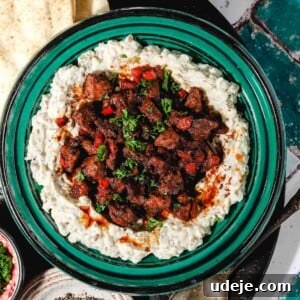
Succulent lamb or veal tops a smoky and creamy eggplant yogurt dip. Scoop with your favorite flatbread to get all the flavors in one bite!
Leave a Review
Pin Recipe
Ingredients
For the Eggplant
- 3 medium eggplants
- 1 cup strained yogurt, or Greek yogurt/labneh
- 1.5 teaspoons salt
- 1/4 teaspoon black pepper
- 1 large clove garlic, crushed (more per preference)
For the Lamb:
- 450 grams boneless lamb or veal, cut into 1/2 inch pieces
- 1 teaspoon salt
- 1 teaspoon paprika
- 1/2 teaspoon Aleppo pepper
- 1/2 large red bell pepper, diced
- 3 tablespoons olive oil
- 1 tablespoon tomato paste
- 1 tablespoon red pepper paste
- A few tablespoons of water
Instructions
For the Eggplant
- Preheat oven to 450F (230°C).
- Wash the eggplant and dry it. Then, use a knife to pierce it 4-5 times all around.
- If you are using a gas stove to roast the eggplant, use tongs to hold each eggplant and place it on the open flame, rotating continuously on all sides until you achieve a dark char on the outside of the skin. Repeat with all the eggplant, then set aside to cool before you peel.
- If you are using the oven to roast the eggplant, start by placing a large cast iron skillet over medium heat on your stove. Using a cast iron skillet to char the eggplant first gives a deeper, and slightly smoky flavor. However, you can skip this step and roast right away.
- Place all the eggplants on the skillet and char each side for 5-7 minutes, rotating.
- Once each side has been charred, place on a foil-lined sheet pan and bake for 35-40 minutes until it is soft and easily pricked with a fork. Set aside to cool.
- Meanwhile, strain the yogurt using a cheesecloth set over a mesh sieve and bowl. Strain for about 20 minutes to achieve a thicker consistency. You can also use labneh or thick Greek yogurt instead, without straining.
- Tip: While the yogurt is straining and the eggplant is roasting, work on the lamb.
- Split open the cooled eggplant and scoop out the flesh into a mesh sieve set over a bowl to drain out the extra moisture. Press the eggplant flesh down and the juices will release. Discard the juices.
- Place the drained eggplant onto a cutting board and chop finely using a knife.
- Place the eggplant into a bowl with the strained yogurt, salt, pepper, and crushed garlic. Mix well and set aside.
For the Lamb
- Heat olive oil in a large skillet over medium heat. Add the lamb pieces along with the salt, paprika, and Aleppo pepper. Brown the meat on each side for 5-7 minutes, working in batches if necessary to avoid overcrowding the pan.
- Add the diced red bell pepper, the tomato paste, and the red pepper paste. Continue to cook for a few minutes, stirring to combine.
- Add a few tablespoons of water to the skillet, then cover, lower the heat, and continue to cook for 5-7 minutes until the lamb is very tender. Taste and adjust seasoning as needed.
To Serve
- To assemble, spread the eggplant mixture on a platter, top with the lamb mixture and garnish with fresh parsley. Serve with your favorite bread or flatbread.
https://youtu.be/hNGEEs4bPOA
Notes
- Instead of straining regular whole yogurt, you can use thick Greek yogurt or labneh for convenience.
- While charring the eggplant on a cast iron skillet adds a deeper, slightly smoky flavor, you can skip this step and roast it directly in the oven for a simpler approach.
- Using a direct flame on a gas stove burner to char the eggplant will yield the most intense smoky flavor.
- You can use veal instead of lamb; both cuts will result in tender and delicious meat for this dish.
- For an extra layer of flavor, consider adding a pinch of dried mint or sumac to the eggplant puree.
- Adjust the amount of garlic in the eggplant puree to your personal preference; some prefer a stronger garlic kick.
Nutrition Facts
- Serving: 1g
- Calories: 250kcal
- Carbohydrates: 17g
- Protein: 21g
- Fat: 12g
- Saturated Fat: 3g
- Polyunsaturated Fat: 1g
- Monounsaturated Fat: 7g
- Trans Fat: 0.002g
- Cholesterol: 50mg
- Sodium: 1059mg
- Potassium: 859mg
- Fiber: 7g
- Sugar: 10g
- Vitamin A: 604IU
- Vitamin C: 25mg
- Calcium: 69mg
- Iron: 2mg