
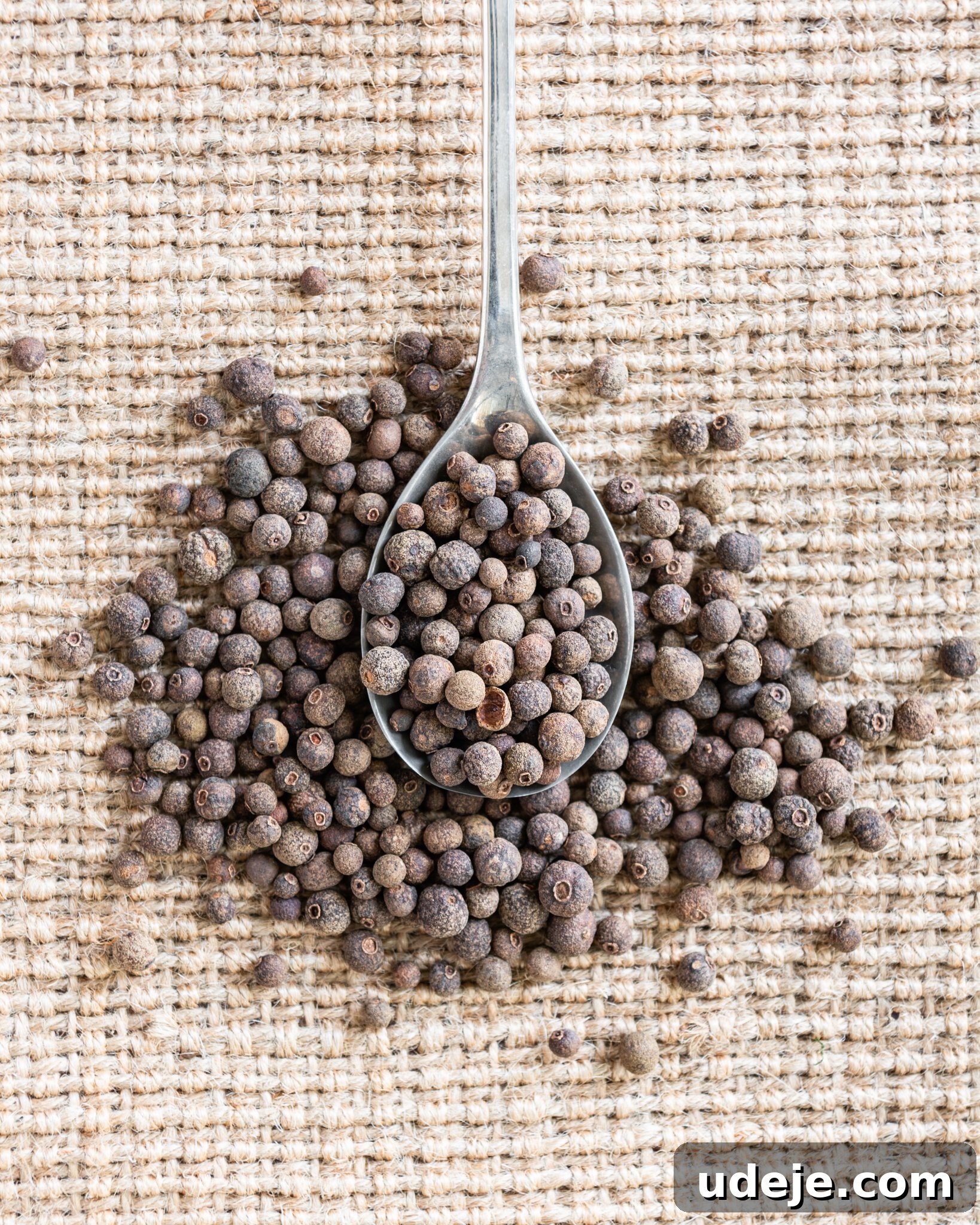
Allspice, a remarkably versatile and aromatic spice, holds a cherished place in kitchens worldwide, especially within the vibrant tapestry of Middle Eastern cuisine. Harvested from the dried berries of the evergreen tree known as Pimenta dioica, this unique spice is a true marvel. Contrary to a common misconception, allspice is not a blend of various spices; rather, it is a single, distinct spice celebrated for its complex flavor profile. Imagine the warm, inviting notes of cinnamon, the pungent sweetness of cloves, and the slightly peppery kick of nutmeg – all harmoniously present in one exquisite berry. This concentrated flavor makes allspice a predominant and essential ingredient in countless Middle Eastern recipes, where its partnership with cinnamon creates an iconic and irresistible combination. Join us as we delve deeper into the fascinating world of allspice, exploring its origins, culinary applications, and how to harness its magic in your cooking.
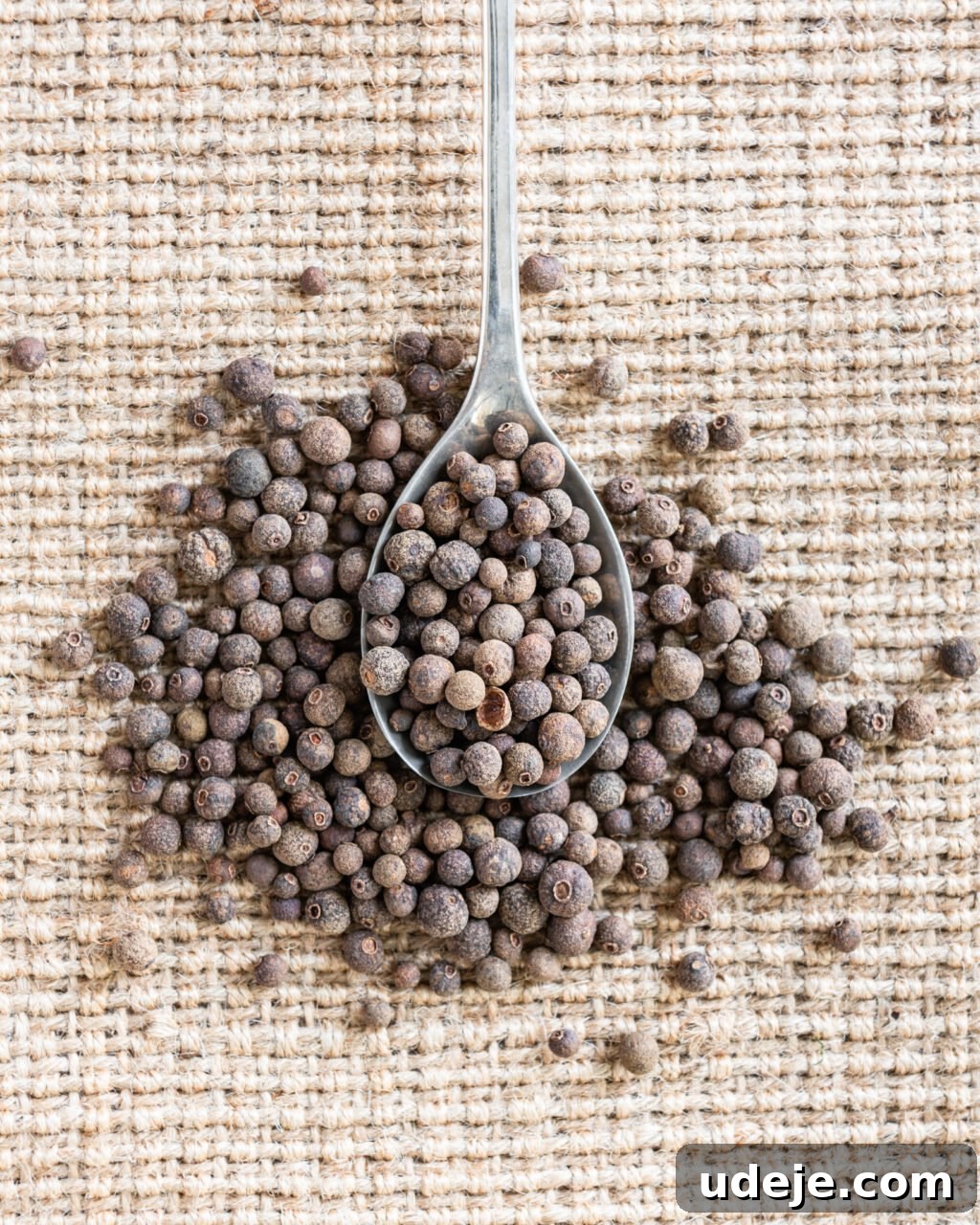
What is Allspice? The Unique Berry Behind the Name
Allspice originates from the small, dried berry of a tropical evergreen tree, Pimenta dioica, a proud member of the Myrtle family. These magnificent trees thrive in tropical climates and are indigenous to regions spanning the West Indies, Southern Mexico, and Central America. The spice is known by several other names globally, including Jamaica Pepper, myrtle pepper, and pimento, each reflecting a piece of its rich history and geographical prevalence.
The journey from a green berry on a tree to the deep brown, aromatic spice in your pantry is a meticulous one. The berries are carefully picked when they are still unripe and green, a crucial stage that locks in their intense flavor potential. Following harvest, they are spread out under the sun to dry slowly. During this drying process, the berries gradually change color, deepening into the characteristic dark brown hue we recognize in grocery stores. Visually, whole allspice berries bear a striking resemblance to large peppercorns, a similarity that often leads to confusion between the two, despite their vastly different flavor profiles. Understanding this origin story helps appreciate the singular nature and remarkable complexity of this beloved spice.
The Intriguing History Behind Allspice’s Name
The story of how allspice acquired its distinctive name is as fascinating as its flavor. Its discovery dates back to Christopher Columbus’s voyages, specifically around 1492 when he first encountered Jamaica. Mistaking the newly found berries for black peppercorns – a valuable commodity at the time – one of his crew members aptly named them “Pimenta,” the Spanish word for pepper. This historical nomenclature persists today, with many regions, particularly in the West Indies and Jamaica, still referring to the spice as Pimento.
The more common name “allspice” emerged several centuries later, as European chefs and culinary enthusiasts began to truly appreciate its extraordinary flavor profile. They noted its remarkable ability to evoke the distinct tastes of three prominent spices: cinnamon, nutmeg, and clove. This comprehensive flavor, encompassing “all” these beloved spices, led to its fitting English name. While some suggest that black pepper should also be included in this sensory quartet, it’s important to clarify that true allspice itself is not inherently spicy in the way black pepper is. Its warmth comes from its aromatic notes, not capsaicin. This unique combination of sweet, warm, and slightly earthy notes is what makes allspice a standalone star, rather than a mere blend of others.
Quick Facts About Allspice:
- Origin: Dried berries from the Pimenta dioica tree, native to tropical climates.
- Flavor: A harmonious blend reminiscent of cinnamon, clove, and nutmeg.
- Uses: Exceptionally versatile, employed in both savory and sweet dishes. It is a cornerstone in Middle Eastern savory recipes, often paired with cinnamon.
Whole vs. Ground Allspice: Maximizing Flavor in Your Kitchen
Allspice offers culinary flexibility, available in both whole berry and ground powder forms, each best suited for different applications. Understanding when to use which form can significantly enhance the depth and authenticity of your dishes.
Whole Allspice Berries: When used whole, the dried berries are ideal for dishes that require a long simmering time, allowing their subtle, complex flavors to gradually infuse into the liquid or food. They can be effortlessly tossed into hearty soups, rich broths, fragrant rice pilafs, and comforting stews. The whole berries release their aromatic oils slowly, contributing a gentle warmth and earthy undertone without overpowering other ingredients. They are also excellent for pickling brines, mulled wines, and spice rubs where the berries are later removed, leaving behind only their essence. This slow-release method ensures a nuanced flavor development that is simply unmatched.
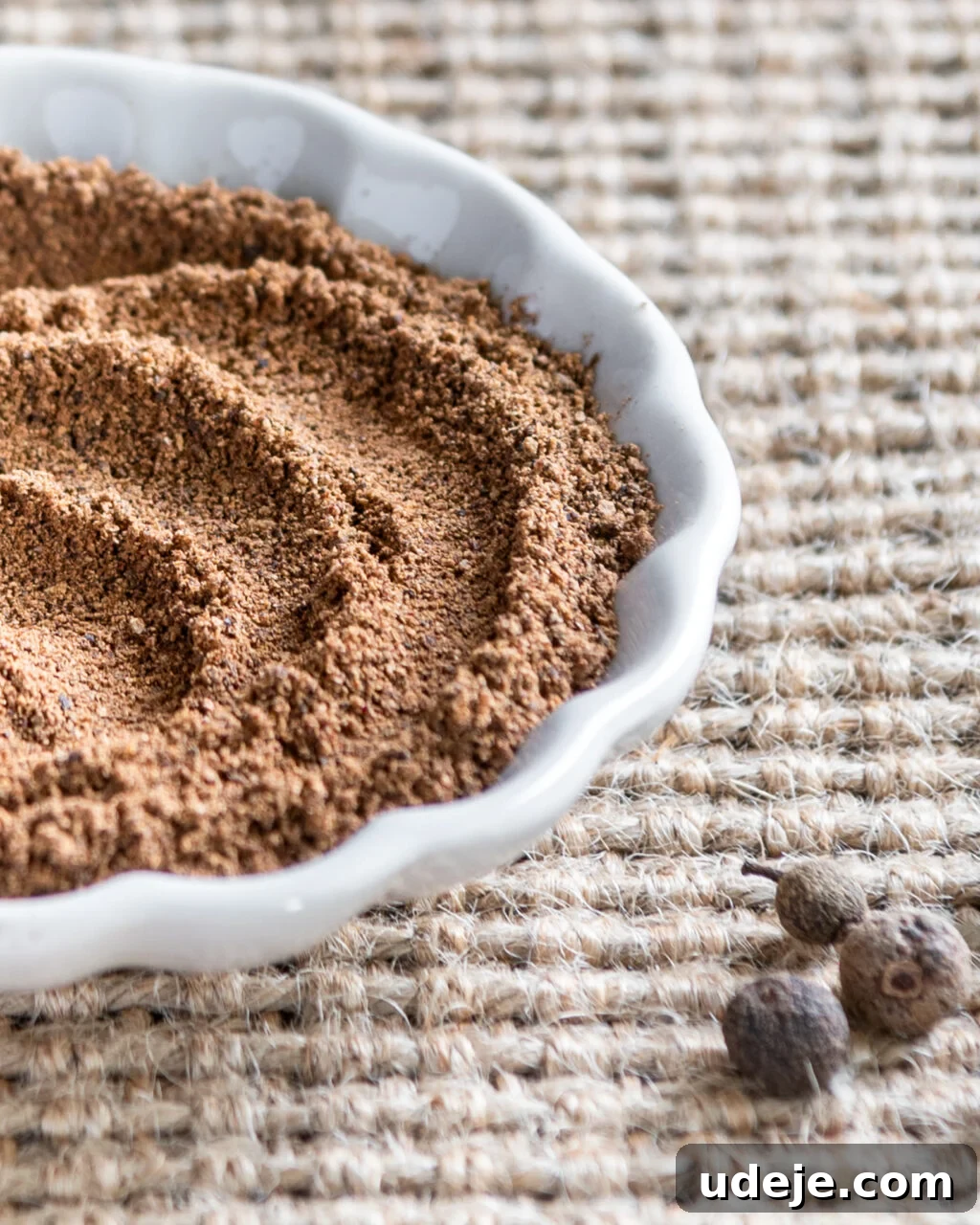
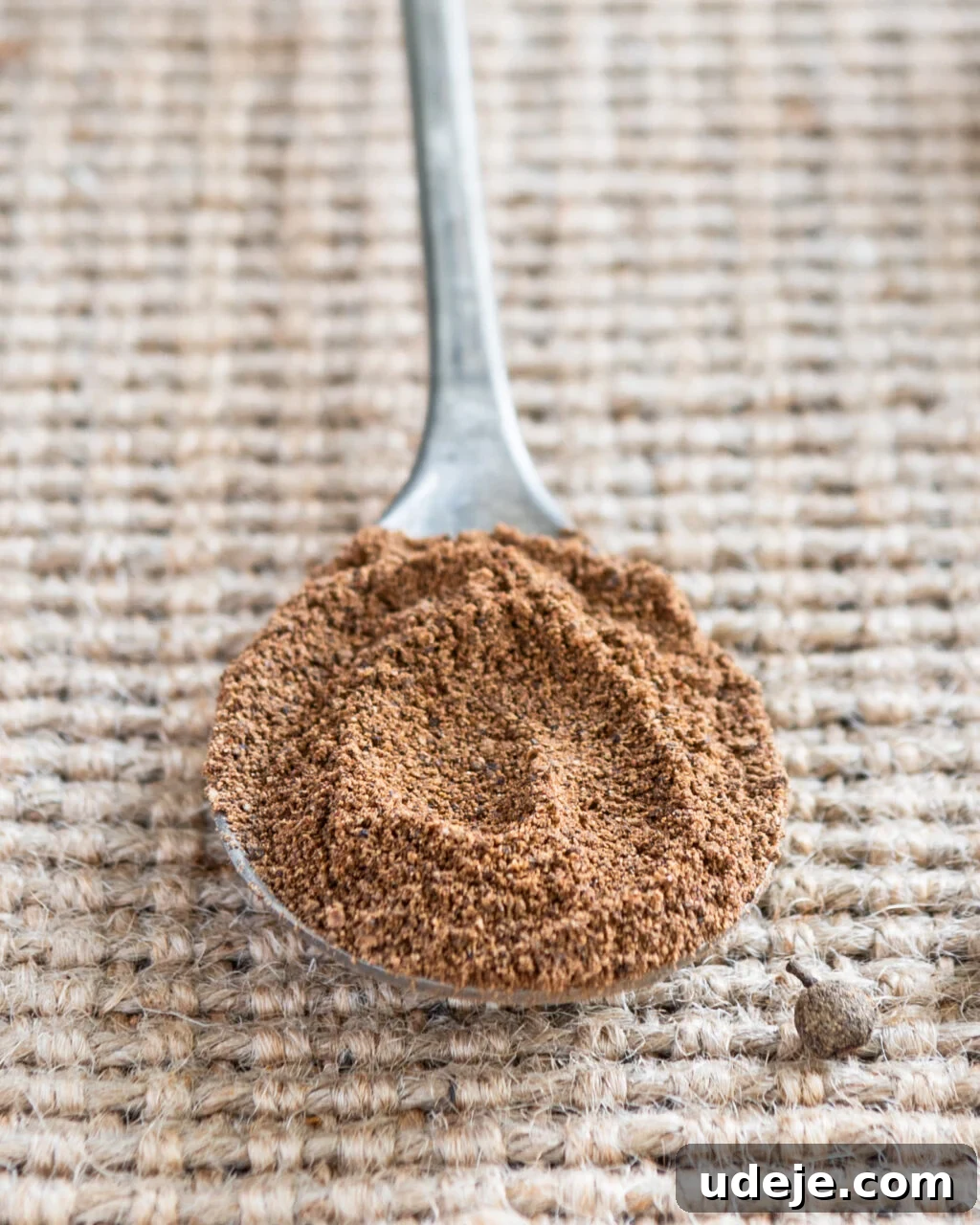
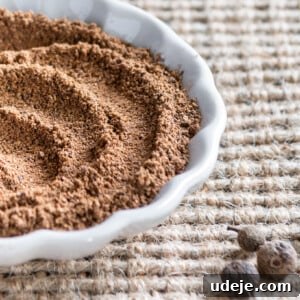
Ground Allspice: The ground form of allspice is perfect for recipes that demand immediate and intense flavor distribution. Its fine texture allows it to blend seamlessly with other spices, creating a cohesive and potent seasoning. Ground allspice is a staple in marinades for meats (beef, lamb, chicken), rubs for fish, and a key ingredient in many baking and dessert recipes. It’s also frequently incorporated into sauces, gravies, and stuffing mixtures. For the most vibrant flavor, it’s highly recommended to grind allspice fresh from whole berries just before use, as its volatile oils quickly diminish once powdered.
Allspice’s Indispensable Role in Middle Eastern Cuisine
Whether it graces savory or sweet preparations, allspice consistently imparts an irresistible warmth and fragrant complexity that elevates any dish. While it is heavily featured in Caribbean and Latin American cuisines for its unique profile, its presence in Middle Eastern cooking is particularly profound and culturally significant.
In Middle Eastern culinary traditions, allspice is almost exclusively reserved for savory dishes. Here, it finds its most classic pairing with cinnamon, forming a foundational flavor duo that defines many regional specialties. This iconic combination is absolutely essential in hashweh, a versatile and beloved mixture of sautéed onions and ground beef. Hashweh serves myriad purposes: it’s a popular stuffing for vegetables, a flavorful addition to rice dishes (such as the famed hashweh rice), and a delicious topping for dips like hummus. The depth of flavor allspice brings to hashweh is critical for its authentic taste.
The appreciation for allspice is widespread across the Middle East, reflected in the diverse names it carries depending on the specific region. Across the Levant (comprising countries like Lebanon, Syria, Jordan, and Palestine), it is affectionately known as “bhar helo,” which translates to “sweet spice.” This name highlights its aromatic sweetness rather than any perceived heat, setting it apart from other “hot” spices. In Iraq, where my family originates, we refer to it as “kababa.” This was particularly fascinating for me to discover later in life, as I learned its close phonetic cousin, “kababchini,” is used in India, showcasing an interesting linguistic and culinary connection across cultures.
Beyond its classic partnership with cinnamon, allspice is a key component in more intricate and widely used Middle Eastern spice blends. It forms a crucial part of the renowned `baharat` mixture, a regional staple that varies slightly from country to country but always delivers a warm, earthy, and aromatic base. Similarly, it’s a foundational element in the Levantine “seven spice” mixture (“baharat sab`a`), a potent blend designed to add depth and authenticity to countless dishes. Furthermore, allspice plays a starring role in the delicious shawarma marinade, contributing to the signature complex flavor of this globally popular dish.
Discover Allspice in These Authentic Middle Eastern Recipes:
- It is one of the main spices in authentic Chicken Shawarma and Beef Shawarma, lending its signature aroma.
- Essential in ground beef preparations like hashweh rice, savory sambousak pastries, and rich Egyptian goulash.
- A crucial flavoring agent in beloved pasta dishes such as macarona bechamel (Egyptian Bechamel Pasta Bake).
- Forms a core part of traditional `baharat` mixtures, as highlighted in this exquisite Iraqi Biryani recipe.
- Commonly used in flavorful kofta (meatballs) and recipes utilizing kofta, such as spicy arayes.
- Whole allspice berries are frequently added to broths and when boiling lamb for dishes like the festive Iraqi quzi, infusing a deep, comforting aroma.
How to Make Freshly Ground Allspice at Home
For the most vibrant and potent flavor, freshly grinding allspice at home is a game-changer. This simple process unlocks the full aromatic potential of this magical spice, ensuring your favorite Middle Eastern recipes burst with authentic taste. Follow these easy steps to prepare your own ground allspice:
Step 1: Toasting the Whole Berries
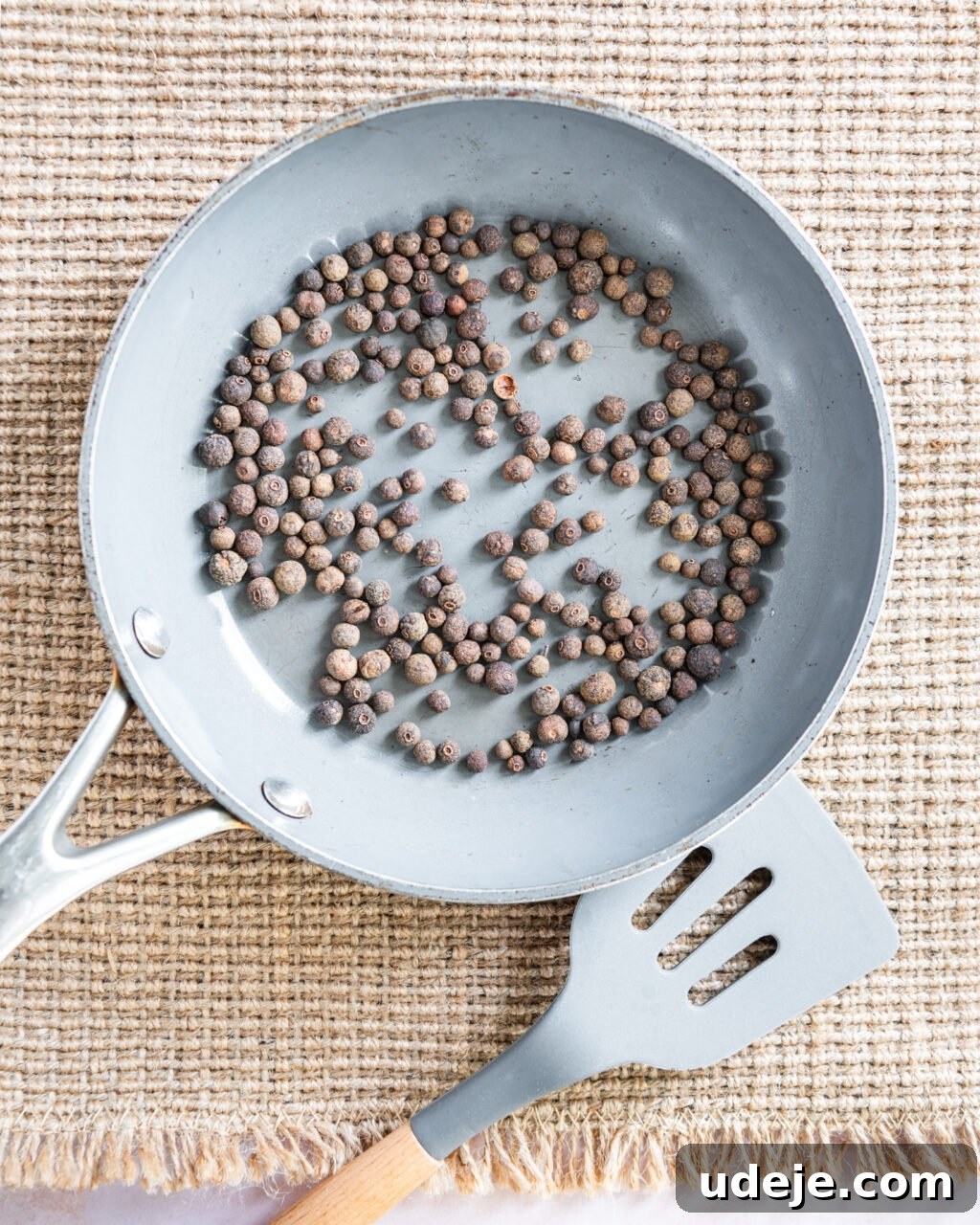
Begin by placing whole allspice berries in a medium-sized, dry skillet. Set the skillet over low heat. It’s crucial to maintain a low temperature to prevent burning. Gently toast the allspice, stirring constantly to ensure even heating. Continue this process for about 5 minutes, or until the berries become noticeably fragrant. The subtle aroma released during toasting indicates that the volatile oils are being activated, intensifying the spice’s flavor.
Step 2: Grinding to a Fine Powder
Carefully transfer the toasted allspice berries from the skillet to a clean spice grinder (a coffee grinder dedicated solely to spices works wonders) or a mortar and pestle. Begin grinding until the berries transform into a fine, consistent powder. The time required for this step may vary depending on the power of your grinder, but aim for a texture similar to store-bought ground spices.
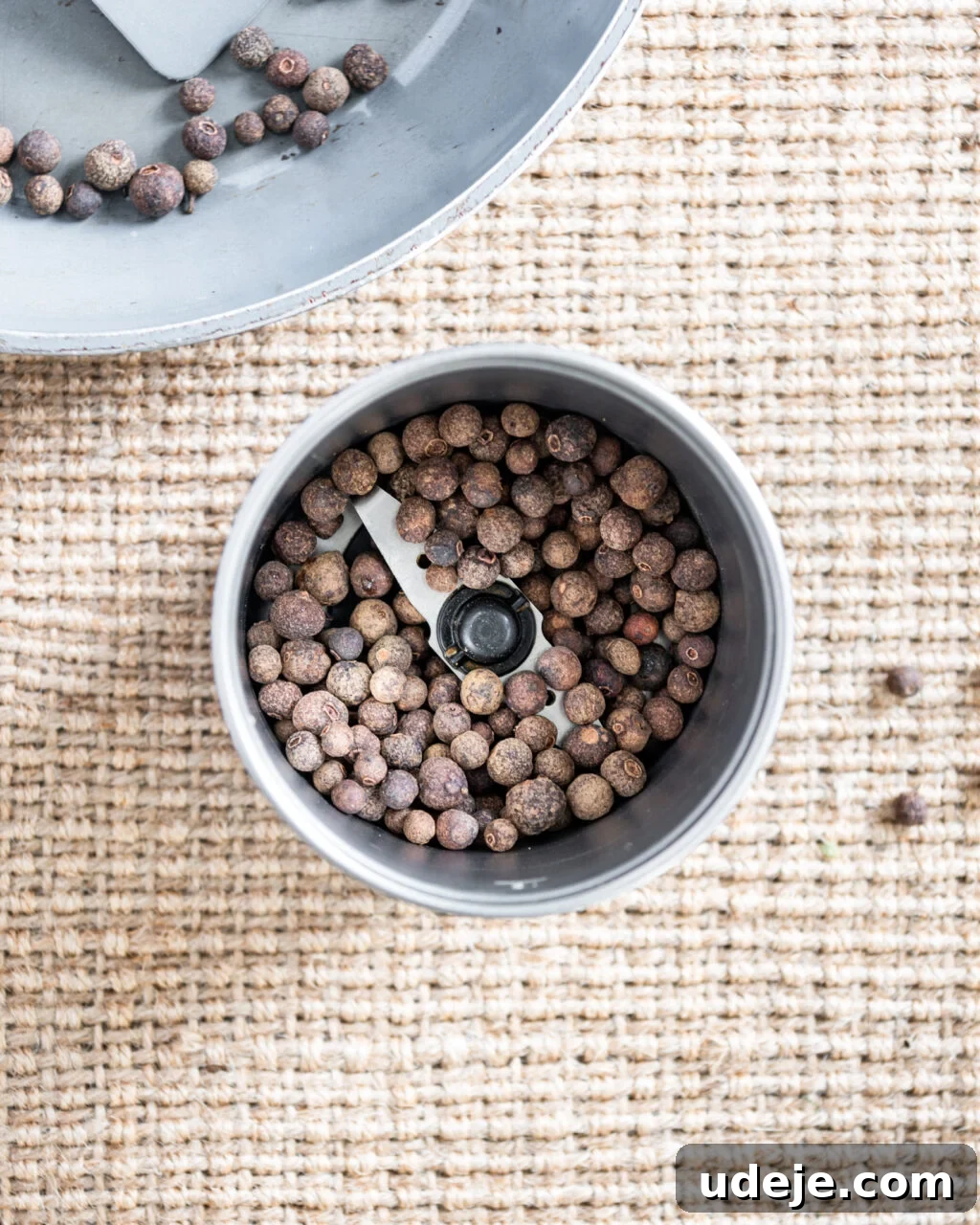
Patience is key here; a few extra minutes of grinding can yield a much smoother and more potent powder.
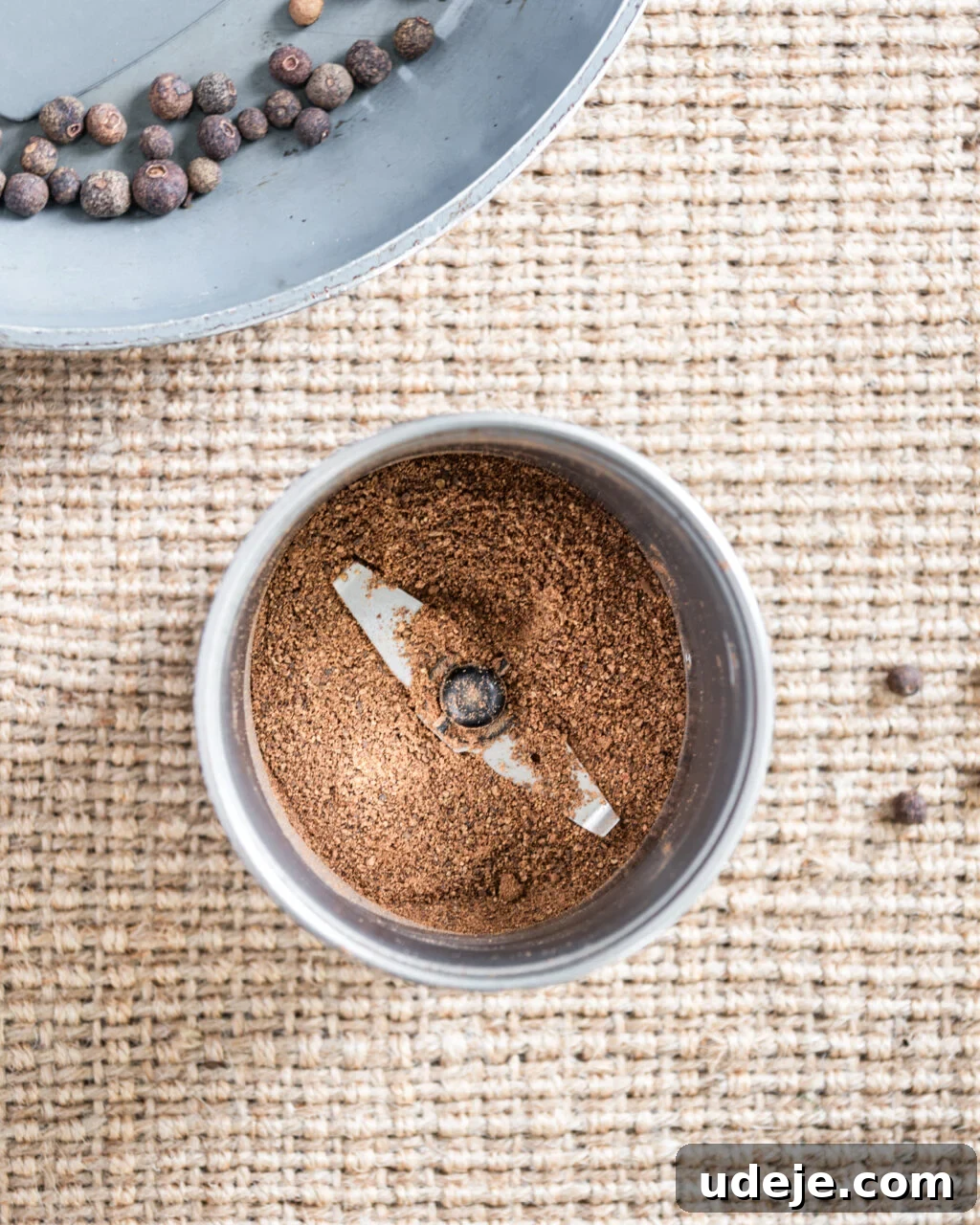
Step 3: Storage for Maximum Freshness
Once ground, transfer the allspice powder to an airtight jar or container. Store it in a cool, dark place away from direct sunlight and heat. For optimal flavor and potency, it is best to use freshly ground allspice within 6 months. While it won’t spoil after this period, its aromatic qualities will gradually diminish. Grinding smaller batches ensures you always have the freshest, most flavorful allspice at hand for your culinary creations.
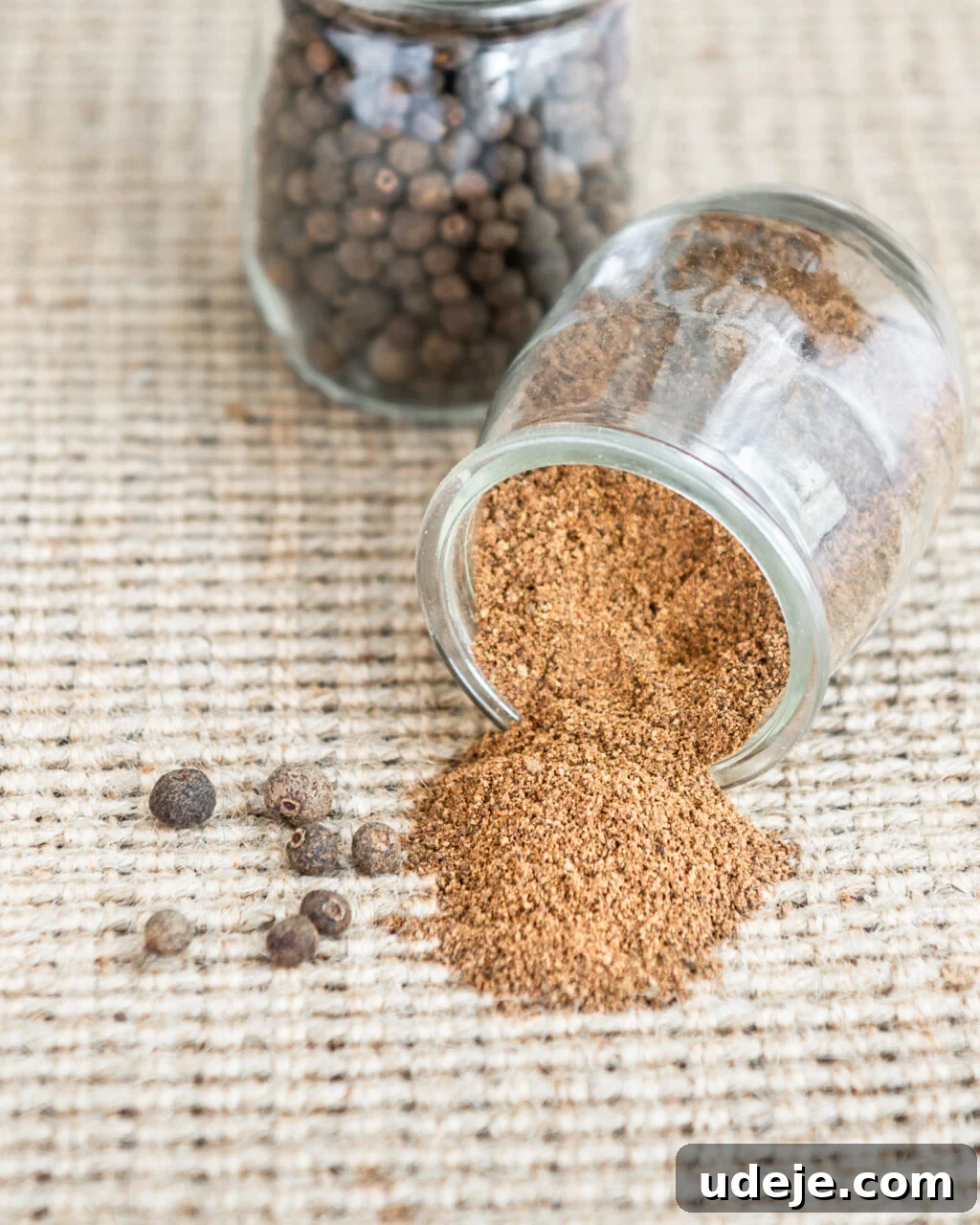
Allspice Substitutes: When You’re in a Pinch
While the distinct flavor of allspice is truly irreplaceable, there are times when you might find yourself without it in your pantry. Fortunately, its unique profile, derived from a combination of familiar flavors, allows for a very close substitute. For every 1 teaspoon of allspice required in a recipe, you can create a reasonable alternative by combining:
- 1/2 teaspoon ground cinnamon
- 1/4 teaspoon ground clove
- 1/4 teaspoon ground nutmeg
This blend effectively captures the primary aromatic notes that define allspice, making it a reliable stand-in. Additionally, in many Middle Eastern recipes, you can often interchange 1 teaspoon of allspice with 1 teaspoon of a pre-made seven spice mixture, or vice versa, given their similar flavor profiles and shared key ingredients.
Recipes Using Allspice You Will Love
If you tried these recipes or enjoyed this guide, please consider leaving a star ⭐️⭐️⭐️⭐️⭐️ rating in the recipe card below and/or a review in the comments section further down the page – I’d love to hear from you! You can also hop on over to Instagram and say hello!
Ground Allspice
0.5
cup
5
mins
5
mins
Amina Al-Saigh
Leave a Review
Pin Recipe
Ingredients
-
1/2
cup
whole allspice
Instructions
-
 In a medium sized dry skillet over low heat add the whole allspice.
 -
Continue to stir and toast the allspice until it becomes fragrant, about 5 minutes.
-
Transfer the allspice to a spice grinder and grind until it becomes a powder.
-
Store in an airtight container up to 6 months and use in your favourite recipes.



Notes
- 1/2 teaspoon cinnamon
- 1/4 teaspoon clove
- 1/4 teaspoon nutmeg
Did you make this recipe?
Please leave a star rating and review below!