
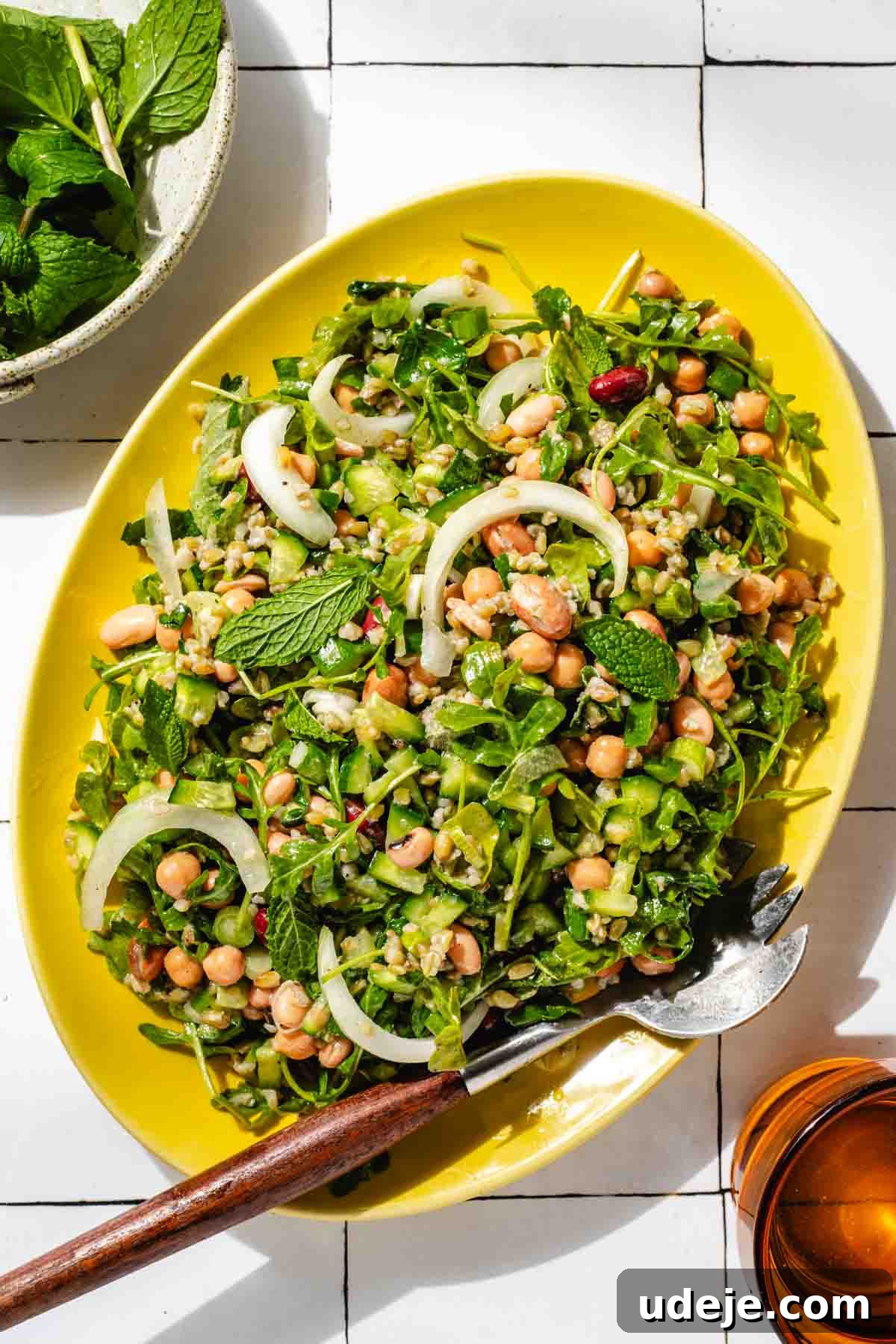
Zesty Freekeh Salad with Honey Mustard Dressing: A Nutty, Healthy, and Flavorful Middle Eastern Grain Bowl
This Zesty Freekeh Salad isn’t just a recipe; it’s your perfect introduction to freekeh, an ancient and versatile whole grain that’s a staple in Middle Eastern cuisine. Renowned for its unique chewy texture, nutty flavor, and subtle smoky undertones, freekeh is surprisingly easy to cook—much like rice—and an absolute dream for meal prep. This vibrant salad combines perfectly cooked freekeh with crisp arugula, refreshing cucumbers, a medley of fresh herbs, and protein-rich beans. All these wonderful textures and flavors are brought together by an irresistible, zesty honey mustard dressing that makes every bite truly addictive!
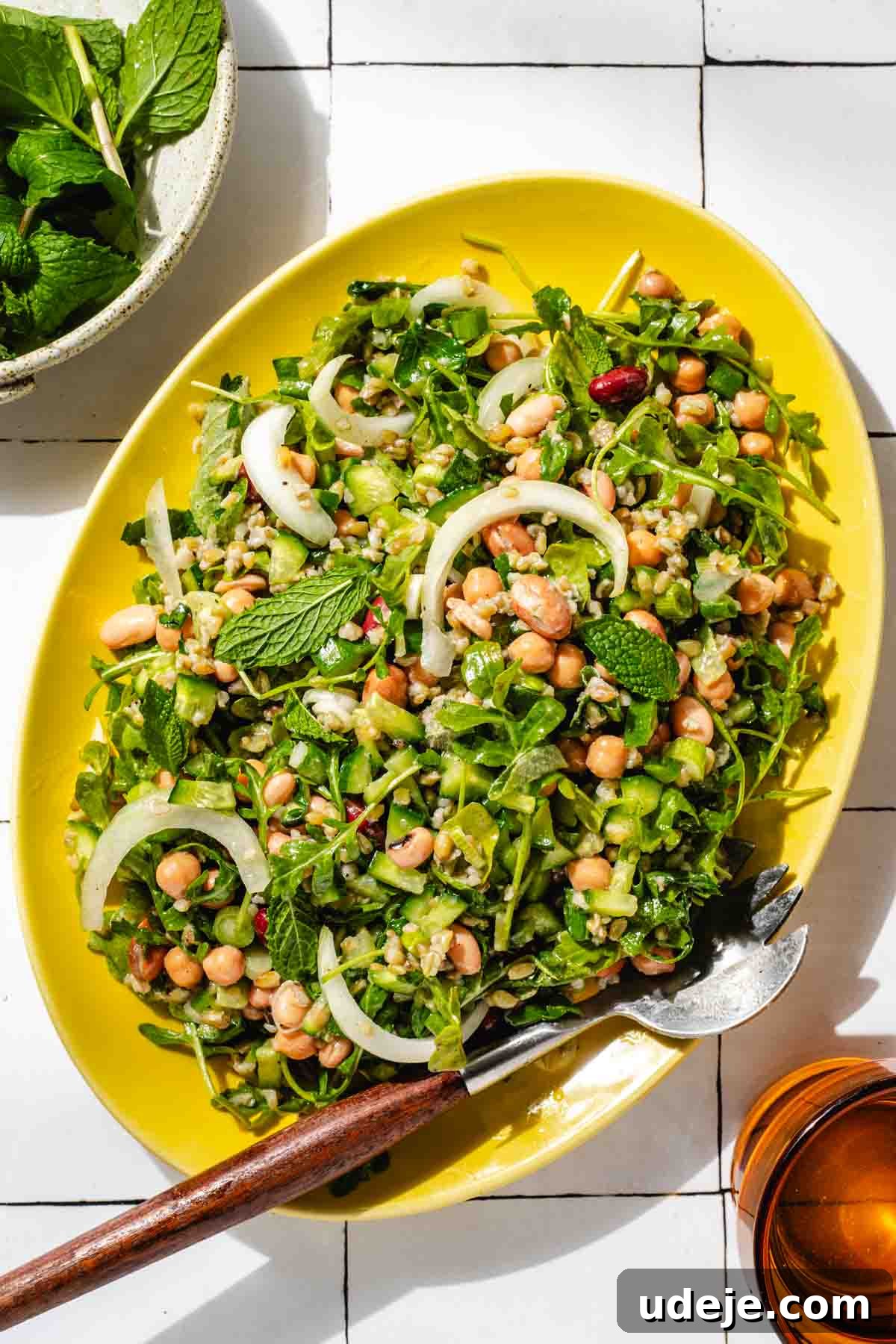
Unveiling Freekeh: The Ancient Grain You Need to Know
While freekeh is a cornerstone of culinary traditions across the Middle East and North Africa—gracing tables in countries like Lebanon, Jordan, Syria, Palestine, and Egypt—it still feels like a hidden gem in many Western kitchens. My goal is to shine a well-deserved spotlight on this incredible grain and introduce more people to its rich flavor and impressive health benefits. It’s not just a side dish; freekeh is regularly enjoyed in hearty soups, refreshing salads, and as a flavorful pilaf, offering a delightful alternative to more common grains.
What Exactly is Freekeh? Exploring its Unique Origin
Freekeh, pronounced “free-kah,” is a form of young, green durum wheat that is harvested while still tender and full of moisture, before it fully ripens. What sets it apart is its unique, traditional processing. After harvesting, the wheat is carefully parched and then roasted over an open fire. This crucial roasting process imparts its distinctive smoky flavor and helps create its characteristic chewy texture. Following the roast, the wheat is threshed and then rubbed (which is where the Arabic word “freekeh” originates, meaning “to rub”) to remove the outer husks and any burnt bits, revealing the delicious, firm kernels within. The result is a highly nutritious whole grain packed with unparalleled flavor and a satisfying texture.
Nutritional Powerhouse and Versatile Substitutions
Beyond its delightful taste and texture, freekeh boasts an impressive nutritional profile. It’s an excellent source of plant-based protein, making it a satisfying and sustaining addition to any meal, and is remarkably high in dietary fiber, which supports digestive health and contributes to a feeling of fullness. Furthermore, freekeh is rich in essential micronutrients, including iron, calcium, and potassium, contributing to overall well-being. It also has a low glycemic index, making it a favorable choice for sustained energy. While it does typically require a slightly longer cooking time than common grains like rice or bulgur, the unique chewy texture and nutty, smoky flavor it brings to your dishes are truly worth the wait, transforming ordinary meals into extraordinary culinary experiences.
If freekeh isn’t readily available in your local grocery stores or specialty markets, don’t despair! You can easily substitute it with other whole grains that offer a similar hearty base. Coarse bulgur is a fantastic alternative, offering a comparable chewy consistency and a nutty flavor profile, as explored in recipes like this healthy bulgur salad. For a gluten-free option, fluffy quinoa or wholesome brown rice can also be used, offering different textural experiences but still delivering a wholesome and nutritious foundation for your salad.
Mastering Freekeh: A Simple Guide to Cooking this Wholesome Grain
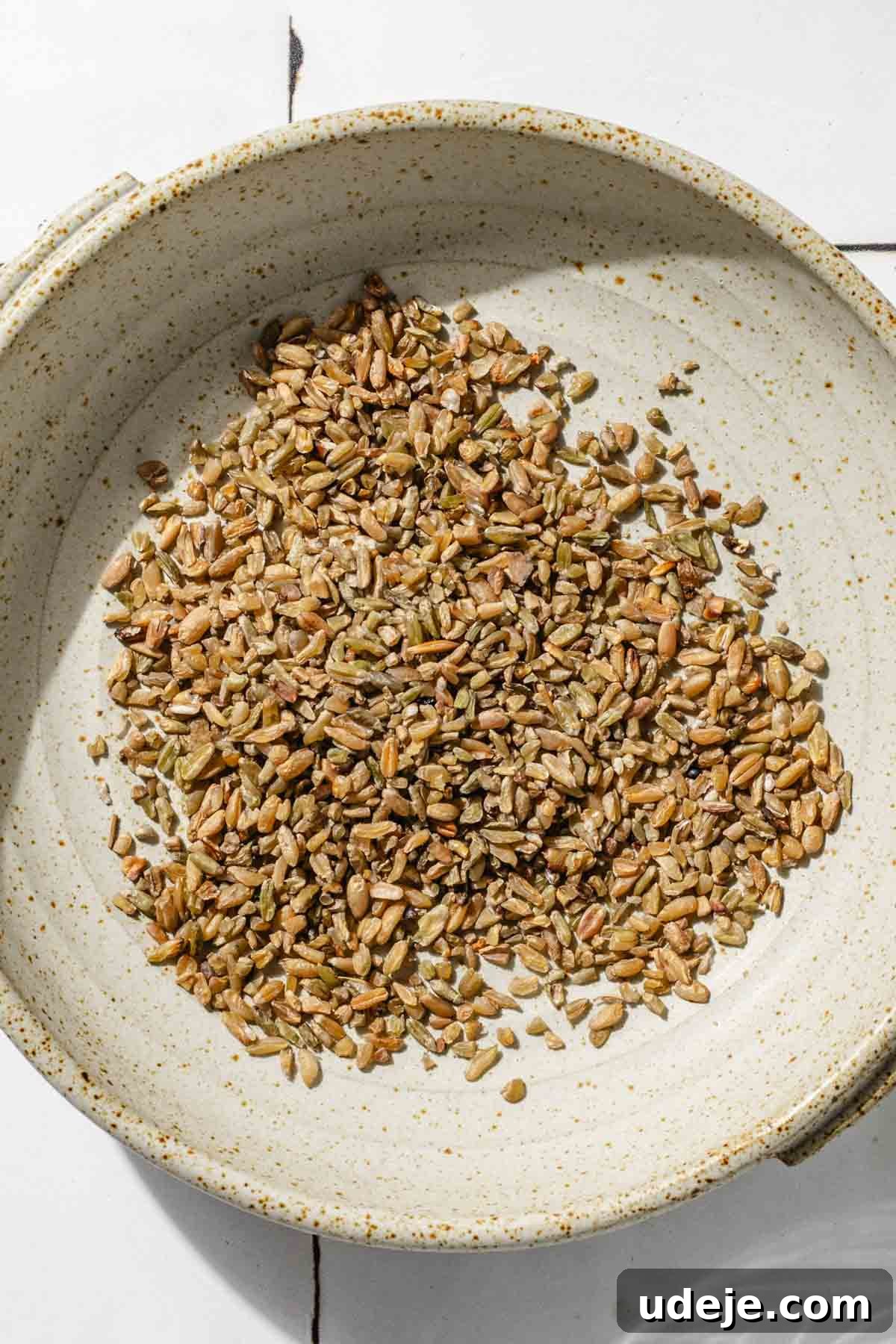
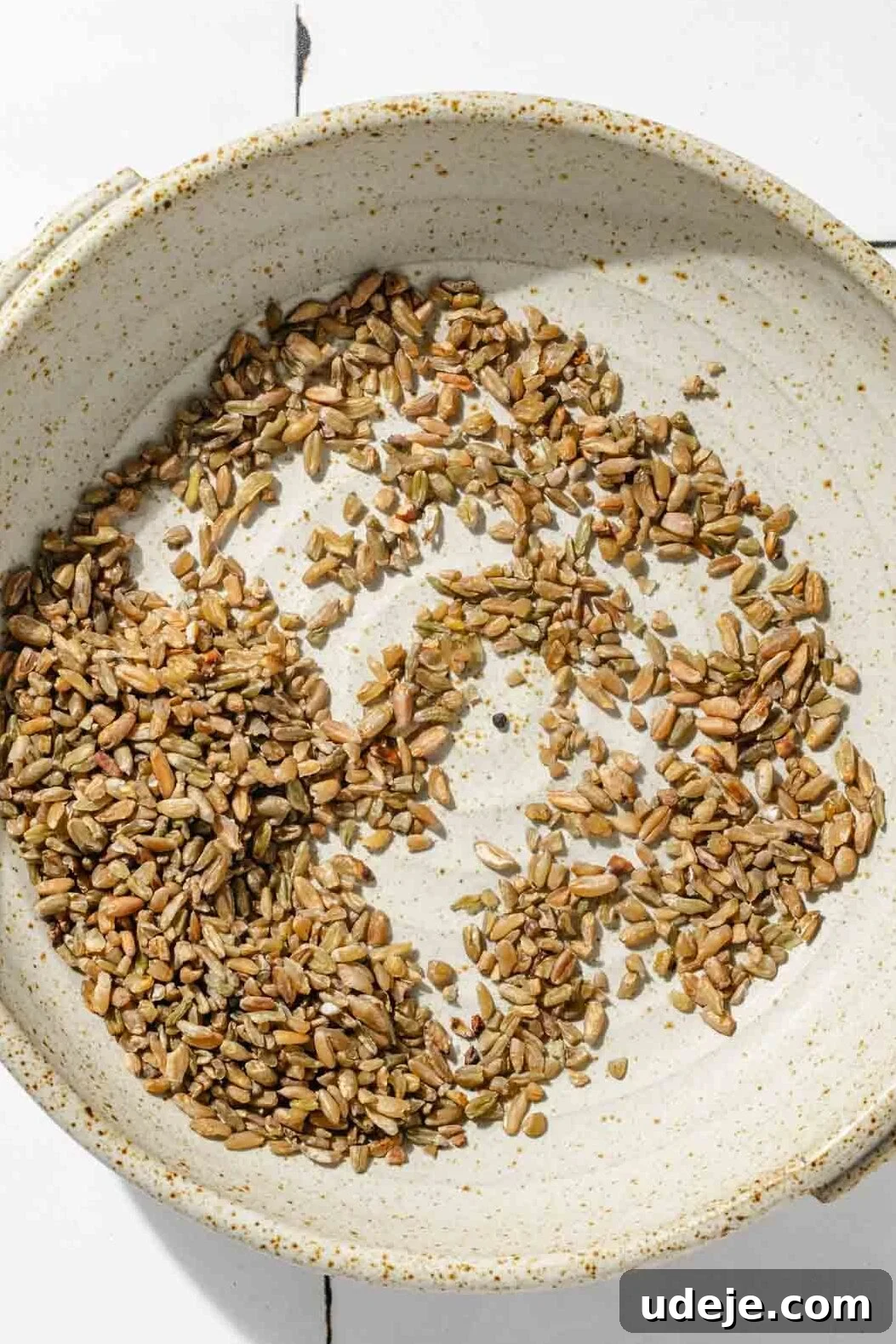
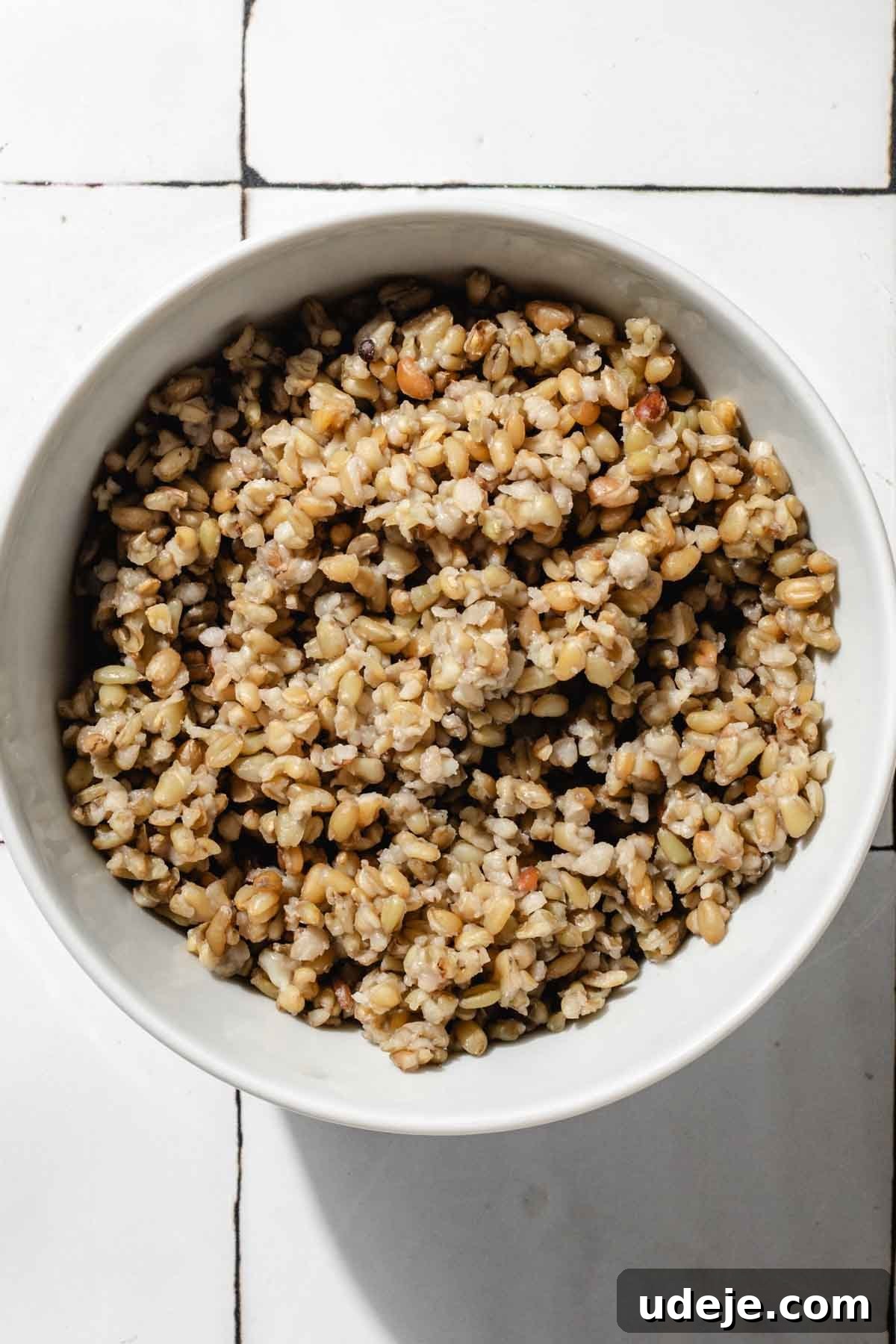
Cooking freekeh is straightforward, much like preparing rice, but a few key steps ensure perfect results every time. Freekeh typically comes in two varieties: whole and cracked. Cracked freekeh, as the name suggests, has the whole grains broken into smaller pieces, which significantly reduces its cooking time and yields a softer texture. Whole freekeh, on the other hand, retains its full shape and offers a more pronounced, robust chewy texture, requiring a bit longer to soften to perfection. The images below illustrate whole freekeh, which we’ll be focusing on for this recipe due to its superior chewiness and depth of flavor.
Preparation is Key: Cleaning Your Freekeh Grains
Before cooking whole freekeh, one crucial step is to meticulously pick through the grains. This process, though it only takes about 5 minutes, is vital to ensure a pleasant eating experience free from unwanted debris. Simply spread the freekeh out on a clean, flat surface, such as a large baking sheet or a clean kitchen towel. Use your fingers to gently spread and sift through the grains, carefully looking for any small stones, tiny husks, or other natural impurities that might have been mixed in during processing. A few minutes of careful inspection will save you from an unwelcome crunchy surprise after your freekeh is cooked!
Cooking Freekeh to Perfect Chewy Tenderness
Once you’ve thoroughly picked through the freekeh, give it a good rinse under cold running water until the water runs clear, then drain it well. Now you’re ready to cook! The ideal ratio for cooking whole freekeh is 1 part grain to 2.25 parts liquid. This means for every 1 cup of freekeh, you will need 2 1/4 cups of liquid. This precise ratio ensures the grains absorb enough moisture to become tender without turning mushy.
For an extra layer of savory flavor that truly enhances the freekeh, I highly recommend using chicken or vegetable broth if you have it on hand. The rich notes of the broth will infuse deeply into the grains, making your freekeh even more delicious and a standout component of your salad. However, plain water also works perfectly well if broth isn’t available. Combine your chosen liquid, the prepared freekeh, and a pinch of salt in a medium-sized pot. Bring the mixture to a rolling boil over medium-high heat, then immediately reduce the heat to low, cover the pot tightly, and let it simmer. Cook for approximately 30 to 40 minutes, or until the grains are tender with a pleasant chewiness.
It’s important to remember that freekeh, especially the whole variety, is meant to have a distinct chewiness to it, rather than being soft and fluffy like white rice. The cooking time can vary slightly depending on whether you’re using whole or cracked freekeh and even the specific brand, so always taste-test for your preferred level of doneness. Once cooked, remove the pot from the heat and let it sit, covered, for another 5-10 minutes. This allows the grains to steam and fully absorb any remaining liquid. Finally, fluff the freekeh gently with a fork and allow it to cool completely before incorporating it into your salad. Cooked freekeh can be stored in an airtight container in the refrigerator for up to a week, making it an excellent, versatile ingredient for meal prepping various salads, grain bowls, or as a healthy side dish throughout the week.
Crafting Your Zesty Freekeh Salad: Ingredients and Inspired Substitutions
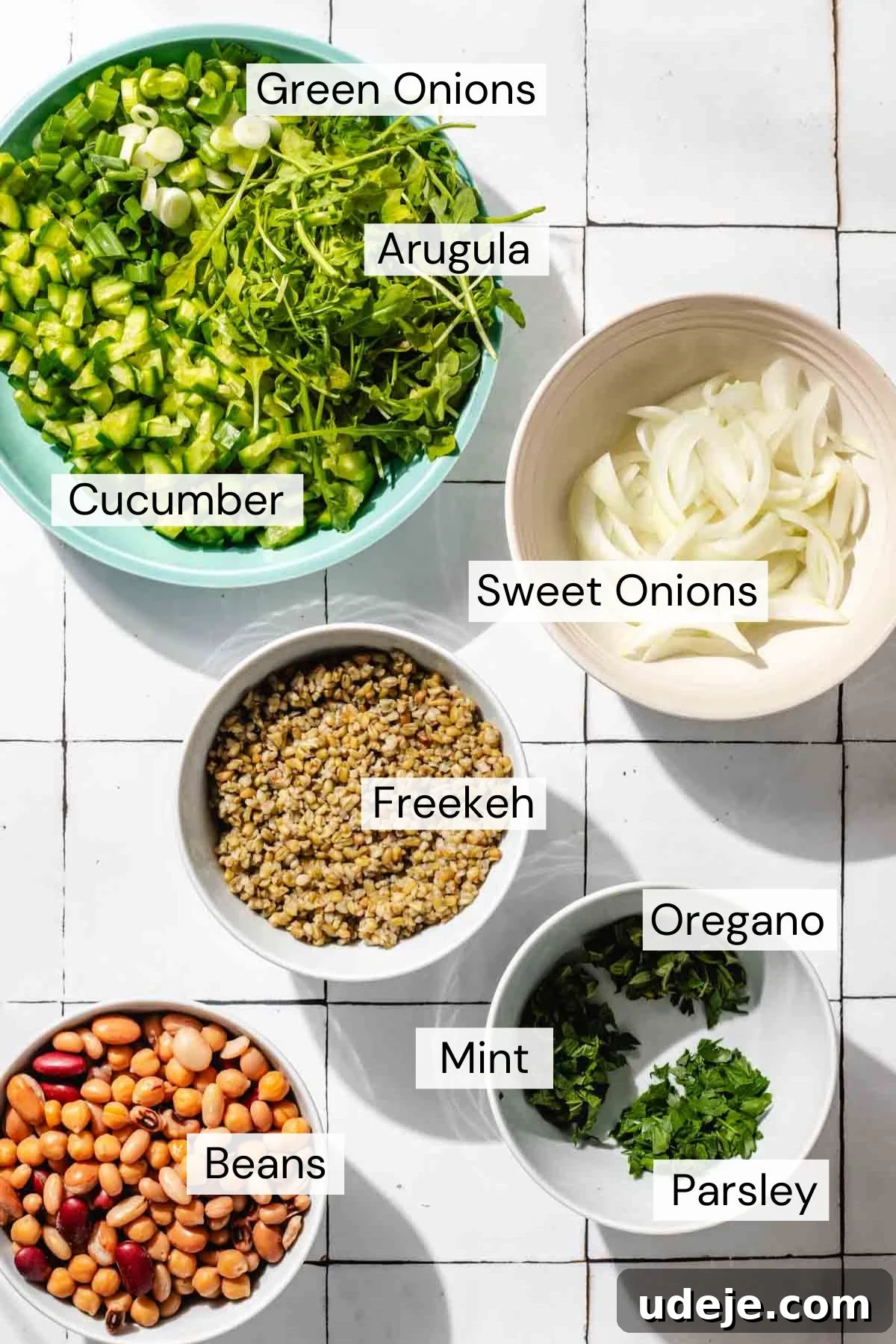
One of the beauties of freekeh salad is its incredible flexibility. While this recipe outlines my absolute favorite combination of ingredients for an ideal balance of crunch, chewiness, fresh flavors, and vibrant colors, feel free to personalize it to your taste and what you have available. The thoughtful addition of beans makes this salad wonderfully substantial and satisfying, transforming it from a simple side into a complete and nourishing meal.
Ingredient Spotlight & Creative Swaps:
- Arugula: The peppery bite of fresh arugula adds a fantastic layer of flavor and a refreshing crispness to this salad, perfectly contrasting the nutty freekeh. If arugula isn’t your preference, feel free to substitute with other leafy greens such as crisp romaine lettuce for a milder crunch, tender spinach for a softer texture, or hearty chopped kale for added nutritional punch and a more robust base.
- Beans or Chickpeas: To make this freekeh salad truly filling and significantly boost its plant-based protein and fiber content, canned beans or chickpeas are a superb and convenient addition. I often keep a can of mixed beans or chickpeas in my pantry specifically for quick and easy additions to salads. Use whatever variety you have on hand; black beans, cannellini beans, edamame, or even cooked lentils would also work beautifully, offering slightly different textures and flavors. Always remember to drain and rinse them thoroughly to remove excess sodium and improve their taste.
- Crunchy Additions: Texture is absolutely key in a truly great salad! I love incorporating finely chopped Persian cucumbers for their irresistible crispness and mild, refreshing flavor. Alongside, thinly sliced sweet white onions provide a gentle oniony bite without being overpowering. Ensure you opt for truly sweet onion varieties like Vidalia or Walla Walla, as they add a pleasant zest and subtle sweetness rather than harshness. Other crunchy elements that work wonderfully include finely diced bell peppers (any color), radishes for a peppery snap, or even toasted nuts and seeds for an earthy crunch.
- Fresh Herbs: Herbs are the soul of Middle Eastern salads, and this freekeh salad is no exception. I find that a generous mix of fresh mint, parsley, oregano, and finely chopped green onions (scallions) creates an incredibly aromatic, vibrant, and refreshing profile. If you’re making this salad during the warmer months, when fresh herbs are abundant in gardens and markets, don’t hesitate to use them generously! If you don’t have all these specific herbs on hand, simply use a combination of two or three that you do have; the key is to use them fresh for maximum flavor.
- Freekeh (The Star Ingredient!): Of course, perfectly cooked freekeh is the undeniable heart and star of this salad. Its unique chewiness and distinctive smoky, nutty flavor are irreplaceable and truly define the dish. However, if you’re unable to find freekeh or prefer a different grain, this salad is incredibly versatile and forgiving. I’ve successfully made delicious versions many times using coarse bulgur, fluffy quinoa (for a gluten-free option), and hearty brown rice, and each version has been equally delicious and satisfying, simply offering a slightly different character to the finished dish.
- Optional Additions for Extra Flair: To elevate your salad further and introduce an additional layer of texture and a delightful hint of sweetness, consider incorporating a handful of chopped walnuts or pumpkin seeds for an earthy crunch. For a sweet-tart burst that complements the savory notes, some raisins, dried cranberries, or even chopped dried apricots can be a wonderful addition. These elements can truly transform the salad into a gourmet experience.
The Zesty Honey Mustard Dressing: The Perfect Complement
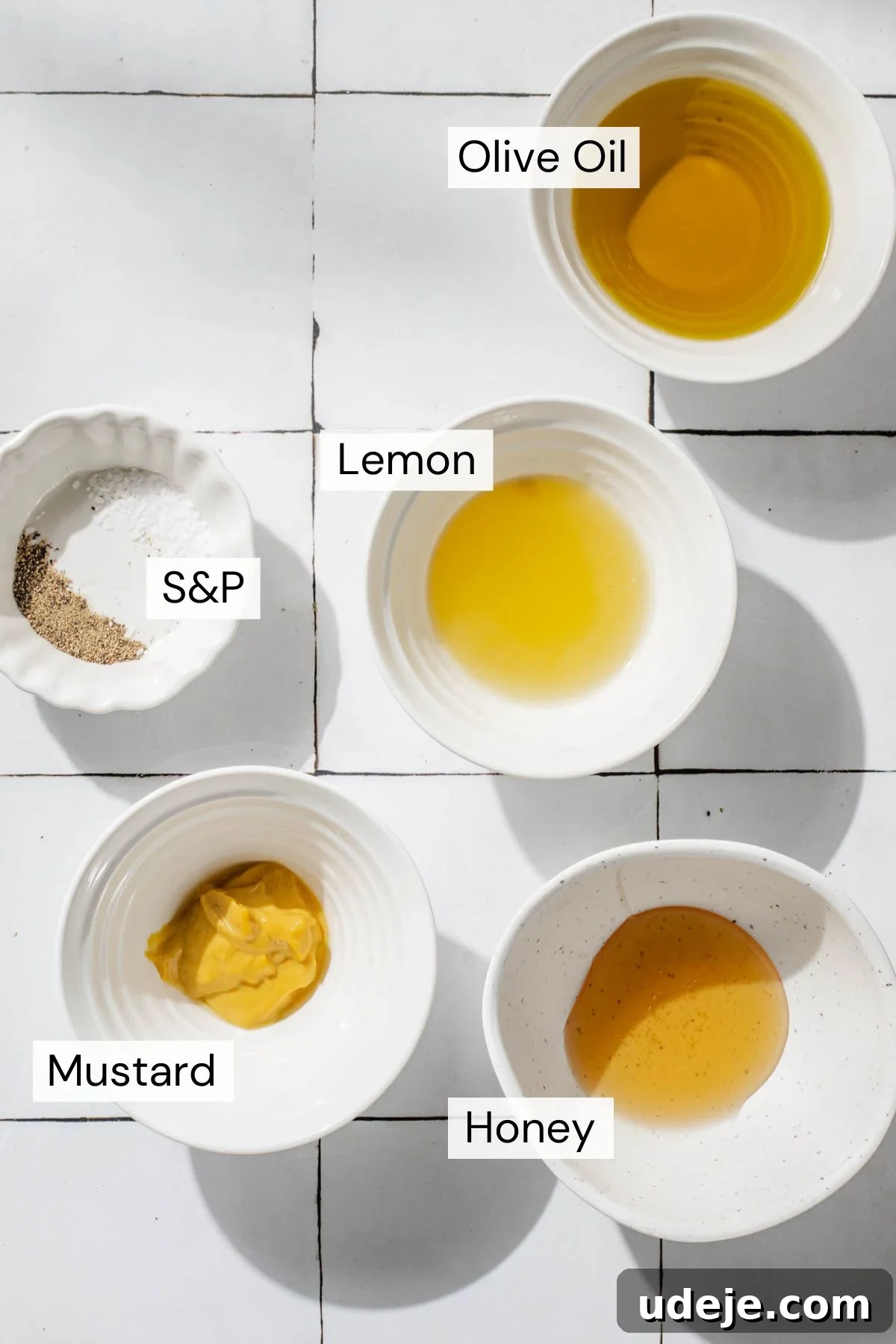
The dressing is what truly elevates this freekeh salad, infusing it with bright, zesty notes that tie all the diverse ingredients together into a harmonious symphony of flavors. While I’ve experimented with other dressings, such as a tart pomegranate molasses dressing (which is absolutely delicious in this Arabic salad recipe), this honey mustard dressing consistently remains my top choice for its perfect harmony with the fresh herbs and nutty freekeh. It strikes an exquisite balance between sweet, tangy, and savory, creating an incredibly flavorful and wonderfully emulsified coating for every component of the salad.
Crafting this dressing is wonderfully simple and requires only a few pantry staples. You’ll need high-quality extra virgin olive oil (the “good stuff” really makes a discernible difference here, contributing to both flavor and body), freshly squeezed lemon juice for vibrant acidity and brightness, robust Dijon mustard for a little pungent kick and to help with emulsification, a touch of honey for natural sweetness that balances the tang, and, of course, salt and freshly ground black pepper to taste. These simple, wholesome ingredients combine effortlessly to create a dressing that is both sophisticated in flavor and incredibly delicious, making this freekeh salad truly addictive.
Assembling Your Zesty Freekeh Salad: Quick and Easy Steps
Once your freekeh is perfectly cooked and cooled—following the detailed instructions in the section above—assembling this vibrant salad is a quick and enjoyable process. This recipe is also a winner because it requires minimal chopping, making it ideal for busy weekdays or efficient meal prep sessions. You’ll be amazed at how quickly this wholesome and flavorful dish comes together!
Step-by-Step Salad Assembly:
- Prepare the Fresh Produce: Begin by thoroughly washing and draining your chosen canned mixed beans or chickpeas. Finely chop the Persian cucumbers, ensuring uniform pieces for the best texture and visual appeal. Thinly slice the sweet white onions, and finely chop all your fresh herbs: parsley, mint, oregano (if using), and green onions (scallions).
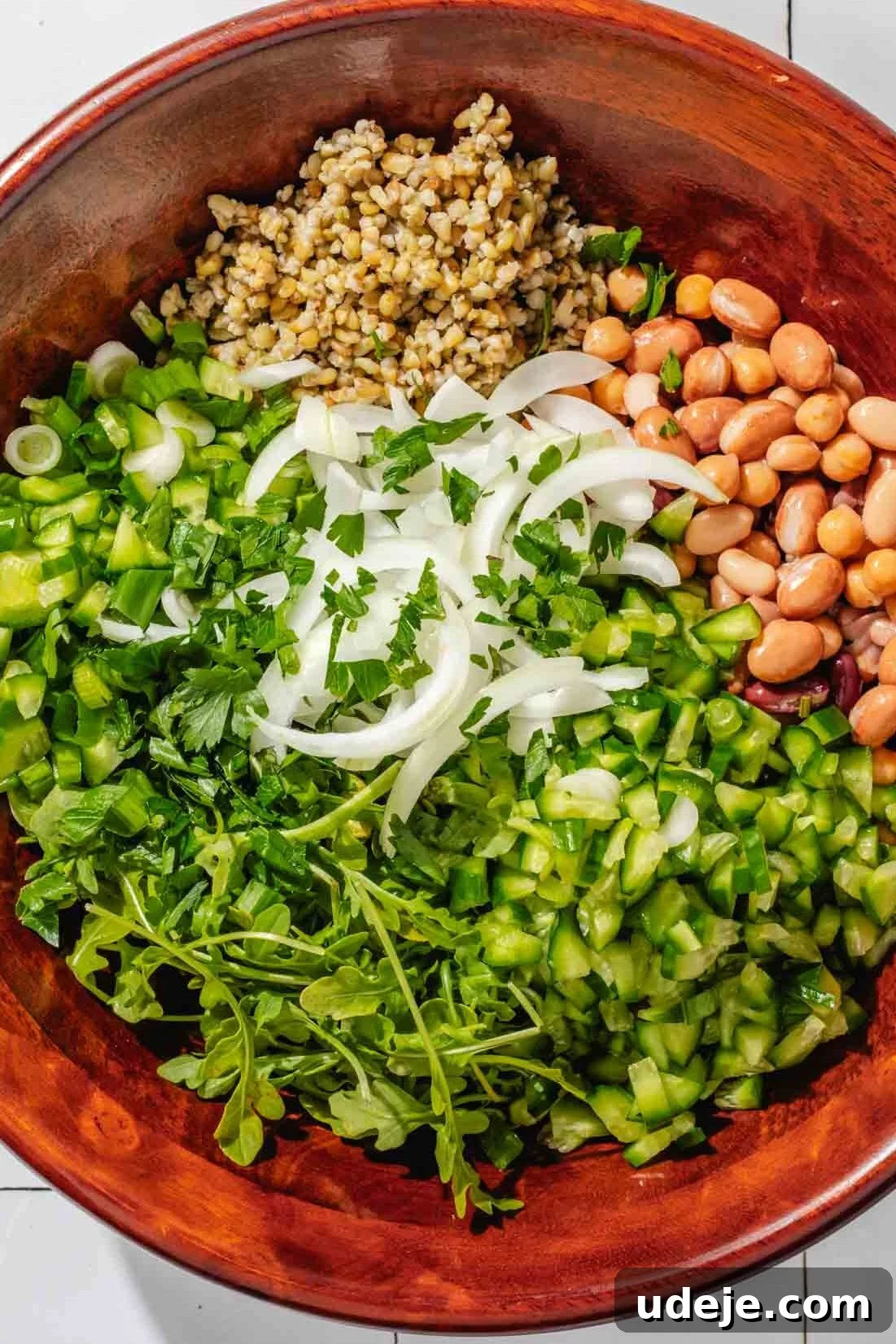
- Combine Salad Ingredients: In a large mixing bowl, gently combine the cooled, perfectly cooked freekeh with the fresh arugula, chopped cucumbers, sliced white onions, green onions, and all the finely chopped fresh herbs. Add the drained and rinsed beans or chickpeas to this mixture. If you’re using any optional additions like walnuts, pumpkin seeds, or raisins, now is the time to add them. Toss everything lightly to ensure an even distribution of ingredients.
- Prepare the Dressing: In a small jar with a tight-fitting lid, combine all the dressing ingredients: extra virgin olive oil, fresh lemon juice, Dijon mustard, honey, kosher salt, and freshly ground black pepper. Secure the lid tightly and shake vigorously for about 30 seconds until the ingredients are thoroughly combined and the dressing emulsifies into a beautiful, smooth, and creamy golden color. Alternatively, you can whisk the ingredients together in a small bowl until perfectly smooth and well blended.
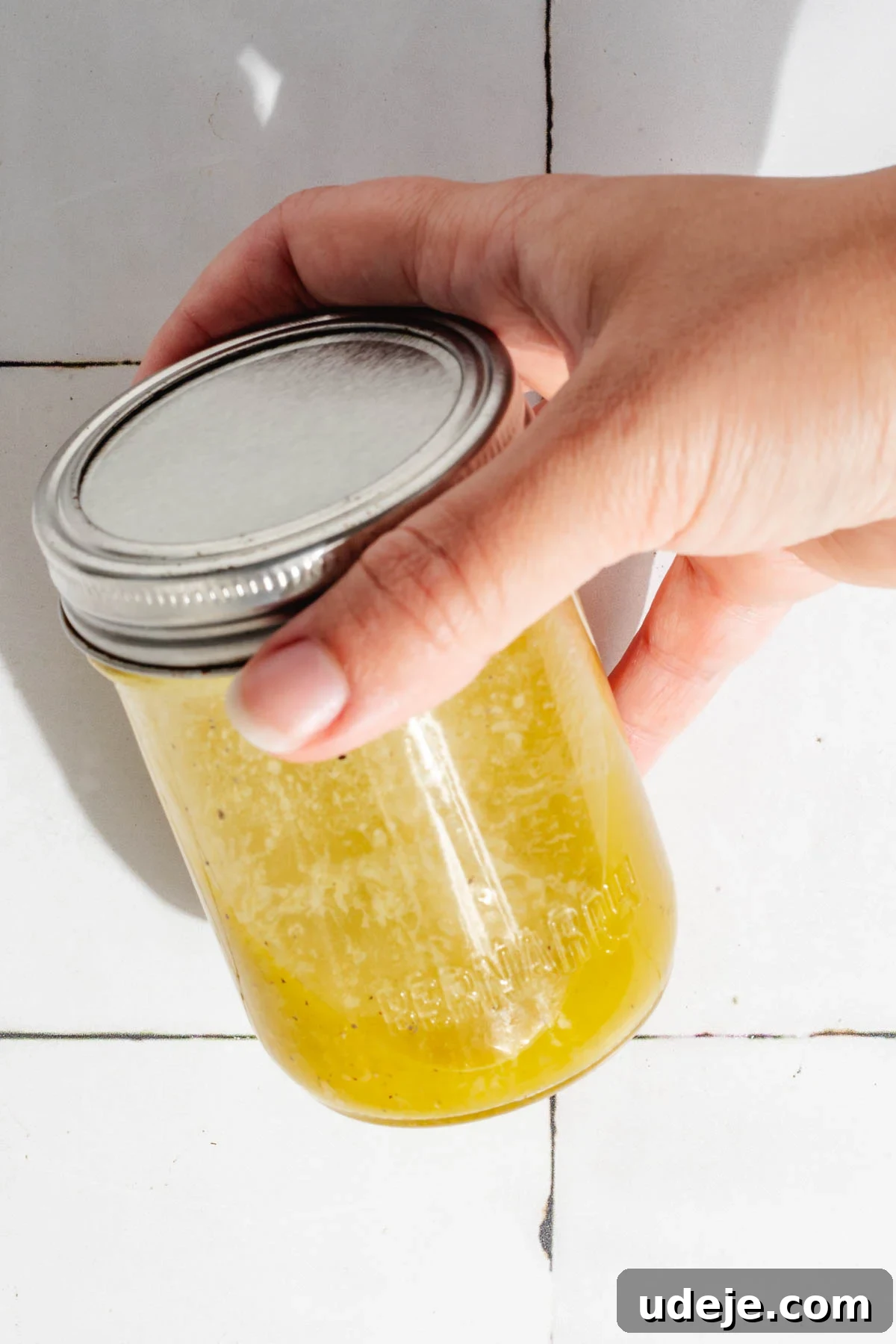
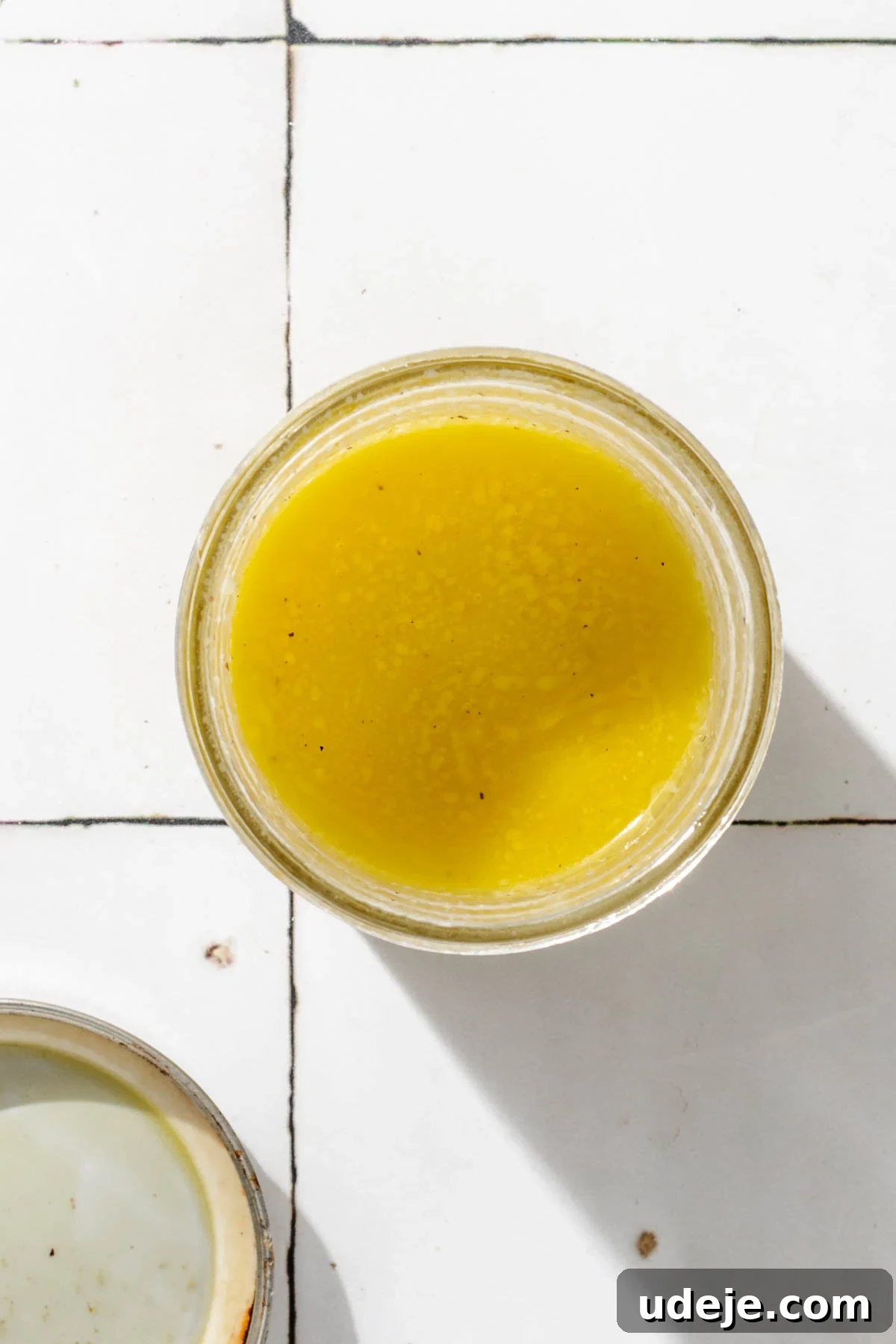
- Dress and Chill: Pour the freshly made honey mustard dressing generously over the salad ingredients in the large bowl. Toss everything gently but thoroughly to ensure every component, from the chewy freekeh to the crisp vegetables and fragrant herbs, is coated in the zesty dressing. For optimal flavor and texture, cover the bowl and refrigerate the salad for at least a few hours (or even overnight), allowing the flavors to meld and deepen as it chills. This also makes it a fantastic make-ahead option for gatherings or weekly meal prep!
Chef’s Tip for Meal Prep: If you plan to prepare this freekeh salad several hours or even a day in advance, it’s highly recommended to hold off on adding the delicate arugula until just before serving. Arugula, being a tender leafy green, can wilt and become soggy when dressed too far in advance, diminishing its fresh appeal. All the other ingredients, however, will hold up beautifully and actually become even more flavorful as they absorb the delicious honey mustard dressing in the fridge. This ensures your salad remains vibrant and crisp when it’s time to enjoy!
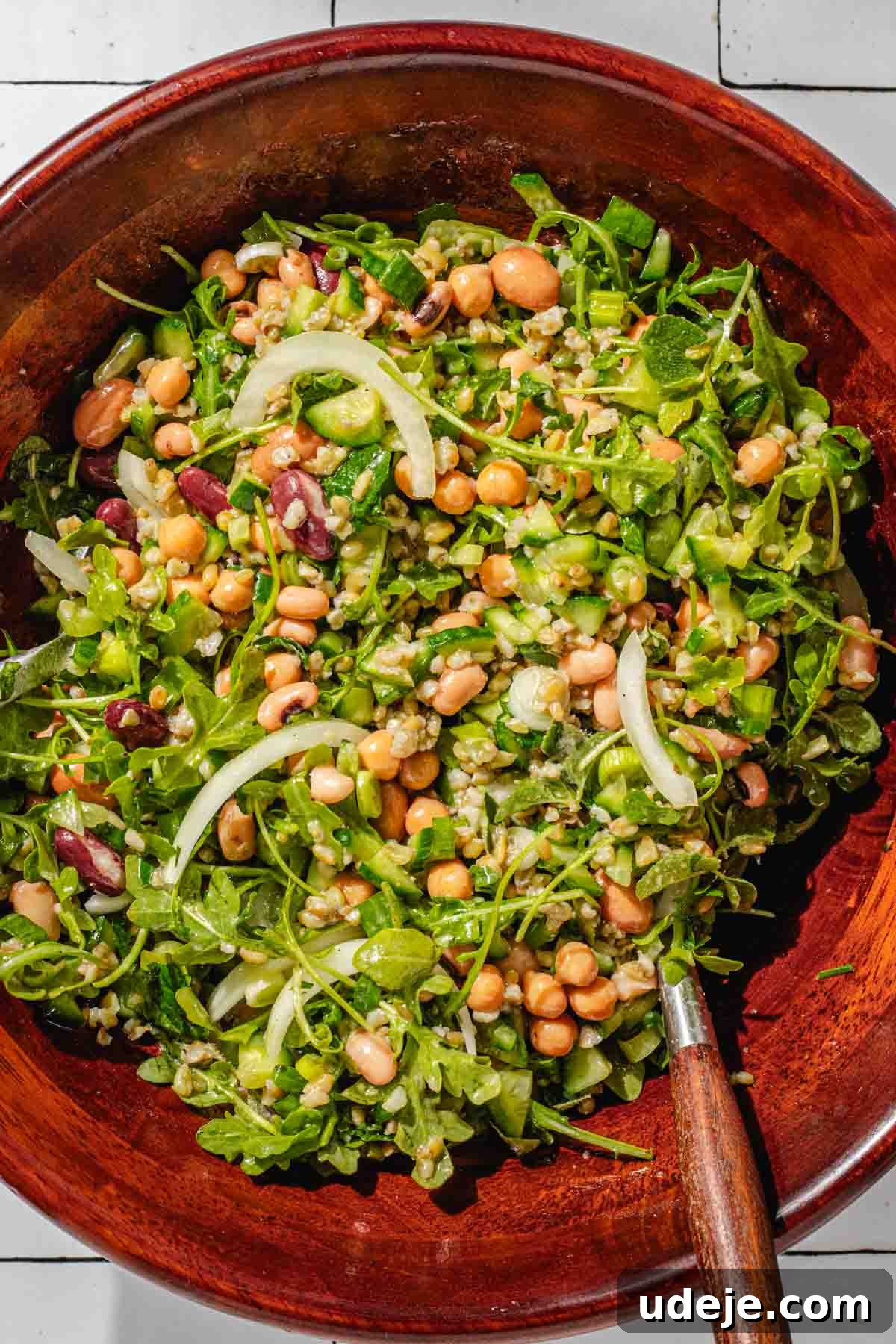
Zesty Freekeh Salad with Beans – The Full Recipe
This vibrant Zesty Freekeh Salad with Beans is a testament to how delicious, satisfying, and easy to prepare whole grains can be. With its delightful chewiness, nutty undertones, and refreshing array of fresh ingredients, it’s a perfect dish for any occasion. Prepare it for a healthy and hearty lunch, a light yet fulfilling dinner, or as a vibrant and unique side dish at your next gathering. It’s simple, nutritious, and undeniably addictive, promising a burst of flavor in every forkful!
Recipe Overview
- Yield: 4 Servings
- Prep Time: 10 minutes
- Cook Time: 40 minutes
- Total Time: 50 minutes
- Author: Amina Al-Saigh
This zesty and crunchy salad is the best introduction to freekeh: a whole grain that is chewy, nutty, and smokey, perfect for meal prep! The freekeh soaks up the honey mustard dressing and becomes quite addictive.
Ingredients
For the Freekeh:
- 1 cup freekeh (approx. 325 g)
- 2 1/4 cups chicken broth or water (approx. 530 ml)
- 1/2 teaspoon kosher salt
For the Salad:
- 2 cups Arugula, packed
- 540 ml canned mixed beans or chickpeas, drained and rinsed
- 4 Persian cucumbers, finely chopped
- 1/4 sweet white onion, thinly sliced
- 1/4 cup green onions, trimmed and chopped
- 1/4 cup fresh mint, finely chopped
- 1/2 cup parsley, finely chopped
- 1/4 cup fresh oregano (optional)
- 1/2 cup walnuts or pumpkin seeds, chopped (optional, for crunch)
- 1/2 cup raisins (optional, for sweetness)
For the Dressing:
- 1/4 cup extra virgin olive oil (approx. 45 ml)
- 1/2 cup lemon juice (approx. juice of 2 large lemons)
- 1 tablespoon Dijon mustard
- 2 tablespoons honey
- 1/2 teaspoon kosher salt, or to preference
- 1/4 teaspoon black pepper, or to preference
Instructions
To Cook the Freekeh:
- Spread the freekeh grains on a large surface and meticulously pick through them with your fingers to remove any small stones or impurities. This step is crucial for a pleasant eating experience.
- Wash the grains thoroughly with cold water and drain well. Add the cleaned freekeh to a medium saucepan along with the chicken broth (or water) and the salt. Bring the mixture to a boil over medium-high heat.
- Once boiling, reduce the heat to low, cover the pot tightly, and let it simmer for 30 to 40 minutes, or until the grains are tender with a characteristic chewiness.
- Remove the pot from the heat and allow the freekeh to cool down for at least 10 minutes, still covered. Then, fluff with a fork and let it cool completely before assembling the salad.
To Make the Salad:
- Wash and drain the canned mixed beans or chickpeas. Finely chop the Persian cucumbers and green onions. Thinly slice the sweet white onions.
- Finely chop the fresh parsley, mint, and oregano (if you are using it).
- In a large mixing bowl, combine the cooled freekeh, fresh arugula, chopped cucumbers, sliced white onions, green onions, the drained beans, and all the finely chopped fresh herbs. If using, add walnuts/pumpkin seeds and raisins.
- For the dressing, combine the extra virgin olive oil, lemon juice, Dijon mustard, honey, salt, and pepper in a small jar with a tight-fitting lid. Shake vigorously until all ingredients are well combined and emulsified into a creamy dressing.
- Pour the prepared dressing over the salad mixture. Toss gently but thoroughly to ensure all ingredients are evenly coated. Serve immediately, or chill in the refrigerator for the flavors to meld. Enjoy your Zesty Freekeh Salad!
Notes for Success and Meal Prep
- Batch Cooking Freekeh: For convenience, consider doubling the freekeh quantity when you cook it. The extra cooked freekeh can be stored in an airtight container in the fridge for up to a week, making it readily available for other salads, grain bowls, or as a healthy and flavorful side dish for future meals.
- Prepping Ahead: If you plan to serve this salad at a later time or prepare it for meal prep, it is highly recommended to add the delicate arugula only just before serving. This prevents it from wilting and becoming soggy, ensuring your salad stays fresh, crisp, and visually appealing. The other ingredients, once mixed with the dressing, will actually benefit from a few hours in the fridge as they absorb the delicious honey mustard dressing, allowing the flavors to deepen and meld beautifully.
- Enhanced Texture and Sweetness: For an additional layer of satisfying crunch and a delightful hint of sweetness, feel free to add 1/2 cup of chopped walnuts or pumpkin seeds, and/or 1/2 cup of raisins (or dried cranberries) to the salad mixture. These additions introduce wonderful contrasts that elevate the overall sensory experience of the salad.
Nutrition Information (per serving)
Calories: 373 kcal, Carbohydrates: 58g, Protein: 10g, Fat: 15g, Saturated Fat: 2g, Polyunsaturated Fat: 2g, Monounsaturated Fat: 10g, Sodium: 646mg, Potassium: 437mg, Fiber: 8g, Sugar: 12g, Vitamin A: 1,166 IU, Vitamin C: 29mg, Calcium: 131mg, Iron: 4mg
(Nutritional values are approximate and may vary based on specific ingredients and portion sizes.)
Frequently Asked Questions About Freekeh and This Salad
- What is Freekeh, and where does it come from?
- Freekeh is a healthy, ancient grain made from young, green durum wheat that is harvested early. It is then roasted over an open fire, threshed, and rubbed to remove the husks. This unique process gives it a distinctive smoky flavor and a chewy texture, making it a beloved staple in Middle Eastern and North African cuisines for centuries.
- Is Freekeh Gluten-Free?
- No, freekeh is made from wheat, so it naturally contains gluten. It is not suitable for individuals with celiac disease or gluten sensitivity. For a gluten-free alternative in this salad, consider using grains like quinoa or brown rice, which would still provide a hearty base.
- Where can I buy Freekeh?
- Freekeh is becoming increasingly popular and widely available. You can typically find it in Middle Eastern grocery stores, health food stores, well-stocked major supermarkets (often in the international foods aisle or with other grains), and through various online retailers. Look for both whole and cracked varieties.
- How does Freekeh compare nutritionally to other grains like quinoa or brown rice?
- Freekeh is notable for its exceptionally high fiber content (often more than quinoa or brown rice) and significant protein content, making it very filling and beneficial for digestive health. It also boasts a lower glycemic index compared to many other grains, which can help in managing blood sugar levels. Furthermore, it’s a fantastic source of various essential minerals like iron, calcium, and potassium.
- Can I make this Freekeh salad vegetarian or vegan?
- Absolutely! This salad is inherently vegetarian. To make it vegan, simply substitute the honey in the dressing with an equal amount of maple syrup or agave nectar. The chicken broth used for cooking freekeh can also be easily swapped for vegetable broth or water.