
The Ultimate Roasted Eggplant Fatteh: A Delectable Vegetarian Middle Eastern Delight
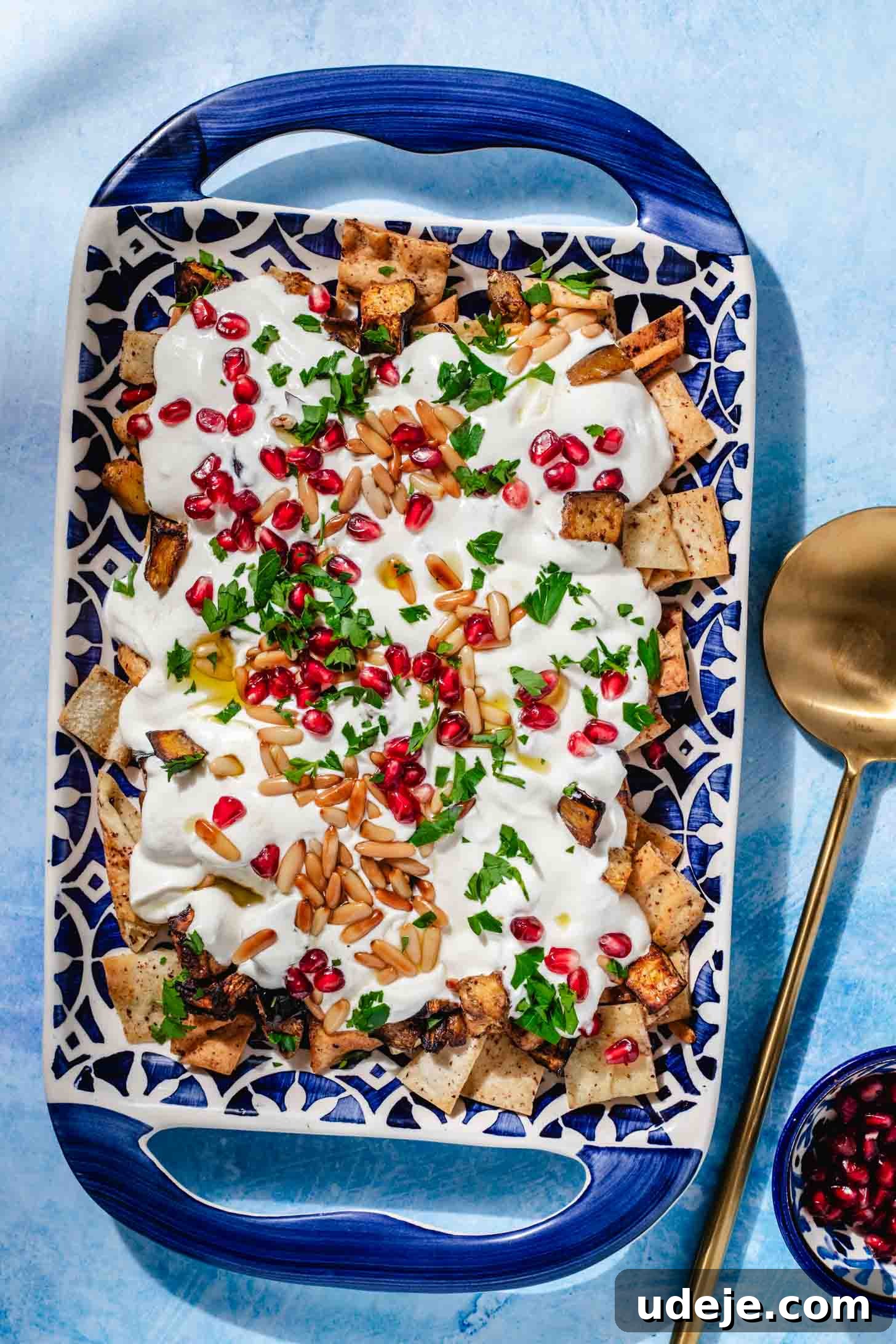
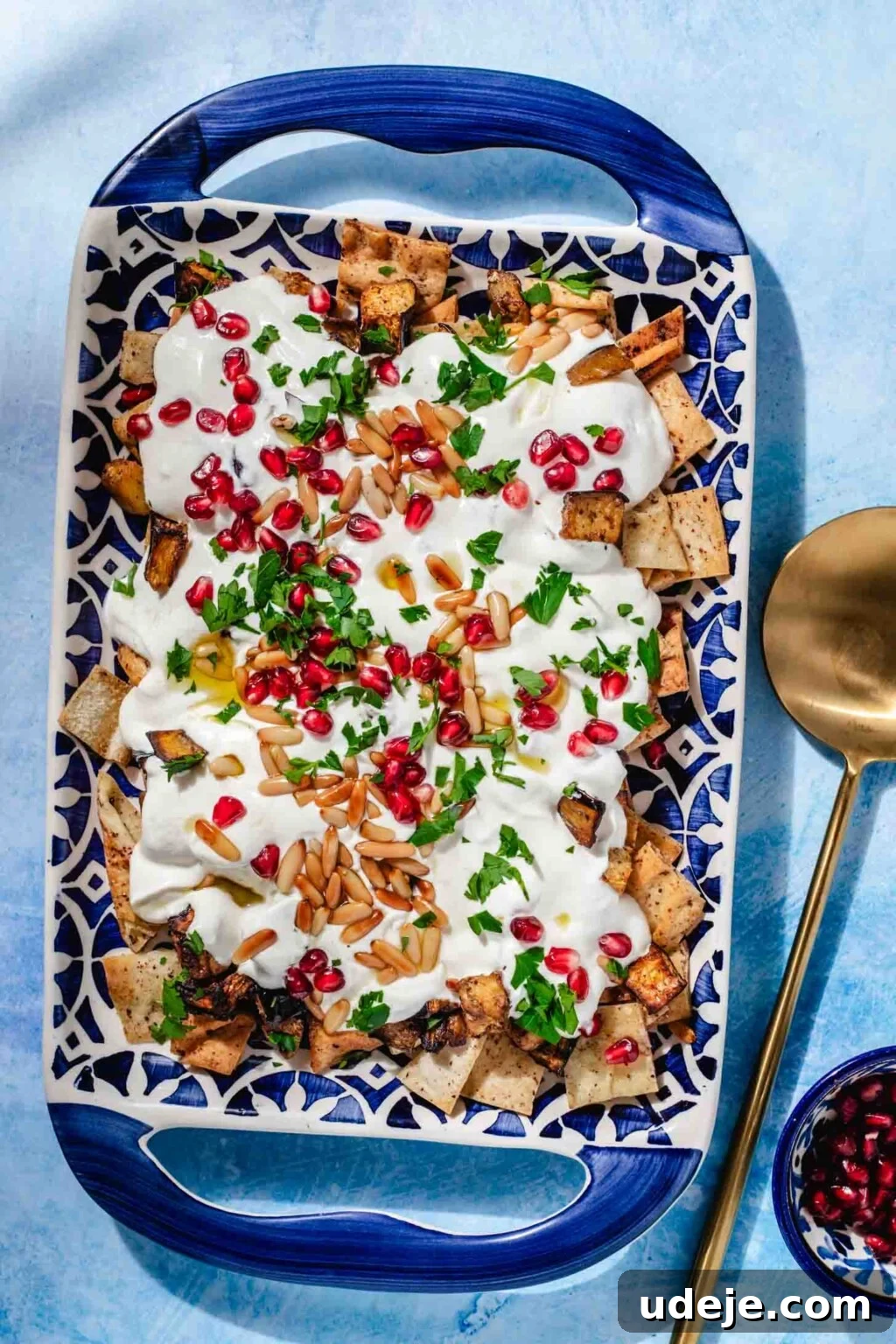
Embark on a culinary journey to the heart of the Middle East with this exceptional Eggplant Fatteh recipe. This classic vegetarian dish is a celebration of textures and flavors, promising an experience that is both comforting and exhilarating. Imagine layers of perfectly crispy pita chips, tender, savory roasted eggplant, and a luscious, garlicky yogurt tahini sauce. Each serving is elegantly finished with golden-toasted pine nuts, vibrant, juicy pomegranate seeds, and a delicate drizzle of aromatic olive oil. Whether you’re seeking a captivating mezze, a memorable appetizer, or a light yet satisfying main course, this eggplant fatteh is remarkably easy to prepare and utterly addictive – you’ll find yourself craving its unique taste again and again.
5-STAR READER REVIEW
“This recipe is a superstar! It’s low effort with high impact. It has become my go-to for every dinner party and an easy weeknight side. I’m making it tonight again for friends I’m hosting!”
—Areeba
What is Fatteh? A Rich Middle Eastern Culinary Tradition
Fatteh, pronounced “fah-teh,” is a cherished dish in Middle Eastern cuisine, renowned for its diverse variations and comforting appeal. Historically, Fatteh translates to “crumbs” or “crushed,” referring to its base of stale or fried bread. It’s a dish born from resourcefulness, designed to transform humble leftovers into a hearty and flavorful meal. Typically, Fatteh features layers of crispy bread, a protein or vegetable component, and a creamy yogurt-based sauce, often garnished with nuts and fresh herbs.
While this recipe showcases the delicious eggplant version, Fatteh comes in many forms. The most classic rendition, Fattet Hummus, highlights chickpeas as the main ingredient. Other popular variations include Chicken Fatteh, which adds a savory meat layer, or various vegetable combinations. The beauty of Fatteh lies in its flexibility, allowing cooks to create endless delicious possibilities using readily available ingredients. This particular eggplant fatteh stands out as my personal favorite among all eggplant recipes, offering a perfect blend of tradition and modern convenience.
Why This Roasted Eggplant Fatteh Recipe is a Must-Try
This Roasted Eggplant Fatteh isn’t just another Middle Eastern dish; it’s a culinary experience designed for ease, health, and incredible flavor. Here’s why this recipe will quickly become a staple in your kitchen:
Healthier & Easier: The No-Fry Approach
Unlike traditional fatteh recipes that often call for frying the eggplant and pita, this version adopts a healthier, more convenient baking or air-frying method. This significantly reduces the amount of oil used, making the dish lighter without sacrificing any of the irresistible crispy textures. Say goodbye to greasy kitchens and hello to effortless cooking!
Perfect for Any Occasion: Appetizer, Side, or Main
The versatility of this Eggplant Fatteh is truly remarkable. Traditionally served as a warm Middle Eastern appetizer or a brunch delicacy, it transcends these roles beautifully. Its substantial yet refreshing nature makes it an ideal light main course for lunch or dinner. It’s also a show-stopping dish for dinner parties, where its stunning presentation and complex flavors are guaranteed to impress guests.
Make-Ahead Friendly for Stress-Free Entertaining
One of the greatest advantages of this recipe is its adaptability for meal prep. Most components can be prepared ahead of time, allowing for quick assembly just before serving. This flexibility makes it an absolute winner for busy weeknights or when hosting, as it drastically cuts down on last-minute kitchen stress. Imagine having all your ingredients ready to layer and serve a fresh, vibrant dish in minutes!
A Symphony of Textures and Flavors
From the satisfying crunch of sumac-dusted pita chips to the melt-in-your-mouth tenderness of roasted eggplant, every bite offers a delightful textural contrast. The creamy, tangy, and garlicky yogurt tahini sauce binds it all together with a rich depth of flavor. The toasted pine nuts add a buttery crunch, while the bright pomegranate seeds and fresh parsley introduce bursts of sweetness and herbaceous notes, culminating in a perfectly balanced and incredibly addictive dish.
Crafting Your Eggplant Fatteh: A Step-by-Step Visual Guide
Preparing this exquisite Eggplant Fatteh is a straightforward process that yields incredibly rewarding results. Follow these simple steps to create a masterpiece of Middle Eastern cuisine:
1. Prepare the Eggplant
Begin by selecting a large globe eggplant, which is ideal for dicing into uniform cubes. To reduce the toughness of the skin while retaining some texture, peel the eggplant in a “zebra pattern” – peeling strips and leaving some skin on. Then, chop the eggplant into small, approximately 1/2-inch cubes. In a bowl, toss the eggplant cubes with a generous amount of olive oil, salt, sumac, and paprika, ensuring every piece is well coated for maximum flavor.
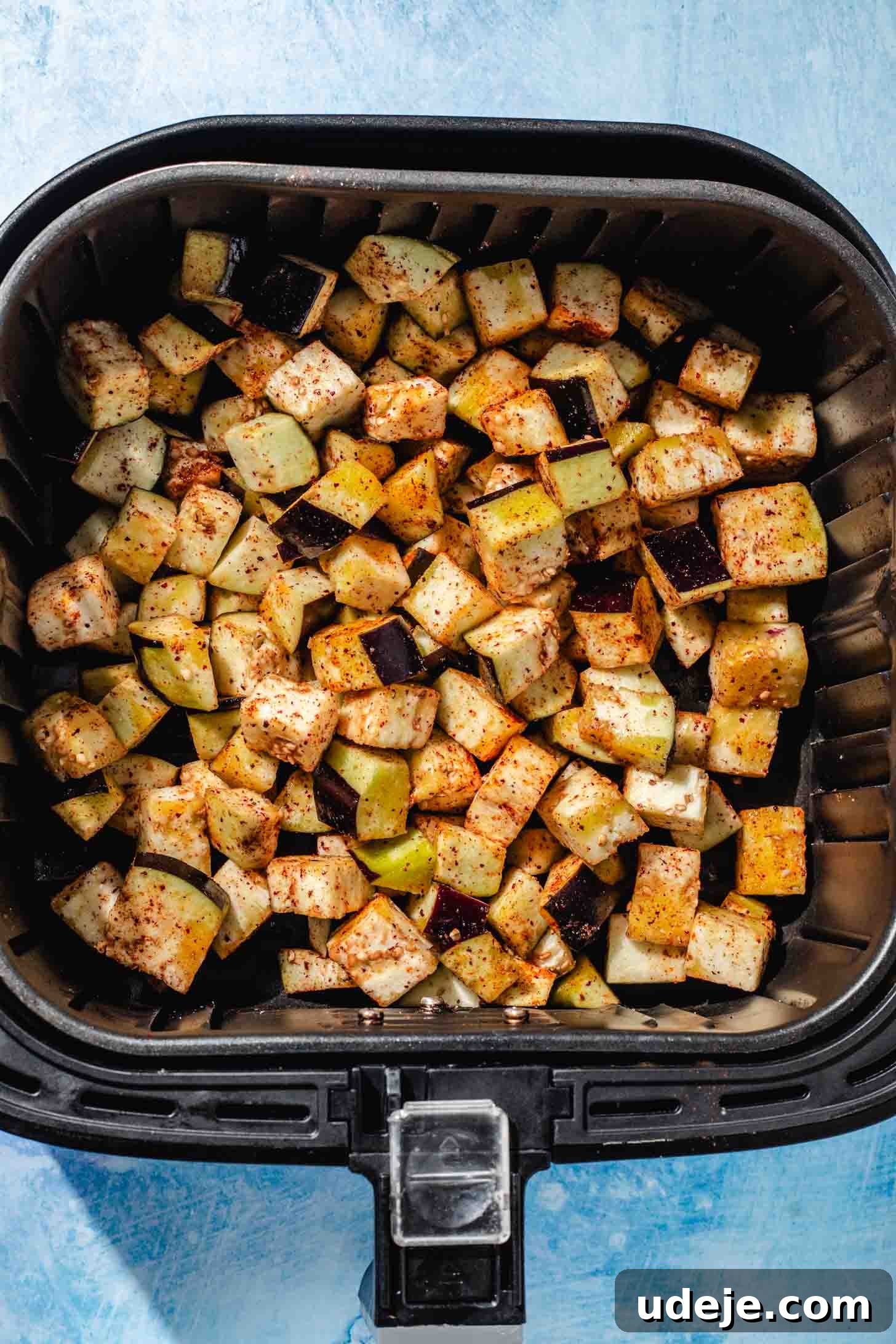
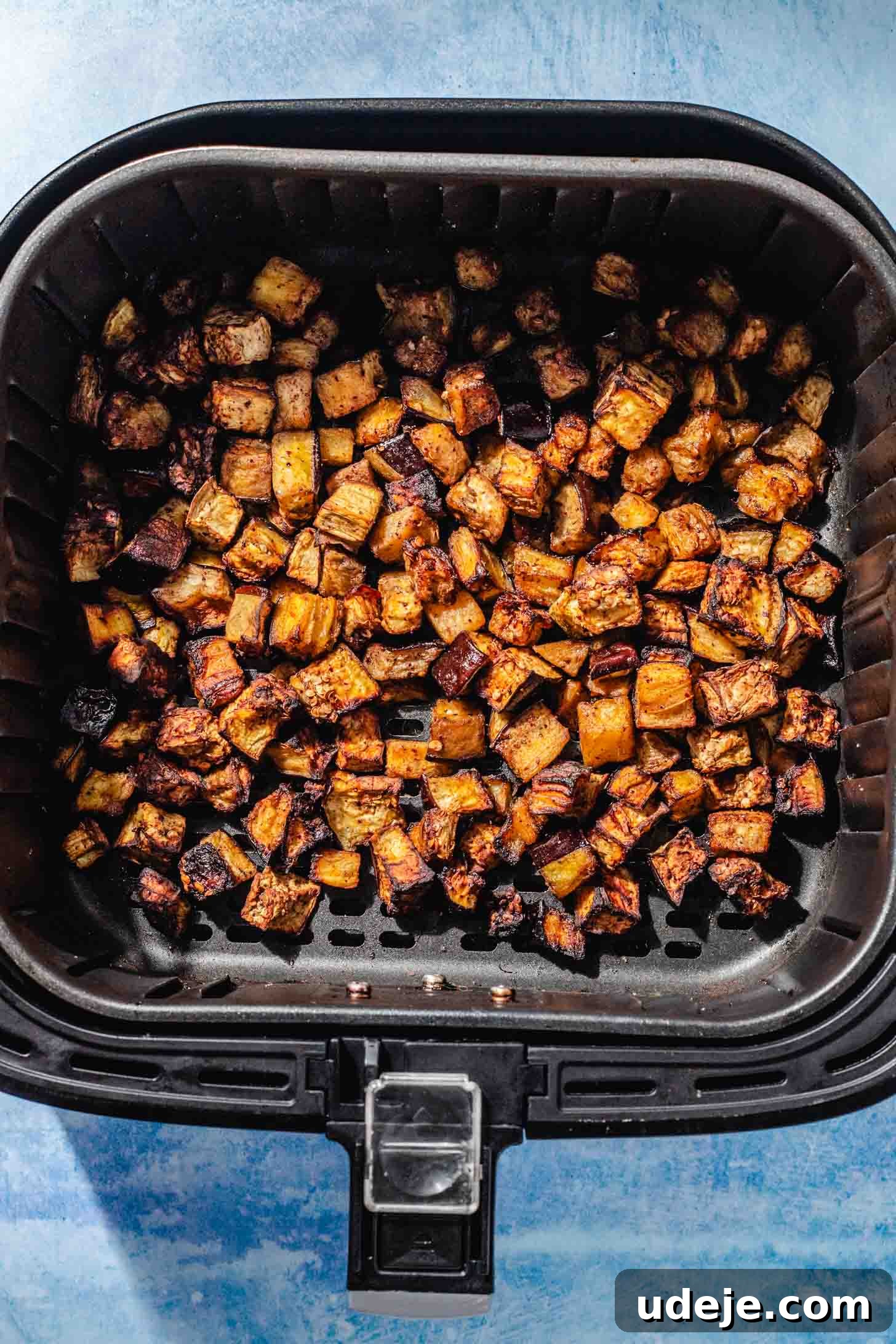
Spread the seasoned eggplant in a single layer on a lined baking sheet (use two if necessary to avoid overcrowding). Roast in a preheated oven at 425°F (220°C) for about 30 minutes, or until the eggplant is beautifully golden and fork-tender. Alternatively, for a quicker option, air fry at 380°F (190°C) for 20-23 minutes, shaking the basket occasionally.
2. Prepare the Crispy Pita Chips
The crispy pita chips are a cornerstone of Fatteh’s delightful texture. Take 8-inch round pita breads and cut them into roughly 1-inch squares, similar in size to your eggplant cubes. Toss these pita pieces with olive oil and sumac, ensuring they are evenly coated. Sumac adds a wonderful tangy, citrusy note that complements the dish perfectly.
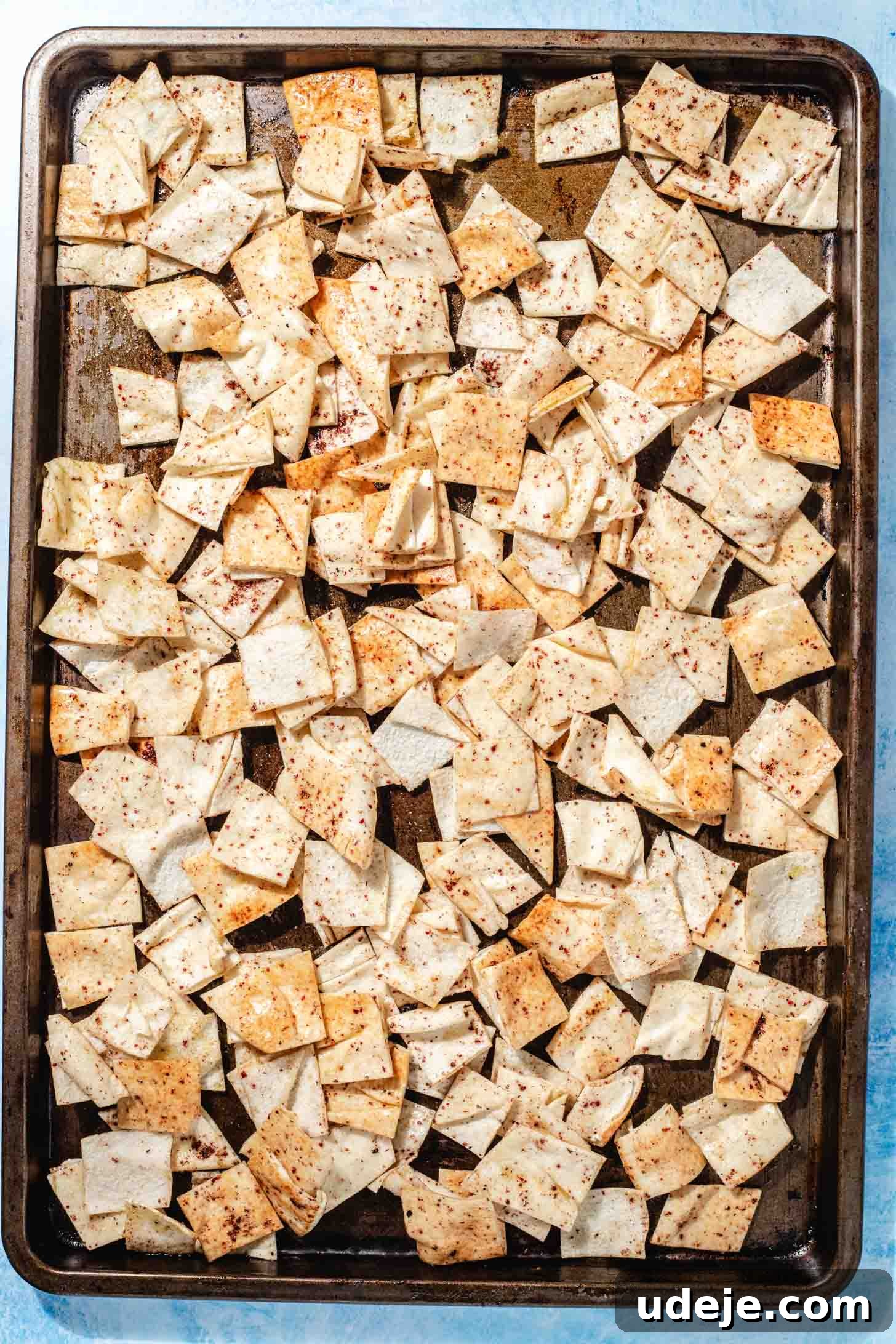
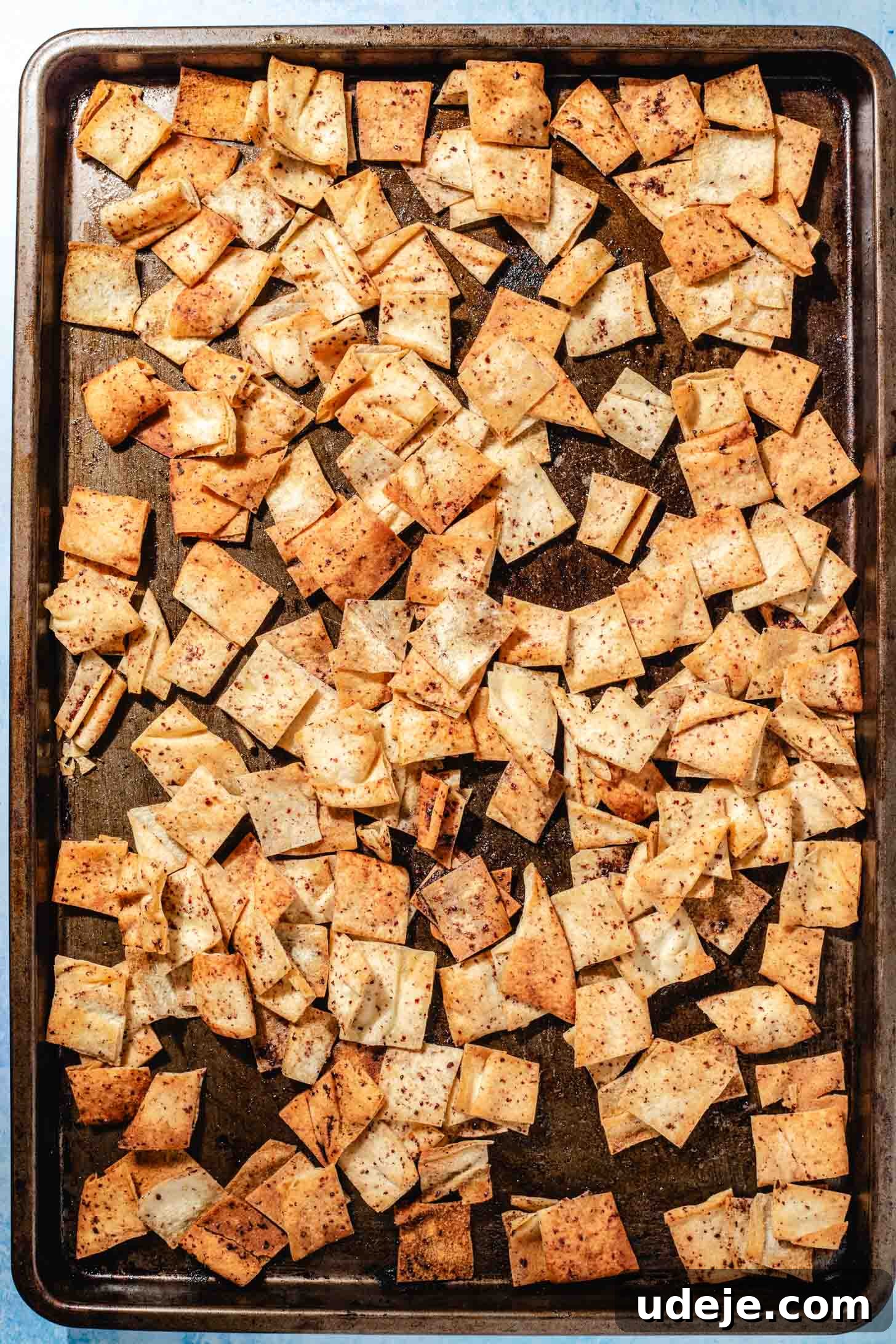
Arrange the seasoned pita squares in a single layer on a lined baking sheet and bake at 425°F (220°C) for 10-12 minutes, or until they achieve a beautiful golden hue and a satisfying crispness. Alternatively, you can pan-fry them in batches with a little olive oil, stirring constantly until golden and crunchy.
3. Prepare the Creamy Yogurt Tahini Sauce
The heart of the Fatteh’s creaminess lies in its garlicky yogurt tahini sauce. In a medium bowl, combine plain yogurt, rich tahini, a minced garlic clove, and the juice of half a lemon. Season with salt to taste. Whisk all ingredients thoroughly until the sauce is smooth and creamy. If the sauce appears too thick, gradually add a small amount of water or an extra squeeze of lemon juice until you reach your desired consistency. Taste and adjust seasonings as needed.
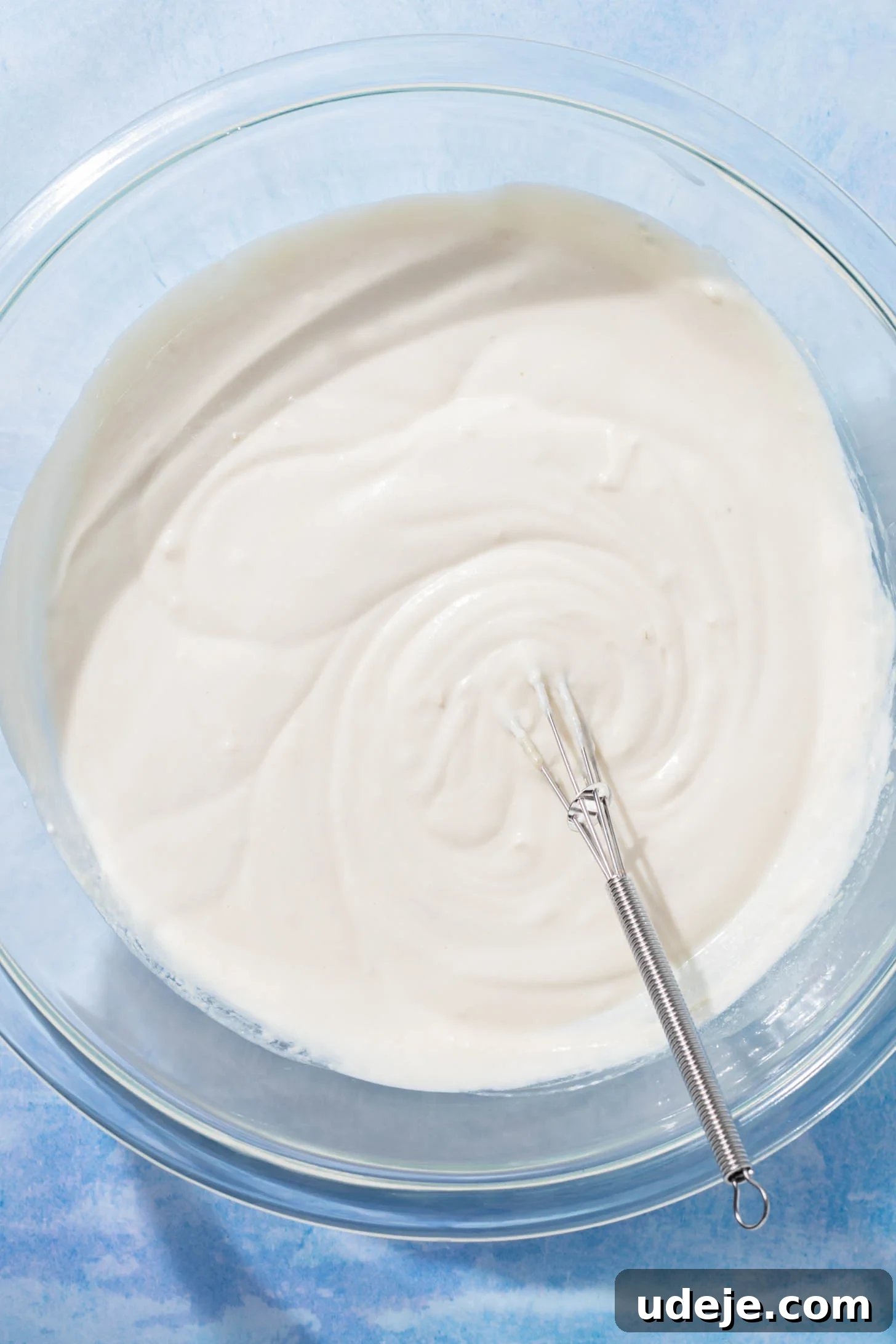
4. Prepare the Garnish
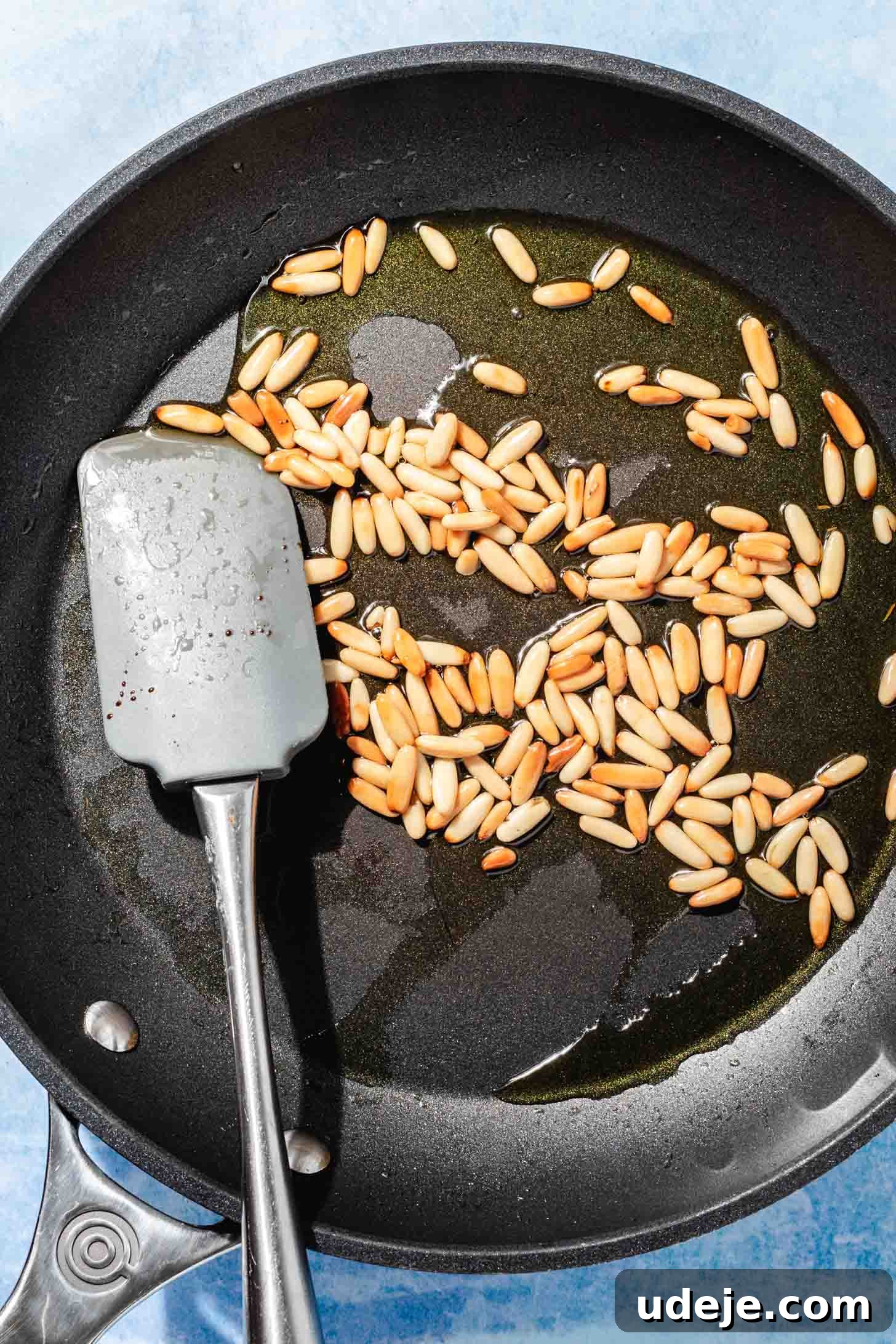
The garnish adds the final touch of flavor and visual appeal. In a small pan, heat a couple of tablespoons of olive oil over medium heat. Add slivered almonds or pine nuts and toast them, stirring constantly, until they turn a beautiful light golden brown. Be careful not to burn them, as they can toast quickly. Set aside. Finely chop fresh parsley, and if using, prepare your juicy pomegranate seeds.
5. Assemble and Serve
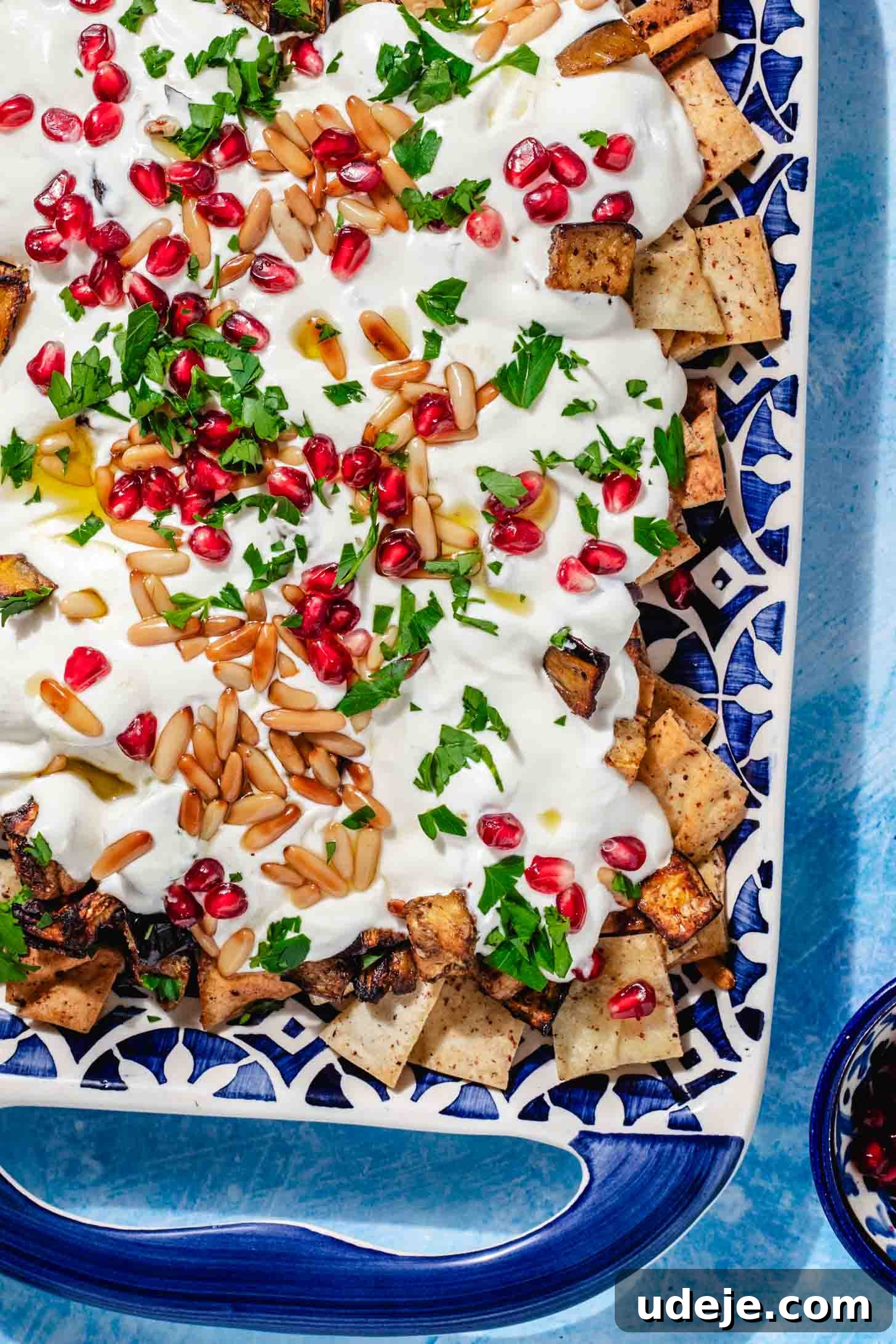
The key to the ultimate Fatteh experience is assembling the dish just before serving. This ensures that your pita chips remain wonderfully crispy. Begin by creating a generous layer of the toasted pita chips at the bottom of your serving platter. Next, spoon over the tender roasted eggplant cubes. Drench these layers with the creamy yogurt tahini sauce, allowing it to cascade over the eggplant and seep into the pita. Finally, adorn your Fatteh with the toasted nuts, a sprinkle of fresh chopped parsley, and a scattering of vibrant pomegranate seeds (if using). For an extra touch of richness, a final drizzle of good quality olive oil can be added. Serve immediately and watch it disappear!
Master Your Meal Prep: Make-Ahead Tips for Fatteh
One of the fantastic aspects of this Eggplant Fatteh is its adaptability for advance preparation. This makes it perfect for entertaining or enjoying a delicious meal on a busy schedule. Here are some invaluable tips for making components ahead of time while maintaining optimal freshness and texture:
- Roasted Eggplant: You can roast the eggplant a day in advance. Once cooled, transfer it to an airtight container and store it in the refrigerator. Before assembling, gently reheat the eggplant in the oven or microwave to bring it back to a warm, tender state.
- Crispy Pita Chips: The pita chips can be baked or fried earlier in the day. Allow them to cool completely, then store them in an airtight container at room temperature. It’s crucial to keep them separate from other ingredients; as long as they aren’t combined with anything moist, they will retain their desirable crispness.
- Yogurt Tahini Sauce: Prepare the sauce ahead of time and store it covered in the refrigerator. You might notice it thickens slightly overnight. Before serving, give it a good whisk and adjust the consistency by adding a little water or a splash of lemon juice until it’s smooth and pourable again.
- Garnish (Toasted Nuts): The pine nuts or slivered almonds can be toasted hours before serving. Once cooled, store them in a small bowl at room temperature. They will retain their crunch. Fresh parsley can be chopped just before serving for best results, and pomegranate seeds can be prepared in advance and stored in the fridge.
- Key to Freshness: The most important rule for make-ahead Fatteh is to assemble the entire dish right before you plan to serve it. The pita chips will begin to soften once they come into contact with the sauce, typically within 1.5 to 2 hours. Layering at the last minute guarantees that delightful textural contrast.
Frequently Asked Questions (FAQ) About Eggplant Fatteh
What kind of eggplant is best for Fatteh?
For this recipe, large globe eggplants are ideal because they are easy to dice into uniform 1-inch cubes. Their texture holds up well to roasting, becoming tender without becoming mushy. However, if globe eggplants are not available, Italian or even Japanese eggplants can be used, though you might need to adjust cooking times slightly.
Can I make this Eggplant Fatteh vegan?
Absolutely! To make this Fatteh entirely vegan, simply substitute the plain yogurt with a good quality plain, unsweetened plant-based yogurt (such as almond, soy, or oat yogurt). Ensure your pita bread does not contain any dairy products, which is usually the case but always good to check. All other ingredients are naturally vegan.
How can I prevent the pita chips from getting soggy?
The trick to keeping your pita chips crispy is to assemble the Fatteh just before serving. The moment the pita comes into contact with the moist eggplant and yogurt sauce, it will start to absorb liquid. While some slight softening is inevitable and even pleasant for some, immediate serving after layering ensures the maximum crunch factor.
What should I serve with Eggplant Fatteh?
Eggplant Fatteh is incredibly versatile. As an appetizer or mezze, it pairs wonderfully with other Middle Eastern dips like hummus or baba ghanoush, fresh salads like tabbouleh, and grilled meats or kebabs. If serving as a light main, it’s hearty enough on its own, but a simple green salad or a side of pickled vegetables would complement it beautifully.
Explore More Delectable Eggplant Recipes
If you tried these recipes, please consider leaving a star rating in the recipe card below and/or a review in the comments section further down the page – I’d love to hear from you! You can also hop on over to Instagram and say hello!
Roasted Eggplant Fatteh (Vegetarian)
6
servings
10
mins
30
mins
40
mins
Amina Al-Saigh
Leave a Review
Pin Recipe
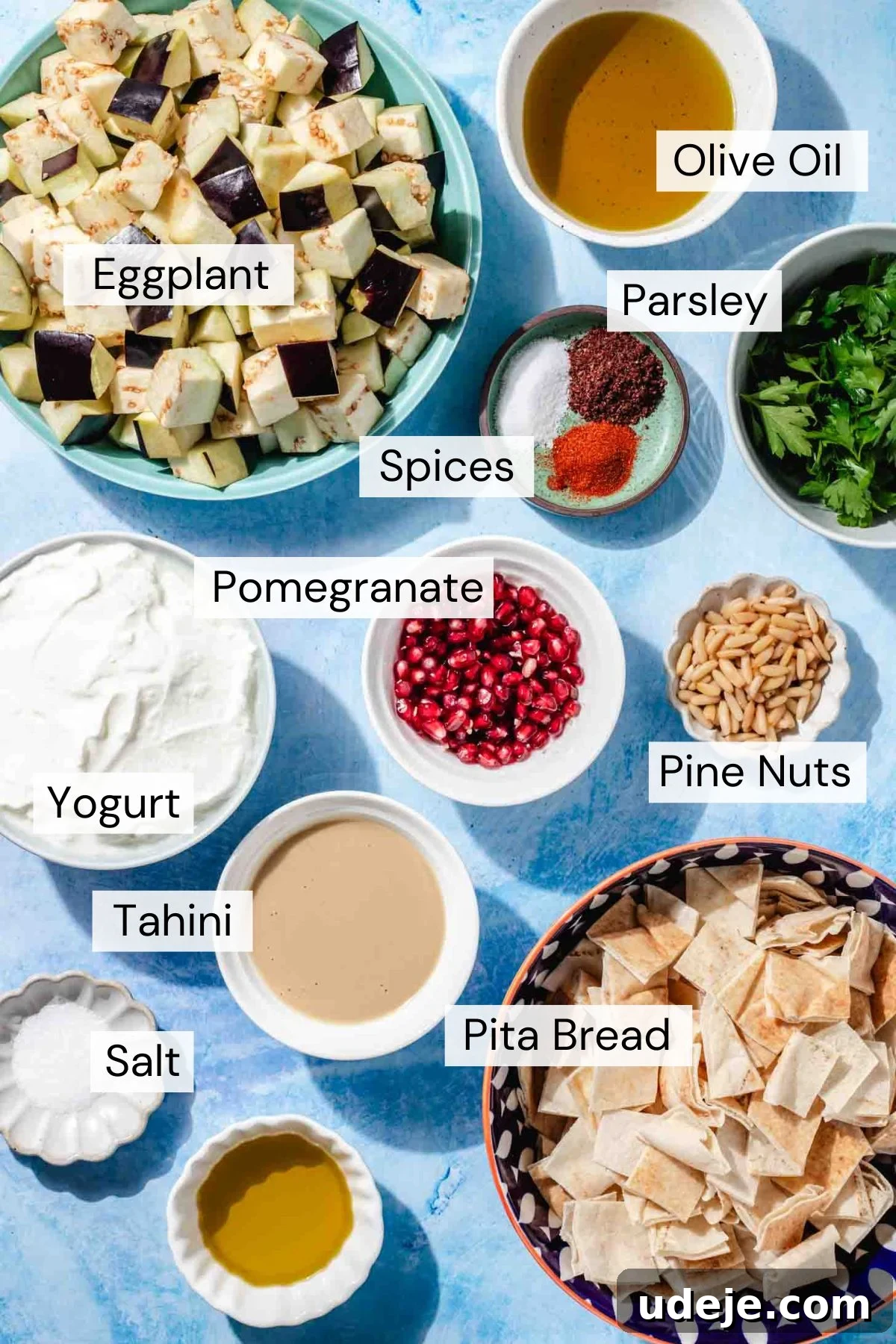
Ingredients
For the Eggplant
- 1 large eggplant
- 1/4 cup olive oil
- 1 tsp salt
- 1 tsp sumac
- 1/2 tsp paprika
For the Pita
- 4 8″ Round Pita breads
- 1/4 cup olive oil
- 2 tsp sumac
For the Sauce
- 2 cups plain yogurt
- 1/2 cup tahini
- 1 garlic clove, minced
- 1/2 Lemon, juiced
- 1/4 tsp salt, or to taste
For the Garnish
- 1/4 cup slivered almonds or pine nuts
- 2 tbsp olive oil
- 1/4 cup parsley, finely chopped
- 1/4 cup pomegranate seeds, optional
Instructions
For the Eggplant
-
Preheat oven to 425°F (220°C).
-
Chop the eggplant into 1-inch cubes and toss with olive oil, salt, sumac, and paprika. Ensure all pieces are well coated.
-
Lay the seasoned eggplant in a single layer on a lined baking sheet (use two if necessary) and bake for 30 minutes at 425°F (220°C). Alternatively, air fry the eggplant at 380°F (190°C) for 20-23 minutes.
For the Pita
-
Cut the pita bread into 1-inch squares (similar in size to the eggplant) and coat thoroughly with olive oil and sumac.
-
Lay the pita pieces in a single layer on a lined baking sheet and bake for 10-12 minutes at 425°F (220°C) until golden and crispy. Alternatively, fry in batches in a non-stick pan on the stove, stirring constantly until golden.
For the Sauce
-
Add the plain yogurt to a bowl and whisk until smooth with a fork. Add in all other sauce ingredients (tahini, garlic, lemon juice, salt) and mix well.
-
If necessary, add a bit of water to thin out the sauce to your desired consistency. Taste and adjust seasonings.
For the Garnish
-
In a pan, fry the slivered almonds or pine nuts in olive oil over medium heat until golden brown, stirring constantly.
-
Finely chop fresh parsley and prepare pomegranate seeds if using.
For the Layering
-
Assemble the Fatteh just before serving: lay the crispy pita chips at the bottom of your serving platter, followed by the roasted eggplant, then generously spoon over the creamy yogurt tahini sauce, and finally, garnish with the toasted nuts, chopped parsley, and pomegranate seeds. Serve immediately.
Notes
- You can bake the eggplant a day ahead and reheat it just before serving for optimal warmth and texture.
- The pita chips can be prepared earlier in the day and stored at room temperature in an airtight container. They will remain crispy as long as they are kept separate from moist ingredients.
- The sauce can be made ahead of time and stored in the fridge. Note that it might thicken overnight, so you may need to adjust its consistency by adding a little water or lemon juice before serving.
- The almonds or pine nuts should be fried the same day but can be done a few hours ahead and stored in a bowl at room temperature.
Serving:
1
Serving
,
Calories:
526
kcal
,
Carbohydrates:
37
g
,
Protein:
12
g
,
Fat:
39
g
,
Saturated Fat:
7
g
,
Polyunsaturated Fat:
8
g
,
Monounsaturated Fat:
23
g
,
Cholesterol:
11
mg
,
Sodium:
733
mg
,
Potassium:
517
mg
,
Fiber:
5
g
,
Sugar:
8
g
,
Vitamin A:
337
IU
,
Vitamin C:
12
mg
,
Calcium:
186
mg
,
Iron:
2
mg
Did you make this recipe?
Please leave a star rating and review below!