
Lebanese Moghrabieh: The Ultimate Pearl Couscous Chicken Stew Recipe
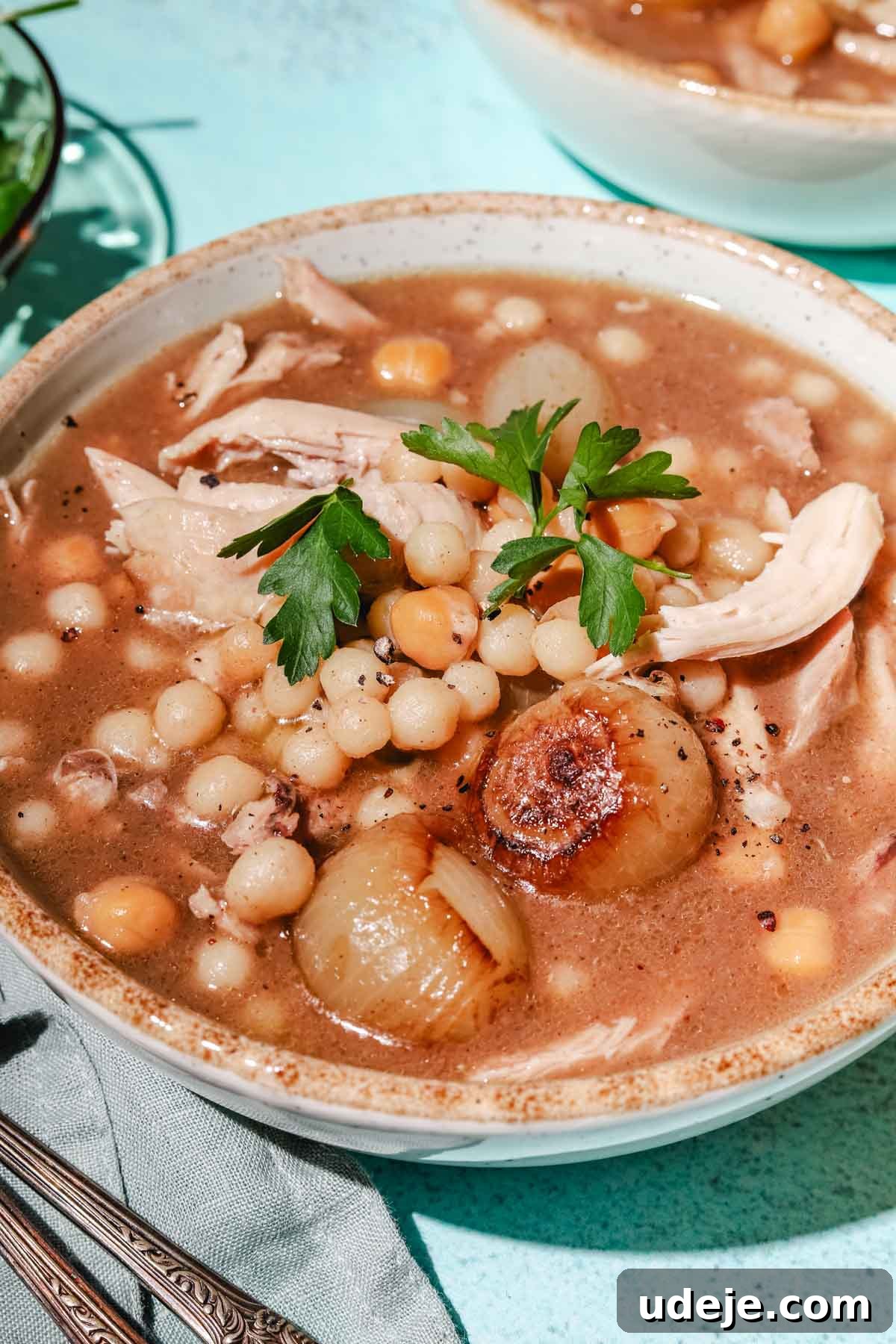
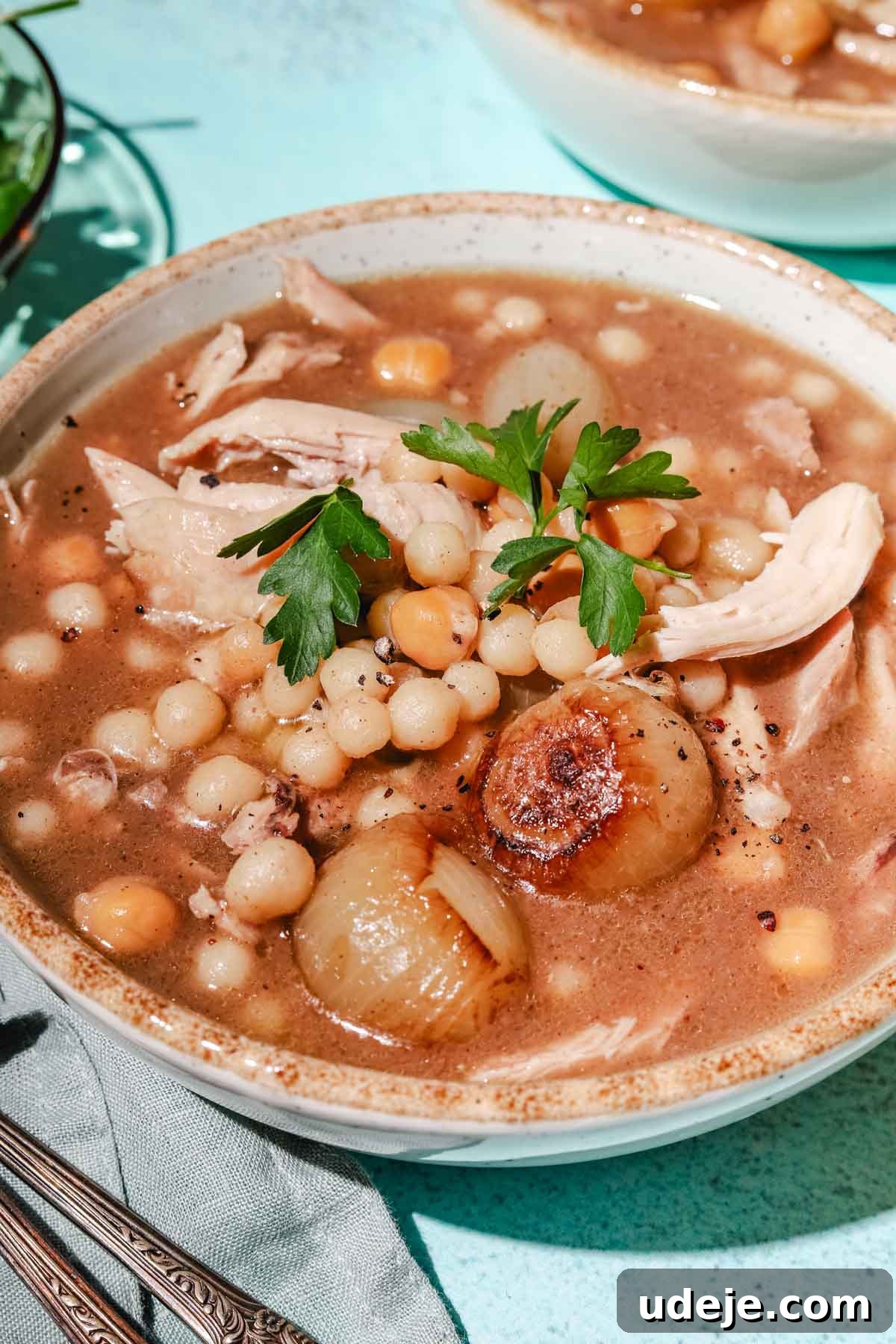
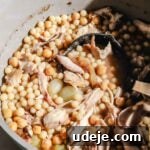
Embark on a culinary journey to the heart of Lebanon with Moghrabieh, a comforting and deeply flavorful stew. This traditional Lebanese dish, named after its star ingredient – large pearl couscous known as “moghrabieh” – is a true embrace in a bowl. It features a rich, warmly spiced chicken broth, tender shredded chicken, sweet caramelized pearl onions, and hearty chickpeas, all mingling with the chewy, satisfying pearl couscous. Despite its impressive depth of flavor, Moghrabieh is surprisingly straightforward to prepare, making it a perfect hearty meal for any occasion, especially when you crave a taste of authentic Middle Eastern comfort food.
Moghrabieh: The Heart of Levantine Cuisine
Moghrabieh refers to both the unique pearl couscous itself and the beloved stew made with it. In Arabic, the name “moghrabieh” translates to “from Morocco,” a nod to the birthplace of couscous. While sharing the same durum-based semolina flour as its Moroccan counterpart, Lebanese Moghrabieh stands out with its significantly larger size, typically measuring around 4-5mm in diameter. This generous size gives it a distinctive, satisfying chew and allows it to absorb the rich flavors of the stew beautifully.
Lebanese cuisine is globally celebrated for its vibrant and fresh dishes like tabouli, succulent grilled meats such as shawarma and shish tawook, and an array of enticing cold mezze. However, many outside the region are less familiar with the everyday homemade stews and warming comfort foods that form the soul of Lebanese home cooking. Among these cherished dishes, Moghrabieh holds a special place, often considered the most popular and comforting stew, particularly during cooler months or family gatherings. It’s a testament to the cuisine’s versatility, showcasing the less-known, deeply satisfying side of Lebanese culinary traditions.
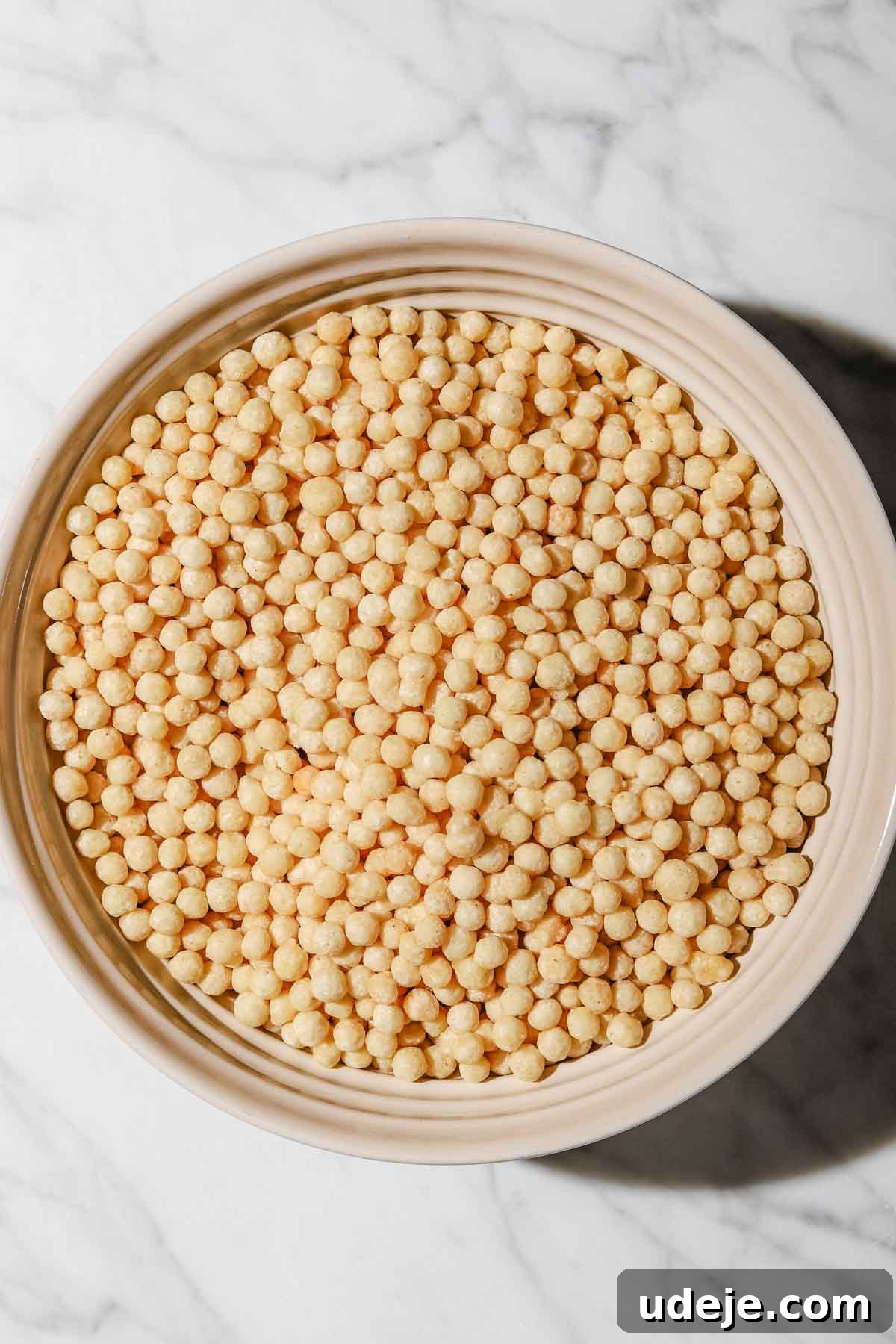
You can typically find dry Moghrabieh pearl couscous in most well-stocked Middle Eastern grocery stores or specialty food markets. These small, spherical pasta-like grains are then rehydrated by boiling them in a flavorful chicken broth for about 20 minutes until they achieve a tender, yet distinctly chewy texture with a slight bite. This unique consistency is what sets Moghrabieh apart and makes it so enjoyable to eat.
The Moghrabieh stew is renowned for its incredibly aromatic chicken broth base, infused with a distinct blend of warming spices. The key spices that define its flavor profile are caraway, cumin, cinnamon, and Lebanese seven-spice. Of these, ground caraway is the predominant flavor, lending an earthy, slightly sweet, and utterly unique taste that makes this dish instantly recognizable and deeply satisfying. While some Middle Eastern stores offer pre-mixed “moghrabieh spice blends,” you can easily create the authentic flavor yourself using individual spices from your pantry.
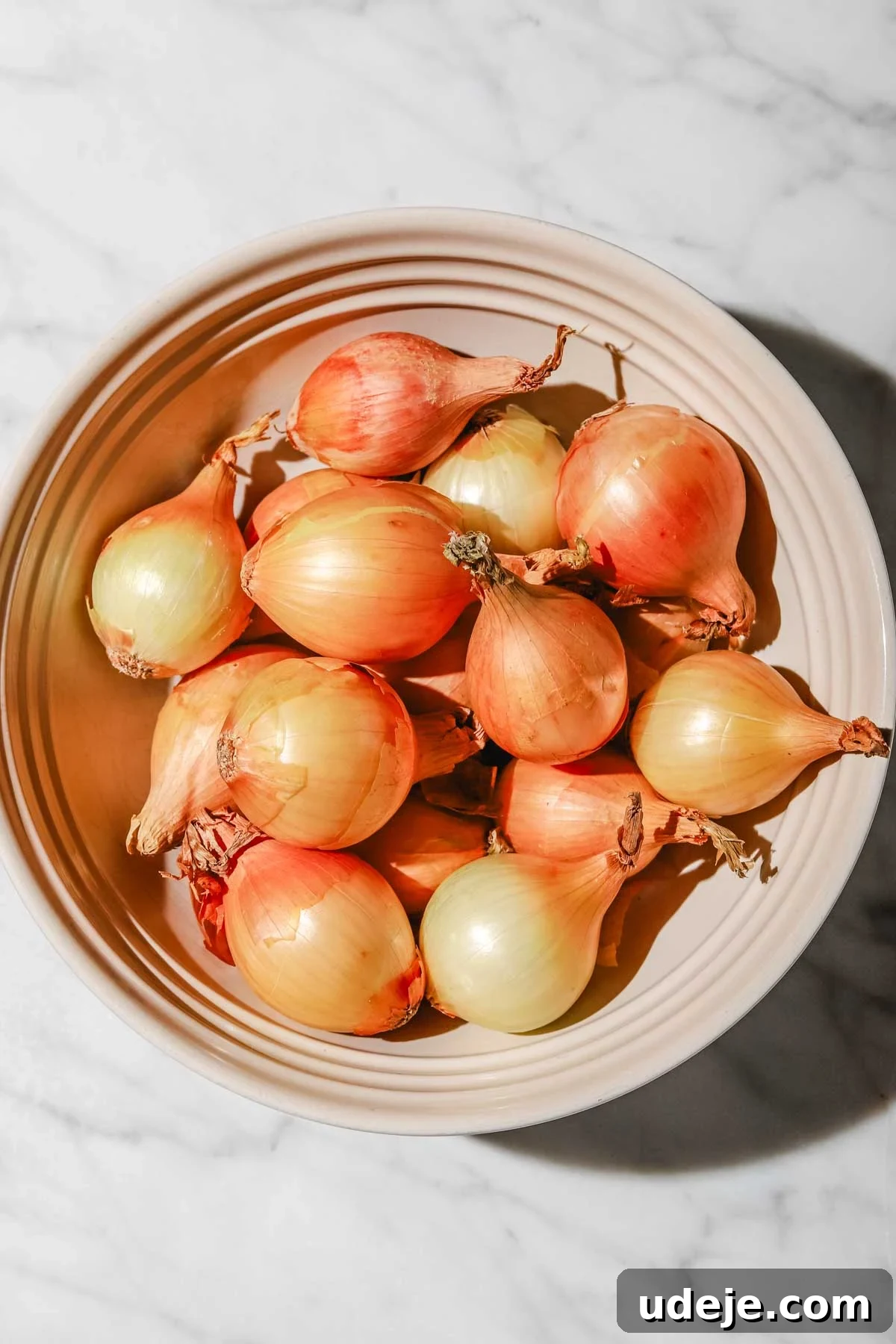
Another signature element of this classic stew is the inclusion of sweet pearl onions. These small, delicate onions caramelize beautifully, adding bursts of concentrated sweetness and a delightful texture that complements the other ingredients. While you can substitute them with regular chopped onions if necessary, the pearl onions truly elevate the dish, making each spoonful a unique experience.
Essential Ingredients for an Authentic Moghrabieh
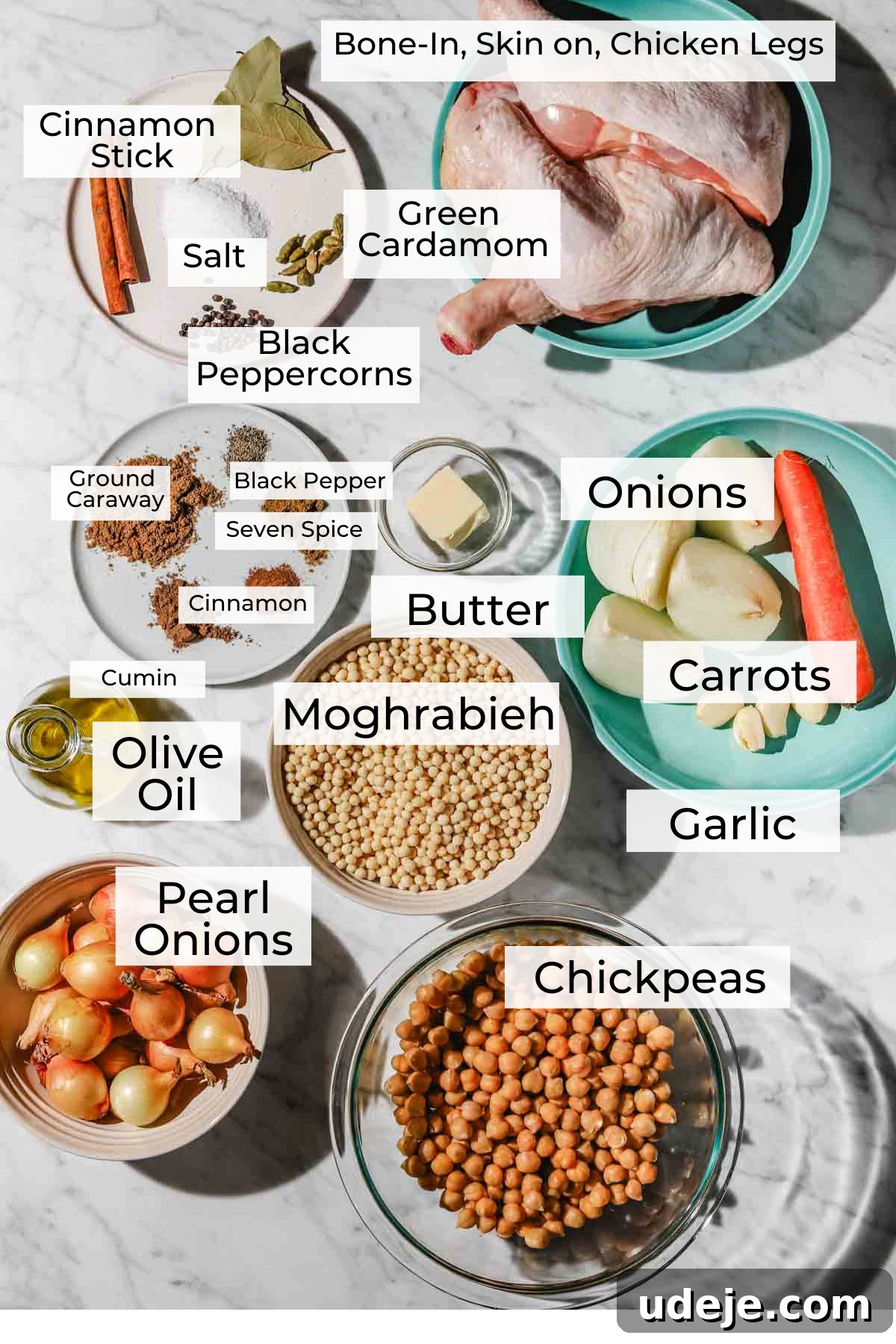
Crafting a truly flavorful Moghrabieh stew begins with selecting high-quality ingredients. Here’s what you’ll need to gather:
- Bone-in, Skin-on Chicken: This is crucial for developing a rich, deeply flavorful broth. Using a whole chicken cut into pieces, or chicken leg quarters, will yield superior results compared to boneless, skinless breast meat, as the bones and skin impart significant depth to the stock.
- Aromatic Vegetables (Onions, Garlic, Carrots): These foundational vegetables are essential for building layers of flavor in your chicken broth. While onions and garlic are non-negotiable for their aromatic properties, carrots add a touch of sweetness and color. If carrots are unavailable, don’t let it deter you from making the stew.
- Whole Spices for the Broth: Infusing your broth with whole spices creates an incredibly fragrant and complex base. We recommend using green cardamom pods, cinnamon sticks, black peppercorns, and bay leaves for an authentic Lebanese aroma. These whole spices release their flavors slowly, creating a nuanced broth.
For the main components of the Moghrabieh stew itself, you will need:
- Chickpeas: Canned chickpeas are a convenient option. Be sure to drain and rinse them thoroughly to remove excess sodium and improve their texture.
- Moghrabieh Pearl Couscous: As the namesake ingredient, large pearl couscous is indispensable. Look for it in the pasta or international foods aisle of your local Middle Eastern grocery store.
- Pearl Onions: These small, sweet onions are a hallmark of Moghrabieh. Their delicate flavor and delightful texture when caramelized are unmatched. If you absolutely cannot find them, three large diced regular onions can be used as a substitute, but the pearl onions truly enhance the experience.
Pearl onions are generally rounder than shallots and roughly the same size, making them easy to distinguish. They impart a subtle sweetness and an enjoyable texture that makes the dish extra special, so it’s worth seeking them out for the most authentic flavor and experience.
Crafting Your Moghrabieh: A Step-by-Step Guide
Follow these detailed steps to create a rich broth and assemble your authentic Moghrabieh stew:
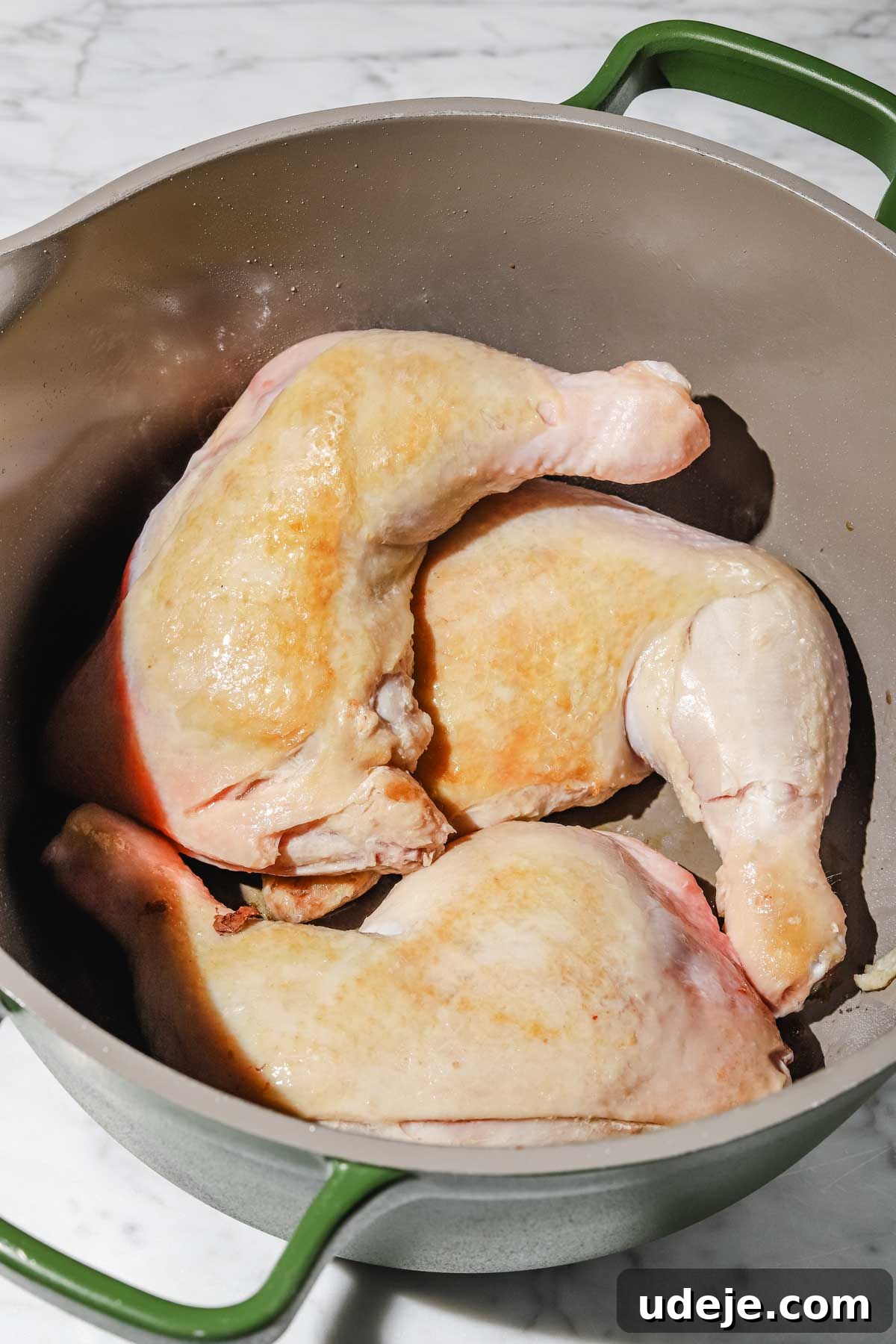
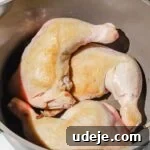
Step 1: Sear the Chicken for a Richer Broth. Begin by heating olive oil in a large stockpot over medium-high heat. Carefully place the bone-in, skin-on chicken pieces into the hot oil and sear them for a few minutes on each side until they achieve a beautiful golden-brown color. This crucial step, known as the Maillard reaction, caramelizes the chicken’s surface, locking in juices and adding a layer of deep, savory flavor to your broth that simply cannot be skipped for an authentic taste.
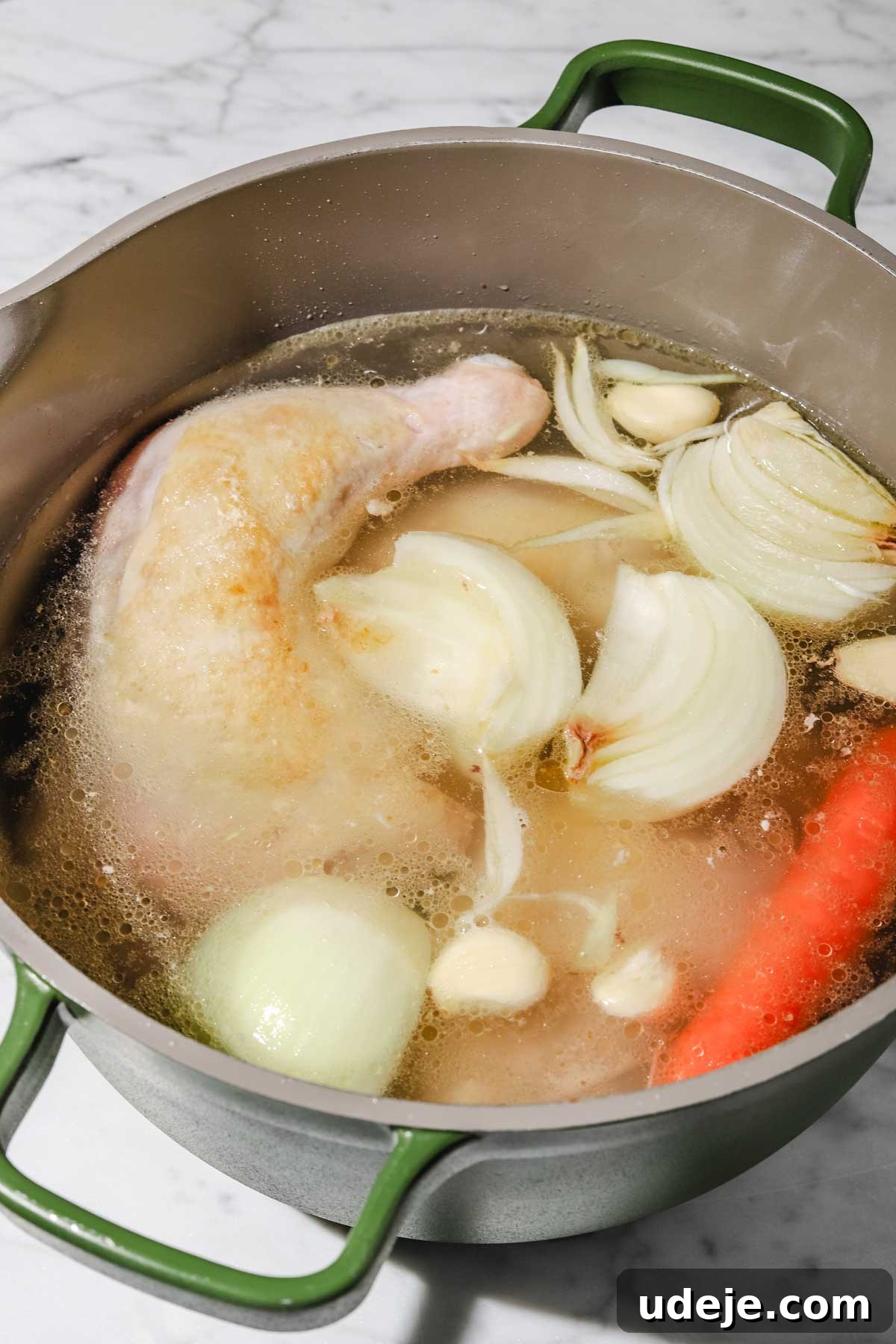
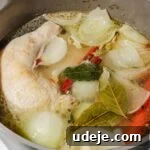
Step 2: Start the Broth with Aromatics. Once the chicken is beautifully seared, add the quartered onions, whole garlic cloves, and large carrot to the pot. Pour in the specified amount of water, ensuring the chicken and vegetables are submerged. Bring the contents of the pot to a rolling boil. As the water heats, you may observe some foam forming on the surface; this is impurities from the chicken. Allow it to boil for a few minutes, then carefully use a spoon or skimmer to remove and discard any foam, which helps clarify the broth and yields a cleaner flavor.
TIP: Searing the chicken beforehand significantly reduces the amount of foam that forms, making the skimming process much easier and quicker. This also contributes to a clearer, more appealing broth.
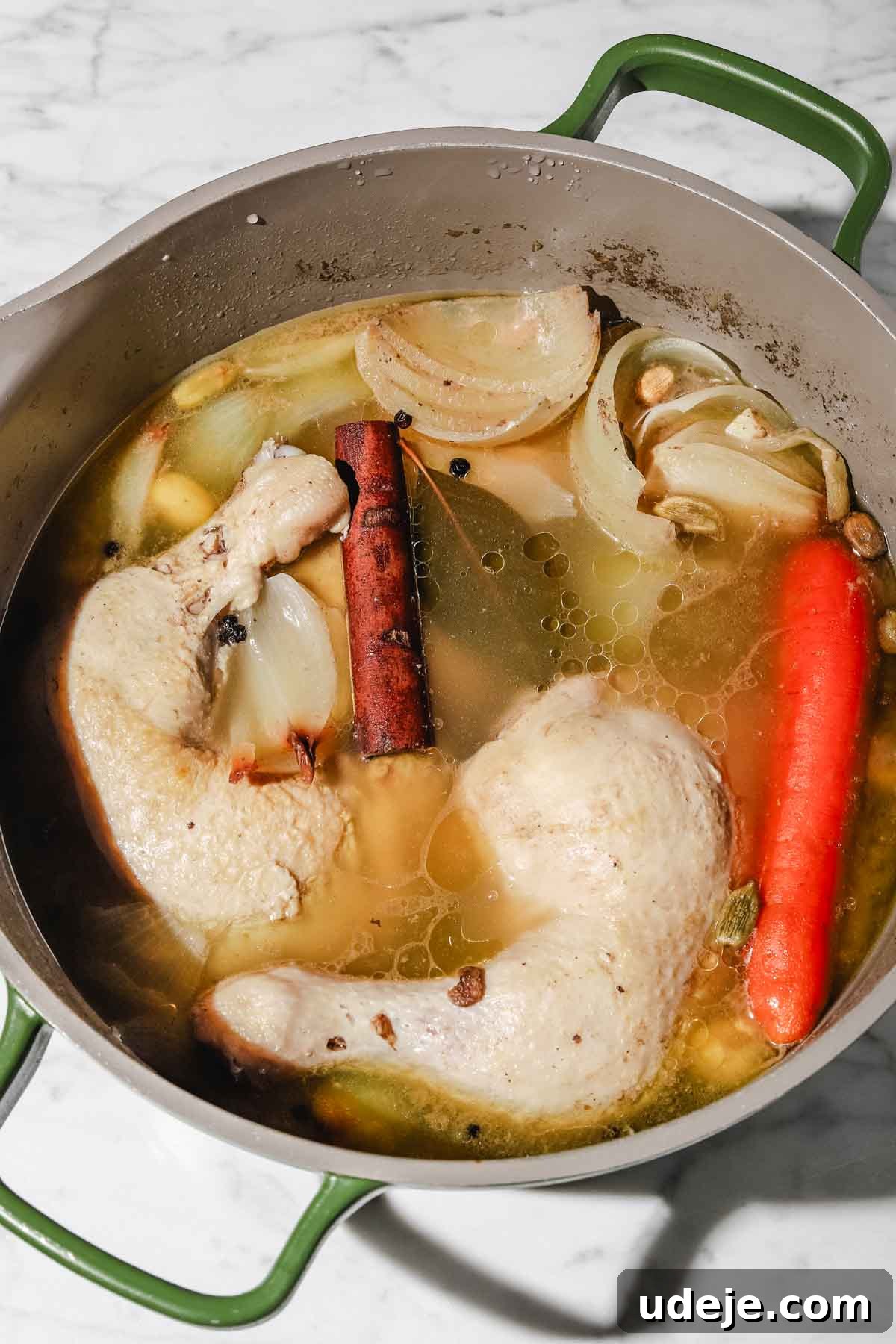
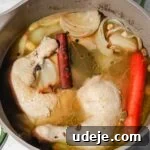
Step 3: Infuse with Whole Spices and Simmer. After you’ve skimmed off any foam, it’s time to add the whole spices: cardamom pods, cinnamon sticks, bay leaves, and black peppercorns. Adding them after skimming prevents accidentally scooping them out. Cover the pot and reduce the heat to a gentle simmer. Allow the broth to cook for at least 40 minutes, or until the chicken is thoroughly cooked and fork-tender. This slow simmering process allows the flavors of the chicken, vegetables, and whole spices to meld and deepen, creating the aromatic foundation for your Moghrabieh stew.
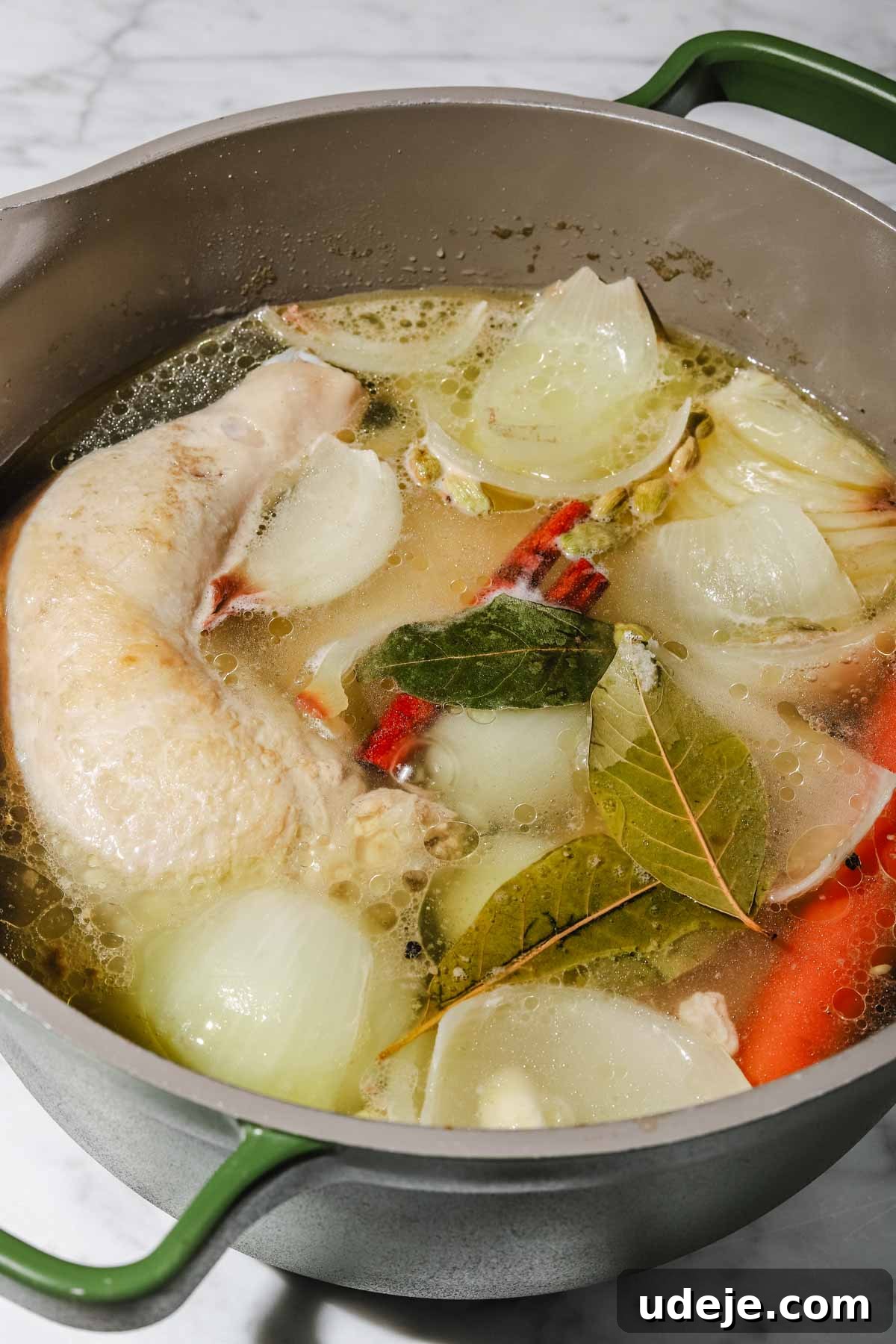
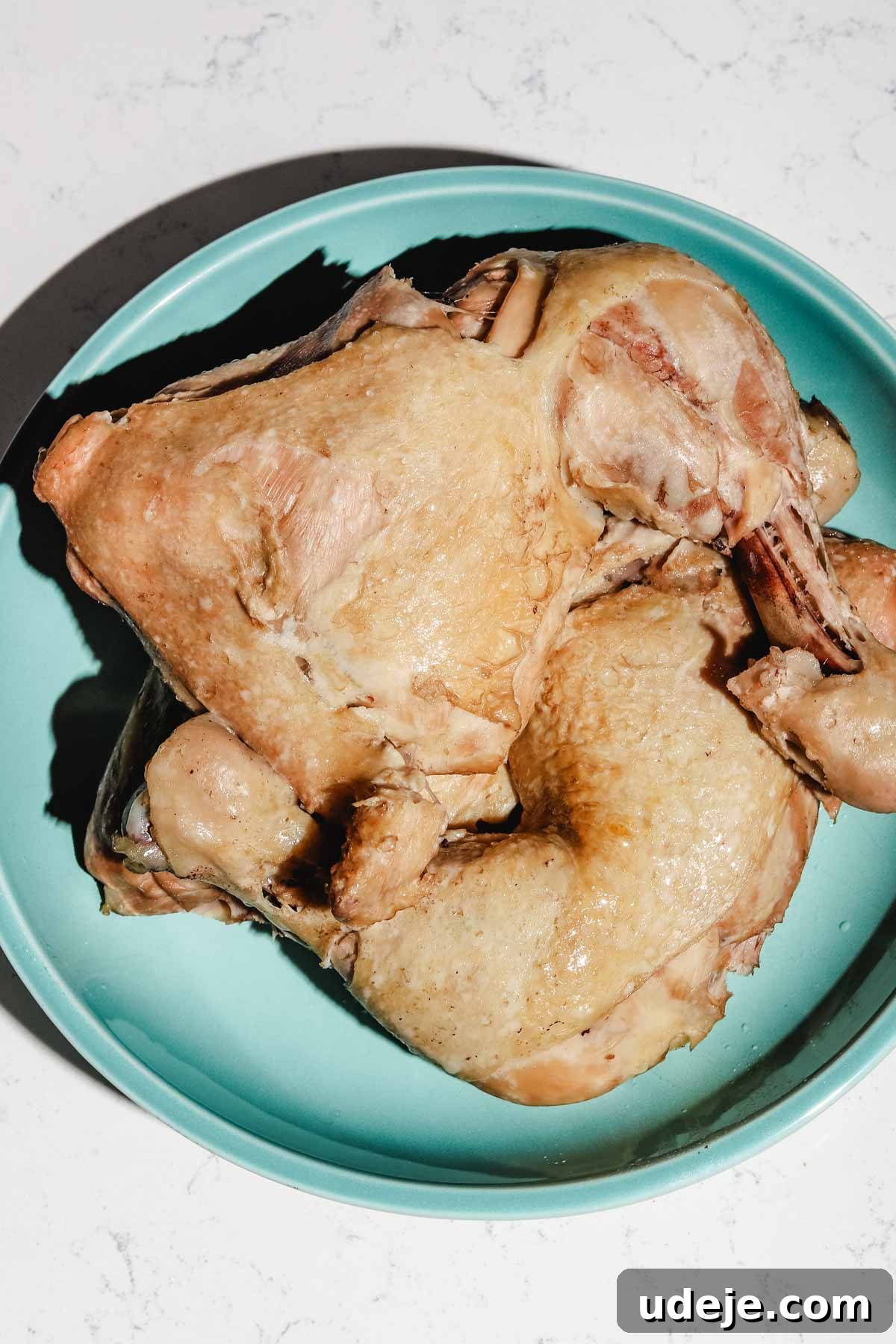
Step 4: Prepare Chicken and Strain Broth. Once the chicken is cooked through, carefully remove it from the pot and set it aside to cool slightly before shredding. Strain the flavorful broth through a fine-mesh sieve into a clean bowl or back into a clean pot, discarding the spent vegetables and whole spices. This ensures a smooth, clear broth, ready to be incorporated into the stew.
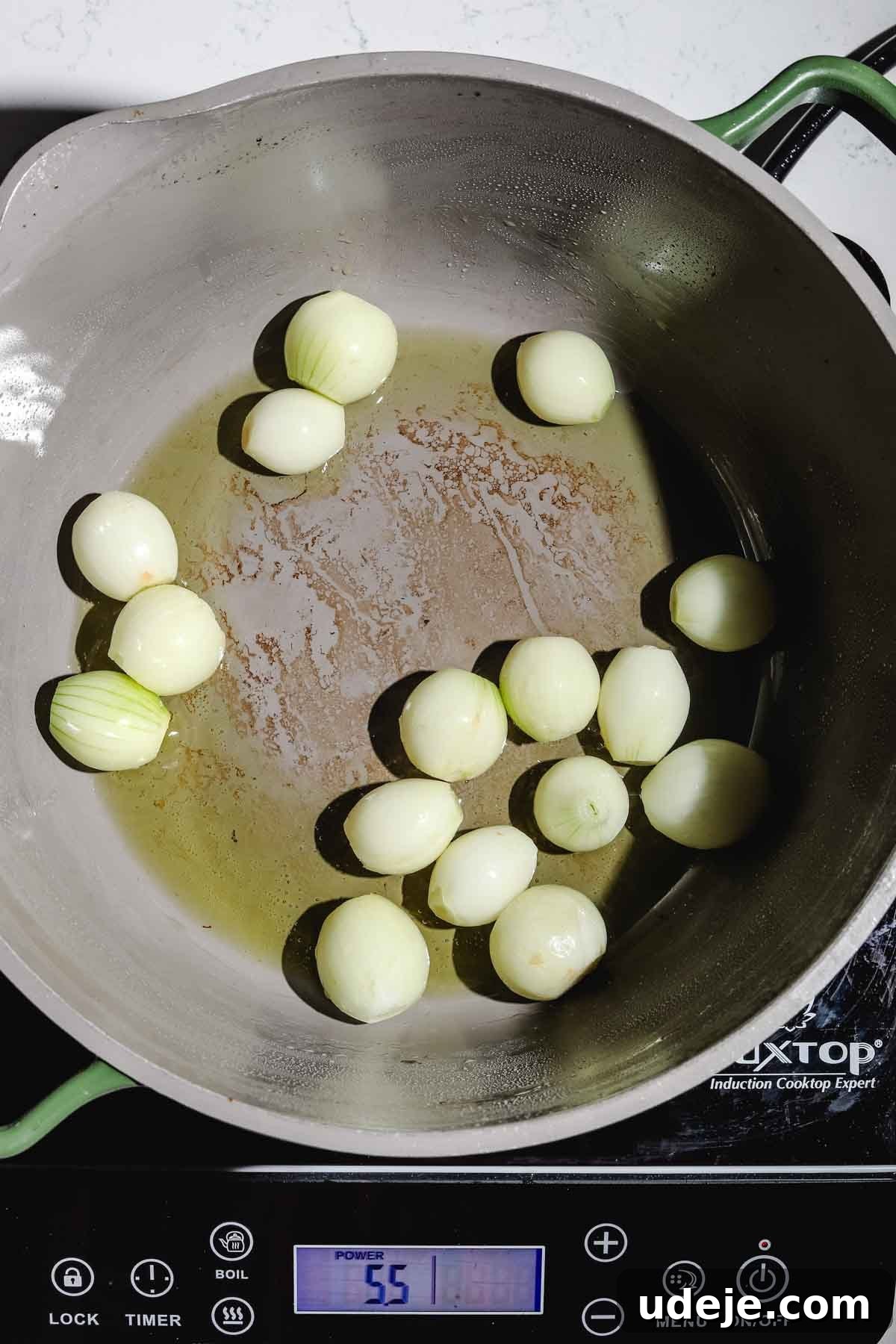
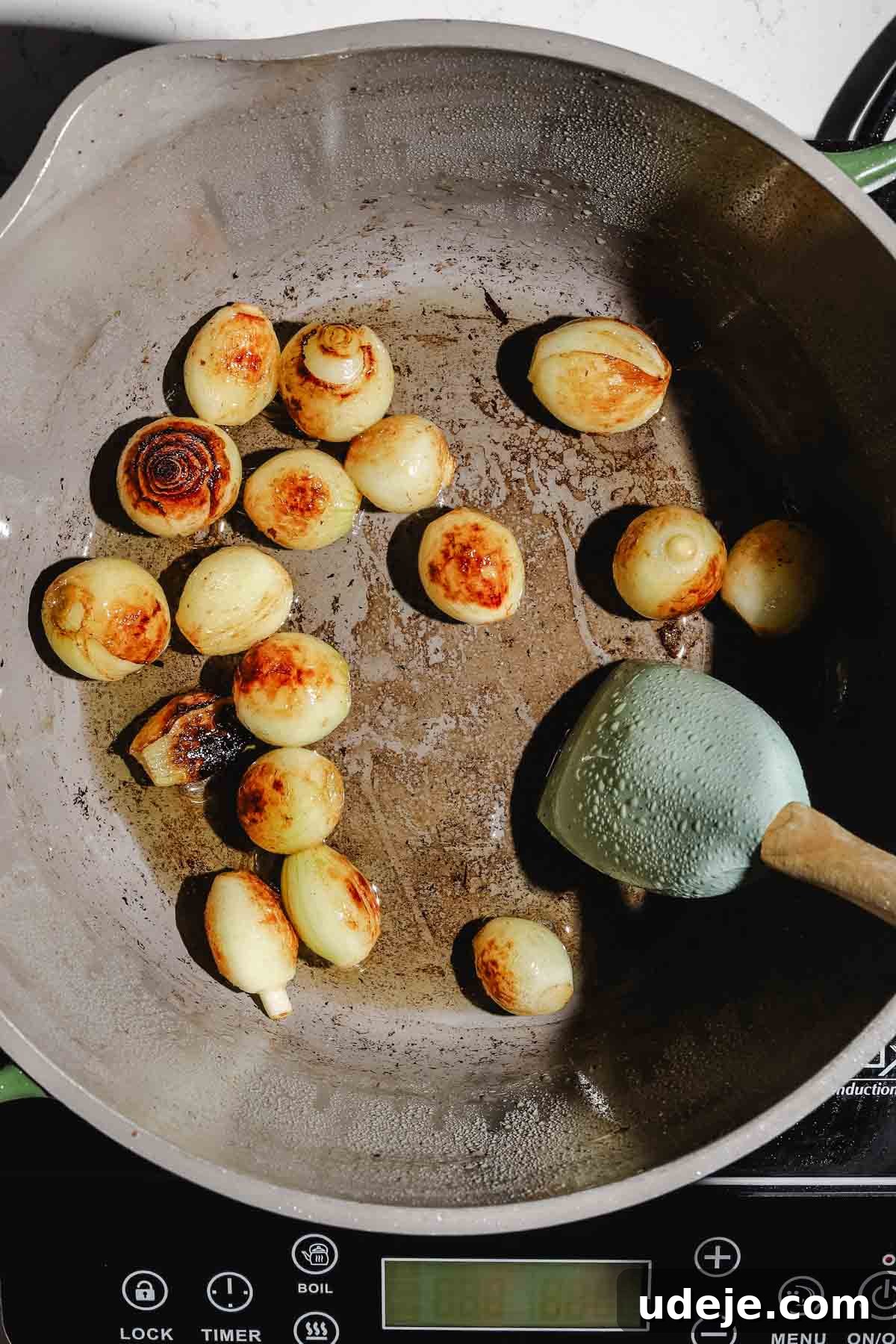
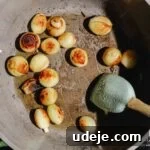
Step 5: Caramelize the Pearl Onions. While the chicken broth is simmering, begin preparing the pearl onions. In a separate medium-sized pot, heat olive oil over medium heat. Add the peeled whole pearl onions and sauté them, stirring occasionally, for approximately 6-7 minutes until they turn beautifully golden-brown and soften. Caramelizing the onions brings out their natural sweetness and adds a rich, savory depth to the stew. If the onions begin to splatter excessively, you can partially cover the pot with a lid. Once golden and tender, remove the onions from the pot and set them aside.
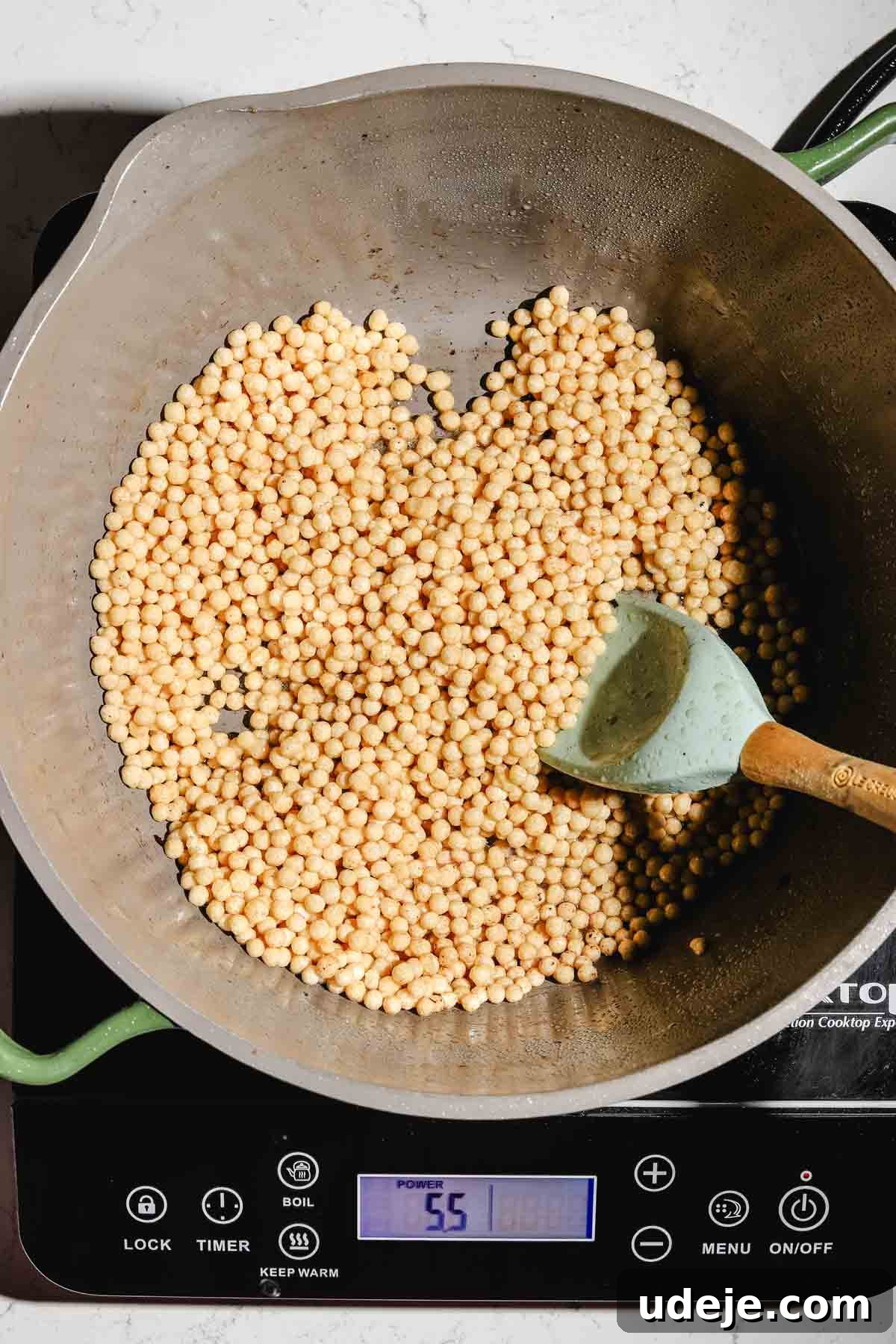
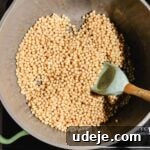
Step 6: Toast the Moghrabieh and Ground Spices. Using the same pot where you caramelized the onions, add the butter and allow it to melt. Then, add the dry Moghrabieh pearl couscous. Toast the couscous in the melted butter for a few minutes, stirring constantly. Toasting enhances the couscous’s nutty flavor and helps prevent it from becoming sticky. Next, add all the ground spices – caraway, Lebanese seven-spice, cinnamon, cumin, and black pepper – and stir them in, toasting with the Moghrabieh for another couple of minutes. This step “blooms” the spices, intensifying their aromatic compounds and creating a more fragrant and flavorful base for the couscous.
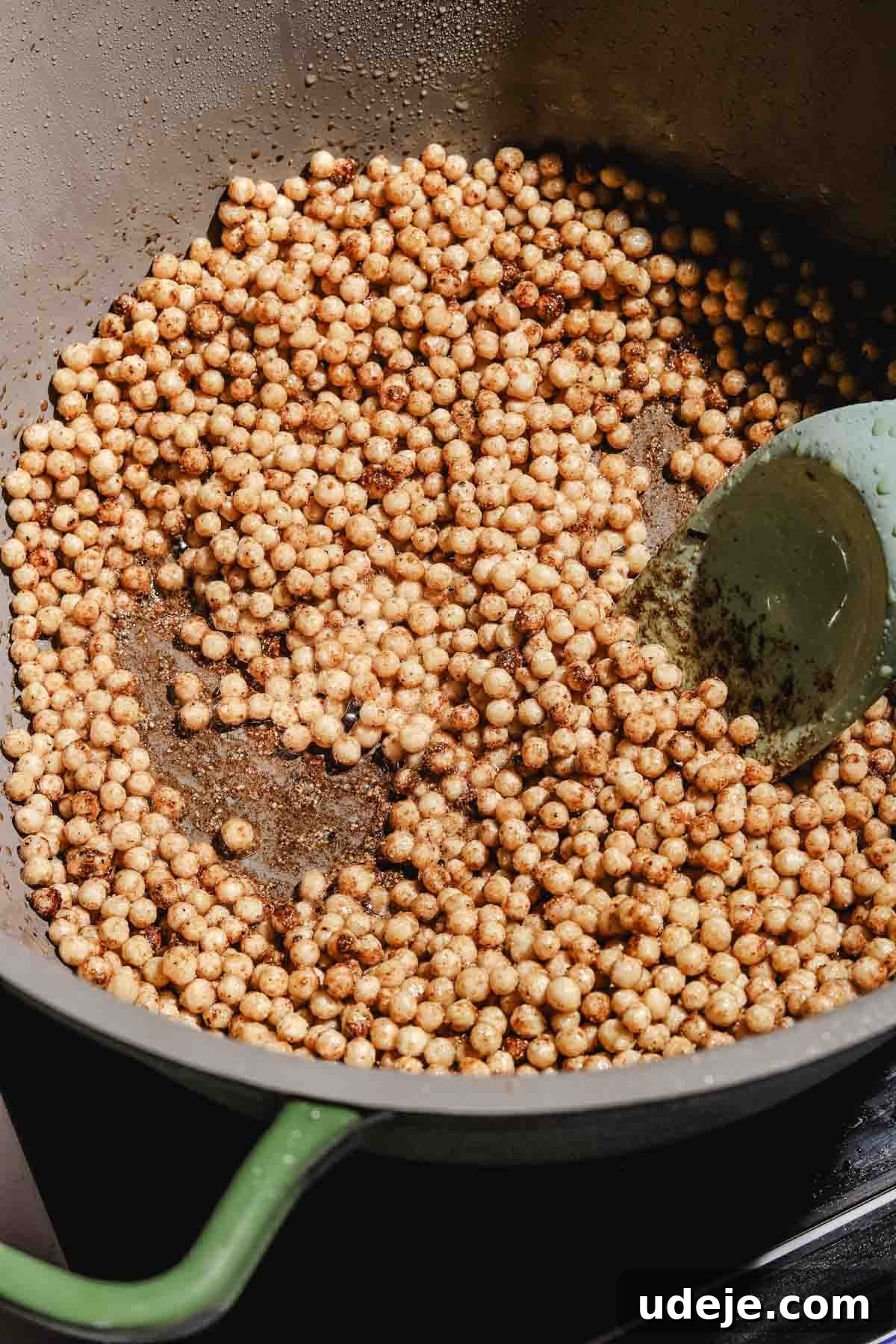
Step 7: Cook the Moghrabieh. Pour enough of the strained chicken broth into the pot to fully cover the toasted Moghrabieh. Bring the liquid to a simmer, then cover the pot with a lid and reduce the heat to medium-low. Allow the Moghrabieh to cook gently for approximately 20 minutes, or until the grains are soft, tender, and possess that characteristic chewy texture with a slight al dente bite.
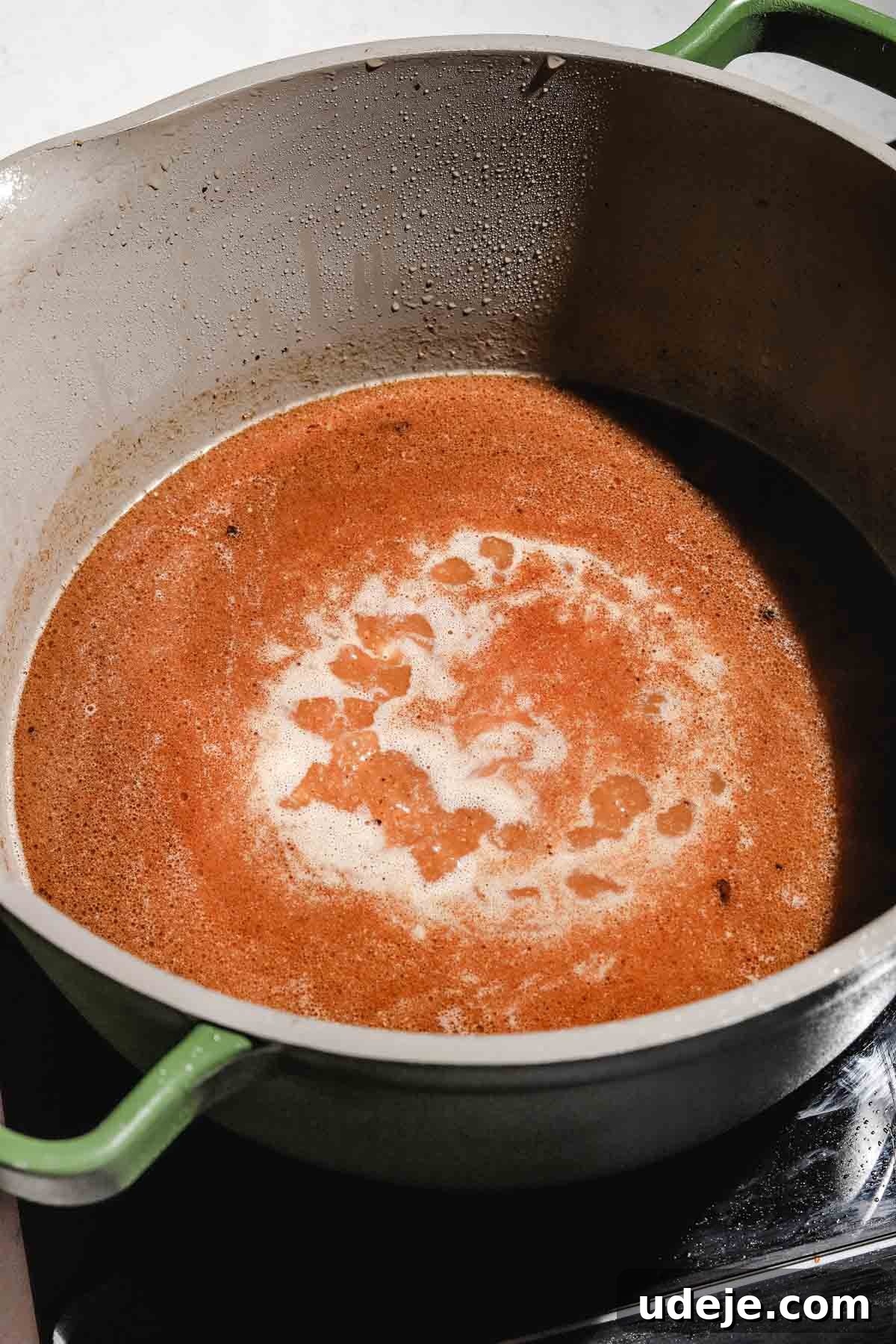
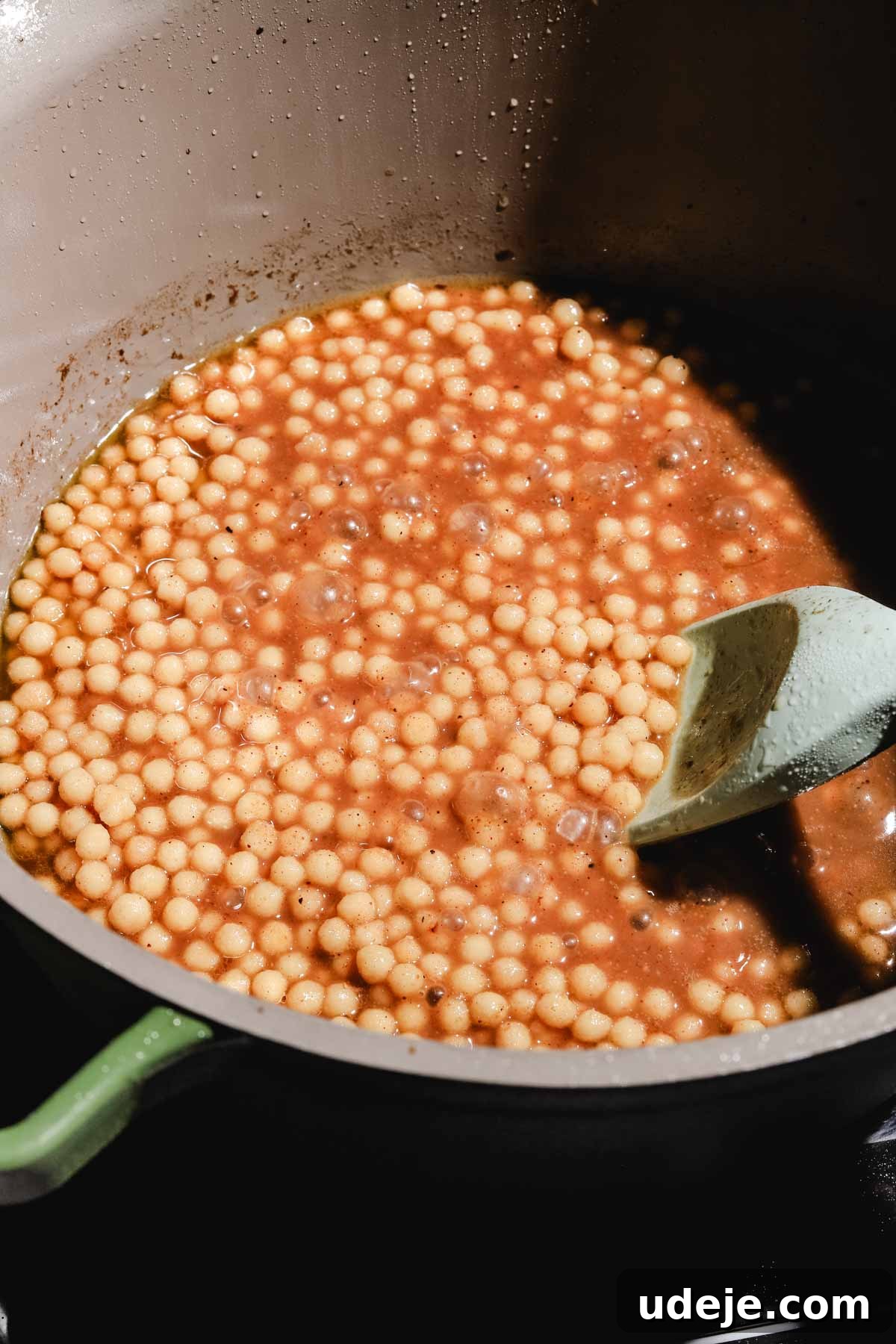
Step 8: Shred the Cooked Chicken. While the Moghrabieh is cooking, take the cooled chicken pieces and, using your hands or two forks, shred the meat from the bones into bite-sized pieces. Discard the bones and skin.
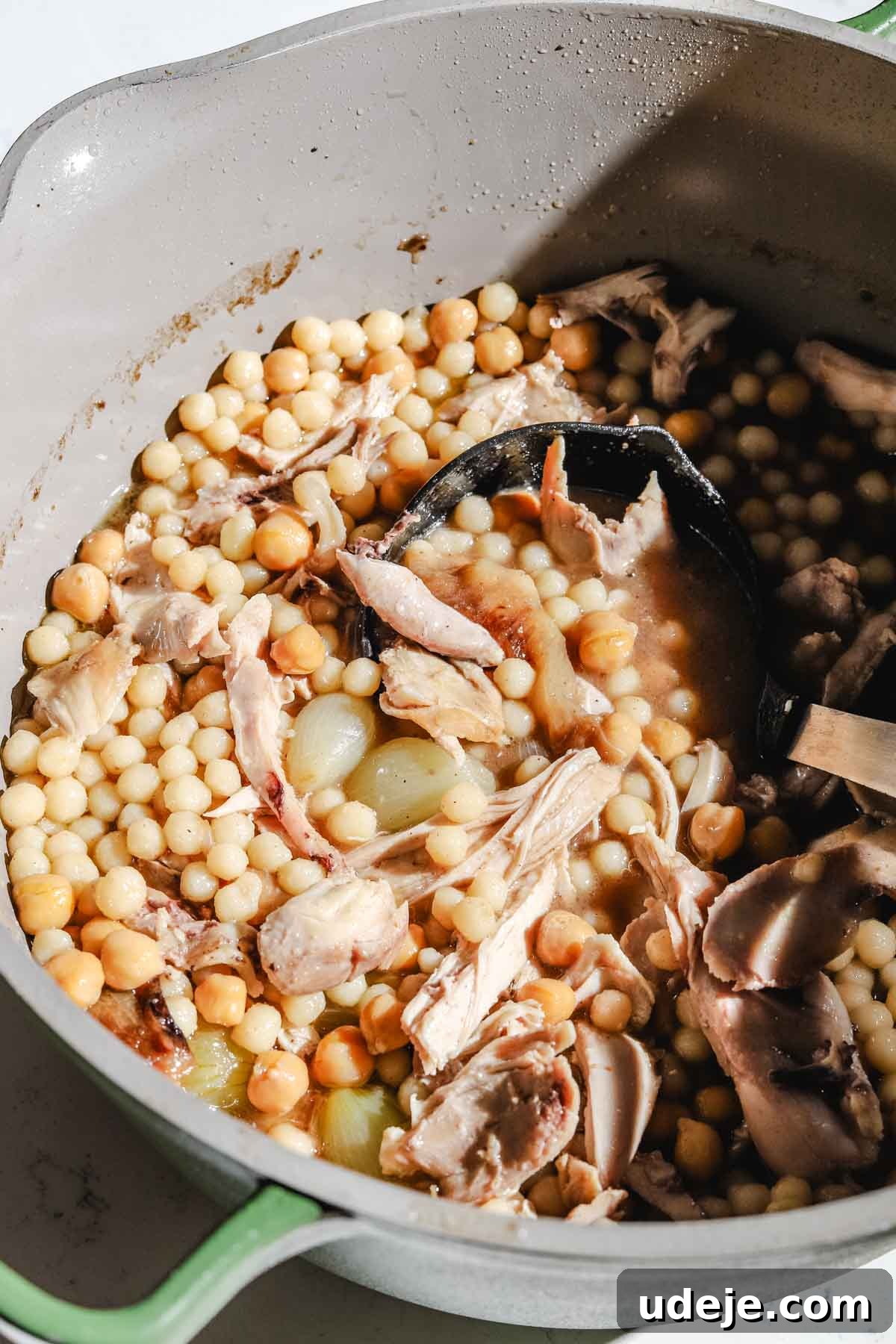
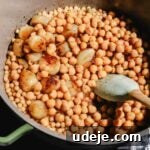
Step 9: Combine the Stew Components. Return to the original stockpot used for the chicken broth. Add the caramelized pearl onions, the drained and rinsed canned chickpeas, and the shredded chicken. Pour in the remaining chicken broth, ensuring all ingredients are well-submerged and simmering gently. Allow everything to simmer together for about 10 minutes. This step allows the flavors to meld beautifully, creating a harmonious and hearty stew. Taste and adjust seasoning with salt and pepper as needed.
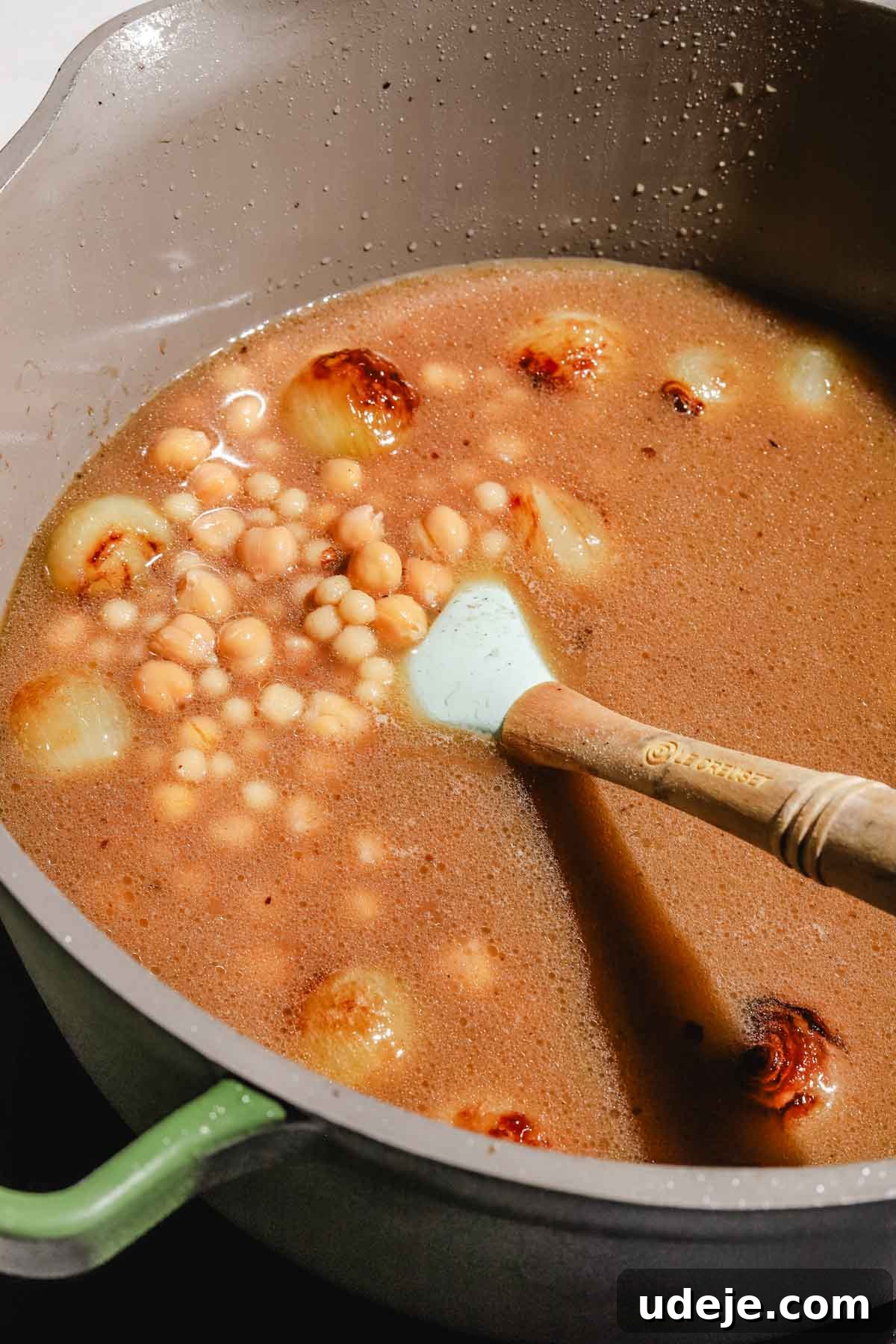
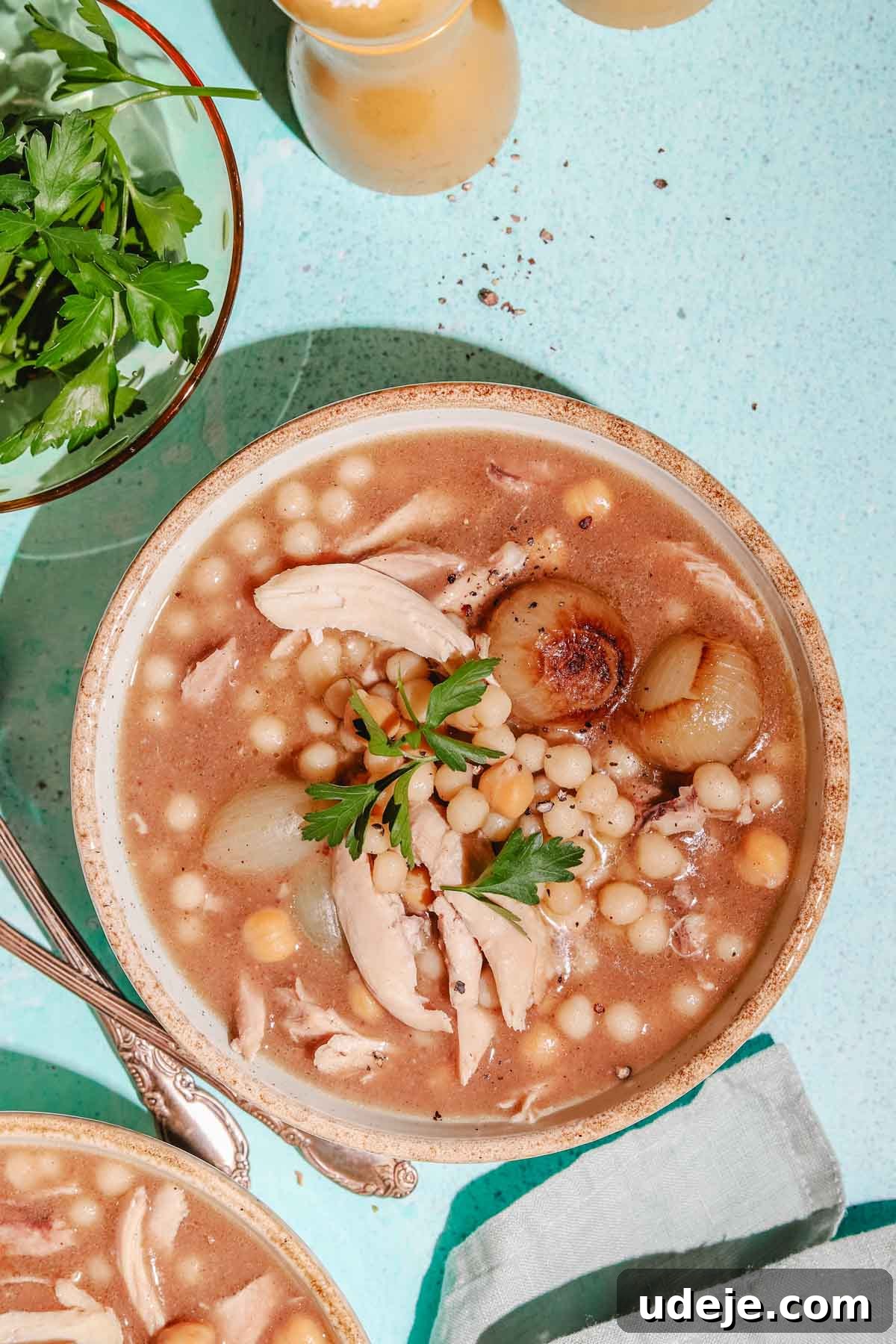
Step 10: Serve Your Authentic Moghrabieh. Once the Moghrabieh pearl couscous has reached its soft and chewy consistency, your delicious stew is complete. The traditional way to serve Moghrabieh is by first spooning a generous portion of the cooked Moghrabieh into individual serving bowls. Then, ladle the rich chicken, chickpea, and pearl onion stew mixture over the top. Garnish with fresh parsley for a touch of color and freshness, if desired. This method ensures that the couscous doesn’t absorb all the broth, allowing the stew to remain wonderfully soupy. However, there are alternative serving styles as well, depending on your preference.
Serving Suggestions and Storage Tips for Moghrabieh
Moghrabieh can be enjoyed in a couple of delightful ways, each offering a slightly different texture experience:
Traditional Serving Method: The most common and preferred way to serve Moghrabieh is to keep the cooked pearl couscous separate from the chicken, onion, and chickpea stew. When ready to serve, scoop a portion of the tender Moghrabieh into individual bowls, then generously ladle the rich, aromatic stew over it. This method ensures that the stew retains its full, soupy consistency, as the Moghrabieh does not continuously absorb the broth. This is ideal for those who love a more liquid-rich, comforting stew.
One-Pot Method (Mixed): Alternatively, you can combine the cooked Moghrabieh directly into the pot containing the chicken, onions, and chickpeas, mixing everything thoroughly to create a cohesive stew. While this offers a convenient one-pot serving, be aware that the Moghrabieh will continue to absorb the chicken broth as it sits, resulting in a drier, thicker stew. Both methods are delicious, but if you prefer a soupier, more traditional Moghrabieh, keeping the components separate until serving is recommended.
To store any leftover Moghrabieh, simply transfer the components into an airtight container and refrigerate for 2-3 days. When reheating, whether in the microwave or on the stovetop, you might find that the Moghrabieh has absorbed more liquid and the stew has thickened. To restore its original moisture and consistency, add a splash of water or extra chicken stock during reheating.
If you tried this wonderful recipe, please consider leaving a star ⭐⭐⭐⭐⭐ rating in the recipe card below and/or a review in the comments section further down the page – I’d love to hear from you! You can also hop on over to Instagram and say hello!
★
★
★
★
Lebanese Moghrabieh (Pearl Couscous Stew)
Leave a Review
Pin Recipe
Ingredients
For the Broth
- 1 tablespoon olive oil
- 3 full chicken legs (1.5 kg), bone-in and skin-on
- 2 litres water
- 1 tablespoon kosher salt
- 10 cardamom pods
- 2 cinnamon sticks
- 3 bay leaves
- 1/2 teaspoon black peppercorns
- 1 onion, quartered
- 1 large carrot
- 4 large cloves garlic, peeled
For the Moghrabieh
- 1/4 cup olive oil
- 600 grams pearl onions, peeled and kept whole
- 1/2 teaspoon kosher salt
- 1 tablespoon butter
- 2 cups moghrabieh, 400 grams
- 1 tablespoon ground caraway
- 1/2 teaspoon seven spice
- 1/2 teaspoon cinnamon
- 1/2 teaspoon cumin
- 1/2 teaspoon black pepper
- 1 1/2 litres chicken broth
- 540 ml canned chickpeas, drained and rinsed
Instructions
For the Broth
-
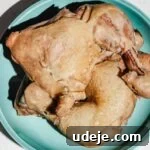
 In a large pot, add the olive oil on medium high heat. Sear the chicken legs on both sides until lightly golden, 1 to 2 minutes on each side. Work in batches if required to avoid overcrowding.
 -
Add the onion, carrot, garlic cloves, water, salt, cardamom pods, cinnamon sticks, bay leaves and black peppercorns. Cover and bring to a boil.
-
If you see any foam rising to the surface, skim and discard. Continue to boil for at least 40 minutes until the chicken is cooked through.
-
Remove the chicken and set it aside. Strain the broth and discard the vegetables. Set the broth aside.
For the Moghrabieh
-
While the broth cooks, in another medium pot, add the 1/4 cup olive oil on medium heat.
-
Add all the peeled pearl onions and brown on all sides, for approximately 6 to 7 minutes. If there is a lot of splatter, cover the pot. Once golden and softened, remove and set aside.
-
Add the butter to the pot that was used for the onions, then add the dry moghrabieh. Toast the moghrabieh in the butter for a few minutes, stirring.
-
Add in the ground caraway, seven spice, cinnamon, cumin and black pepper and stir through with the moghrabieh for a few more minutes.
-
Add enough chicken broth to cover the moghrabieh. Close the lid and cook on medium heat for 20 minutes until the moghrabieh is soft and chewy.
-
Meanwhile, take the meat off the chicken and shred the cooked chicken into bite sized pieces.
-
Once the moghrabieh is cooked, in the same pot used for the chicken stock, add the chickpeas, along with the onions, the shredded chicken and the rest of the chicken broth. The stew should be soupy in consistency. Taste and adjust for more salt. Allow everything to simmer for a few minutes, then remove from the heat.
-
To serve, spoon some of the moghrabieh into individual serving bowls, then spoon a few ladles of the chicken, onion and chickpea stew on top. Garnish with parsley if desired.
-
The moghrabieh can also be mixed in with the chicken, onions and chickpeas all in one pot. However, doing that will result in a dryer consistency since the moghrabieh will continue to absorb all the soupy broth. Serving the moghrabieh separately is more traditional, but both methods work based on preference.

Notes
- Moghrabieh can be found at a middle eastern grocery store.
- The dish can be served with the moghrabieh separately in bowls, then followed by the chicken, chickpeas and onion stew. This way, we avoid the moghrabieh absorbing all the liquid as it sits.
Calories: 401kcal,
Carbohydrates: 61g,
Protein: 11g,
Fat: 13g,
Saturated Fat: 2g,
Polyunsaturated Fat: 1g,
Monounsaturated Fat: 9g,
Cholesterol: 6mg,
Sodium: 2127mg,
Potassium: 412mg,
Fiber: 7g,
Sugar: 7g,
Vitamin A: 2078IU,
Vitamin C: 10mg,
Calcium: 100mg,
Iron: 2mg
Did you make this recipe?Please leave a star rating and review below!