
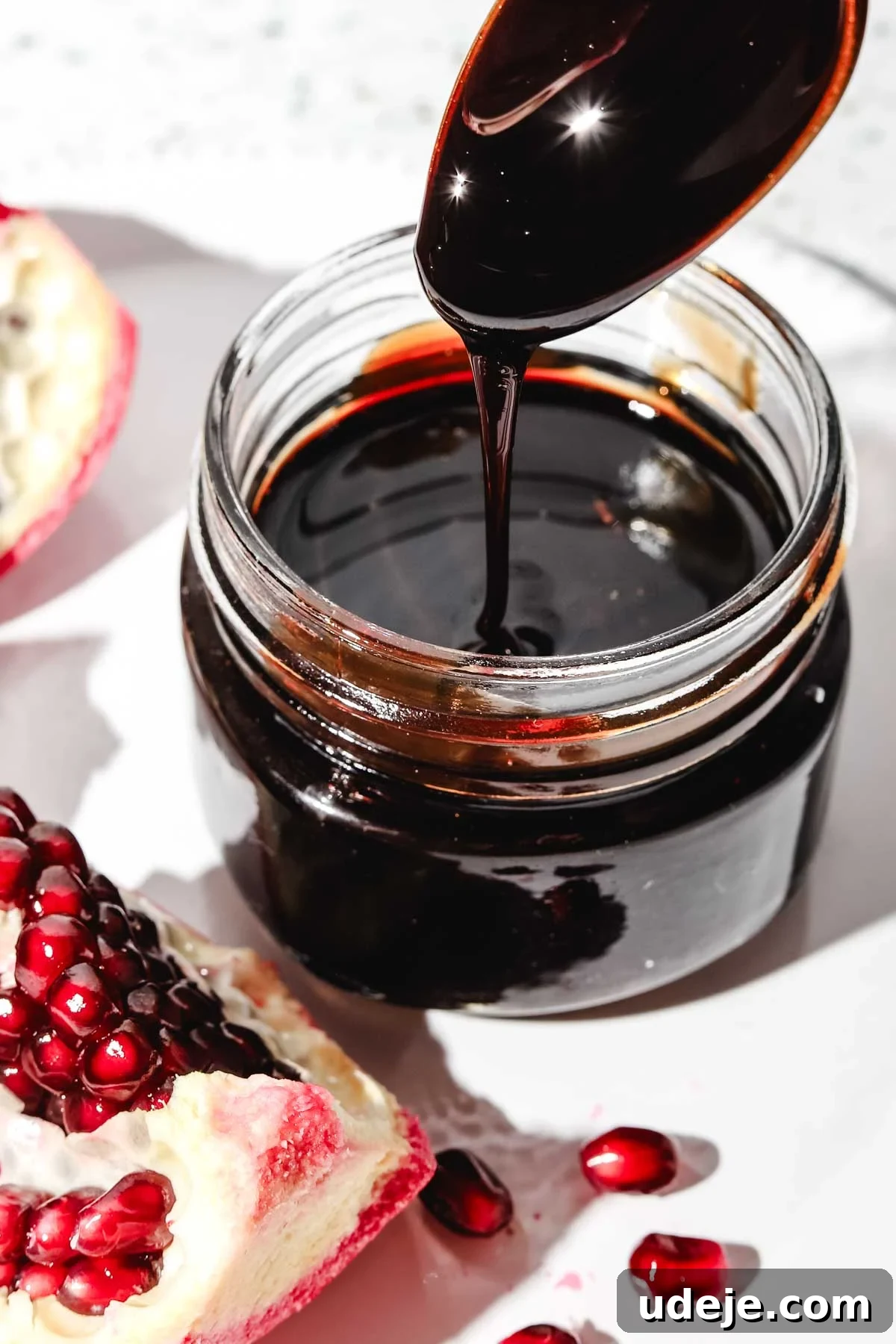
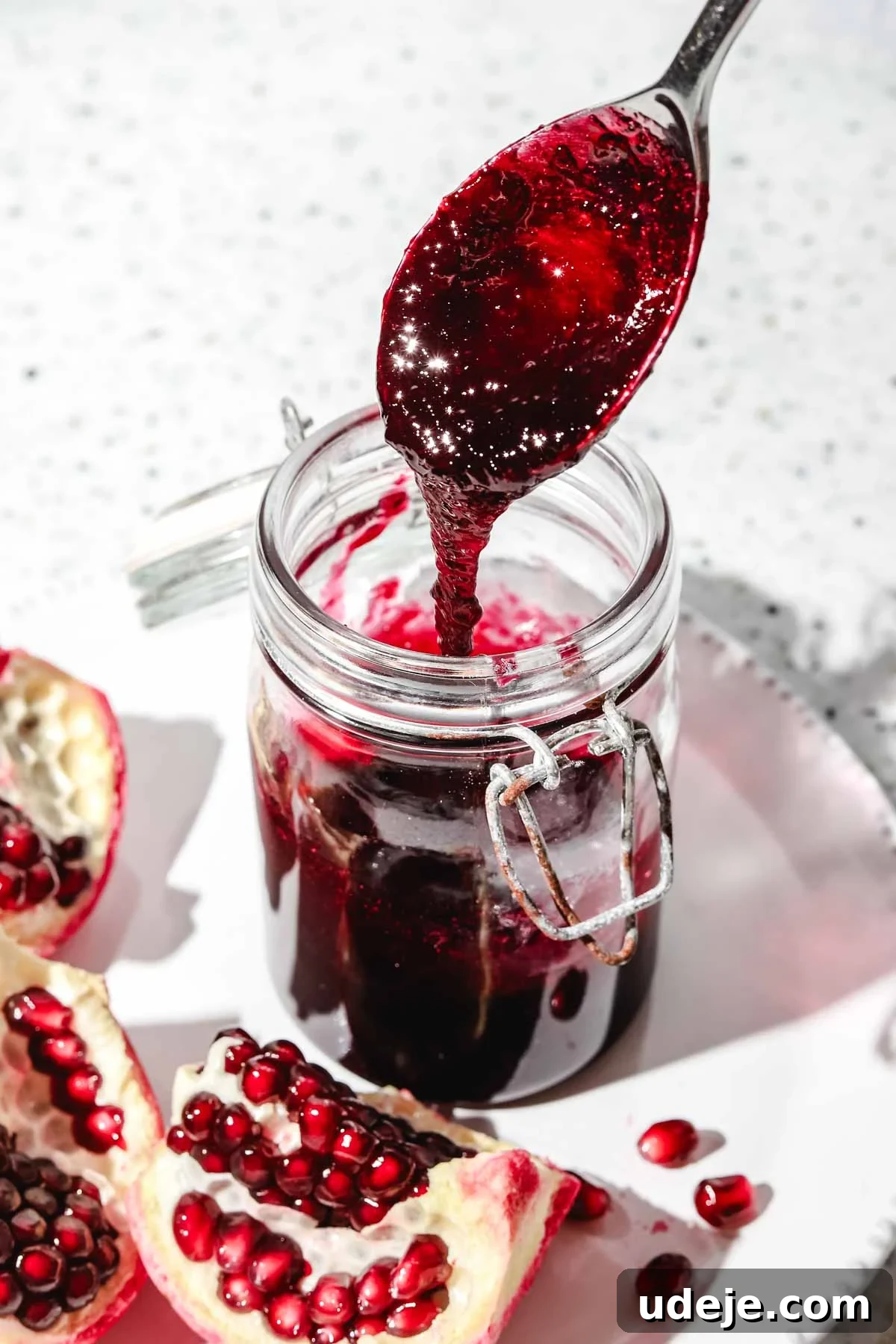
Delightfully sweet and assertively tangy, pomegranate molasses stands as a revered cornerstone in Middle Eastern culinary traditions. This versatile ingredient, known in Arabic as “dibs rumman,” imparts a unique brightness and depth, offering a perfect counterpoint to the warmth of traditional spices in a myriad of dishes. While its availability can vary depending on your location, mastering the art of making it at home is incredibly rewarding. As someone who grew up in Iraq, where this rich syrup is a daily staple, I’m thrilled to guide you through the straightforward process of crafting your own homemade pomegranate molasses, ensuring authentic results for your kitchen.
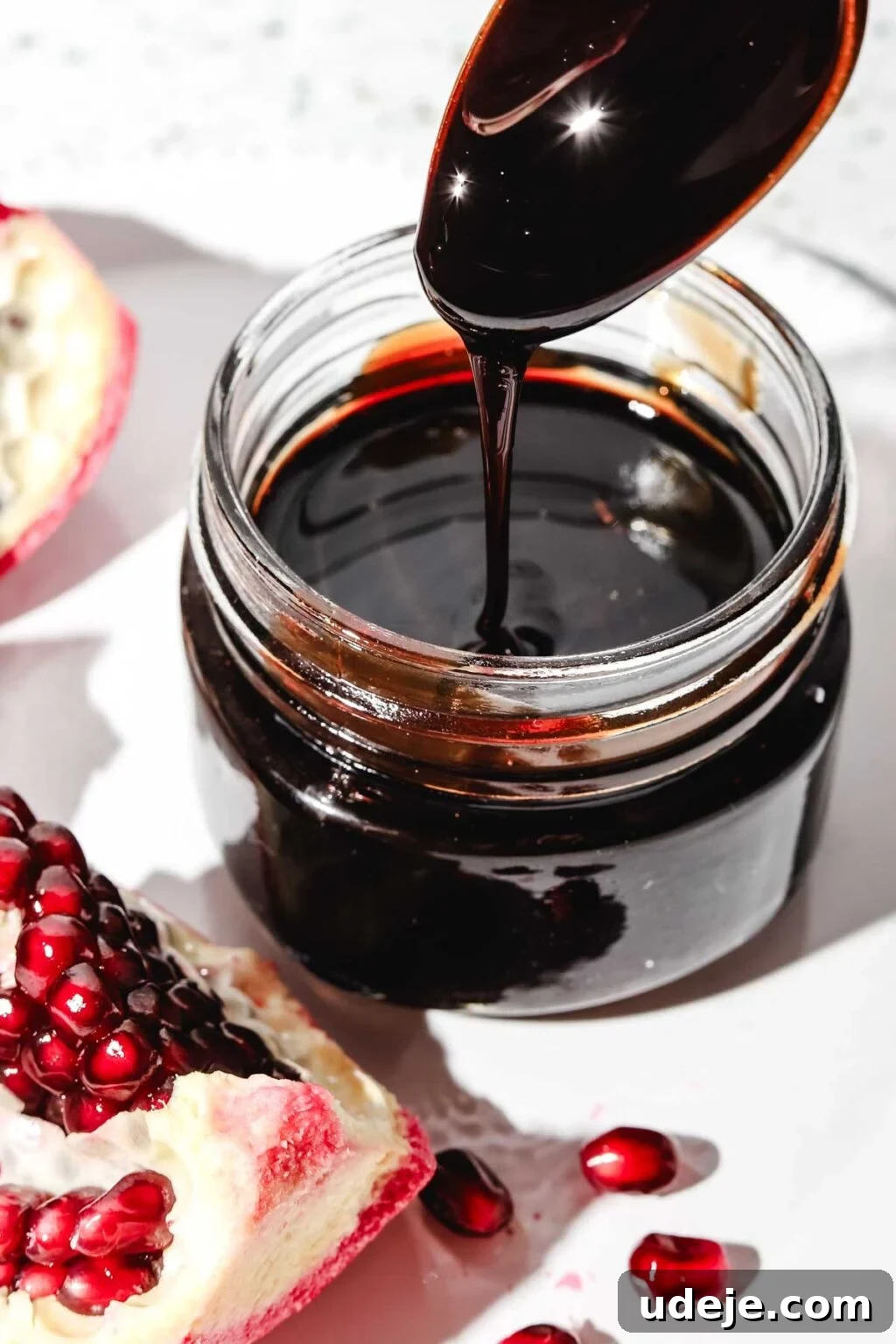
What is Pomegranate Molasses? The Essence of Middle Eastern Flavor
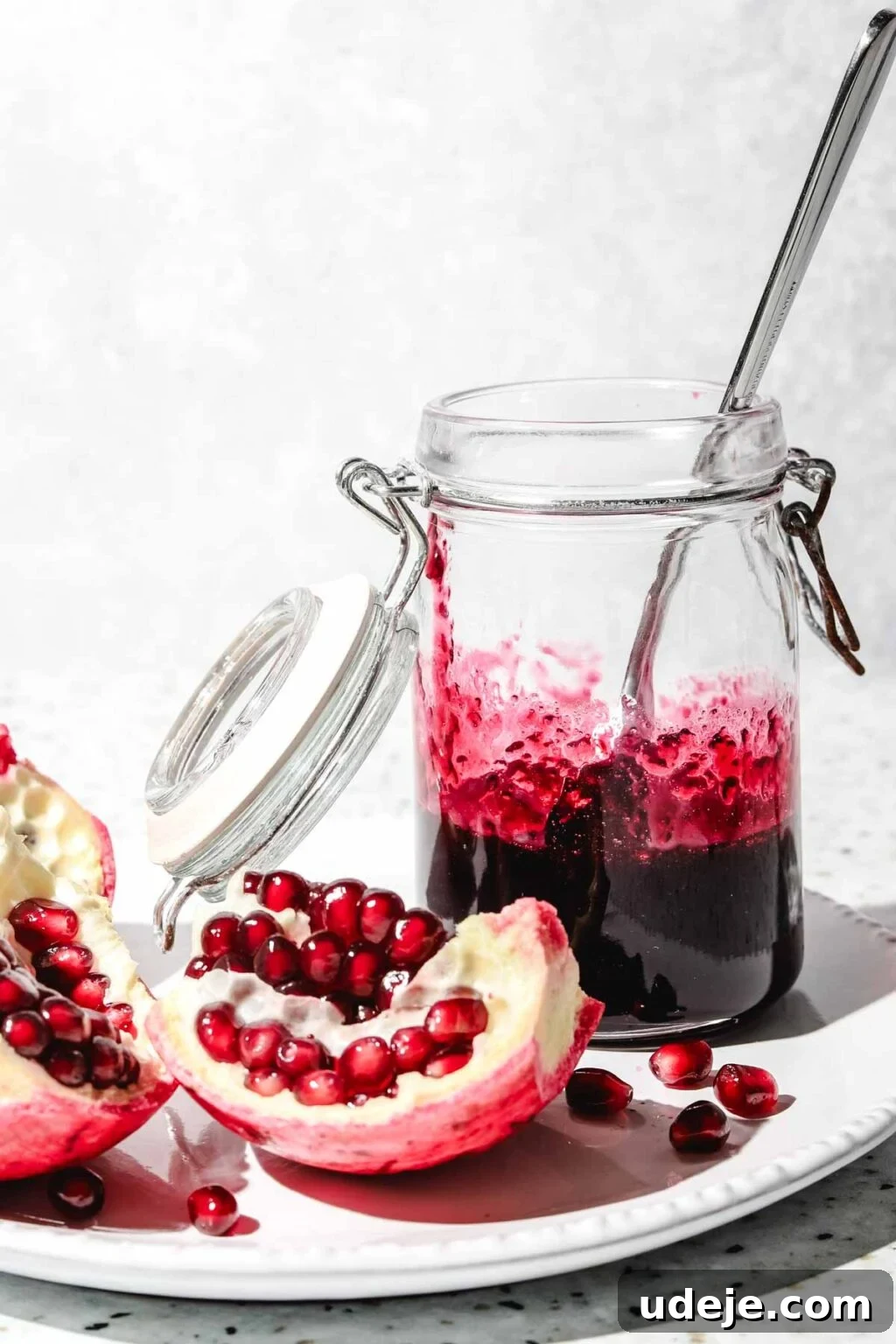
At its heart, pomegranate molasses is a concentrated reduction of pure pomegranate juice. This age-old technique involves gently simmering the juice over time until it transforms into a dark, thick, and syrupy liquid. The resulting molasses boasts an intricate flavor profile that is both intensely tangy and pleasantly sweet, with subtle fruity undertones. For centuries, “dibs rumman” has been an indispensable element in Middle Eastern cuisine, celebrated for its ability to infuse dishes with an unparalleled depth and a vibrant, acidic balance that beautifully cuts through rich or savory notes.
Ideally, authentic pomegranate molasses is crafted from 100% pure pomegranate juice, ensuring the truest expression of its natural flavor. However, the precise taste can fluctuate with the season and the ripeness of the pomegranates. Depending on these factors, a touch of added sugar and a splash of lemon juice might be incorporated to achieve the perfect sweet-tart equilibrium.
While often found in Middle Eastern specialty stores or the international aisles of larger supermarkets (typically priced between $6-$10 per bottle in Canada, for instance), store-bought versions offer convenience. Many reputable brands produce delicious pomegranate molasses that’s excellent to have on hand. Nevertheless, if local access is limited, or if you simply crave the superior freshness and customizable flavor that homemade offers, preparing it yourself is an incredibly worthwhile endeavor that promises a richer, more vibrant result.
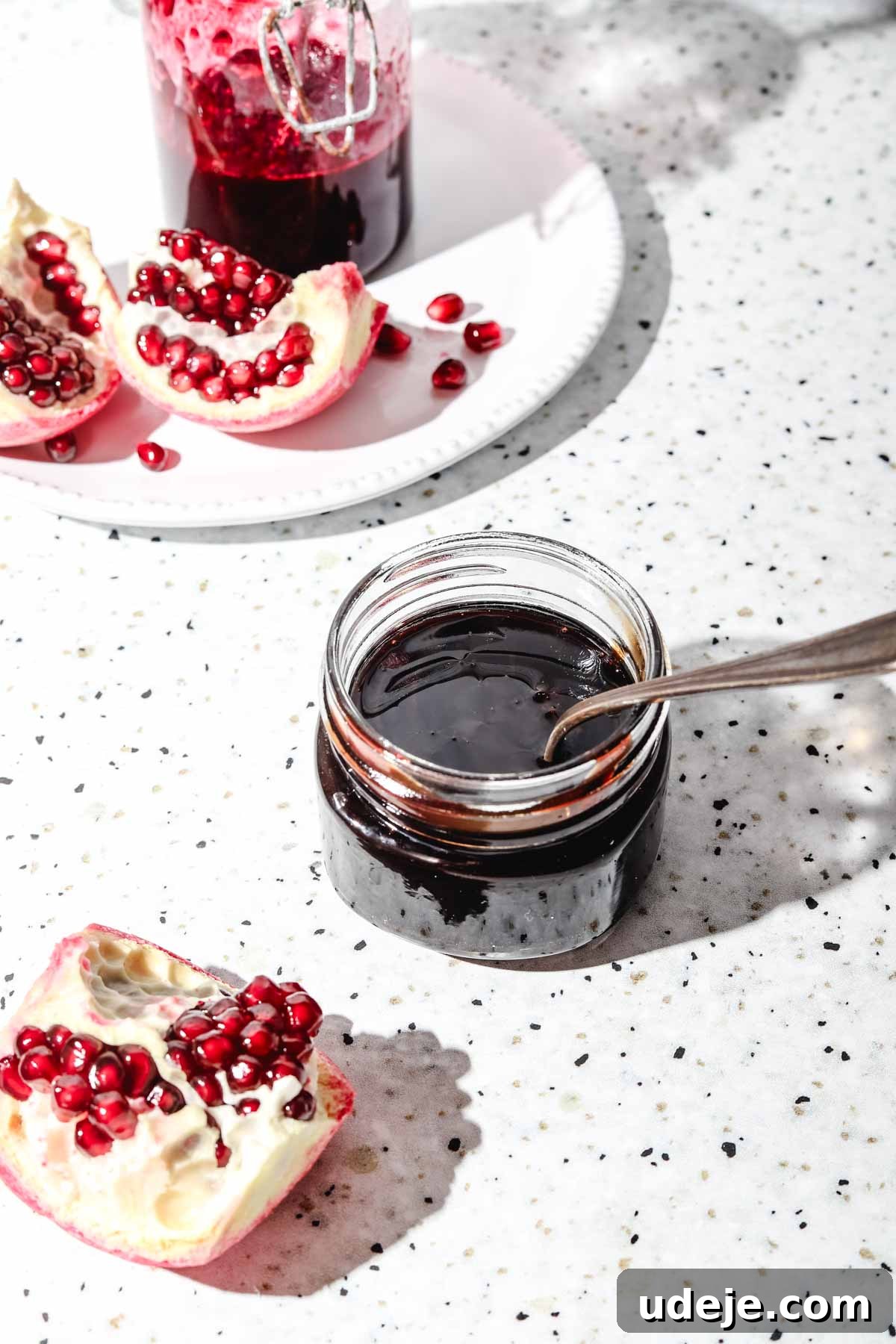
The Culinary Versatility of Pomegranate Molasses in Middle Eastern Dishes
Pomegranate molasses is a culinary chameleon, celebrated across the Middle East for its extraordinary ability to enhance both sweet and savory preparations. Its unique sweet-sour profile is particularly beloved in regions like Iraq, my homeland, where these contrasting flavors are highly prized in savory meals. This potent syrup doesn’t just add flavor; it acts as a transformative agent, balancing, brightening, and deepening the character of countless dishes.
A Cornerstone in Savory Main Courses and Stews
In Iraqi cuisine, pomegranate molasses is practically non-negotiable in classic dishes. Take dolma, for instance—stuffed vegetables and grape leaves—where its tart sweetness provides a crucial layer of flavor that elevates the dish from good to unforgettable. Beyond dolma, it’s a secret ingredient in many lamb and beef stews, where just a tablespoon or two can work wonders. It masterfully cuts through the inherent richness of meats, introducing a refreshing zest. Classic examples include Iraqi okra stew and sheikh al mahshi (stuffed zucchini), dishes that truly wouldn’t be complete without the vibrant touch of pomegranate molasses. Its deep, fruity tang not only brightens these hearty meals but also adds an umami complexity that makes them incredibly satisfying.
Enhancing Salads and Dressings with a Sweet-Tart Twist
One of the most common and beloved applications for pomegranate molasses is in salad dressings. It’s an integral component of my regular Arabic salad dressing, providing a vibrant acidity that outshines traditional vinegar and a natural sweetness that can replace honey or sugar. This dual-action makes it incredibly efficient and effective. It’s also a star in popular Middle Eastern salads like fattoush, where its bold flavor complements the crispy bread and fresh vegetables, and in various bulgur salads, adding an exciting dimension. When time is short, a simple drizzle over chopped fresh vegetables is often all that’s needed to create a quick, flavorful side dish.
The Secret Ingredient in Mezze Dips and Appetizers
Pomegranate molasses is a fundamental element in the rich tapestry of traditional mezze dips. Its tanginess provides a vital counterpoint in creamy or smoky bases, making dips like muhammara (a roasted red pepper and walnut dip), baba ghanoush (smoky eggplant dip), and my personal favorite roasted eggplant dip truly sing. It adds complexity and a signature zing that is instantly recognizable and deeply satisfying, transforming these simple appetizers into culinary highlights.
Marinades, Glazes, and Beyond
Beyond its use in stews and dips, pomegranate molasses excels as a core component in marinades and glazes. I particularly enjoy incorporating it into marinades for chicken, such as these succulent pomegranate chicken drumsticks and crispy pomegranate air fryer wings. The molasses caramelizes beautifully, creating a sticky, sweet-and-sour crust that is irresistible. It also pairs wonderfully with fish, offering a bright acidity that complements seafood. Additionally, a generous drizzle into ground beef kofta mixtures adds moisture and flavor, making it perfect for dishes like arayes (stuffed pita bread) and lahm bi ajeen (Middle Eastern meat pizzas). Its versatility even extends to roasted fall vegetables like squash, sweet potatoes, and carrots, where it provides a brilliant contrast to their earthy sweetness. For a refreshing summer treat, a few tablespoons mixed with sparkling water and a squeeze of lemon juice create a delightful, natural soda.
Fresh vs. Bottled Pomegranate Juice: A Comparative Analysis
Crafting homemade pomegranate molasses is surprisingly simple, requiring just pomegranate juice and a bit of time. The decision between using fresh pomegranates or high-quality bottled juice often comes down to convenience versus a slight nuance in flavor. I’ve thoroughly tested both methods, and here’s a breakdown of my findings:
Utilizing Bottled Pomegranate Juice: Efficiency Meets Consistency
Choosing bottled pomegranate juice offers significant time savings, as it bypasses the labor-intensive process of de-seeding and juicing fresh pomegranates. When selecting bottled juice, it’s crucial to opt for a product that is labeled “100% pomegranate juice” with no added sugars, other fruit juices, or concentrates. Look for brands known for their purity. The molasses produced from bottled juice typically yields a dark, rich, and wonderfully thick syrup. Flavor-wise, the difference from fresh juice is often minimal, especially when you factor in the ability to adjust the sweetness and tartness with added sugar and lemon juice.
The Charm and Challenge of Fresh Pomegranate Juice
Making juice from fresh pomegranates is undeniably a more arduous task. You’ll typically need 8-10 large pomegranates to yield approximately 4 cups (1 liter) of juice, meaning a considerable amount of de-seeding. However, if you’re working with pomegranates that are perfectly in season and possess a naturally intense tang, the resulting molasses can boast a brighter, more vibrant flavor profile with nuanced floral notes that are sometimes lost in bottled versions. The final color of homemade molasses from fresh juice also tends to be noticeably more brilliant. One minor drawback I’ve encountered with fresh juice is that, despite straining, tiny residual pulp particles can sometimes lead to a slightly less smooth texture than that achieved with impeccably filtered bottled juice. Furthermore, the natural sweetness of pomegranates varies greatly depending on their ripeness and the time of year, necessitating careful adjustments of added sugar to achieve your desired balance.
The Verdict: Convenience Often Wins
After extensive experimentation, my recommendation leans towards using a high-quality bottled pomegranate juice. The sheer convenience it offers—eliminating the lengthy preparation of fresh fruit—makes it a clear winner for most home cooks. The taste difference is remarkably subtle, particularly when the flavors are balanced with a touch of sugar and lemon juice during the reduction process. For exceptional results, ensure your chosen bottled juice is truly 100% pure, as artificial additives can compromise the authentic taste of your homemade molasses.
Optimizing Your Pomegranate Juice Extraction: Tips and Techniques
Extracting the maximum amount of juice from fresh pomegranates while maintaining a smooth texture can be a bit tricky. Through trial and error, I’ve found blending to be the most effective method, despite one common pitfall.
When I first attempted to maximize juice yield, I turned to my blender. It was incredibly efficient at separating the juice from the arils (seeds). However, a key learning experience was realizing that the blender’s powerful blades can pulverize the tiny seeds into minuscule fragments. These fragments are so minute that even a standard fine-mesh sieve often fails to catch them, resulting in a slightly gritty final product. To achieve a perfectly smooth, seed-free juice, a finer straining method is essential.
In hindsight, I should have used a cheesecloth, a nut milk bag, or at least a very fine-mesh strainer (perhaps even layered) to filter the blended pulp. While I can’t guarantee your cheesecloth won’t bear the vibrant, tell-tale stains of pomegranate juice, I can assure you it will deliver a wonderfully smooth and seed-free liquid! This extra step is well worth the effort for the ideal texture in your molasses.
Why a Blender is Superior to a Juicer for Pomegranates: Many assume a traditional fruit juicer is the best tool, but for pomegranates, it’s often inefficient. Press-down juicers tend to leave a significant amount of juice trapped within the arils, resulting in wasted fruit and a lower yield. The blender, by thoroughly breaking down the arils, liberates far more juice, making it the most effective tool for this specific task.
Mastering Homemade Pomegranate Molasses: Two Distinct Paths
Now that we’ve explored the merits of both fresh and bottled pomegranate juice, let’s dive into the practical steps of transforming this fruit into liquid gold. Regardless of your juice source, the process is straightforward. If you’re opting for bottled juice, you can conveniently skip ahead past the detailed fresh pomegranate juicing steps. However, always double-check that your chosen bottled juice is 100% pure pomegranate, devoid of any added sugars, water, or other fruit concentrates, as these will affect the final flavor and consistency of your molasses.

Step-by-Step Guide: De-Seeding and Juicing Fresh Pomegranates
Preparing fresh pomegranates for juicing requires a technique that minimizes mess and maximizes yield. Follow these steps for best results:
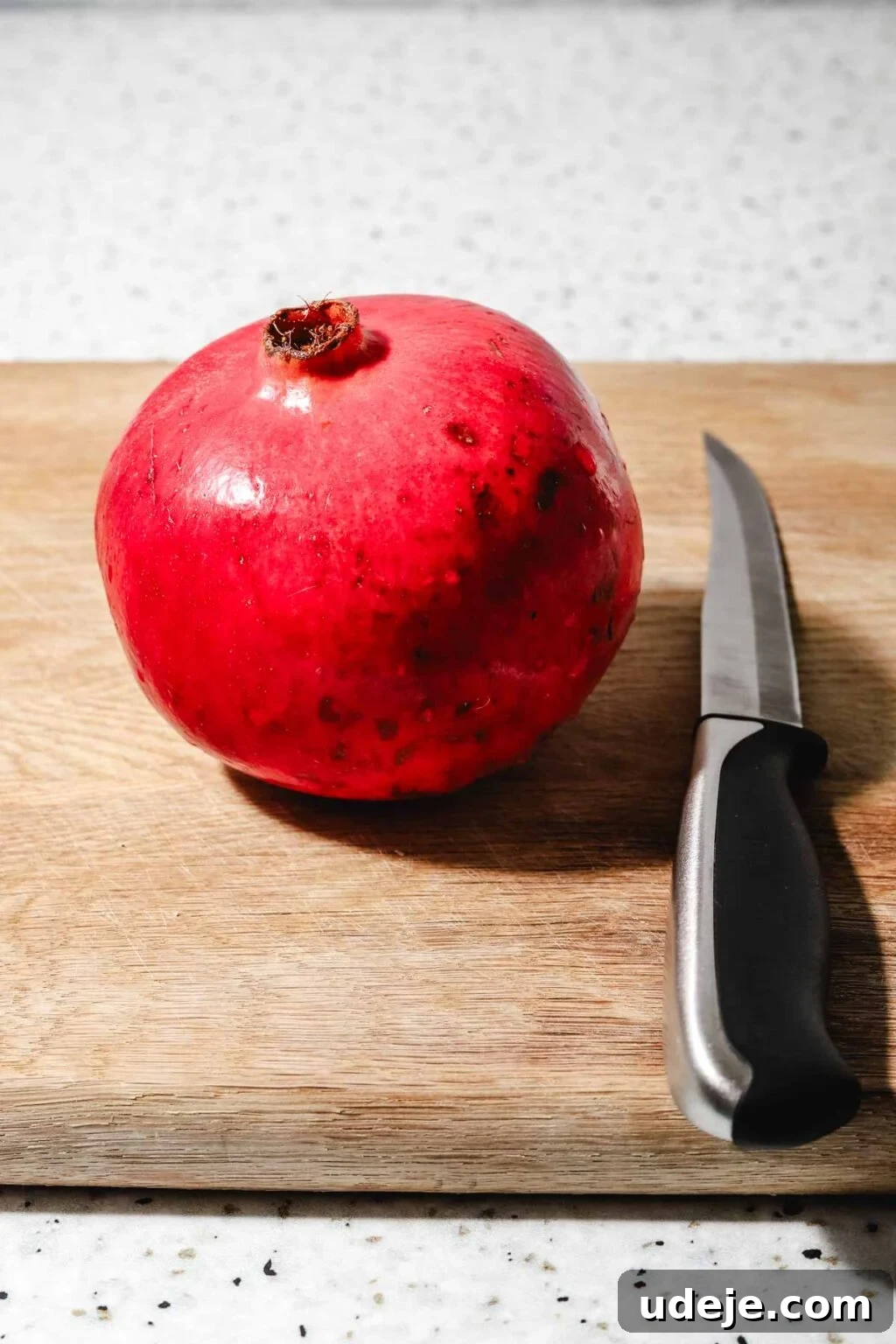
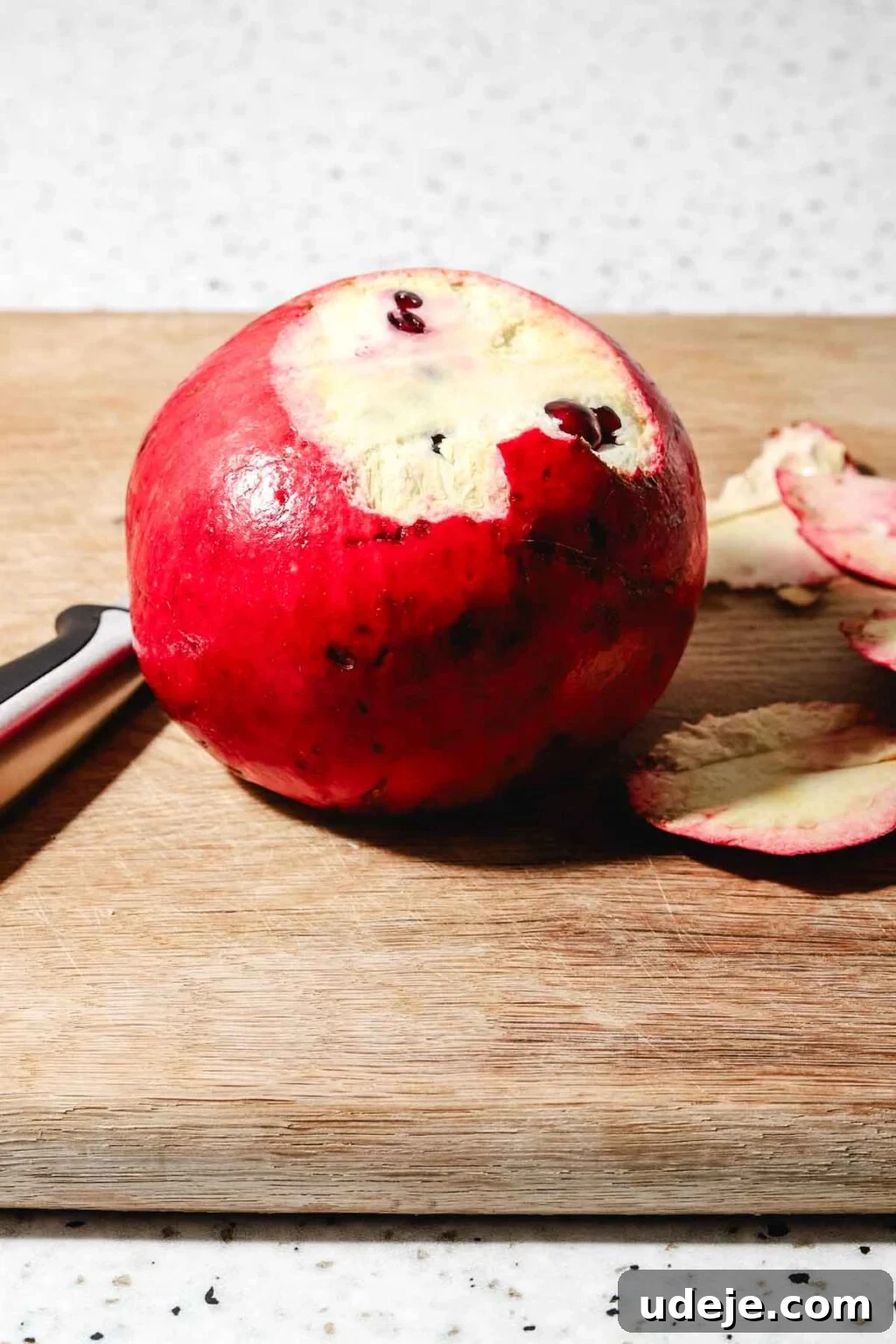
Begin by carefully slicing off the crown of the pomegranate. Make a shallow cut, just deep enough to expose the seeds without cutting too deeply into the fruit. This prevents unnecessary splattering of juice during the initial stages.
Essential Tip: Pomegranate Juice Stains! Be extremely cautious, as pomegranate juice is a potent natural dye. Protect your countertops, cutting boards, and any porous cooking vessels that could stain. And learn from my mistakes: keep it far away from light-colored fabrics, like white curtains!

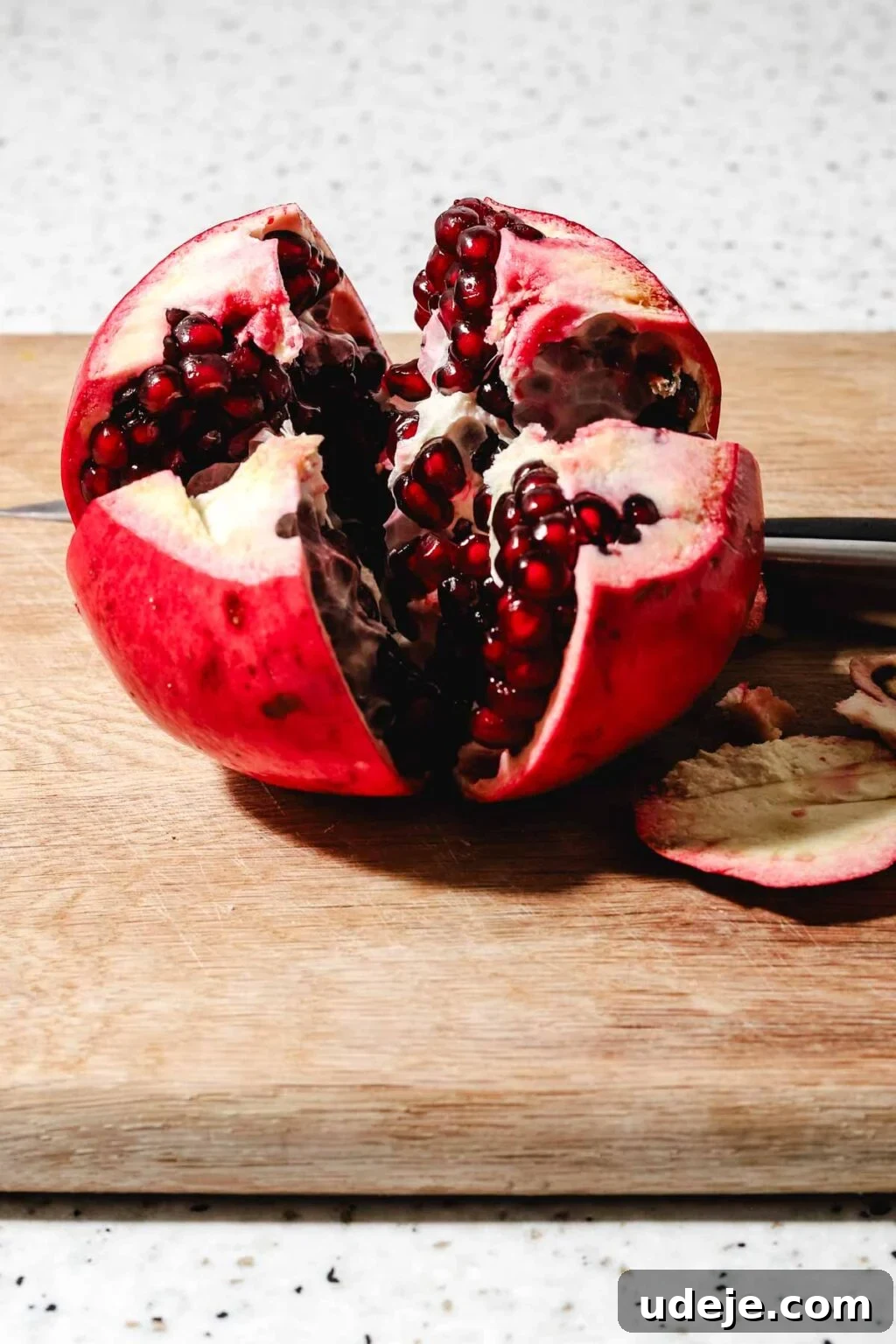
Observe the pattern of the white membranes (pith) that divide the pomegranate into sections. Using a small, sharp knife, score downwards along these natural lines. You’ll typically find 4 to 5 membrane lines, creating a star-like pattern. Once scored, gently pry the sections apart with your hands until the glistening pomegranate seeds, or arils, are fully exposed.
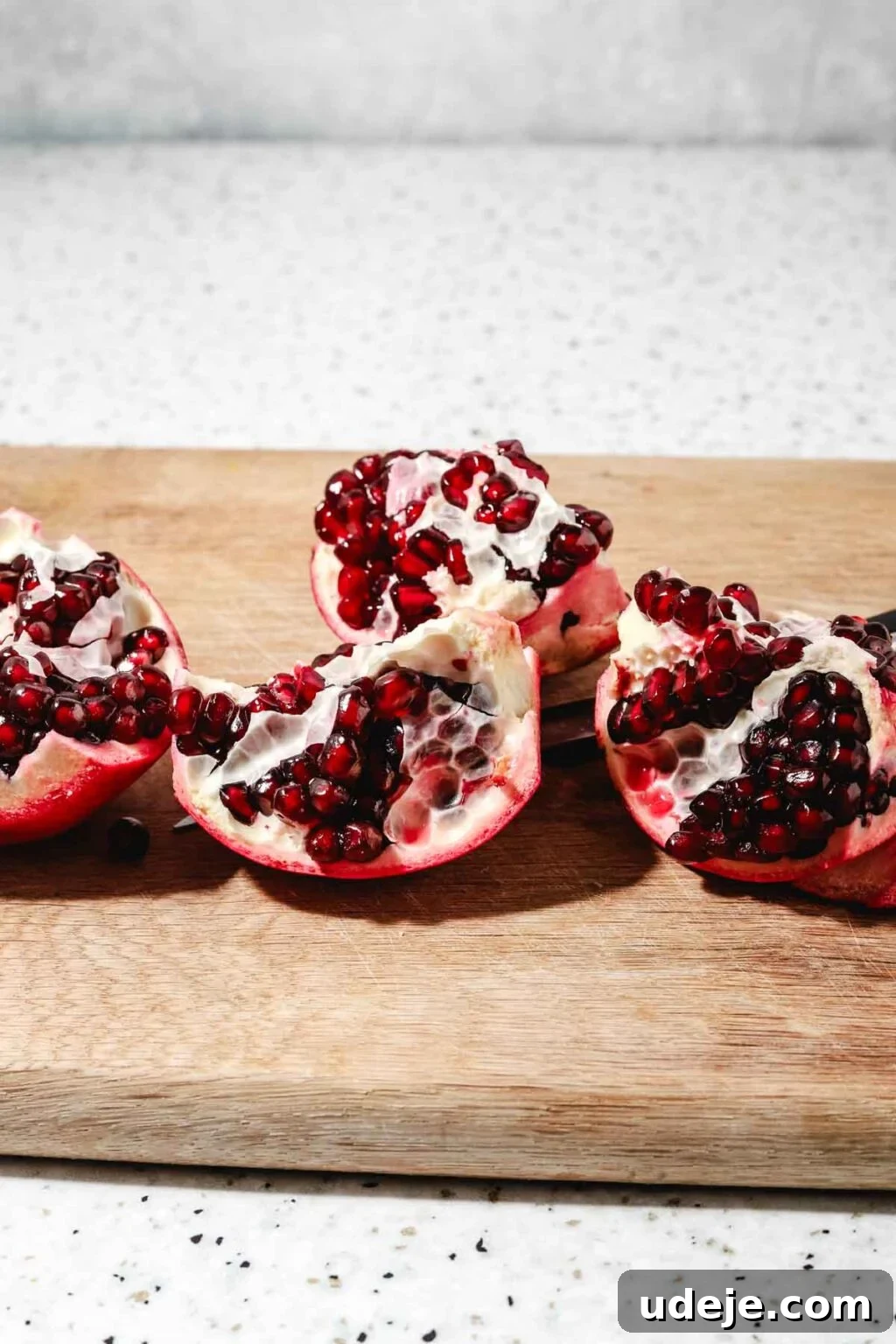
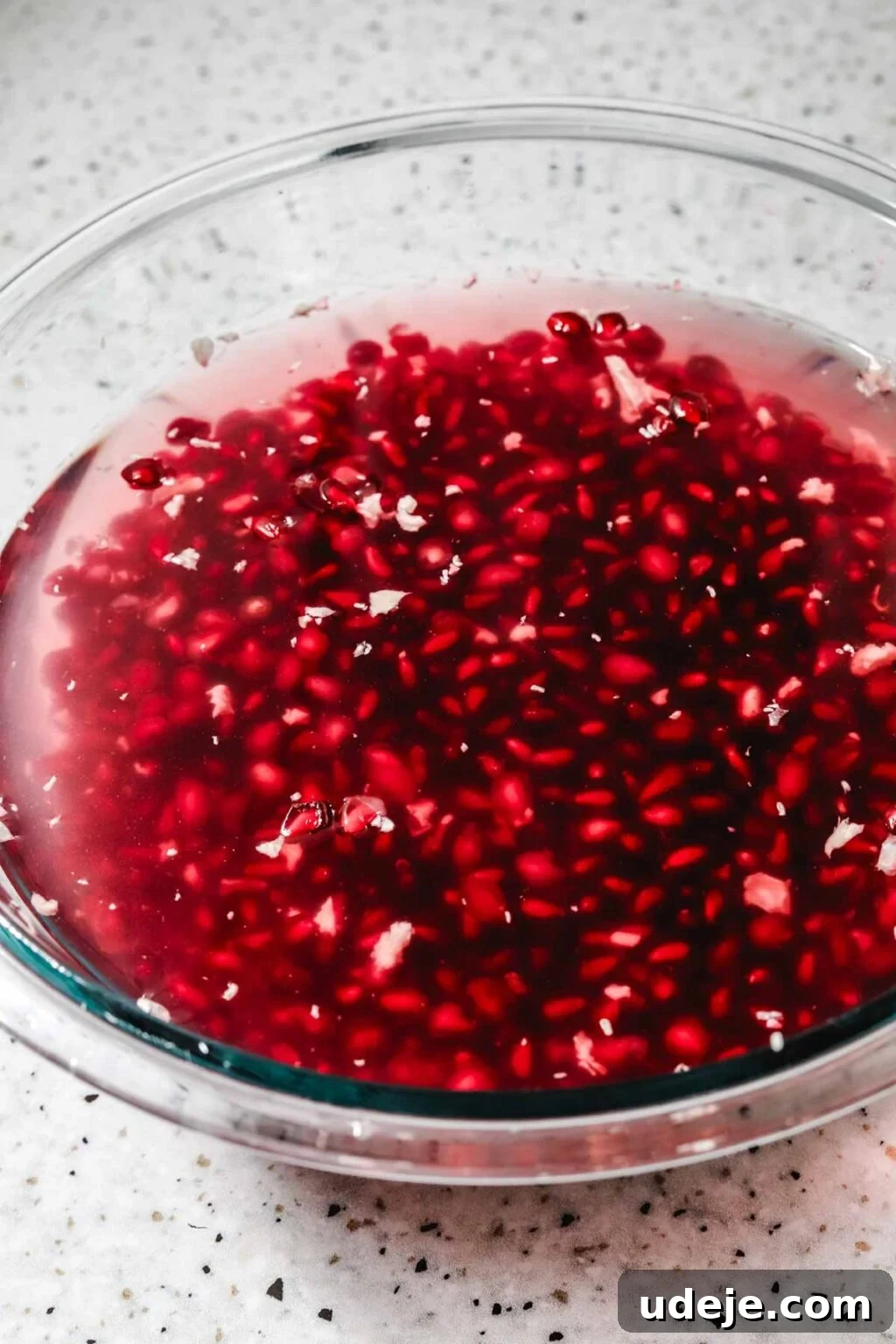
To efficiently separate the arils and minimize mess, fill a large bowl about halfway with water. Submerge one section of the pomegranate under the water, and with your hands, gently separate the seeds from the white pith and skin. The water acts as a protective barrier, preventing juice from splattering. As an added benefit, any bits of white pith will conveniently float to the surface, allowing you to easily scoop them out and discard them. Repeat this process for all pomegranate sections.
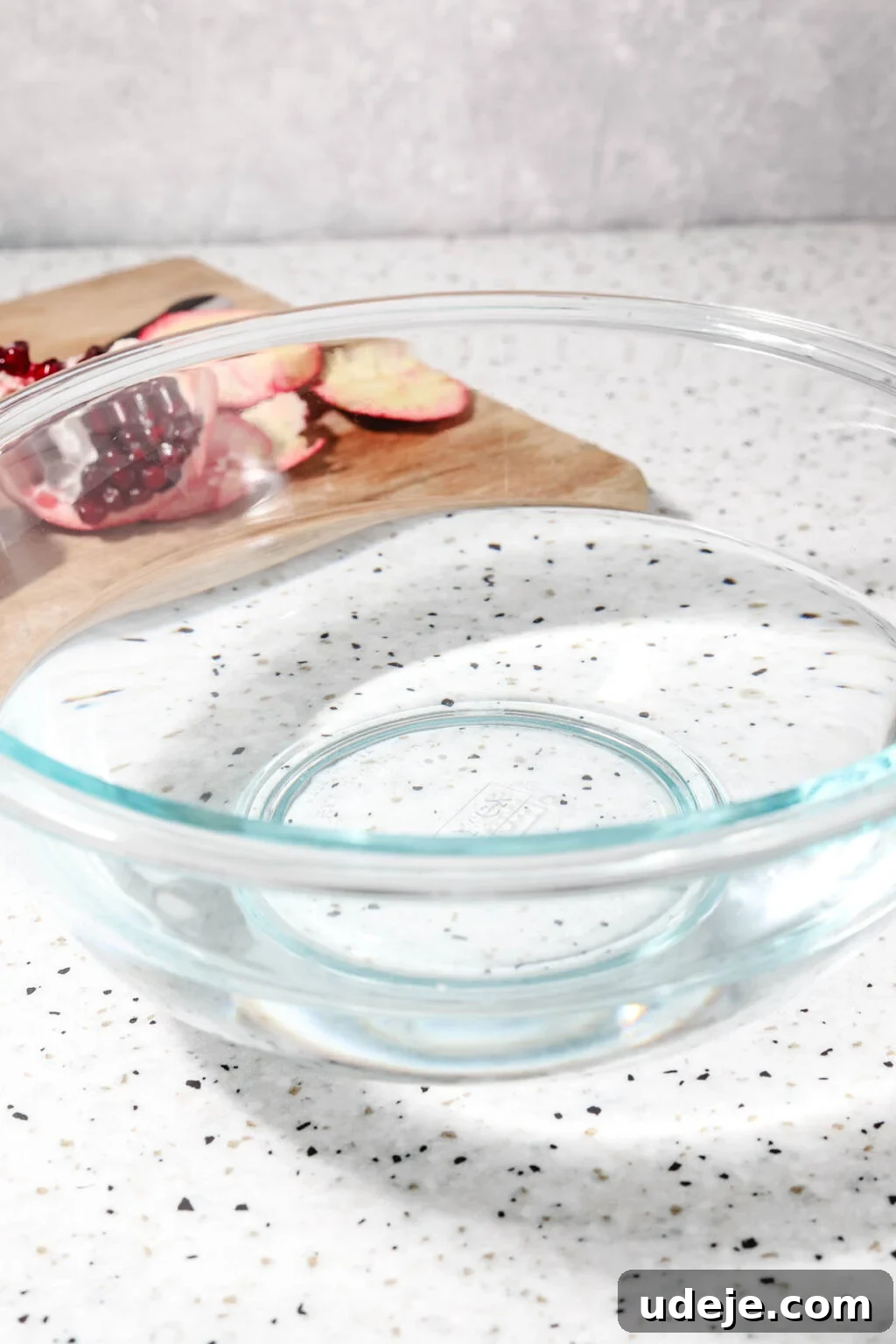
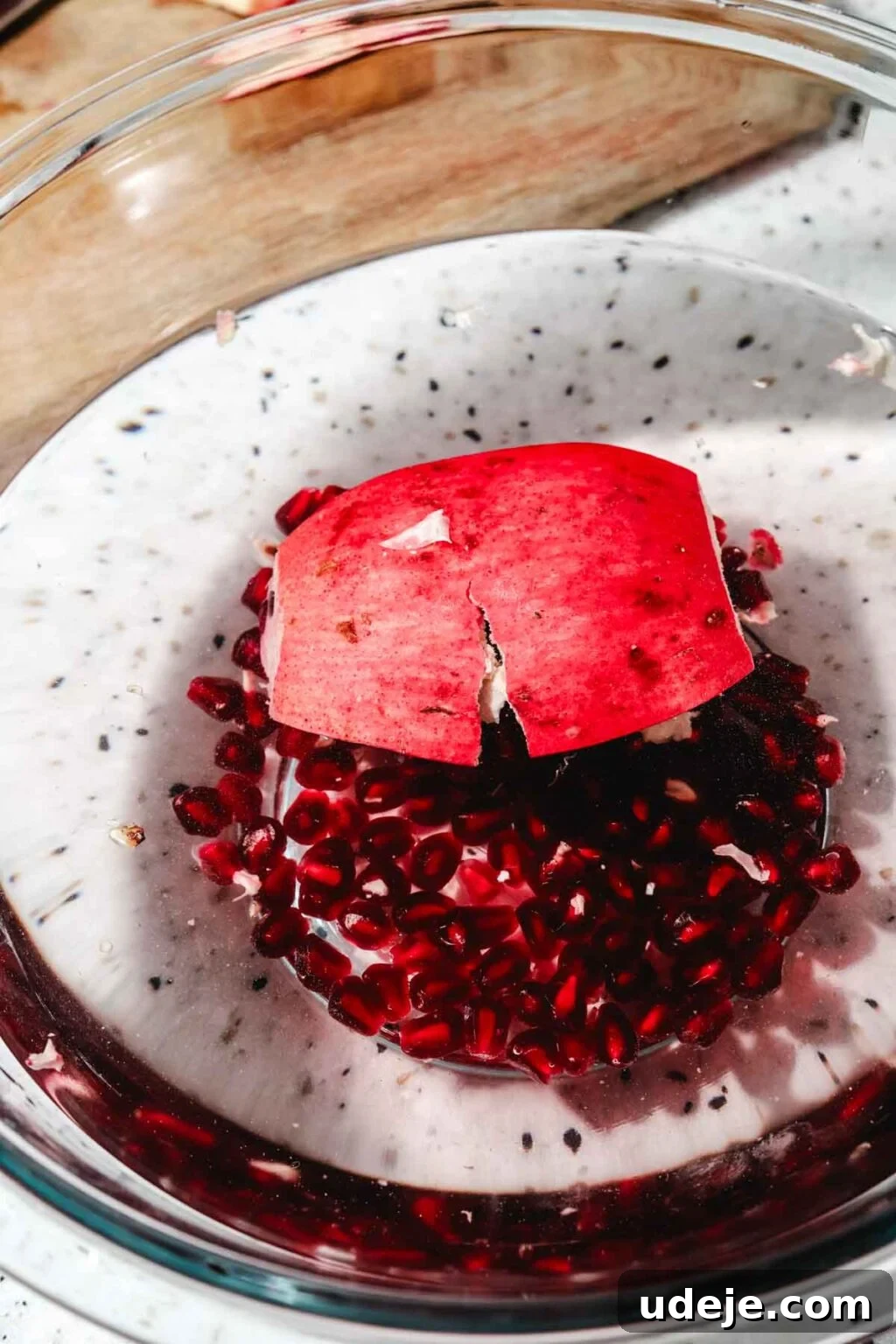
Continue this de-seeding process until all your pomegranates have been processed. The water bath method not only prevents staining but also helps separate the bitter white pith from the sweet arils, as the pith will float while the seeds sink. While another popular method involves holding pomegranate pieces upside down over a bowl and tapping the back with a spoon, I find the water bath method superior for ensuring no splatter and a cleaner separation.
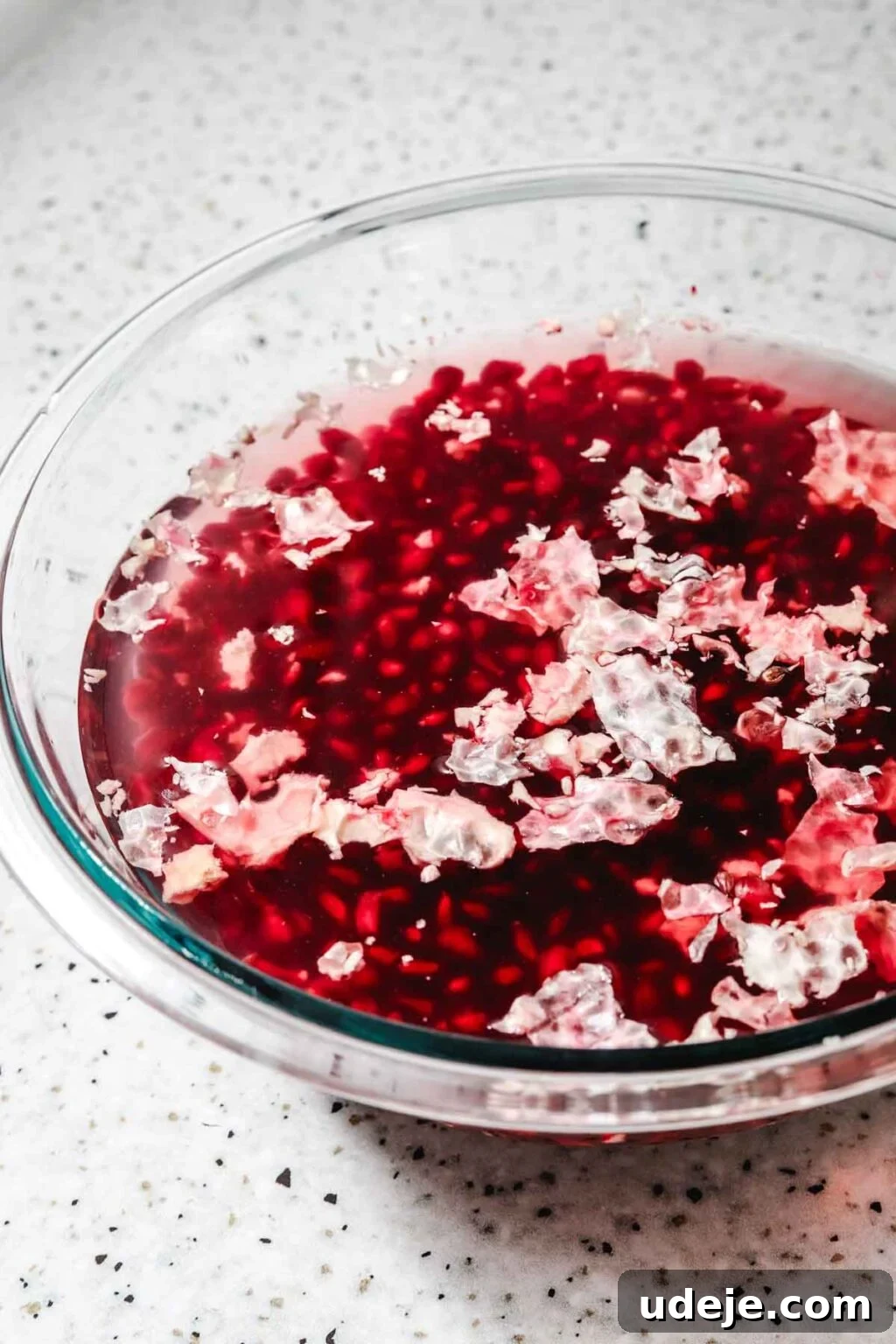
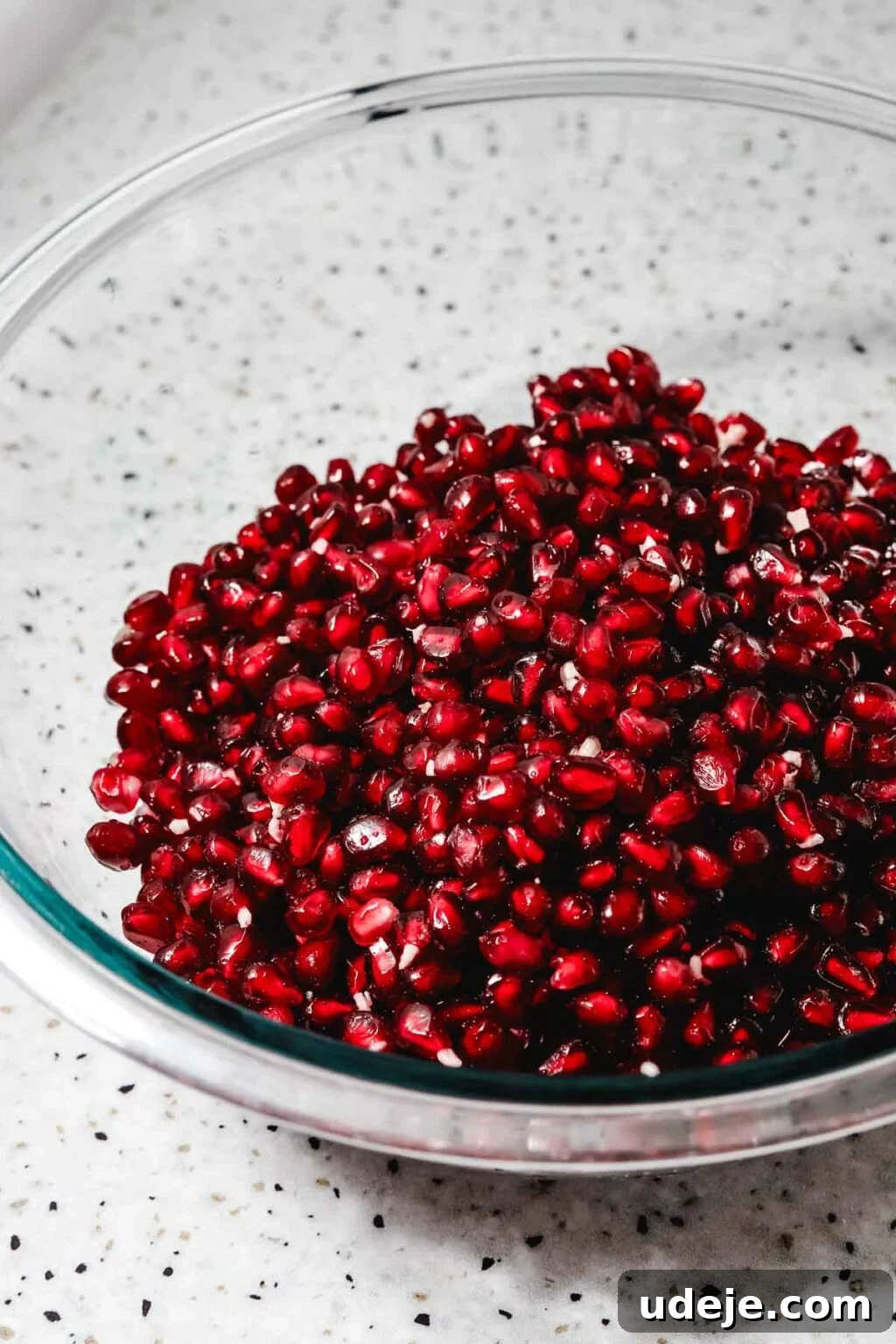
Once all the seeds are separated, drain them thoroughly from the water. Before proceeding, quickly inspect the drained arils for any remaining large pieces of white pith, as these can impart an undesirable bitter taste to your juice. Remove any you find.
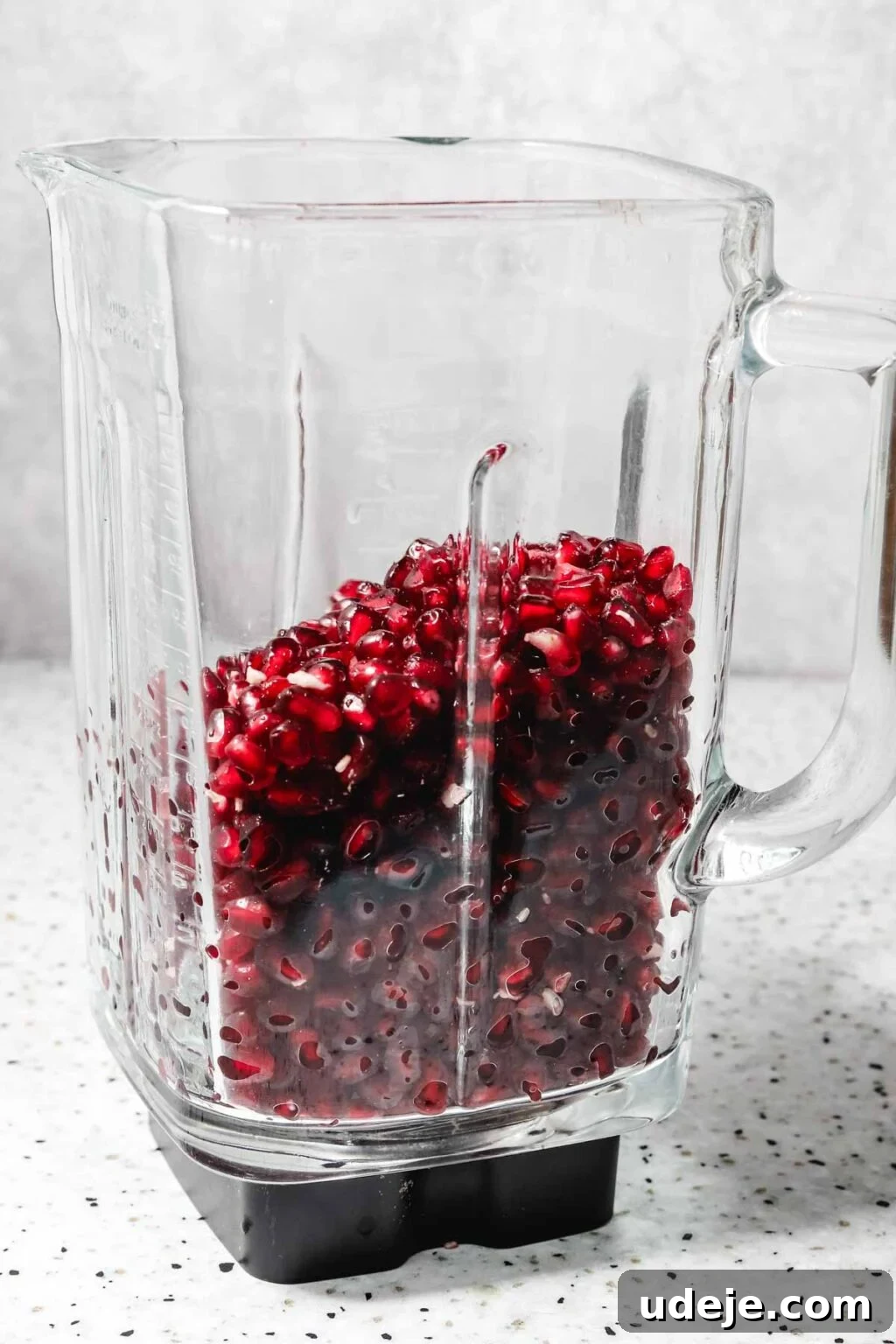
Transfer the clean pomegranate arils into a large, sturdy blender. Blend on high speed until the mixture becomes mostly smooth. Achieving a perfectly uniform consistency may take a few minutes, but don’t worry if it’s not absolutely silky; we’ll address any remaining small particles in the next straining step.
Why a Blender Trumps a Juicer: For pomegranates, a standard juicer often falls short, leaving a significant amount of juice trapped within the arils. A powerful blender, however, extracts juice far more efficiently by thoroughly pulverizing the fruit, ensuring you get the most out of your pomegranates.
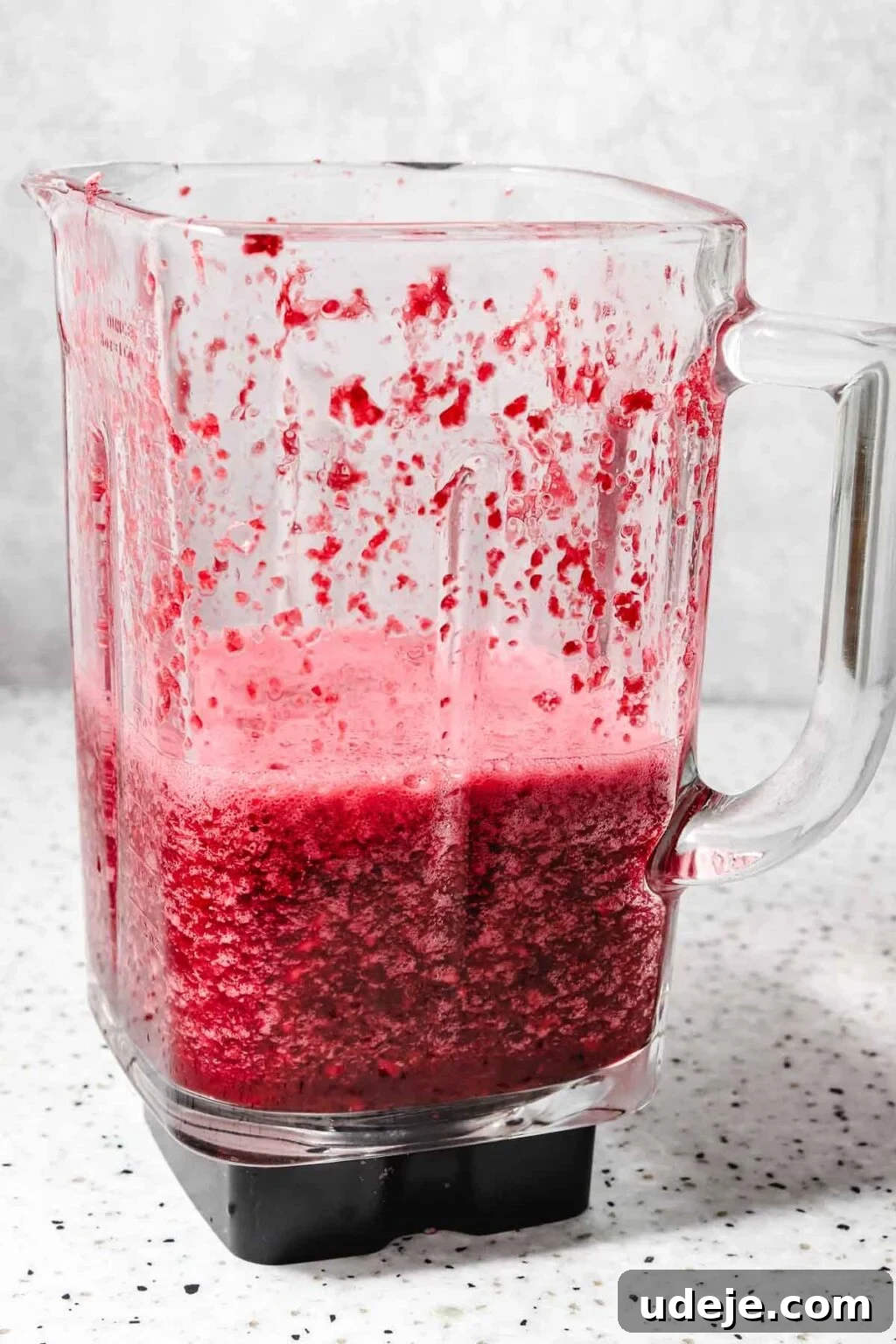
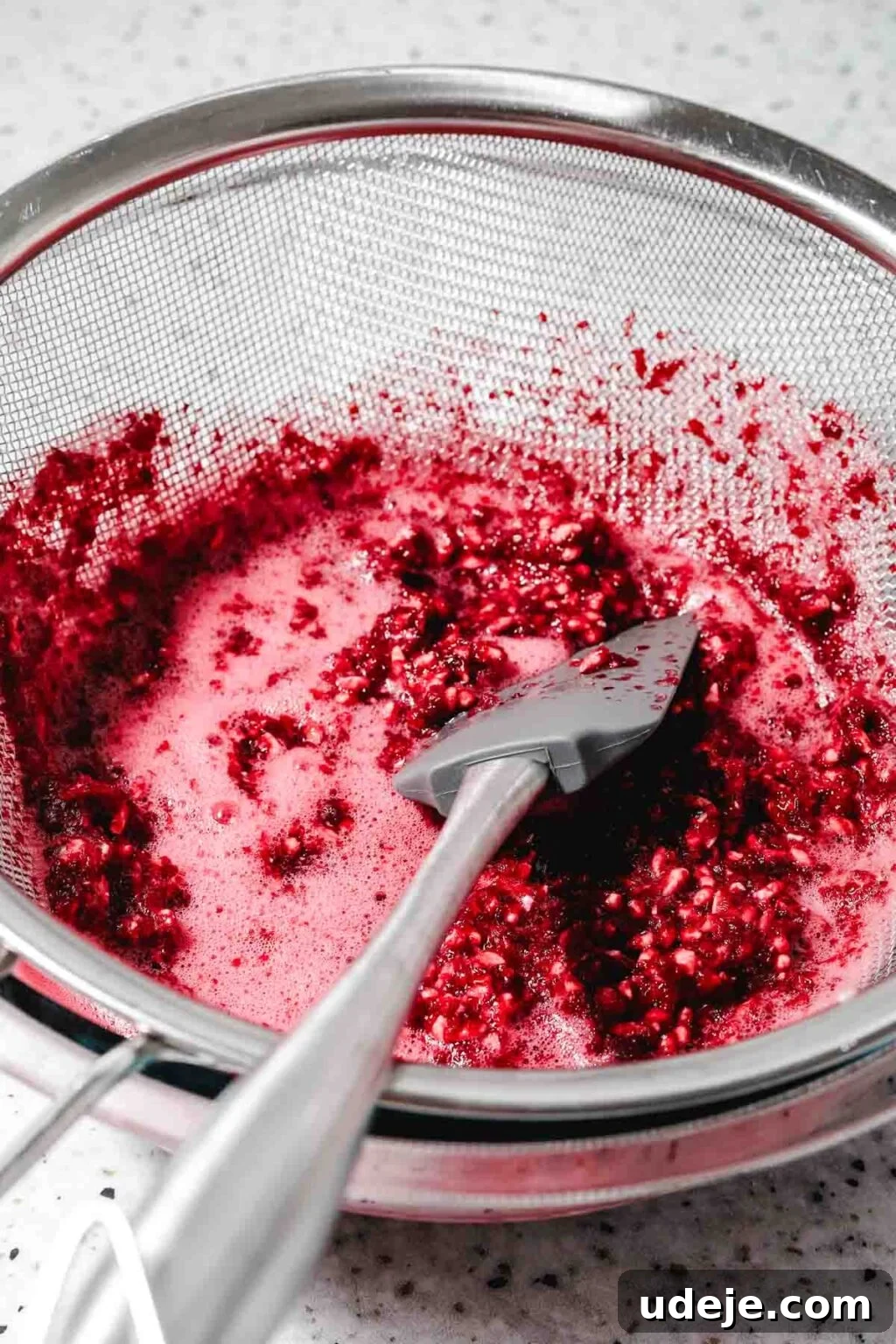
Once blended, pour the vibrant pomegranate mixture, including all the pulp, into a fine-mesh strainer positioned over a large bowl. Using a sturdy spatula or the back of a ladle, press down firmly on the pulp to extract as much juice as possible. Be patient with this step; it’s key to maximizing your yield.
Here’s a crucial tip I learned from experience: a standard fine-mesh strainer, while good, might not be sufficient to catch every tiny bit of pulverized seed from the blender. For an exceptionally smooth molasses, I highly recommend lining your strainer with several layers of cheesecloth or using a specialized nut milk bag. This will ensure that no minute particles pass through, yielding a beautifully clear juice. While my initial attempt resulted in a delicious molasses, its texture wasn’t quite as smooth as I desired due to this oversight.
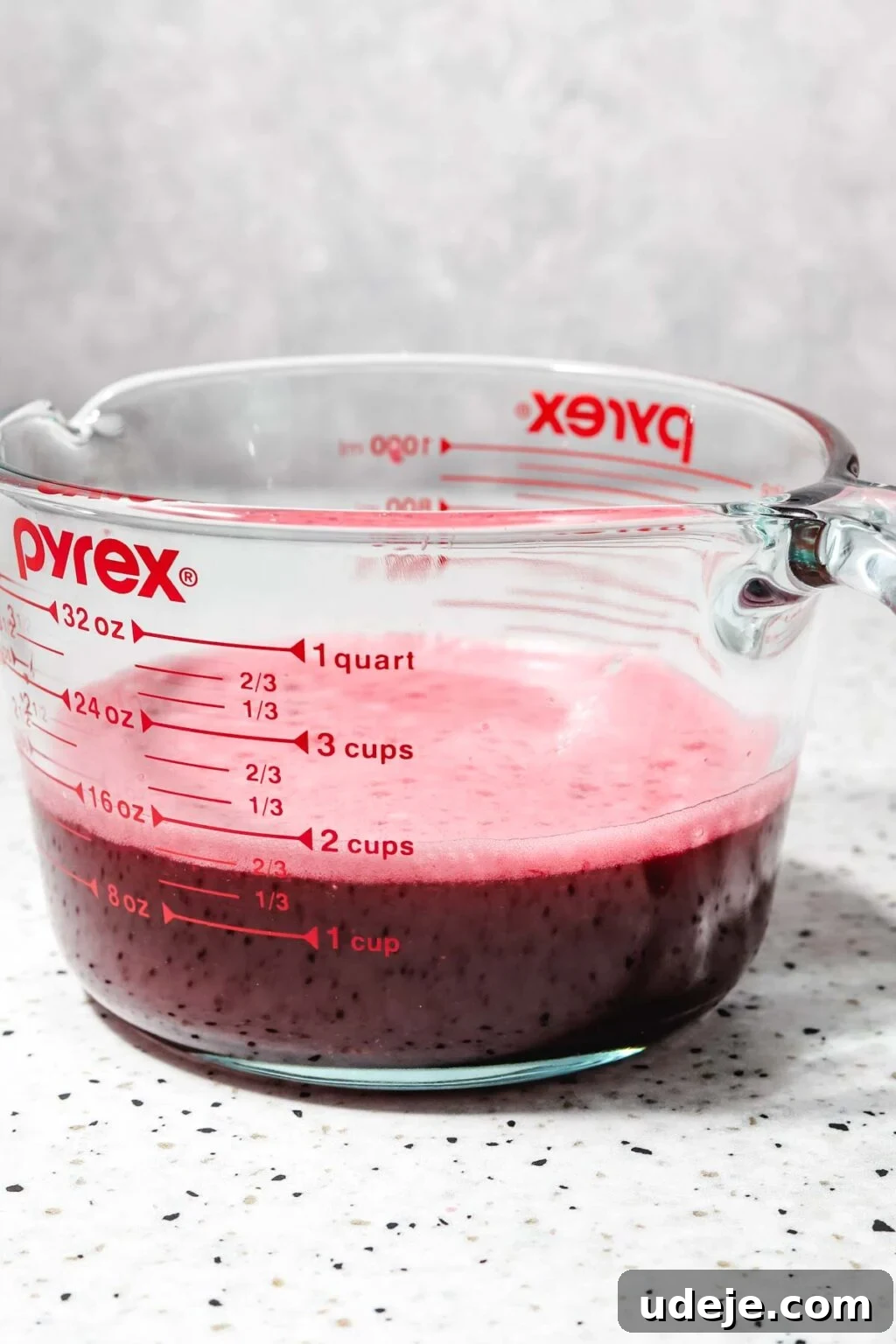
After successfully straining, you’ll be left with a breathtakingly vibrant pomegranate juice. Just look at that magnificent color! This is one of the distinct advantages of using fresh pomegranates – the intensity and brightness of the hue are simply unmatched.
At this point, you could, if you wished, pause and enjoy a glass of this incredibly refreshing, freshly pressed pomegranate juice – a popular street vendor drink in Iraq. But our journey towards rich, homemade pomegranate molasses continues!
The Art of Reduction: Crafting Your Pomegranate Molasses
This is where the magic happens and your homemade pomegranate molasses truly takes shape! Whether you’re using freshly extracted juice or high-quality bottled juice, the next steps are identical. Transfer your pomegranate juice into a medium-sized, heavy-bottomed saucepan. Add the lemon juice and the minimum recommended amount of granulated sugar. Stir everything together gently to dissolve the sugar. Before you begin cooking, taste the mixture. Remember that as the juice reduces, its flavors will concentrate and intensify, so you can always add more sugar later if needed. Bring the mixture to a very gentle simmer over low heat.
Crucial Tip: Gentle Simmer is Key! It’s imperative to maintain a low heat and allow the mixture to simmer gently throughout the cooking process. Avoid a vigorous, rolling boil, as high heat can “cook” the delicate fruit flavors, resulting in a less vibrant and somewhat unpleasant taste. A slow, steady reduction preserves the fresh, tangy essence of the pomegranate.
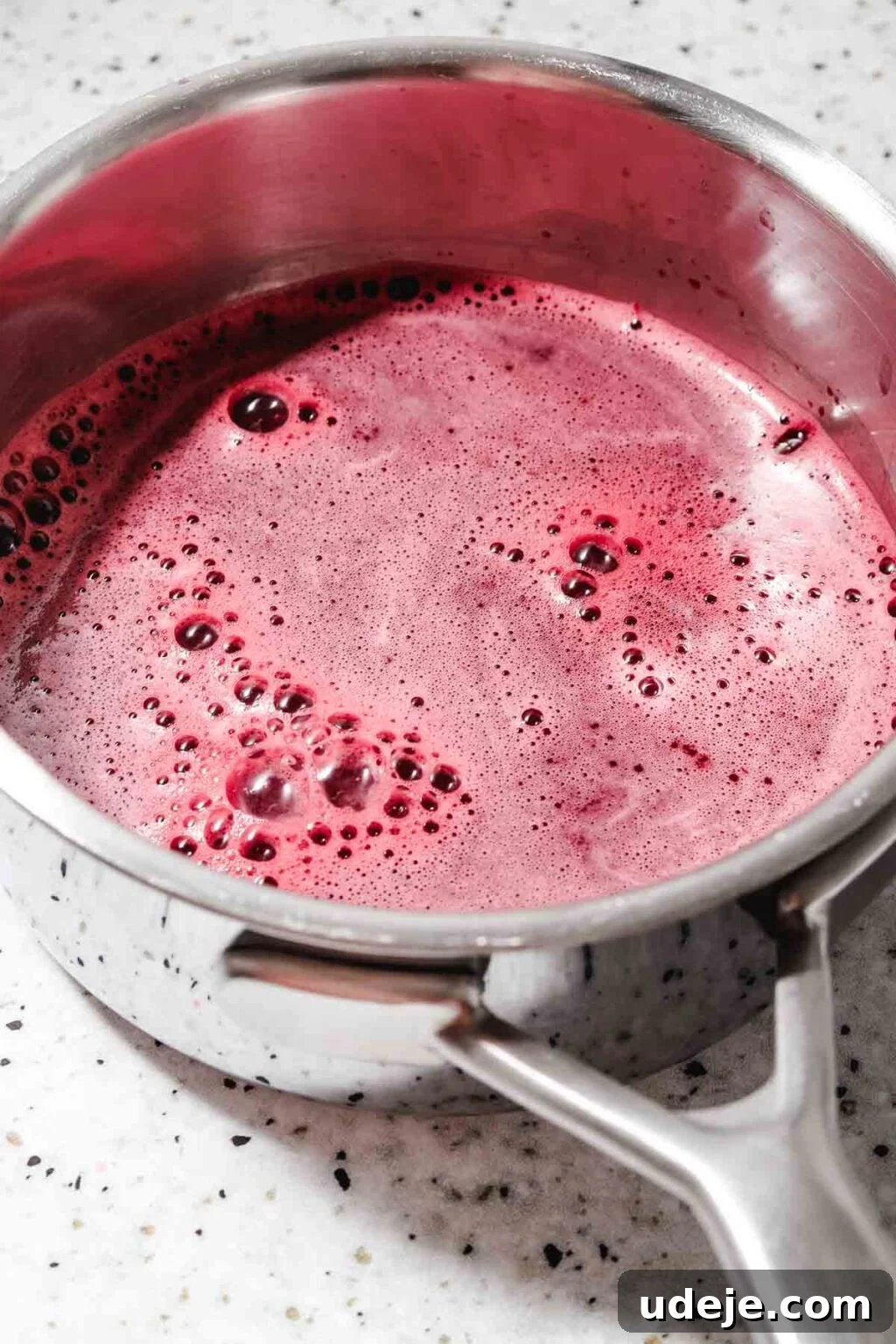
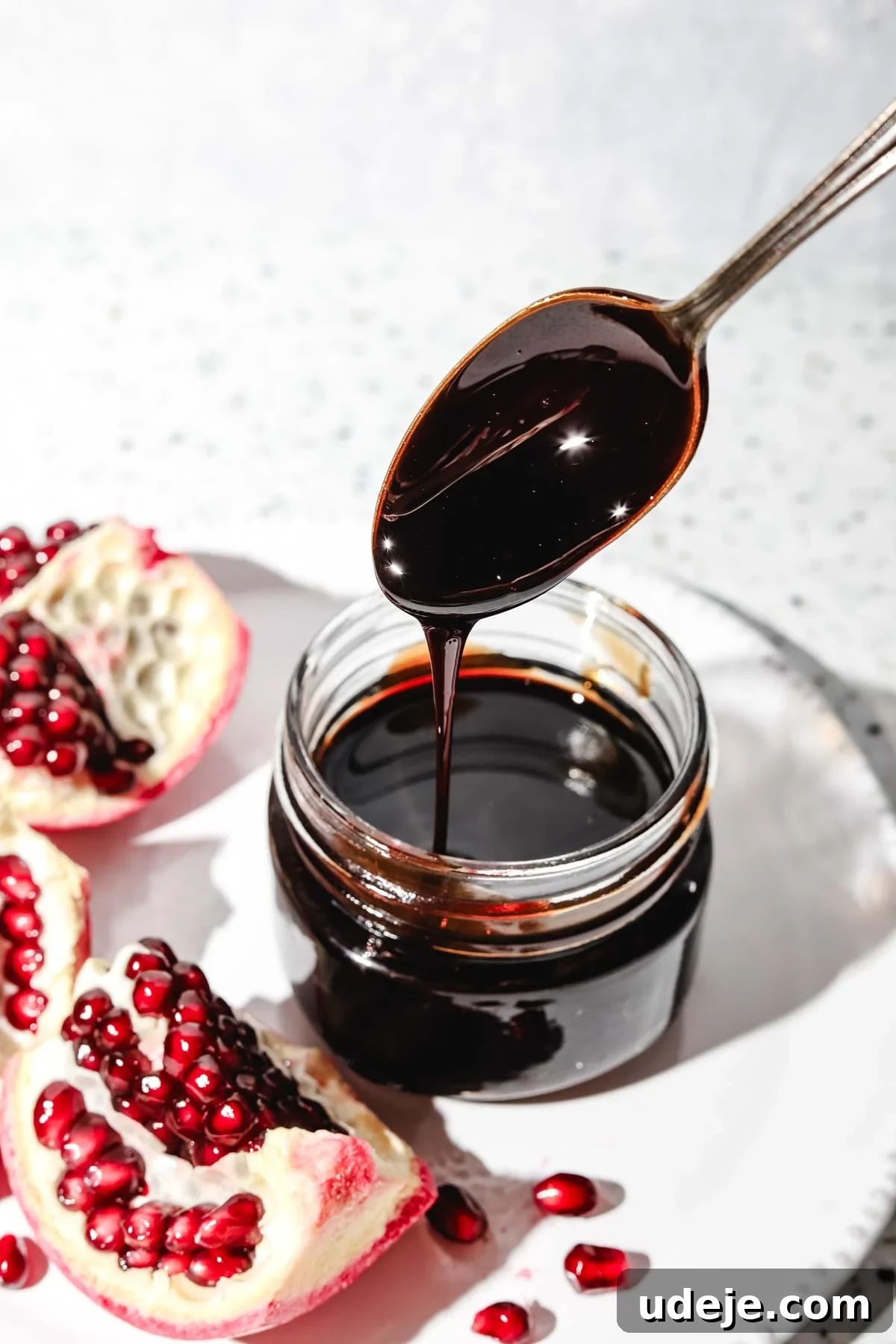
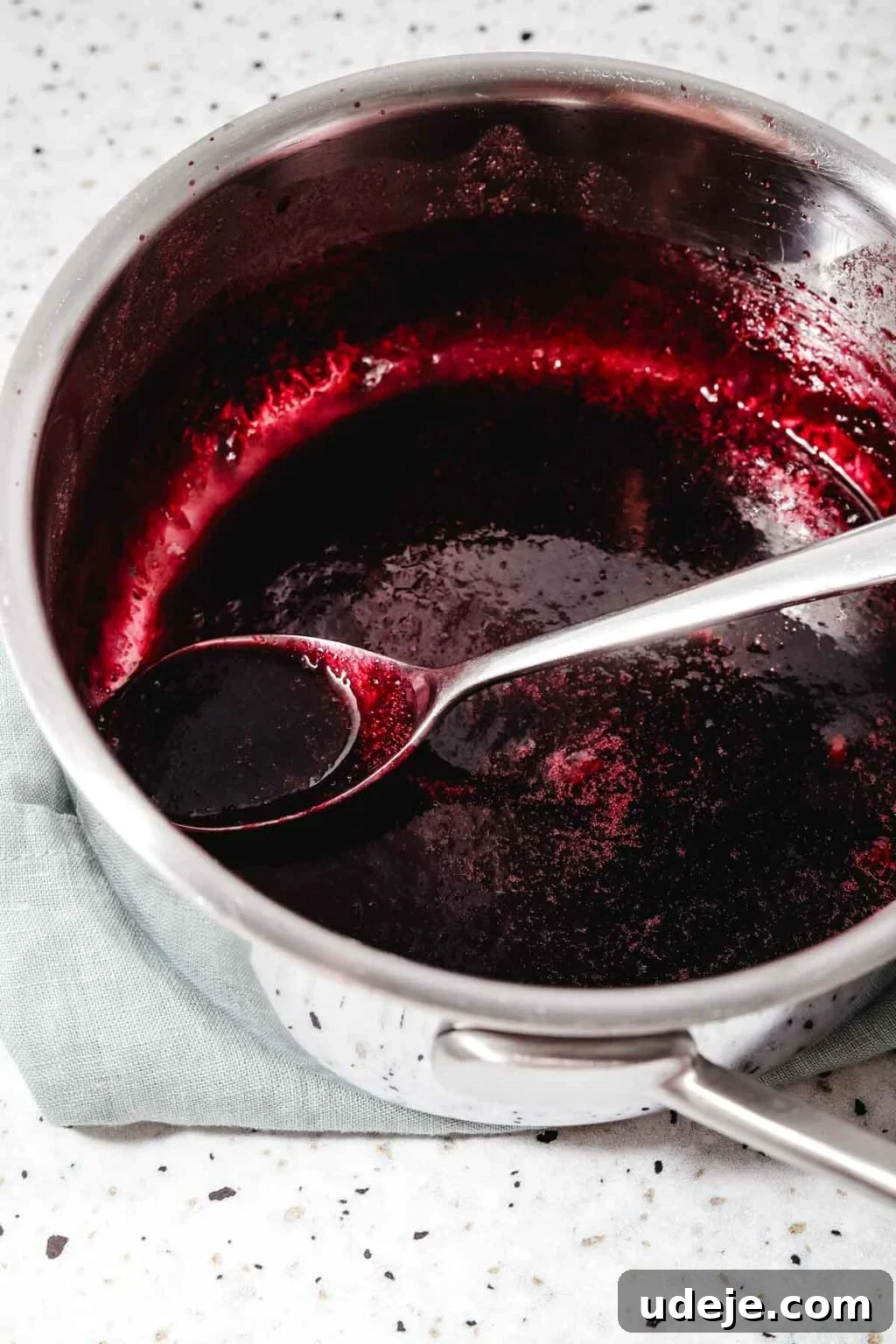
Allow the juice to simmer uncovered for approximately 1 to 2 hours, stirring occasionally to prevent sticking and ensure even reduction. The exact cooking time will depend on the initial volume of juice, the width of your saucepan (more surface area means faster evaporation), and the intensity of your low heat setting. After about 45 minutes to an hour, you’ll begin to notice a significant reduction in liquid. Continue to simmer until the liquid thickens into a rich, viscous syrup. A reliable test for readiness is to dip a spoon into the molasses; if it coats the back of the spoon thinly and evenly, and holds its shape without running off immediately, it’s done. It should have a consistency that drizzles easily but isn’t watery.
As the molasses cools, it will thicken further, achieving its final, desired texture. Once it reaches room temperature, carefully transfer your beautiful, deeply colored homemade pomegranate molasses into an airtight container or jar. Store it in the refrigerator, where it will remain fresh and flavorful for up to 4-6 months. Your exquisite homemade pomegranate molasses is now ready to elevate all your favorite Middle Eastern and global dishes!
Storing Your Homemade Pomegranate Molasses for Longevity
Proper storage is essential to maintain the quality and extend the shelf life of your homemade pomegranate molasses. Once the syrup has completely cooled down to room temperature, it’s best transferred to a clean, sterilized, airtight glass jar. While some commercially produced pomegranate molasses can be stored in the pantry even after opening due to preservatives, homemade versions benefit greatly from refrigeration.
Storing your pomegranate molasses in the refrigerator will significantly prolong its freshness and vibrant flavor. When kept in an airtight container in the fridge, it will remain good for use for at least 4-6 months, and often even longer. Ensure the lid is always tightly sealed after each use to prevent any air exposure, which can lead to degradation of flavor and potential spoilage. This simple practice ensures you’ll always have this versatile and flavorful ingredient ready to hand for all your culinary adventures.
If you tried these recipes, please consider leaving a star rating in the recipe card below and/or a review in the comments section further down the page – I’d love to hear from you! You can also hop on over to Instagram and say hello!
Homemade Pomegranate Molasses: The Essential Guide
Yield: Approximately 1 cup (240ml)
Prep Time: 15 mins
Cook Time: 1 hr 30 mins
Total Time: 1 hr 45 mins
Author: Amina Al-Saigh
Sweet and tangy homemade pomegranate molasses is an essential and transformative ingredient in Middle Eastern cuisine. It’s incredibly easy to make at home with just a few simple ingredients and a little patience.
Ingredients
For Using Bottled Juice:
- 1 litre (1000 ml) 100% pure pomegranate juice (ensure no added sugar or concentrates)
- 1/4 cup (45 ml) fresh lemon juice
- 50 grams granulated sugar (start with this amount; adjust up to 100 grams based on taste and juice sweetness)
For Using Fresh Juice:
- 8 large pomegranates (yields approximately 4 cups or 1 litre of juice)
- 1/4 cup (45 ml) fresh lemon juice
- 50 grams granulated sugar (start with this amount; adjust up to 100 grams based on taste and juice sweetness)
Instructions
Part 1: Preparing Fresh Pomegranate Juice (if using)
- Lightly slice off the crown of each pomegranate with a small, sharp knife, just until the seeds become visible. Be careful not to cut too deeply.
- Following the natural white membrane lines, score the pomegranate crosswise into roughly 4-5 sections. Gently pull the sections apart to expose the arils.
- Fill a large bowl halfway with water. Submerge pomegranate sections and gently separate the seeds from the pith and skin under the water. The pith will float, allowing you to easily discard it.
- Alternatively, hold pomegranate pieces over a clean bowl, seeds facing down, and firmly tap the back with a spoon to release the seeds. (The water method is recommended for less mess).
- Drain the collected pomegranate seeds from the water and transfer them to a large blender. Blend until the mixture is mostly smooth.
- Pour the blended pomegranate mixture through a fine-mesh strainer lined with several layers of cheesecloth (or use a very fine-mesh strainer) set over a bowl. Press down on the pulp with a spatula to extract all the juice, ensuring a smooth, seed-free liquid.
Part 2: Making the Pomegranate Molasses
- Transfer your prepared pomegranate juice (either fresh or bottled) into a medium-sized, heavy-bottomed saucepan. Add the fresh lemon juice and the initial 50 grams of granulated sugar. Stir well until the sugar dissolves.
- Taste the juice mixture. Keep in mind that the flavors will concentrate significantly during cooking. Adjust sugar if necessary, but start with the minimum amount.
- Place the saucepan over low heat and bring the mixture to a very gentle simmer. It is crucial to avoid a rapid boil, as this can result in an “overcooked” flavor that detracts from the pomegranate’s vibrant essence.
- Maintain a gentle simmer, uncovered, for 1 to 2 hours, stirring occasionally. The time will vary based on your heat setting and the surface area of your pan.
- The molasses is ready when it has reduced significantly and thickened to a consistency that thinly coats the back of a spoon. It should drizzle smoothly from the spoon.
- Remove from heat and allow the molasses to cool completely to room temperature. It will thicken further as it cools.
- Once cooled, transfer the homemade pomegranate molasses to a clean, airtight glass jar. Store it in the refrigerator for 4-6 months.
Notes
- Using fresh pomegranate juice often yields a brighter, more vibrant color and a nuanced flavor, but it is more labor-intensive to de-seed and juice the fruits.
- Adjust the amount of sugar and lemon juice based on the natural sweetness and tartness of your pomegranates or bottled juice. For very tangy fruits, you might need more sugar; for sweeter ones, less.
- If opting for bottled juice, always ensure it is 100% pure pomegranate juice without any added sugars, water, or other fruit juices to achieve the best flavor.
- The key to delicious molasses is a slow, gentle simmer. Avoid high heat or vigorous boiling, which can lead to a less pleasant, cooked flavor.
- This recipe typically yields approximately 1 cup (240 ml) of finished pomegranate molasses.
Nutritional Information (per 1 serving of approx. 30 servings per batch)
Serving: 1 serving,
Calories: 95 kcal,
Carbohydrates: 22g,
Protein: 1g,
Fat: 1g,
Saturated Fat: 0.1g,
Polyunsaturated Fat: 0.1g,
Monounsaturated Fat: 0.1g,
Sodium: 5mg,
Potassium: 257mg,
Fiber: 3g,
Sugar: 18g,
Vitamin A: 0.2IU,
Vitamin C: 9mg,
Calcium: 12mg,
Iron: 0.3mg
Did you make this recipe?
Please leave a star rating and review below!