
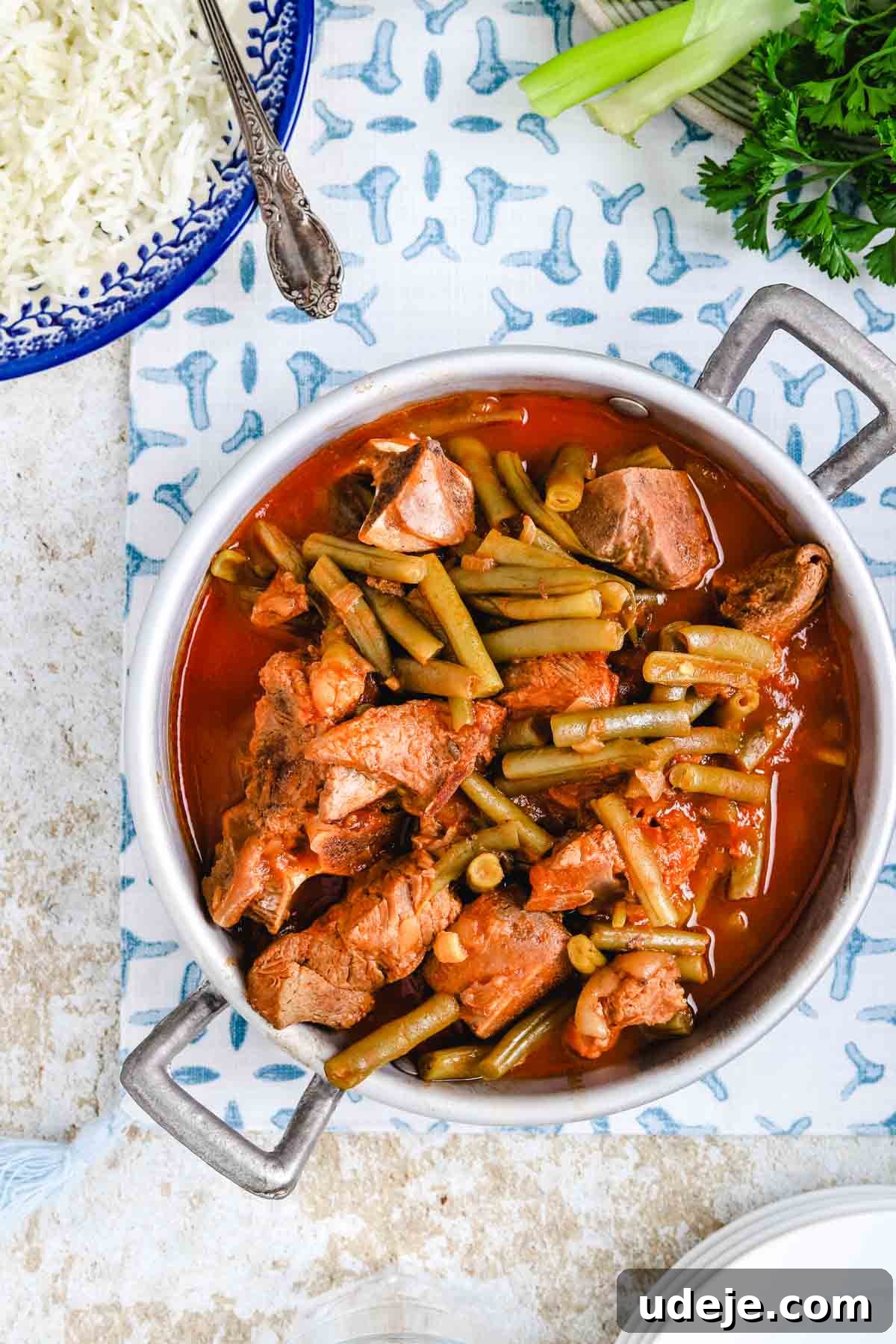
Step into a world of vibrant flavors and heartwarming traditions with this exquisite Middle Eastern Green Bean Stew, known affectionately as Loubia or Yakhnet Loubia. This cherished recipe, a staple in many households across the region, is a true testament to the beauty of simple, wholesome ingredients coming together to create an unforgettable meal. My mother, a phenomenal cook, frequently prepared this dish for our family, recognizing its perfect balance of ease, nutritional value, and utterly delicious taste. It’s a comforting, tomato-based stew, traditionally featuring tender lamb, beef, or veal, with the humble green bean shining brightly as the star ingredient. While I often opt for fresh green beans for their crisp texture and vibrant flavor, their frozen counterparts work equally well, making this recipe accessible year-round. Below, you’ll find detailed instructions for both the time-saving Instant Pot method and the traditional stovetop approach, ensuring you can enjoy this culinary delight no matter your preferred cooking style. Served generously over a bed of fluffy basmati rice, it transforms into a complete and deeply satisfying meal that evokes a sense of home and heritage.
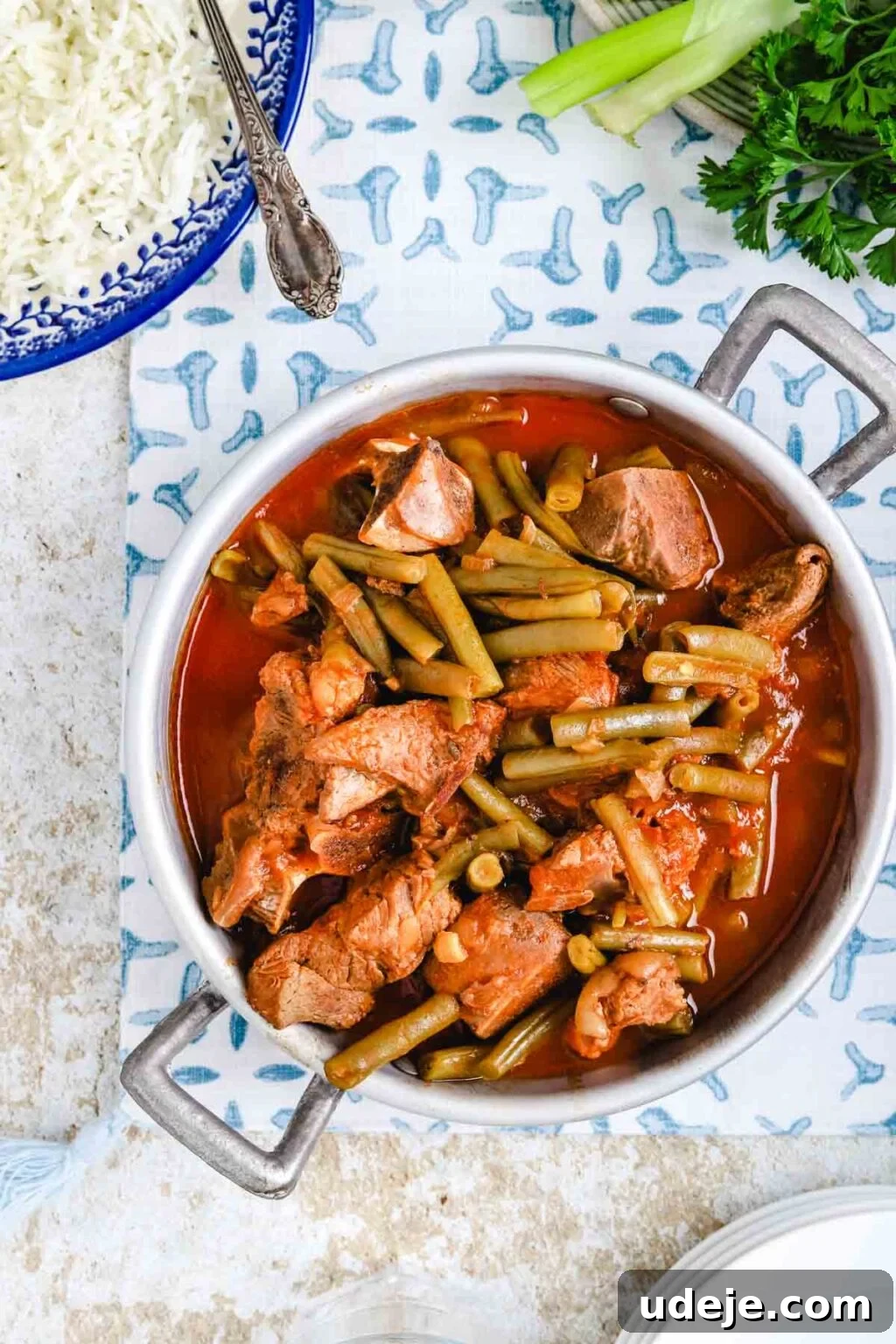
Authentic Middle Eastern Green Bean Stew: A Comfort Food Classic (Loubia)
The allure of Middle Eastern cuisine often lies in its ability to transform everyday ingredients into extraordinary dishes, and this Green Bean Stew is a prime example. More than just a meal, it’s a culinary journey that brings families together, offering warmth and nourishment in every spoonful. The rich, savory broth, infused with the sweetness of tomatoes and the subtle tang of pomegranate molasses, perfectly complements the succulent meat and crisp green beans. It’s a dish that caters to both the busy weeknight schedule and the desire for a deeply satisfying, home-cooked meal, embodying the very essence of Middle Eastern hospitality and flavor.
The Heart of Middle Eastern Cuisine: The Humble Stew
In many Middle Eastern cultures, particularly in Iraqi cuisine where my roots lie, stews hold a place of profound importance. They are not merely side dishes but often the main event at the dinner table, a cornerstone of daily sustenance and celebration. Growing up, I was fortunate to be raised by a mother whose culinary skills were unmatched, and our weeknight dinners frequently featured a hearty stew, typically centered around tender lamb and a seasonal vegetable, always accompanied by fragrant rice. The versatility of stews in Iraqi cuisine is remarkable; from the creamy goodness of Fasolia (white bean stew) to the earthy richness of Okra Stew (Bamia) and the vibrant appeal of Spinach Stew (Sabanegh), there’s a stew for every taste and occasion. This green bean stew, often called Loubia, stands out among my favorites, offering a delightful combination of textures and flavors. Stews are the humble yet healthy backbone of Arab gastronomy, consistently featuring a prominent vegetable and a protein, usually lamb or beef, making them a delicious and unfussy meal that nourishes both body and soul.
Selecting Your Protein: The Best Meats for Middle Eastern Stews
The choice of meat plays a crucial role in defining the depth and character of any Middle Eastern stew. Traditionally, these savory concoctions are prepared with bone-in cuts of lamb, beef, or veal. The inclusion of bones is not just a culinary preference; it’s a fundamental technique that infuses the stew’s broth with an unparalleled richness and umami, contributing significantly to the overall flavor profile. In Iraq, lamb is the most common protein of choice, celebrated for its robust flavor. However, its quality can vary, sometimes resulting in a gamey taste. In our family, we’ve developed a strong preference for veal. Veal offers exceptional tenderness that often surpasses beef, and it lacks the potential gaminess sometimes associated with lamb, providing the best of both worlds – rich flavor without compromise. While these are traditional choices, feel free to use what you have on hand or what best suits your palate. Bone-in chicken is also an excellent substitute, offering a lighter alternative with its own unique tenderness and flavor. Below is a comparative guide to help you adjust cooking times based on your chosen protein, ensuring perfect results every time:
- Bone-in Lamb and Veal: These cuts are ideal for stews, yielding incredibly tender results. Expect about 25 minutes of pressure cooking in an Instant Pot or 60+ minutes on the stovetop.
- Bone-in Beef or Boneless Beef: Beef provides a hearty base for your stew. It typically requires slightly longer cooking times, around 30 minutes in an Instant Pot or 60+ minutes on the stovetop, and may not achieve the same level of tenderness as lamb or veal.
- Bone-in Chicken: A fantastic and quicker alternative to red meat, bone-in chicken cooks relatively fast. Plan for approximately 20 minutes in an Instant Pot or 40+ minutes on the stovetop to achieve tender, fall-off-the-bone results.
Essential Ingredients for a Flavorful Green Bean Stew
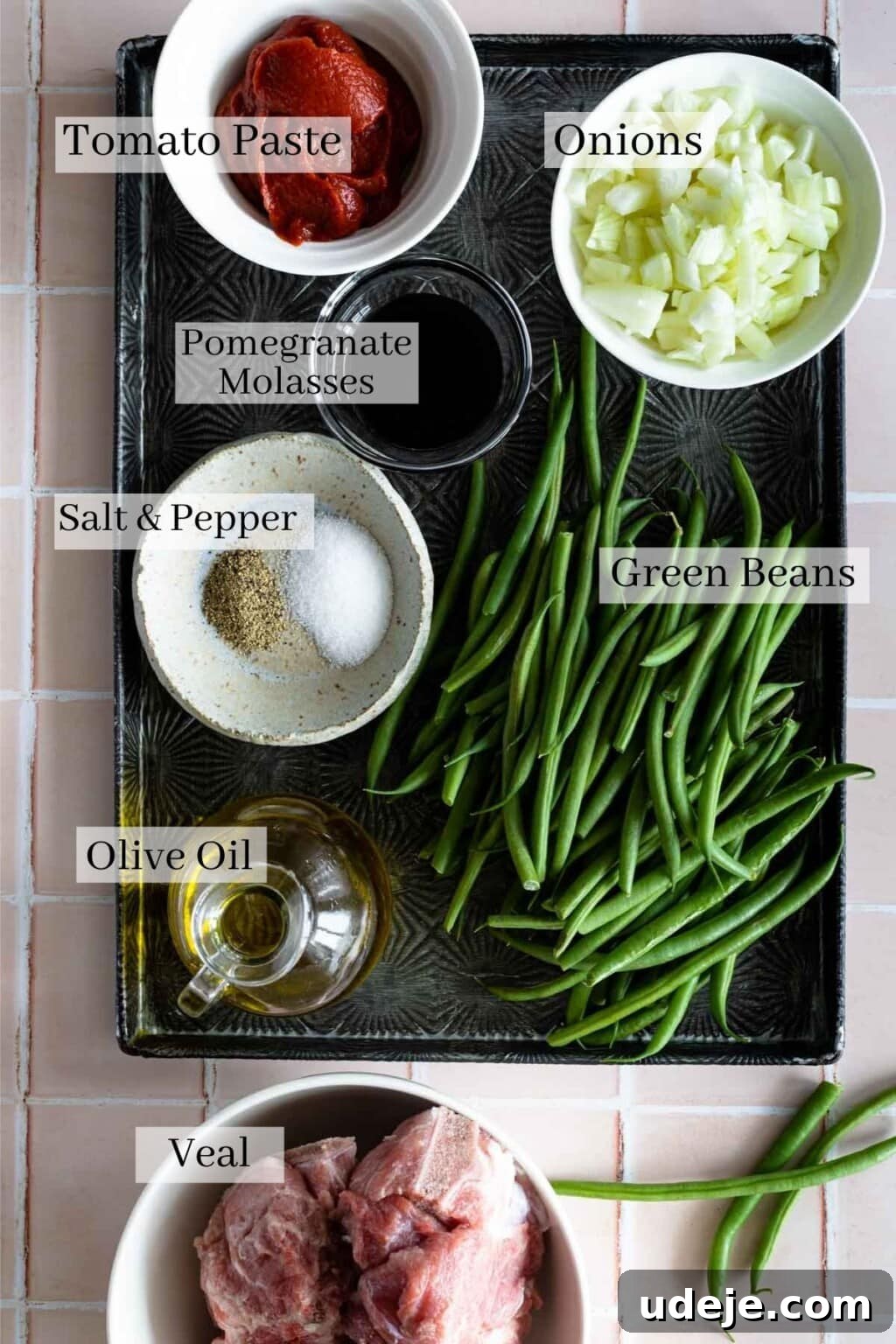
Crafting this delicious Middle Eastern Green Bean Stew requires a harmonious blend of simple, accessible ingredients. Beyond your chosen protein, the core components include readily available pantry staples, a generous supply of green beans (either fresh or frozen), and fragrant onions. For the most vibrant flavor and appealing texture, I highly recommend using fresh green beans when they are in season. However, high-quality frozen green beans are a perfectly acceptable and convenient alternative that will still yield a wonderfully flavorful stew. The beauty of this recipe lies in its simplicity, allowing the natural goodness of each ingredient to shine through and contribute to a rich, comforting experience.
Instant Pot Method: Quick & Easy Green Bean Stew
For those seeking efficiency without compromising on flavor, the Instant Pot or pressure cooker method is an absolute game-changer. This technique drastically reduces the total cooking time to approximately 30 minutes, allowing all ingredients to cook together simultaneously. This is a significant improvement compared to the 60 minutes or more typically required for the stovetop method. Personally, the Instant Pot has become my preferred tool for this stew, but I’ll guide you through both approaches as I use them interchangeably depending on my schedule. Let’s dive into the step-by-step process for achieving a perfectly cooked stew with minimal effort.
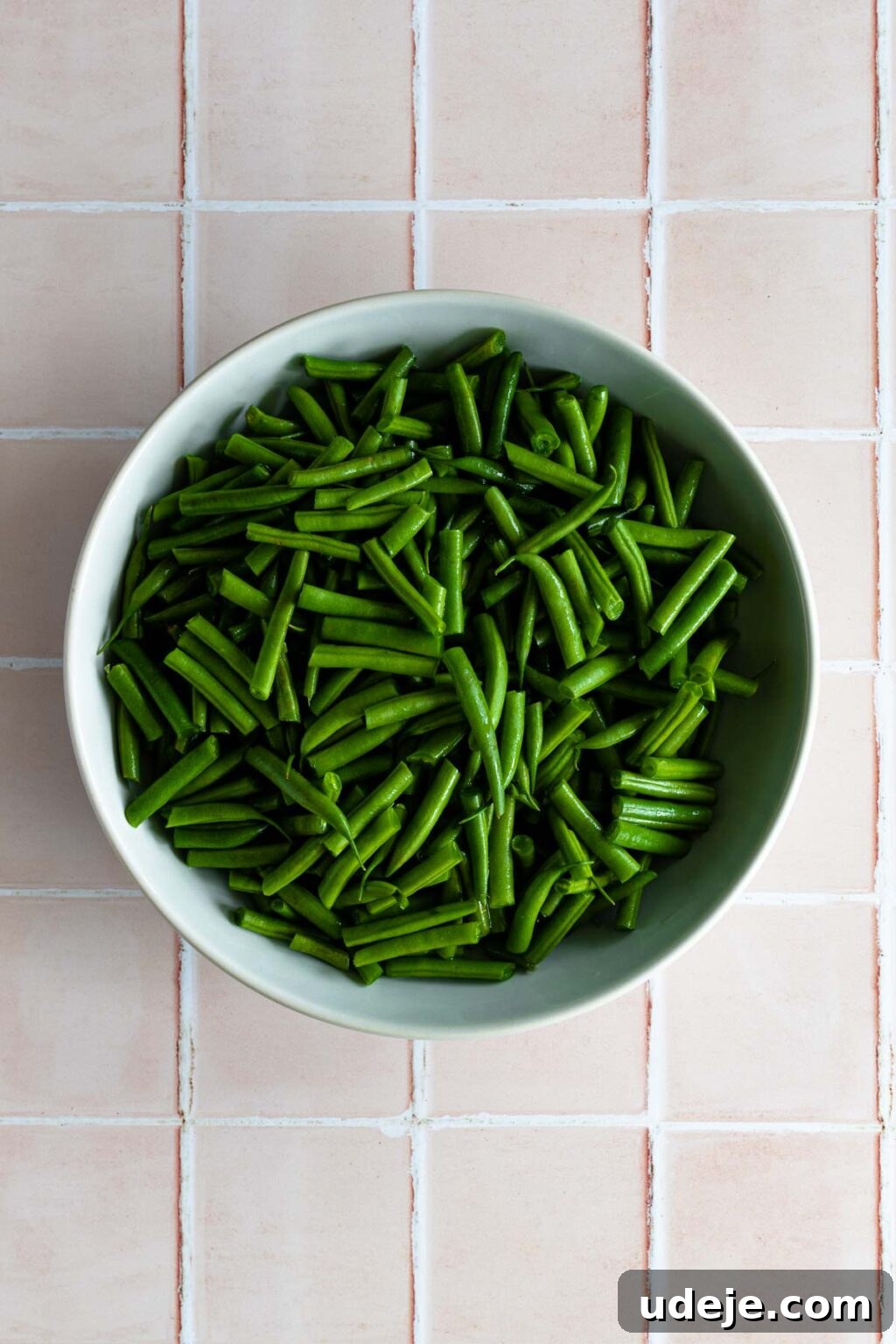
The first crucial step involves preparing your vegetables. If using fresh green beans, ensure they are thoroughly washed, trimmed at both ends to remove any tough bits, and then cut into uniform 1-inch long pieces. This consistent sizing ensures even cooking. Your onions should be finely diced, providing a delicate flavor base that melts seamlessly into the stew as it cooks.
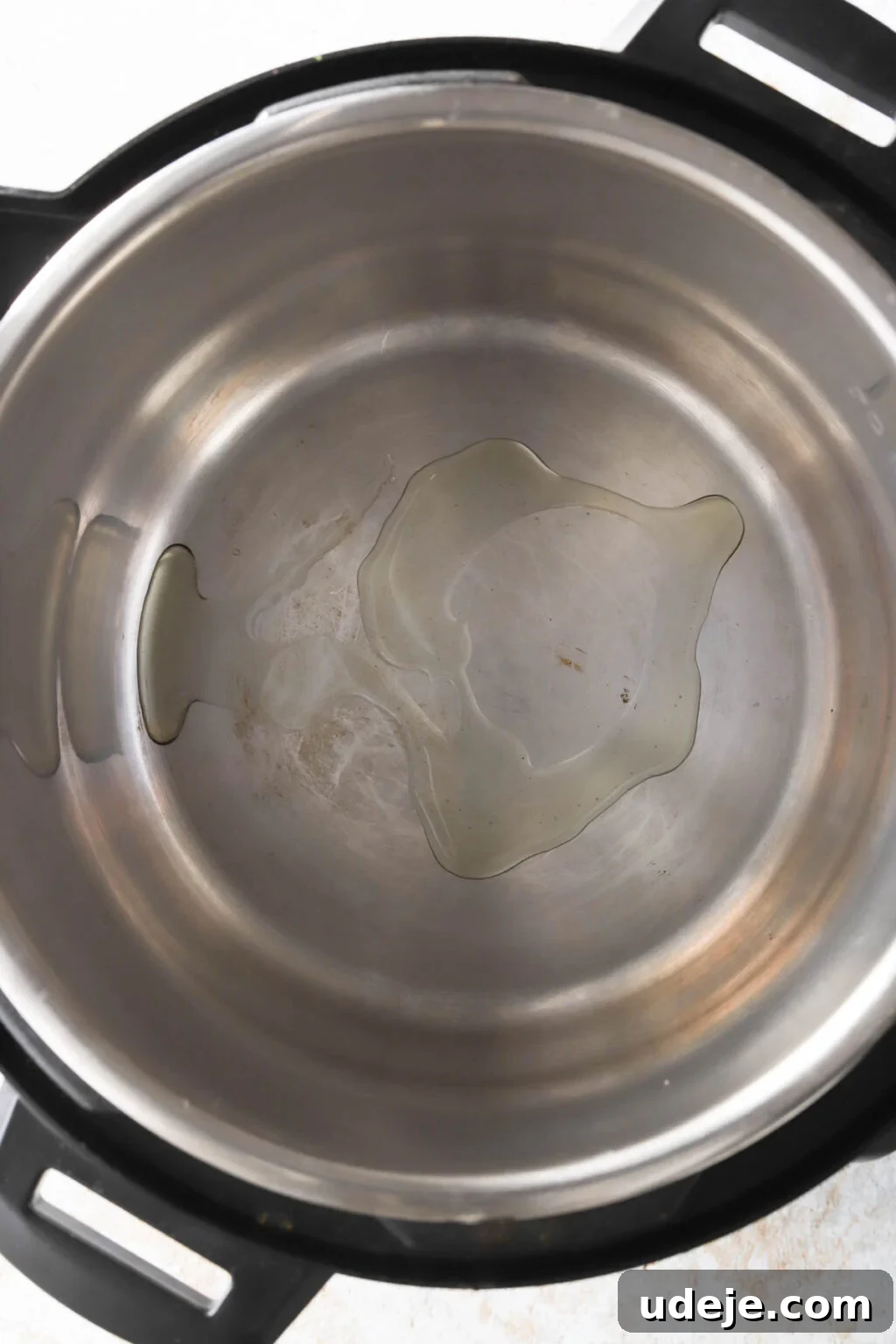
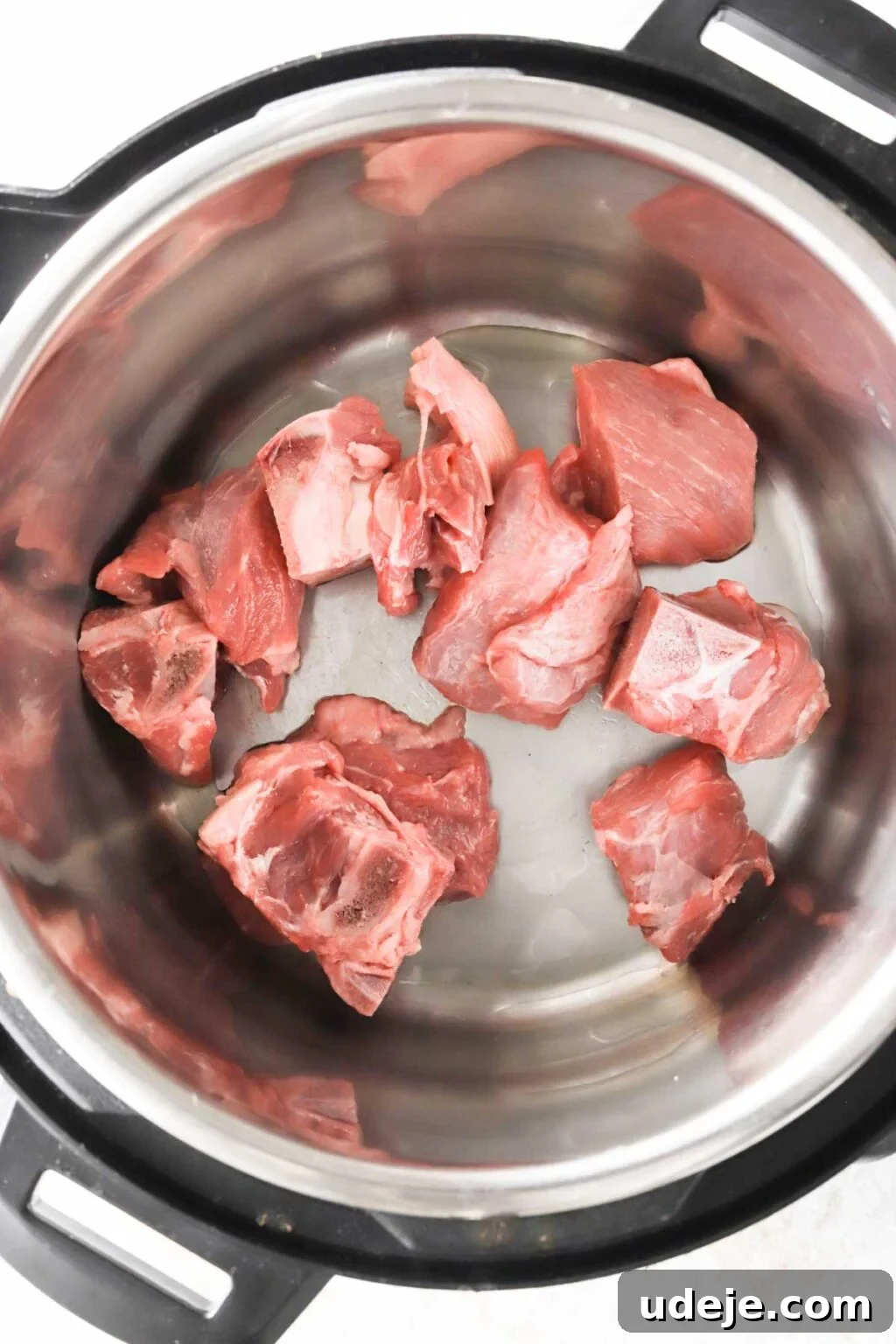
Begin by setting your Instant Pot to ‘Sauté’ mode. Add a generous drizzle of olive oil to the inner pot. Once the oil is shimmering and hot, carefully add your veal pieces. Sear them for a few minutes on each side until they develop a beautiful light golden-brown crust. This browning step, known as the Maillard reaction, is essential as it locks in the meat’s juices and builds a foundational layer of rich flavor that will permeate the entire stew.
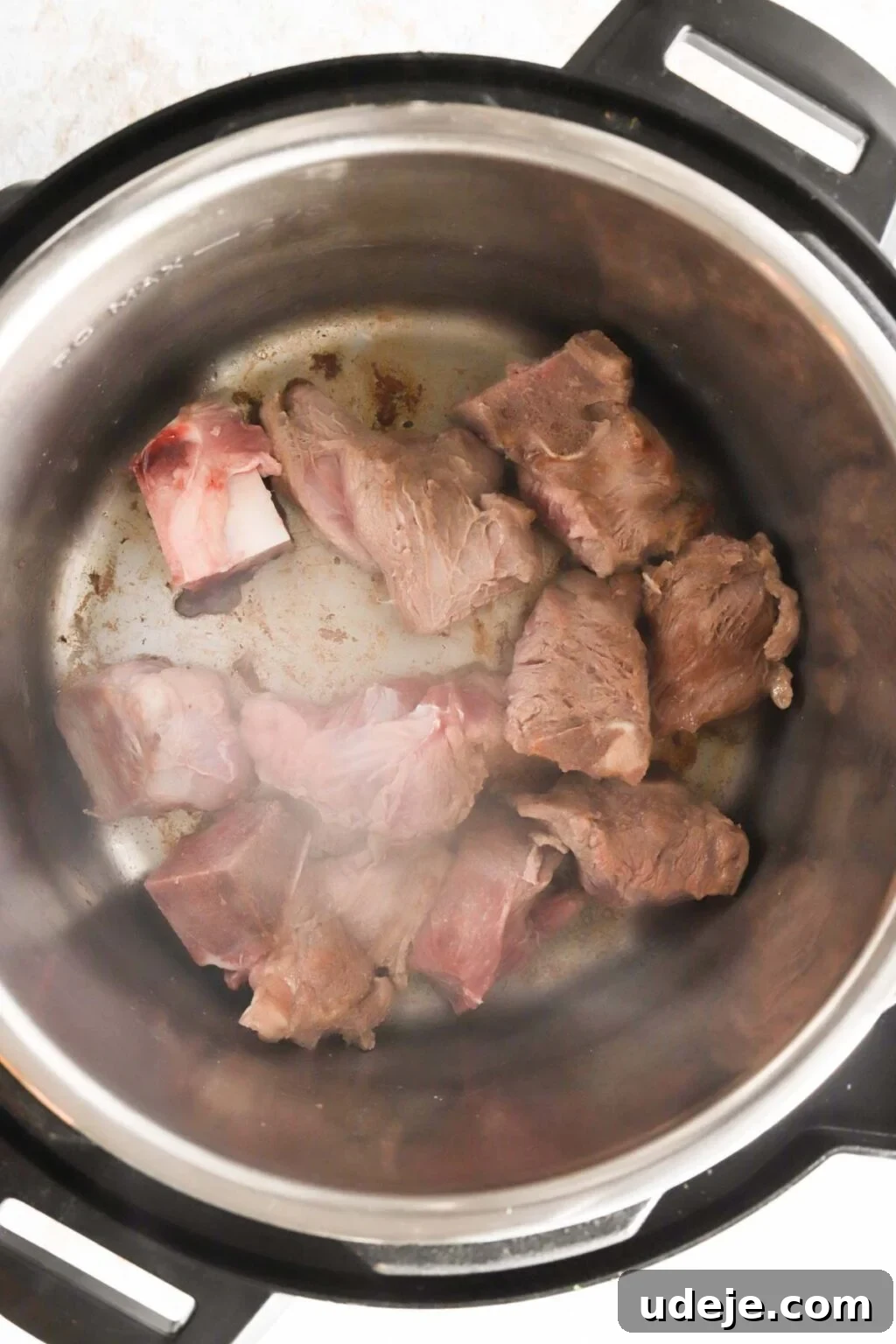
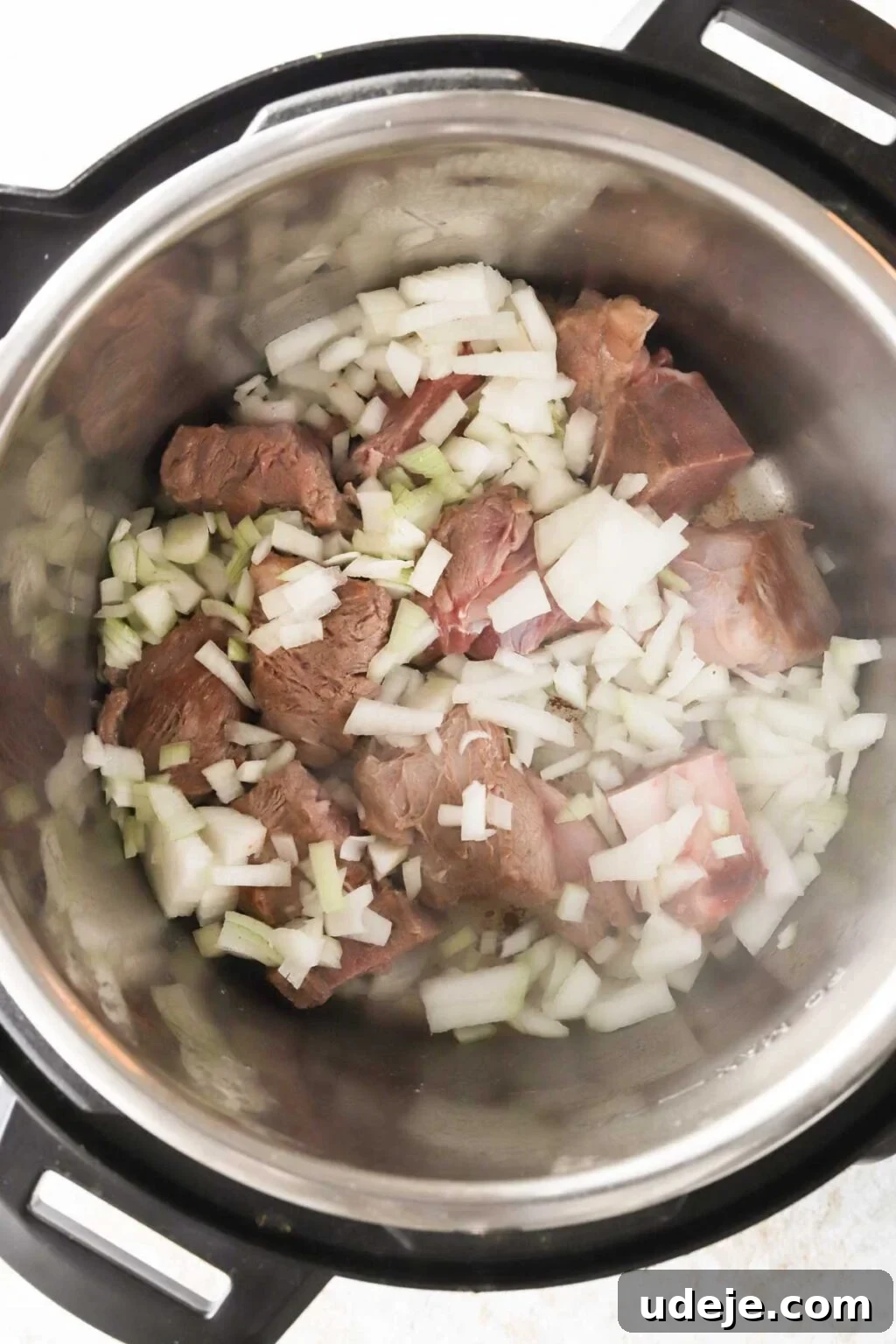
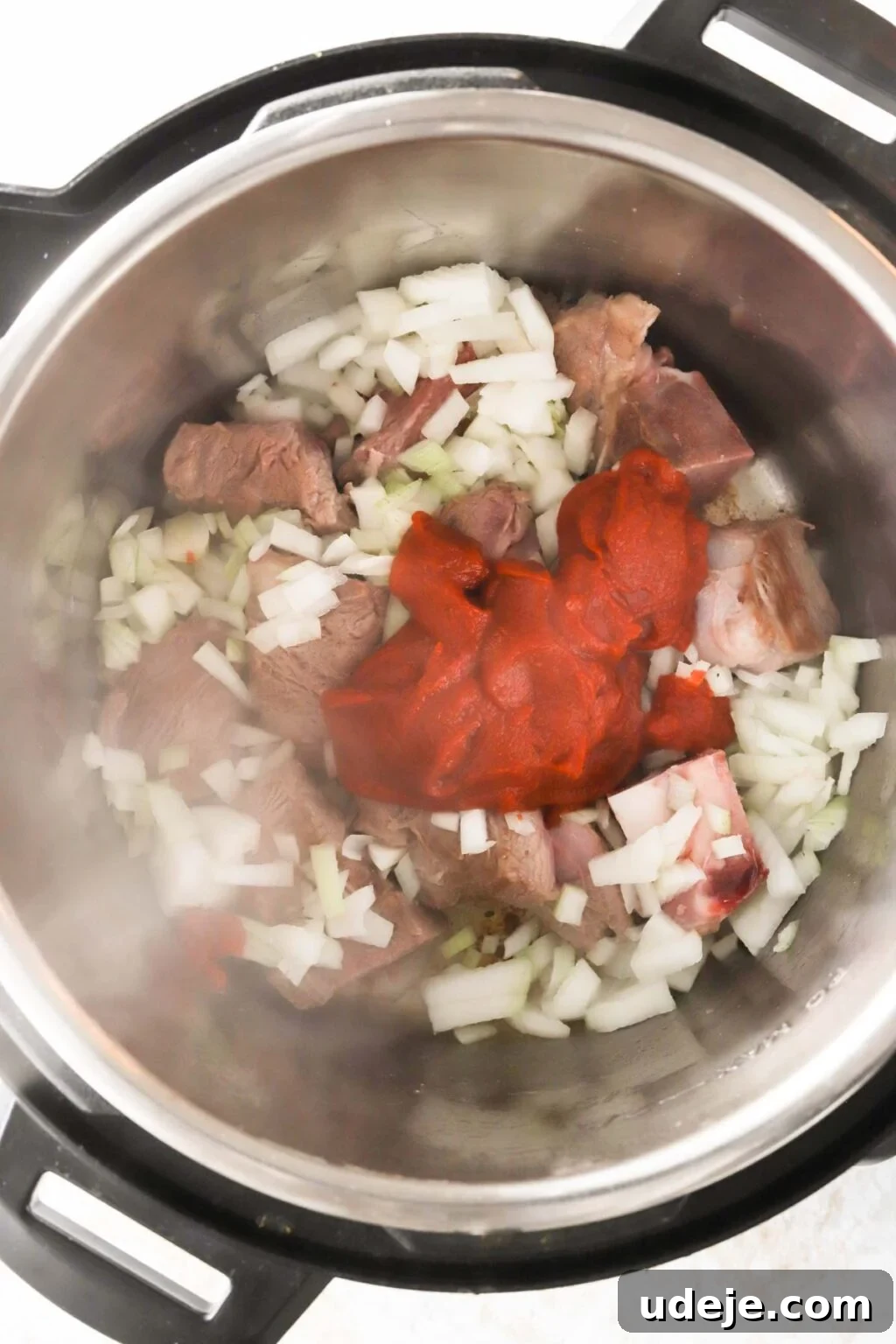
Once the meat has achieved that enticing golden hue and has been lightly seasoned, it’s time to introduce the aromatic onions. Add the finely diced onions to the Instant Pot with the seared meat. Continue to stir and cook for several minutes until the onions soften and become translucent. This process sweetens the onions, allowing their natural sugars to caramelize slightly and further deepen the stew’s flavor profile.
Next, introduce the rich and concentrated tomato paste. Stir it directly into the pot with the meat and onions, allowing it to cook for a few minutes. This crucial step, often overlooked, helps to deepen the tomato’s flavor and reduce any metallic notes, resulting in a more complex and robust stew base. Following this, add the prepared green beans, along with the remaining salt, a generous dash of black pepper, the optional yet recommended bay leaves, and the distinctive tang of pomegranate molasses. Pomegranate molasses adds a unique sweet-sour dimension that is characteristic of many Middle Eastern stews, elevating the overall taste.
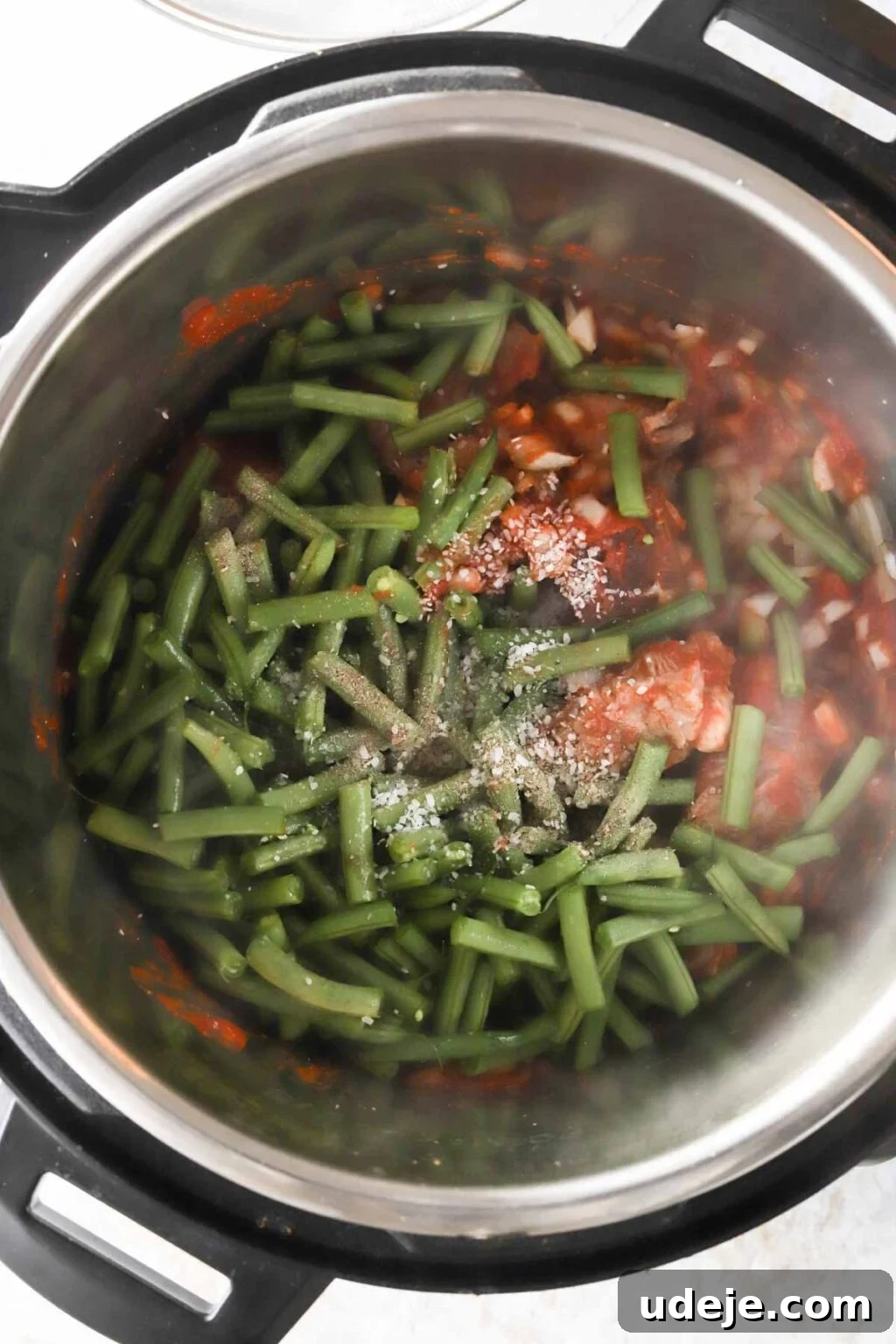
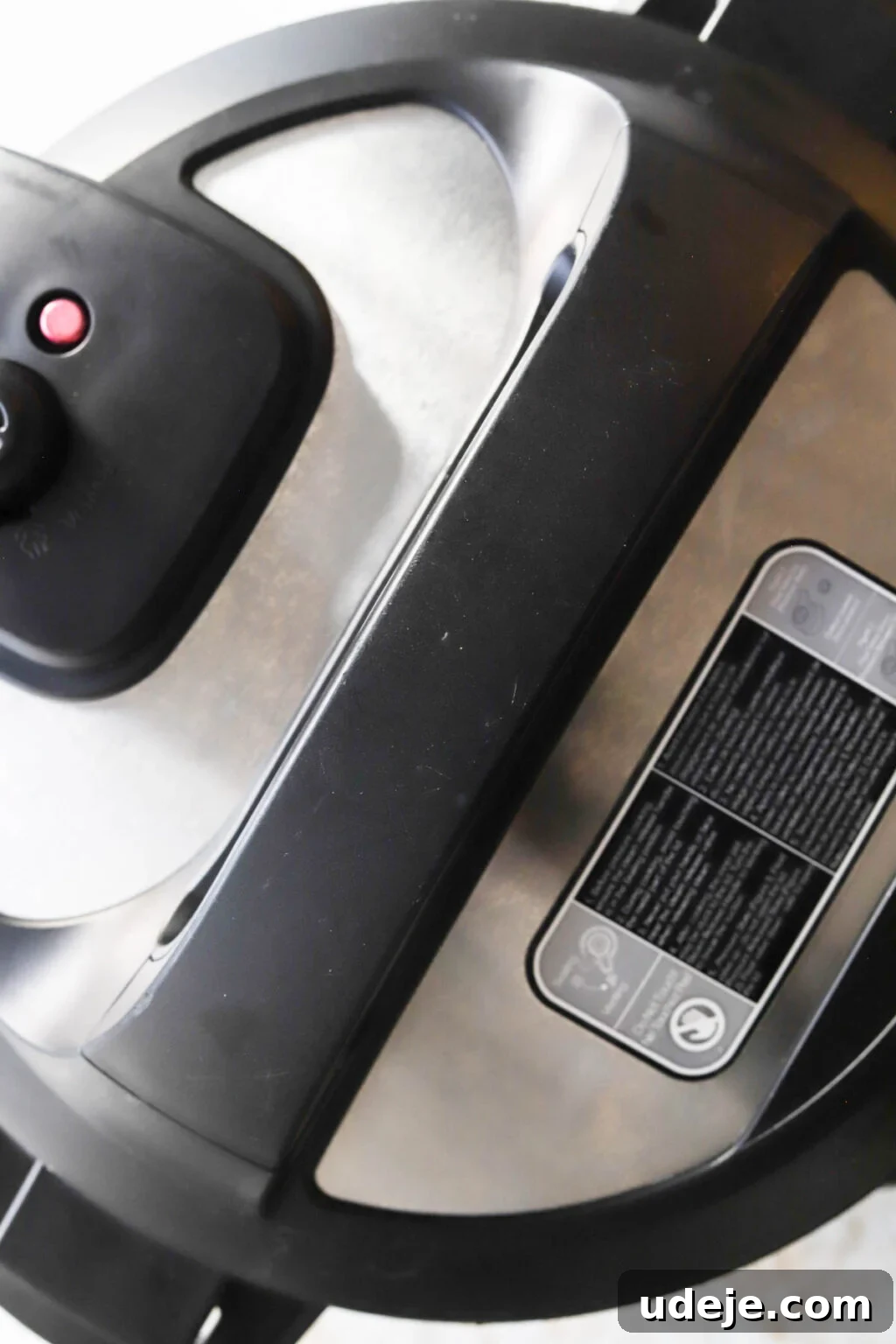
To complete the Instant Pot setup, pour in 3 cups of boiling water, ensuring all ingredients are adequately submerged. Give everything a good stir to combine, then secure the Instant Pot lid, making sure the venting knob is sealed. Pressure cook the stew for 25 minutes on high pressure. Once the cooking cycle is complete, carefully perform a manual pressure release. This will quickly depressurize the pot, allowing you to open it safely and reveal your perfectly cooked, aromatic green bean stew.
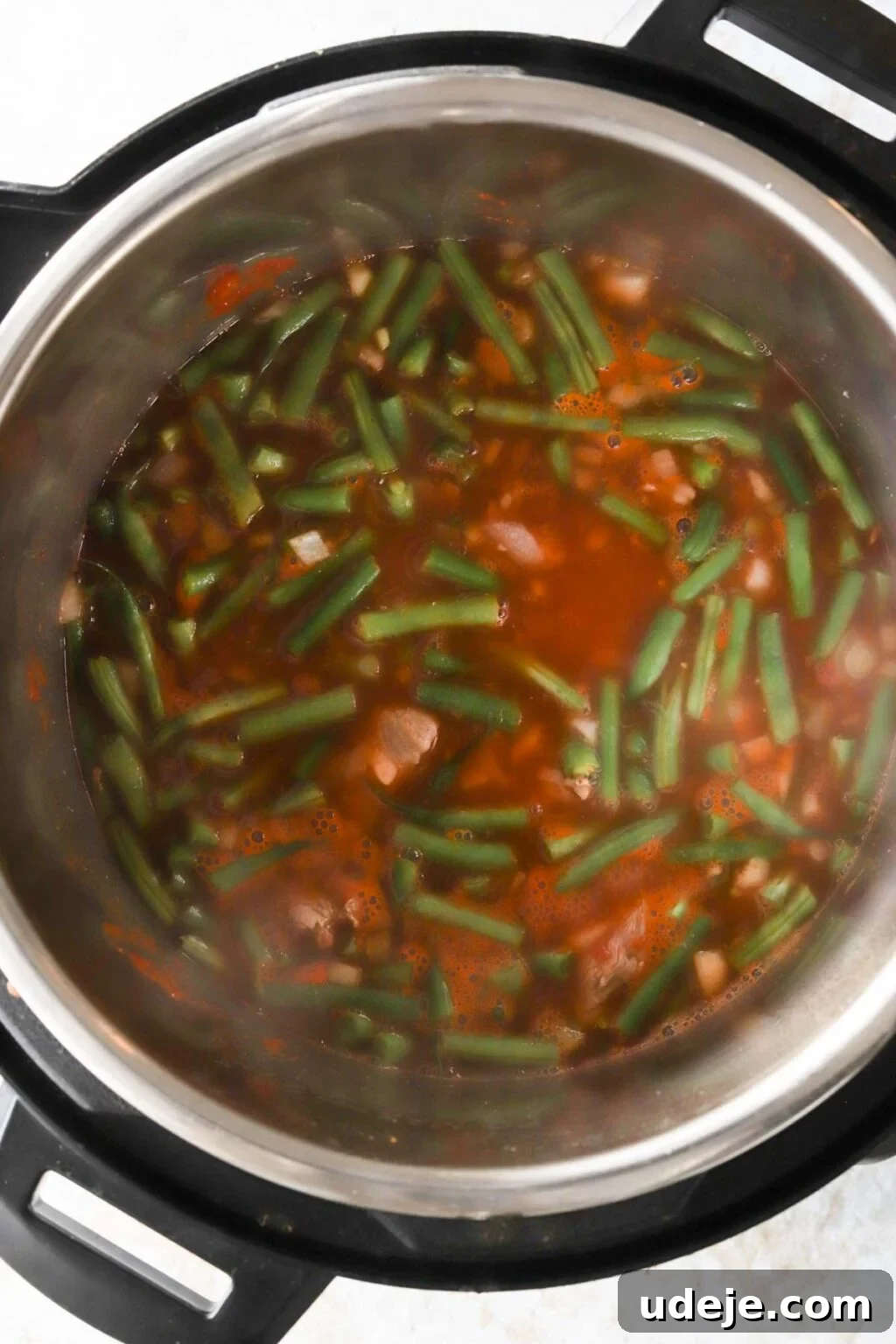
Upon opening the Instant Pot, you’ll be greeted by a truly remarkable dish: exceptionally tender veal and perfectly softened green beans swimming in a deeply flavorful and aromatic broth. This is the moment to taste and fine-tune your stew. Adjust the salt content to your preference and assess the thickness of the broth. I personally enjoy a slightly liquid consistency, as it’s ideal for spooning generously over rice, allowing the rice to absorb all the delicious flavors. If you find the stew too thin for your liking and prefer a thicker consistency, simply switch the Instant Pot back to ‘Sauté’ mode and let it simmer for an additional 10 to 15 minutes. This will allow any excess water to evaporate, concentrating the flavors and thickening the stew to your desired richness. Serve hot and savor every spoonful!
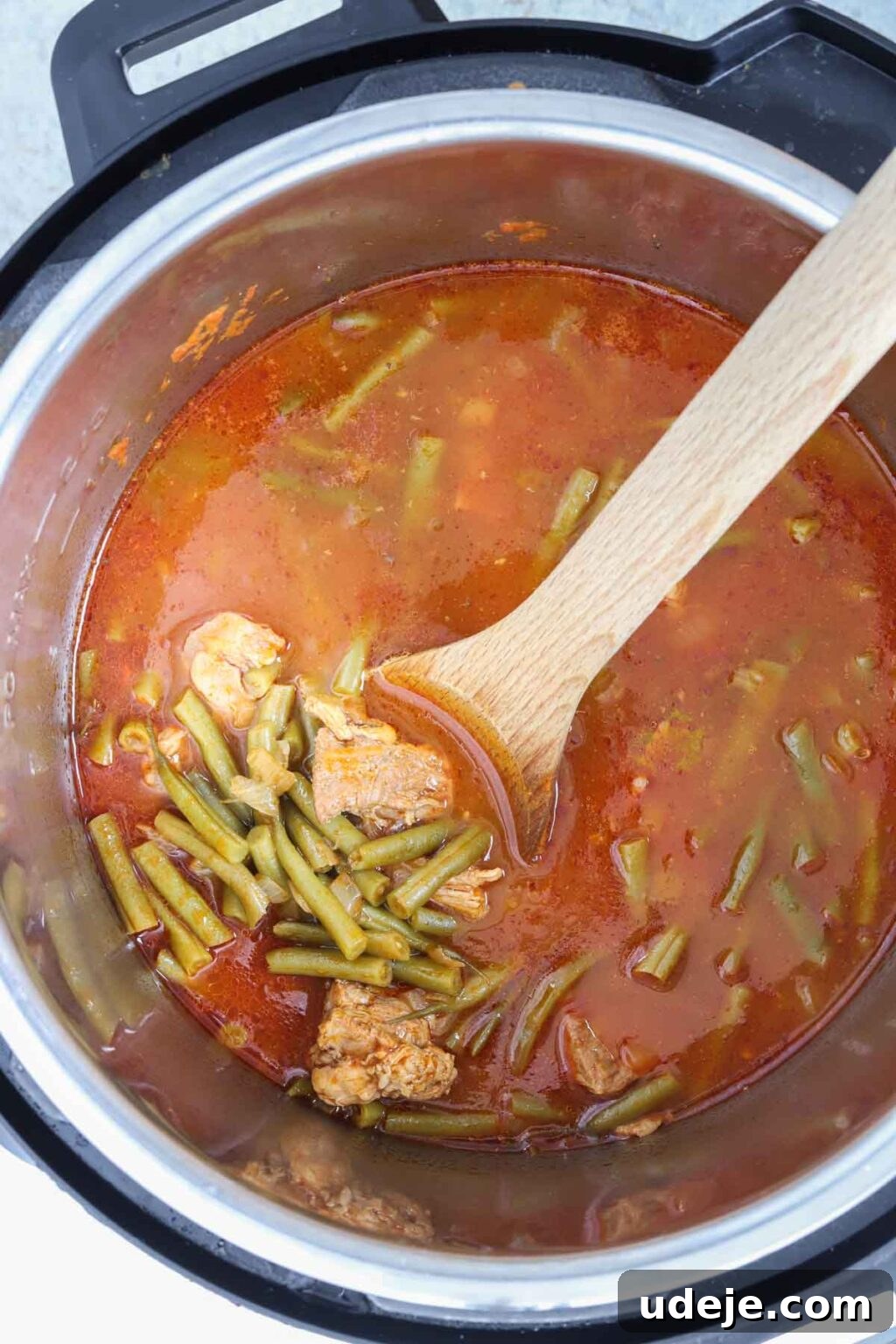
Stovetop Method: Traditional Simmer for Rich Flavors
For those who appreciate the slow, steady development of flavor that only traditional stovetop cooking can provide, this method for Middle Eastern Green Bean Stew is equally rewarding. While it requires a longer cooking time compared to the Instant Pot, the gentle simmer allows the ingredients to meld beautifully, creating a rich and deeply satisfying stew. When preparing this dish on the stovetop, a key difference is how the meat and vegetables are cooked. I typically begin by boiling the meat separately for a significant period with onions and bay leaf to ensure it becomes fork-tender before introducing the more delicate green beans, tomato paste, and other spices. This sequential approach is essential because, on the stovetop, meat generally takes considerably longer to cook through than the green beans. Furthermore, the cooking time for the green beans themselves can vary depending on their type; thinner, French-style green beans will cook faster, while thicker varieties will require more time to soften. You can use the exact same proportions of all ingredients as listed in the recipe, but follow these specific steps for the stovetop method:
- Step 1: Sear and Simmer Meat
In a large, heavy-bottomed soup pot or Dutch oven, heat the olive oil over medium heat. Add your chosen meat and sear it on all sides for a few minutes until it’s lightly browned. This step is crucial for building flavor. Next, add the finely diced onions to the pot, sprinkle with a pinch of salt, and continue to sauté until the onions soften and become translucent. Introduce the bay leaves and then pour in 3 cups of water. Bring the mixture to a rolling boil, then reduce the heat to low, cover the pot, and let it simmer gently for at least 60 minutes, or until the meat is incredibly fork-tender. During this simmering process, occasionally skim off any foam that may accumulate on the surface to ensure a clear and pure broth. - Step 2: Add Vegetables and Finish
Once the meat has reached its desired tenderness, it’s time to incorporate the remaining flavor components. Add the tomato paste, stirring it well to dissolve into the broth. Then, add the green beans, the remaining salt, black pepper, and the pomegranate molasses. If the stew appears too thick or needs more liquid, add a bit more water as required to achieve your preferred consistency. Bring the stew back to a gentle boil, then reduce the heat and continue to cook for another 30 to 40 minutes, or until the green beans are perfectly tender. Keep an eye on the liquid level, adding more hot water if necessary to maintain a soupy consistency. Before serving, taste and adjust the salt level one final time to ensure it’s perfectly seasoned.
Serving Suggestions & Storage Tips
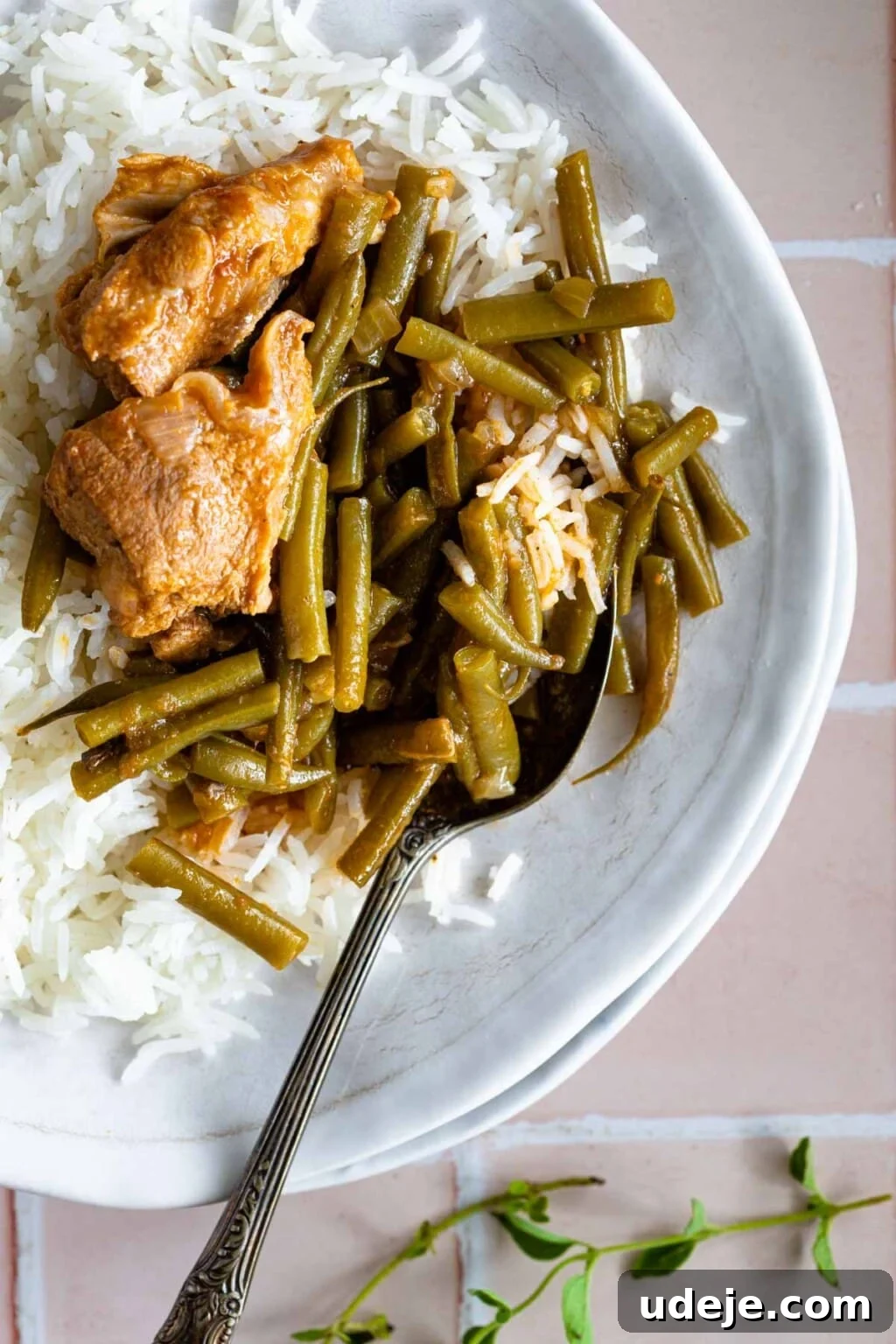
To complete this delightful Middle Eastern Green Bean Stew, the perfect accompaniment is a bed of fluffy rice. My personal favorite is classic Arabic vermicelli rice, with its delicate strands of golden vermicelli adding texture and a subtle nutty flavor. However, plain basmati rice, with its fragrant aroma and separate grains, also works wonderfully, providing a neutral canvas for the stew’s rich flavors. For an added touch of freshness and authenticity, consider serving the stew with a sprinkle of fresh chopped parsley or cilantro, a squeeze of lemon, and perhaps some pickles or a simple side salad. This well-rounded meal is not only satisfying but also quite versatile. Should you find yourself with any delicious leftovers, they can be stored in an airtight container in the refrigerator for 2-3 days. The flavors often deepen overnight, making it an even more enjoyable meal the next day. To reheat, simply warm gently on the stovetop or in the microwave until heated through, adding a splash of water if the stew has thickened too much.
More Delightful Middle Eastern Stew Recipes to Explore
If you’ve enjoyed preparing and tasting these authentic Middle Eastern recipes, we would be absolutely thrilled to hear from you! Please consider leaving a star rating and a review in the comments section further down the page – your feedback truly helps others discover and enjoy these dishes. We’d love for you to share your culinary experiences! You can also connect with us on Instagram to say hello and share your delicious creations!
Green Bean Stew (Instant Pot & Stove-Top)
This hearty and comforting Green Bean Stew is made with veal and simple spices in the pressure cooker for a perfect weeknight meal! Serve it over white rice for the perfect meal.
Yield: 6 servings
Prep time: 10 minutes
Cook time (Instant Pot): 30 minutes
Total time (Instant Pot): 40 minutes
Author: Amina Al-Saigh
Ingredients
- 3 tablespoons olive oil
- 454 g bone-in veal shoulder or lamb shoulder, cut into 2-3 inch sized pieces
- 1 3/4 teaspoons salt, divided
- 1 yellow onion, finely diced
- 1/2 cup tomato paste
- 454 g Fresh green beans, edges trimmed and cut into 1-inch pieces (see notes for frozen green beans)
- 1 tablespoon pomegranate molasses, or substitute a squeeze of lemon juice
- 1/2 teaspoon black pepper
- 3 bay leaves, optional
Instructions
For Instant Pot Directions (Note: recipe card total cook time is for Instant Pot method. Stove top takes longer):
-

Start by adding the olive oil to the Instant Pot on sauté mode. Once the oil is hot, sear the meat pieces for 2-3 minutes on each side until beautifully browned, working in batches if necessary to avoid overcrowding. Once all the meat is seared, return it all to the pot and sprinkle with 1/2 a teaspoon of the salt, stirring to coat evenly.
-
Add the finely diced onions to the pot with the meat. Sauté for a few minutes, stirring frequently, until the onions soften and become translucent. Next, add the tomato paste and stir it into the bottom of the pot for another few minutes, allowing it to cook down and develop a deeper, richer flavor.
-
Now, add the remaining ingredients: the trimmed green beans, the rest of the salt, the bay leaves (if using), black pepper, and the pomegranate molasses. Pour in 3 cups of boiling water, stir everything thoroughly to combine, and then secure the Instant Pot lid. Ensure the valve is set to ‘Sealing’. Pressure cook on high for 25 minutes, then perform a manual pressure release to quickly depressurize the pot.
-
Carefully open the Instant Pot. Check the meat and green beans to ensure they are wonderfully tender. Taste the stew and adjust the salt level to your personal preference. Observe the consistency; it should be somewhat soupy, perfect for spooning over rice. If you prefer a thicker stew, you can set the Instant Pot back to ‘Sauté’ mode and simmer for an additional 10-15 minutes, allowing some of the liquid to evaporate and the stew to thicken.




For Stove Top Method:
-
In a large soup pot or Dutch oven, add the olive oil over medium heat. Sear the meat pieces on all sides until lightly browned. Add the diced onions and sprinkle with salt, continuing to cook until the onions soften and become translucent. Incorporate the bay leaves and 3 cups of water, then bring the mixture to a rolling boil. Reduce the heat to low, cover the pot, and maintain a low rolling boil for at least 60 minutes, or until the meat is completely fork-tender. Skim any foam that forms on the surface during cooking.
-
Once the meat is tender, stir in the tomato paste, green beans, the remaining salt, black pepper, and the pomegranate molasses. Add more water if necessary to achieve your desired liquid consistency. Continue to boil the stew gently for another 30 to 40 minutes, or until the green beans are perfectly tender. Taste and adjust the salt level as needed before serving.
Notes
- The Instant Pot method offers a significantly faster cooking experience, and the total cook time specified in this recipe card is calculated for the Instant Pot. Please note that cooking this stew on the stovetop will naturally require a longer duration.
- You have the flexibility to use any bone-in meat of your choice. For detailed guidance on various types of meat and how to adjust cooking times accordingly, please refer to the “Selecting Your Protein” section earlier in this blog post.
- If you do not have pomegranate molasses on hand, you can easily omit it from the recipe. Alternatively, a small squeeze of fresh lemon juice added at the very end of cooking can provide a similar bright, acidic note to the stew.
Nutrition Information
Serving: 1g, Calories: 203kcal, Carbohydrates: 13g, Protein: 17g, Fat: 10g, Saturated Fat: 2g, Polyunsaturated Fat: 1g, Monounsaturated Fat: 6g, Cholesterol: 57mg, Sodium: 920mg, Potassium: 648mg, Fiber: 3g, Sugar: 7g, Vitamin A: 859IU, Vitamin C: 15mg, Calcium: 57mg, Iron: 2mg
Did you make this recipe? Please leave a star rating and review below!