
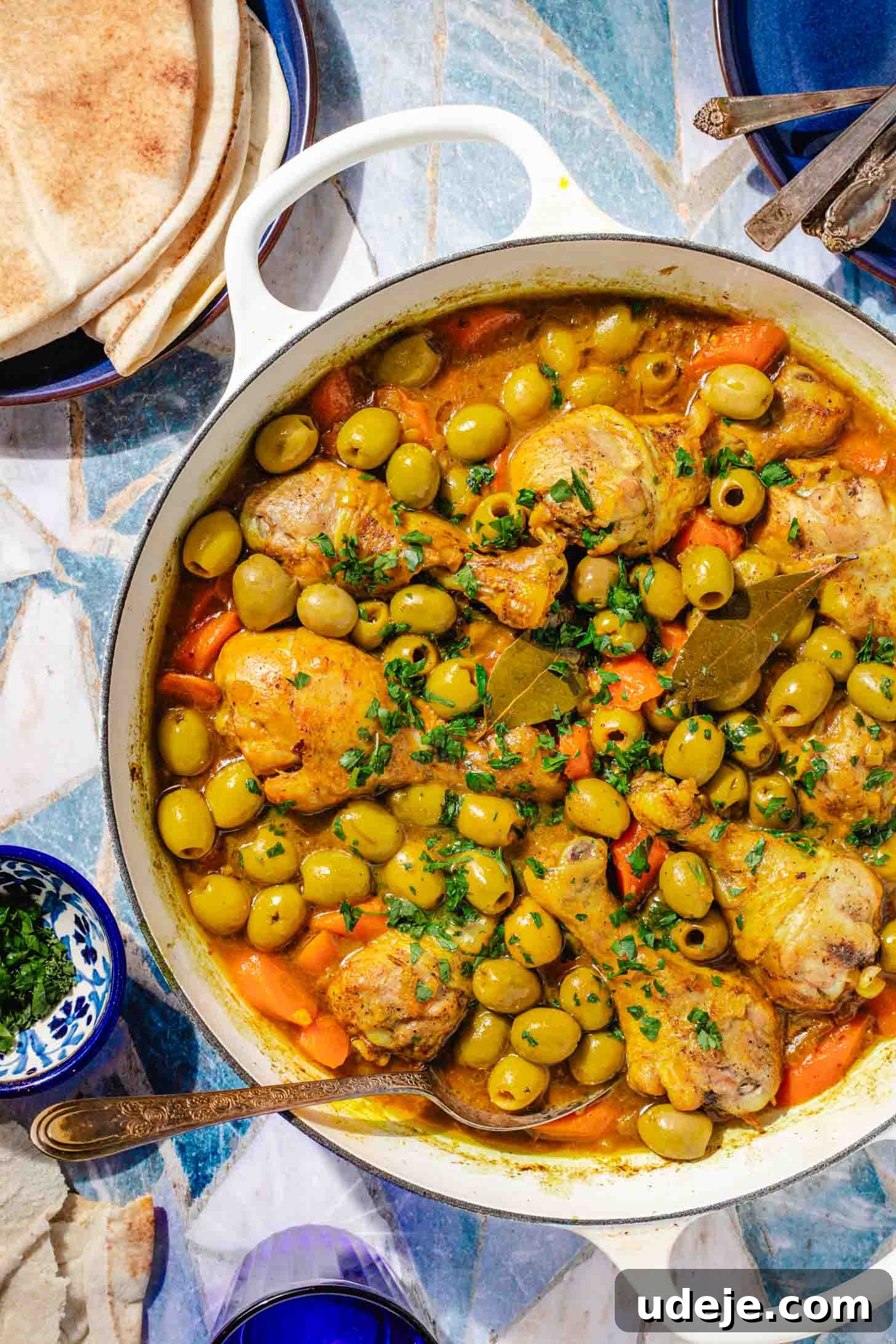
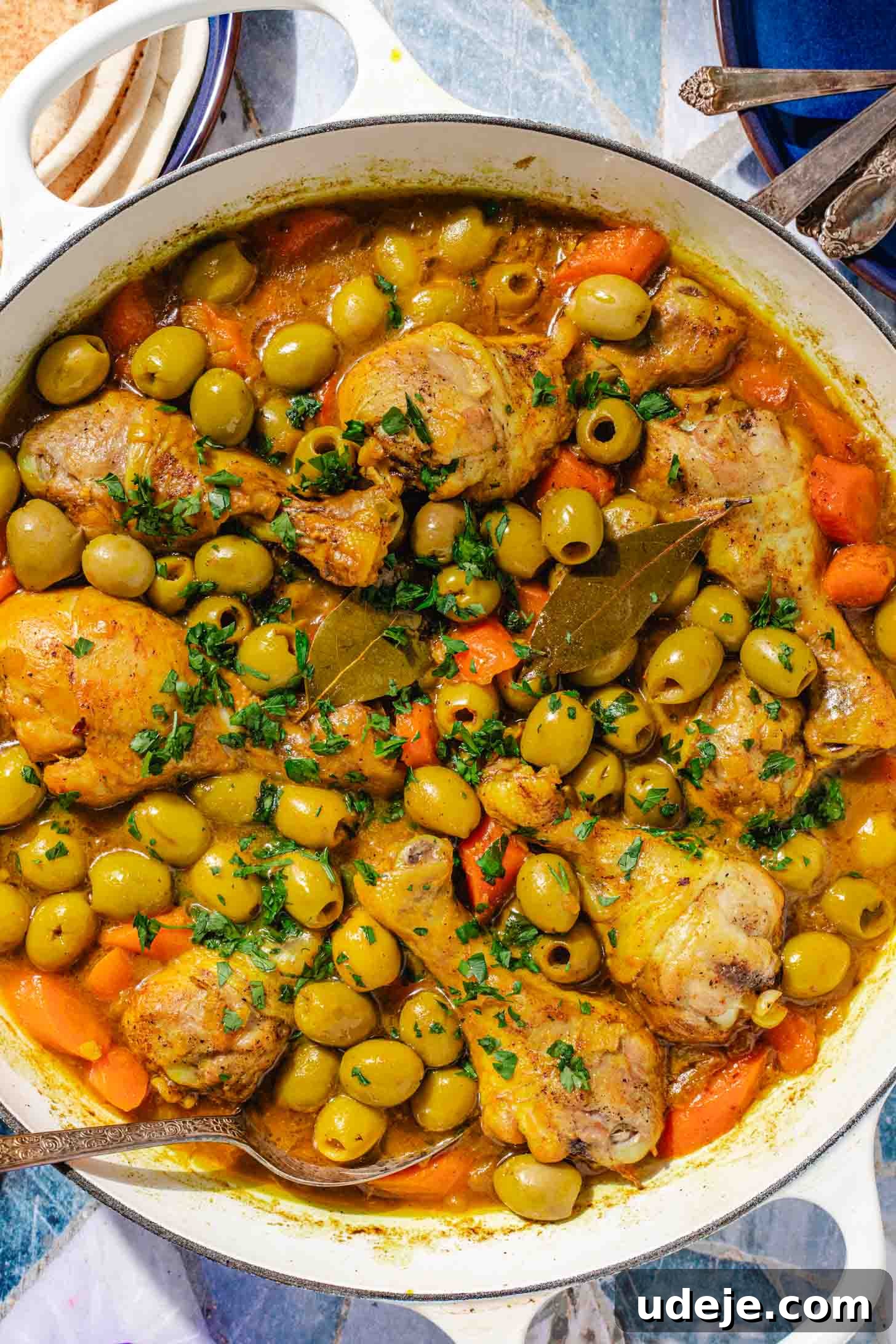
North African cuisine is renowned for its rich, aromatic, and comforting slow-cooked stews, and among the best, you’ll discover the traditional Algerian Tajine Zitoune. This exquisite one-pot dish showcases tender, bone-in chicken, simmered to perfection with vibrant green olives and sweet carrots, all infused with a symphony of warm, fragrant spices. The result is a deeply satisfying stew featuring succulent chicken bathed in a luxurious, silky sauce, punctuated by the bright, citrusy, and briny notes of the olives. Tajine Zitoune offers a harmonious blend of flavors and textures, making it an ideal meal for any occasion. Traditionally served with warm, crusty khobz (Algerian bread), fluffy couscous, or a bed of steamed rice, it promises a truly delicious and comforting culinary experience that transports you straight to the heart of Algeria.
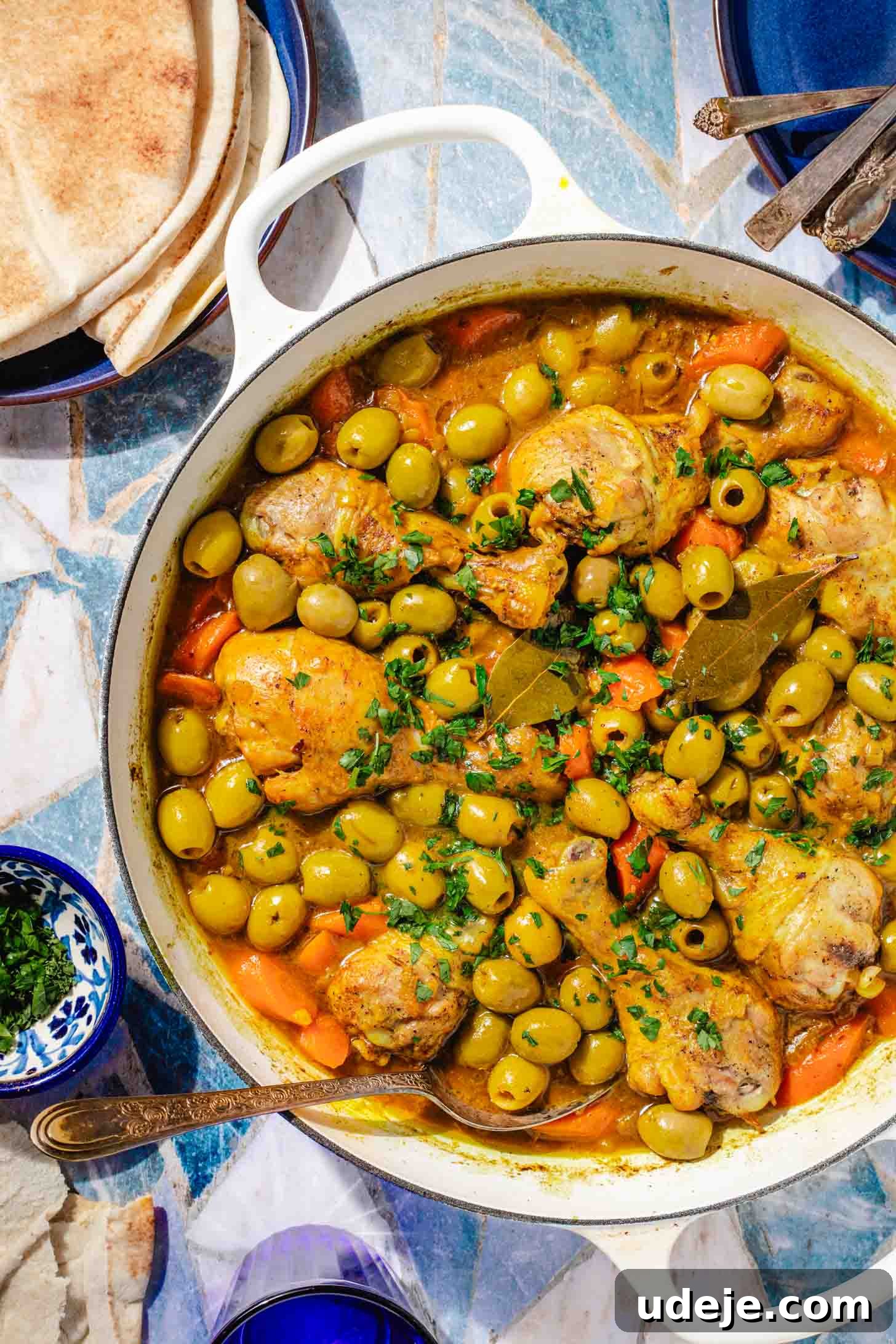
Algerian Tajine Zitoune: A Taste of North Africa
For enthusiasts of slow-cooked, deeply flavorful dishes, North African cuisine often tops the list. While Moroccan cuisine is widely celebrated for its tagines and stews, Algerian culinary traditions offer an equally captivating journey of flavors, often featuring unique ingredient combinations that deserve wider recognition. This Algerian Tajine Zitoune, a delightful chicken and olive stew, is a prime example of Algeria’s distinctive gastronomic heritage and was the dish that most profoundly captured my interest.
It’s not every day you encounter a main course where cooked green olives play such a prominent and integral role, which initially sparked my curiosity. The revelation? It works, magnificently! This particular tajine stands out as one of the finest I’ve ever tasted. Its foundation is built upon deeply caramelized onions, creating a sweet and savory base that introduces an incredible depth of flavor. This is then layered with classic North African spices such as earthy ginger, warm cinnamon, vibrant turmeric, and aromatic cumin. The combination results in an exquisitely fragrant and profoundly savory stew that is both complex and comforting.
What is a Tajine? Understanding the Dish and the Pot
The term “tajine” (or tagine) refers to two things: both the iconic, conical-shaped cooking vessel and the succulent stew prepared within it. The traditional tagine pot, typically made from clay or cast iron, is ingeniously designed to facilitate slow cooking. Its distinctive cone-shaped lid traps steam, allowing moisture to condense and continuously return to the food. This creates a self-basting environment that tenderizes meats and vegetables beautifully, infusing them with rich flavors while preserving their natural juices. This gentle cooking method is the secret behind the incredibly tender texture and concentrated taste found in authentic tagine dishes.
Fortunately, you don’t need a traditional tagine pot to recreate this culinary magic at home. The slow-cooking technique can be easily replicated using any heavy-bottomed pot with a tight-fitting lid, such as a sturdy cast-iron Dutch oven or a braiser. These versatile pieces of cookware provide similar heat distribution and moisture retention, allowing you to achieve the same tender results and robust flavors that define an authentic Tajine Zitoune. I personally use a Dutch oven in this recipe, demonstrating that traditional flavors are accessible to every home kitchen.
Essential Ingredients for Tajine Zitoune and Smart Substitutions
Crafting the perfect Tajine Zitoune begins with selecting the right ingredients. Below, you’ll find a comprehensive guide to the core components of this dish, along with helpful notes and substitution suggestions to ensure your stew is nothing short of spectacular.
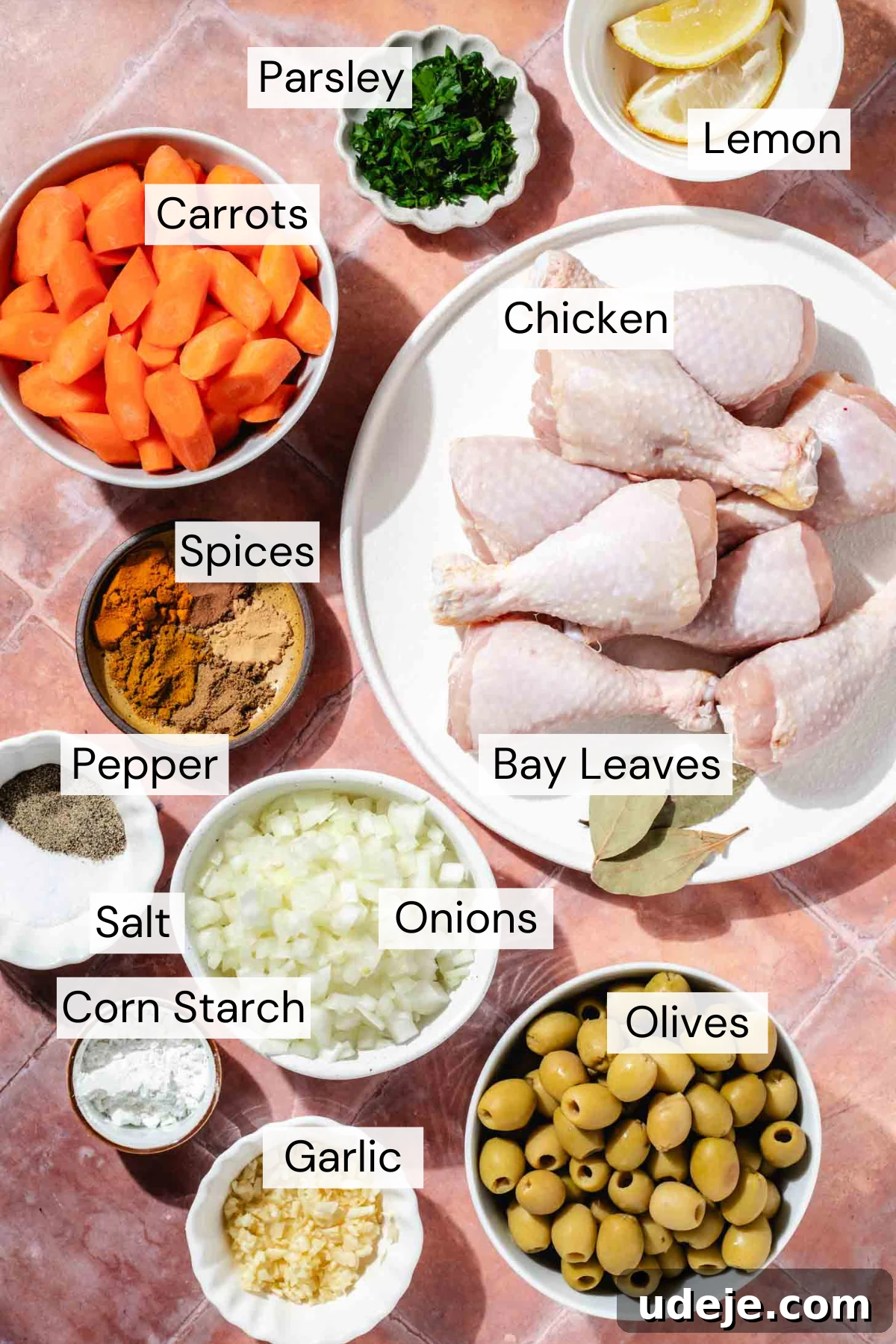
Chicken: The Heart of the Stew
For this recipe, I highly recommend using bone-in chicken drumsticks or thighs. The bones contribute immensely to the richness and depth of flavor in the stew, releasing collagen and marrow that enrich the sauce as it simmers. The skin, if left on, also renders fat that adds to the overall flavor and creates a beautiful golden crust when seared.
- Bone-in vs. Boneless: While bone-in cuts are preferred for their flavor contribution, boneless chicken thighs or breasts can certainly be used. However, keep in mind that boneless chicken cooks much faster. To prevent overcooking and ensure tenderness, I suggest adding boneless chicken pieces later in the cooking process, specifically after the carrots have stewed for approximately 7 to 10 minutes. This adjustment will help maintain the chicken’s succulence.
Green Olives: The Signature Ingredient
Green olives are the star of Tajine Zitoune, lending their distinct briny and slightly citrusy tang to the dish. Their unique flavor profile is essential to the authentic taste of this Algerian stew.
- Preparation is Key: It is crucial to use already pitted green olives for convenience. More importantly, after draining them from their brine, you must soak them in fresh cold water for at least 30 minutes, or even longer (changing the water once or twice). This vital step removes most of their excess salt content, preventing your tajine from becoming overly salty and allowing the other flavors to shine through.
- Why Green Olives? I strongly advise against using black olives as they possess a completely different flavor profile and texture that would alter the traditional character of Tajine Zitoune. Green olives are the time-honored choice for this recipe, delivering the authentic taste you’re looking for.
Aromatic Spices: The Soul of North African Cooking
The spice blend in Tajine Zitoune is what gives it its characteristic warmth and aromatic complexity, typical of North African cuisine. The core spices include cumin, turmeric, ginger, and cinnamon.
- Essential Blend:
- Turmeric: Provides a beautiful golden hue and subtle earthy notes.
- Cinnamon: Adds a warm, sweet, and comforting aroma.
- Ground Ginger: Contributes a delicate warmth and a hint of spiciness.
- Cumin: Delivers deep, savory, and earthy undertones.
- Flexibility with Spices: If you happen to be missing one of these spices, don’t fret; the dish will still be delicious. However, for the most authentic flavor, try to include them all. Saffron is another spice that pairs wonderfully with this recipe, offering a luxurious aroma and flavor. While it works exceptionally well, I developed this recipe without it to keep it more accessible, as saffron can be quite pricey. If you have saffron on hand and wish to elevate the dish, a pinch added during the simmering phase would be a splendid addition.
- Other Aromatics: Don’t underestimate the power of caramelized onions and fresh garlic. They form the foundational aromatic layer, building incredible depth before the spices even come into play. Carrots add a touch of natural sweetness and body to the stew, complementing the savory and briny elements beautifully.
How to Master Algerian Tajine Zitoune, Step-by-Step
Follow these detailed steps to create a sumptuous and authentic Algerian Tajine Zitoune in your own kitchen.
Step 1: Sear the Chicken for Flavor
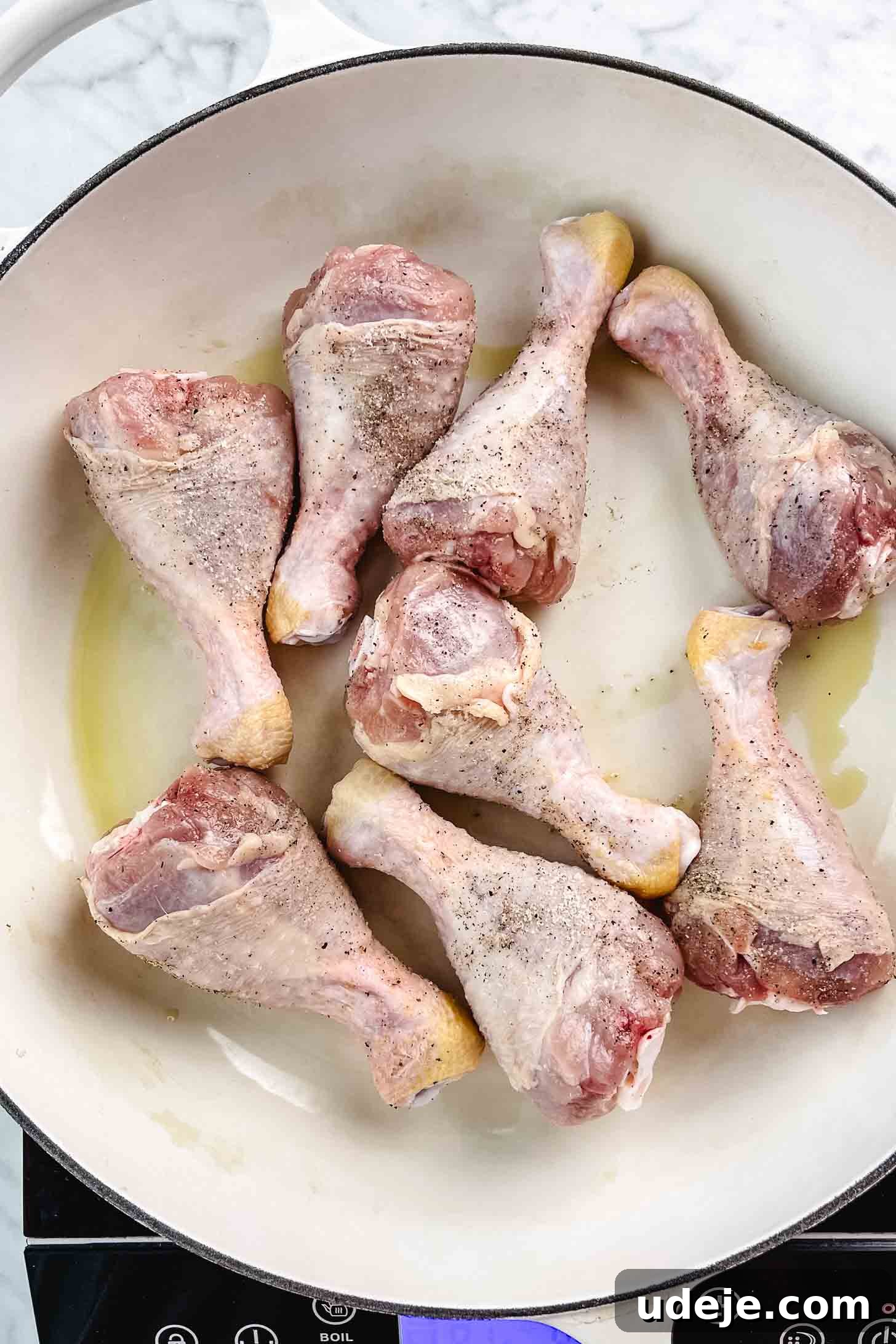
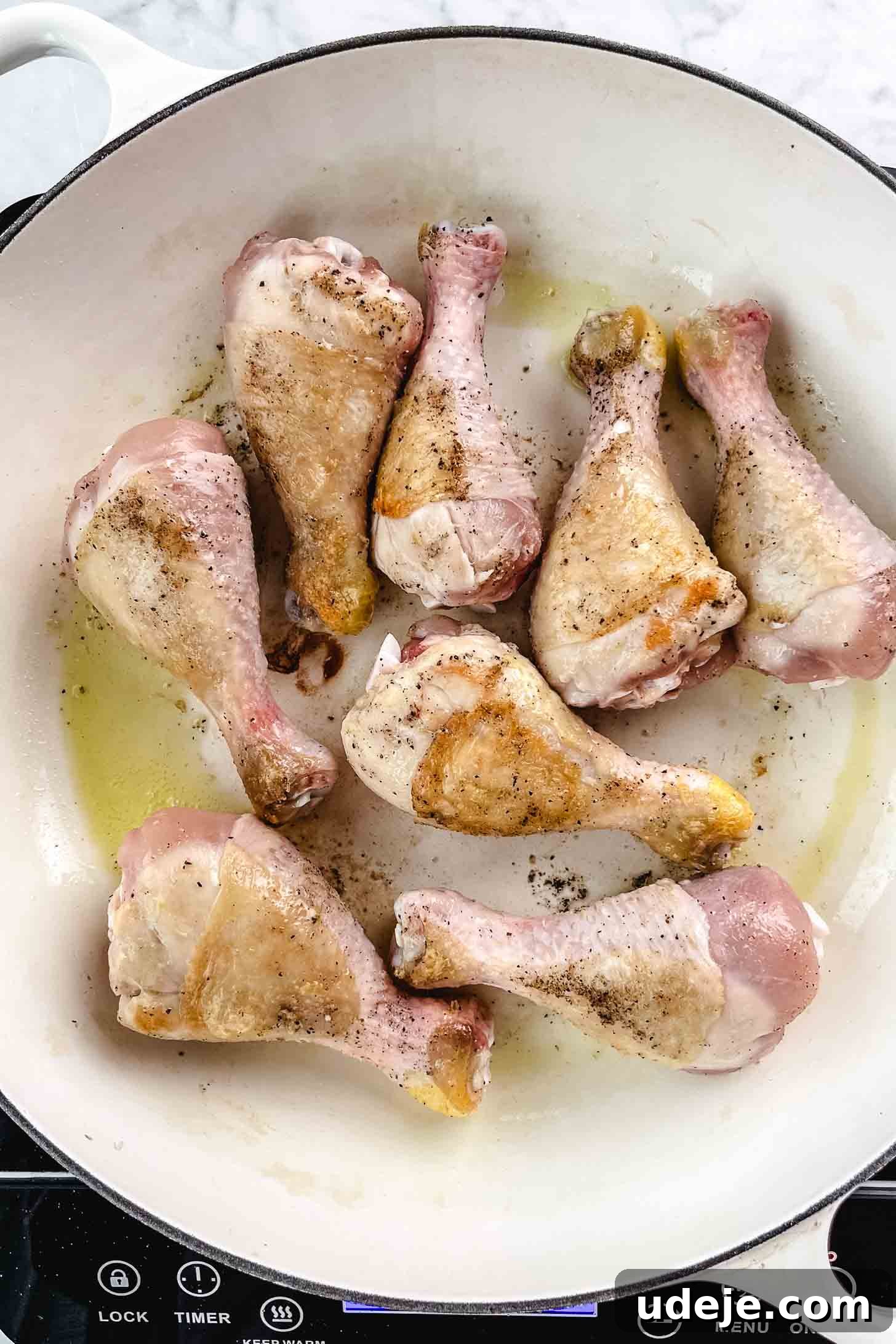
Begin by heating the olive oil in a large, heavy-bottomed pot or Dutch oven over medium-high heat. Season your bone-in chicken pieces generously with salt. Carefully place the chicken into the hot oil and sear for 3 to 4 minutes on each side until they achieve a beautiful, lightly golden-brown crust. This searing step is crucial as it locks in juices and develops a rich flavor foundation for the stew. Once seared, remove the chicken from the pot and set it aside on a plate.
Step 2: Build the Aromatic Base
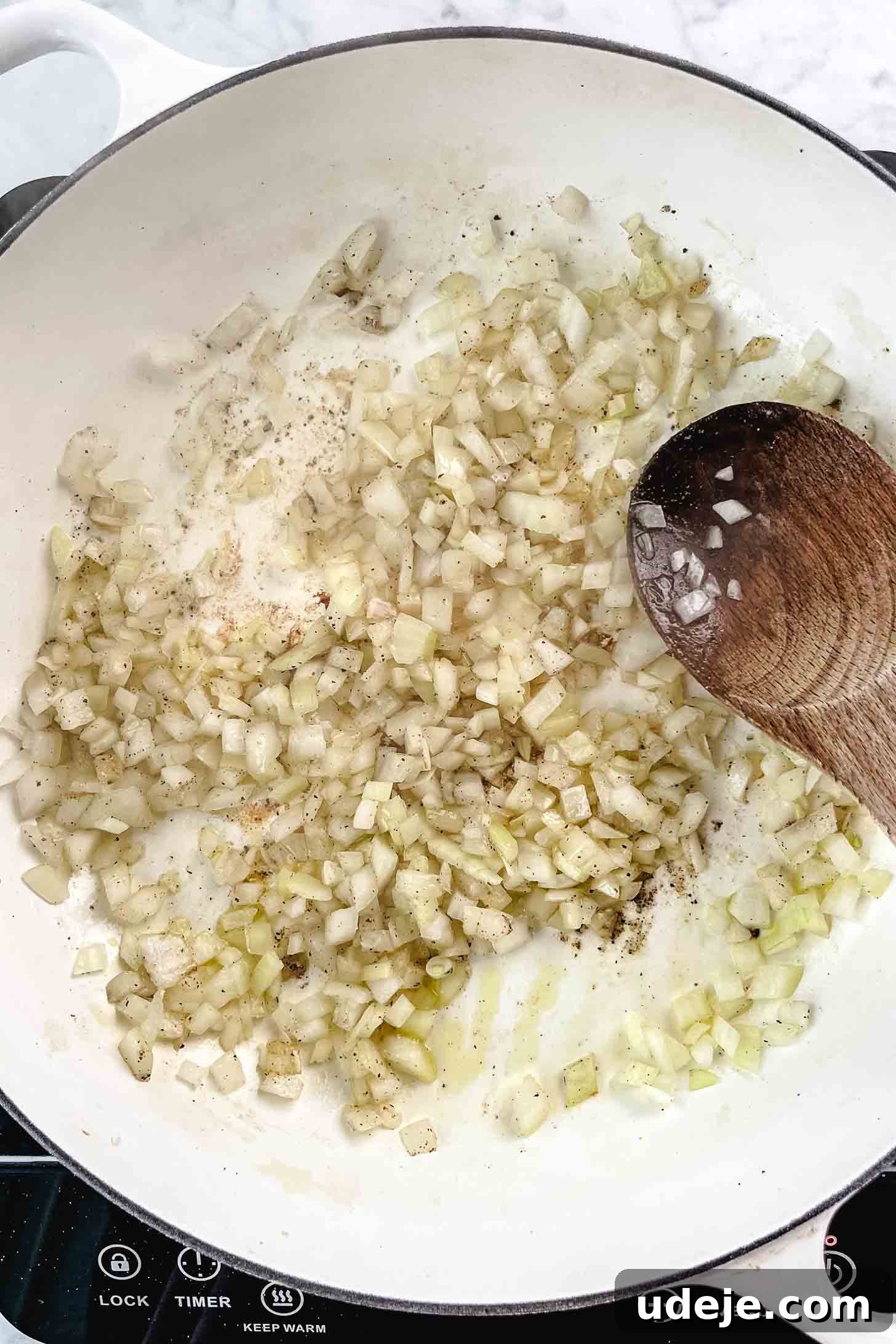
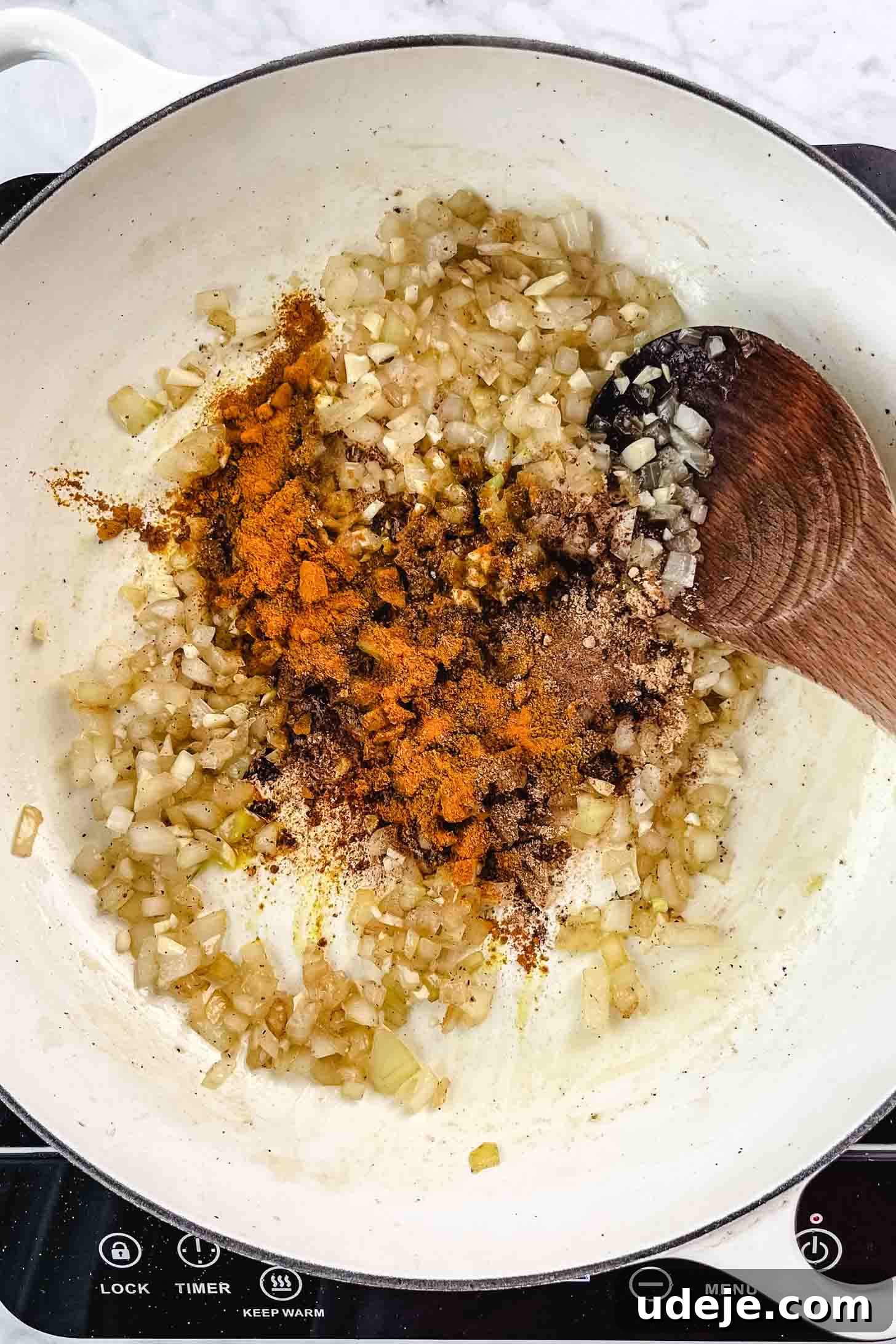
Using the same pot and the rendered chicken fat/oil, reduce the heat slightly to medium. Add the finely diced onions and cook them for at least 6 to 7 minutes, stirring occasionally, until they become soft, translucent, and begin to caramelize, developing a rich sweetness. Next, add the finely chopped garlic and cook for an additional 30 seconds until fragrant. Be careful not to burn the garlic. Immediately after, stir in all of the spices – turmeric, cinnamon, ground ginger, cumin, and curry powder – along with the remaining salt. Cook the spices for about 1 minute, stirring constantly, to bloom their flavors and release their wonderful aromas.
Step 3: Simmer with Carrots and Chicken
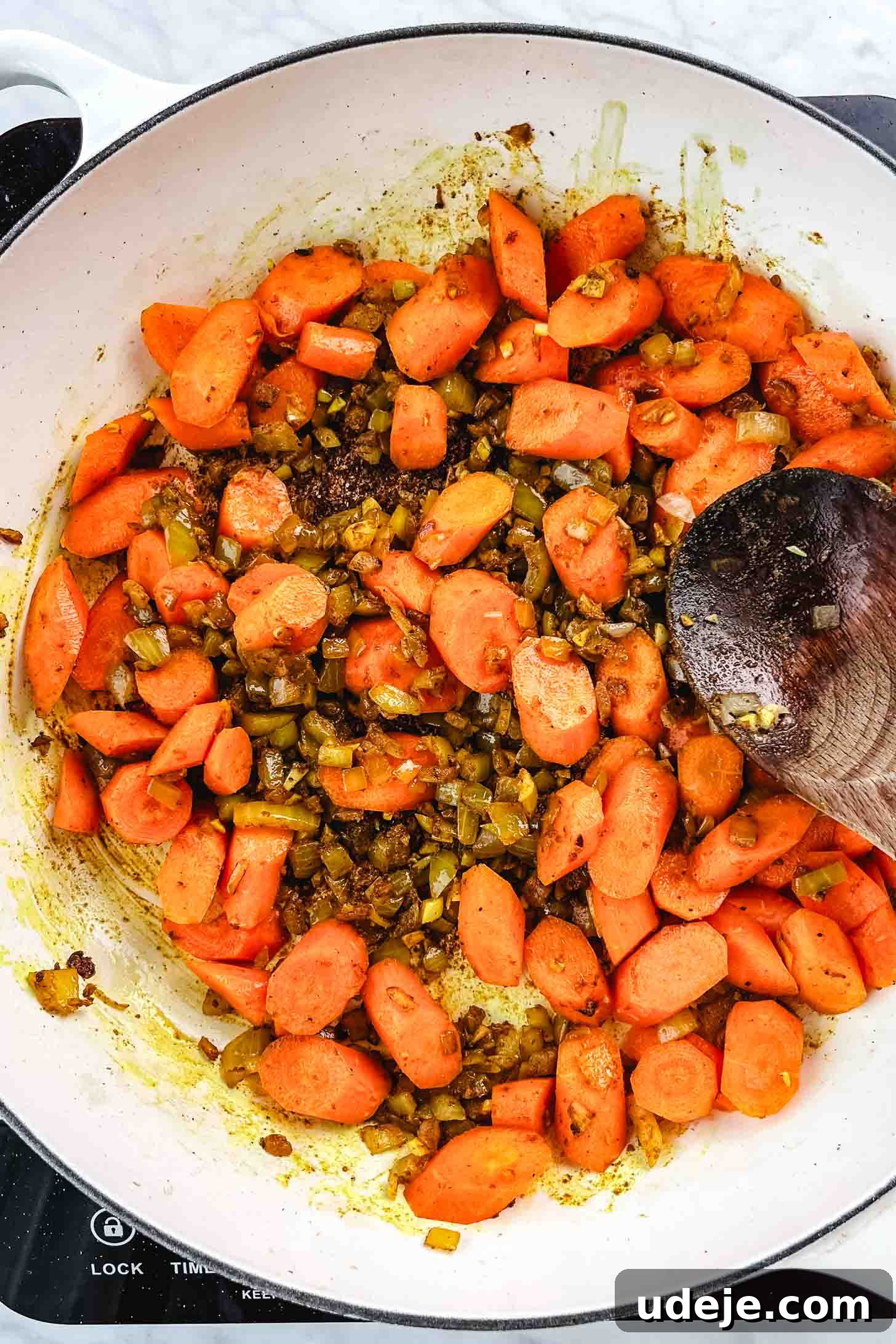
Add the sliced carrots to the pot with the aromatic onion-spice mixture. Stir well to coat the carrots, ensuring they absorb the fragrant flavors. Then, nestle the seared chicken pieces back into the pot. Add the bay leaves and pour in 2-3 cups of water, enough to partially submerge the ingredients. Bring the liquid to a gentle boil, then reduce the heat to medium-low, cover the pot tightly, and let it simmer for 15 minutes. This initial simmering allows the carrots to soften and the chicken to begin cooking through, while the flavors meld together.
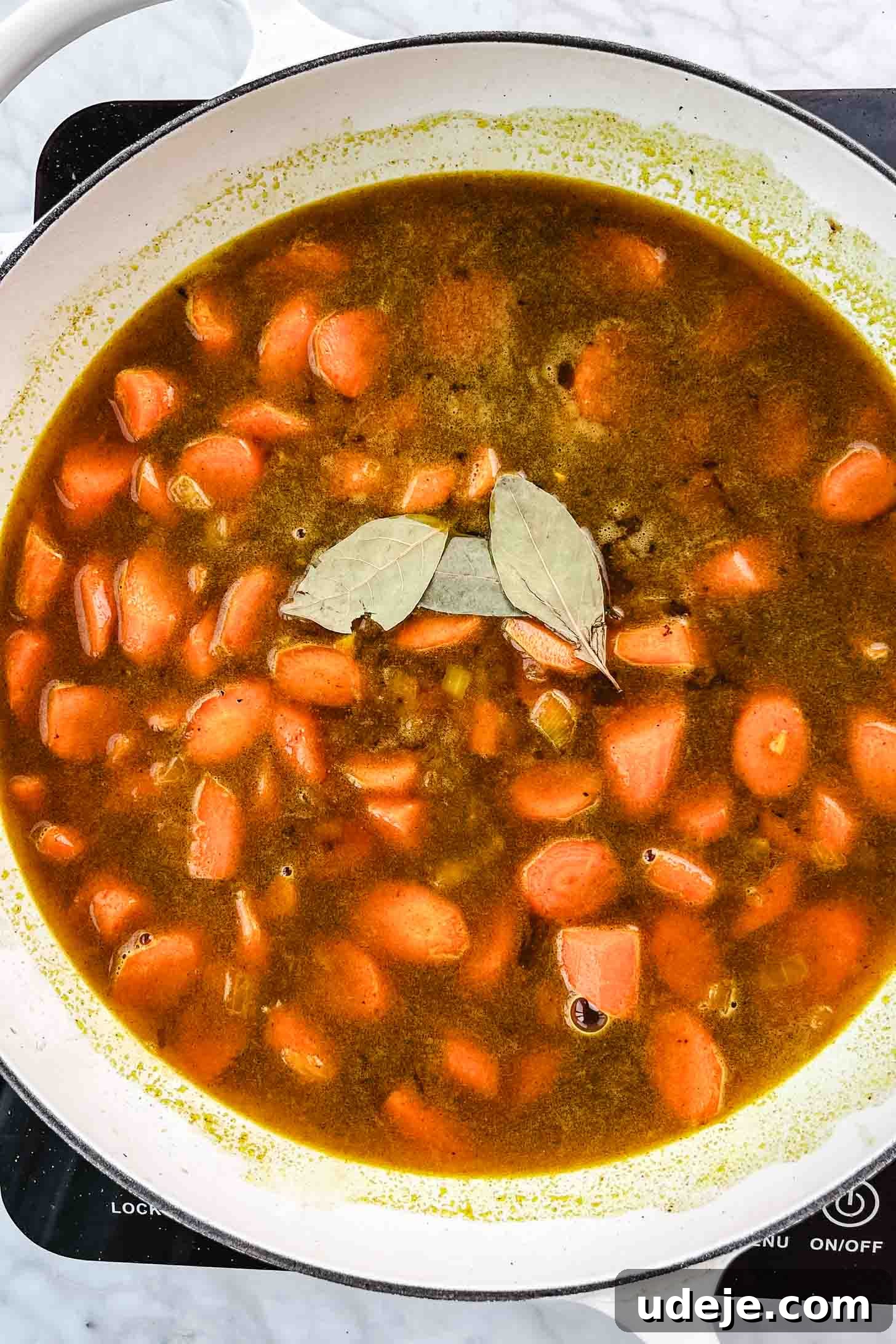
Step 4: Add Olives and Thicken the Sauce
After 15 minutes of simmering, carefully uncover the pot. Now, it’s time to introduce the star ingredient: the soaked green olives. Gently stir them into the stew, ensuring they are distributed evenly. Cover the pot again and continue to simmer for an additional 15 minutes, allowing the olives to infuse their distinctive flavor into the rich broth. While the stew simmers, prepare a cornstarch slurry by whisking 1 tablespoon of cornstarch with 2 tablespoons of cold water in a small bowl until completely smooth. Once the additional 15 minutes have passed, uncover the pot and slowly pour the cornstarch slurry into the simmering tajine, stirring continuously. This will help to thicken the sauce to a luscious, silky consistency. Let the tajine simmer for a few more minutes, stirring gently, until the sauce reaches your desired thickness.
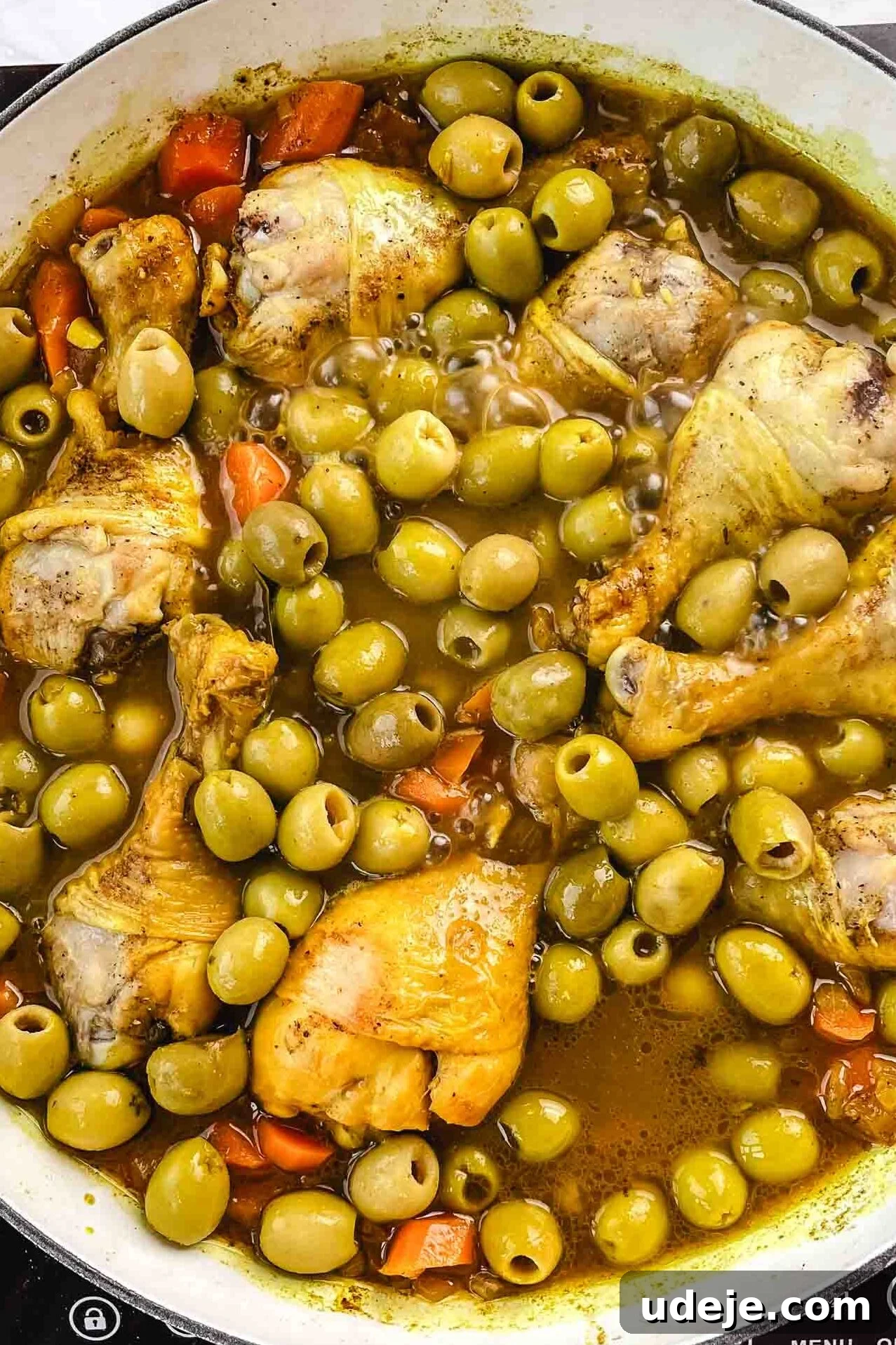
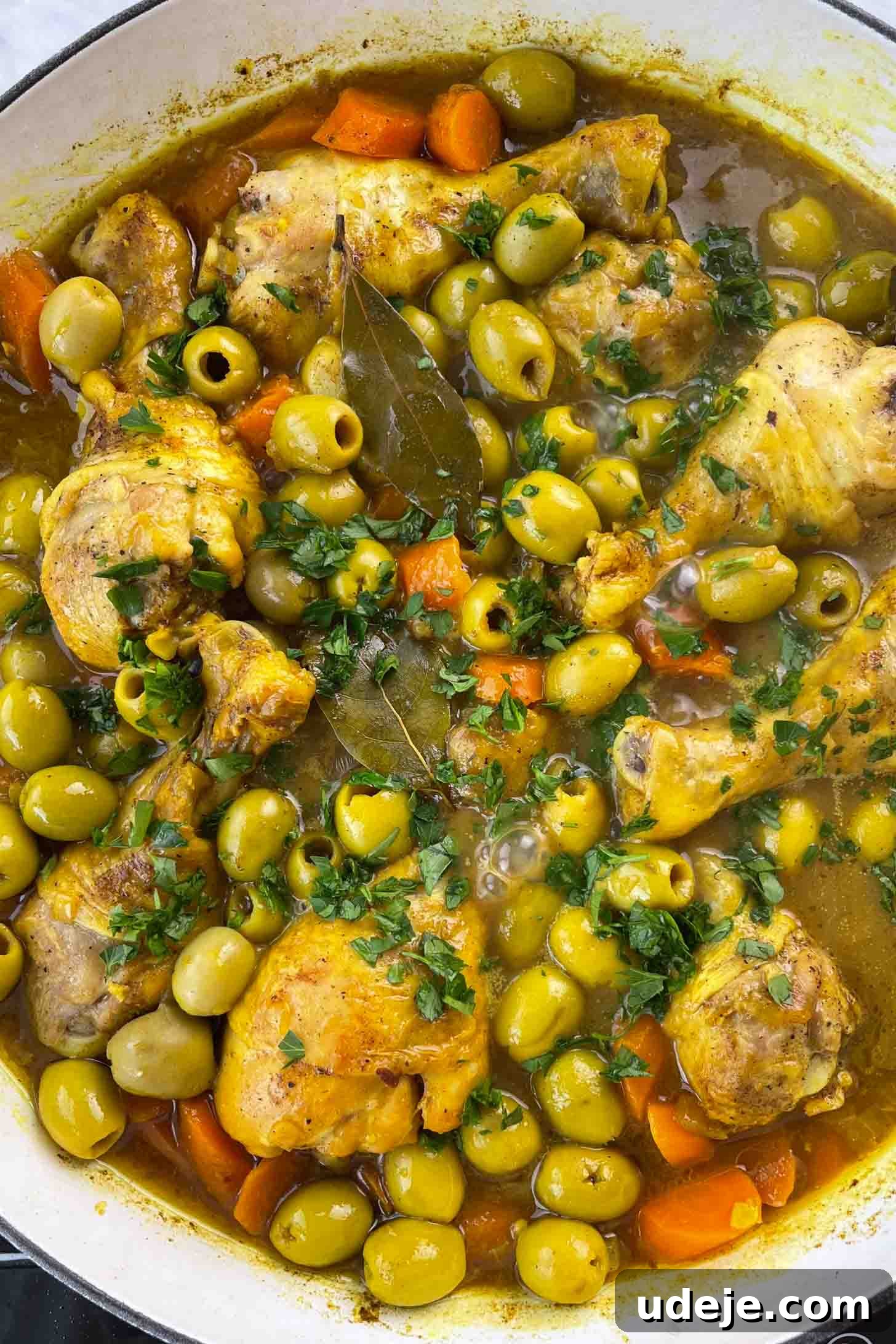
Step 5: Finish and Serve
To brighten the flavors and add a final flourish, squeeze fresh lemon juice over the finished tajine. Taste the stew and adjust the seasoning as needed, adding more salt, pepper, or lemon juice to your preference. Finally, garnish generously with freshly chopped parsley, which adds a vibrant color and fresh herbaceous note. Your exquisite Tajine Zitoune is now ready to be savored.
Serving Suggestions and Storage Tips
Tajine Zitoune is a versatile dish that pairs beautifully with a variety of accompaniments, making it a truly adaptable meal for any preference. Here are some of my top recommendations for serving and storing this delightful stew.
How to Serve Your Tajine Zitoune
The rich, savory sauce and tender chicken of Tajine Zitoune cry out for something to soak up every last drop of its deliciousness.
- Rice: I personally find that this stew is exceptional when served over rice. As someone who is quite partial to rice as a side with almost any stew, I highly recommend either fluffy medium-grain Egyptian rice or aromatic rice with vermicelli. For a quick and effortless option, instant pot basmati rice works wonderfully and brings a fragrant lightness to the meal.
- Couscous: A classic North African accompaniment, light and fluffy couscous is an excellent choice. Its fine texture and ability to absorb the flavors of the stew make it a perfect pairing, offering an authentic culinary experience.
- Bread (Khobz): Don’t underestimate the simple pleasure of serving this tajine with warm, crusty bread. Traditional khobz (Algerian or Moroccan bread) is ideal for scooping up the savory sauce and tender pieces of chicken. Any good quality crusty bread, such as a baguette or pita, will also do the trick, allowing you to enjoy every last bit of this comforting dish.
- Garnishes: A final sprinkle of fresh cilantro or parsley not only adds a pop of color but also a fresh herbaceous flavor that brightens the entire dish. A wedge of lemon on the side allows diners to add an extra layer of zesty brightness if desired.
Storage and Reheating
Tajine Zitoune, like many stews, often tastes even better the next day as the flavors have more time to meld and deepen. Proper storage ensures you can enjoy your leftovers safely.
- Refrigeration: Place any leftover Tajine Zitoune in an airtight container and refrigerate promptly. It will keep well for 2-3 days.
- Freezing: For longer storage, this stew freezes beautifully. Transfer the cooled tajine to a freezer-safe airtight container or heavy-duty freezer bags. It can be frozen for 2 to 3 months. Thaw overnight in the refrigerator before reheating.
- Reheating: Gently reheat leftovers on the stovetop over medium-low heat, stirring occasionally, until thoroughly warmed through. You may add a splash of water or chicken broth if the sauce has become too thick. Avoid high heat, which can dry out the chicken.
More North African Recipes to Try:
If you tried these recipes, please consider leaving a star ⭐⭐⭐⭐⭐ rating in the recipe card below and/or a review in the comments section further down the page – I’d love to hear from you! You can also hop on over to Instagram and say hello!
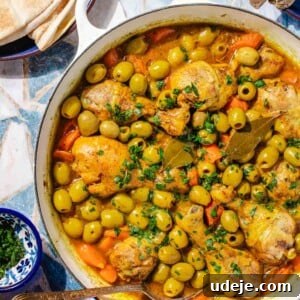
Tajine Zitoune (Algerian Olive & Chicken Stew)
4
Servings
5
mins
45
mins
50
mins
Amina Al-Saigh
Leave a Review
Pin Recipe
Ingredients
- 3 tablespoons olive oil
- 680 grams bone-in, skin on chicken drumsticks, or use chicken thighs or full legs
- 1 1/2 teaspoons salt, divided
- 1 onion, finely diced
- 4 garlic cloves, finely chopped
- 453 grams carrots, approx. 4-5 medium carrots, cut into rounds
- 2 bay leaves
- 1 teaspoon turmeric
- 1/2 teaspoon cinnamon
- 1/2 teaspoon ground ginger
- 1/2 teaspoon cumin
- 1/2 teaspoon curry powder
- 1/2 teaspoon black pepper
- 400 grams green olives, pitted, drained and soaked in water for 30 minutes
- 1 tablespoon cornstarch, plus 2 tablespoons water to make a slurry
- 1 lemon, juiced, to taste
- 1/4 cup parsley, chopped
Instructions
-
In a large pot, heat the olive oil over medium-high heat. Sprinkle the chicken with 1 teaspoon of the salt and sear on both sides for 2-3 minutes until lightly golden. Remove to a plate and set aside.
-
To the same pot, add the diced onions and cook for 3-5 minutes until soft and translucent. Add the garlic and cook for an additional 30 seconds. Add the carrots and stir for a few minutes.
-
Add the chicken back in along with the bay leaves, turmeric, cinnamon, ground ginger, cumin, curry powder, black pepper and the remaining 1/2 teaspoon of salt. Stir, then add 2-3 cups of water and bring to a boil. Cover and simmer for 15 minutes.
-
Uncover and add in the soaked olives and continue to simmer for an additional 15 minutes. Combine the cornstarch with the 2 tablespoons of water in a small bowl to make a slurry. Pour the slurry into the stew to thicken the sauce. Stir and simmer for an additional 5 minutes.
-
Add in the lemon juice to taste and garnish with the chopped parsley. Serve with bread or over rice.
Notes
- Make sure the green olives you use have been rinsed, drained and soaked in cold water for 30 minutes. This step is crucial to ensure the Tajine does not end up very salty due to the salt content in the olives.
- For the chicken, you can use any bone-in cut for great flavor. If you only have boneless, that will work too, but the chicken will need less cooking time. Allow the tajine to simmer with the carrots and all ingredients for 10 minutes before adding back in the boneless chicken.
Serving:
1
Serving
,
Calories:
503
kcal
,
Carbohydrates:
24
g
,
Protein:
23
g
,
Fat:
37
g
,
Saturated Fat:
6
g
,
Polyunsaturated Fat:
5
g
,
Monounsaturated Fat:
23
g
,
Trans Fat:
0.1
g
,
Cholesterol:
105
mg
,
Sodium:
2634
mg
,
Potassium:
798
mg
,
Fiber:
8
g
,
Sugar:
8
g
,
Vitamin A:
19699
IU
,
Vitamin C:
29
mg
,
Calcium:
134
mg
,
Iron:
3
mg
Did you make this recipe?
Please leave a star rating and review below!