
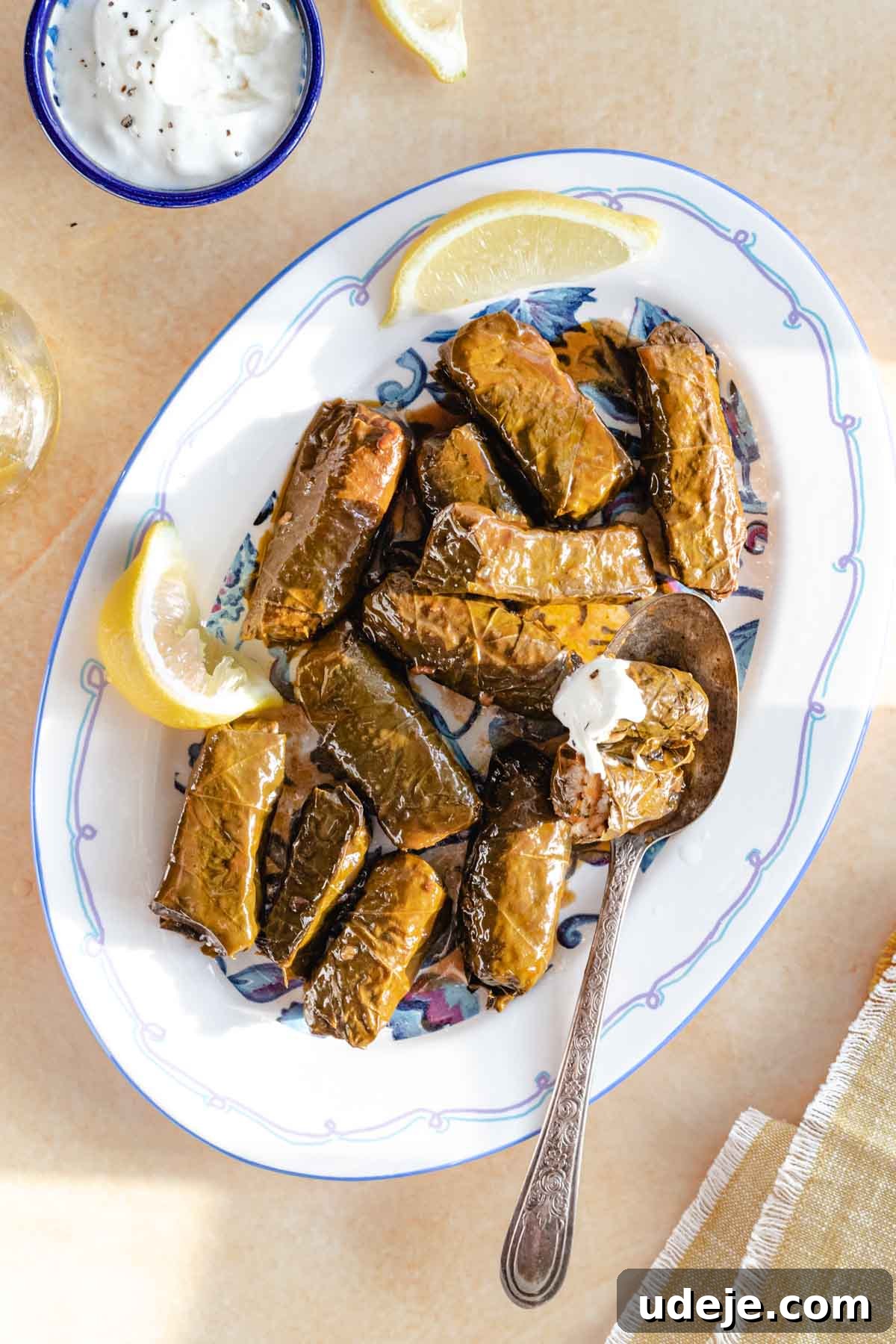
Yalanji, a celebrated staple of Middle Eastern cuisine, offers an exquisite culinary journey. These tender grape leaves are meticulously hand-rolled and generously filled with a vibrant, **vegetarian** rice mixture, then slow-cooked in a zesty, aromatic broth until they reach a melt-in-your-mouth perfection. This dish is incredibly addictive, making it nearly impossible to stop at just one. While the preparation is certainly time-consuming, the process of rolling grape leaves is a delightful activity, often shared among family and friends, transforming meal preparation into a cherished social event. Prepare to fall in love with one of the most beloved and flavorful Middle Eastern recipes!
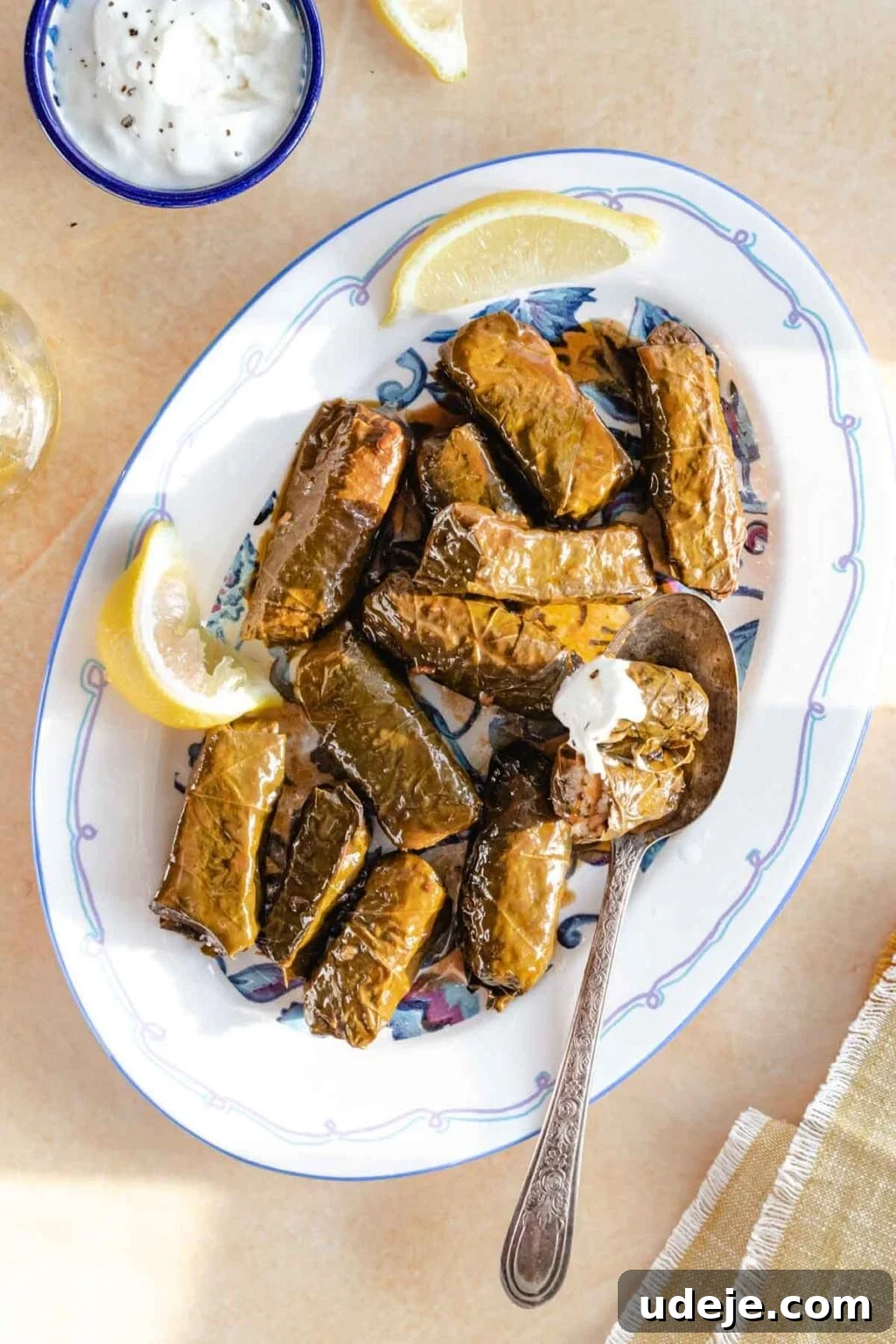
Discovering Yalanji: A Culinary Gem
The name “Yalanji” itself carries a fascinating history, derived from a Turkish word meaning “liar” or “fake.” This intriguing moniker refers to its distinguishing feature: the absence of meat in its filling. Unlike its more widely known counterparts, such as traditional stuffed grape leaves (Warak Enab) which typically feature a savory blend of ground beef, rice, and spices, Yalanji offers a purely plant-based experience.
Despite its “fake” designation, this vegetarian rendition is incredibly satisfying and, for many, is *arguably* even more delectable than the meat-filled version. Yalanji is particularly renowned as a Syrian specialty, gracing menus in authentic Syrian restaurants and homes alike. However, the art of stuffing vegetables, collectively known as **dolma**, transcends borders, boasting ancient roots and widespread popularity across Turkey, Greece, the Levant, Iraq, and Iran, among other regions. Each culture has lovingly adapted the dish to reflect its unique culinary traditions and available ingredients.
For instance, Iraqi dolma, as seen in Iraqi Dolma, embraces a diverse assortment of stuffed vegetables beyond just grape leaves, creating a vibrant medley of flavors and textures. While also labor-intensive, the rich, aromatic profiles found in Yalanji are reminiscent of dishes like vegetarian stuffed peppers, which offer a quicker path to similar comforting tastes. Yalanji, with its bright, tangy, and subtly spiced rice and vegetable filling, stands out as a distinctive and highly cherished variant that truly needs no meat to impress.
Essential Ingredients for Authentic Yalanji
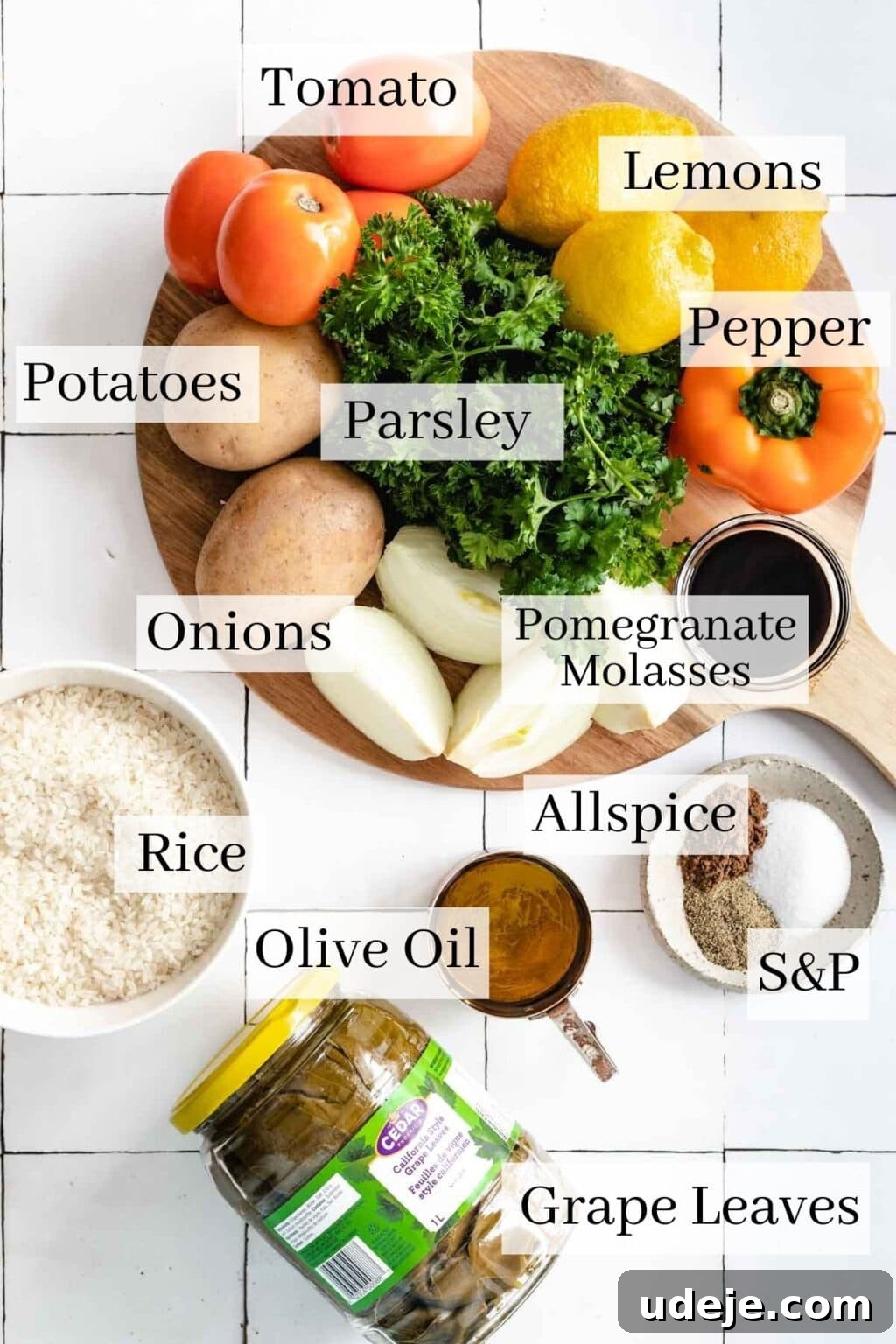
Crafting exceptional Yalanji begins with selecting the right components. Here’s what you’ll need to bring this delightful dish to life:
- **Grape Leaves:** The cornerstone of the dish. While fresh grape leaves are ideal if you can source them, high-quality jarred grape leaves are widely available and perfectly suitable. When choosing jarred varieties, look for brands that offer tender, unblemished leaves with stems already trimmed, as this saves considerable preparation time. Experiment with local Middle Eastern shop offerings; popular brands like Cedar and Orlando “California style” leaves are often praised for their quality and texture. Plan for at least one standard jar (approximately 1 liter) for a family-sized batch.
- **Short or Medium Grain Rice:** The heart of the filling. Varieties such as Calroze or Egyptian rice are excellent choices due to their ability to absorb flavors and achieve a tender, yet distinct texture when cooked. Ensure it’s thoroughly washed and drained before mixing.
- **Fresh Vegetables:** A vibrant blend of tomato, onions, bell pepper (red or orange), and fresh parsley forms the aromatic base of the filling. These ingredients are typically finely processed or chopped to create a cohesive mixture that infuses the rice with incredible depth.
- **Flavor Enhancers:** The signature tangy taste of Yalanji comes from generous amounts of fresh lemon juice and rich pomegranate molasses. These acidic components not only brighten the flavors but also contribute to the tender texture of the grape leaves.
- **Olive Oil:** A crucial binding agent and flavor carrier, enhancing the richness of both the filling and the cooking broth.
- **Seasoning:** A simple yet effective blend of salt, black pepper, and allspice elevates the filling. Allspice, a staple in Middle Eastern cuisine, provides a warm, sweet, and slightly peppery note that is indispensable for authentic flavor.
- **Tomato Paste & Chicken Stock (or Vegetable Stock for strict vegetarian):** Tomato paste adds depth and a subtle sweetness to the filling. A crumbled chicken stock cube (or vegetable bouillon) contributes umami, enriching both the filling and the cooking liquid.
Mastering Yalanji: A Step-by-Step Guide
Preparing the Grape Leaves
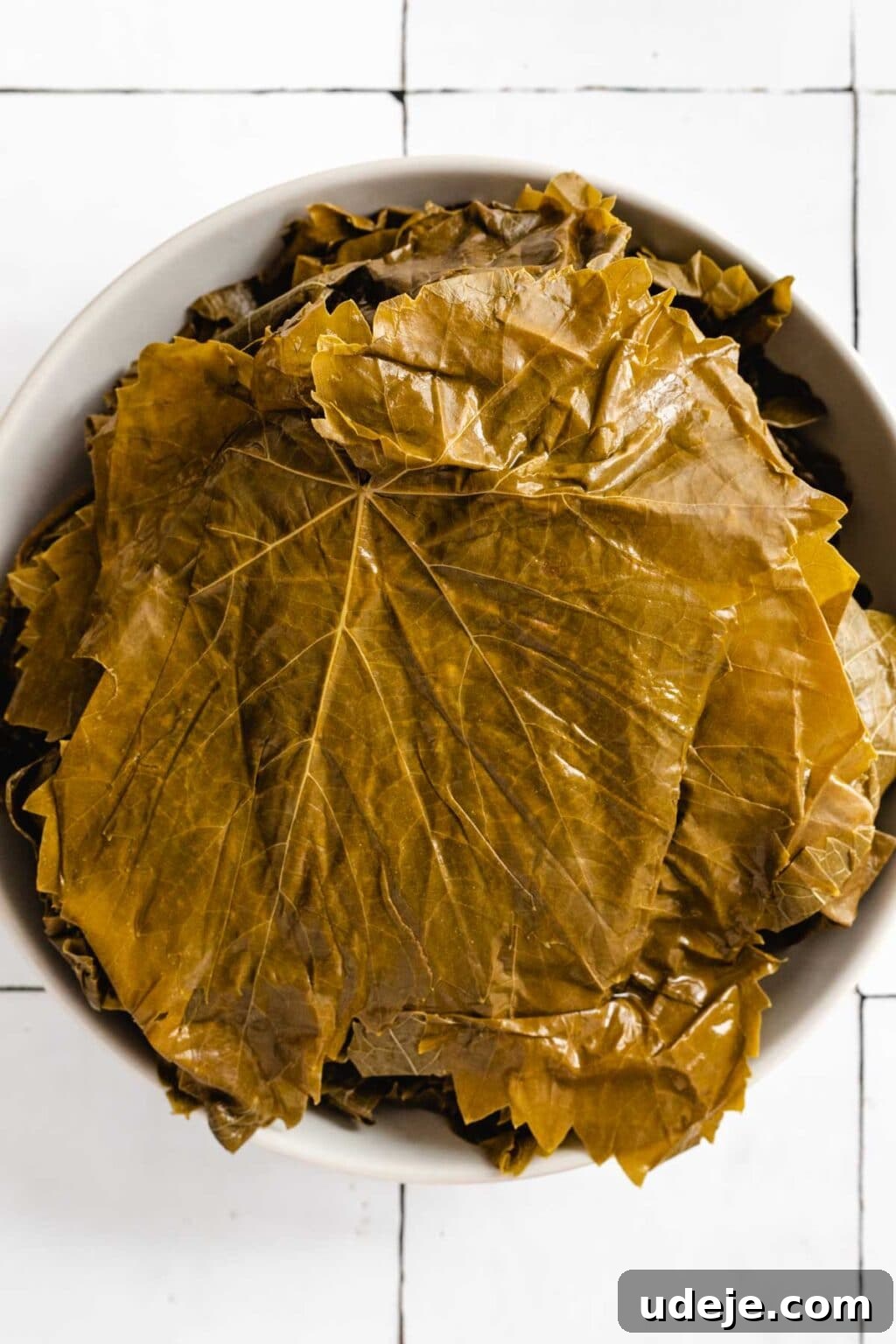
- **Rinse Thoroughly:** Begin by carefully removing the grape leaves from their jar. Since most are preserved in brine, they will be very salty. Rinse them under cold running water multiple times, gently separating the leaves to ensure all excess salt is washed away. Drain them well and let them soak briefly while you prepare the filling.
- **Optional Blanching:** If you find your grape leaves to be particularly thick or tough (which can vary by brand), you may choose to blanch them. Submerge them in boiling water for 2-3 minutes to soften them, then immediately transfer them to an ice bath to stop the cooking process. This step “pre-cooks” and tenderizes the leaves, potentially reducing overall cooking time, but is usually unnecessary with good quality leaves.
- **Trim Stems:** Inspect each leaf and, if not already done by the manufacturer, use a small paring knife or kitchen shears to carefully trim off any tough stems at the base of the leaf.
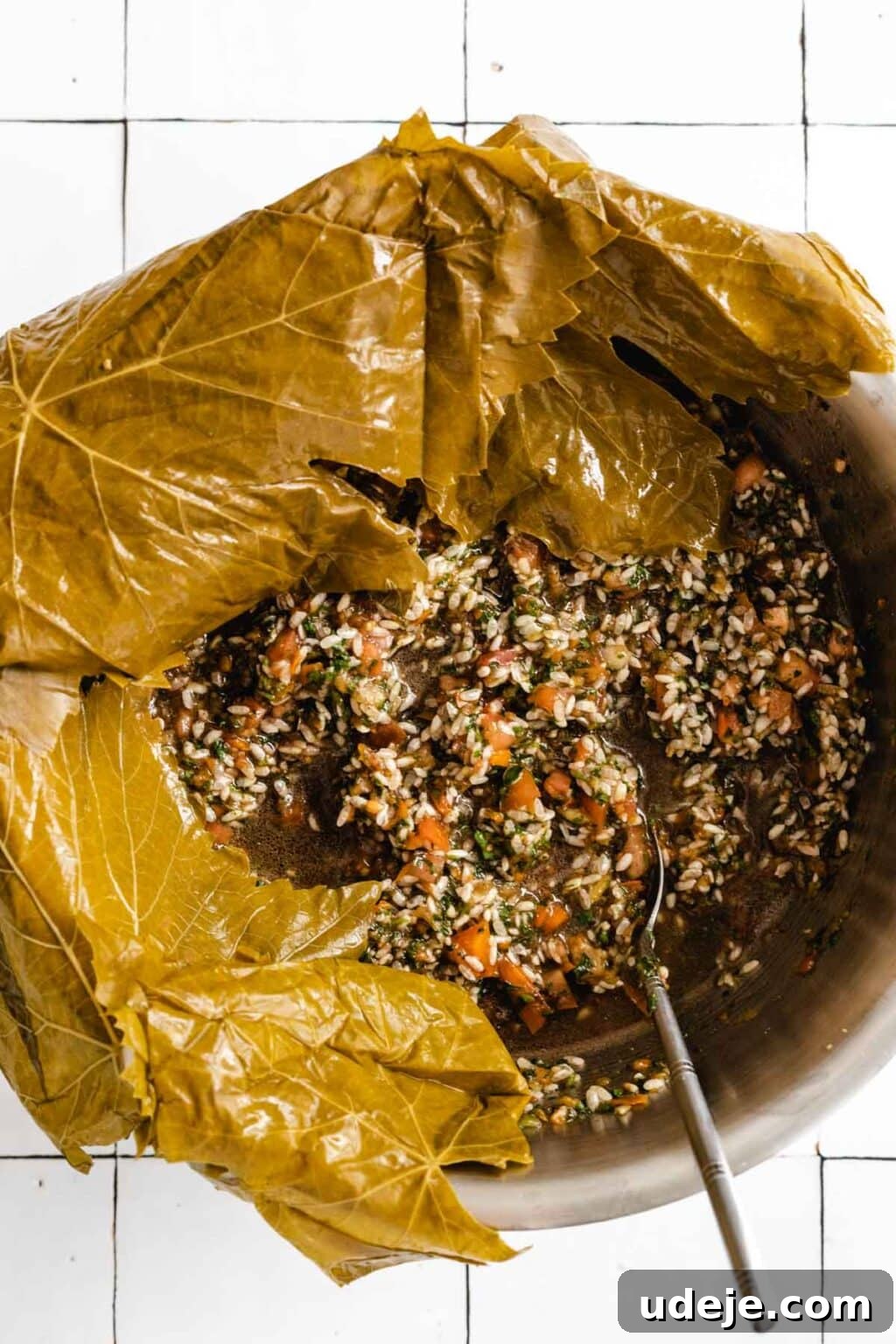
- **Organize for Rolling:** To streamline the rolling process, separate a good quantity of leaves and arrange them neatly around the edges of your mixing bowl or on a clean cutting board. This makes grabbing and filling each leaf much more efficient.
Crafting the Flavorful Filling
- **Wash the Rice:** Place the short or medium grain rice in a large bowl and rinse it thoroughly under cold water until the water runs clear. Drain completely and set aside.
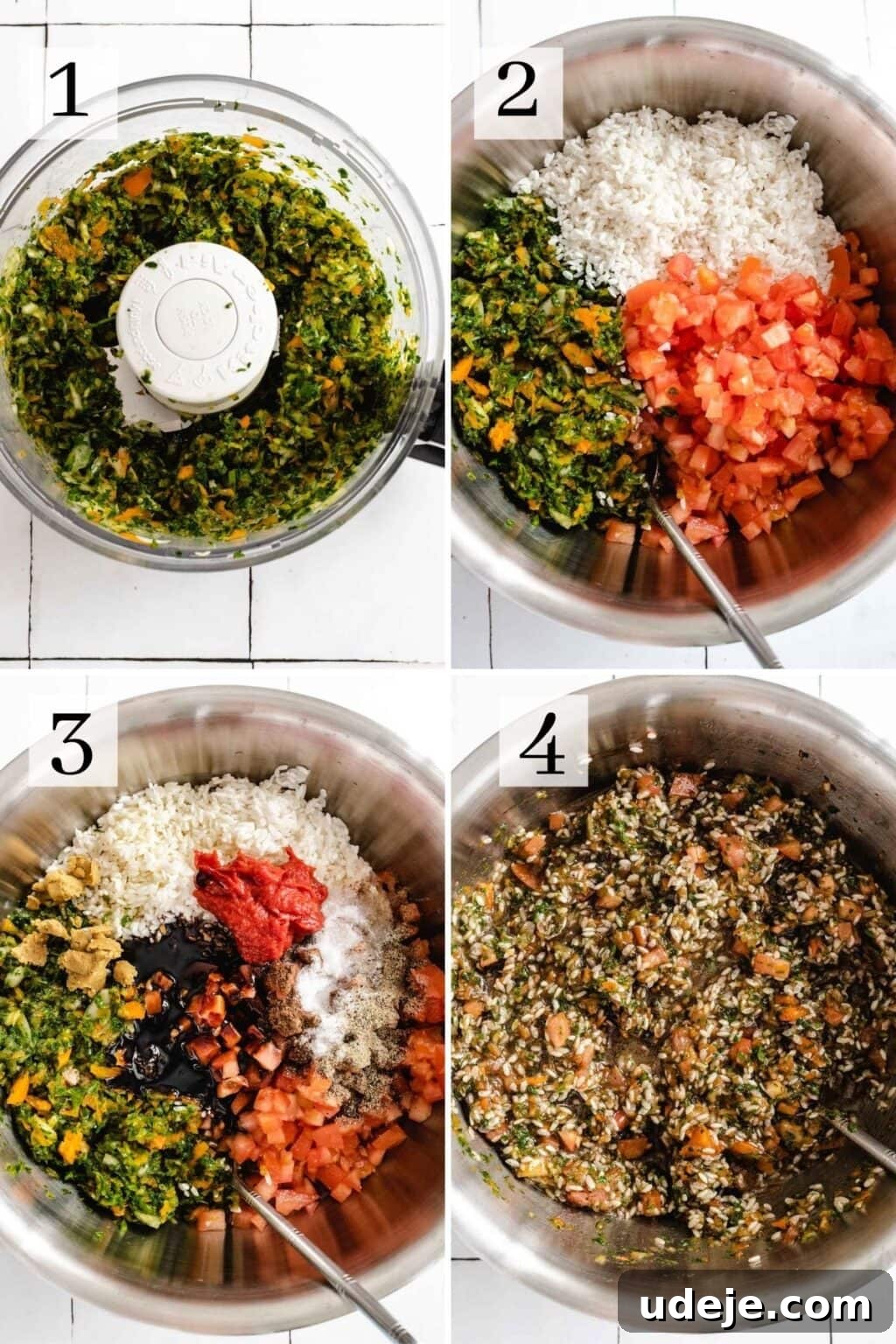
- **Process Vegetables:** If you have a food processor, it’s a convenient tool for this step. Roughly chop the onion, bell pepper, and parsley, then pulse them in the food processor until they are finely minced. If you don’t have a food processor, finely chop all these vegetables by hand.
- **Dice Tomatoes:** Finely dice the fresh tomatoes by hand.
- **Combine Ingredients:** Add the processed (or hand-chopped) onions, bell pepper, parsley, and the finely diced tomatoes to the bowl with the washed rice.
- **Season and Mix:** To the same bowl, incorporate the pomegranate molasses, fresh lemon juice, olive oil, salt, black pepper, allspice, tomato paste, and the crumbled chicken stock cube. Mix all ingredients thoroughly with a spoon until everything is well combined and coated. Don’t be concerned if the mixture appears quite juicy; this liquid will absorb beautifully into the rice during cooking, infusing it with flavor.
The Art of Rolling Grape Leaves
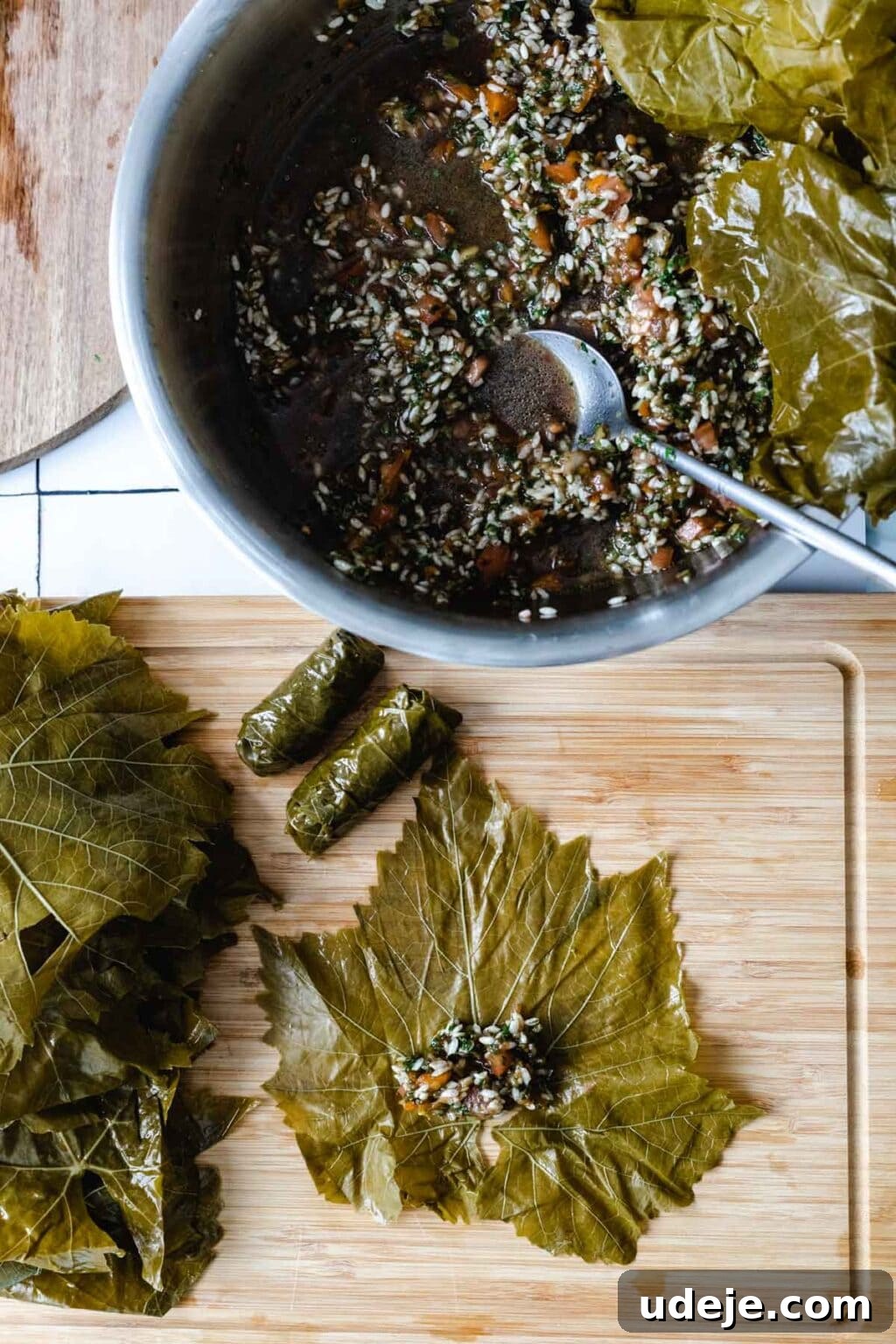
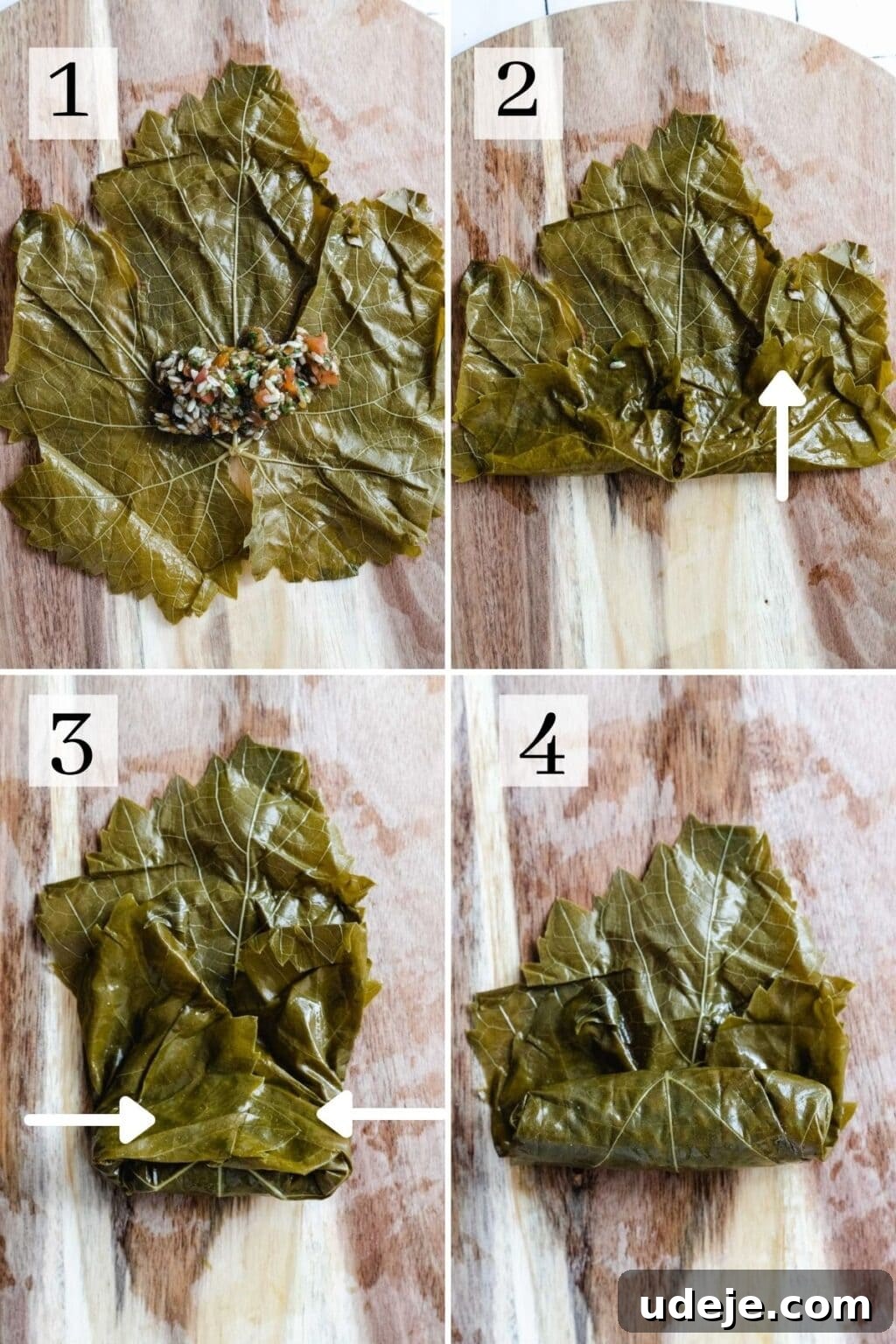
- **Orient the Leaf:** Lay a single grape leaf flat on your clean work surface with the smooth, shiny side facing down. The rough, veiny side should be facing up, as this side will be on the inside of the roll, becoming hidden once rolled.
- **Add Filling:** Place approximately one tablespoon of the prepared rice and vegetable filling in the middle of the leaf, closer to the stem end. The exact amount will vary slightly depending on the size of your grape leaves; ensure there’s enough space on the edges for folding.
- **Initial Fold:** Take the bottom part of the grape leaf and fold it tightly over the filling.
- **Side Folds:** Next, fold in each of the side edges of the leaf towards the center, creating an envelope shape around the filling.
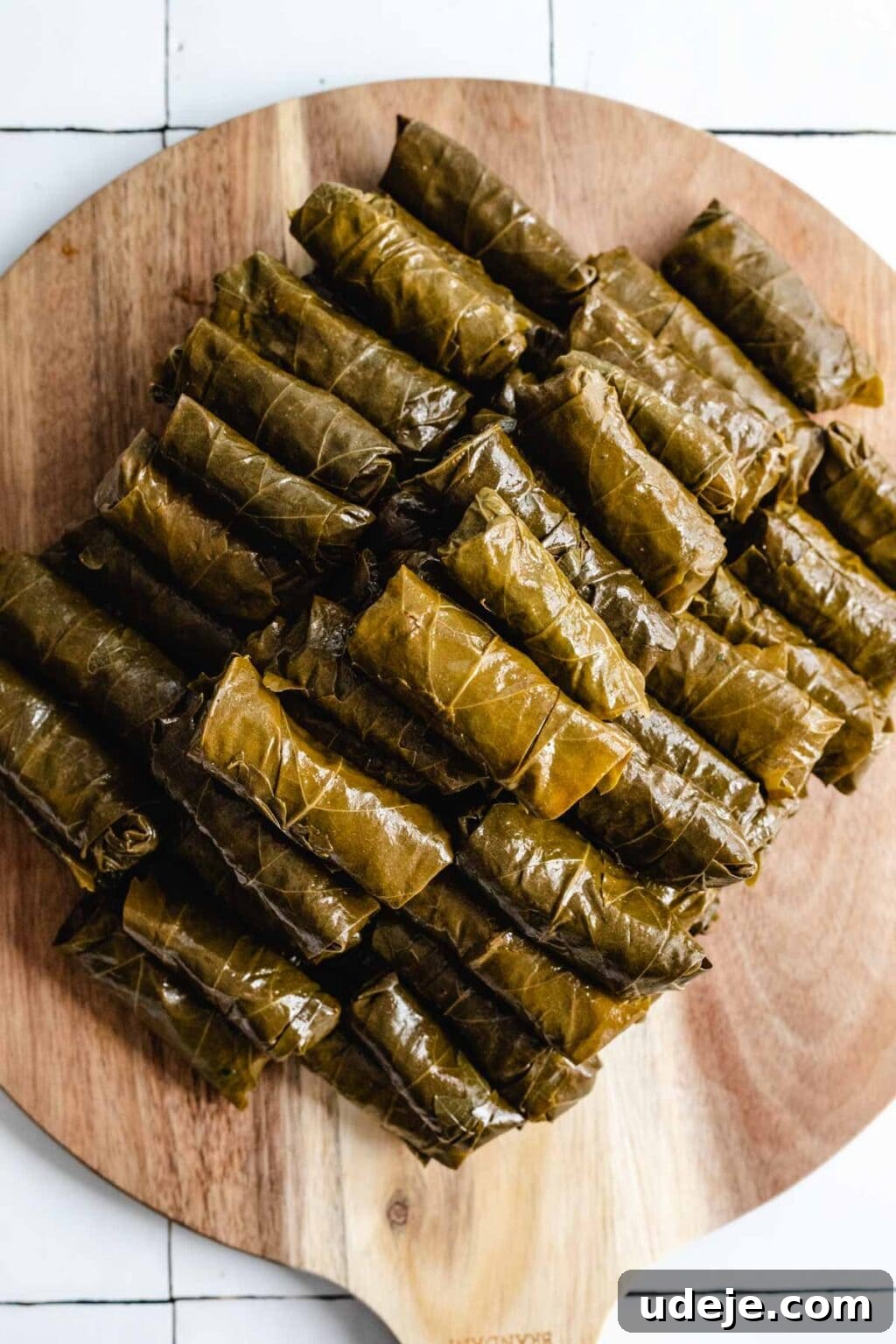
- **Roll Forward:** While maintaining a firm but gentle grip to keep the filling secure and the roll tight, begin rolling the leaf upwards from the bottom. As you roll, continuously tuck in any small pieces of the leaf that may stick out from the sides, ensuring a neat and compact cylinder.
- **Secure and Repeat:** Once rolled, place the finished grape leaf seam-side down on a platter or tray to prevent it from unraveling. Repeat this process for all remaining grape leaves, enjoying the meditative rhythm of rolling. Remember that the rice will expand during cooking, while the vegetables will shrink. Be generous with your filling for vegetarian rolls to prevent them from becoming loose or partially empty after cooking.
Cooking Yalanji to Perfection
Assembling and Simmering the Grape Leaves
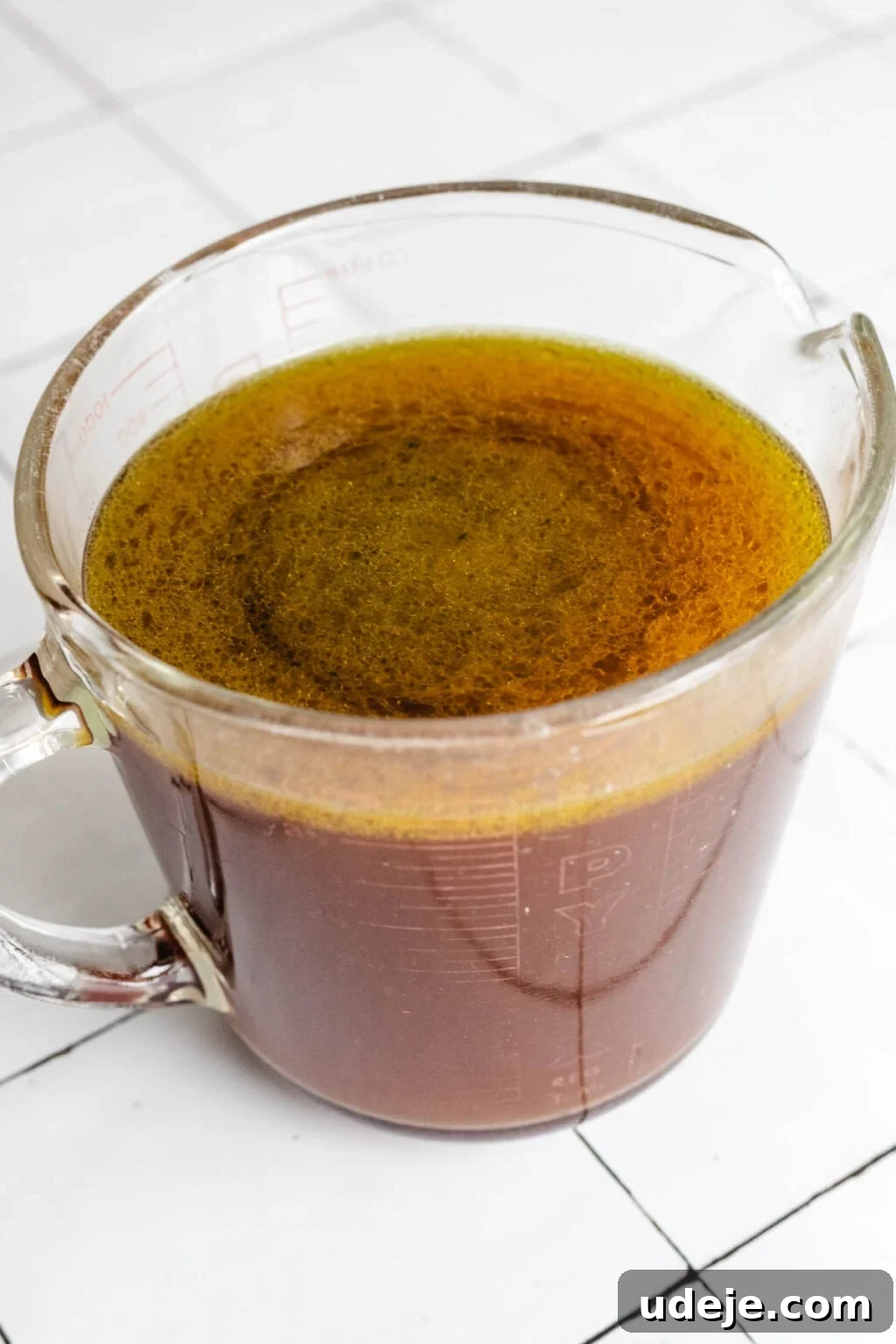
- **Prepare the Broth:** In a separate bowl or measuring cup, prepare the flavorful cooking broth. Combine hot (preferably boiling) water with a chicken stock cube (or vegetable stock), pomegranate molasses, olive oil, fresh lemon juice, and salt. Using boiling water helps dissolve the stock cube and ensures all ingredients are thoroughly mixed.
- **Layer the Pot:** Drizzle a little olive oil onto the bottom of a large, non-stick pot. Arrange thin slices of potato evenly across the bottom of the pot. These potato slices serve two purposes: they prevent the grape leaves from sticking and burning, and they absorb the delicious cooking liquids, becoming incredibly flavorful themselves.
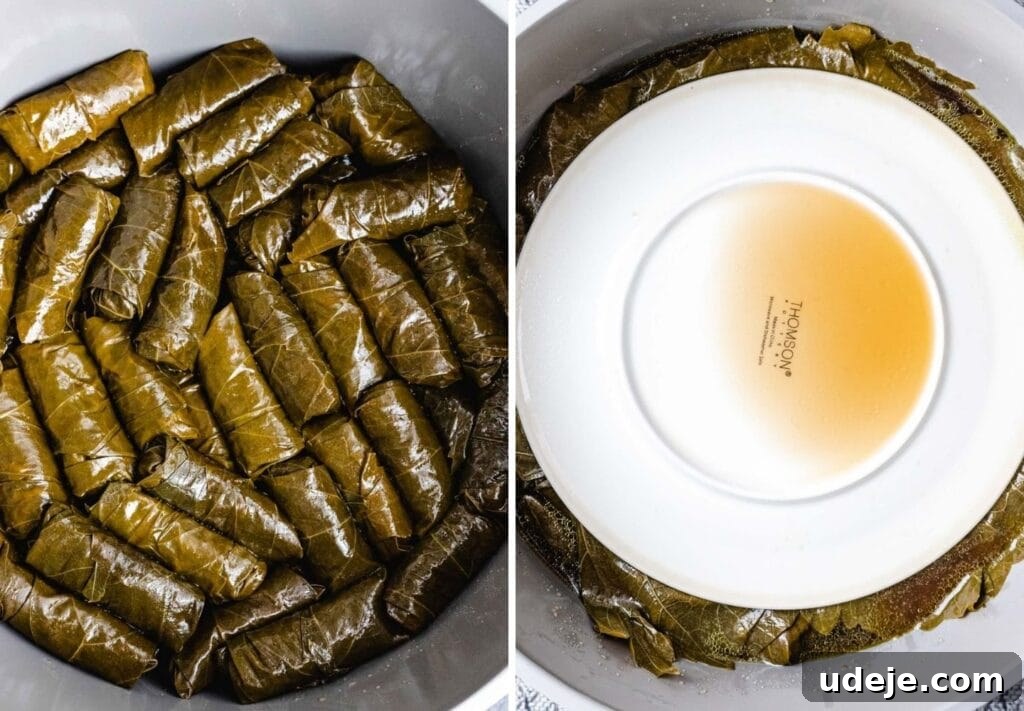
- **Arrange the Rolls:** Carefully and tightly pack the rolled grape leaves into the pot, arranging them in concentric circles or neat rows. Packing them tightly is essential to prevent them from unraveling or floating during cooking.
- **Weight Them Down:** Place a heat-proof plate, inverted, directly on top of the packed grape leaves. This acts as a weight, keeping the rolls submerged in the cooking liquid and ensuring they cook evenly without coming apart.
- **Pour the Broth:** Gently pour the prepared cooking broth over the plate and grape leaves. The liquid should just cover the grape leaves. If it doesn’t quite cover them, add a little more water or stock until they are adequately submerged.
Achieving Melt-in-Your-Mouth Tenderness
- **Initial Boil:** Place the pot on the stove over medium-high heat and bring the liquid to a rolling boil. Let it boil vigorously for a few minutes to ensure even heating throughout the pot.
- **Simmer to Perfection:** Once boiling, reduce the heat to low-medium, cover the pot tightly, and allow the Yalanji to simmer gently for at least 2 hours. This slow cooking process is crucial for the rice to fully expand and for the grape leaves to become incredibly tender, truly melting in your mouth.
- **Monitor Liquid Levels:** Periodically check on the pot to ensure the liquid level is maintained. If too much liquid evaporates, the bottom layers could burn. Add a splash of hot water or broth if needed to keep the grape leaves submerged and prevent scorching.
- **Check for Doneness:** After approximately 2 hours, carefully remove one roll from the pot (be cautious, it will be hot!) and taste it for tenderness. The grape leaf should be soft and yielding, and the rice filling should be perfectly cooked through. If it’s not quite tender enough, continue simmering for another 30-60 minutes, checking periodically. The exact cooking time can vary depending on the thickness and quality of your grape leaves.
- **Rest and Serve:** Once cooked, turn off the heat and let the Yalanji rest in the pot for about 15-30 minutes before serving. This allows the flavors to meld further and the rolls to firm up slightly.
How to Serve Yalanji
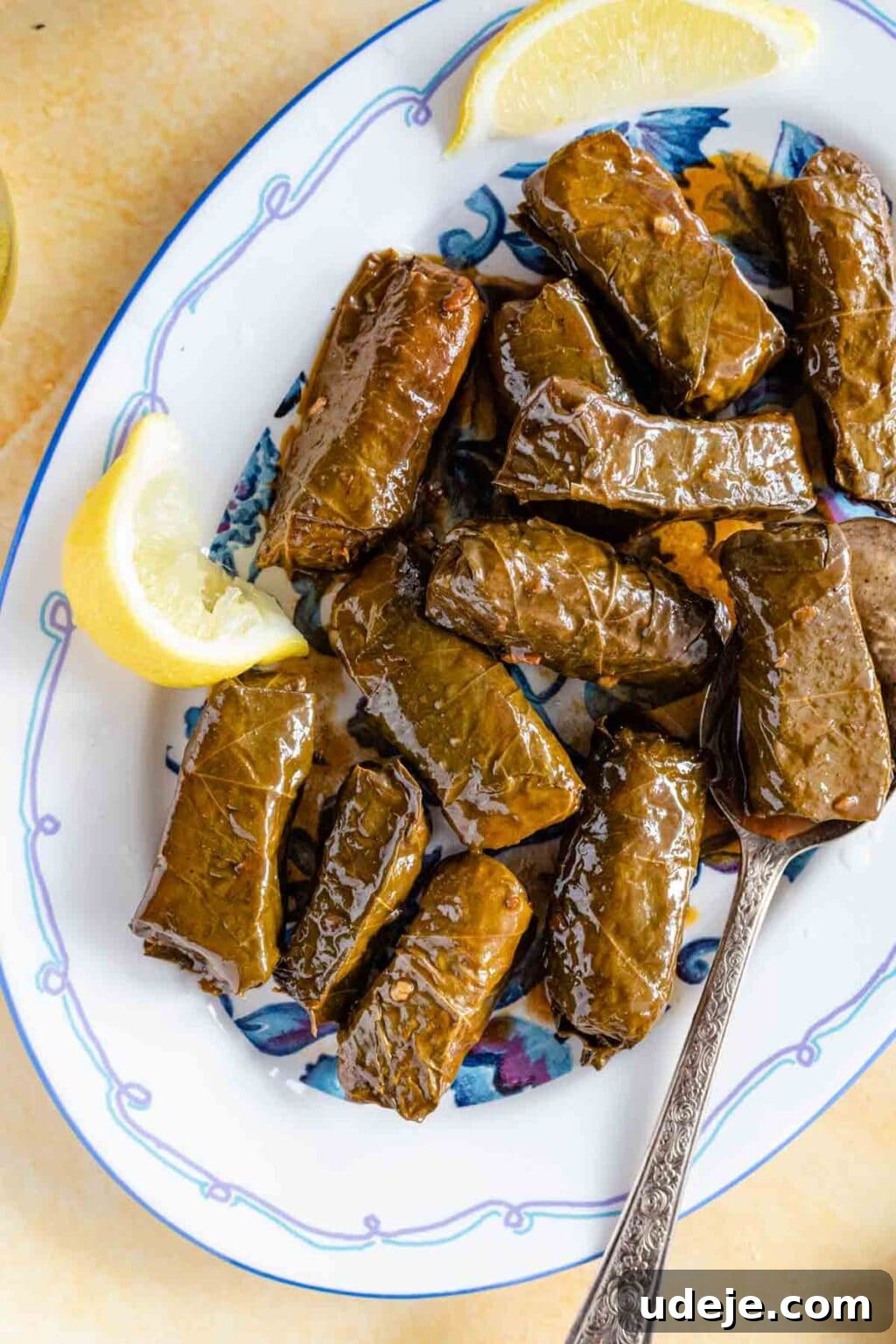
Yalanji is incredibly versatile and can be enjoyed either hot or cold, offering distinct yet equally delicious experiences. Traditionally, it is often served chilled as an appetizer, and many enthusiasts agree that the flavors truly deepen and become more harmonious after a night in the refrigerator. However, if you prefer a warm, comforting meal, serving it hot directly after cooking is also a fantastic option. The choice truly comes down to personal preference.
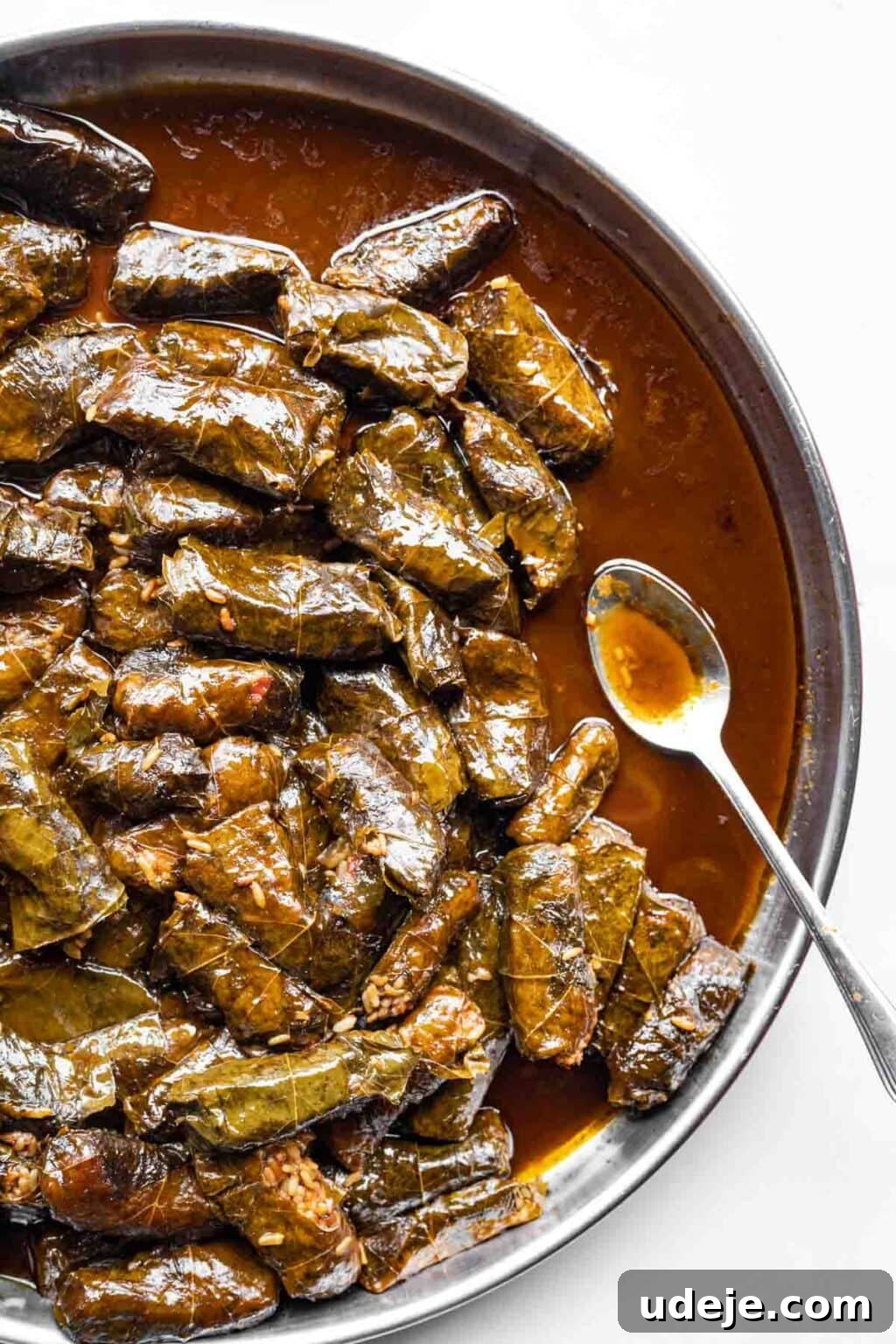
For a truly traditional presentation, carefully place a large metal tray over the top of the pot. With a swift and confident motion, invert the pot onto the tray, allowing the beautifully arranged grape leaves and potato slices to tumble out onto the platter. This dramatic reveal is sure to impress your guests! Serve immediately on the table, inviting everyone to dig in and enjoy. Yalanji pairs wonderfully with a side of plain yogurt for dipping, though its rich, tangy flavor is often enjoyed on its own. For a complete meal, consider accompanying it with a refreshing Middle Eastern Fattoush salad.
Tips for Yalanji Success
- **Choose Quality Leaves:** The quality of your grape leaves significantly impacts the final texture. Opt for tender, thin leaves, whether fresh or jarred. Tough, fibrous leaves can result in a less pleasant eating experience.
- **Don’t Skimp on Filling:** While it’s tempting to underfill to make rolling easier, remember that rice expands and vegetables shrink. A generous filling ensures plump, satisfying rolls after cooking.
- **Roll Them Tight:** Loose rolls are prone to unraveling during simmering. Practice makes perfect – aim for firm, compact rolls that hold their shape.
- **Patience with Cooking:** Yalanji is a dish that rewards patience. The long, slow simmer is key to achieving that signature melt-in-your-mouth texture for both the leaves and the rice. Don’t rush the process, and check for doneness before removing from heat.
- **Taste the Broth:** Before pouring the cooking liquid over the rolls, taste it and adjust salt and tanginess to your preference. This ensures the final dish is perfectly balanced.
Make-Ahead and Storage
Yalanji is an excellent dish for meal prepping or making ahead for gatherings. The uncooked rolls can be prepared and stored tightly packed in the pot, covered, in the refrigerator for up to 2 days before cooking. For longer storage, cooked Yalanji keeps well in an airtight container in the refrigerator for 3-4 days. It also freezes beautifully; once cooled, transfer the rolls to freezer-safe containers and they can be stored for up to 3 months. Thaw overnight in the refrigerator and gently reheat on the stove or in the microwave.
Other Stuffed Vegetable Recipes You’ll Enjoy
If you tried this incredible Yalanji recipe, please consider leaving a star ⭐️⭐️⭐️⭐️⭐️ rating in the recipe card below and/or a review in the comments section – I’d absolutely love to hear from you! You can also connect with me on Instagram to share your creations!
Yalanji (Vegetarian Stuffed Grape Leaves)
6
people
1 hour
2 hours
3 hours
Amina Al-Saigh
Leave a Review
Pin Recipe
Ingredients
For the Filling
- 2 cups short grain rice
- 1 onion, finely diced
- 4 small tomatoes, finely diced
- 1 pepper (red or orange), finely diced
- 2 cups parsley, finely chopped
- 2 lemons, juiced
- 4 tablespoons pomegranate molasses
- 2 tablespoons tomato paste
- 1.5 teaspoons salt
- 1 teaspoon black pepper
- 1 teaspoon allspice
- 1/4 cup olive oil
- 1 chicken stock cube, crumbled
For the Grape Leaves
- 1 L grape leaves (equivalent to 1 standard jar)
For the Cooking Stock
- 1 chicken stock cube
- 4 cups hot water (boiling)
- 2 tablespoons pomegranate molasses
- 1/4 cup olive oil
- 1 lemon, juiced
- 1/2 teaspoon salt, or per preference
- 1 small potato, sliced
Equipment
-
1 Pot
-
1 Food Processor optional
Instructions
To make the filling
-
Start by washing and draining the short grain rice and set aside in a large bowl.
-
In a food processor, pulse together the peeled and halved onion, halved pepper, and parsley until finely chopped. If you don’t have a processor, chop by hand.
-
Finely dice the tomatoes by hand.
-
Add the tomatoes, onions, peppers, and parsley to the rice in the same bowl.
-
To the same bowl, add the olive oil, lemon juice, pomegranate molasses, salt, pepper, allspice, tomato paste and chicken stock cube. Combine really well using a spoon. The mixture will have some liquid, and that’s fine!
To Prepare the Grape Leaves
-
Remove the grape leaves from the jar and rinse really well, multiple times, draining the water and re-rinsing. This step is crucial to get rid of any salt water from the brine!
-
Optional: If you feel the leaves are really rough (depends on brand quality), you can also blanch them for a few minutes to soften them.
-
Next, ensure the small stem is removed. Some brands come with it off, but if not, trim it off using a paring knife.
-
To make rolling easier, separate the leaves and drape them around your bowl and/or a cutting board.
-
To roll the leaves, start by placing the leaf smooth side down, and rough/veiny side up on your surface. Add about 1 tablespoon of the mixture in the middle.
-
Fold over the bottom of the leaf over the rice, then fold in each of the sides. While maintaining a tight grip, roll the grape leaf forward, tucking in any extras on the side as you roll. Secure by placing it seam side down, and repeat.
Cooking the Grape Leaves
-
Prepare the cooking broth by mixing together the water, chicken stock, pomegranate molasses, olive oil, lemon juice, and salt. Using boiling water helps mix all the ingredients together well.
-
In a non-stick pot, drizzle a bit of olive oil then assemble the potato slices so they cover the bottom completely.
-
Arrange the grape leaves in the pot, making sure to pack them in as tightly as possible.
-
Place an inverted heat-proof plate on top, to weight the grape leaves down and prevent them from moving.
-
Pour the cooking mixture all over. It should just about cover the grape leaves. If you don’t have enough liquid to cover them, pour more water as required.
-
Bring the pot to a boil on medium-high heat for a few minutes. Once boiling, turn the heat down to a low-medium and allow it to simmer, covered, for 2 hours. Check on it periodically to add more liquid if needed (you don’t want all the liquid to evaporate or the bottom will burn).
-
After the two-hour mark, test one roll for doneness. It should be really tender and melt in your mouth; then it’s ready to remove.
-
You can allow it to cool and place in the fridge to serve cold, or you can serve it hot right away. To serve, place a large tray on top of the pot then flip the pot onto the tray and shake out the grape leaves. Dig in!
Notes
- Make sure to use a high-quality grape leaves brand to get soft and tender leaves.
- When rolling, make sure to place enough filling inside. Remember that the rice will expand but the vegetables will all shrink, so not adding enough filling runs the risk of having loose and half-empty rolls after cooking.
- Cook them long enough to become really tender. You may need longer than the specified time in the recipe, depending on the leaves.
Carbohydrates: 107g,
Protein: 17g,
Fat: 23g,
Saturated Fat: 3g,
Polyunsaturated Fat: 4g,
Monounsaturated Fat: 14g,
Cholesterol: 1mg,
Sodium: 1179mg,
Potassium: 1091mg,
Fiber: 24g,
Sugar: 23g,
Vitamin A: 48400IU,
Vitamin C: 94mg,
Calcium: 671mg,
Iron: 9mg
Did you make this recipe?
Please leave a star rating and review below!