SomaTech Wins 2026 All-Island Circular Venture Awards With AI Fermentation
Irish food biotech SomaTech took the top prize at the 2026 All-Island Circular Venture Awards, earning €5,000 for AI-enabled fermentation ingredients.
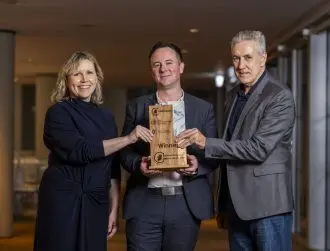
SomaTech, a food biotechnology company from Monaghan, has won the top prize at the second All-Island Circular Venture Awards 2026. The judges picked it from eight shortlisted ventures, and the win says something about where circular economy money is starting to go: toward companies that can show a manufacturing path, not just a good idea.

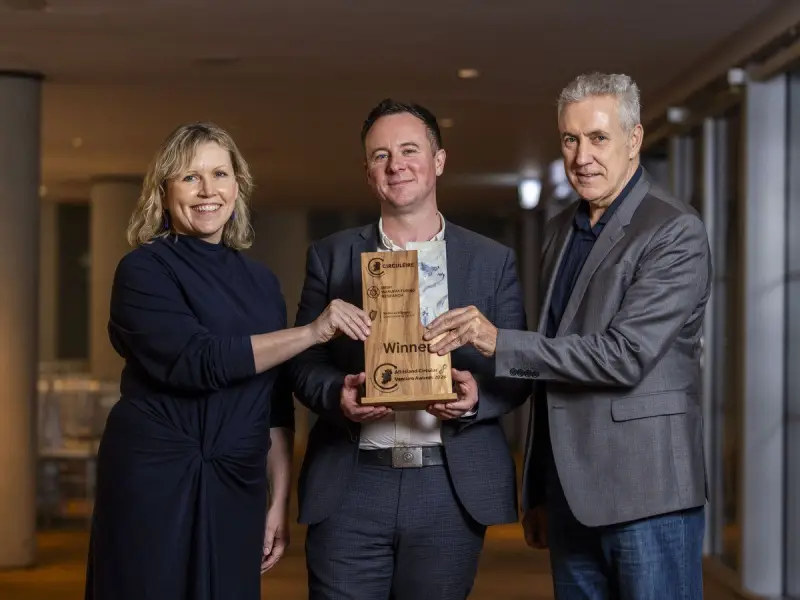
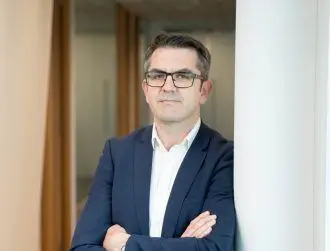
From left: Martina Hennessy, assistant secretary at DCEE; Tony Callaghan, founder and CEO of SomaTech; and Maurice O'Connell, COO of IMR. Image: Fintan Clarke Photography

Why the judges backed SomaTech
The judging panel said SomaTech demonstrated "commercial viability and significant scaling potential." Dr Geraldine Brennan, director of circular economy innovation at Irish Manufacturing Research (IMR) and a member of the panel, pointed to two things: intellectual property protection around its AI-enabled fermentation hardware, and a contract manufacturing business that is growing. In practice, that combination matters more to a panel than a clever process on its own. Protected hardware suggests the company can defend what it builds, and contract manufacturing suggests customers are already paying for the output.
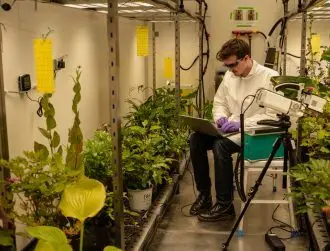
SomaTech uses deep tech to produce sustainable ingredients designed to improve taste, texture and functionality in food. The company's AI-enabled fermentation technology is the core of its pitch. The prize was €5,000, presented at the awards ceremony in Dublin's Aviva Stadium.

The rest of the field
The shortlist covered waste reduction, resource efficiency and commercial opportunity, and the three placings show how wide that range was.
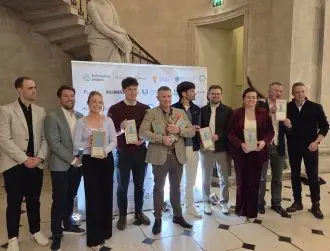
ReSolve, a Waterford business led by Dermot Harrington, took €3,000. It aims to help pharmaceutical and chemical laboratories cut solvent costs and reduce hazardous waste. For lab managers, that's a cost line and a compliance line at the same time, which is why circular ideas in labs tend to find buyers quickly once the numbers are shown.
Wexford-based Saltrock Dairy placed third and won €2,000. Its recognition is for prioritising refillable and returnable packaging and a local supply chain within its dairy operation. It's a reminder that circularity doesn't always need new technology. Reuse loops and shorter supply routes can do a lot of the work.
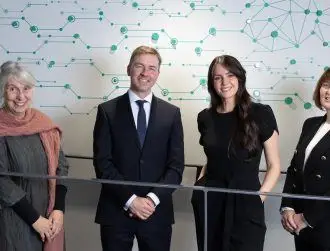
EcoKinly, also based in Wexford and founded by Kate Doyle, was a notable shortlisted company. It challenges the disposable hygiene market with reusable nappies, wipes and period products. Products like these move the circular question from factories into households, where adoption depends on convenience and cost as much as on environmental arguments.
The policy backdrop
The awards are framed around the wider push to make Irish enterprise more resource-efficient. The ceremony also highlighted how circular innovation can help businesses manage resources better, reduce costs, develop new products and build more resilient supply chains. Those are commercial arguments first, which is probably why the awards bring together entrepreneurs, investors, industry leaders and policymakers in one room.
Alan Dillon TD, Minister of State with responsibility for the circular economy, tied the awards to the national Circular Economy Strategy 2026-2028. He said the transition "presents significant opportunities for Irish businesses, not only to reduce waste and make better use of resources, but also to innovate, develop new products and services and strengthen their competitiveness." He added that supporting businesses to identify and scale circular opportunities is a key part of that strategy's aims. He also said the standard of this year's entries showed growing ambition and entrepreneurial capability across the island of Ireland.
What to watch from here
Here's the thing: a prize of €5,000 won't build a fermentation plant. For SomaTech, the more useful signal is the judges' focus on scaling. The questions it will face are the ones most food and ingredient start-ups hit next: whether contract manufacturing volumes hold up, whether protected hardware can be deployed at a second site, and whether customers in taste, texture and functional ingredients will commit to supply over time.
For the other finalists, the pattern is just as instructive. Lab solvent reduction, reusable packaging and reusable hygiene products each address a cost or waste problem that buyers already recognise. That's usually a stronger starting point than a sustainability story with no obvious customer. If you're an IT or operations leader in a manufacturing or lab environment, the practical takeaway is to look at which circular options can be tied to measurable cost and waste figures in your own sites. Those are the ones likely to get budget approved and stay in place after the awards season ends.


