SuperValu pulls chilled stock from 13 Irish stores after suspected fridge hack
Thirteen SuperValu stores in Ireland removed chilled and frozen food after a suspected cyberattack on refrigeration units, part of a wider European wave.

Thirteen SuperValu stores across Ireland have pulled chilled and frozen food from sale after a suspected cyberattack hit their refrigeration equipment. The grocery chain's owner, Musgrave, says the incident was limited to one specific refrigerator model. For IT and operations teams, the more useful question is how a fridge ended up as the entry point to a retail estate.

What Musgrave has said so far
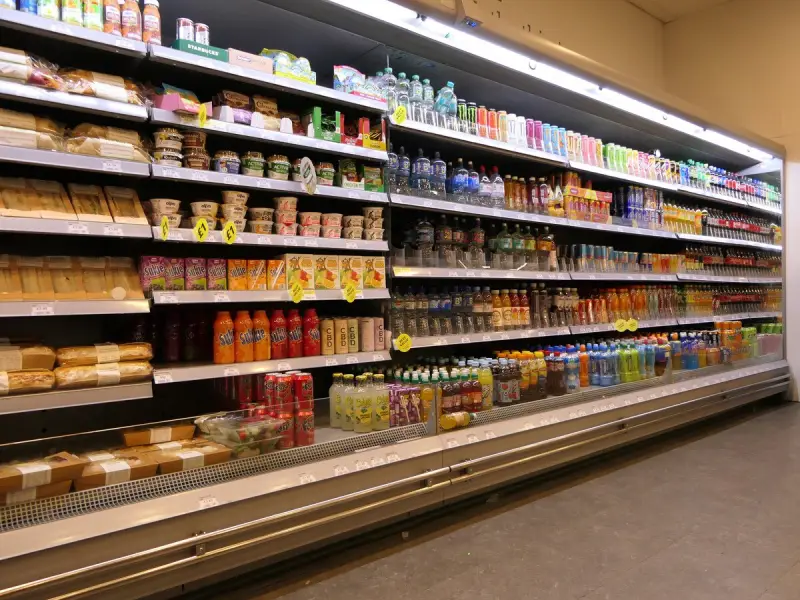
In a statement to news publications, Musgrave said chilled and frozen products in the affected stores had been removed as a precaution. Every other product line remained on sale as normal. The company stressed that customer safety came first and that stock still on shelves had been held at safe temperatures.

The reported locations include SuperValu stores in Waterford, Lucan, Blanchardstown and Bray. Silicon Republic has asked Musgrave for further comment, and at the time of writing the company had not published a full account of how the equipment was reached or how long the stores would be affected.
A pattern across European supermarkets
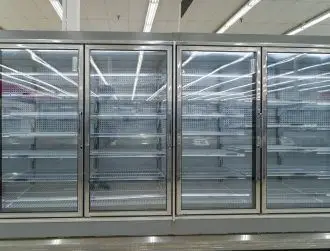
The Irish incident isn't isolated. Early last month, hundreds of supermarkets in France were hit when hackers pushed remotely controlled refrigerators to temperatures as high as 50 degrees Celsius. The large-scale attack caused fires at a number of stores. It's too early to say whether the French and Irish incidents are connected, but the parallel is hard to ignore.
On 2 November, supermarkets in Sweden, Belgium and Luxembourg were reportedly hit in a similar suspected attack. Chains said the temperatures of their refrigerators and freezers had been raised overnight. Coop and the retail franchise ICA in Sweden are among the reported victims, along with Dutch retailer Ahold Delhaize and what reports describe as dozens of locations overall. In some cases, the reported losses run to hundreds of thousands of euros.

Taken together, the pattern suggests attackers have found that refrigeration and freezer controls are an easy place to cause immediate, visible damage. Spoiled stock is costly, and a fire or a food safety question is more disruptive than a stolen database.
Why refrigeration is an IT problem
Integrity360 CTO Richard Ford told Silicon Republic that the French and Irish cases "demonstrate how cyberattacks can have immediate consequences beyond traditional IT systems." He pointed to a gap that many retailers have: refrigeration equipment is essential to daily trading, yet it often sits outside the controls applied to corporate IT.

Ford described several risk factors. Equipment may be managed remotely by third-party suppliers, may run outdated software, or may depend on access arrangements that don't get the same scrutiny as corporate systems. Each of those is familiar territory for anyone who has inherited a building management or point-of-sale environment that nobody quite owns.
The UK's National Audit Office named cyberattacks among the major threats to the country's food supply chain earlier this year. Experts have also warned that attackers are increasingly targeting remote management systems, particularly those sitting between IT networks and connected physical infrastructure. That middle layer is where many organisations have the weakest visibility.
What to check in your own estate
Ford's advice gives a sensible starting point. Retailers, and any organisation running connected plant such as cold storage, HVAC or energy management, should first establish which operational systems are connected to a network at all. Many teams discover devices they didn't know were online.
From there, the questions become access questions. Who can reach these systems, through which accounts and from where? Third-party remote support paths deserve particular attention, because they often bypass the multi-factor and logging controls that apply to staff. Where equipment can't be patched quickly, it makes sense to confirm that network segmentation keeps it away from the systems that matter most.
Ford also pointed to testing. Teams should rehearse what happens when critical equipment stops responding: who makes the call to pull stock, how temperatures are monitored without the usual controls, and how the business keeps trading. In this incident, the response was to remove affected product from sale, which is a manual fallback that only works if someone has planned for it.
Ford's closing point is the one to take into the next budget discussion. "The disruption at SuperValu is another reminder that cyber resilience is not simply about protecting data," he said. "It is about keeping stores operational and protecting customers when essential systems are affected." For anyone running an MSP practice or a retail IT function, that means treating the fridge in the stockroom with the same seriousness as the server in the back office.
Cyber incidents at this scale, with physical consequences, tend to prompt fast reviews of supplier access and asset inventories across the sector. Expect more questions from boards about operational technology, and more scrutiny of remote management contracts, in the months ahead.


