Big Tech Shares Rise as Investors Bet on a Slower AI Buildout
Amazon, Microsoft, Alphabet and Meta closed higher as investors bet that new limits on data centers could ease the cash strain from AI spending. Chip stocks fell.
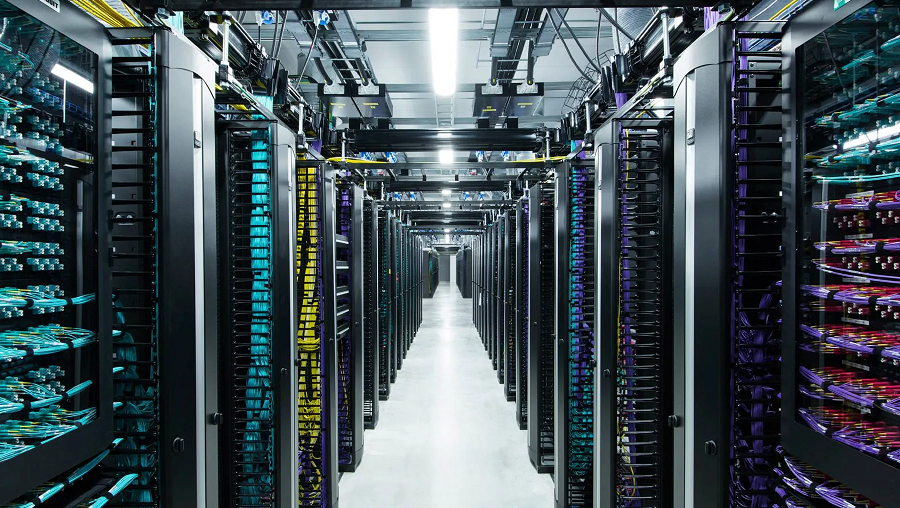
Investors bought the biggest spenders on AI infrastructure after Democrats' midterm results, betting that a slower data center buildout would help them. Amazon closed 6.1% higher than Tuesday after touching a gain of 8.3% intraday. Microsoft finished up nearly 6.7%, and Alphabet rose about 3.1%. Meta also closed higher. Several analysts tied the rally to the companies' artificial intelligence spending, and the move was sharp enough to be hard to write off as routine trading.
What the midterm results signalled
Democrats won both legislative chambers after running on a message that leaned heavily on data center restrictions. Voters also approved 40 measures aimed at blocking or limiting AI infrastructure projects. Here's the thing: those outcomes don't immediately stop a single facility, but they tell developers and investors that local and state appetite for new capacity may be shrinking.
Robert Pavlik, a senior portfolio manager at Dakota Wealth Management, told Bloomberg that the shares jumped because investors believe a data center slowdown could improve the giants' finances. That's the core of the trade. A company pouring money into servers and facilities has every reason to welcome a pause in that spending, provided its existing assets keep their value.
The New York Times coverage of the measures is the best starting point for the detail on which projects were affected. I'd read the individual measures before drawing conclusions about your own region, because a statewide headline can hide very different local rules.
The cash-flow problem behind the rally
Amazon, Meta and Google have all turned cash-flow negative in recent months because of steep infrastructure investment. That changes how the market reads a slowdown. When capital spending is the main drain on cash, anything that caps new build-out looks like relief, not a threat.
Google's numbers show the pressure. Last Wednesday, the company reported negative cash flow that exceeded the consensus estimate by about $6.4 billion. Its shares dropped 10% in after-hours trading, even though cloud revenue more than doubled. Growth on the revenue side didn't settle the question for investors. What they focused on was how much cash the buildout was consuming.
Scarcity as a second argument
Needham & Co., B. Riley Wealth and the analyst Ben Thompson each pointed to a second possible driver. Thompson's argument, laid out in a Stratechery piece, is that new restrictions would make computing infrastructure scarcer. Scarcer capacity raises the value of data centers that already exist, and the large providers that logged gains today are the ones holding those assets. Reuters also covered the rally and the scale of the market move.
Thompson also noted that neoclouds, the newer AI-focused cloud providers, could benefit in some respects. Projects they have already cleared for development may become more valuable. At the same time, those firms may find it harder to finance new sites, which cuts into their growth plans. That split is worth watching, because it suggests the winners and losers from tighter rules won't line up neatly with company size.
Chip stocks paid the price
The same logic cut the other way for hardware suppliers. Nvidia and Intel each shed more than 3% of their value, and Broadcom declined 2%. SK hynix, which Bloomberg's coverage describes as the world's largest supplier of HBM memory for graphics cards, dropped more than 5%. Advanced Micro Devices was the notable exception, ending the session about 1% higher.
If fewer data centers get built, demand for the accelerators and memory that go into them comes under pressure. That's a plausible reading of the selloff, though the article's sources presented it as one explanation among several rather than a settled cause.
Other effects Thompson flagged
Thompson suggested the midterms could ripple further across AI. A stricter environment might give space-based data centers a boost, since they sidestep terrestrial siting fights. He also argued that Anthropic and OpenAI could see hardware costs fall if new restrictions were placed on frontier model training, which could ease their path to profitability. Those are scenarios, not outcomes, and none of them has played out yet.
What's still open
Financing plans are the next thing to track. Last month, Meta announced plans to sell up to $95 billion in shares to finance new data centers. On Monday, Oracle Corp. filed to issue $20 billion worth of bonds and shares tied to its own AI buildout. It's currently unclear how the midterm results will affect those initiatives or other large data center projects already underway.
For infrastructure and operations teams, the practical question is whether the next few months bring clearer rules on where and how capacity can be built, and what that does to cloud pricing and availability. A slower buildout would be good news for some balance sheets and bad news for anyone waiting on new capacity. Watch the measures themselves, the financing filings and the cash-flow lines in upcoming reports before deciding what the rally really means.


