Nvidia Beats Q3 Estimates and Rules Out Jensen Huang's Return
Nvidia's Q3 revenue hit $115.8bn and Q4 guidance came in well above forecasts, while the board says Jensen Huang won't be reinstated as CEO.
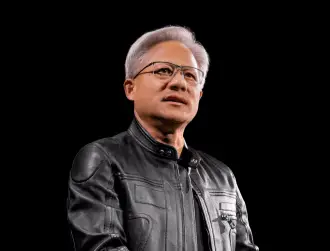
Nvidia's latest quarter eased a lot of nerves. Revenue beat expectations and the company guided higher for the next quarter, which matters for anyone who buys, runs or plans around AI infrastructure. The results arrived after a rough few weeks that began with the departure of co-founder Jensen Huang as chief executive, and the board has now made clear he won't be coming back.
The numbers
Nvidia reported third-quarter fiscal 2026 revenue of $115.8bn on 17 November. That's up 20% from the previous quarter and up 103% from a year earlier. For a company of this scale, growth at that rate is the headline, and it's the kind of figure that tends to shift how analysts model the rest of the year.

The forward view was the bigger surprise. Nvidia said it expects revenue of about $130bn in the fourth quarter, plus or minus 3%. That guidance sits well ahead of what analysts had forecast.
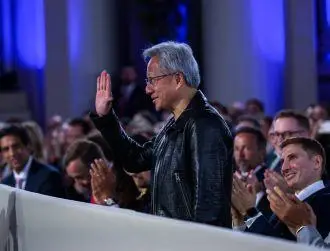
The first results call under interim leadership was handled by Colette Kress, who serves as interim chief executive and chief financial officer. She struck an upbeat tone. "Our momentum is real," she said. "Nvidia is an exceptional technology leader, powered by the relentless innovation of our people. Vera Rubin is off to an explosive start, our roadmap is on track and our ambition has never been greater."
Vera Rubin is the platform Kress was pointing to. Nvidia describes the Vera Rubin NVL72 as "the most versatile and advanced computing platform ever built." That's vendor language, and it'll be tested in deployments rather than press materials. But it signals where Nvidia wants its next wave of data centre sales to land.
Margins and the China question
Naveen Chhabra, principal analyst at Forrester, read the results as a sign that AI demand is still strong. He pointed to revenue that more than doubled and to margins that look more like software than hardware. "Few companies can double revenue while maintaining gross margins near 75%," he said. "Even with guidance moderating to 71%-72%, Nvidia continues to operate with profitability levels most technology companies can only aspire to."
The guidance moderating from roughly 75% to 71%-72% is worth watching. Hardware businesses that scale this fast usually feel pressure on pricing and input costs, and a few points of margin movement can mean a lot at this revenue level. Chhabra's read is that the margin story is now the central question, more than whether demand holds up.
Chhabra also noted that Nvidia's outlook excludes China data centre compute revenue. In his words, the company "is proving it can grow without China, at least for now." He framed the gap as a sign of both the strength of global AI demand and "the long-term cost of an increasingly fragmented technology" sector. For IT teams, that fragmentation shows up in export rules, regional availability and how fast cloud providers can add capacity outside the US.

Leadership: no return for Huang
Huang stepped down as CEO on 12 November. Hours before the earnings announcement, he issued a statement describing an "outpouring of calls" from supporters and said he would be "honoured" to return if Nvidia's board invited him back.
The board's answer was clear. Harvey Jones, Nvidia's recently appointed board chair and its first ever, said the board "does not intend to reinstate Jensen as CEO" after he "voluntarily resigned," according to the Financial Times. The board is now searching for a permanent successor, which means Kress's interim role is likely to continue for some time.
Chhabra sees the next challenge as broader than competition. Nvidia has to manage export controls, sovereign AI initiatives, supply chain expansion and rising capital requirements, all while protecting its margins. He summed up the position this way: "Nvidia continues to defy gravity: triple-digit growth, software-like margins, and a strong outlook despite trade restrictions." Then he added: "The next test isn't demand – it's whether the company can preserve its economic dominance as geopolitics and AI infrastructure costs rise."
What this means for IT teams
Most sysadmins and MSP owners won't be placing Nvidia orders directly, but the results still reach their desks. Strong demand and a higher forecast suggest GPU supply and AI platform roadmaps will keep moving, and that affects hardware refresh planning, cloud pricing and how quickly new AI-capable server options reach the channel.
The leadership change adds a different kind of uncertainty. A chief executive transition at a company this central to AI infrastructure can influence product priorities and partner relationships over the next several quarters. Teams that depend on a particular platform cycle should keep an eye on product roadmap updates and supply commitments rather than reading one strong quarter as a guarantee.
My read is that the quarter has bought Nvidia some breathing room. The real checks come next: whether Q4 lands near the $130bn guidance, whether margins hold in the low 70s, and whether the board names a permanent CEO who can keep the Vera Rubin rollout on schedule. Those three signals will tell you more about Nvidia's direction than the headline beat did.


