

Delve into the heart of Afghan culinary tradition with Borani Banjan, a cherished vegetarian dish that promises an explosion of creamy, tangy, and warmly spiced flavors. This exquisite recipe masterfully layers tender, fried eggplant slices with a rich, aromatic tomato sauce and a cool, garlicky yogurt dressing, creating a symphony of tastes and textures in every bite. A staple in Afghan homes, Borani Banjan is the epitome of comfort food, versatile enough to be served as a sophisticated appetizer, a satisfying side dish, or even a light main course alongside warm naan bread or fluffy rice. Prepare to discover the authentic taste of Afghanistan, brought to you through a time-honored recipe shared by a dear Afghan friend.

My culinary journey often leads me to explore diverse global cuisines, and my fascination with eggplant dishes recently led me to the delightful Borani Banjan. This Afghan delicacy instantly evoked nostalgic memories of my father’s fried eggplant preparations during my childhood—simple yet comforting layers of fried eggplant, tomatoes, and yogurt. However, the Afghan version takes this concept to another level, infusing it with a more complex heat and an exquisite blend of warm, aromatic spices that truly set it apart. To ensure an authentic experience, I reached out to my wonderful Afghan best friend, Soreiya, whose expertise in traditional Afghan cooking is unparalleled. She generously shared her family’s cherished recipe, which I am thrilled to pass on to you.
One of the initial questions I faced while developing this recipe was the optimal cooking method for the eggplant: should it be fried or roasted? As a home cook, I often lean towards roasting to better manage oil absorption, as eggplants are notoriously thirsty sponges for oil when fried. However, Soreiya firmly advised me to embrace the traditional method of frying. Her insistence paid off! The rich, deeply caramelized flavor and slightly crispy texture achieved through frying are indeed unparalleled and contribute significantly to the dish’s authentic character. While I wholeheartedly recommend trying the traditional fried method for its superior taste, I also understand the desire for a lighter alternative. Therefore, I’ve included tips for roasting the eggplant, ensuring it still develops a delicious golden-brown crust, provided you don’t skimp on the olive oil before roasting to achieve that desired tenderness and flavor.
Crafting Authentic Borani Banjan: Soreiya’s Traditional Method
Embarking on this culinary adventure begins with gathering your ingredients. While you can certainly adapt the recipe with any hot peppers you have on hand, traditional Borani Banjan often features vibrant green peppers, which contribute both a mild heat and a beautiful visual contrast to the dish.
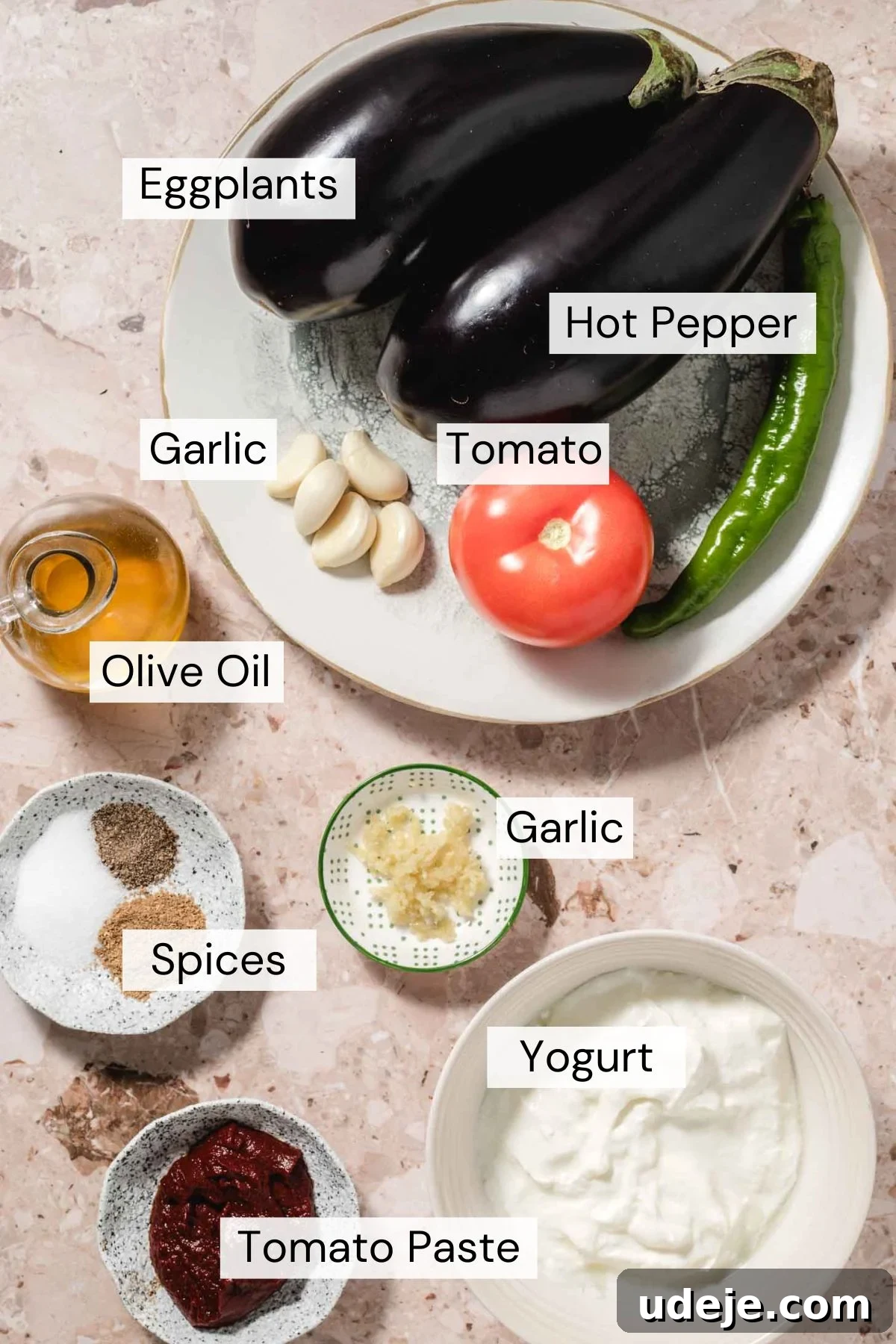
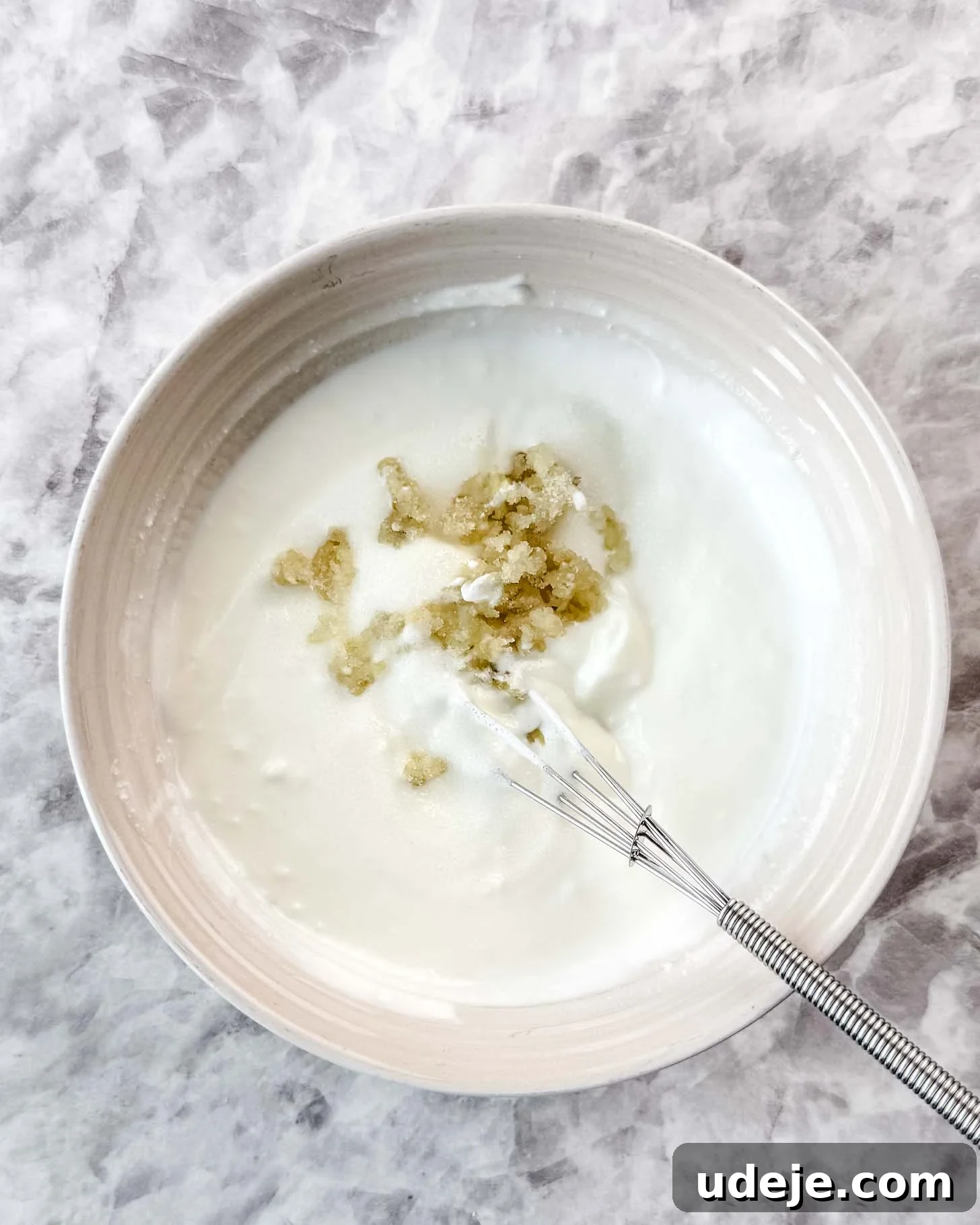
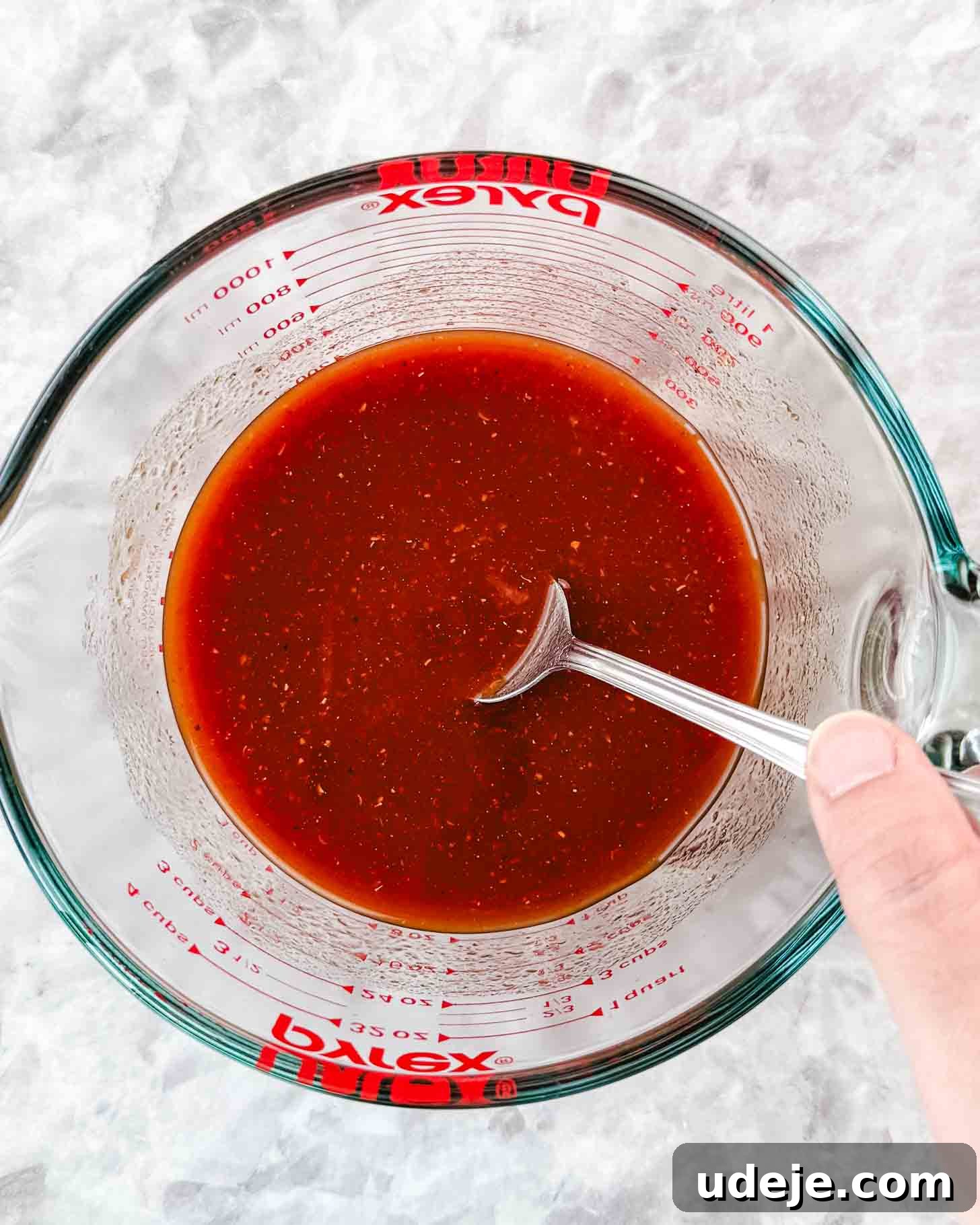
The magic of Borani Banjan lies in its distinct layers, each prepared with care to contribute to the final symphony of flavors. Begin by preparing the foundation: a rich, garlicky yogurt sauce that provides a cool, tangy counterpoint to the warm, spiced eggplant. Simultaneously, get started on the vibrant tomato sauce, which will envelop the eggplant in a fragrant, savory embrace. These two components are crucial to the dish’s signature taste.
Preparing the Eggplant: The Heart of Borani Banjan
The key to perfect eggplant in Borani Banjan is proper preparation. Start by peeling your eggplants in an alternating stripe pattern, often referred to as a “zebra” peel. This method helps the eggplant absorb flavor while retaining some structure. Next, slice the eggplants into uniform 1/4-inch thick rounds. This consistent thickness is crucial for even cooking. Once sliced, generously salt the eggplant rounds and allow them to rest for about 20 minutes. This essential step draws out excess moisture, which not only prevents the eggplant from becoming soggy but also reduces the amount of oil it absorbs during cooking, leading to a much better texture.
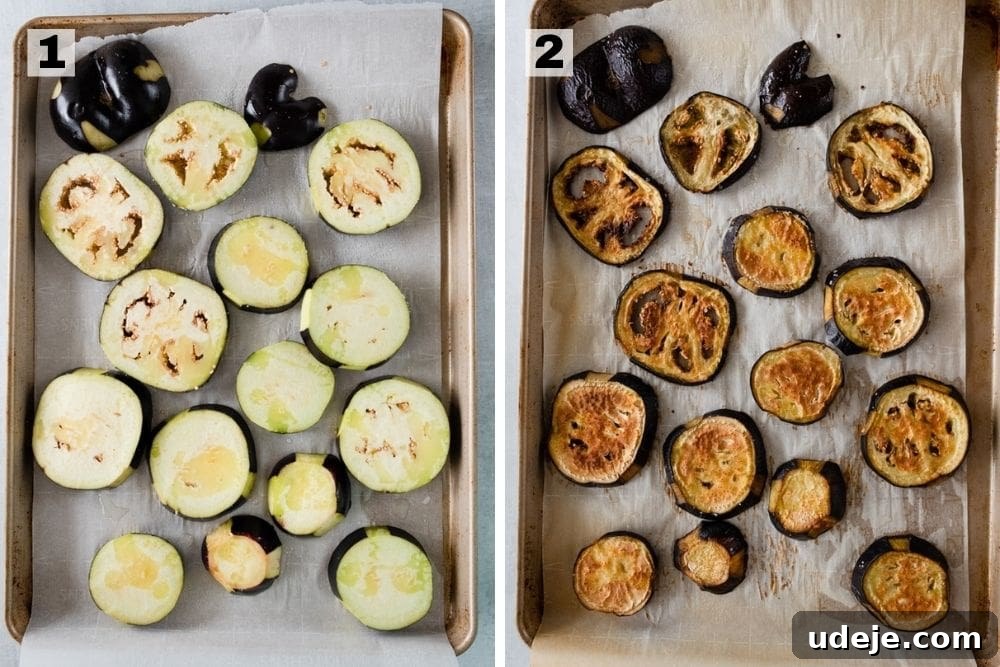
After the salting process, firmly squeeze out any remaining liquid from the eggplant slices. This step is vital for achieving that desirable golden-brown exterior. Now, you have two primary options for cooking: the traditional frying method or a healthier roasted alternative. For frying, heat a generous amount of neutral oil in a deep skillet until shimmering, then fry the eggplant slices in batches until they are beautifully golden brown and tender. Be prepared to add more oil as needed, as eggplants are notorious for soaking it up. If you opt for roasting, arrange the salted and squeezed eggplant slices on a baking sheet, drizzle them with approximately 1/4 cup of olive oil, and season with an additional pinch of salt. Roast them in a hot oven (around 450°F or 230°C) until they are soft and richly golden, typically taking 30 to 45 minutes.
Layering and Simmering for Perfection
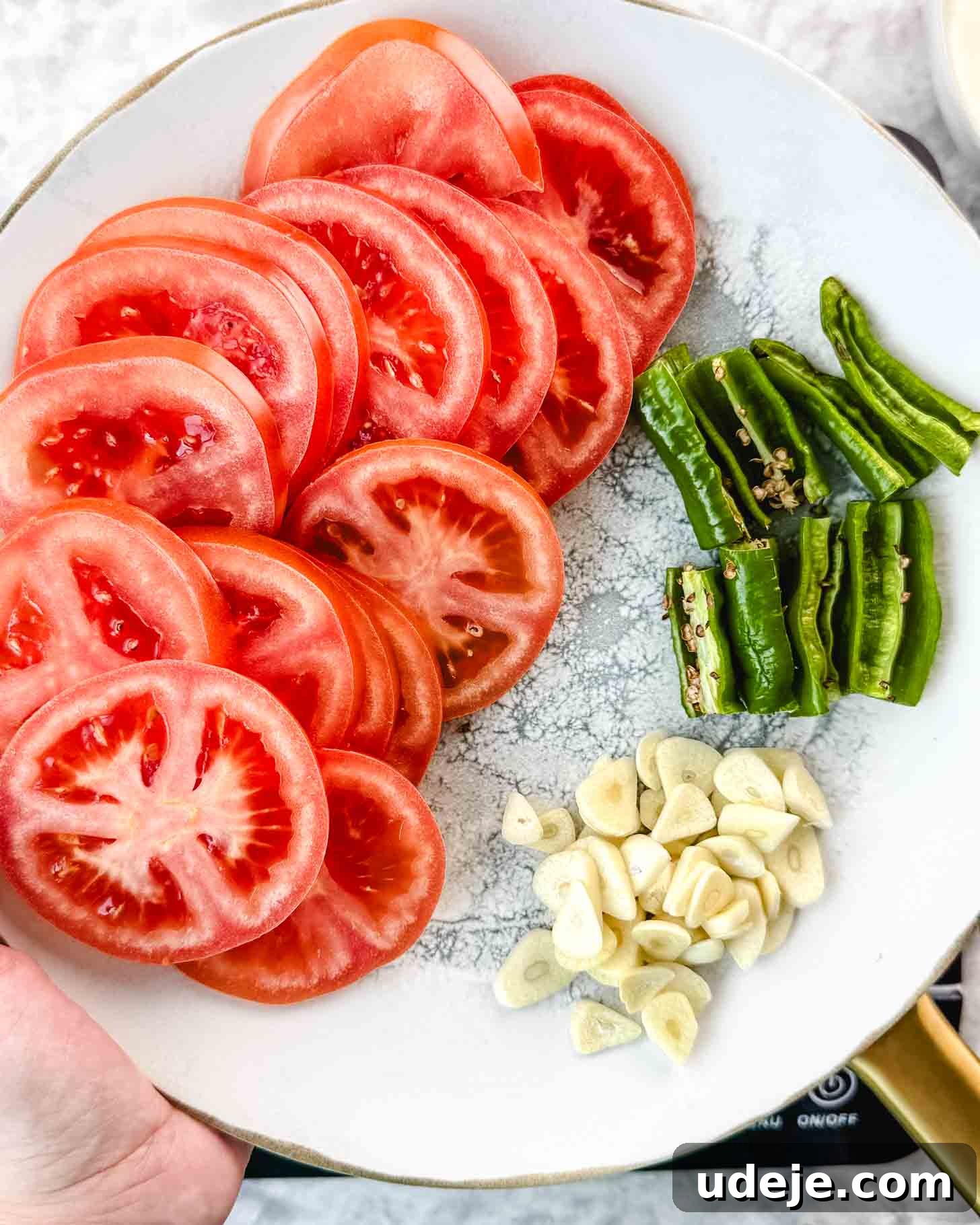
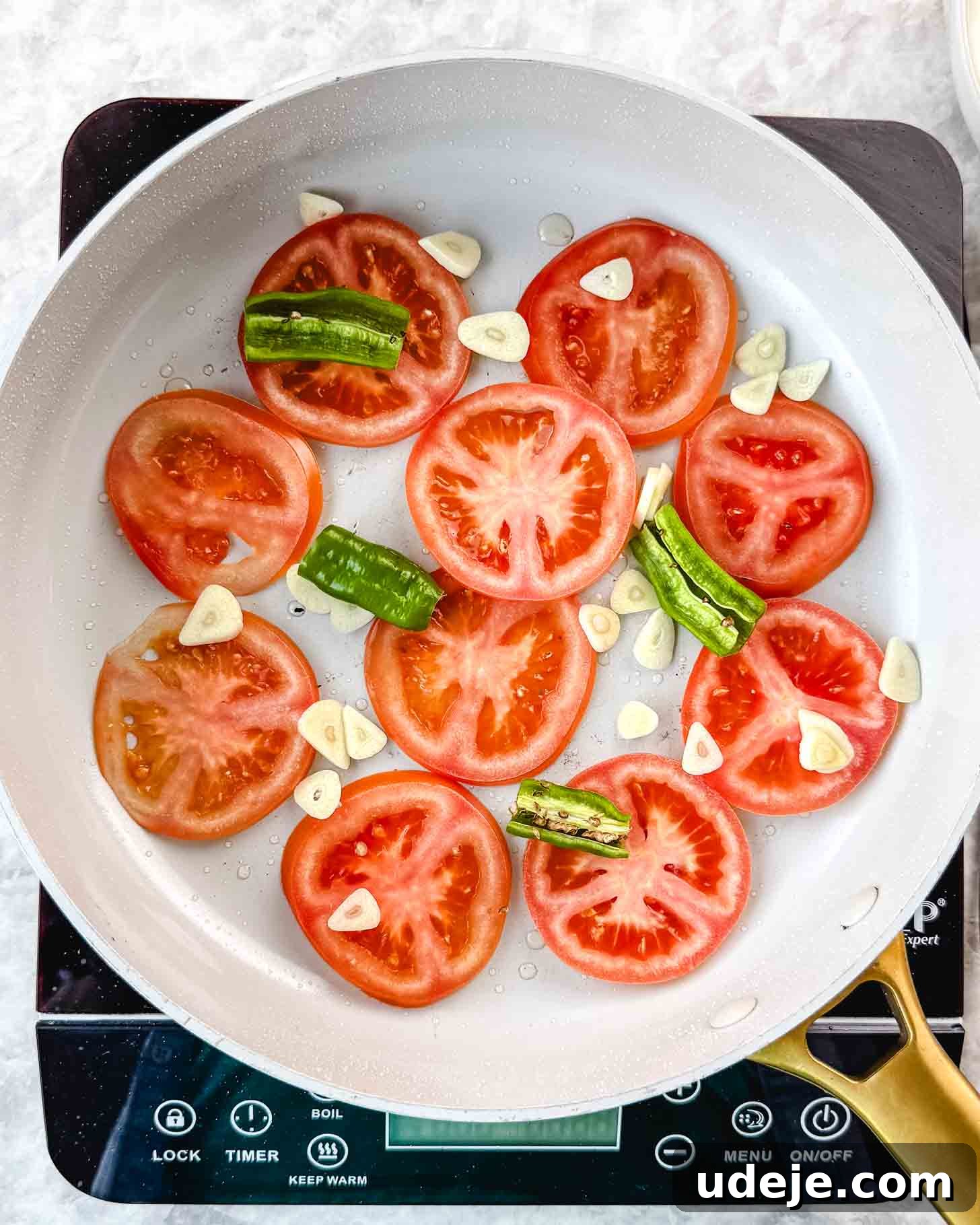
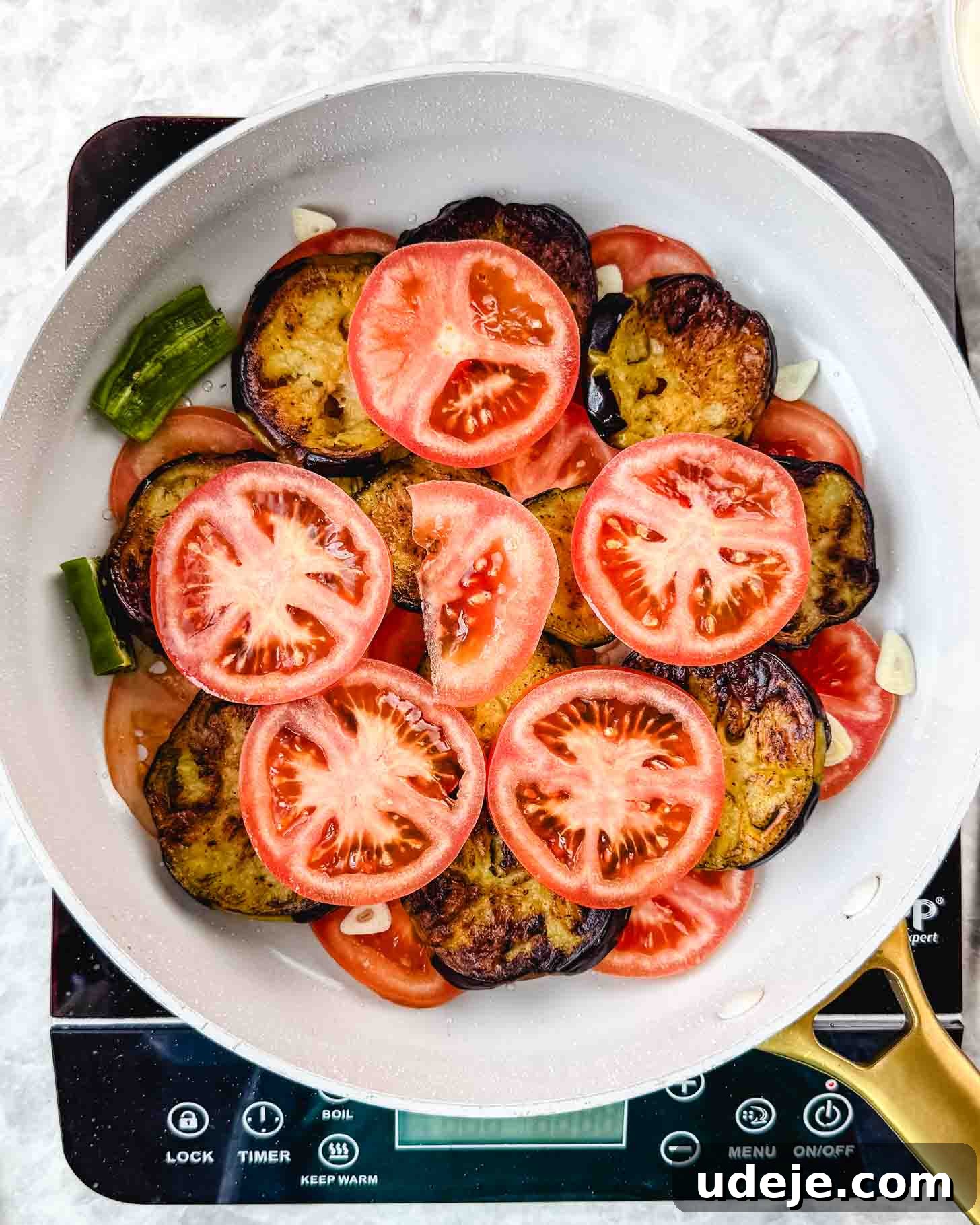
Once your eggplant is perfectly cooked, whether fried or roasted, it’s time for the delightful assembly of Borani Banjan. This dish truly shines when the flavors meld together, and layering is key to achieving that. In the same skillet used for the eggplant (or a clean, wide pan if you roasted), begin to build your layers. Start with a foundation of tomato slices, followed by thinly sliced garlic, and then the vibrant hot green peppers. Next, add a layer of your tender, cooked eggplant. Continue this alternating pattern until all the vegetables are used up, creating beautiful, distinct strata of flavor and color.
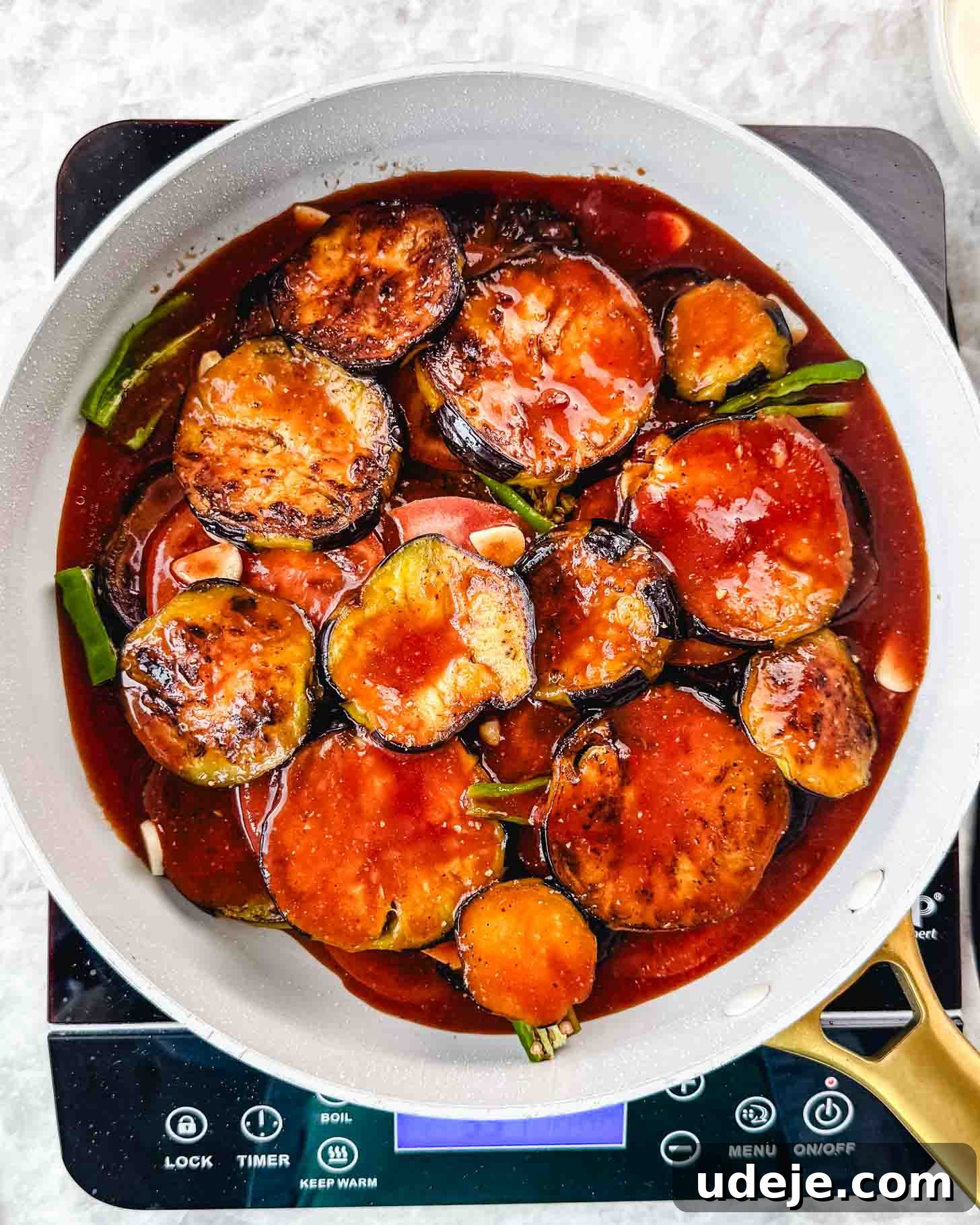
After the layers are complete, pour the prepared spiced tomato sauce evenly over the entire arrangement. This sauce will seep down, infusing every layer with its rich, savory essence. Cover the skillet tightly and allow the dish to simmer gently on medium heat for approximately 15 minutes. This simmering period is crucial; it allows the eggplant to fully absorb the flavors of the tomato sauce and spices, and you’ll know it’s ready when the oil visibly separates from the sauce, indicating that the flavors have beautifully melded and concentrated. The aroma filling your kitchen will be absolutely irresistible!
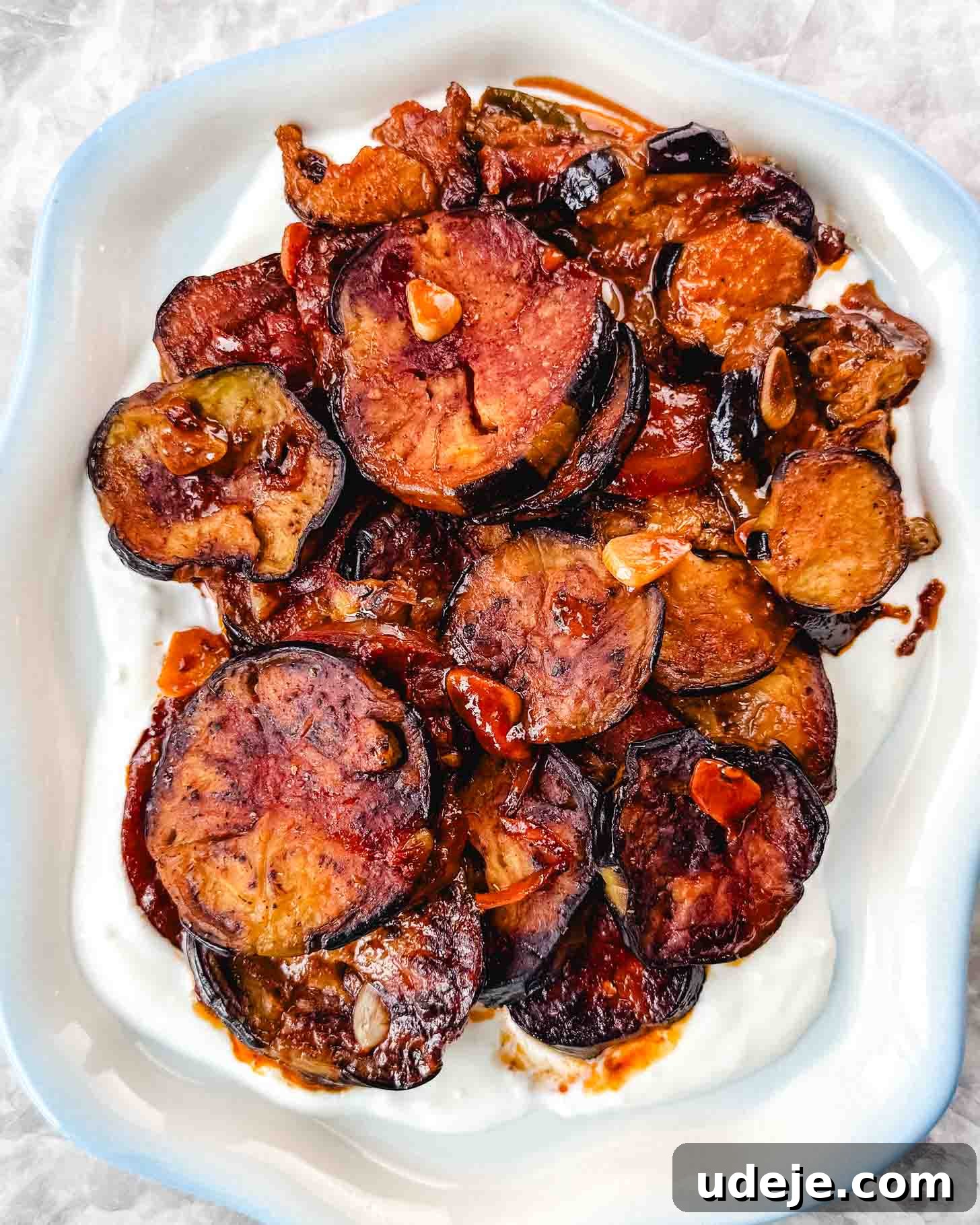
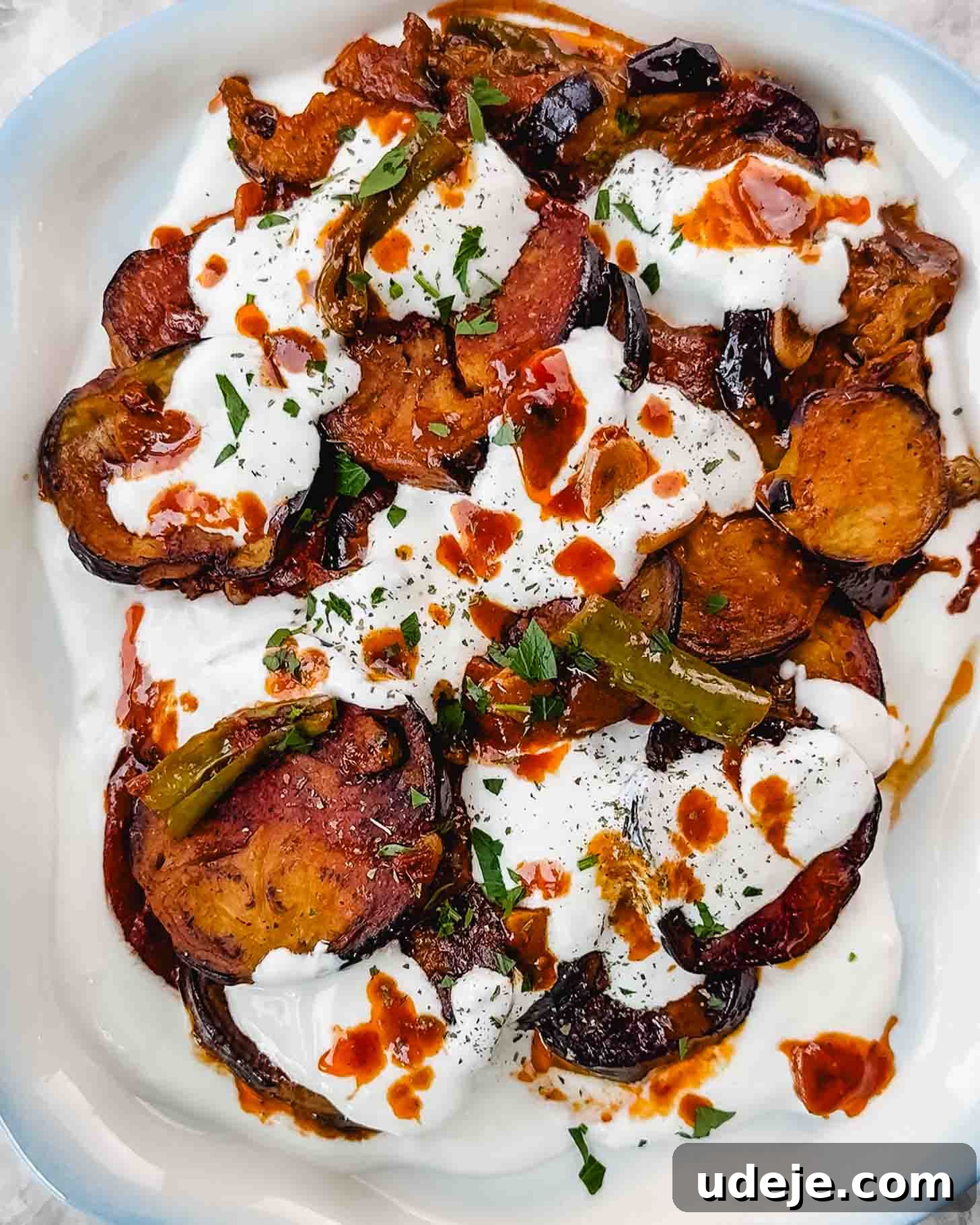

Serving Your Exquisite Borani Banjan
Borani Banjan is incredibly versatile and can be enjoyed in many ways. It makes for an excellent light dinner, especially when paired with fresh pita bread or fluffy naan, perfect for scooping up every delicious morsel. It’s equally impressive as a vibrant appetizer at gatherings, or a flavorful side dish complementing a larger meal. Serve it warm to experience the full depth of its spiced tomato layers, or enjoy it chilled as a refreshing dip, allowing the garlicky yogurt to truly shine. For an added touch of freshness and visual appeal, consider garnishing your Borani Banjan with a sprinkle of chopped fresh cilantro or dried mint before serving.
The beauty of this Afghan eggplant dish lies not only in its rich flavors but also in its ability to cater to different tastes. The interplay of the succulent eggplant, the tangy yogurt, and the spicy tomato sauce creates a harmonious balance that is both comforting and exhilarating. Whether you’re new to Afghan cuisine or a seasoned enthusiast, Borani Banjan offers a truly memorable dining experience.
More Delicious Eggplant Recipes:
If you tried these recipes, please consider leaving a star ⭐️⭐️⭐️⭐️⭐️ rating in the recipe card below and/or a review in the comments section further down the page – I’d love to hear from you! You can also hop on over to Instagram and say hello!

Borani Banjan (Afghan Eggplant & Yogurt)
6
Servings
15 minutes
30 minutes
45 minutes
Amina Al-Saigh
Leave a Review
Pin Recipe
Ingredients
-
2
Italian eggplants -
1 1/2
teaspoons
salt -
1/2
cup
neutral oil,
for frying -
5
cloves
garlic,
sliced -
1
large
beefsteak tomato,
sliced -
1
large
hot green pepper,
roughly chopped
For the Tomato Sauce
-
3
tablespoons
tomato paste -
1
teaspoon
salt -
1/2
teaspoon
black pepper -
1
teaspoon
coriander -
1
cup
boiling water
For the Yogurt Sauce
-
1
cup
whole yogurt -
2
cloves
garlic,
crushed -
1/4
teaspoon
salt
Instructions
-
Start by peeling the eggplant every other stripe like a zebra pattern. Then, slice them into 1/4 inch thick slices. Sprinkle with 1 1/2 teaspoons salt and allow to sit for 20 minutes to draw out moisture and bitterness. Squeeze out the excess water before cooking.
-
In a deep skillet, heat the neutral oil over medium-high heat. Fry the eggplant slices in batches until they are wonderfully soft and golden brown on both sides. You may need to add more oil as you go, as eggplant tends to absorb it readily. Alternatively, for a lighter version, drizzle the prepared eggplant with 1/2 cup of olive oil and bake at 450°F (230°C) for 30 to 45 minutes, flipping halfway, until they are golden and tender.
-
Prepare your remaining vegetables: slice the beefsteak tomato into 1/4 inch thick rounds, thinly slice the garlic cloves, and roughly chop the hot green pepper. Set these aside.
-
In a medium bowl, combine the tomato paste, salt, black pepper, coriander, and boiling water. Whisk these ingredients together until well combined, creating your flavorful tomato sauce. In a separate small bowl, whisk together the whole yogurt, 1/4 teaspoon salt, and crushed garlic to form the creamy yogurt sauce. Set both sauces aside.
-
Once the eggplant is cooked, it’s time to assemble the dish. In the same skillet you used for frying the eggplant (or a large, shallow oven-safe dish if roasting), begin layering. Start with a layer of tomato slices, followed by some sliced garlic, then a sprinkling of hot pepper, and finally, a layer of the fried or roasted eggplant. Repeat these layers, alternating ingredients, until all the vegetables are used up, creating a visually appealing and delicious stack. Carefully pour all of the prepared tomato sauce evenly over the layered vegetables. Cover the skillet tightly and simmer on medium heat for about 15 minutes, or until the oil begins to separate from the sauce, indicating that the flavors have fully melded and intensified.
-
To serve this exquisite Borani Banjan, spread a generous layer of the garlicky yogurt onto a large platter or individual serving plates, reserving a few dollops for garnish. Using a flat spatula, carefully transfer the layered vegetables from the skillet and gently arrange them over the yogurt. Finish by adding the reserved dollops of yogurt on top and spooning any leftover flavorful oil or juices from the skillet over the dish. For an authentic touch, garnish with a sprinkle of dried mint or freshly chopped parsley. Serve immediately with warm pita bread, naan, or rice for a truly delightful meal.
Notes
- Traditionally, the eggplant in Borani Banjan is fried to achieve a rich, deeply caramelized flavor and a slightly crispy texture. However, to reduce the overall oil content of the dish, you can choose to roast the eggplant slices until they are beautifully golden brown and tender. Ensure they are well-oiled before roasting for best results.
- The amount of hot green pepper can be adjusted according to your personal preference for spice. For a milder dish, use less pepper or choose a milder variety. For more heat, add an extra chili or use a spicier type.
- Borani Banjan can be prepared a day in advance. Store the eggplant and tomato mixture separately from the yogurt sauce in airtight containers in the refrigerator. Assemble just before serving for the freshest taste and best texture.
- While Italian eggplants are recommended for their ideal size and texture, you can substitute with other varieties like globe eggplants. Just ensure they are sliced uniformly for even cooking.
- This dish is wonderful served warm, allowing the rich flavors to shine, but it can also be enjoyed chilled, making it a fantastic make-ahead option for picnics or potlucks.
Serving:
1
Serving
,
Calories:
247
kcal
,
Carbohydrates:
16
g
,
Protein:
4
g
,
Fat:
20
g
,
Saturated Fat:
4
g
,
Polyunsaturated Fat:
11
g
,
Monounsaturated Fat:
5
g
,
Trans Fat:
0.1
g
,
Cholesterol:
5
mg
,
Sodium:
1154
mg
,
Potassium:
649
mg
,
Fiber:
6
g
,
Sugar:
10
g
,
Vitamin A:
671
IU
,
Vitamin C:
14
mg
,
Calcium:
82
mg
,
Iron:
1
mg
Did you make this recipe?
Please leave a star rating and review below!