
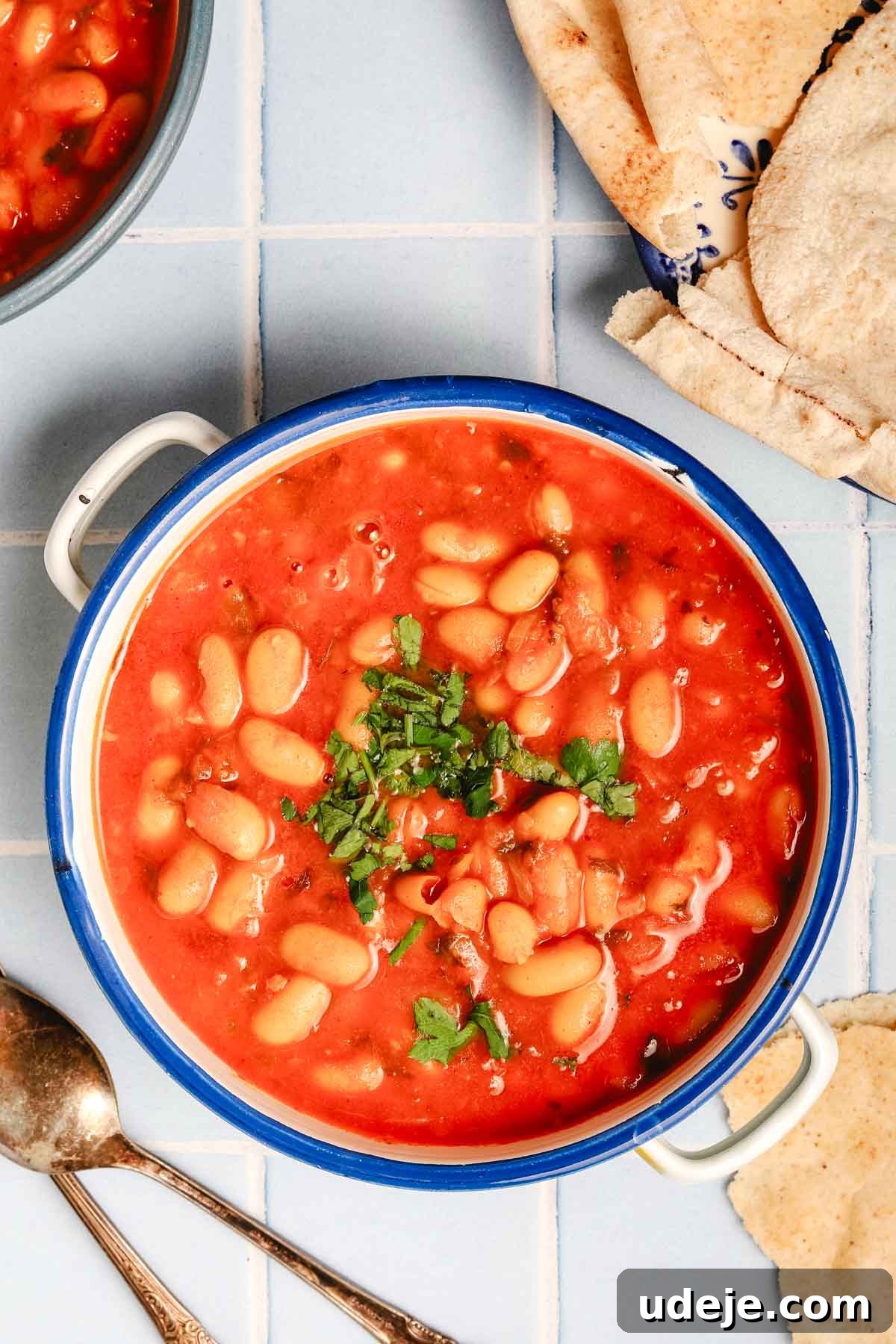
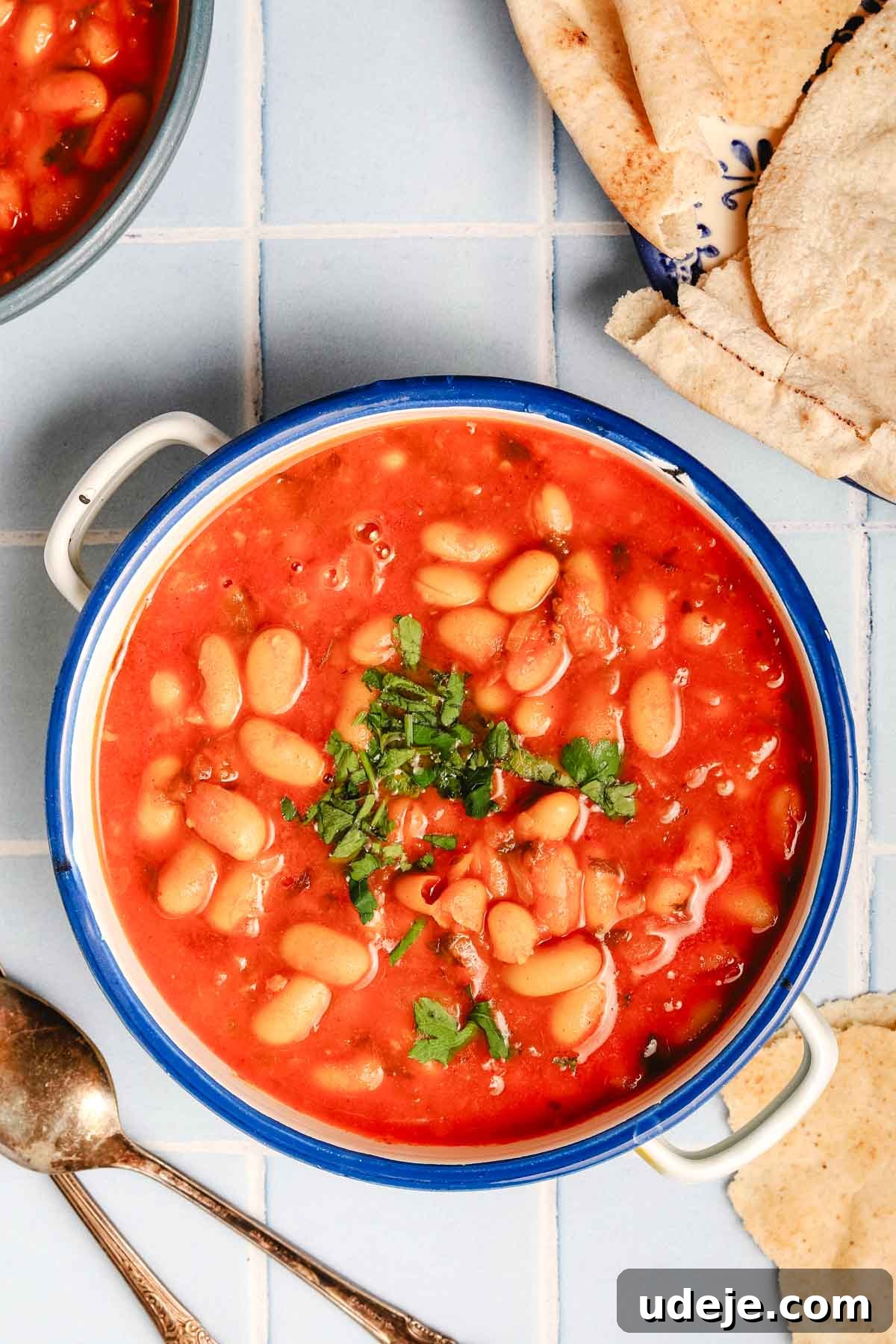
Journey to the heart of North Africa with a delightful and wholesome dish: Loubia. This traditional Moroccan stew, renowned for its comforting simplicity and profound flavor, is primarily a vegetarian creation. It centers around tender white beans (often cannellini beans) lovingly simmered with a rich base of onions, garlic, and ripe tomatoes, all beautifully accented by a selection of aromatic Middle Eastern spices. Light yet incredibly satisfying, Loubia is typically savored as a main course, perfect for scooping up with warm, crusty bread. For those seeking a quick culinary adventure, this recipe utilizes canned beans, dramatically reducing preparation time to just 10 minutes, making it ready to enjoy in under 40 minutes.
Unveiling Loubia: A North African Culinary Gem
Loubia, at its core, is a deeply nourishing North African dish crafted from stewed white beans, commonly known as cannellini beans. This particular recipe focuses on the Moroccan interpretation of Loubia, which is frequently prepared as a vegetarian meal. Beans are a celebrated ingredient in meat-free dishes across the region, valued not only for their robust protein content but also for being an economical and sustainable source of nutrition for families.
The culinary landscape of the Middle East and North Africa offers a fascinating linguistic twist when it comes to beans. The terms “loubia” and “fasolia” both translate to “beans” in Arabic, yet their specific usage varies significantly from one country to another, often depending on the type of bean being referred to. For instance, in Iraq and many Levant countries like Lebanon, “fasolia yabsa” (meaning “dry fasolia”) is used for a white bean stew, often made with lamb. Conversely, “loubia” in these areas typically refers to long green string beans.
However, Morocco, along with much of North Africa, adopts a different convention, reserving the term “loubia” specifically for dry white beans – the very foundation of this heartwarming stew. This intriguing interplay of food and language highlights the rich cultural tapestry that defines Middle Eastern cuisine, reflecting diverse histories and regional traditions in every dish.
Returning to our Moroccan Loubia, this vegetarian stew is so exceptionally flavorful that you won’t find yourself missing meat. Its depth comes from the slow simmering of vegetables and spices, allowing all the ingredients to meld into a harmonious symphony of taste. Nevertheless, for those who prefer to include meat, it’s easily adaptable: simply cook your choice of chicken, beef, or veal in broth, then incorporate both the tender meat and the flavorful broth into the stew. Stews hold a significant place in Middle Eastern cooking, with other popular examples including okra stew and molokhia. These hearty dishes are often served alongside fluffy white rice or, as is traditional with Loubia, generously scooped up with fresh bread.
The Wholesome Goodness of Moroccan Loubia
Beyond its incredible flavor, Moroccan Loubia stands out as a remarkably healthy and nutritious meal, offering a wealth of benefits with every spoonful. The star ingredient, white beans, are a powerhouse of plant-based protein, making this stew an excellent option for vegetarians, vegans, and anyone looking to reduce their meat intake without compromising on essential nutrients. Protein is crucial for muscle repair, growth, and overall body function.
White beans are also an exceptional source of dietary fiber, which plays a vital role in digestive health. A high-fiber diet aids in maintaining bowel regularity, can help regulate blood sugar levels, and contributes to a feeling of fullness, assisting with weight management. The fiber in Loubia also supports heart health by helping to lower cholesterol levels.
Furthermore, this vibrant stew is packed with an array of essential vitamins and minerals. Tomatoes, onions, and garlic contribute a significant amount of antioxidants, including Vitamin C and lycopene, which combat free radicals and support immune health. The traditional Moroccan spices – paprika, turmeric, ginger, cumin, and cayenne – not only impart their characteristic warm and earthy flavors but also offer anti-inflammatory and other therapeutic properties. Turmeric, for instance, is well-regarded for its potent anti-inflammatory compound, curcumin. Enjoying Loubia is not just a culinary pleasure; it’s a step towards a healthier, more balanced diet.
Canned vs. Dry Beans: A Flavor and Time Debate
For centuries, long before the advent of canned goods, authentic Middle Eastern dishes featuring beans relied exclusively on dried varieties. Many culinary purists still advocate for dry beans, holding a firm belief that their flavor and texture surpass those of their canned counterparts. This preference stems from a fundamental difference in how they cook and absorb flavors.
Dry beans, being uncooked, slowly rehydrate and tenderize as they simmer in the stew’s flavorful broth. During this prolonged cooking process, they meticulously soak up all the aromatic nuances of the onions, garlic, tomatoes, and spices, resulting in a deeper, more integrated flavor profile. Additionally, dry beans release more natural starch into the stew, contributing to a beautifully thick and rich consistency that is often unmatched by canned beans. The trade-off, however, is time: dry beans typically require at least 1-2 hours of gentle stewing to reach their perfect tenderness, following an initial soaking period.
Despite the traditional appeal of dry beans, modern kitchens frequently embrace canned beans as an incredibly convenient and still delicious alternative. Canned beans drastically cut down the cooking time, making it possible to have a hearty Loubia on the table in a fraction of the time. While some subtle differences in texture and flavor might exist, the flavor payoff from using canned beans is still remarkably good, especially when time is of the essence. Ultimately, the choice between canned and dry beans depends on your priorities: a slightly richer, more traditional result with dry beans, or a wonderfully quick and satisfying meal with canned. Both yield a fantastic Loubia.
Should you opt for the deeper flavor and texture of dry beans, here’s how to easily adjust this recipe:
- Quantity: Substitute 2 cans of cannellini beans with 1 cup of dry white beans.
- Soaking: Place the dry beans in a bowl and cover them with at least 4 cups of water. Allow them to soak for a minimum of 12 hours, or up to 24 hours. This step significantly reduces cooking time and aids in digestion.
- Cooking Time: Proceed with the recipe as directed for other ingredients, but extend the bean stewing time to at least 1.5 to 2 hours, or until the beans are perfectly soft. Be sure to replenish water as needed throughout the cooking process to maintain a generous, soupy consistency.
Essential Ingredients for an Authentic Moroccan Loubia
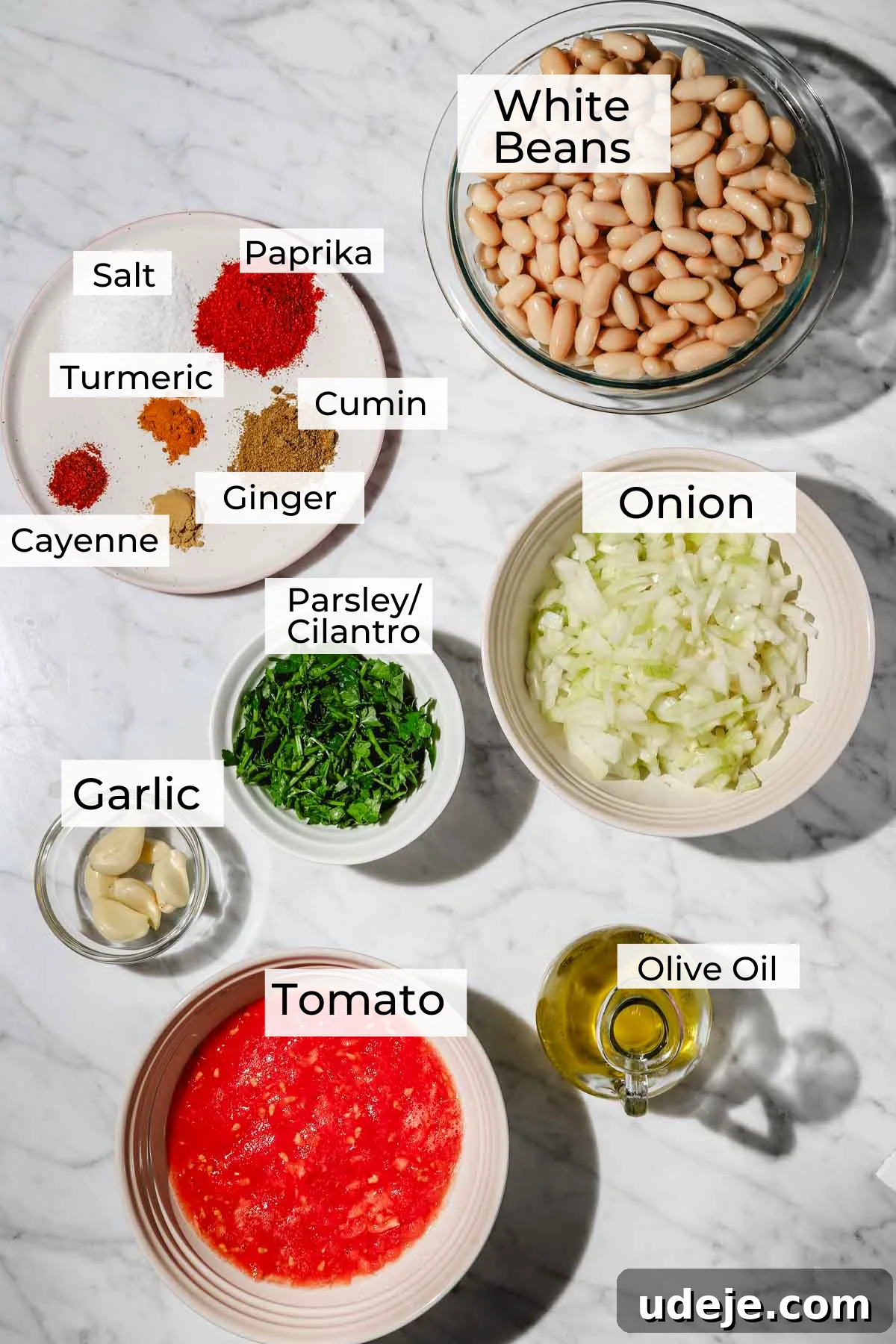
Crafting the perfect Moroccan Loubia requires a thoughtful selection of fresh produce and aromatic spices. Each ingredient plays a crucial role in building the stew’s distinctive flavor profile:
- Cannellini Beans or White Beans: These are the backbone of the stew. You’ll need 2 standard cans (approximately 540 ml each) or 1 cup of dry beans. If using dry beans, remember to soak them in 3 cups of water for 12 to 24 hours prior to cooking. If using canned, always drain and rinse them thoroughly to remove excess sodium and improve texture.
- Onions and Garlic: The foundational aromatics. Finely diced onions provide a sweet and savory base, while a generous amount of crushed garlic adds pungent depth. These are essential for building the stew’s rich flavor.
- Fresh Grated Tomato: Fresh tomatoes bring a bright, slightly acidic sweetness that balances the earthy beans and warm spices. Grating the tomato is a traditional method that creates a smooth pulp while easily separating the skin. If fresh tomatoes aren’t available, 1 cup of quality crushed tomatoes can be a convenient substitute. To grate fresh tomato, simply cut it in half and rub the cut side against the largest holes of a box grater, discarding the leftover skin.
- Moroccan Spices: This blend is key to Loubia’s authentic character.
- Paprika: Provides a mild, sweet pepper flavor and a beautiful reddish hue.
- Turmeric: Adds earthy warmth and its signature golden color, along with beneficial anti-inflammatory properties.
- Ginger Powder: Delivers a subtle spicy kick and aromatic freshness.
- Cumin: Essential for its warm, earthy, and slightly pungent flavor, deeply characteristic of North African cuisine.
- Cayenne Pepper: Introduces a gentle heat, adjustable to your preference.
- Fresh Parsley and Cilantro: These vibrant herbs are added at the end of the cooking process to infuse freshness and brighten the overall flavor. If you have a strong aversion to cilantro, simply double the amount of parsley, or use only parsley for a milder herb note.
- Olive Oil: The cooking fat of choice, providing a Mediterranean richness.
- Water or Broth: The liquid base for the stew. While water works perfectly fine, vegetable or chicken broth can add an extra layer of flavor complexity.
- Salt: Essential for seasoning and enhancing all the flavors. Adjust to taste.
Crafting Your Loubia: A Simple Step-by-Step Guide
Creating this flavorful Moroccan white bean stew is surprisingly straightforward, requiring only about 10 minutes of active preparation time. Here’s a detailed breakdown of each step to ensure a perfect Loubia:
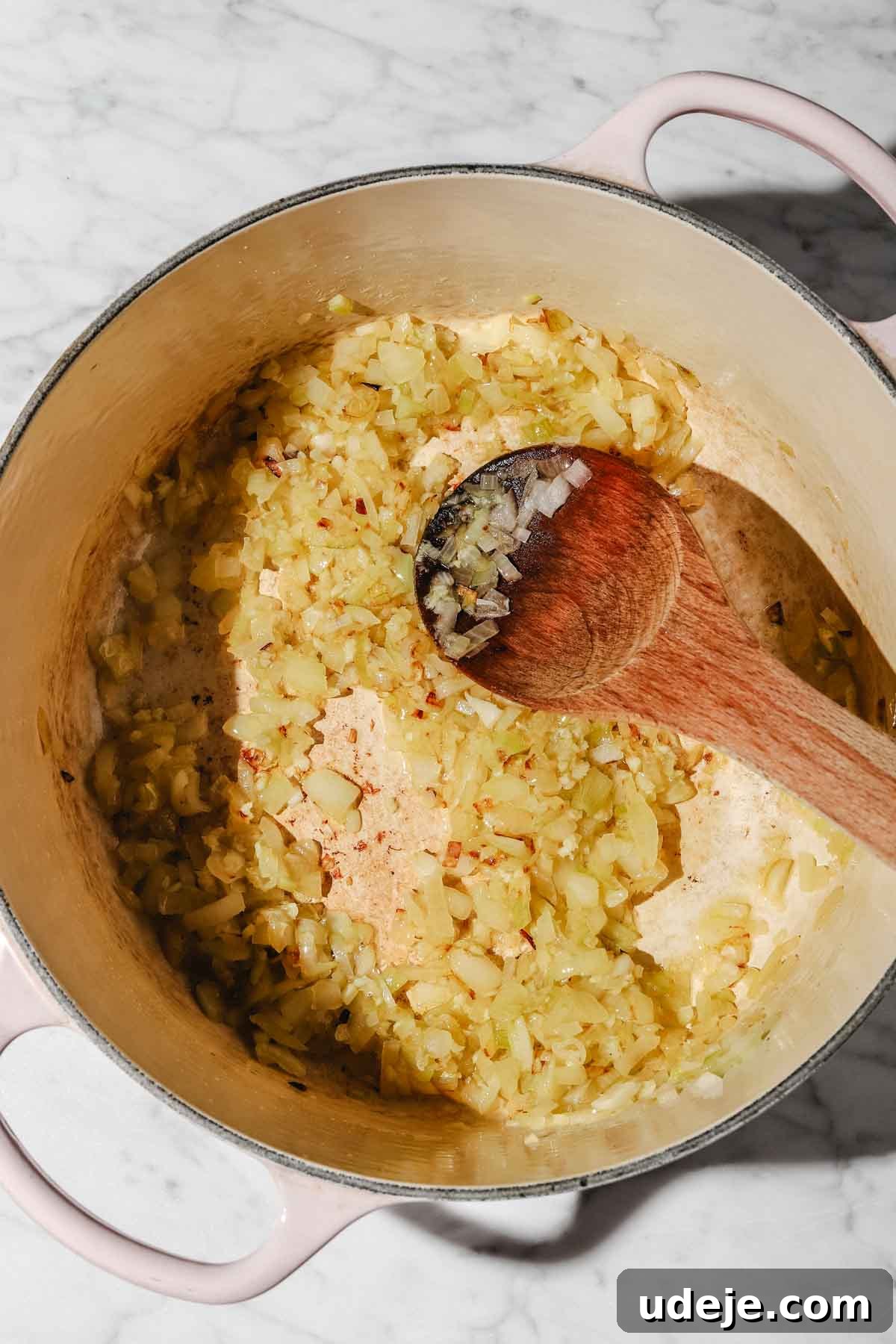
- Sauté the Onions: Begin by heating 3 tablespoons of olive oil in a large soup pot or Dutch oven over medium heat. Once the oil shimmers, add the finely diced onion. Sauté, stirring occasionally, for 5-7 minutes until the onions become soft and translucent. This step mellows their flavor and creates a sweet foundation for the stew.
- Bloom the Spices and Garlic: Add the crushed garlic and all the Moroccan spices (paprika, turmeric, ginger, cumin, and cayenne) to the pot. Stir continuously for 1-2 minutes, allowing the spices to toast lightly in the hot oil. This “blooming” process significantly enhances their aroma and flavor, making the stew more fragrant and complex. Be careful not to burn the garlic.
- Introduce Tomato: Stir in the tomato paste and the freshly grated tomato. Cook and stir for another 2-3 minutes, allowing the tomato to deepen in color and its flavors to concentrate. This step is crucial for building a rich, umami base for your stew.
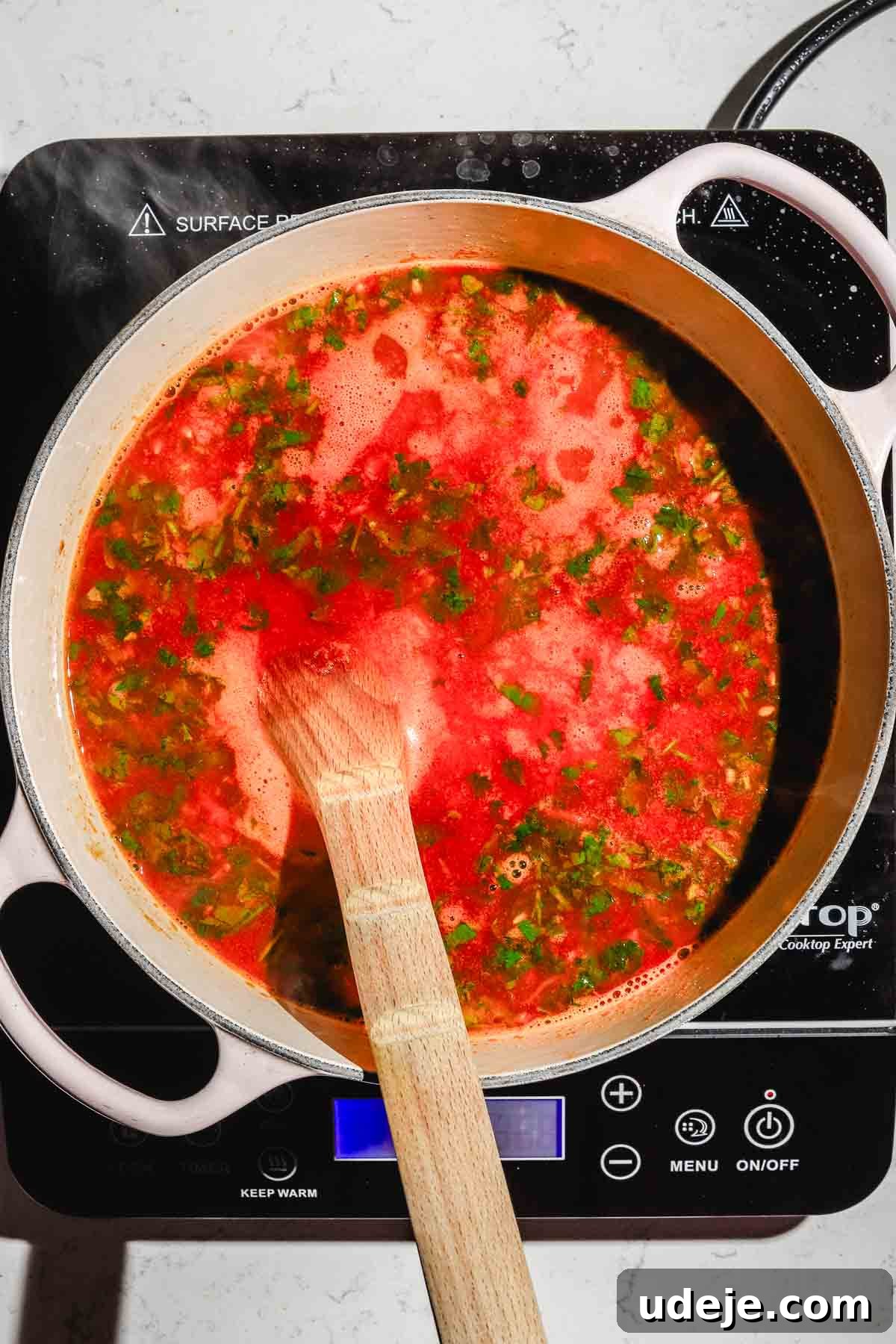
- Combine and Simmer: Add the drained and rinsed cannellini beans (or soaked dry beans), along with the chopped parsley and cilantro, and the water (or broth). Stir all the ingredients together thoroughly for a couple of minutes to ensure everything is well combined and coated in the flavorful sauce.
- Cook to Perfection: Bring the mixture to a gentle simmer. Once simmering, cover the pot and reduce the heat to low. Allow the Loubia to cook for 30 minutes. During this time, the flavors will meld together, and the stew will thicken slightly. If using dry, pre-soaked beans, the simmering time will need to be extended to 1.5 to 2 hours, or until the beans are tender. Remember to check occasionally and add more water or broth if the stew becomes too thick, maintaining a desirable soupy consistency.
- Season and Serve: Taste the stew and adjust the seasoning as needed, adding more salt or a pinch of any spice to suit your preference. Garnish generously with fresh parsley or cilantro before serving.
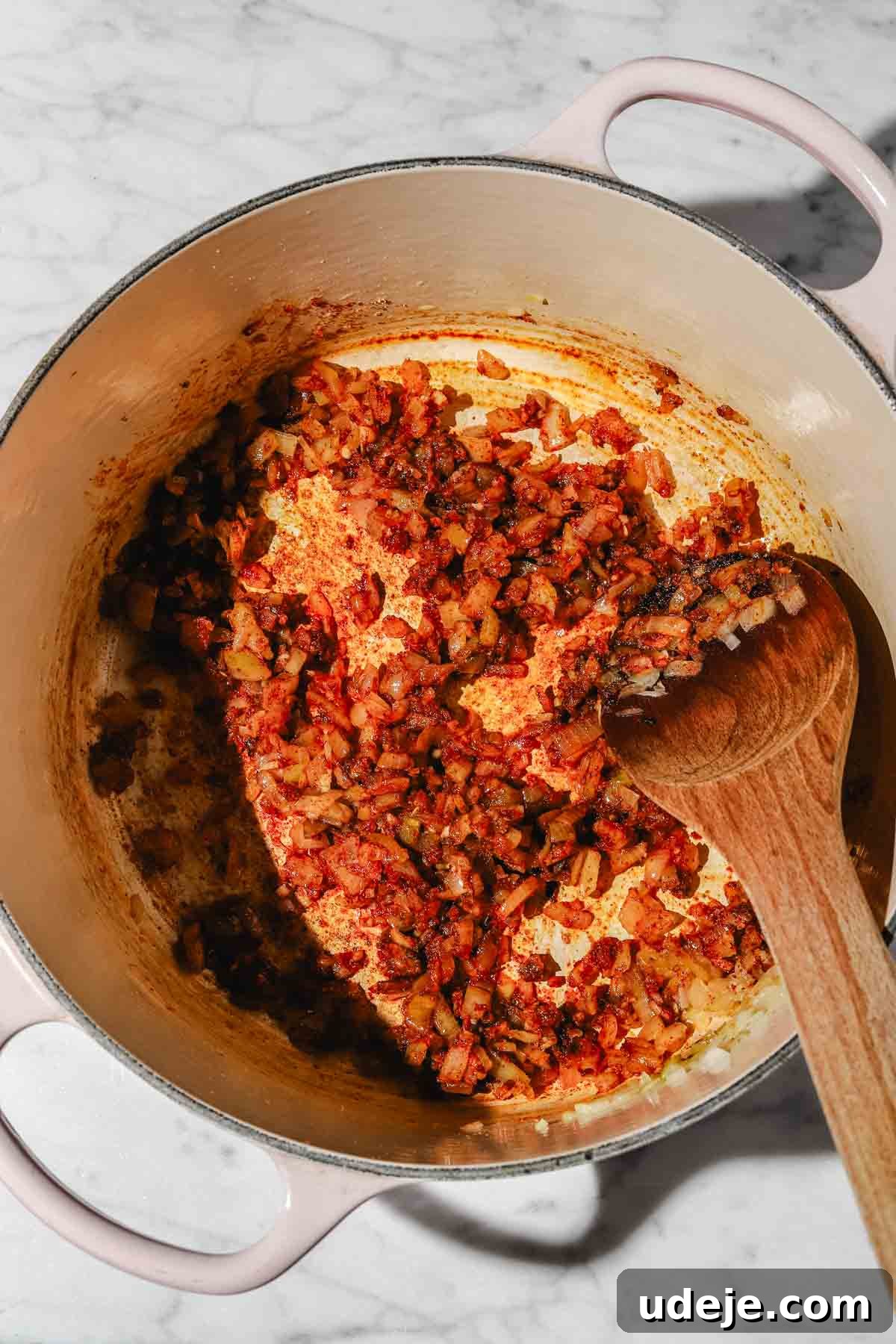
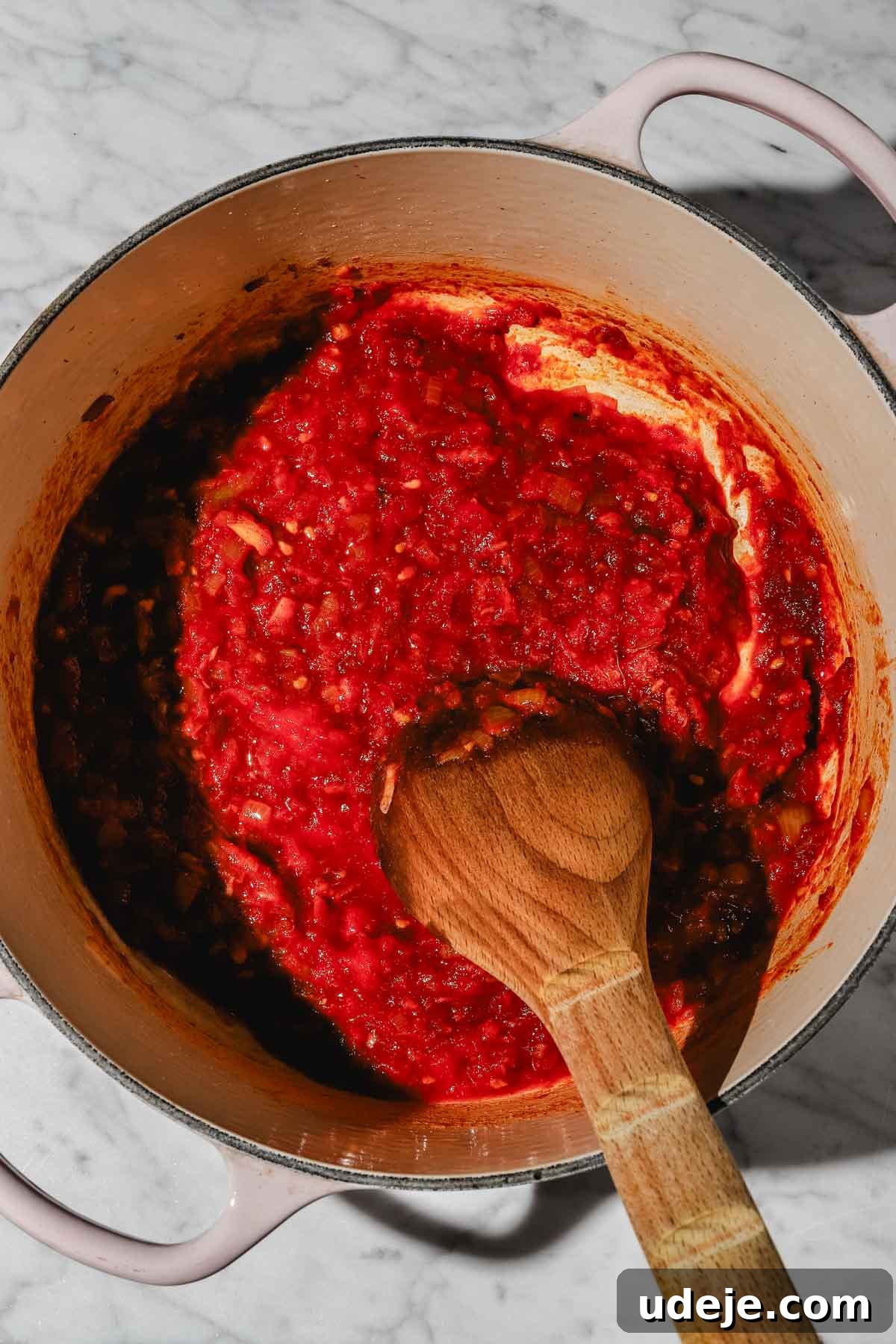
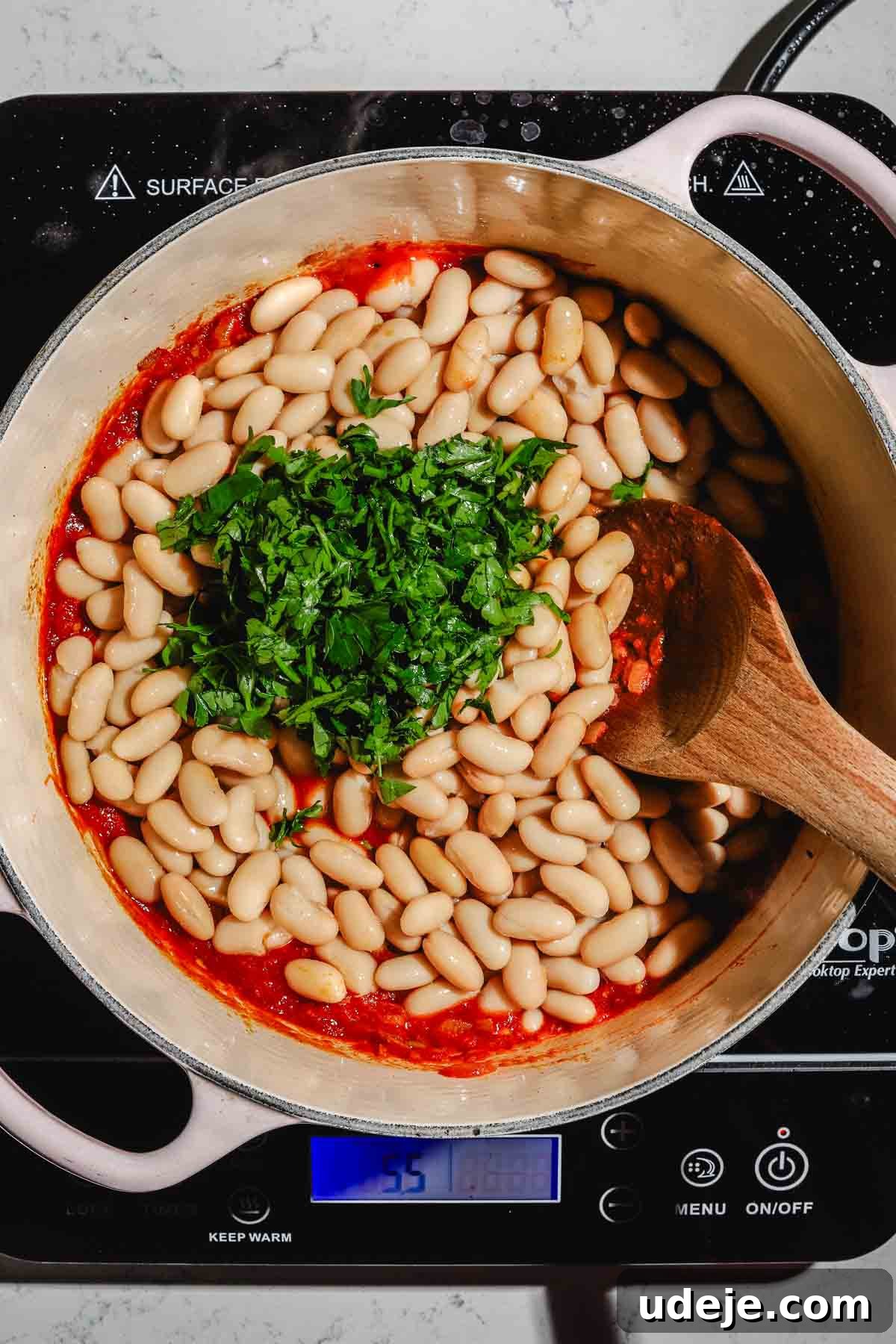
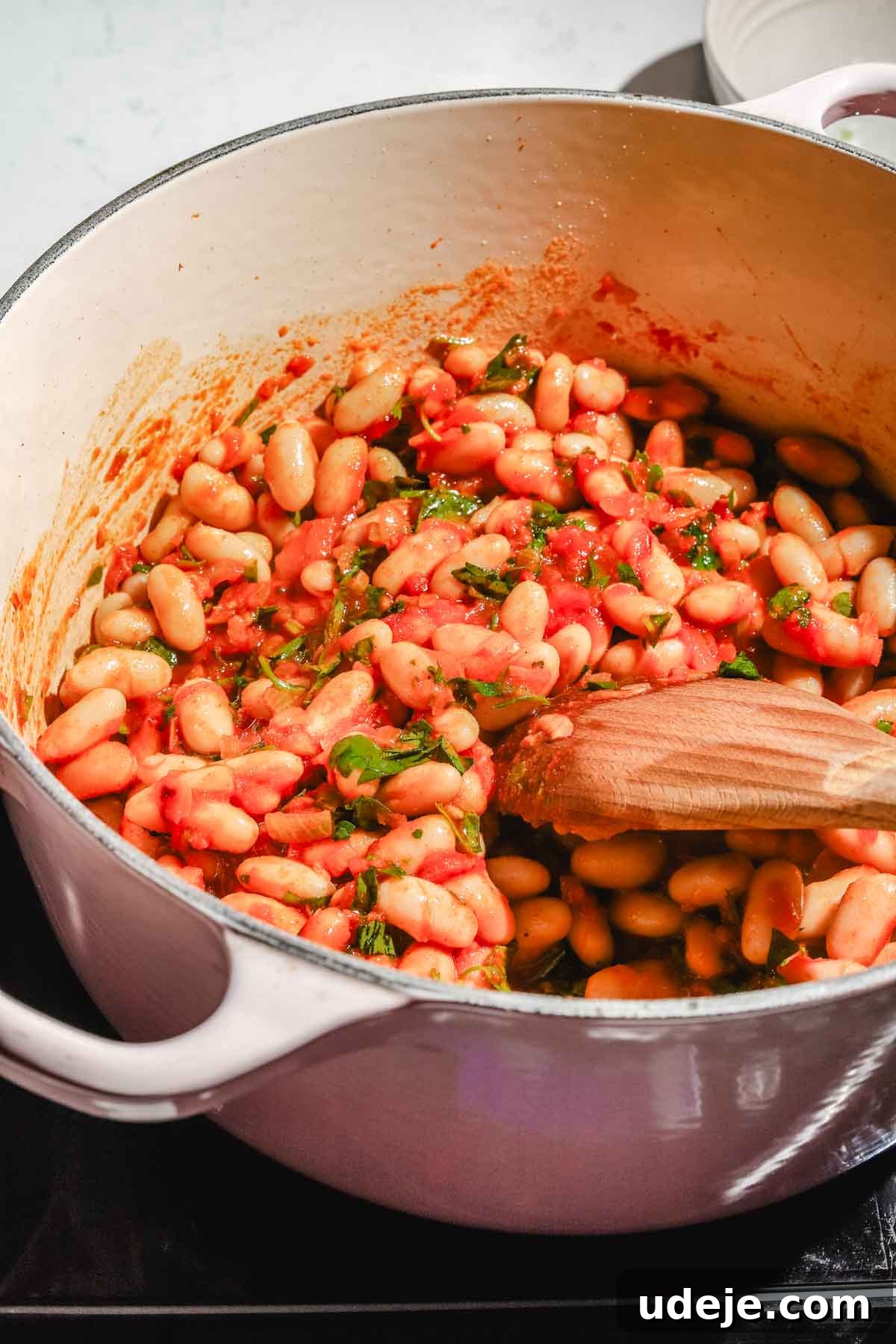
Chef’s Tip: Grating a fresh tomato with a box grater is a fantastic way to achieve a smooth, flavorful tomato base while easily discarding the skin. Simply cut the tomato in half and grate the flesh using the largest holes.
While using vegetable or chicken broth instead of water can add a deeper layer of flavor, it’s not strictly necessary. This stew is incredibly flavorful even when made with just water, allowing the natural goodness of the beans, vegetables, and spices to shine through.
Serving and Storage: Maximizing Your Loubia Experience
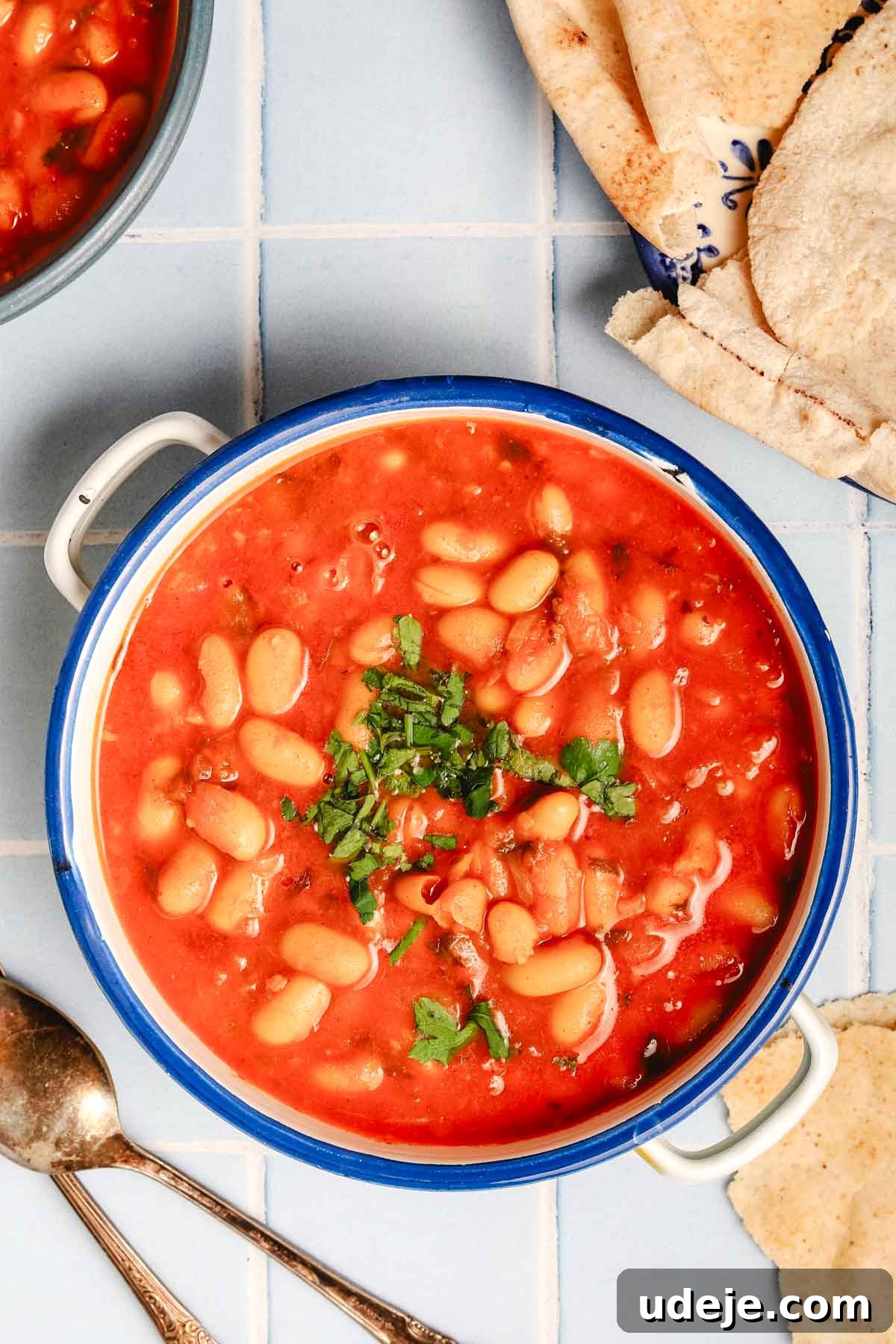
Loubia is a wonderfully versatile stew that can be enjoyed in various ways, and its flavors tend to deepen beautifully over time. To fully embrace the authentic Moroccan experience, serving this stew with traditional Moroccan bread, known as khubz, is highly recommended. Unlike many Middle Eastern stews often served over rice, rice is less commonly consumed in Morocco with stews like Loubia. The soft, absorbent Moroccan bread is perfect for soaking up every drop of the rich, savory broth. If khubz isn’t readily available, fear not – warm pita bread, a crusty baguette, or even a good quality sourdough will make excellent companions.
For a complete and balanced meal, consider pairing your Loubia with a simple side salad dressed with a light vinaigrette, or a bowl of marinated olives. These fresh accompaniments provide a lovely contrast to the stew’s hearty warmth.
Storage Made Easy
Loubia is an excellent dish for meal prepping or enjoying throughout the week. Any leftovers should be transferred to an airtight container and stored in the refrigerator, where they will remain fresh and delicious for 4-5 days. In fact, many find that the flavors of Loubia improve the day after it’s made, as the ingredients have more time to marry and develop. The stew might thicken slightly in the fridge; simply add a splash of water or broth when reheating to achieve your desired consistency.
This stew is also remarkably freezer-friendly, making it ideal for longer-term storage. To freeze, allow the Loubia to cool completely to room temperature. Then, portion it into freezer-safe bags or containers, ensuring to leave a little headspace for expansion. It can be frozen for 2-3 months without significant loss of quality. When you’re ready to enjoy it, simply thaw the frozen Loubia in the refrigerator overnight. Reheat gently on the stovetop over medium-low heat, stirring occasionally until warmed through. This convenience makes Loubia a perfect go-to for busy weeknights.
Customizing Your Moroccan Loubia: Variations and Enhancements
One of the beauties of a classic stew like Loubia is its adaptability. While the traditional recipe is delicious on its own, there are many ways to customize it to your personal taste or to incorporate other healthy ingredients. Don’t hesitate to experiment and make this dish your own!
- Add More Vegetables: Loubia is a fantastic canvas for additional vegetables. Consider stirring in diced carrots, bell peppers, or zucchini during the simmering stage for extra nutrients and texture. A handful of fresh spinach or kale can also be wilted into the stew just before serving, adding a lovely green pop and an extra dose of vitamins.
- A Touch of Heat: If you love a bit more spice, increase the amount of cayenne pepper. For a deeper, more complex heat, a pinch of harissa paste can be stirred in with the tomato paste.
- Citrus Brightness: A squeeze of fresh lemon juice or a few slices of preserved lemon added towards the end of cooking can elevate the flavors with a zesty, bright note, a common practice in Moroccan cuisine.
- Herb Variations: While parsley and cilantro are traditional, feel free to experiment with other fresh herbs like dill or mint for a different aromatic profile.
- For Non-Vegetarians: As mentioned, adding meat is simple. Brown some lamb, beef, or chicken pieces before adding the onions, then proceed with the recipe, allowing the meat to simmer with the beans until tender. This will infuse the stew with a richer, meatier flavor.
- Smoked Paprika: For a subtle smoky depth, try substituting half of the regular paprika with smoked paprika.
Other Vegetarian Dishes You Will Love
If you tried these recipes, please consider leaving a star ⭐️⭐️⭐️⭐️⭐️ rating in the recipe card below and/or a review in the comments section further down the page – I’d love to hear from you! You can also hop on over to Instagram and say hello!
Vegetarian Loubia (Moroccan White Bean Stew)
Leave a Review
Pin Recipe
Ingredients
- 2 cans white kidney beans (2x 540 ml cans), drained and rinsed (see notes for dry beans substitution)
- 3 tablespoons olive oil
- 1 large onion, finely diced
- 6 cloves garlic, crushed
- 2 tablespoons tomato paste
- 1 large tomato, grated
- 2 1/4 teaspoon kosher salt, more per preference
- 2 teaspoons paprika
- 1/2 teaspoon ginger powder
- 1/4 teaspoon turmeric
- 1 teaspoon cumin
- 1/2 teaspoon cayenne
- 4 cups water, hot (more as needed), or sub chicken broth
- 1/4 cup parsley, chopped
- 1/4 cup cilantro, chopped
Instructions
-
In a medium stock pot or Dutch oven over medium heat, add in the olive oil. Once heated for a few minutes, add in the diced onion and sauté until softened.
-
Add in the crushed garlic along with the spices and continue to cook for another 2 minutes.
-
Add the tomato paste along with the grated tomato. Cook and stir for a few minutes.
-
Add the drained and rinsed white kidney beans along with the cilantro, parsley and the water.
-
Stir and allow the mixture to come to a simmer. Cover and continue simmering for 30 minutes. The loubia is ready once it has thickened slightly and the flavors have melded together.
-
If using soaked dry cannellini beans, you will need to continue cooking for another hour, adding more water as needed to ensure a soupy consistency is maintained.
-
Garnish with fresh parsley or cilantro. Serve with Moroccan bread or bread of your choice.
Notes
- To make this recipe using dry cannellini beans, simply soak 1 cup of beans for 12 hours and up to 24 hours in 3 cups of water. Follow the recipe as directed, but allow the stew to cook for a minimum of 1 hour, up to 1.5 hours depending on the beans, until they are soft.
- If you don’t have fresh tomato, you can substitute canned crushed tomatoes instead of the grated tomato.
- Use chicken broth, or vegetarian broth instead of just water to add more flavor.