
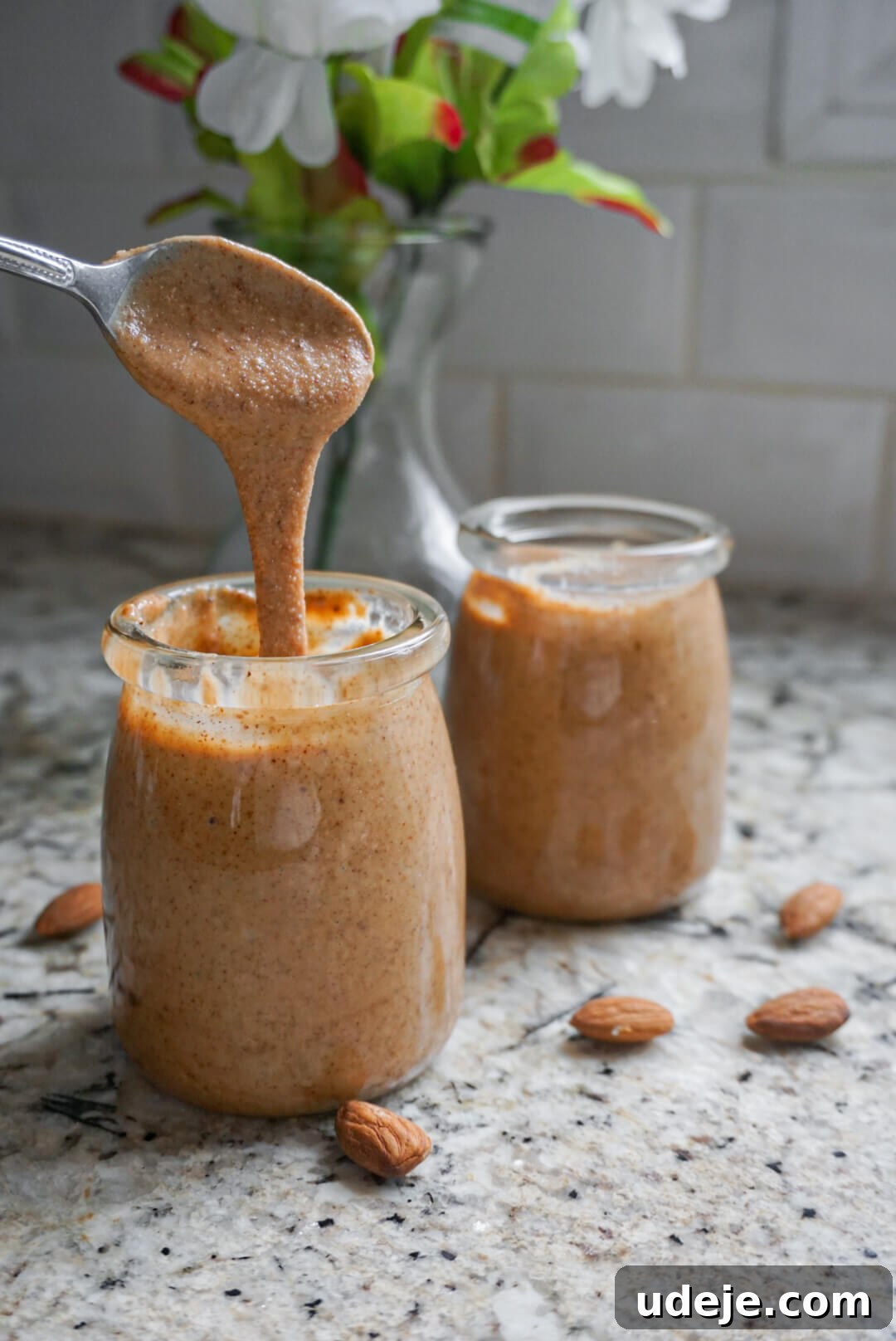
The Ultimate Guide to Homemade Almond Butter: Simple, Delicious, and Healthy!
Forget store-bought versions laden with unwanted oils and sugars! Crafting your own delicious, creamy almond butter at home is surprisingly simple, incredibly rewarding, and uses just one star ingredient: almonds. In a mere 15-20 minutes, you can transform humble nuts into a rich, velvety spread that’s perfect for everything from breakfast toasts to smoothie bowls. This comprehensive guide will walk you through every step, ensuring you achieve the best homemade almond butter, packed with natural flavor and wholesome goodness.
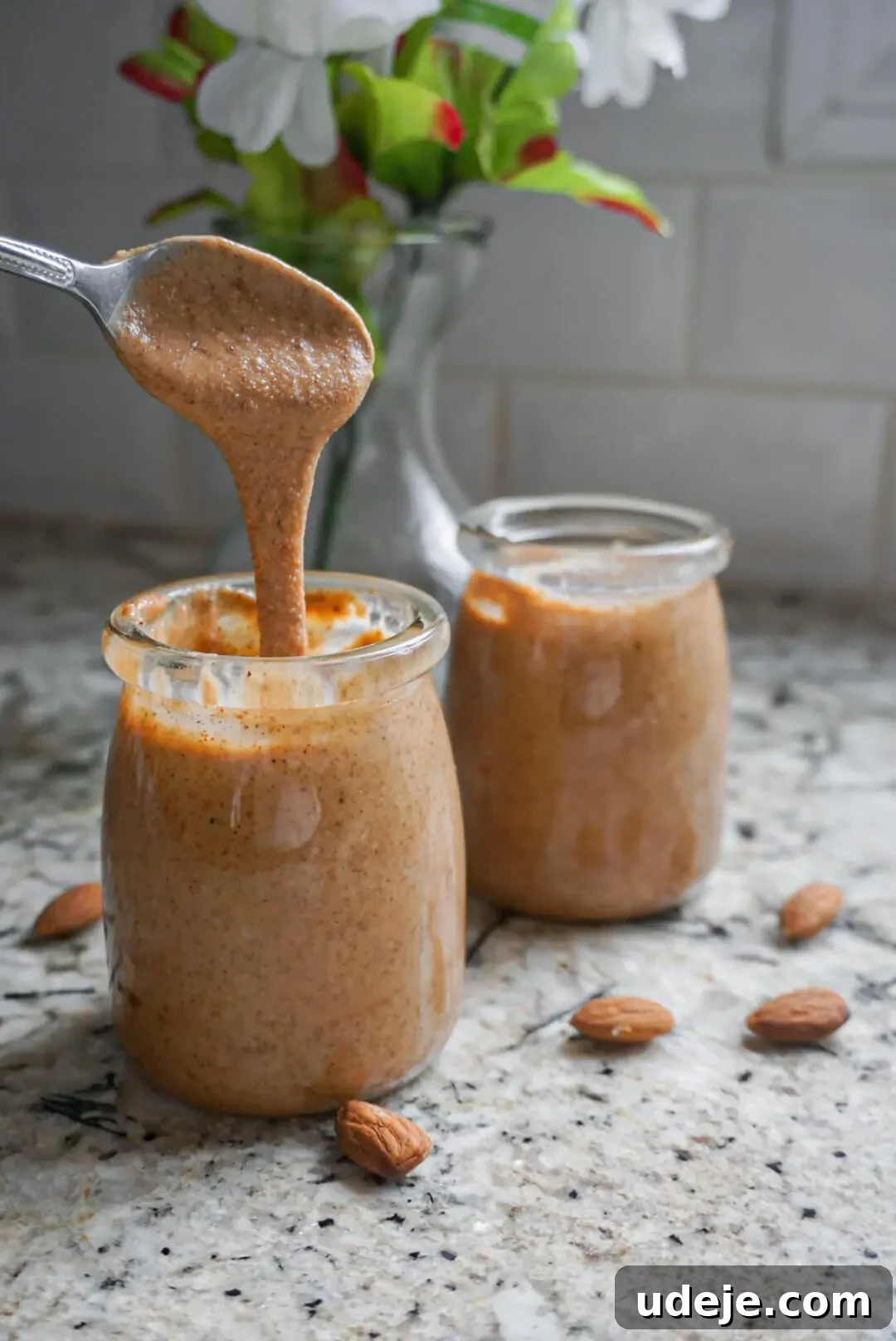
Why Homemade Almond Butter is Superior
My journey to homemade almond butter began with a simple taste at a local smoothie bowl shop. The rich, nutty flavor and incredibly smooth texture captivated me instantly. This obsession quickly surpassed my long-standing love for peanut butter! However, I soon realized that many commercially available almond butters come with a list of additives I simply didn’t want in my pantry: hydrogenated oils, excessive sugar, and unnecessary emulsifiers. These ingredients often compromise both the nutritional value and the pure almond flavor.
Making almond butter from scratch offers unparalleled control over what goes into your food. You eliminate all the undesirable fillers, control the sweetness (or lack thereof), and ensure you’re consuming a product that’s as fresh and pure as possible. Plus, it’s often more cost-effective in the long run, especially if you buy almonds in bulk. The process itself is therapeutic, watching the almonds transform from whole nuts to a luxuriously smooth butter right before your eyes.
The Secret Ingredient: Quality Almonds
The beauty of this recipe lies in its simplicity. At its core, you only need one ingredient: almonds. However, the quality of your almonds will significantly impact the final taste and texture of your homemade almond butter. Here’s what to look for and why:
- Whole, Raw Almonds: Start with unblanched, raw almonds. These retain their skin, which adds a deeper flavor and contributes to the richness. Ensure they are fresh and free from any rancid smells. Organic almonds are a great choice if available, providing peace of mind about pesticide use.
- Why Roasting is Essential: While you can technically make almond butter from raw almonds, roasting them first is a game-changer. Roasting for just 10 minutes at 350°F (175°C) intensifies their nutty flavor, making your almond butter more aromatic and delicious. More importantly, it helps release their natural oils, which is crucial for achieving that silky-smooth consistency in your food processor. The warmth from roasting also makes the blending process much faster and easier.
- Quantity: For a good yield and to ensure your food processor can work effectively, we recommend using at least 3 cups of whole almonds. This amount is usually sufficient to create enough mass for the blades to properly grind the nuts.
Stay Connected
Get recipes via email:
Elevate Your Almond Butter: Optional Add-Ins
While a pure almond butter is fantastic on its own, a few simple additions can take your homemade spread to the next level. These are entirely optional but offer exciting ways to customize your butter to your taste preferences.
- Salt (optional): A tiny pinch of salt can magically enhance and balance the natural nutty flavors of the almonds. If your almonds are already salted, you can skip this step. For unsalted almonds, a quarter teaspoon of fine sea salt per 3 cups of almonds is a good starting point. Adjust to your preference.
-
Sweetener (optional): For those who prefer a touch of sweetness, natural liquid sweeteners work best.
- Maple Syrup: Add 1-2 tablespoons of pure maple syrup to the food processor once the butter starts to become creamy. It imparts a lovely, subtle sweetness and a hint of caramel note.
- Honey or Agave: These can be used as alternatives to maple syrup, offering different flavor profiles. Start with a small amount and add more as needed.
- Dates: For a whole-food, unrefined sweetness, you can add 2-3 pitted Medjool dates along with the roasted almonds. They will blend beautifully into the butter, creating a naturally sweet and thick spread.
-
Oil (optional): If you find your food processor is struggling or you’re short on time and want to expedite the creaming process, a little bit of neutral oil can help.
- Melted Coconut Oil: Add one tablespoon at a time. It aids in achieving a super smooth, pourable consistency faster. Be mindful that coconut oil will firm up when chilled.
- Avocado Oil or Grapeseed Oil: These are great neutral options if you prefer a liquid consistency even when refrigerated.
Adding oil isn’t strictly necessary, as patience will always yield creamy almond butter, but it can be a useful trick for less powerful machines or when you’re in a hurry.
How to Make The Best Homemade Almond Butter: Step-by-Step
The process of making almond butter is straightforward, but it requires a bit of observation and, most importantly, patience. Follow these steps for perfect results:
- Roast the Almonds: Preheat your oven to 350°F (175°C). Spread your raw, whole almonds in a single layer on a baking sheet. Roast them for exactly 10 minutes. This step is crucial for enhancing flavor and releasing natural oils. Keep a close eye on them to prevent burning; they should smell fragrant and be lightly golden.
-
Process for Creaminess: Immediately transfer the warm, roasted almonds to a high-powered food processor. Add a pinch of salt (if your almonds are unsalted). Begin processing, allowing the machine to run continuously.
- Stage 1 (Crumbs): Initially, the almonds will break down into a coarse, flour-like consistency. This happens within the first 1-3 minutes.
- Stage 2 (Ball/Paste): As the processing continues, the oils will start to release, and the almond “flour” will clump together, forming a thick paste or a ball that rotates around the blade. This can take 4-7 minutes.
- Stage 3 (Smooth and Creamy): With continued processing (and heat generation from the friction), the natural oils will fully release, transforming the thick paste into a gloriously smooth, liquid-like almond butter. This final stage can take anywhere from 8 to 15 minutes, or even longer depending on the power of your food processor.
Patience is truly key here! Resist the urge to add oil prematurely. Stop the food processor periodically (every 1-2 minutes) to scrape down the sides of the bowl with a spatula, ensuring all almonds are evenly processed. If your food processor gets very hot, give it a minute or two to cool down before resuming.
- Incorporate Add-Ins (Optional): Once your almond butter has reached a smooth, creamy consistency, this is the time to add any optional sweeteners or additional oil. Add maple syrup, honey, or coconut oil (if using) and continue processing for another 2-5 minutes. The butter might thicken up or form a ball again when you add liquids, but just keep processing; it will thin out and become smooth once incorporated. If you are not using oil or maple syrup, simply continue processing until your desired smoothness is achieved.
- Storage and Enjoyment: Once you’re happy with the consistency, transfer your homemade almond butter into clean, airtight jars. Glass jars are ideal for storage as they don’t absorb odors and keep the butter fresh. You can store it in a cool, dark cabinet for several weeks (up to a month) or in the refrigerator for an extended period (up to 2-3 months). The texture might firm up slightly when refrigerated, but it will soften at room temperature.
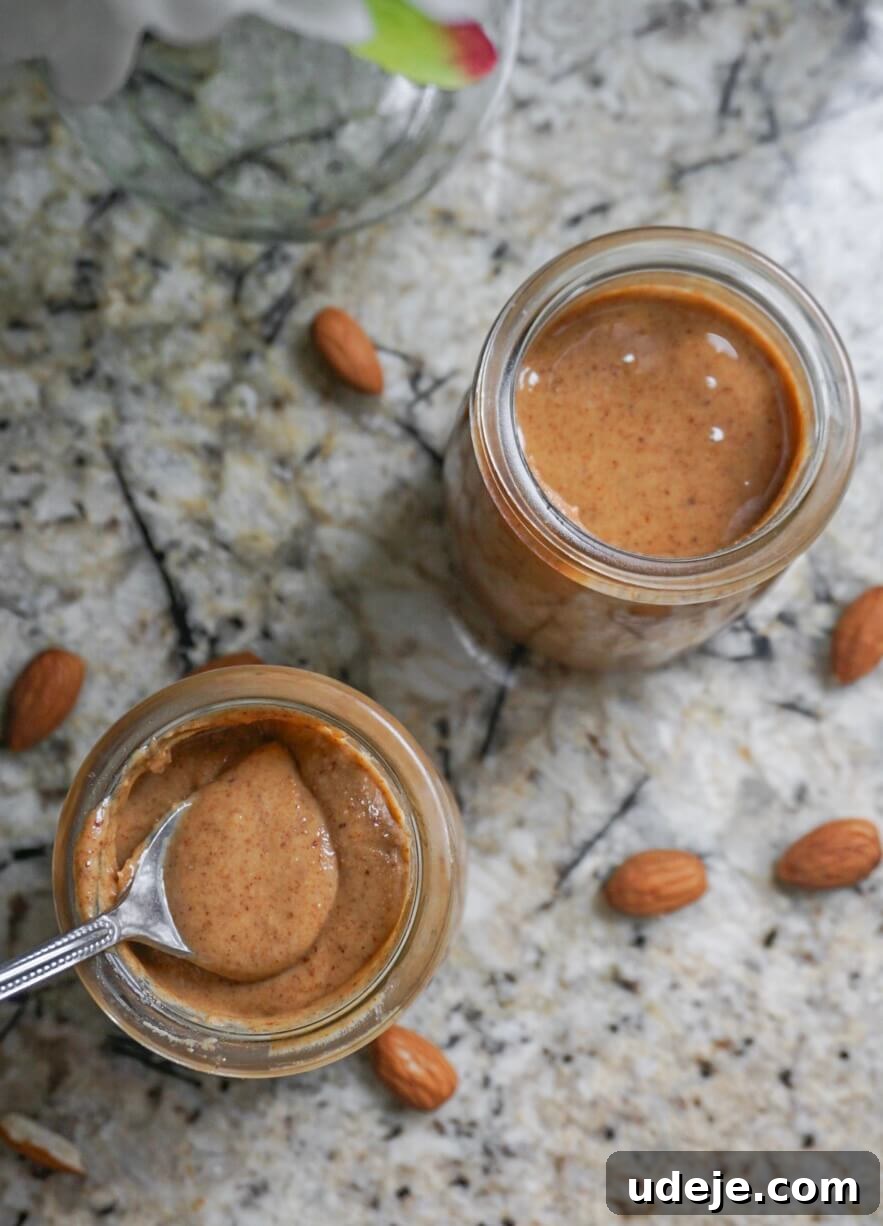
How to Enjoy The Best Homemade Almond Butter
The versatility of homemade almond butter is truly endless. Once you taste the fresh, unadulterated flavor, you’ll want to put it on everything! Here are just a few ideas to inspire you:
- Breakfast Staples: Swirl it into your oatmeal, spread it generously on toast or English muffins, add a dollop to pancakes or waffles, or incorporate it into your favorite smoothie recipe for an extra boost of protein and healthy fats.
- Snack Time Delights: Pair it with sliced fruit like apples, bananas, or pears. Spread it on rice cakes, crackers, or celery sticks. Fill dates with almond butter for a naturally sweet and satisfying treat.
- Dessert Innovations: Use it as a base for energy balls, no-bake cookies, or healthy dessert dips. It’s a fantastic ingredient in baking, adding moisture and flavor to muffins, brownies, and bars. For a truly irresistible treat, try making my Vegan Almond Butter Bars – they are always a huge hit!
- Savory Pairings: Don’t limit yourself to sweet! Almond butter can be a delightful addition to savory dishes. Whisk it into salad dressings, create a quick almond satay sauce for noodles or vegetables, or even use it as a binding agent in veggie burgers.
- The Simplest Pleasure: Sometimes, the best way to enjoy it is straight off the spoon!
Beyond its incredible taste, almond butter is a nutritional powerhouse. It’s rich in monounsaturated fats (heart-healthy fats), protein, fiber, vitamin E, magnesium, and calcium. Incorporating it into your daily diet is an excellent way to boost your nutrient intake and stay satisfied.
Creative Almond Butter Flavors to Try
Once you’ve mastered the basic recipe, you can get creative and infuse your almond butter with various spices and ingredients. Here are some of my favorite ways to spice things up:
- Maple Cinnamon / Cinnamon Roll Almond Butter: For a comforting, sweet, and spicy spread, add 3 tablespoons of maple syrup, 1 teaspoon of ground cinnamon, and 1/2 teaspoon of pure vanilla extract to the food processor once the almond butter has turned smooth. Process until all ingredients are well incorporated and the butter is creamy again.
- Chai Almond Butter: Embrace the warm, aromatic flavors of chai by adding 1 teaspoon of ground cinnamon, 3/4 teaspoon of ground ginger, 1/4 teaspoon of ground nutmeg, 1/4 teaspoon of ground cloves, and 1/2 teaspoon of pure vanilla extract. Blend until smooth and fragrant.
- Chocolate Almond Butter: Who doesn’t love chocolate? Add 2-3 tablespoons of unsweetened cocoa powder (or cacao powder for a richer flavor) and 1-2 tablespoons of maple syrup (or other sweetener) once the almond butter is smooth. Process until the chocolate is fully blended and the butter is dark and decadent.
- Vanilla Bean Almond Butter: For an elegant and aromatic touch, scrape the seeds from half a vanilla bean (or add 1 teaspoon of vanilla bean paste) into the food processor with the almonds during the last few minutes of processing.
- Pumpkin Spice Almond Butter (Seasonal): Perfect for autumn! Combine 1.5 teaspoons of pumpkin pie spice blend with 1-2 tablespoons of maple syrup into your smooth almond butter.
More Nut Butter Recipes
I hope you enjoy making and savoring this incredible homemade almond butter as much as I do! If you try this recipe, please consider leaving a comment and a star rating below to let me know how it turned out. Your feedback helps others discover and enjoy these recipes. Thank you for your continued support! xo, Megan
The Best Homemade Almond Butter

Megan
2
cups
10
10
20
Leave a Review
Pin Recipe
Remove Ads
Ingredients
-
3
cups
almonds
-
pinch
of salt,
optional – if the almonds are unsalted
Instructions
-
Preheat oven to 350℉ and place almonds on a baking sheet. Roast for 10 minutes.
-
Transfer the roasted almonds along with a pinch of salt to a food processor and process for 10-15 minutes, stopping to scrape down the sides as needed, until it becomes smooth and creamy. It may take longer depending on how powerful your food processor is. Patience is key!
-
If using, add the maple syrup and/or oil, or any of the flavor add-ins referenced in the blog post above, and process for another 5-10 minutes, until it’s creamy and silky. It will likely form back into a ball when you add it, but it will become smooth and creamy again.
-
Once desired texture is achieved, pour into jars and enjoy! Or, eat with a spoon straightaway.
Equipment
Notes
- Store almond butter in small glass jars in the cabinet for a month or in the refrigerator for longer.
- For flavor add-in recommendations, see the blog post above.
Did you make this recipe?
Tag @booboosbakeryy with hashtag #booboosbakery on Instagram. We love to see what you make!