
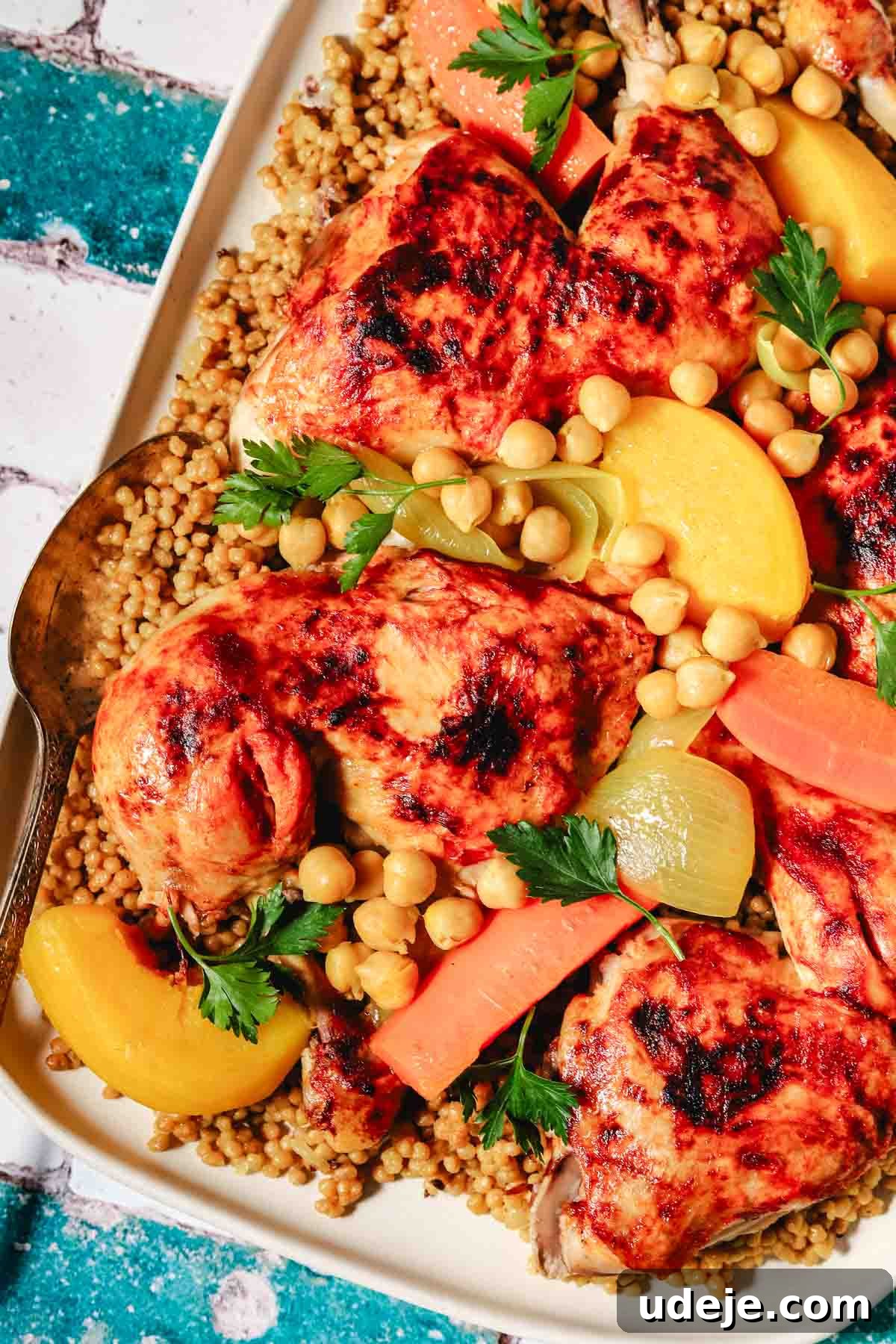
Step into the rich culinary heritage of Palestine with Maftoul, a dish that embodies warmth, tradition, and exquisite flavor. Often referred to as “Palestinian couscous,” maftoul consists of small, hand-rolled pellets crafted from whole wheat and bulgur. This authentic staple forms the heart of a truly comforting meal, typically simmered in a rich, aromatic chicken broth and accompanied by a hearty vegetable stew. Crowned with perfectly broiled chicken, this dish offers a symphony of textures and tastes, making it the quintessential Palestinian comfort food. While it may seem intricate, our simplified method ensures you can bring this historic and delicious meal to your table in just over an hour, promising a deeply satisfying experience that nourishes both body and soul.
All About Palestinian Maftoul: A Culinary Gem
Maftoul holds a special place in Palestinian cuisine, deeply rooted in the country’s agricultural traditions and the communal spirit of its people. Originating in Palestine, maftoul is a unique type of couscous, distinguished by its larger grain size and distinct texture. The very name ‘maftoul’ is derived from the Arabic word meaning “rolled,” a direct reference to its traditional, labor-intensive preparation method. For generations, Palestinian women have meticulously hand-rolled these small pellets, transforming simple ingredients into a versatile and nourishing staple. This intricate process is not merely a cooking technique; it’s a cherished practice, passed down through families, embodying a connection to the land and ancestral culinary wisdom.
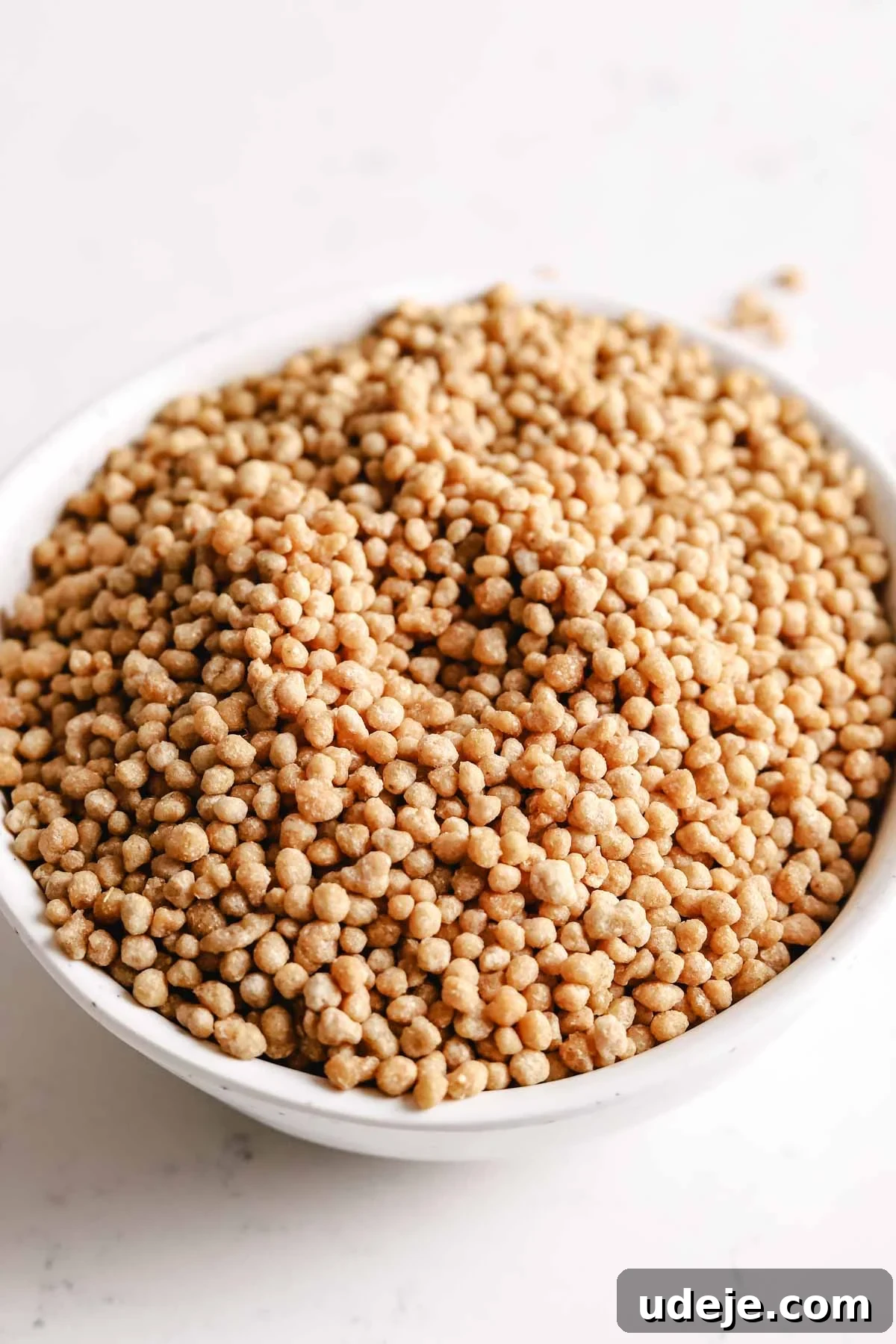
The essence of authentic maftoul lies in its core ingredients: whole wheat flour and bulgur. These grains are often sourced from local family farms across Palestine, ensuring quality and preserving traditional cultivation practices. This reliance on local produce not only supports small farming communities but also contributes to the distinct, wholesome flavor of maftoul. Finding authentic, hand-rolled maftoul outside of the Middle East can sometimes be challenging, but reputable online suppliers exist. For those seeking the genuine article, Canaan Palestine offers an excellent, high-quality option, ensuring you experience maftoul as it’s meant to be.
My journey to mastering this recipe began with my dear Palestinian friend, Rawan, whose generosity in sharing her family’s traditions I deeply appreciate. It is with immense gratitude and a desire to help preserve this traditional Palestinian dish that I share this post. While maftoul might bear a resemblance to other Middle Eastern grain dishes, such as Lebanese Moghrabieh, there are several key differences that set it apart. These distinctions, particularly in grain size, texture, and the specific spices used, contribute to maftoul’s unique character and cultural significance, which we will explore further.
Traditional Maftoul Cooking: A Time-Honored Process
The traditional creation of maftoul is a fascinating process that speaks to the ingenuity and skill of Palestinian cooks. It begins by meticulously mixing whole wheat flour and bulgur with a small amount of water, often with the addition of a touch of salt. This mixture is then gently rubbed and rolled by hand, gradually forming small, uniform pellets. Once the pellets reach the desired size, the mixture is passed through a sifter, separating the perfectly formed maftoul grains from any unrolled flour, which can then be re-rolled. This hands-on method not only creates the distinctive texture of maftoul but also imbues it with a sense of connection to the generations who have prepared it before.
Traditionally, maftoul is cooked using a steaming method, often in a specialized pot called a kiskis or a simple colander set over a larger pot. This larger pot is simultaneously used to cook the chicken, allowing the rising, flavorful steam from the simmering chicken broth to gently infuse and soften the maftoul. This steaming process typically takes up to an hour, resulting in tender, fluffy grains. A hallmark of traditional maftoul preparation is the addition of dill seeds, which lend an unmistakable aromatic and slightly anisy flavor to the dish. While the maftoul steams, the chicken, once boiled to tender perfection, is removed, and its rich broth becomes the base for a savory “yakhni” or vegetable stew. This stew commonly features robust vegetables such as squash, onions, chickpeas, and tomatoes, slow-cooked to meld their flavors beautifully.
The serving of maftoul is as much a ritual as its preparation. The soft, fluffy maftoul is typically spread as a generous base on a large platter, symbolizing abundance and hospitality. The vibrant vegetable stew is then generously spooned over the maftoul, followed by the beautifully cooked chicken pieces. This layered presentation makes for a visually appealing and deeply satisfying meal. Maftoul is truly a dish designed for communal enjoyment, where everyone gathers around the table, ready to “dig in” and share in the simple, harmonious flavors that define Palestinian comfort food. It’s a celebration of wholesome ingredients and time-honored techniques, bringing families and communities together.
Maftoul Substitutions and Modern Adaptations
While the traditional steaming method yields an unparalleled texture for maftoul, modern culinary practices often offer convenient alternatives without compromising too much on flavor. When purchasing pre-packaged maftoul, you’ll typically find cooking instructions that suggest a more streamlined approach. This often involves simply sautéing the maftoul lightly before simmering it directly in broth until it softens, bypassing the steaming step altogether. This simplified technique significantly reduces cooking time, making maftoul a more accessible weeknight meal while still delivering delicious results.
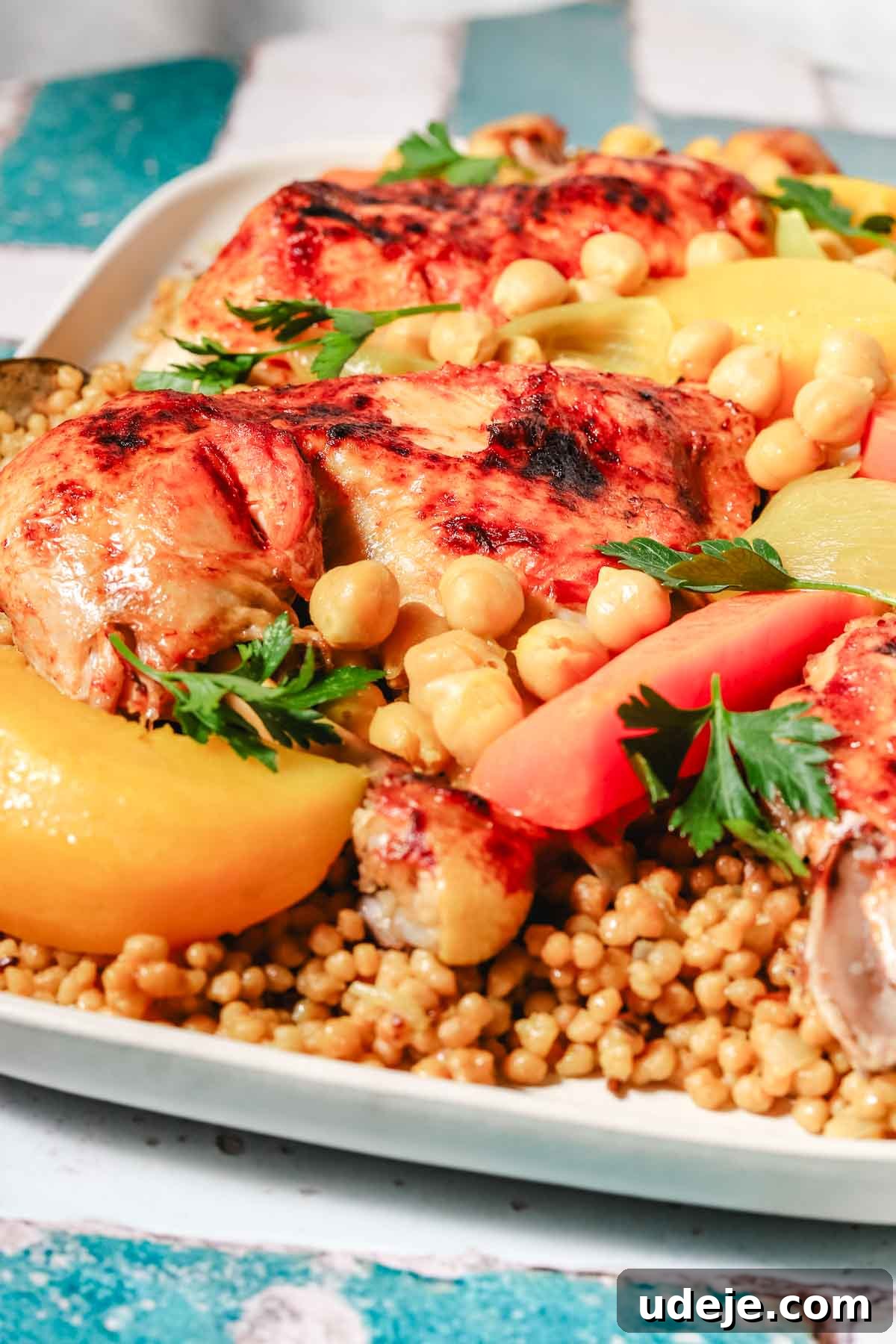
For those times when authentic maftoul is simply unavailable, excellent substitutions can ensure you still enjoy a similar comforting experience. Regular couscous, with its smaller, finer grains, serves as a fantastic alternative. My friend Rawan herself often recommends this option, noting its remarkable ability to absorb the rich flavors of chicken broth. To prepare, simply combine regular couscous with hot broth in a 1:1 ratio, cover, and allow it to soften for about 5 to 7 minutes. The quick cooking time makes it an incredibly convenient choice, and you can always add extra broth when serving to enhance its moisture and flavor.
Another viable alternative, which might be more readily found in international markets, is moghrabieh. Moghrabieh, also known as pearl couscous, features significantly larger grains than maftoul, offering a chewier and more substantial texture. Despite the size difference, when cooked in the same manner – by simmering in broth – moghrabieh will achieve a delightfully tender texture akin to maftoul, making it a great option for a similar hearty dish. Experimenting with these substitutions allows you to enjoy the essence of Palestinian maftoul, even if the authentic grain isn’t at hand.
Essential Ingredients for Your Maftoul Dish
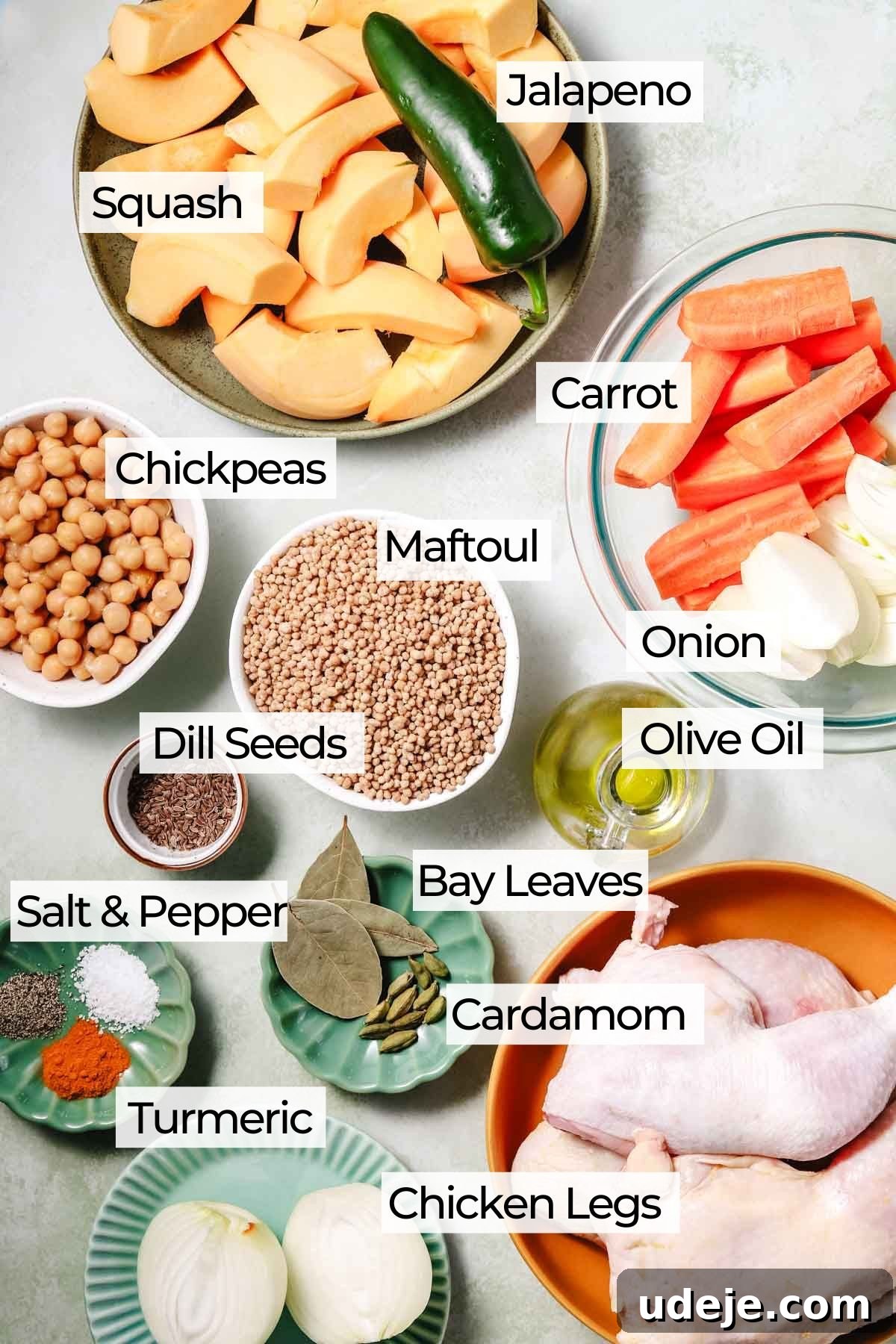
Crafting a delicious maftoul dish starts with selecting fresh, quality ingredients. The beauty of this recipe lies in its flexibility, allowing you to adjust quantities and even substitute certain items based on what you have readily available or your personal preferences. Here’s a breakdown of the key components:
- Chicken: The foundation of flavor for this dish comes from the chicken broth. We recommend using bone-in chicken, such as chicken legs, thighs, or drumsticks, or even a whole chicken cut into pieces. The bones are crucial for imparting a rich, deep, and savory flavor to the broth, which in turn infuses the maftoul and stew. Skin-on pieces also contribute to a more luscious broth.
- Onions: Essential for multiple layers of flavor, onions play a pivotal role. They are used to build the aromatic base of the chicken broth, to sweeten and thicken the vegetable stew, and finely diced onions are sautéed with the maftoul itself, adding a delicate sweetness and depth to the grains.
- Squash, Carrots, and Tomatoes: These vibrant vegetables form the heart of the comforting stew. Cut into generous, large chunks, they simmer in the chicken broth, absorbing its flavors and releasing their own natural sweetness. While acorn squash is often traditional, any type of winter squash works beautifully. Carrots add a touch of sweetness and color, and ripe tomatoes provide a subtle tang. Should you not have all three, the dish remains delicious even with just one or two of these vegetables.
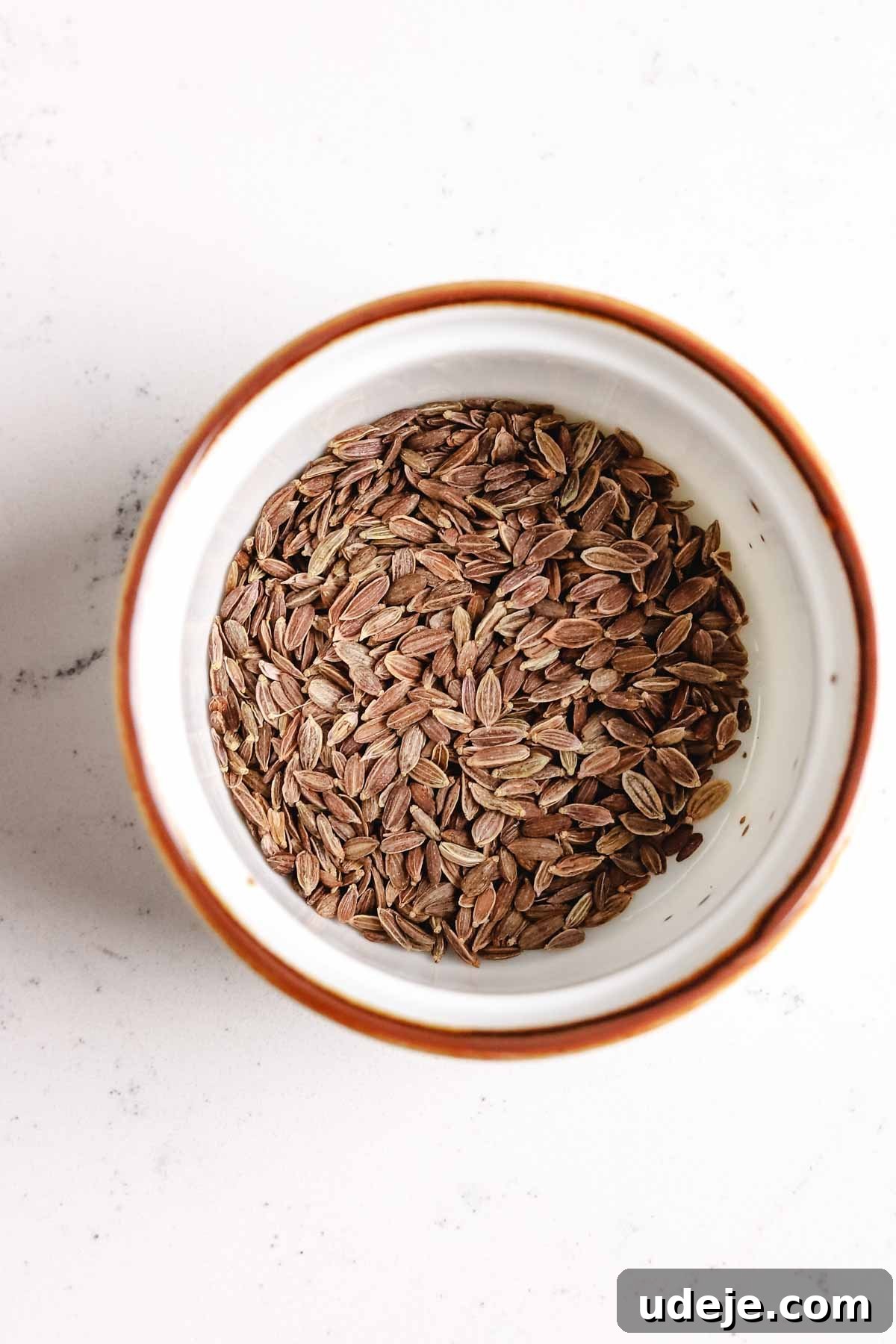
- Dill Seeds: This is a signature spice for maftoul, contributing an absolutely essential and distinctive flavor profile. The seeds are typically kept whole and toasted lightly to release their potent, anisy aroma. Do not confuse them with dried dill weed, as their flavor is far more intense and unique.
- Spices and Seasonings: A simple yet impactful blend of **salt, pepper, turmeric, bay leaves, and green cardamom pods** forms the aromatic backbone of this dish. These spices are carefully chosen to complement the natural flavors of the chicken and vegetables, adding warmth, subtle earthiness, and a beautiful golden hue to the broth and stew without overpowering the delicate maftoul.
How to Make Maftoul – The Easiest Method
Preparing Palestinian Maftoul is a harmonious process involving three distinct yet interconnected components, each contributing to the final masterpiece: the flavorful chicken broth and tender chicken, the hearty vegetable stew, and the perfectly cooked maftoul grains. Our simplified method ensures an enjoyable cooking experience while still honoring the authentic flavors of this traditional dish.
- **The Chicken Broth & Chicken:**
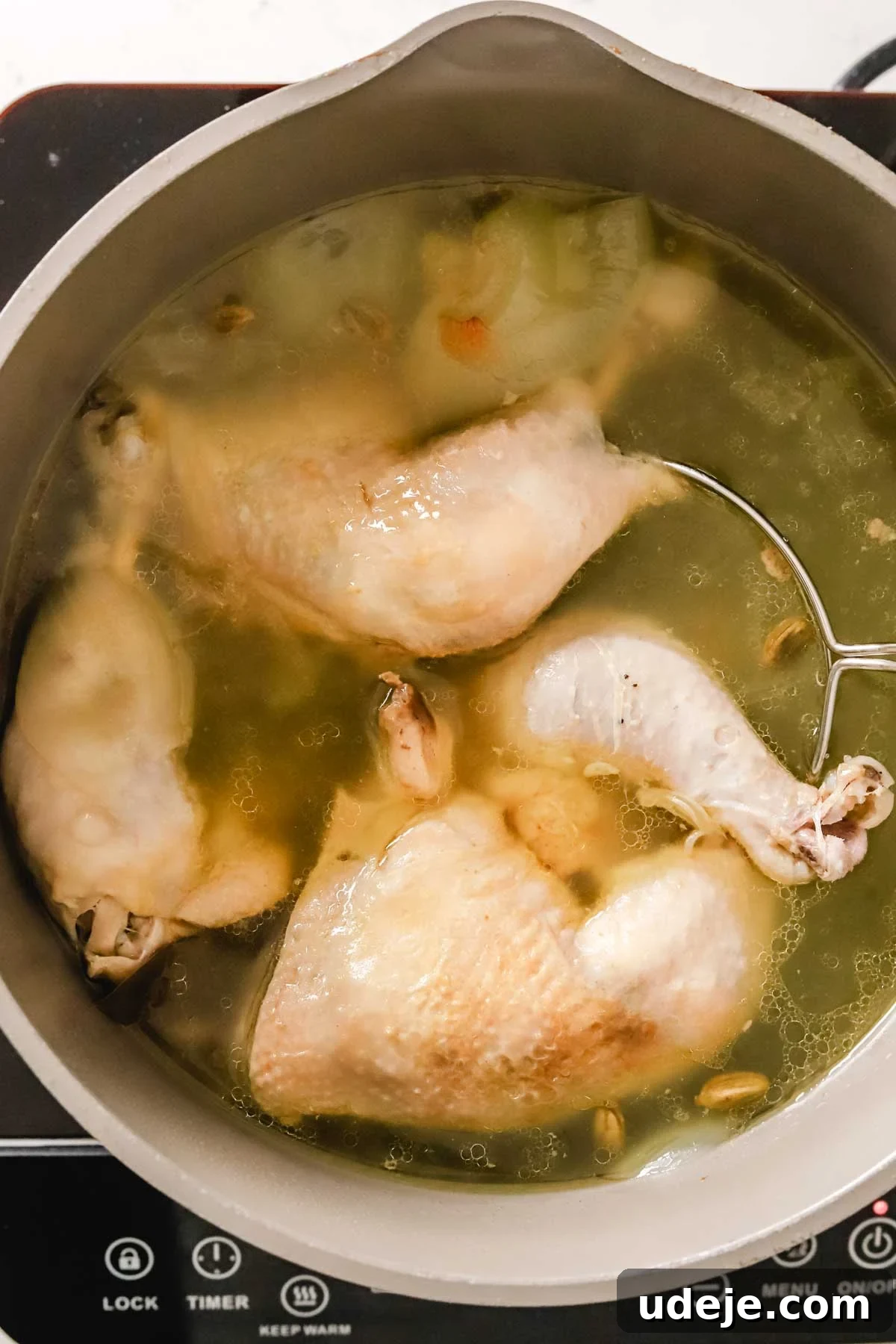
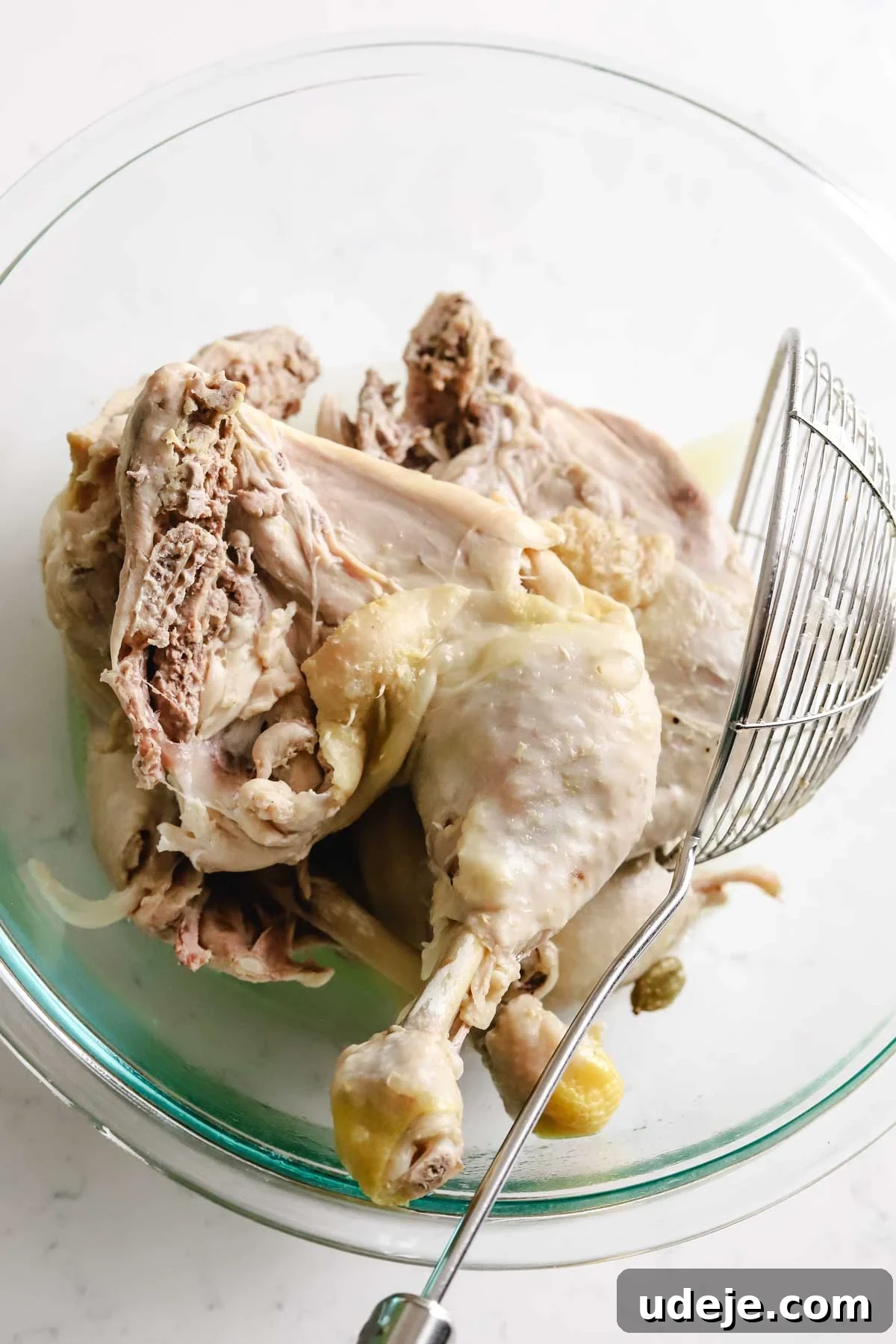
Begin by preparing your chicken and its broth, which will serve as the soul of your maftoul. In a large, deep stockpot, heat a tablespoon of olive oil over medium-high heat. Carefully add the bone-in, skin-on chicken pieces, searing them on all sides until they develop a light golden crust. This crucial step not only adds depth of flavor but also helps to prevent excessive foam from forming during boiling. Once seared, add the whole spices – bay leaves and green cardamom pods – along with a quartered yellow onion and a teaspoon of salt. Pour in about 6 cups of water (using boiled water from a kettle can expedite the process) and bring the mixture to a rolling boil. As it boils, use a spoon to skim off any foam that rises to the surface, ensuring a clear, clean broth. Reduce the heat to medium and simmer the chicken for 30 to 40 minutes, or until it is thoroughly cooked and tender. Carefully remove the cooked chicken pieces from the pot and set them aside. Strain the remaining broth through a fine-mesh sieve into a clean bowl, discarding the solids, and reserve this golden liquid for the stew and maftoul.
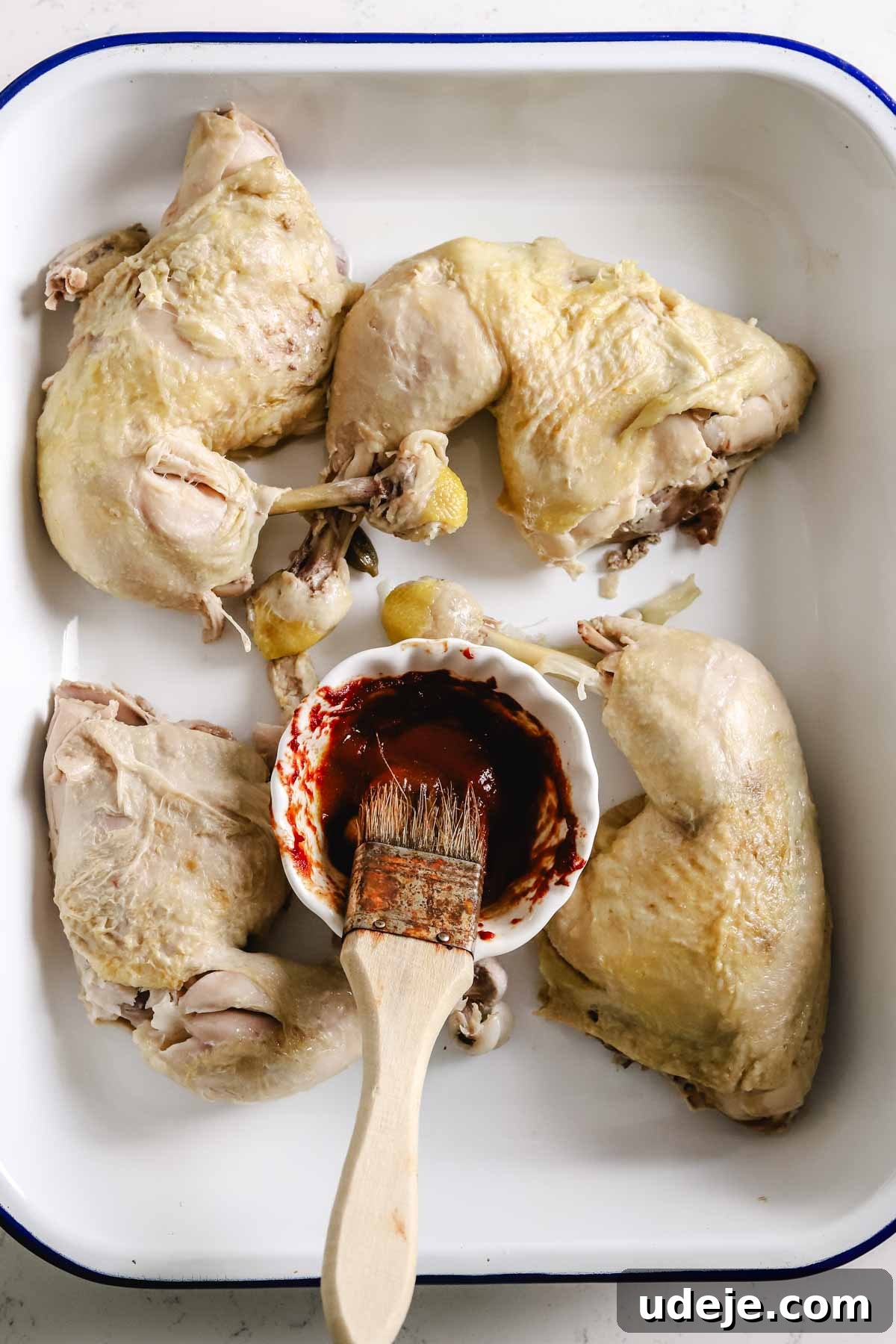
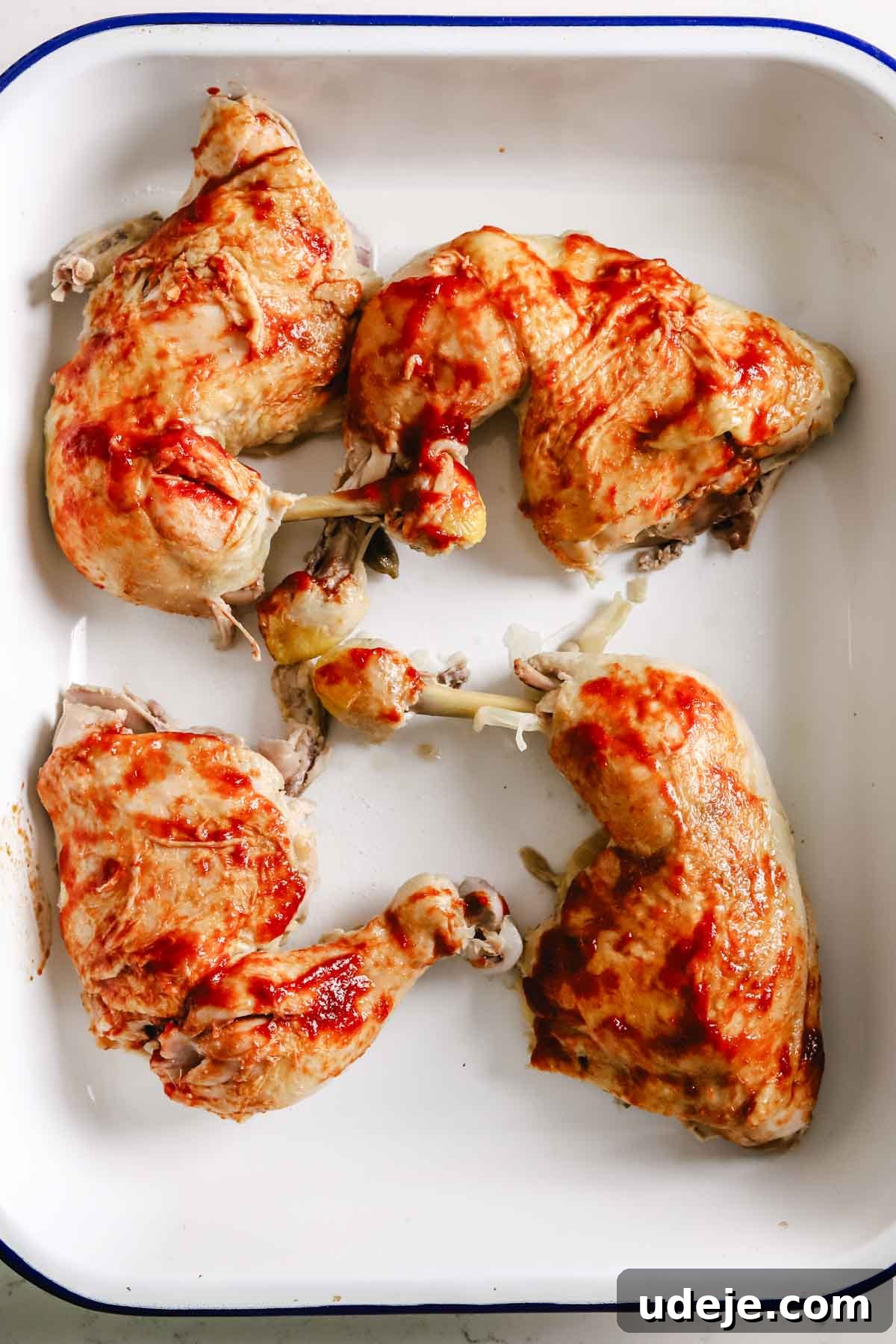
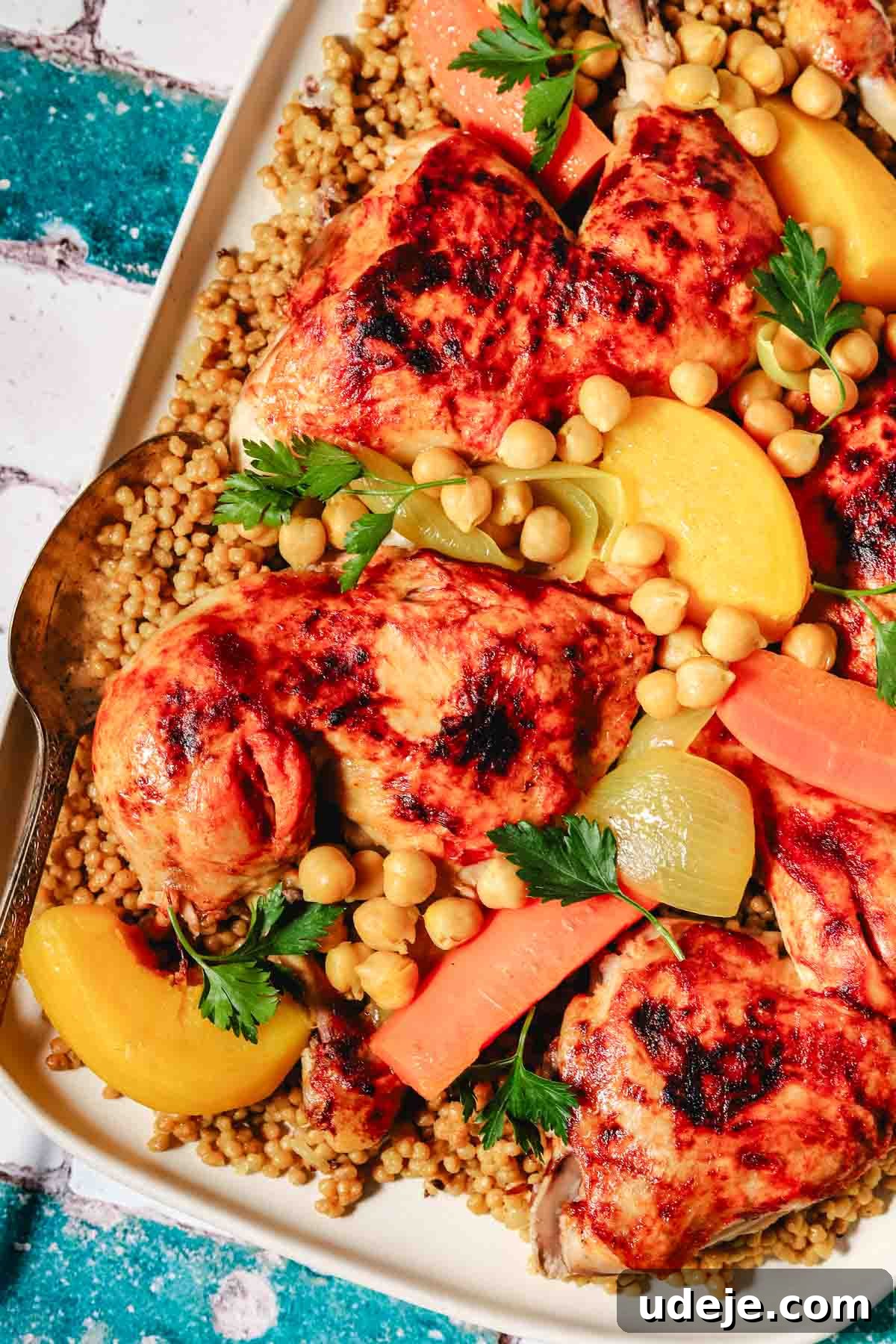
For an extra touch of presentation, especially when hosting guests, consider broiling the chicken. This optional step gives the chicken a beautiful, appetizing golden-brown color and a slightly crispy skin. Just before serving, mix a tablespoon of tomato paste with an equal amount of water to create a thin glaze. Brush this mixture generously over the tops of the cooked chicken pieces. Season with a sprinkle of salt and pepper, then place them under a hot broiler for 5-6 minutes, or until nicely browned and slightly charred at the edges. Watch them closely to prevent burning.
- **The Vegetable Stew (Yakhni):**
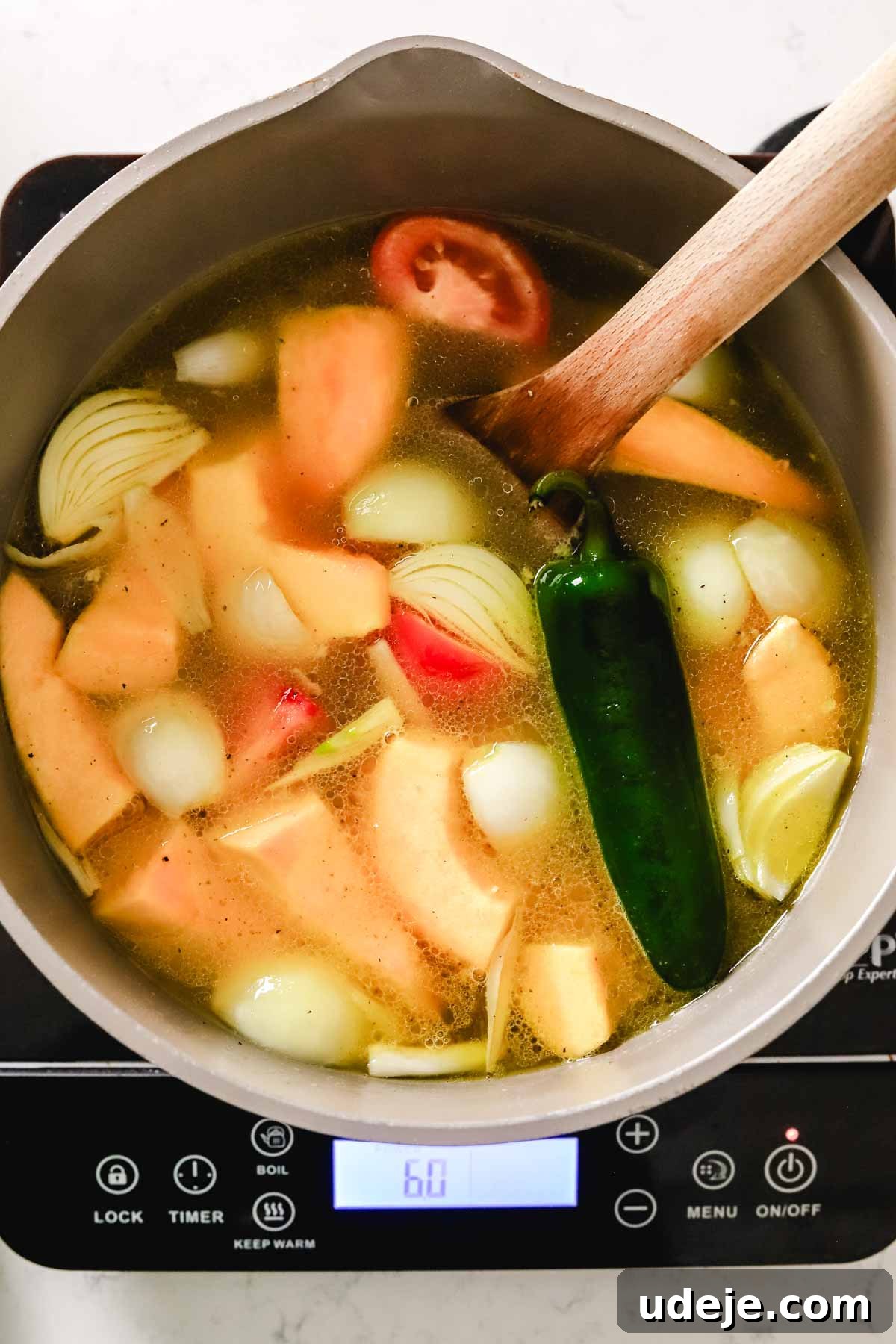
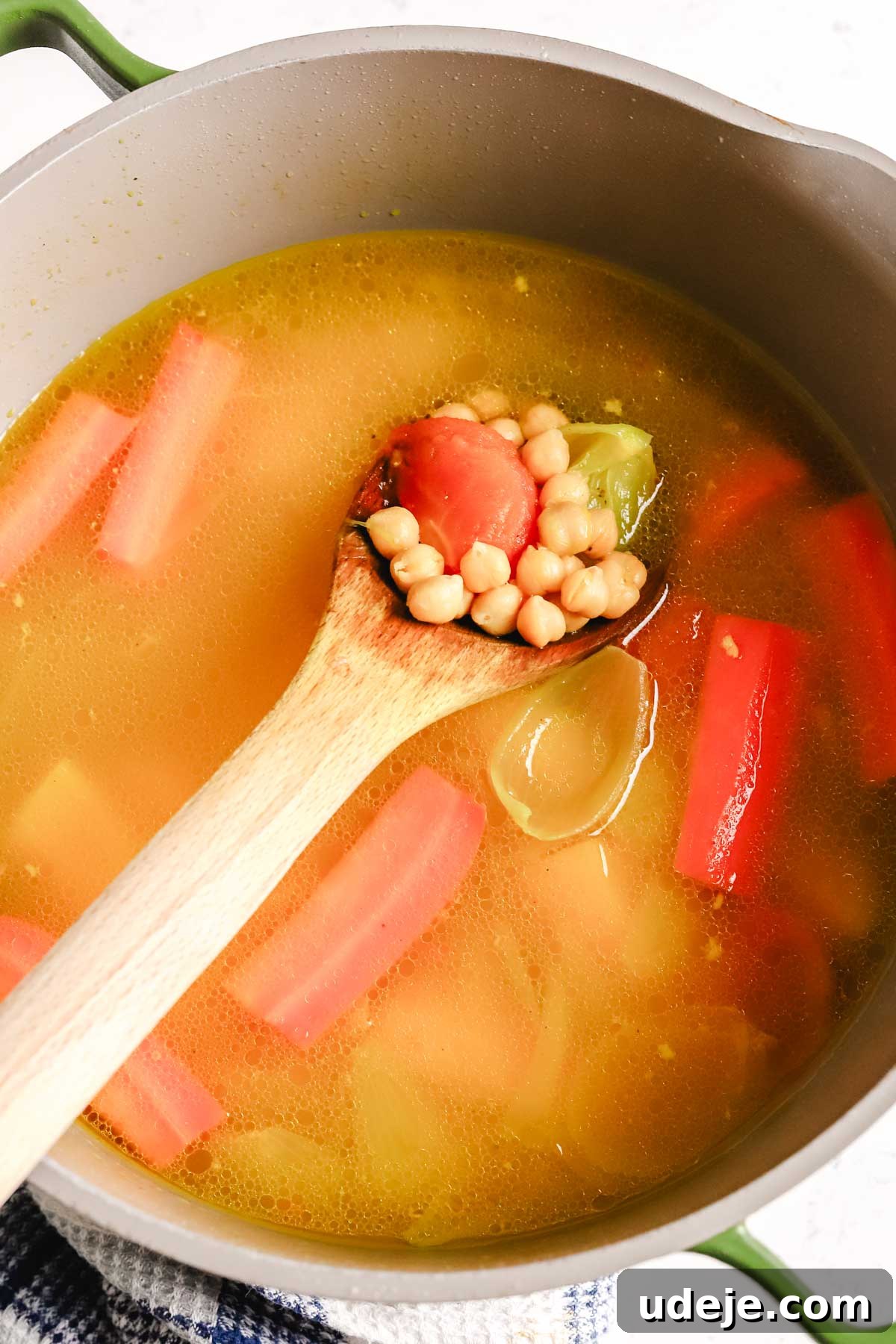
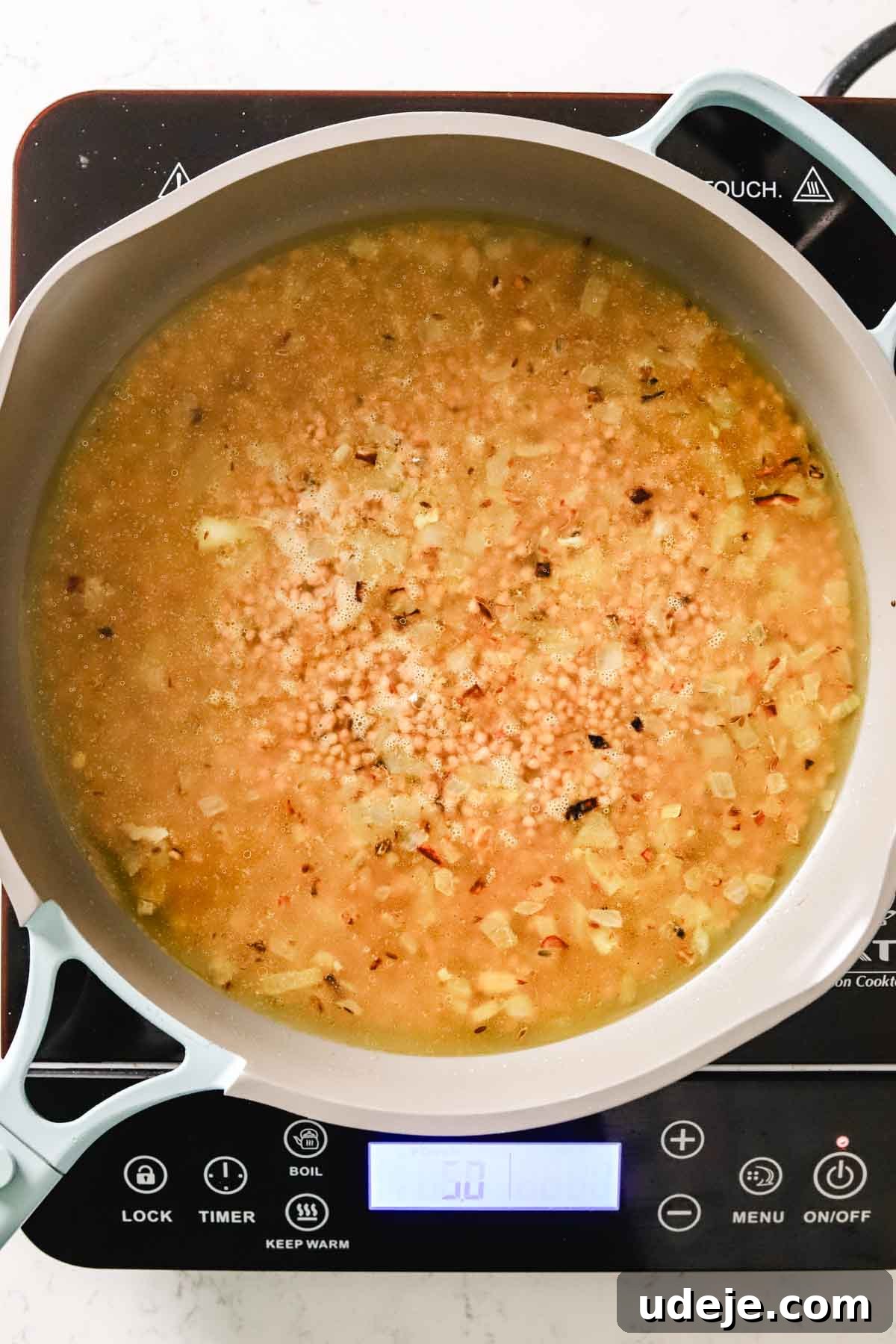
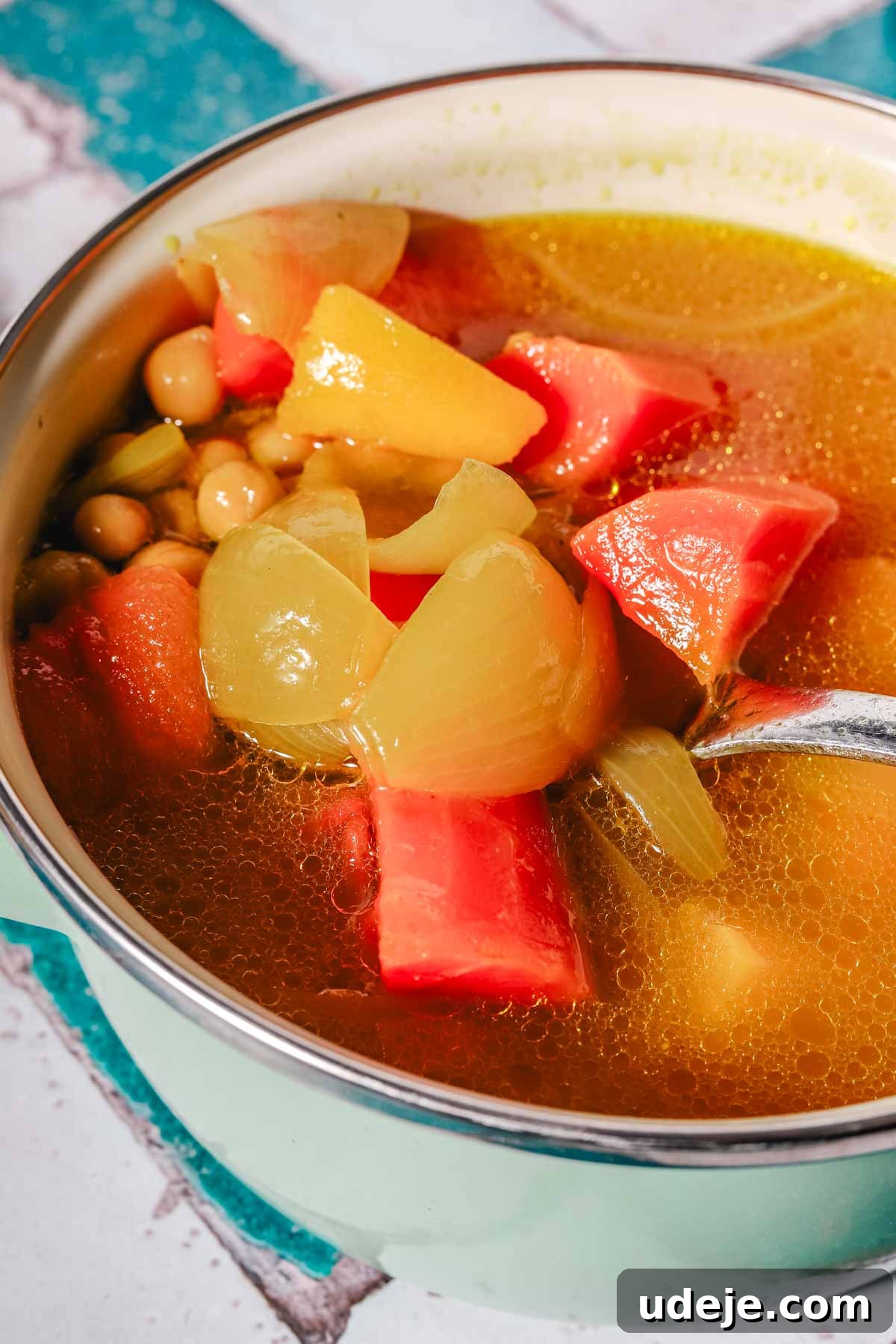
The flavorful broth you just prepared forms the base of the comforting vegetable stew. Return the strained chicken broth to the same pot, but remember to reserve 2 and 1/4 cups for cooking the maftoul later. Bring the broth to a medium heat. Ensure your vegetables are prepped: cut 2 medium yellow onions into large cubes, peel and chop 1 acorn squash into substantial 2-3 inch chunks, slice 1 large carrot into thick sticks, and quarter 2 ripe tomatoes. For a subtle hint of warmth and spice, include 1 whole jalapeno, or halve it for a more pronounced kick. Add all these prepared vegetables to the simmering broth, along with the stew seasonings: 1 teaspoon salt, 1/2 teaspoon black pepper, and 1/2 teaspoon turmeric. Stir gently to combine and allow the stew to simmer for about 15 minutes, or until the vegetables begin to soften. Finally, add one 540ml can of chickpeas (drained and rinsed), and let it cook for another 5-7 minutes. Before serving, taste the broth and adjust the salt and pepper as needed, ensuring the vegetables are tender yet retain a slight bite.
- **The Maftoul:**
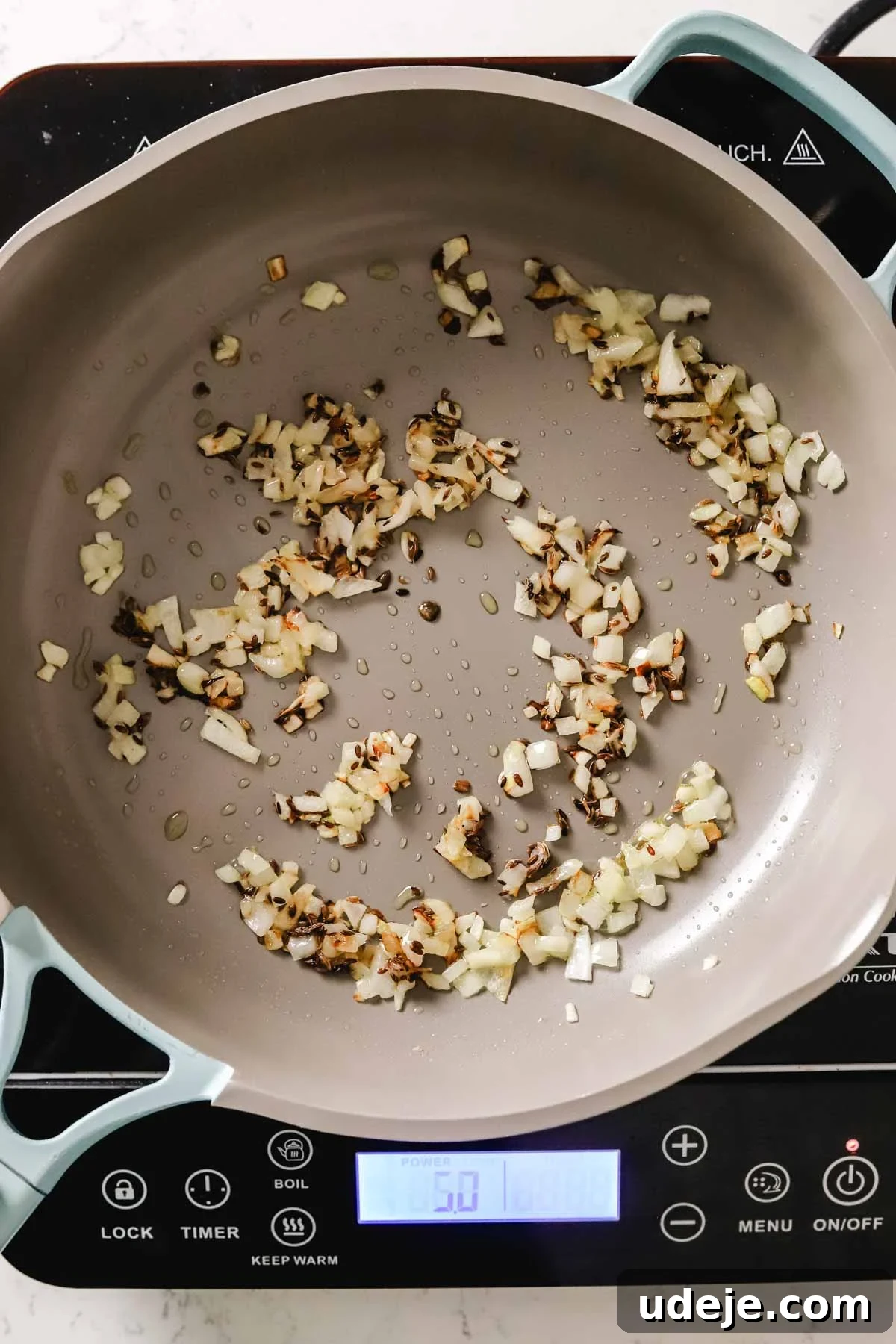
The final component is the maftoul itself. In a large skillet, heat 2 tablespoons of olive oil over medium heat. Add 1/2 small yellow onion, finely diced, and sauté for about 5 minutes until it softens and becomes translucent. This gentle sautéing brings out the onion’s natural sweetness. Next, add 1 teaspoon of dill seeds to the skillet. Toast them with the onions for 2-3 minutes, stirring constantly, until their fragrant, anisy aroma fills your kitchen. This step is crucial for developing the characteristic flavor of maftoul.
DID YOU KNOW: Dill Seeds are distinct from dried dill weed. While both come from the dill plant, the seeds possess a much stronger, more concentrated flavor with notes resembling caraway and anise. They are frequently used in pickling and give maftoul its signature aromatic depth.
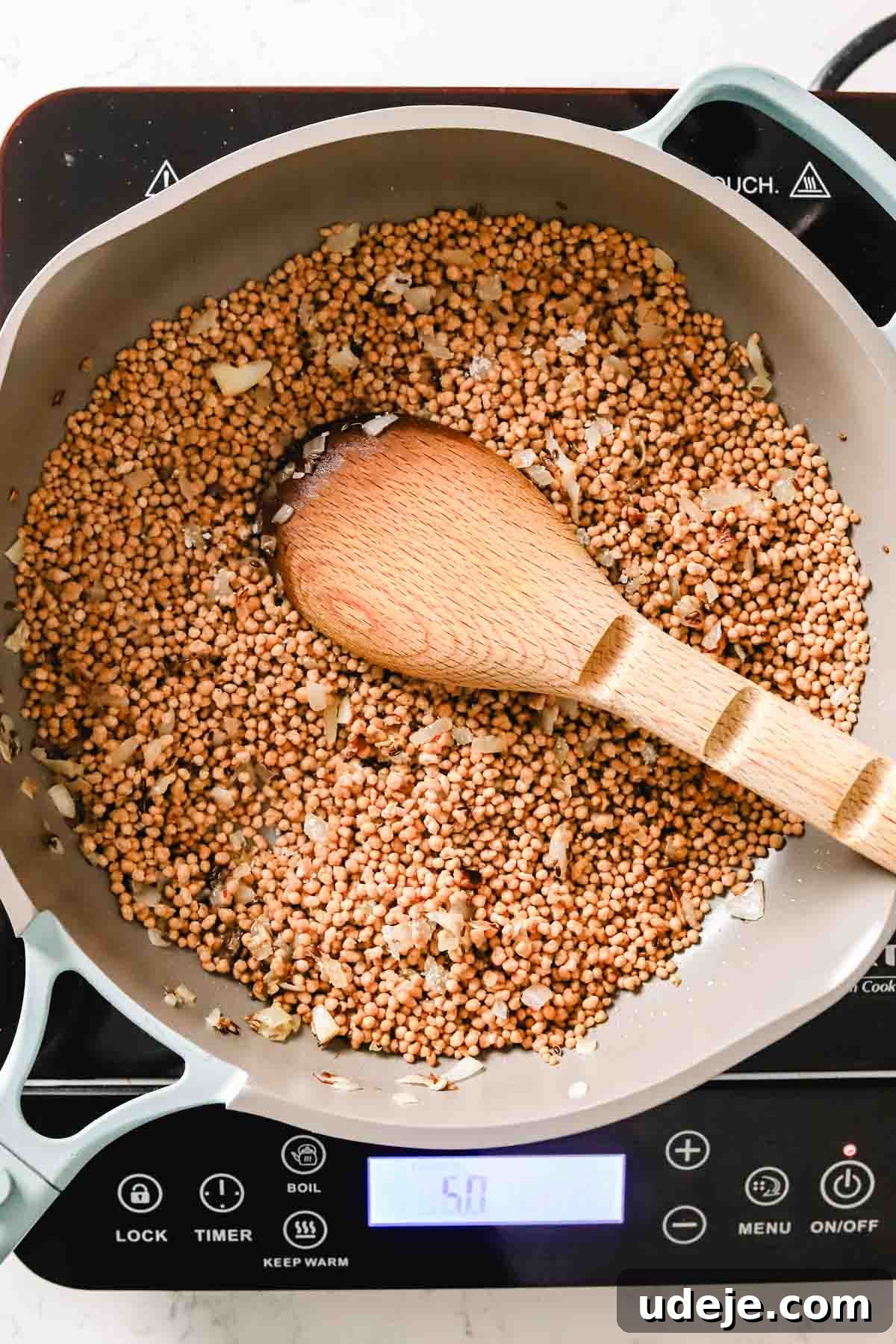
Once the dill seeds are fragrant, add 250 grams (approximately 1.5 cups) of maftoul to the skillet. Stir it gently with the sautéed onions and dill seeds for a few minutes, allowing the grains to lightly toast and absorb the initial flavors. Pour in the reserved 2 and 1/4 cups of chicken broth, along with 3/4 teaspoon of salt. Bring the mixture to a simmer, then reduce the heat to low, cover the skillet tightly, and let it cook for 15 minutes. This gentle simmering allows the maftoul to slowly absorb the broth, resulting in tender, perfectly cooked grains. After 15 minutes, remove the lid and gently fluff the maftoul with a fork to separate the grains.
Upon completion of cooking, the maftoul will have a delightful texture – soft, tender, and slightly chewy, with each grain distinct and perfectly infused with the savory flavors of the broth and dill. It should not be mushy but rather plump and satisfying.
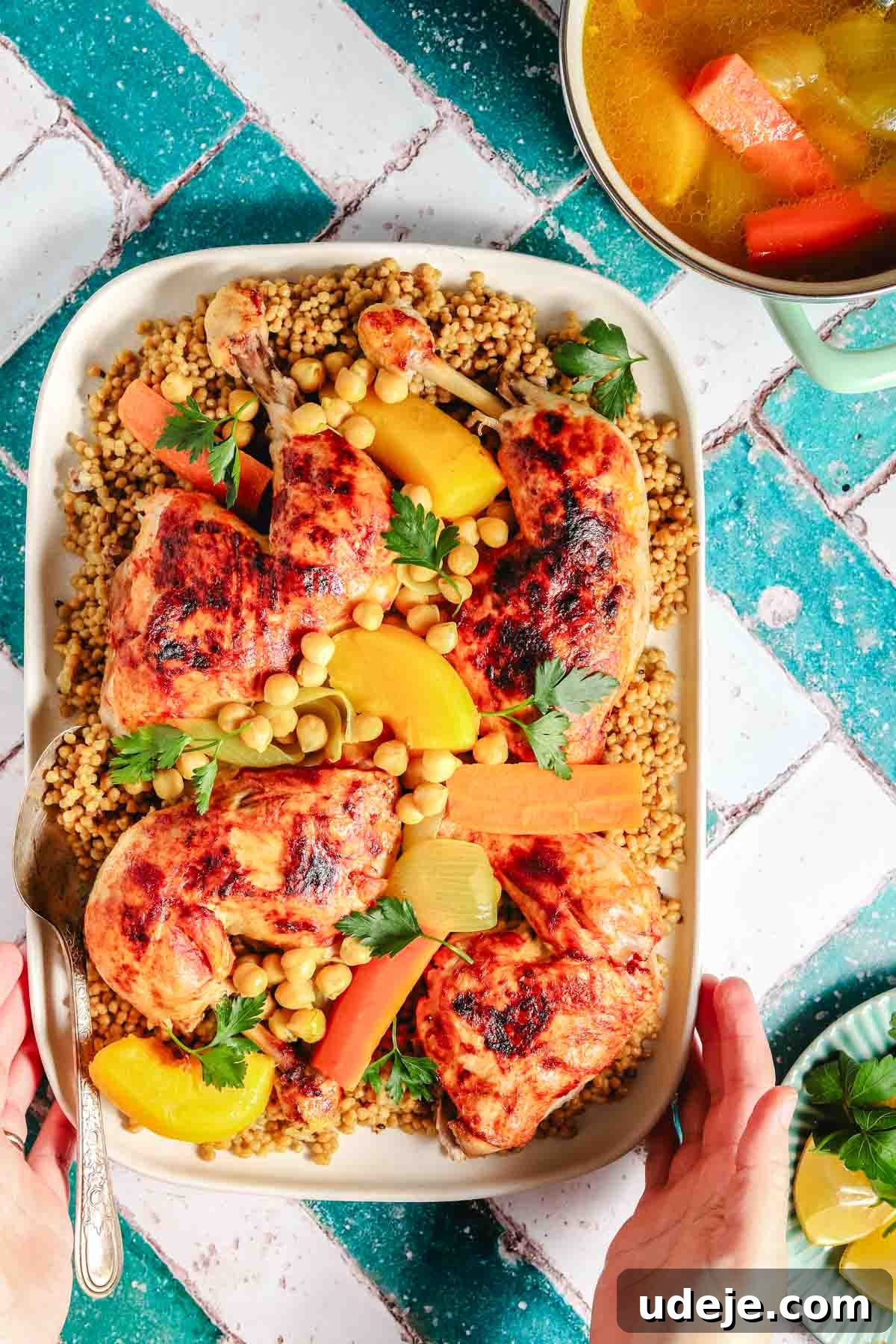
To serve this magnificent dish, spoon the cooked maftoul onto a large communal platter, spreading it out to form an inviting base. Arrange the beautifully broiled chicken legs on top of the maftoul. Then, generously distribute a medley of tender vegetables and chickpeas from the stew all over the platter. For a fresh touch and vibrant color, garnish the entire dish with a scattering of freshly chopped parsley leaves. The remaining vegetable stew should be served in a separate, deep bowl on the side, allowing each diner to add extra stew to their plate as desired. This communal presentation encourages sharing and embodies the true spirit of Palestinian hospitality, making every meal a special occasion.
If you tried these recipes, please consider leaving a star ⭐️⭐️⭐️⭐️⭐️ rating in the recipe card below and/or a review in the comments section further down the page – I’d love to hear from you! You can also hop on over to Instagram and say hello!
Authentic Maftoul with Chicken (Palestinian Couscous)
Leave a Review
Pin Recipe
Ingredients
For the Chicken Broth & Chicken:
- 1 tablespoon olive oil
- 4 bone-in, skin on chicken legs, or a whole chicken
- 3 bay leaves
- 6 green cardamom pods
- 1 yellow onion, peeled and quartered
- 1 teaspoon salt
- 1 tablespoon tomato paste
For the Stew:
- 2 medium yellow onions, peeled and chopped into large cubes
- 1 acorn squash, peeled and chopped into large chunks
- 1 large carrot, peeled and chopped into thick sticks
- 540 ml canned chickpeas
- 2 tomatoes, chopped into quarters
- 1 jalapeno , kept whole or cut in half for additional spice
- 1 teaspoon salt
- 1/2 teaspoon black pepper
- 1/2 teaspoon turmeric
For the Maftoul:
- 2 tablespoons olive oil
- 1/2 small yellow onion, finely diced
- 1 teaspoon dill seeds
- 3/4 teaspoon salt
- 2 1/4 cup chicken broth
- 250 grams maftoul, approx. 1.5 cups
Instructions
To Make the Chicken Broth:
-
In a deep stock pot, add the olive oil and heat it for a few minutes. Sear the chicken legs on both sides until lightly golden, working in batches if required.
-
Add the bay leaves, cardamom, quartered onion, and salt.
-
Add 6 cups of water (boiled water from the kettle to speed up the cooking process) over the chicken and bring to a boil.
-
Once boiling, use a spoon to skim off any foam that rises to the surface, if any. Continue to simmer the chicken on medium heat for 30-40 minutes until the chicken is cooked.
-
Remove the chicken from the pot and set aside. Strain the broth and set aside.
-
Just before serving: Mix the tablespoon of tomato paste with a tablespoon of water. Place the cooked chicken legs in an oven tray and brush the top of each piece with the tomato paste mixture. Sprinkle with a bit of salt and pepper, and broil for 5-6 minutes until they are browned.
To Make the Stew:
-
Once the chicken is finished cooking, return the strained broth to the pot, reserving 2 and 1/4 cups for the maftoul. Place on medium heat.
-
Ensure the squash, onions, carrots and tomato are cut up and ready. The squash should be in chunks roughly 2-3 inches big. The onions can be cut into eighths. The tomatoes are quartered, and the carrots are cut into 2-3 inch pieces. The jalapeno is kept whole for a slightly spicy flavour, but you can add more than one for more spice.
-
Add all the vegetables to the pot, along with the salt, pepper and turmeric. Mix and bring to a simmer. Cook for 15 minutes.
-
Drain the can of chickpeas and rinse through. Add the chickpeas to the pot after 15 minutes and cook for a further 5-7 minutes. Check that the vegetables are tender using a fork, and taste the broth for salt and pepper.
To Make the Maftoul:
-
In a large skillet, add the olive oil and heat it on medium for a few minutes. Add the diced onions and saute for 5 minutes until softened. Add the dill seeds and toast them with the onions for 2-3 minutes.
-
Add the maftoul to the skillet and stir with the onions and dill seeds for a few minutes. Add the chicken stock and stir. Bring to a boil, then cover and cook on low for 15 minutes. Open the lid and fluff with a fork.
To Serve:
-
In a platter, spoon the maftoul to create the base layer. Add the broiled chicken legs, then add some of the vegetables and chickpeas from the stew all over the platter. Garnish the platter with parsley. Serve the stew in a bowl on the side. Maftoul and chicken are spooned into plates, with more stew as needed on top, per preference.
Notes
- The vegetable stew can be optional; you can choose to just serve the maftoul with chicken.
- If you can’t find Palestinian maftoul, substitute pearl couscous or moghrabieh.
- You can also use a whole chicken instead of chicken legs.
- Broiling the chicken legs is optional but gives a nice colour, especially if serving for guests.