
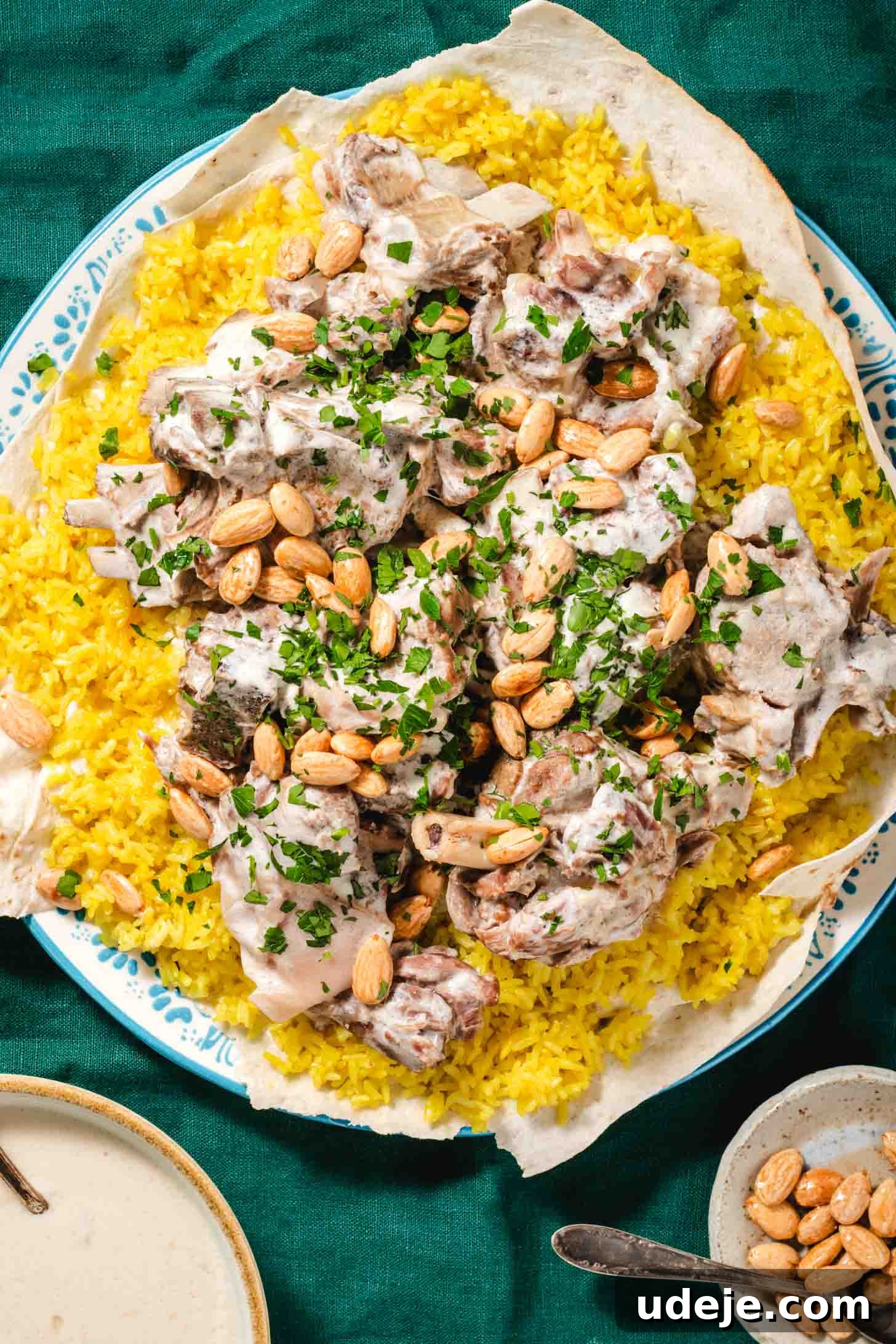
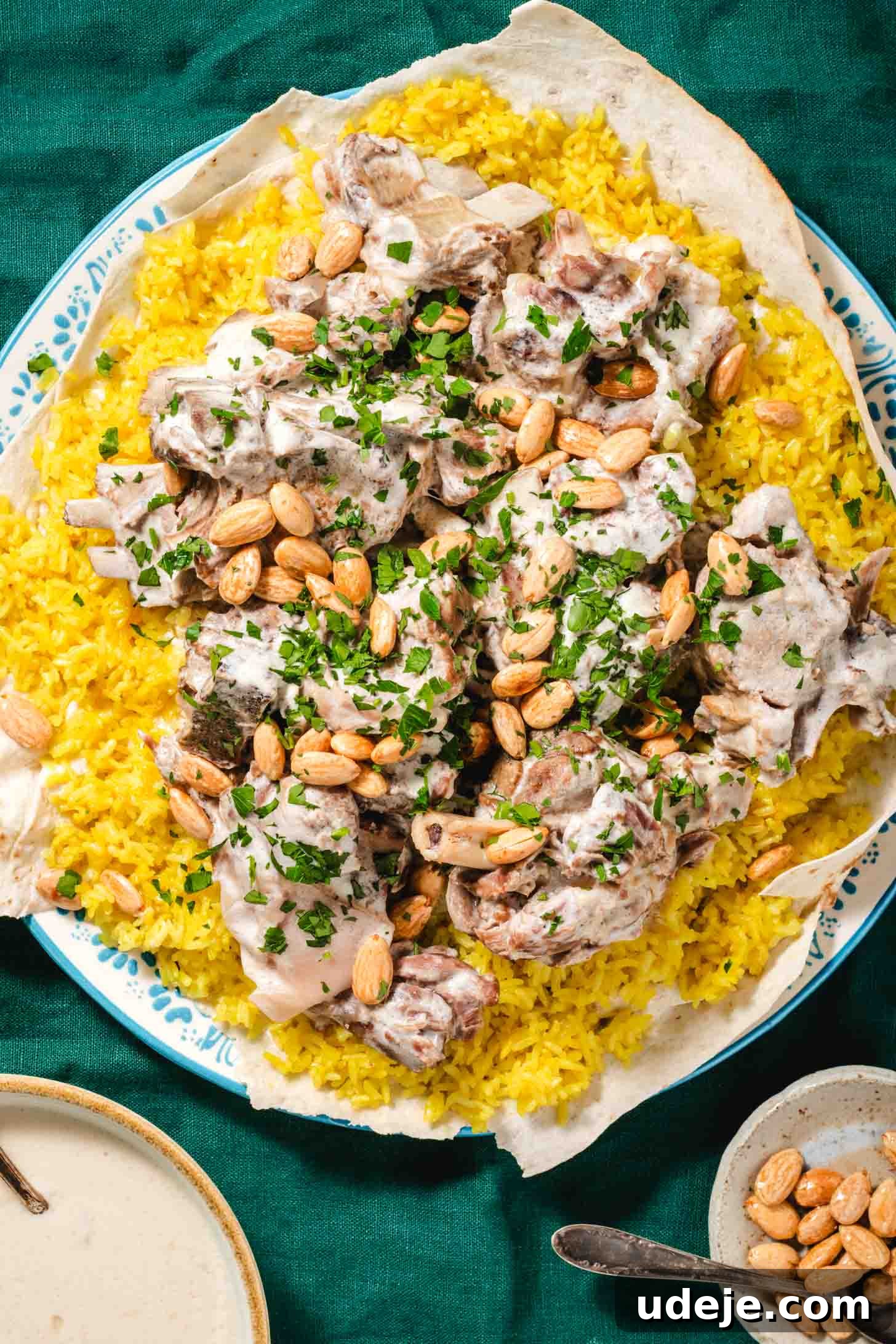
Step into the heart of Jordanian hospitality with Mansaf, the revered national dish that embodies tradition, community, and an unparalleled culinary experience. More than just a meal, Mansaf is a grand gesture, a centerpiece reserved for life’s most cherished moments and significant celebrations. This iconic dish showcases exquisitely tender lamb, slow-cooked to perfection in a distinctive, tangy jameed yogurt sauce, served atop a bed of fragrant yellow rice, and elegantly garnished with golden, toasted nuts. Prepare to embark on a culinary journey that will not only guide you through crafting this magnificent dish but also deepen your appreciation for its cultural significance.
My Culinary Journey: From Skeptic to Mansaf Enthusiast
As a passionate admirer of lamb, I must confess that Mansaf wasn’t always a dish I cherished. Growing up, my encounters with Mansaf were typically limited to restaurant settings, and, to be frank, I often found myself less than impressed. The fermented essence of jameed, combined with a sometimes overpowering gaminess from the lamb, created a flavor profile that didn’t quite resonate with my palate.
However, this particular recipe marked a turning point in my relationship with Mansaf. It was an epiphany: homemade Mansaf, crafted with care and high-quality ingredients, far surpasses any restaurant version I had ever tasted. The ability to select fresh, premium lamb and meticulously prepare it allowed me to control the flavors and achieve a tender, succulent result that was simply divine. This revelation transformed my perception of Mansaf entirely, making me a true believer in its comforting and deeply flavorful appeal.
The journey to perfecting this dish begins much like other cherished lamb recipes, such as Iraqi Quzi or Maqluba: through the art of slow cooking. The lamb is gently boiled or pressure-cooked with a medley of whole, aromatic spices until it reaches an exquisite, fall-apart tenderness. This crucial first step lays the foundation for a rich and flavorful broth, which is then meticulously strained and becomes the soul of both the fragrant rice and, most importantly, the signature jameed sauce.
Cooking lamb in yogurt might seem unconventional to some, but it’s a technique deeply rooted in Middle Eastern culinary traditions. Syrian cuisine, for instance, features a delightful dish called Shakriyeh, which involves cooking lamb in unfermented plain yogurt. What truly distinguishes Mansaf, however, is the indispensable use of jameed – a unique, fermented, and sun-dried yogurt that imparts its characteristic tangy and slightly salty flavor, making Mansaf an unforgettable culinary masterpiece.
This recipe has undeniably reshaped my perspective on Mansaf. After savoring a generous portion myself, I shared the remaining dish with my Italian neighbor, whose enthusiastic reviews confirmed that this recipe was indeed ready to be shared with the world. Its rich flavors and comforting warmth are perfect for making any gathering memorable.
Crafting Authentic Mansaf: A Step-by-Step Guide
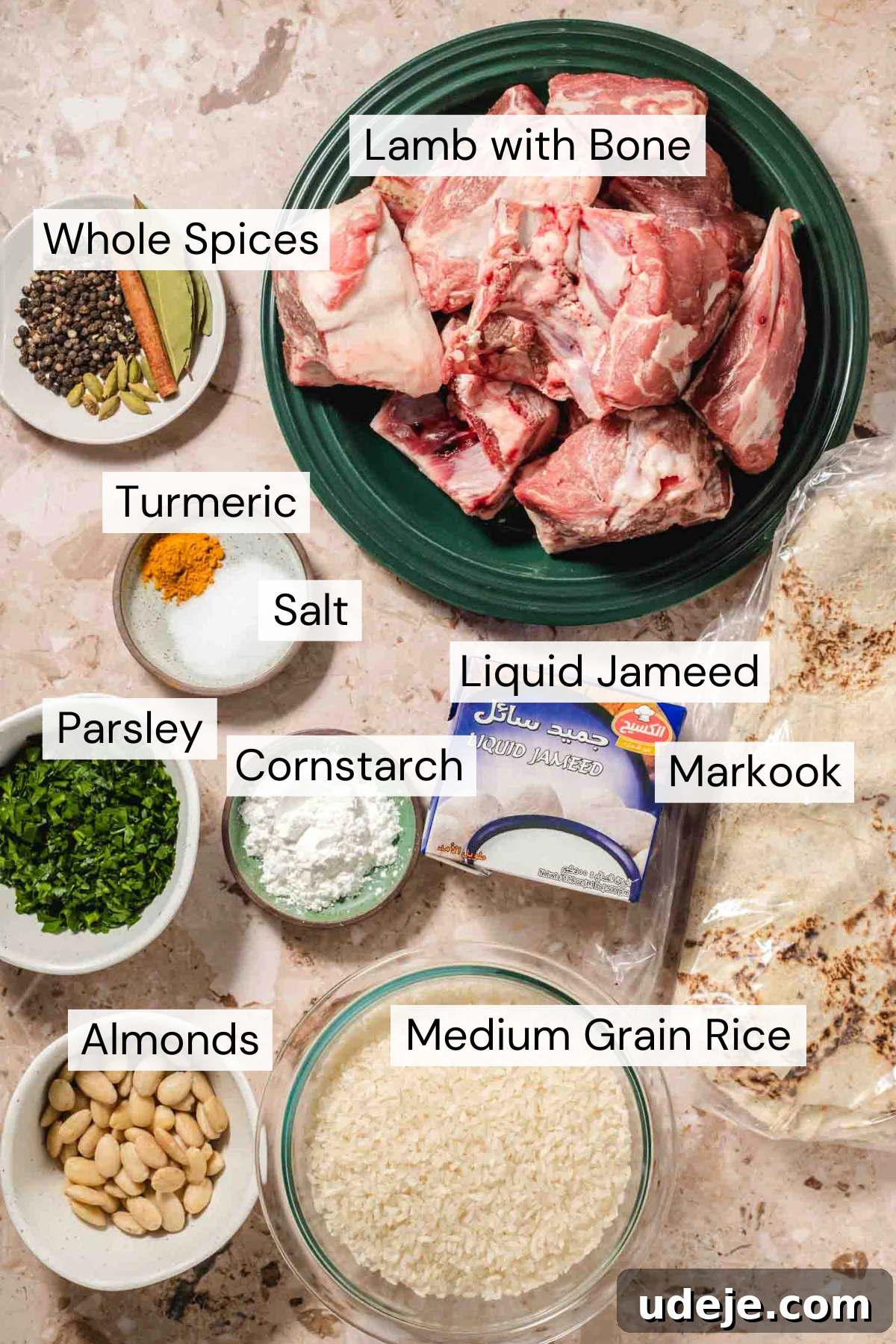
Creating an exceptional Mansaf begins with selecting the right ingredients and understanding their roles in developing its signature flavors. Here’s what you’ll need and some crucial notes to guide you:
- Jameed: This fermented yogurt is the heart of Mansaf. I personally favor liquid jameed for its convenience and consistent texture. However, if solid jameed is your only option, don’t worry—the recipe card provides detailed instructions on how to rehydrate and prepare it for use. Its distinct tartness is what makes Mansaf truly unique.
- Rice: Authenticity in Mansaf calls for medium-grain rice, often referred to as Egyptian rice. Its ability to absorb flavors and achieve a slightly sticky, yet distinct, texture is paramount. Basmati rice, with its long grains and fluffy nature, is generally not used for Mansaf as it doesn’t offer the desired consistency.
- Markook Bread: This thin, unleavened flatbread serves as the traditional first layer when assembling Mansaf. It soaks up the rich jameed sauce and lamb juices, adding an extra dimension of flavor and texture. If markook bread is unavailable in your area, you can certainly omit it without compromising the core integrity of the dish, though it adds a lovely traditional touch.
- Lamb: Opt for bone-in lamb shoulder, cut into medium-sized pieces. The bone adds depth of flavor to the broth, and the shoulder cut yields tender, succulent meat after slow cooking. Freshness is key to avoiding any undesirable gaminess.
- Aromatic Spices: Whole spices like cardamom pods, bay leaves, cinnamon stick, and black peppercorns are essential for infusing the lamb and its broth with a fragrant, warm, and inviting aroma.
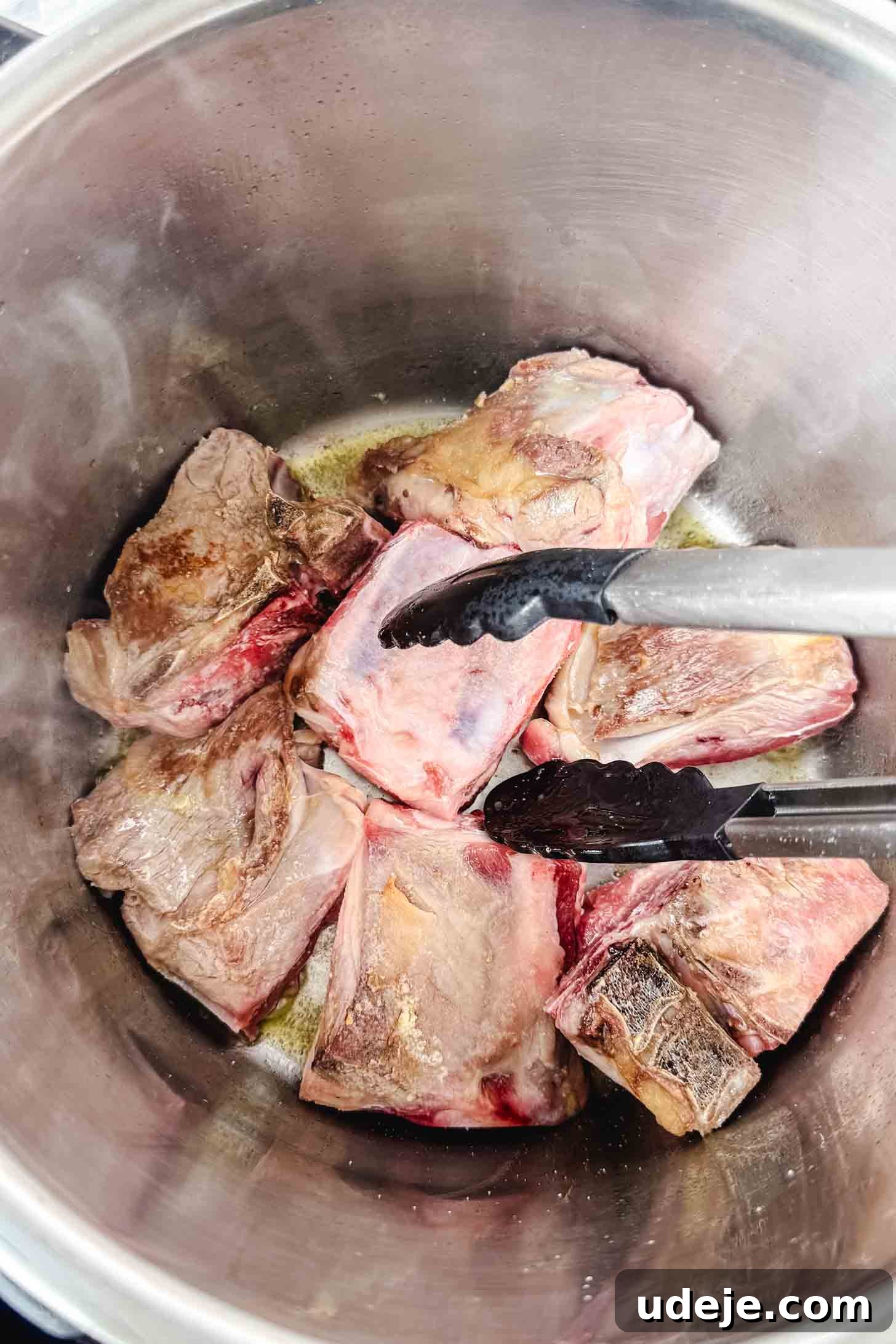
The culinary journey towards Mansaf begins with the cornerstone of the dish: perfectly cooked, tender lamb.
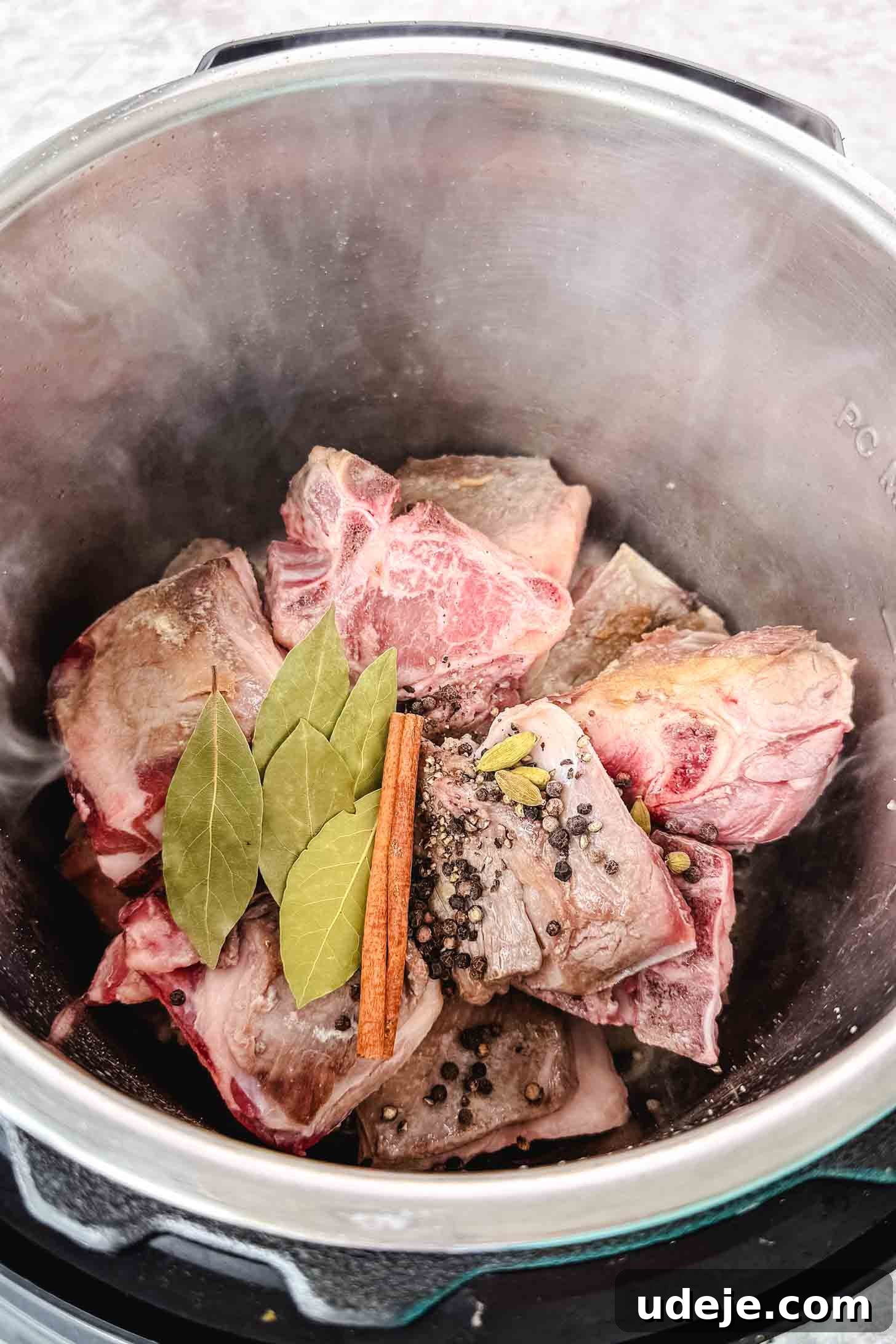
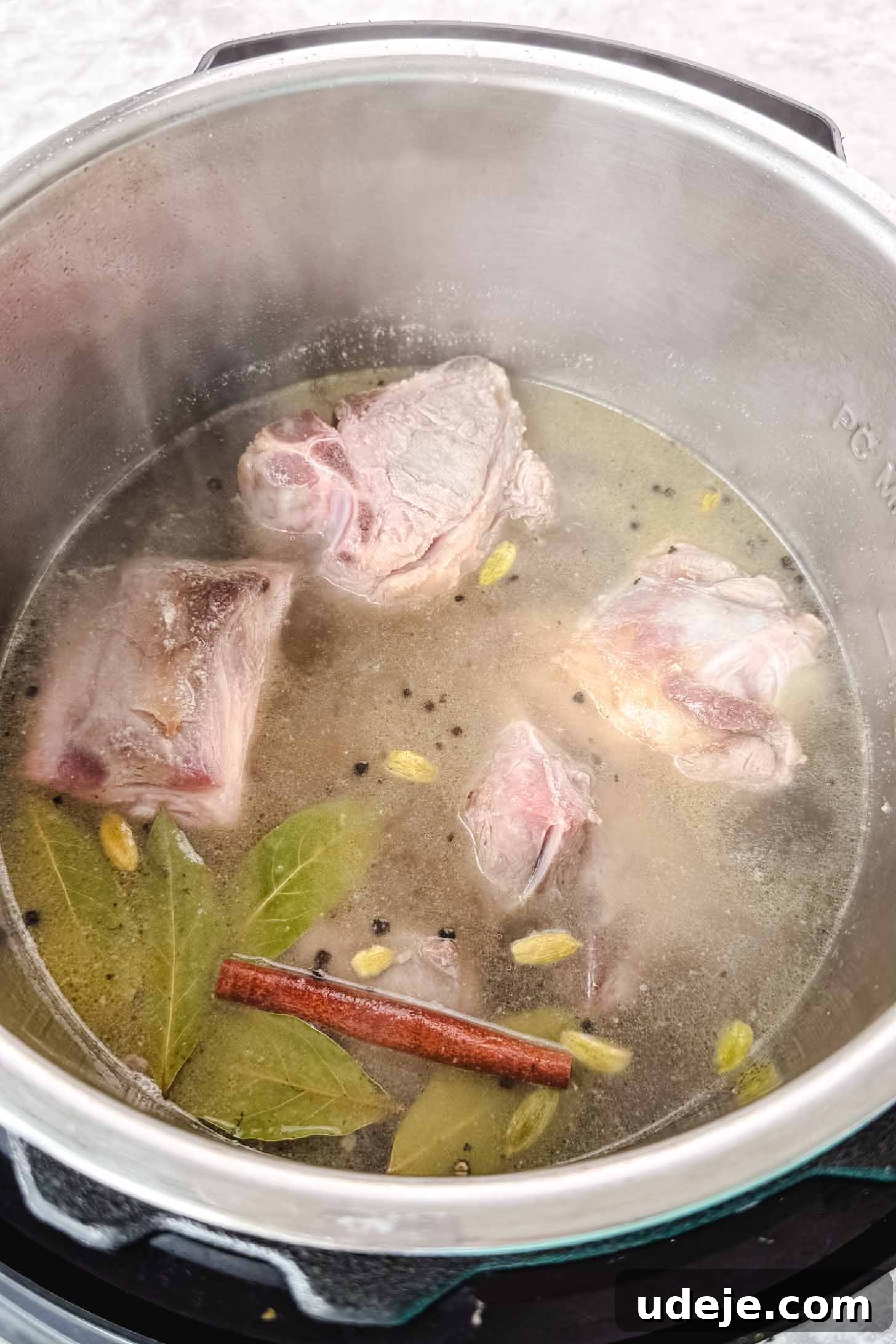
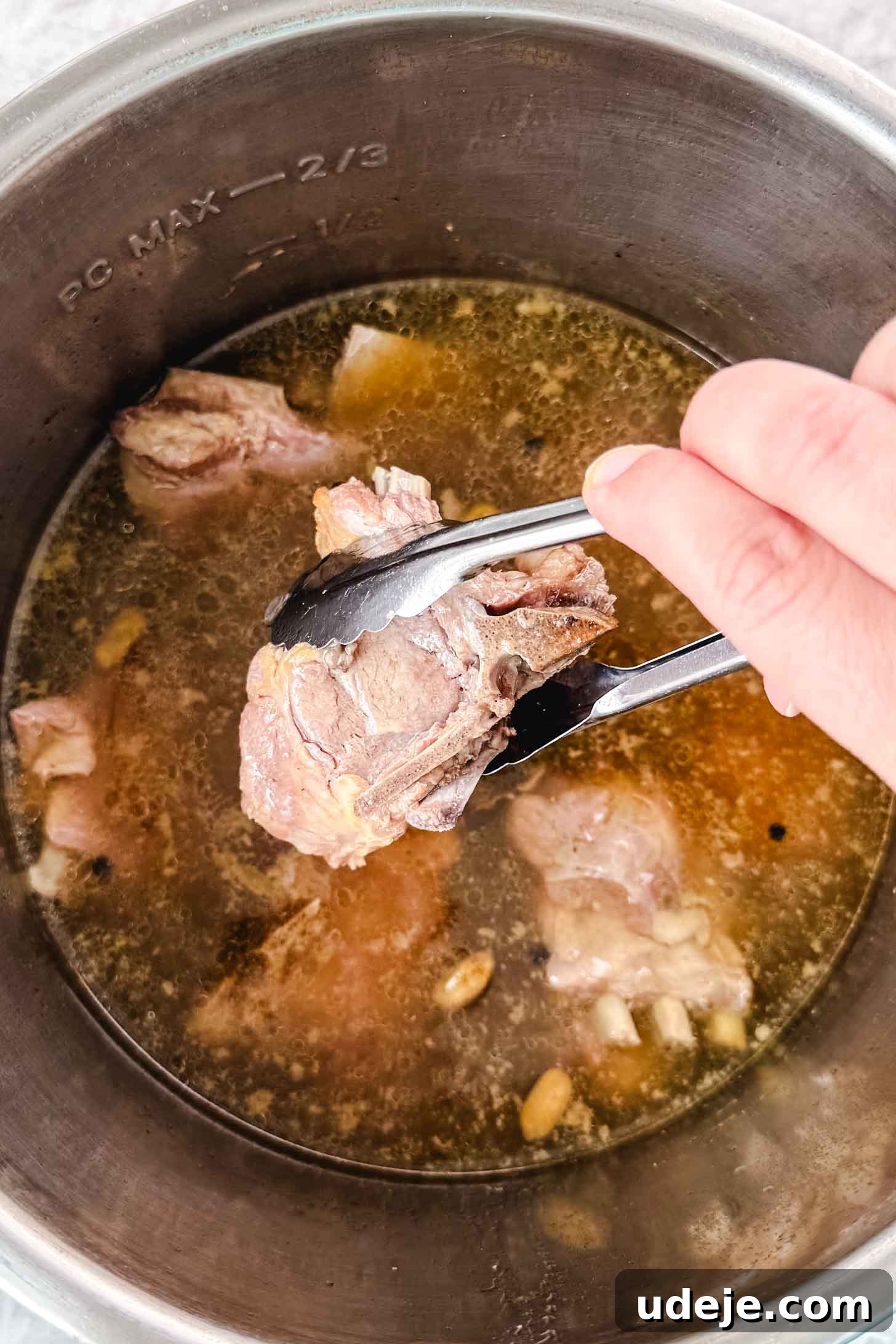
Once the lamb is perfectly cooked, carefully strain the rich, aromatic broth. This liquid gold is indispensable, forming the flavorful base for both the accompanying rice and the distinctive jameed sauce. Aim to reserve approximately 5-6 cups of this prepared broth. Should you find yourself with less than the required amount, simply supplement with water to achieve the necessary volume, ensuring your Mansaf is infused with robust flavors from start to finish.
Once all components are ready, the assembly of Mansaf transforms into an exciting and visually appealing process, culminating in a dish that is as beautiful as it is delicious. This is where the distinct layers come together to form the ultimate Jordanian feast.
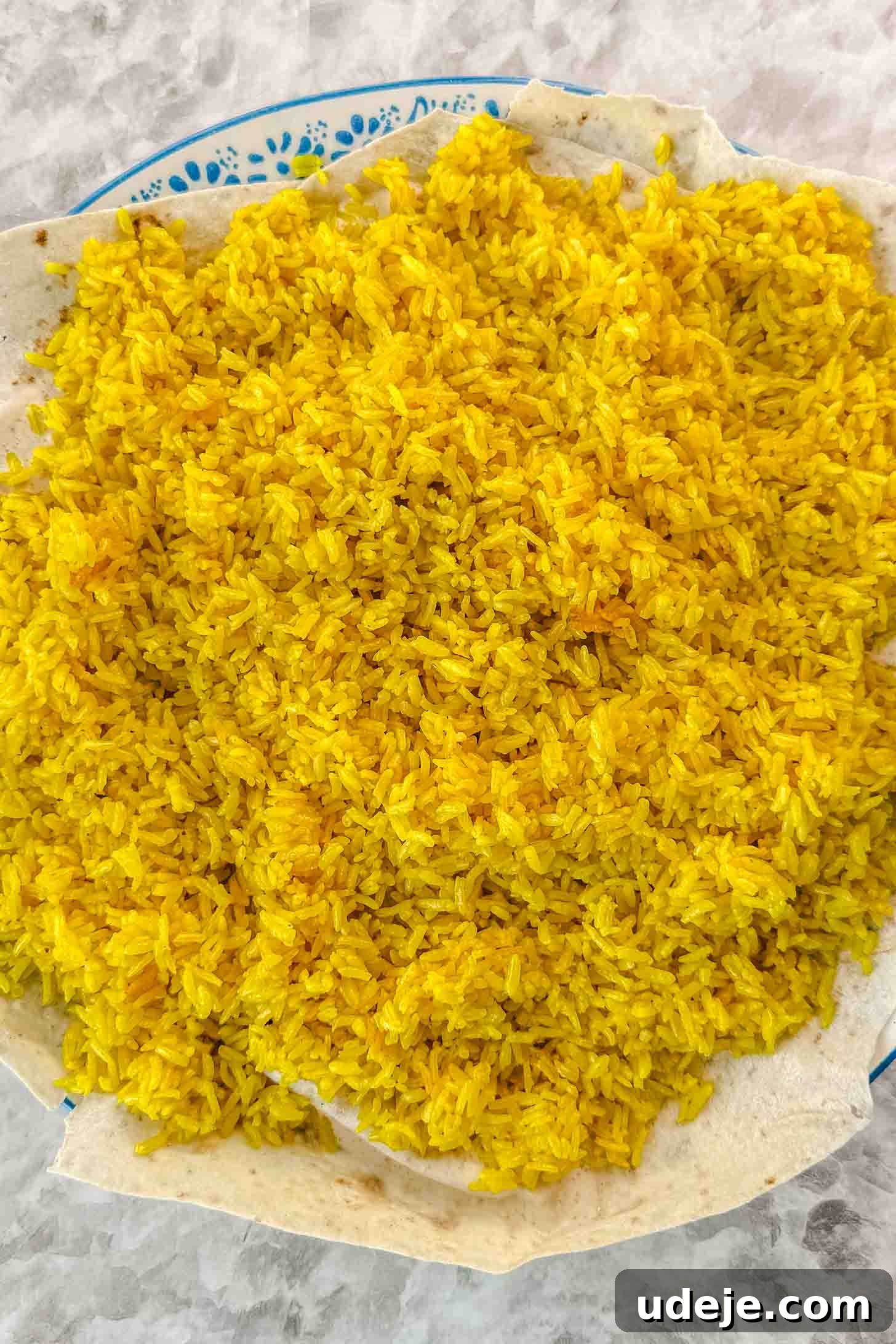
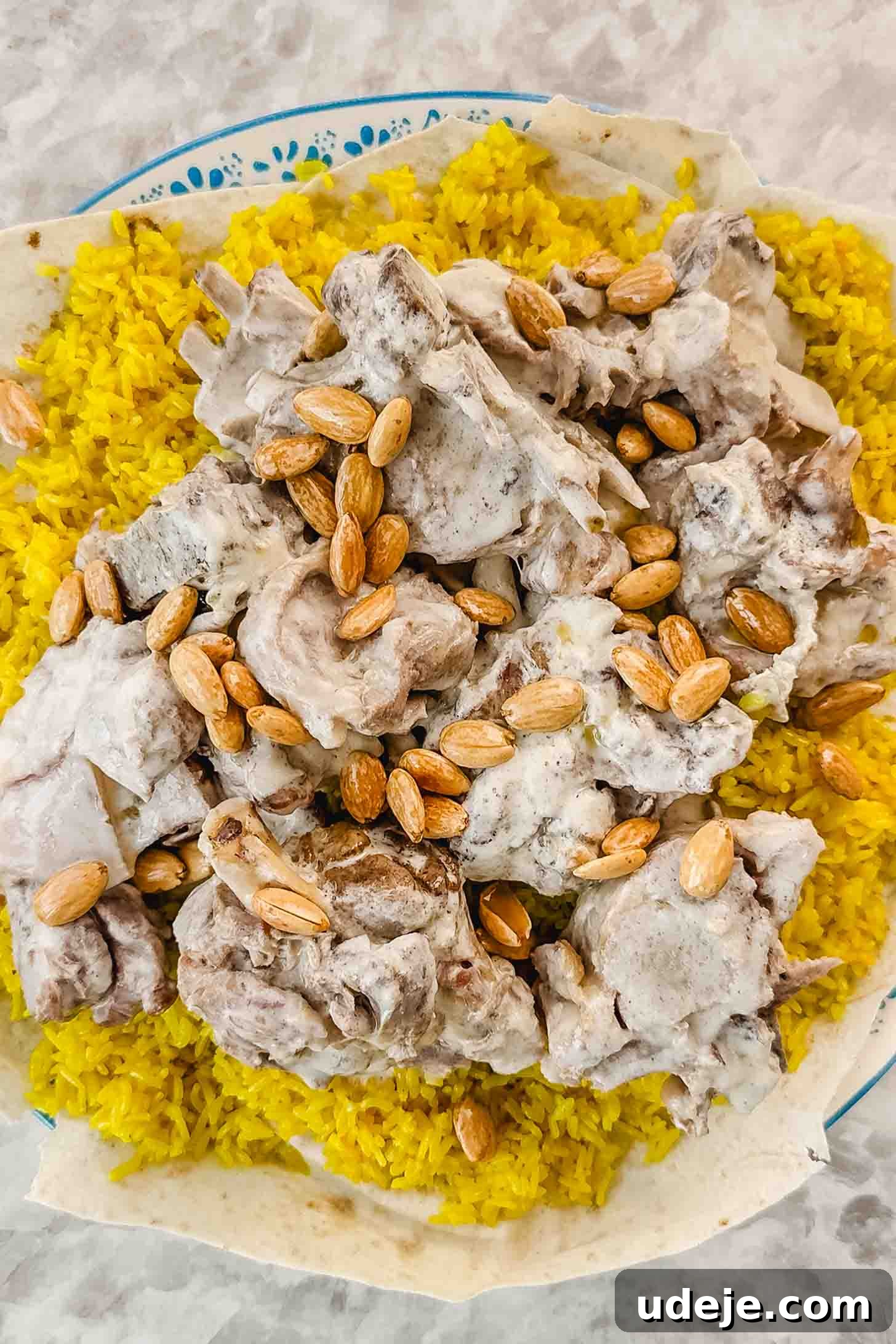
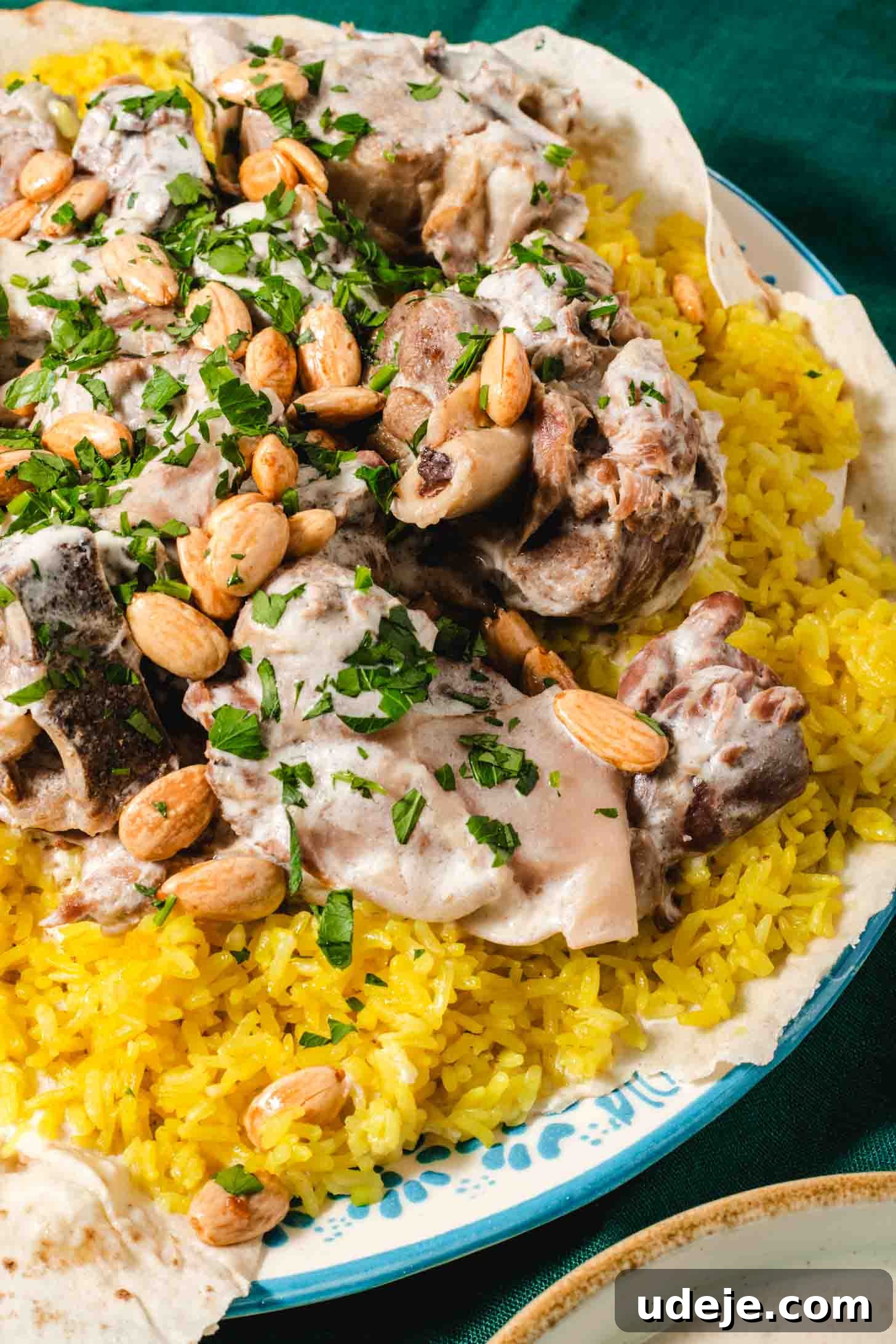
Mansaf is best savored hot, served immediately after assembly. This magnificent dish is truly ideal for entertaining, as it’s designed to generously feed a crowd and foster a sense of communal dining and celebration. Its rich and hearty nature often leads to a delightful food coma, so be prepared for a relaxing nap afterwards! To provide a refreshing counterpoint to the dish’s richness, I recommend serving Mansaf with an assortment of fresh accompaniments like crisp green onions, thinly sliced radish, peppery arugula, and vibrant chopped parsley. These fresh elements cut through the creamy tang of the jameed and the richness of the lamb, balancing the flavors beautifully and enhancing the overall experience.
Beyond its incredible taste, Mansaf holds profound cultural significance in Jordan. It’s more than just food; it’s an emblem of generosity, hospitality, and respect. Traditionally served on a large, communal platter, it encourages sharing and brings people together. Whether it’s a wedding, an Eid celebration, a special family gathering, or simply welcoming esteemed guests, Mansaf is the dish that signifies warmth and welcome. Its preparation, often a labor of love, reflects the deep-rooted traditions and family values that are central to Jordanian culture. This dish isn’t just eaten; it’s experienced, creating lasting memories around the dining table.
Other Lamb Recipes You Will Enjoy
If you tried these recipes, please consider leaving a star ⭐️⭐️⭐️⭐️⭐️ rating in the recipe card below and/or a review in the comments section further down the page – I’d love to hear from you! You can also hop on over to Instagram and say hello!
Jordanian Mansaf (Lamb with Jameed)
Leave a Review
Pin Recipe
Ingredients
For the Lamb
- 1½-2 kilogram bone-in lamb shoulder, cut into medium sized pieces
- 1½ teaspoons salt
- 2 tablespoons olive oil or ghee
- water to cover lamb
- 10 cardamom pods
- 5 bay leaves
- 1 cinnamon stick
- 1 tablespoon black peppercorns
For the Rice
- 2 tablespoons olive oil or ghee
- ¼ teaspoon turmeric
- 2 teaspoons salt
- 3 cups medium grain rice (Egyptian rice), washed and soaked for 30 minutes (see notes)
- 3 cups prepared lamb stock, or water (see notes)
For the Jameed Sauce
- 500 grams liquid jameed, see notes for solid jameed alternative
- 2 tablespoons cornstarch
- 2 cups prepared lamb stock
For Serving & Garnish
- 2 large pieces of thin bread like markook
- ½ cup blanched almonds, toasted in olive oil until golden brown
- ½ cup fresh parsley, finely chopped
- Optional: Green onions, radish, arugula for serving
Instructions
For the Lamb
-
In a spacious bowl, generously sprinkle the lamb pieces with 1½ teaspoons of salt, ensuring an even coating. Heat the olive oil or ghee in a large, heavy-bottomed pot over medium heat until shimmering. Carefully sear the lamb pieces for 2-3 minutes on each side, allowing them to develop a beautiful, lightly golden crust. This searing step locks in flavor and creates depth. Once seared, pour enough water over the lamb to fully cover it, then add the whole spices: cardamom pods, bay leaves, cinnamon stick, and black peppercorns. Bring the liquid to a rolling boil, then reduce the heat to medium-low, cover the pot, and let it simmer gently for 1.5 to 2 hours, or until the lamb is incredibly tender and easily falls from the bone. For a quicker method, after searing in an Instant Pot, pressure cook the lamb for approximately 40 minutes.
-
Once the lamb is thoroughly cooked, carefully remove the lamb pieces and set them aside. Strain the lamb broth into a separate bowl, ensuring all solid spices are removed. You will need approximately 3 cups of this rich lamb stock for cooking the rice and an additional 2-3 cups for preparing the jameed sauce. If your strained broth yields less than 5 cups in total, simply add water to reach the required volume. This ensures both your rice and sauce are packed with flavor.
For the Rice
-
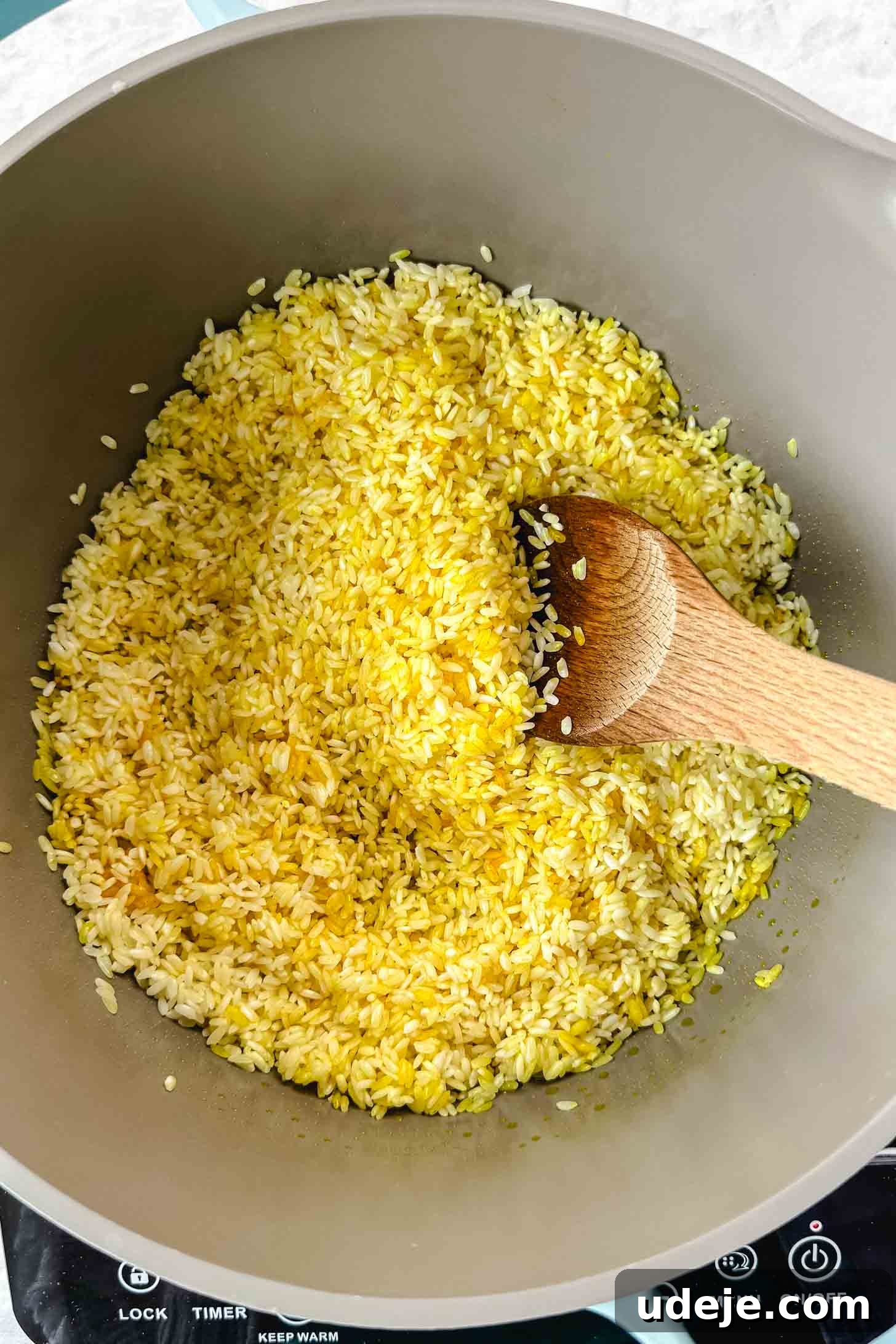
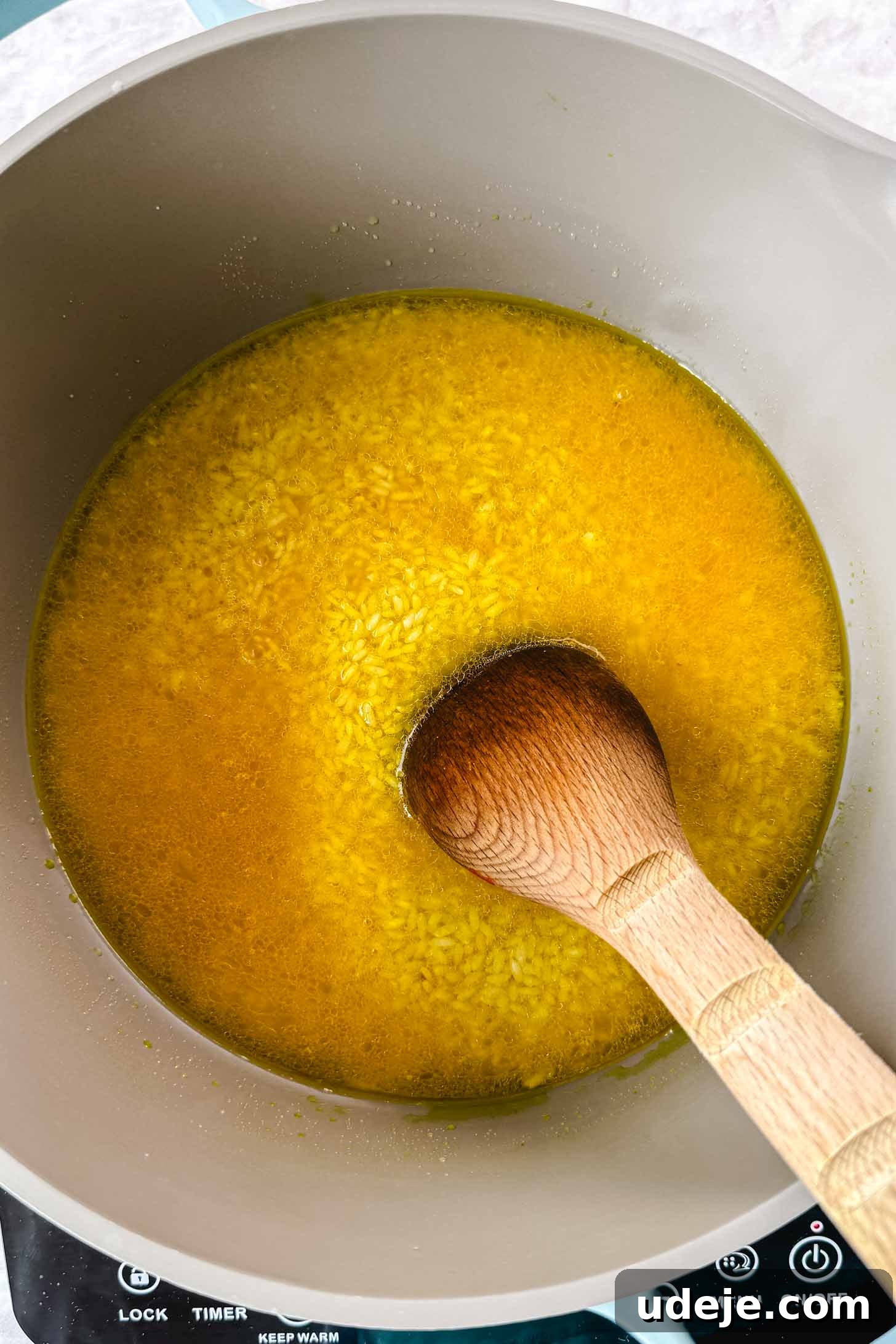
In a medium-sized pot, melt the olive oil or ghee over medium heat. Add the salt and turmeric, stirring until fragrant. Introduce the washed and soaked medium-grain rice to the pot, stirring gently to ensure each grain is coated and lightly toasted for a few minutes. Pour in the reserved lamb broth. Increase the heat to medium-high and bring the mixture to a rapid boil. Once boiling vigorously, reduce the heat to the lowest setting, cover the pot tightly, and allow the rice to cook undisturbed for 20 minutes. After 20 minutes, turn off the heat and gently fluff the rice with a fork. To absorb any excess steam and ensure perfectly separate grains, cover the pot with a clean kitchen towel before replacing the lid, allowing it to rest for another 10-15 minutes.
For the Jameed Sauce
-
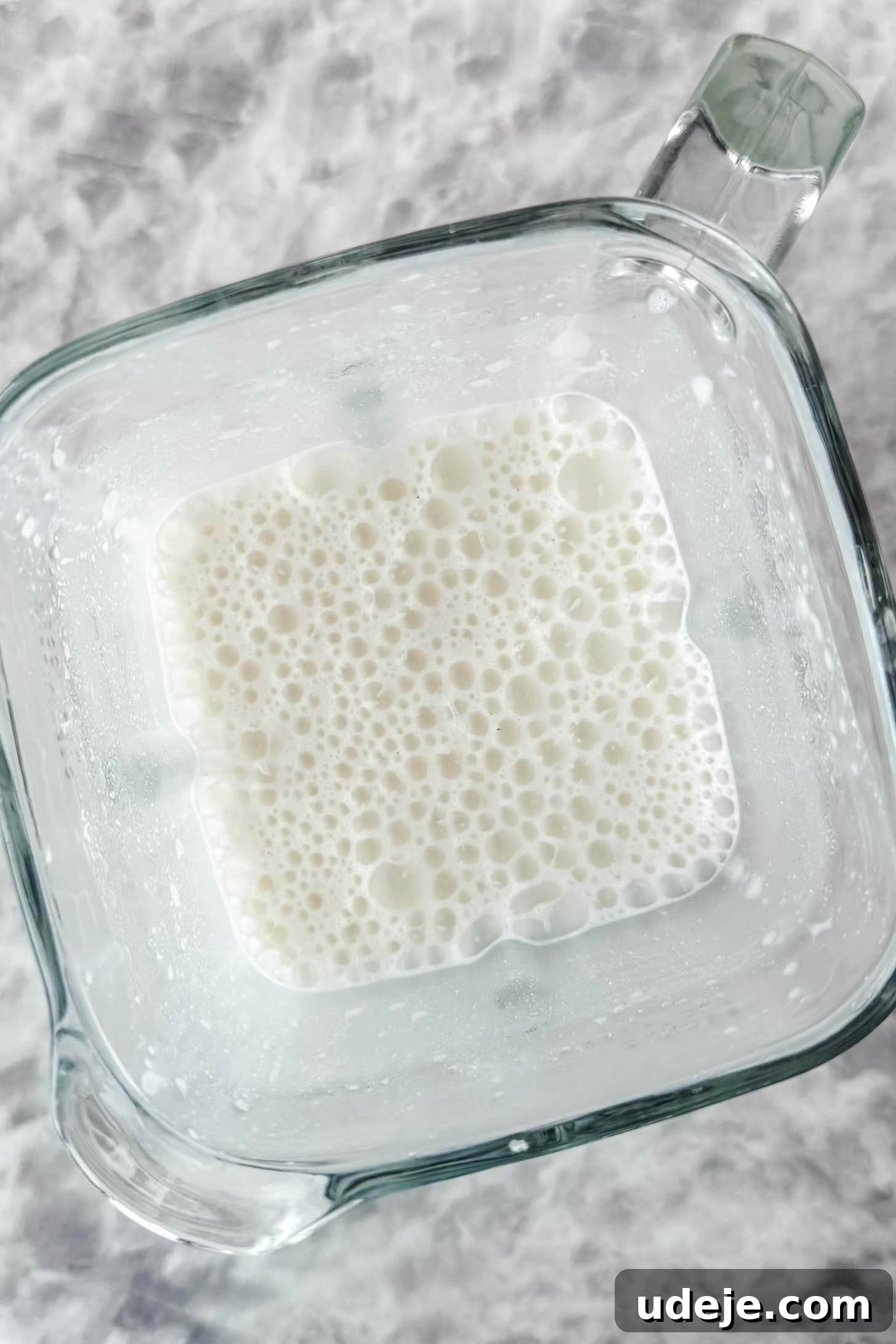
In a powerful blender, combine the liquid jameed, 2 cups of the reserved lamb broth, and the cornstarch. Blend until the mixture is completely smooth and free of any lumps. This ensures a velvety texture for your sauce.
-
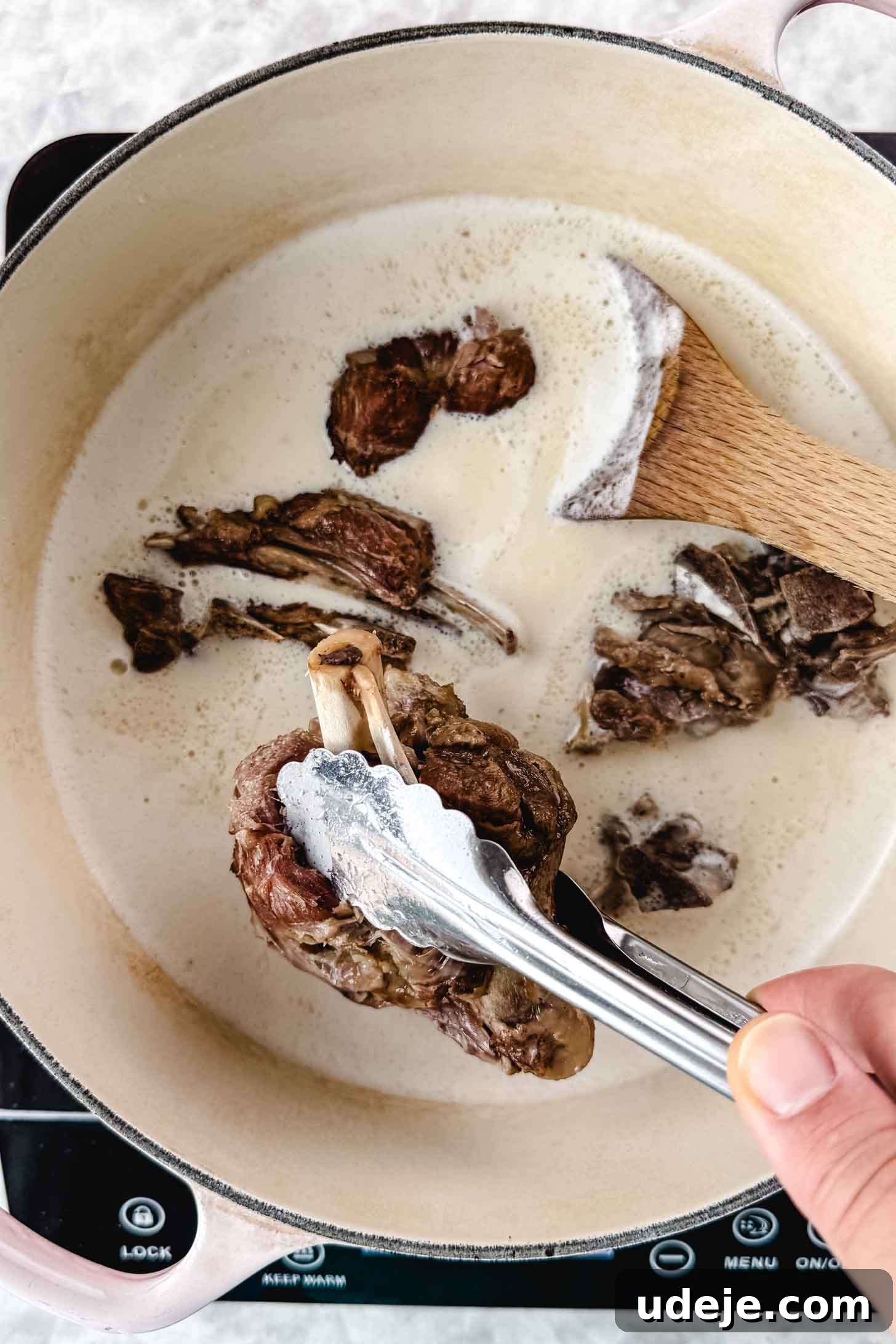
Carefully transfer the blended jameed sauce to the pot where the lamb was originally cooked. Bring the sauce to a gentle simmer over medium heat, allowing it to cook for about 5 minutes, stirring occasionally to prevent sticking. During this time, the sauce will thicken slightly. Gradually add more of the remaining lamb broth, or water if you’ve run out, until the sauce achieves a desirable soupy consistency – it should be thick enough to coat a spoon but still fluid. Gently add the cooked, tender lamb pieces to the simmering jameed sauce. Allow them to cook together for an additional 10 minutes on medium-low heat, ensuring the flavors meld beautifully. It’s crucial not to bring the sauce to a rapid boil at this stage, as excessive heat can cause the yogurt to curdle.
For Serving
-
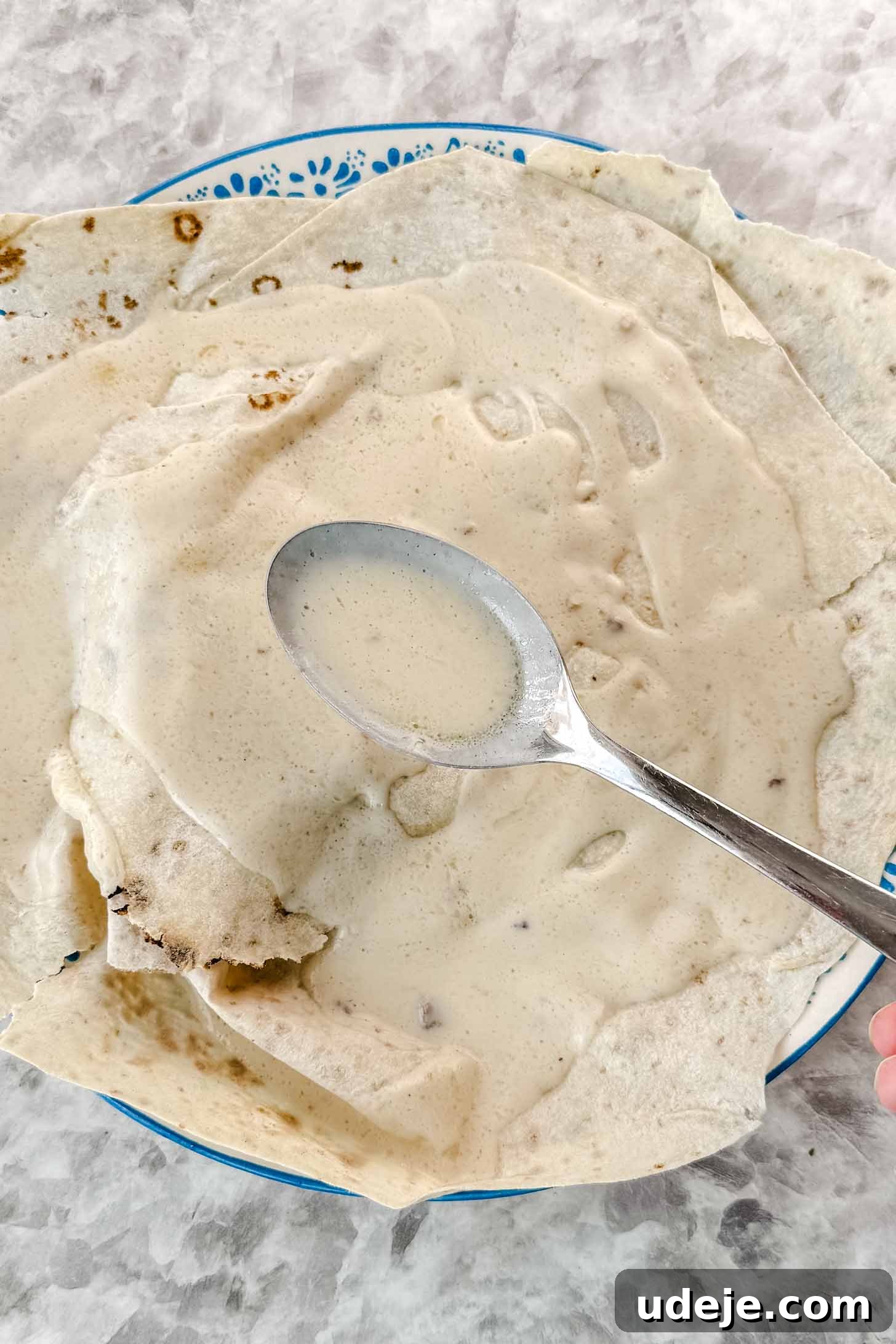
On a large, communal serving platter, begin the traditional assembly. Lay the pieces of markook bread evenly across the base. Generously ladle some of the rich jameed sauce from the lamb over the bread, allowing it to soak through and become tender. Next, carefully spread the aromatic yellow rice over the sauce-soaked bread, forming a vibrant and fragrant base. Arrange the tender lamb pieces artfully on top of the rice, then spoon over a generous amount of the warm jameed sauce. Finally, garnish the entire dish with a sprinkle of fresh, chopped parsley and a scattering of golden, toasted almonds for texture and visual appeal. Serve immediately and enjoy the communal delight of authentic Jordanian Mansaf!
Notes
- Rice Preparation: The ideal liquid-to-rice ratio can vary significantly depending on the type and brand of rice. While I typically use a 1:1 ratio of rice to liquid for most medium-grain varieties, always refer to the specific instructions on your rice package. For best results with medium-grain (Egyptian) rice, wash it thoroughly until the water runs clear, then soak it in cold water for at least 30 minutes before cooking. This ensures even cooking and a tender texture.
- Seasoning the Jameed Sauce: Jameed itself is naturally quite salty due to its fermentation process. When preparing the jameed sauce, it is crucial to taste it as you go. Add additional salt very cautiously, if at all, to avoid over-seasoning.
- Jameed Forms: Jameed is available in both liquid and solid forms. If you can only find solid jameed (which often comes as a hard, dried ball), you will need to rehydrate it. Soak a 200-gram solid jameed ball in water overnight. The next day, blend it with approximately 450 ml of fresh water until it achieves a smooth, liquid consistency comparable to prepared liquid jameed.
- Jameed Substitutes: If traditional jameed is difficult to source, you can create a viable substitute to replicate its tangy and slightly sour profile. Combine the following ingredients:
- 1 cup plain yogurt (full-fat for richness)
- 1 cup sour cream
- 2 tablespoons cornstarch (to help thicken the sauce)
- 1 clove garlic, minced (for a subtle savory depth)
- 1 teaspoon salt (adjust to taste, as commercial yogurts vary)
- 1/4 teaspoon citric acid (to mimic the tartness of fermented jameed)
Mix these ingredients thoroughly until smooth before incorporating into your recipe as you would liquid jameed. This substitute will provide a similar creamy texture and tangy flavor, allowing you to enjoy Mansaf even without authentic jameed.