
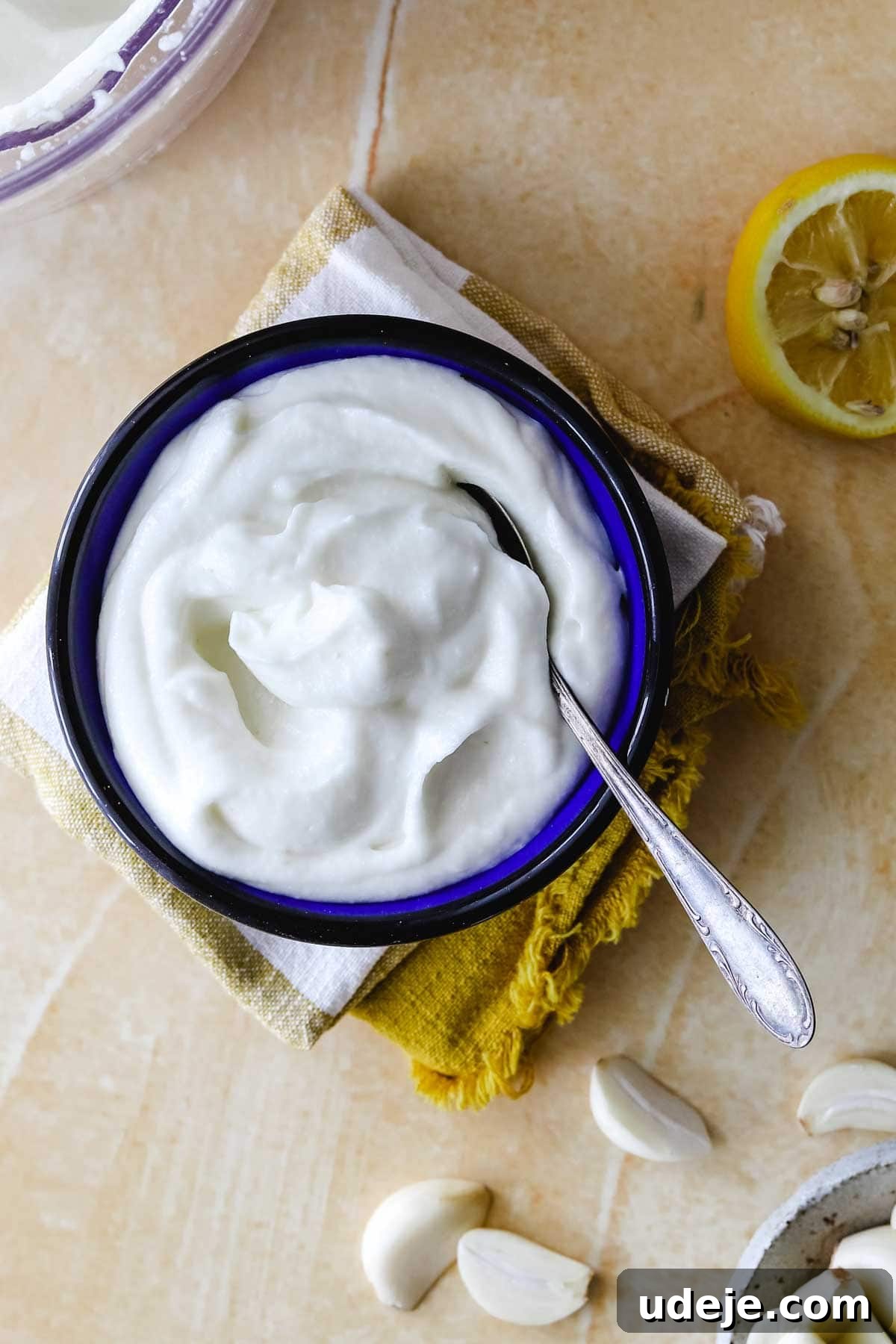
Unlock the secret to authentic Lebanese cuisine with this incredible Toum recipe! Toum, a vibrant and creamy garlic sauce, is a beloved staple often found alongside savory chicken shawarma, succulent grilled meats, crispy fries, and virtually anything that could use a punch of garlicky goodness. Forget complicated methods or specialized equipment; this easy Toum recipe comes together in under 5 minutes, requiring no food processor and no eggs! Prepare to achieve that coveted restaurant-quality texture and exhilarating flavor with minimal effort, bringing the taste of the Middle East straight to your kitchen.
Rave Reviews for This Method!
“I used to struggle with making Toum in a food processor, a method I honestly never enjoyed. So, I was quite skeptical about trying an immersion blender, but your recipe changed everything! I made it today, and it came out absolutely perfect. No mess, significantly quicker, uses less oil, and I actually prefer the texture and taste. I usually go lighter on lemon, but the brightness in your version is fantastic. This is now my go-to method. Knowing I can easily whip up a fresh batch makes my life so much easier, especially since I always have a jar in the fridge! Thank you so much!”
—Farah
Toum: The Ultimate Awesome Sauce
When someone says “awesome sauce,” they might very well be describing Toum. For many, including myself, it’s not just a condiment; it’s a culinary necessity. I simply refuse to enjoy chicken shawarma, savory chicken skewers, or a perfectly roasted rotisserie chicken without a generous dollop of this magnificent garlic dip.
Toum is celebrated for its distinctive profile: wonderfully thick, luxuriously creamy, and intensely garlicky. It’s definitely not for the faint of heart, but for garlic aficionados, it’s pure bliss. Its addictive quality means I often find myself spooning it liberally onto wraps, sandwiches, or anything that crosses my plate – truly, everything! For those curious about its name, “Toum” (ثوم) simply translates to “garlic” in Arabic, an honest and fitting descriptor for a sauce where garlic is the undeniable star.
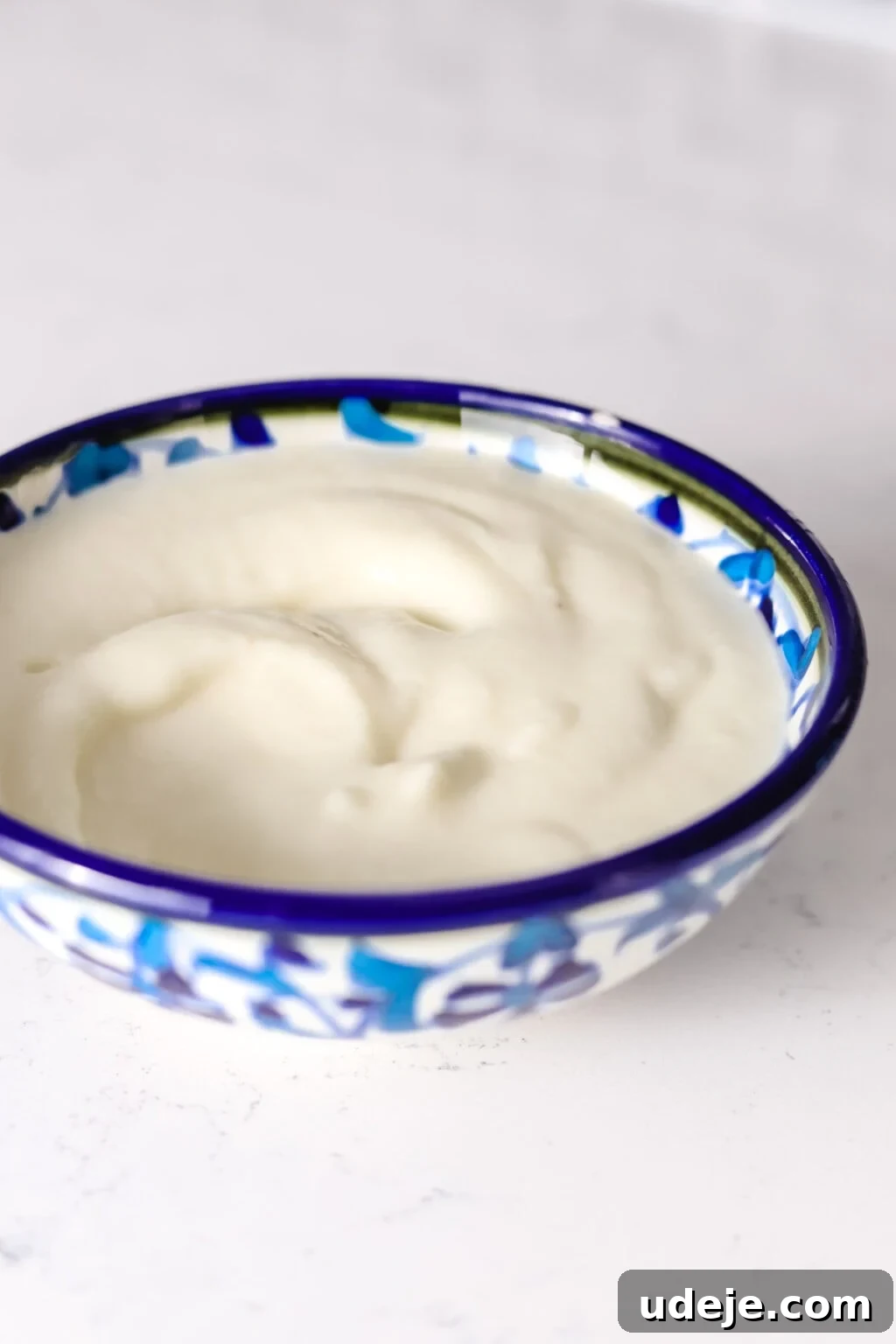
At its core, Toum is a delicate emulsion created by expertly blending fresh garlic and a neutral oil, brightened by lemon juice and seasoned with salt. While it shares some visual similarities with mayonnaise, it’s important to note the key difference: mayonnaise relies on emulsified egg yolks and oil, whereas Toum is entirely egg-free. This characteristic places Toum squarely in the category of a garlic aioli, offering a robust flavor that stands apart.
Before discovering this incredibly simple and effective method, I, like many others, regularly purchased my Toum from specialty stores. However, once you master this homemade technique, there’s no going back. The freshness, control over ingredients, and sheer ease of preparation make it a game-changer. If you’re ready to convert from a Toum buyer to a confident Toum maker, this recipe is your ultimate guide.
Historically, and even today, there are two primary methods for preparing this iconic garlic sauce:
- Using a robust food processor, or
- Utilizing a convenient immersion blender (also known as a hand blender).
While both methods can yield delicious results, I will delve into their differences in subsequent sections. However, to offer a quick spoiler: I wholeheartedly endorse the immersion blender technique. It is notably quicker, significantly easier to manage, and more accessible to the average home cook, as immersion blenders are generally more common in kitchens compared to larger, often pricier food processors. This method streamlines the process, making homemade Toum achievable for everyone.
Mastering Toum with Just 4 Key Ingredients!
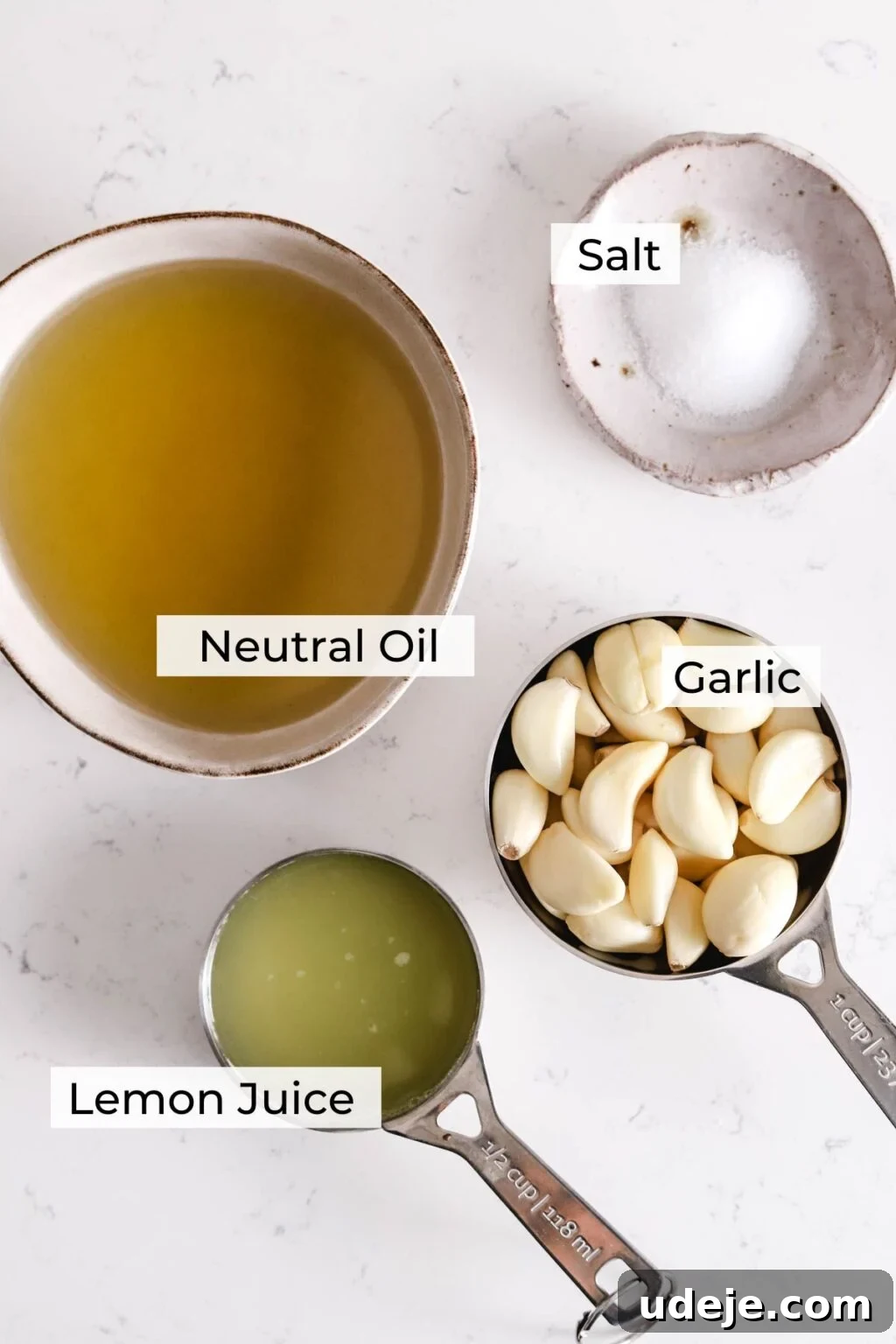
Crafting exquisite Toum requires only a handful of common ingredients, but their quality and preparation are paramount. Let’s gather our essentials and discuss a few crucial notes to ensure your homemade Toum is nothing short of perfect:
- Fresh Garlic: This is the absolute cornerstone of Toum, so compromise on freshness is not an option. For a truly expedited “5-minute” recipe, I often opt for fresh, pre-peeled garlic cloves. If you choose this convenience, ensure they are sourced from a reputable supermarket or, ideally, a local vendor known for fresh produce. If you’re peeling them yourself, a quick and efficient trick is to lightly smash each clove with the flat side of a chef’s knife. This action loosens the skin, allowing for easy removal. Remember, the fresher the garlic, the more pungent and flavorful your Toum will be.
- Neutral Oil: The choice of oil is critical to let the vibrant garlic flavor truly shine. It’s imperative to use an oil that is “neutral,” meaning it possesses a very mild or almost imperceptible flavor. My top recommendation is **avocado oil** due to its high smoke point and buttery, neutral taste profile. However, if avocado oil is outside your budget or not readily available, excellent alternatives include canola oil, sunflower oil, vegetable oil, or grapeseed oil. These options will all contribute to a smooth, unadulterated garlic flavor.
- Lemon Juice: Freshly squeezed lemon juice is non-negotiable. It not only provides the necessary acidity to help with the emulsification process but also adds a crucial bright, tangy counterpoint to the intense garlic, balancing the overall flavor profile of the Toum.
- Salt: A simple yet essential ingredient, salt enhances all the other flavors and contributes to the structural integrity of the emulsion. Fine sea salt is usually preferred for its even distribution.
IMPORTANT TIP: Steer clear of olive oil for this recipe. Olive oil has a distinct and strong flavor that will overpower the delicate garlic, altering the authentic taste of Toum. Furthermore, its natural greenish-yellow hue can impact the desired pristine white color of the finished sauce.
Crafting Perfect Toum with an Immersion Blender: A Step-by-Step Guide
The immersion blender method is truly the quickest and most efficient way to achieve velvety smooth Toum at home. Follow these steps carefully for a foolproof result:
- Prepare Your Garlic: To genuinely achieve a 5-minute Toum, utilizing high-quality pre-peeled garlic cloves is a great time-saver. I source mine from a trusted local Middle Eastern shop, ensuring they are always fresh. If you’re peeling your own, a swift method involves placing a clove on a cutting board, covering it with the flat side of a chef’s knife, and pressing down firmly with the heel of your hand. The skin should then peel off effortlessly.
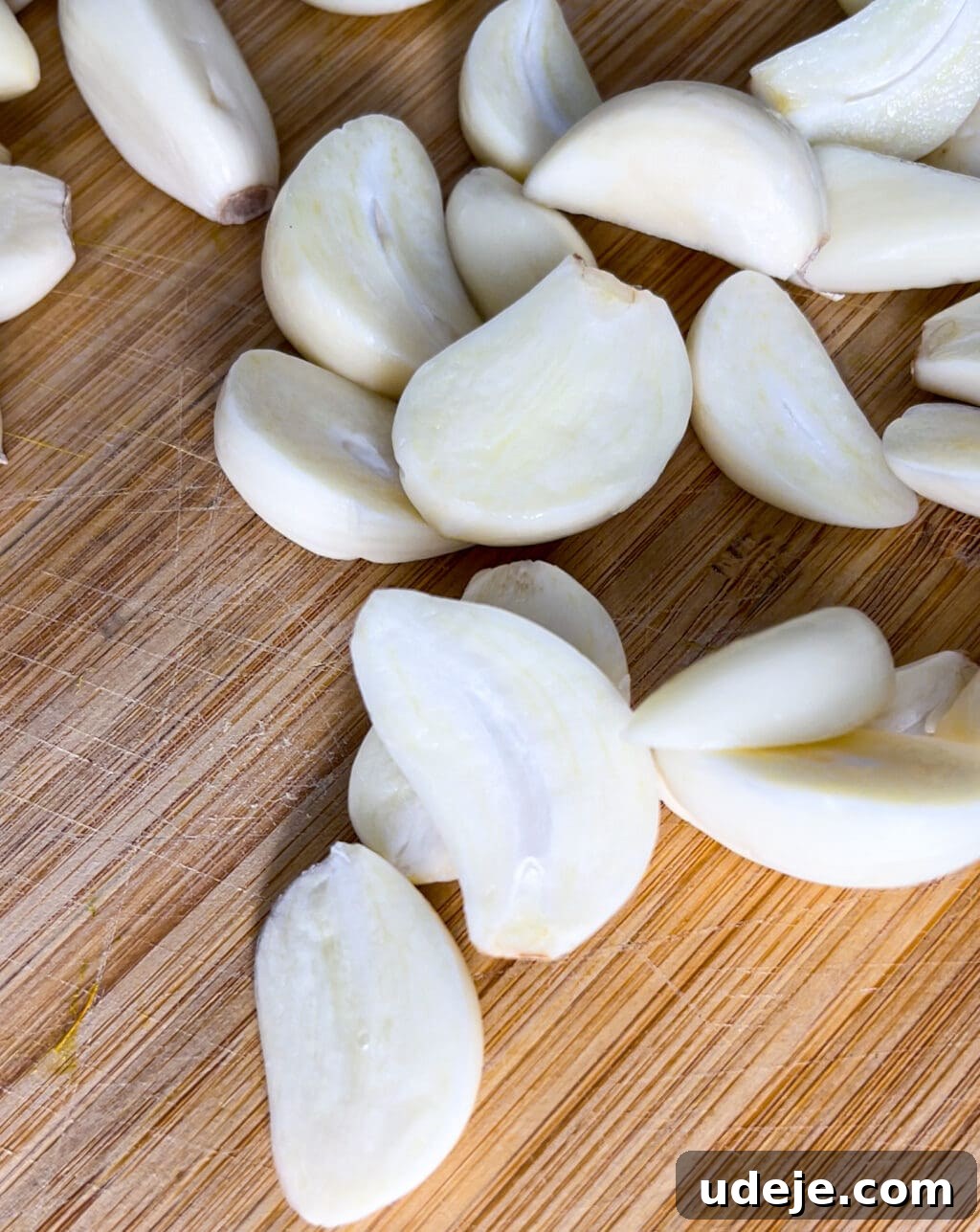
- Remove the Germ: This step is critical for a balanced flavor. Carefully slice each peeled garlic clove in half lengthwise. Inspect the center for a small, sometimes green, stem-like structure – this is the garlic germ. Use the tip of your knife to gently remove and discard it. Removing the germ is essential to prevent your Toum from developing a bitter or overly spicy, harsh taste. Do not skip this important preparatory step.
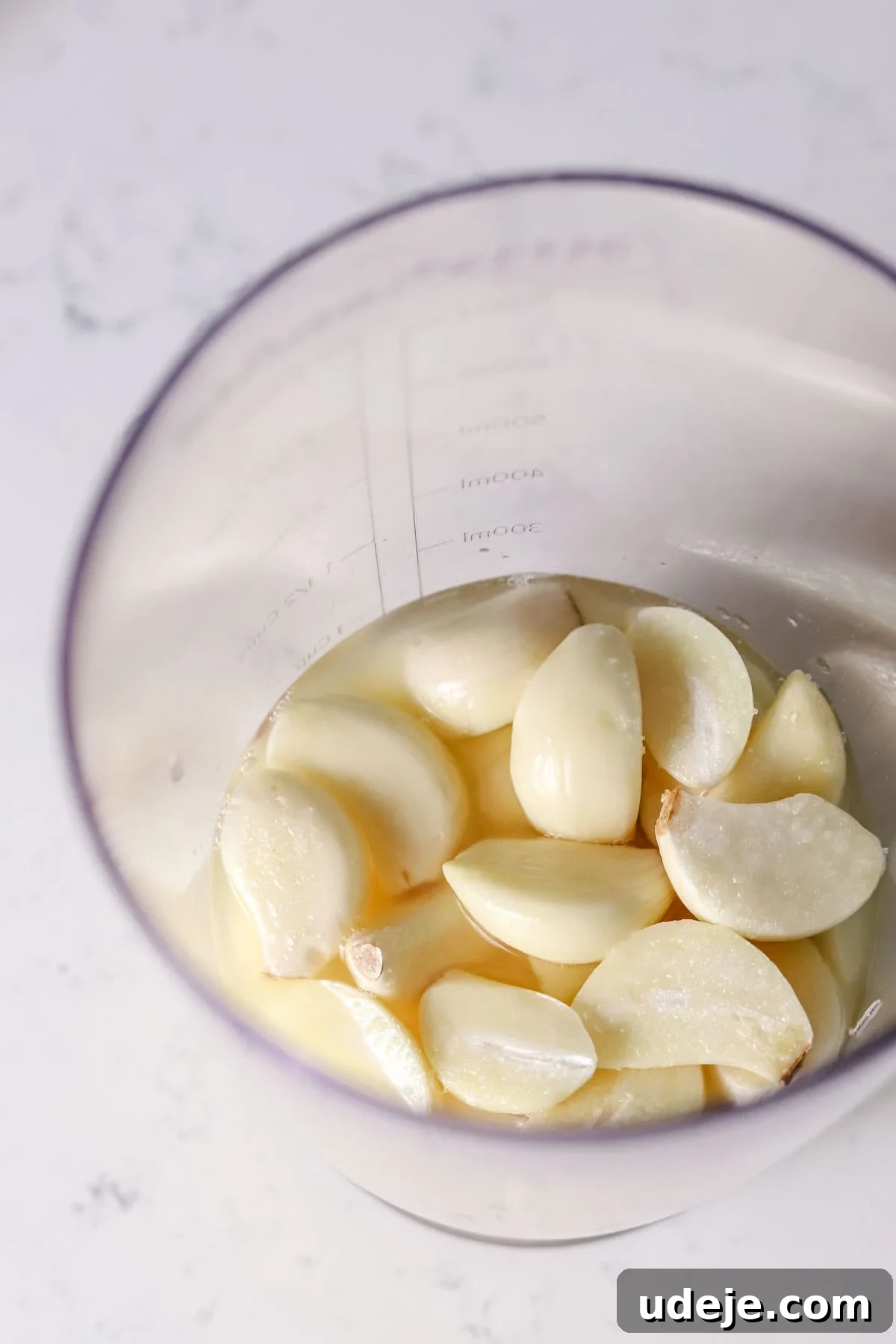
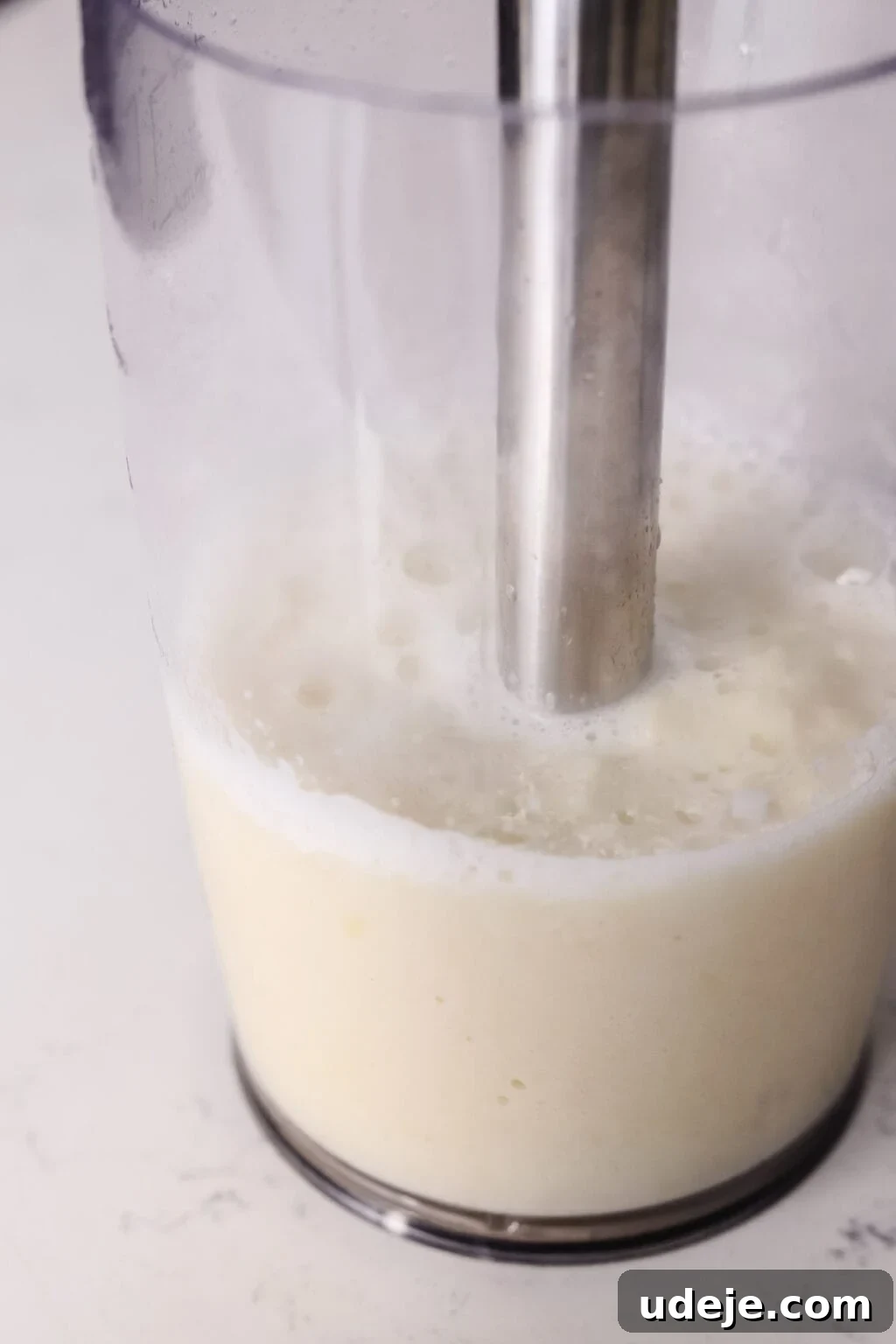
- Initial Blend: Choose a tall, narrow jar or container that comfortably fits the head of your immersion blender. Add the prepared garlic cloves, fresh lemon juice, and salt into this container. Insert your immersion blender and begin to blend. Continue blending until the garlic is completely pureed into a smooth, foamy paste. Ensure no large chunks of garlic remain. This initial step typically takes about 20-30 seconds, depending on the power and efficiency of your blender.
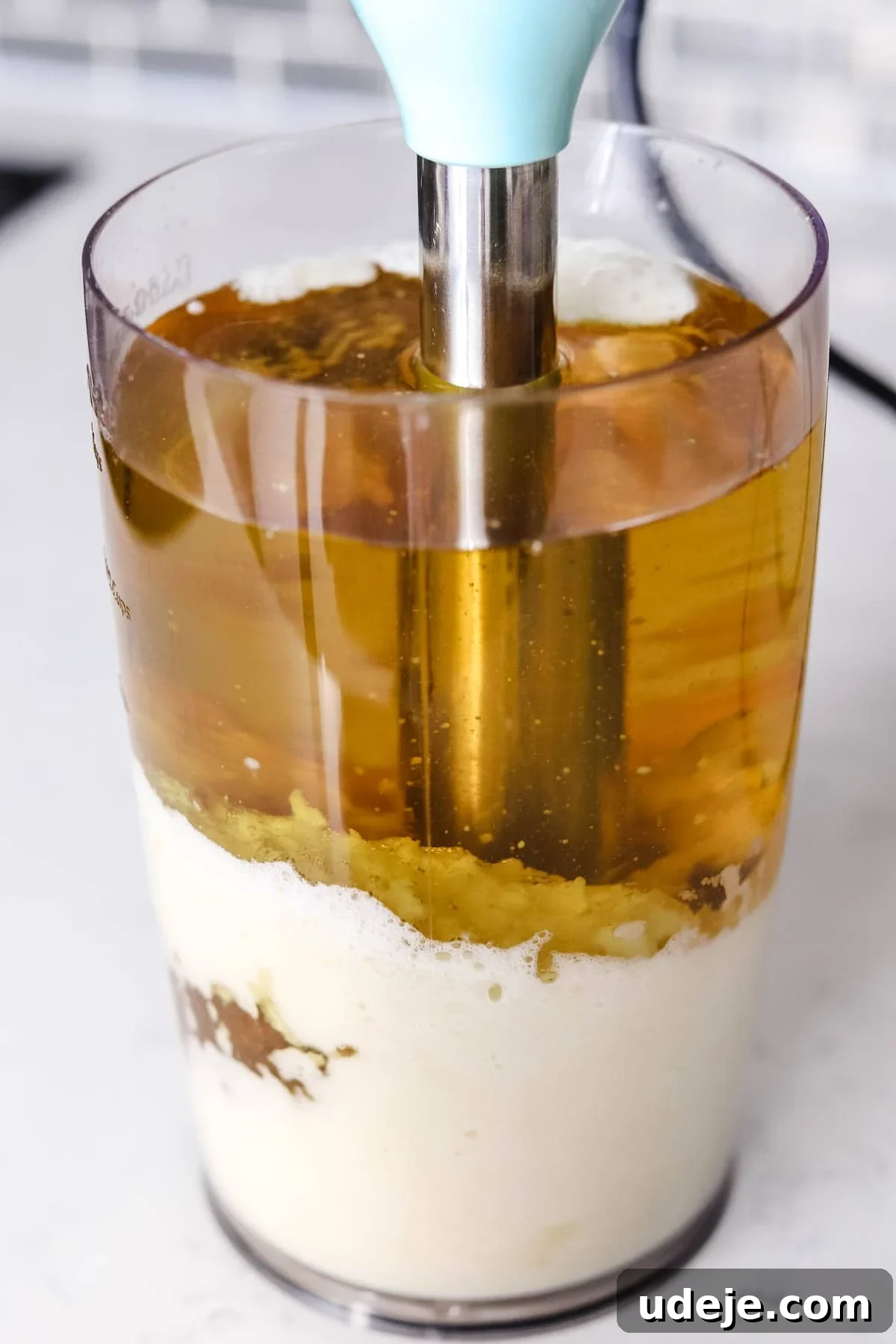
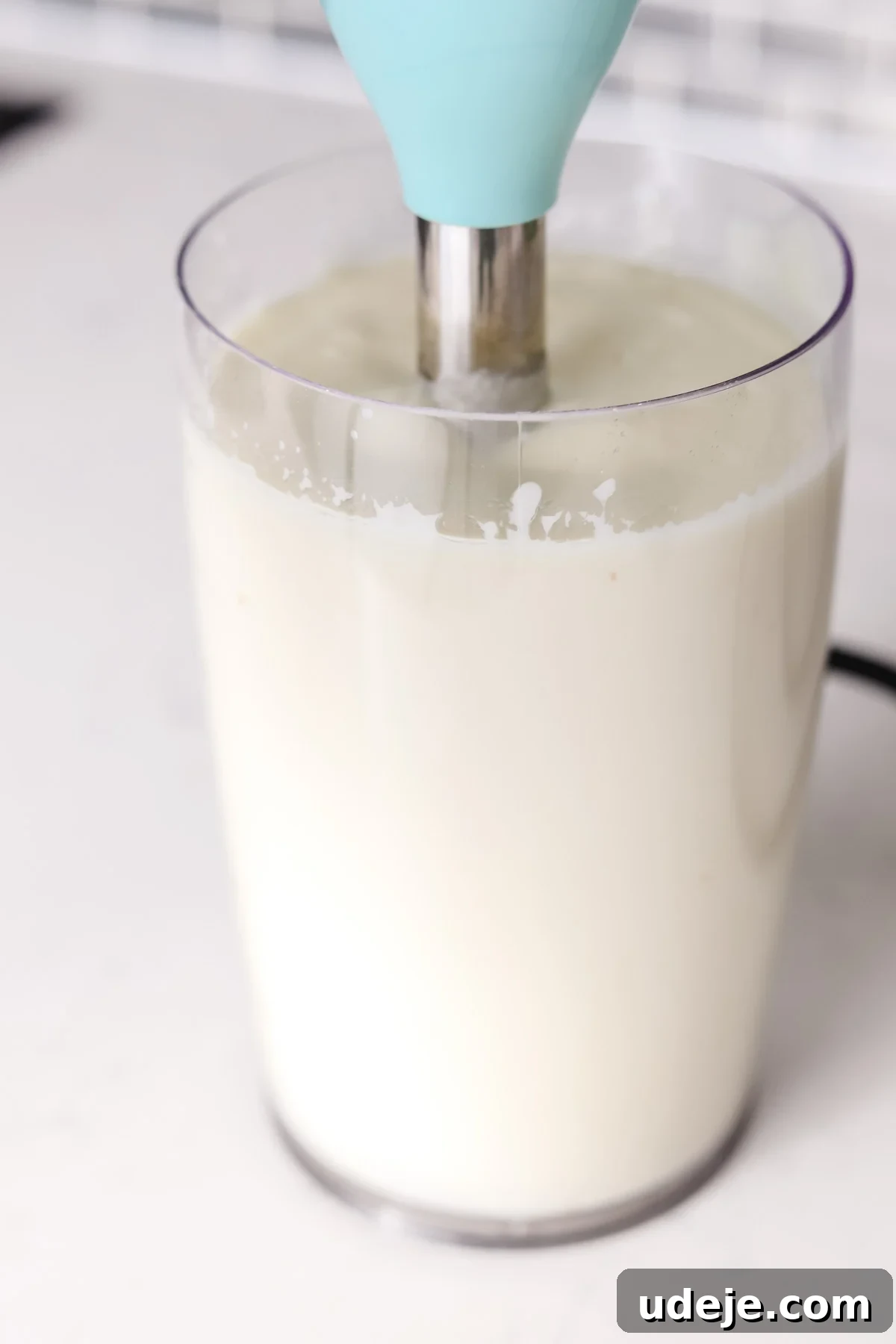
- Emulsify with Oil: With the immersion blender still positioned at the bottom of the container, pour all of the neutral oil directly on top of the garlic paste. Begin blending, keeping the blender head submerged at the bottom for the first few seconds. Then, slowly and gently pulse the immersion blender up and down in very small, controlled movements. This action encourages the oil to gradually incorporate and emulsify with the garlic mixture. You’ll observe the emulsification process slowly ascending the jar until the entire contents transform into a beautifully homogenous, thick, and creamy Toum sauce. This crucial emulsification step typically takes 3-4 minutes.
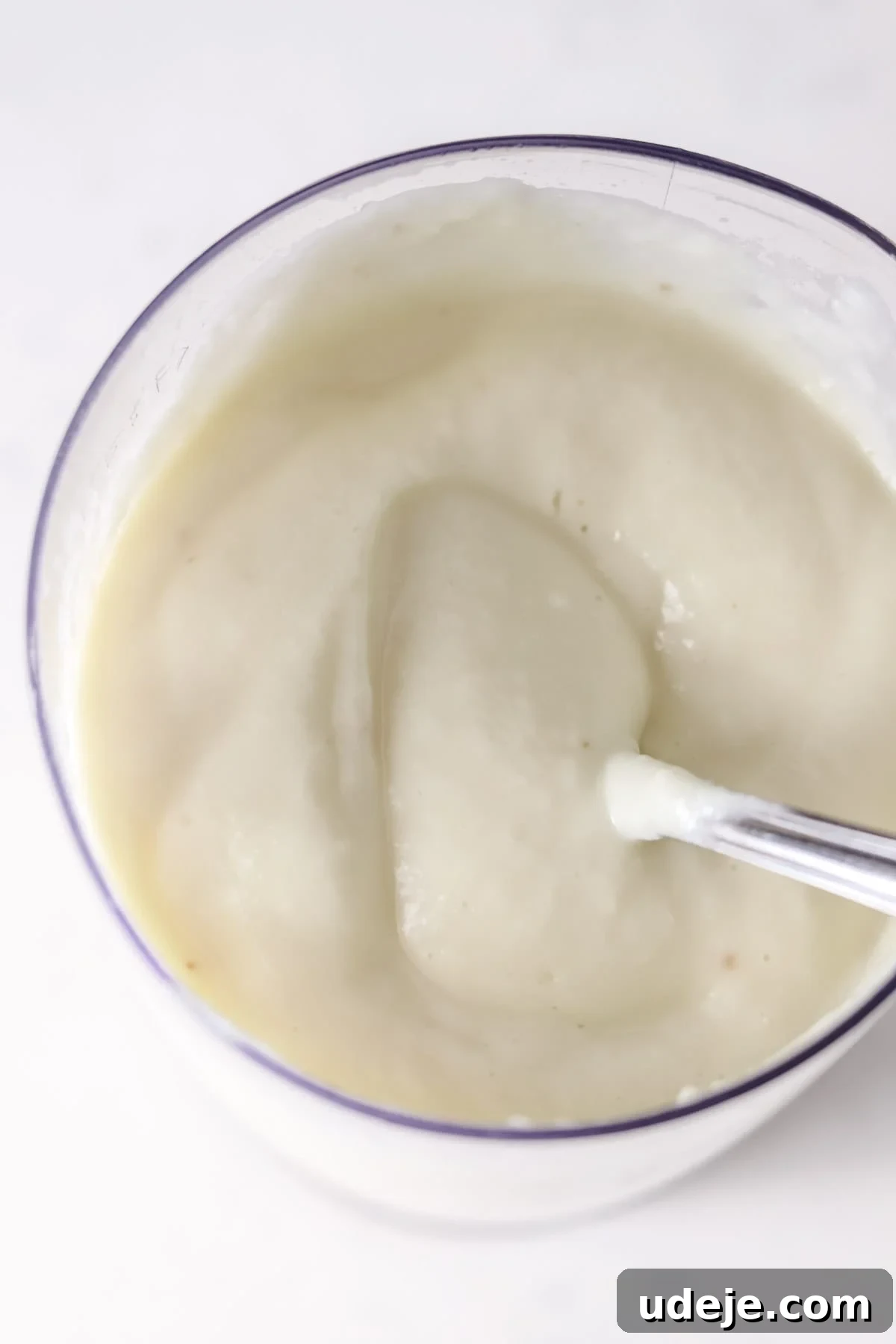
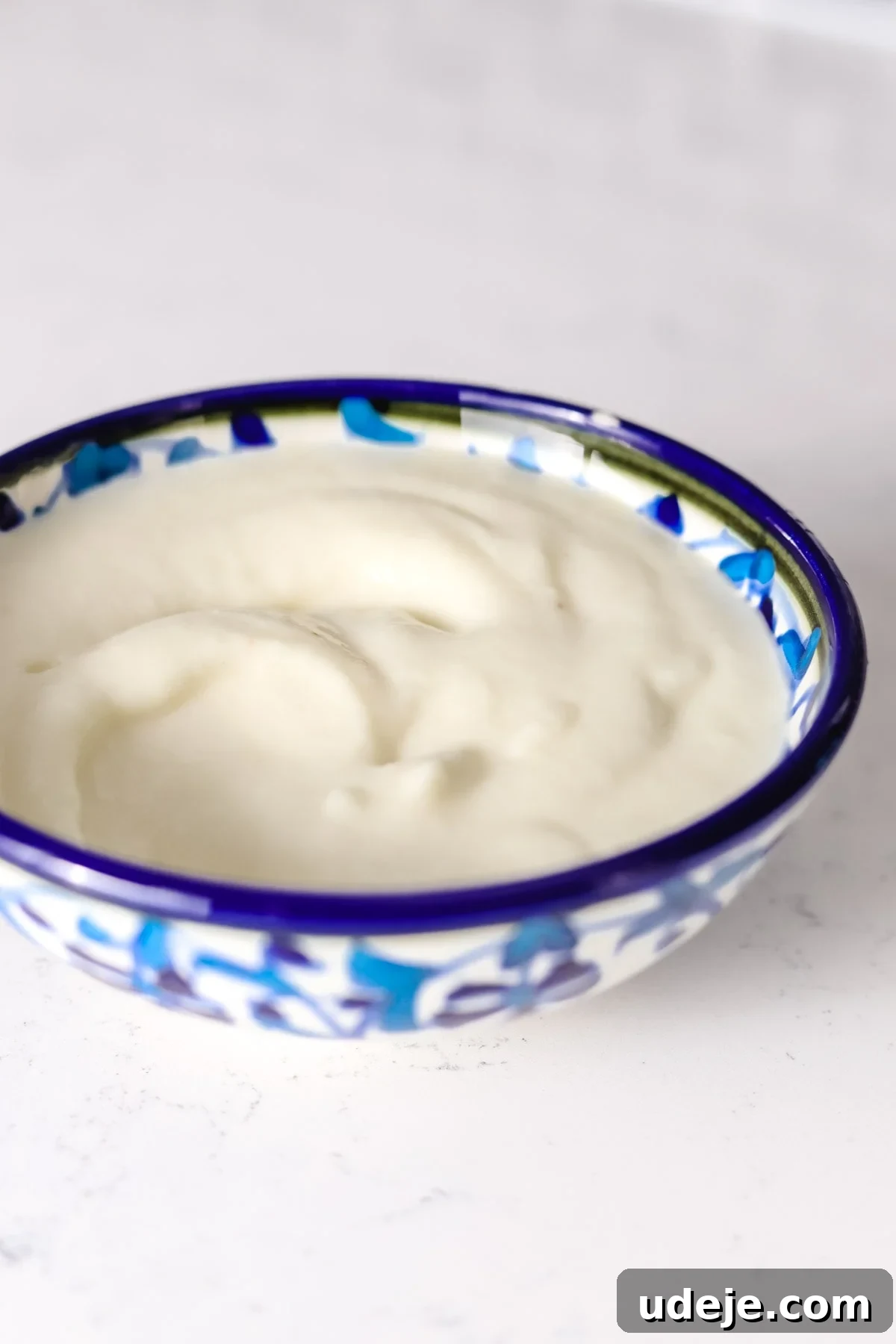
- Achieve Desired Thickness: For an even thicker consistency, you can continue to pulse the immersion blender up and down for an additional 1-2 minutes after the initial emulsification is complete. Another way to achieve a denser Toum is by slightly increasing the amount of oil used in the recipe. Keep in mind that Toum will naturally thicken further as it cools and sets in the refrigerator.
- Final Caution: Once you have finished blending and the Toum has reached your desired consistency, **do not add any more lemon juice**. Adding additional liquid at this stage, particularly acidic lemon juice, can disrupt the fragile emulsion and cause the sauce to break, separating into its oil and garlic components.
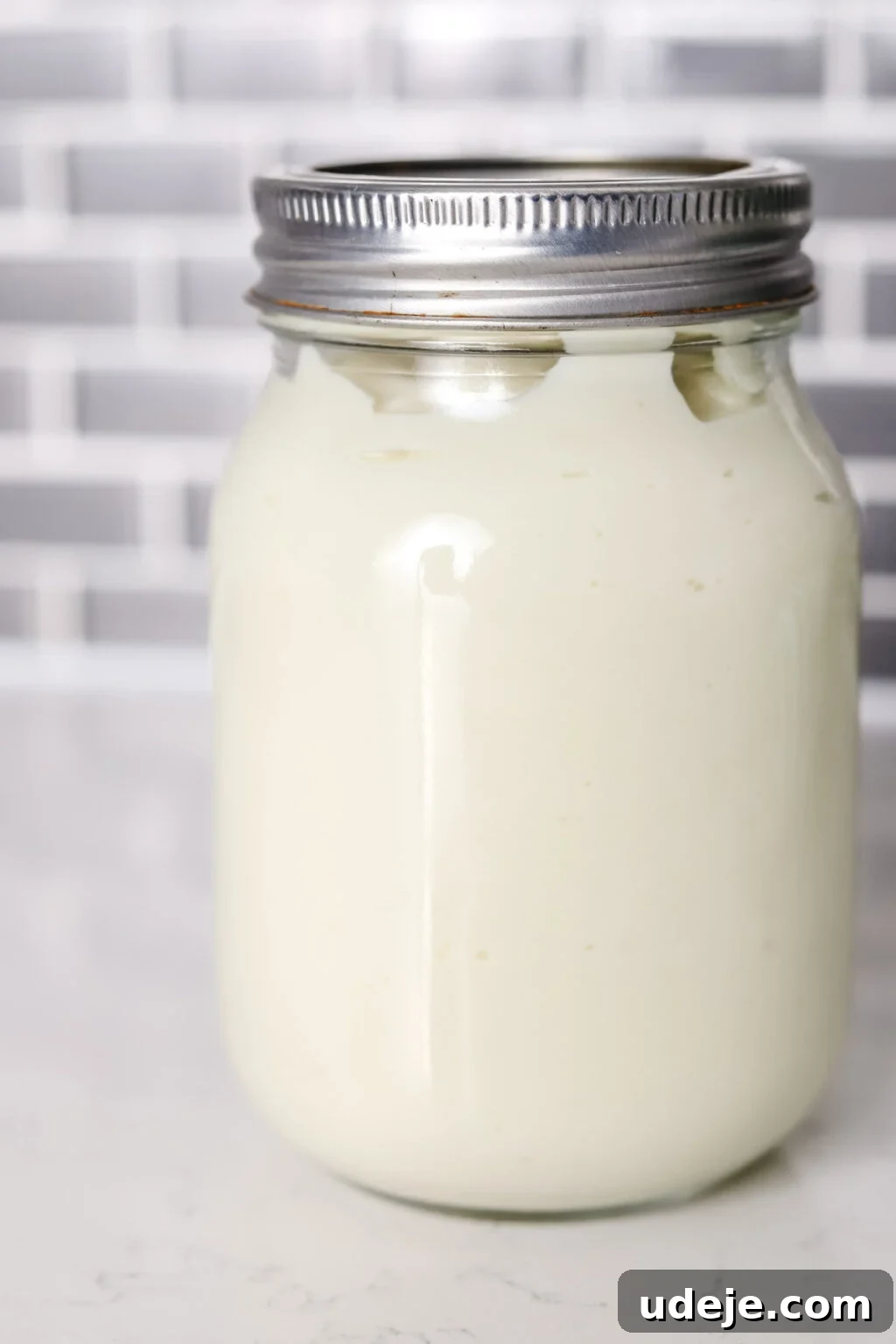
- Storage: Transfer your freshly made Toum into an airtight Mason Jar or similar container. Store it in the refrigerator, where it will maintain its freshness and flavor for a remarkable 2-3 months. Over time, you might even notice the intense garlic flavor mellowing slightly, resulting in a more nuanced taste.
Immersion Blender vs. Food Processor: The Toum Showdown
During my extensive recipe testing, I conducted a thorough comparison of the two most common methods for making Toum. Both have their merits, but the immersion blender truly stands out. Here are my detailed findings:
The Food Processor Method: Pros and Cons
While a viable option, here’s why I generally **do not favor the food processor** for making Toum, especially for smaller batches:
- Equipment Size and Batch Volume: One of the biggest challenges lies in matching the food processor’s size to the amount of Toum you wish to make. My initial attempt with a 7-cup food processor was a significant failure; the small quantity of garlic cloves simply flew around the bowl without consistently making contact with the blade, preventing proper pureeing. This means that if you own a larger food processor, you’ll typically need to prepare a double or even triple batch to ensure the ingredients engage with the blades effectively. For smaller, more manageable quantities like those in this recipe, a food processor equipped with a smaller, insertable work bowl is often a prerequisite.
- Tedious Oil Streaming and Longer Processing Time: The traditional food processor method necessitates a continuous, very slow stream of oil, often alternating with lemon juice, until the emulsion forms. This involves adding oil in small increments, typically 1-2 tablespoons at a time, either manually or via a specialized food processor streamer attachment. This precise and deliberate streaming process significantly extends the preparation time, often taking anywhere from 10 to 20 minutes, which is considerably longer than the immersion blender method.
- The Upside: Potentially Thicker Toum: On the positive side, the slower, more gradual emulsification process in a food processor can sometimes result in a slightly “fluffier” or thicker consistency for the Toum. While this difference is not substantial enough to sway my preference, it is a noteworthy characteristic for those who prioritize maximum thickness.
The Immersion Blender Method: A Clear Winner
Here’s why I unequivocally **adore the immersion blender method** for Toum, along with some key observations:
- No Continuous Oil Streaming Required: This is arguably the biggest advantage. Unlike the food processor, with the immersion blender method, after the garlic is pureed with salt and lemon juice, the entire quantity of oil can be poured directly on top. The oil initially rests on the garlic paste, creating a barrier. As you begin to blend with the immersion blender, the oil gradually seeps through and begins to emulsify with the garlic mixture. The precise scientific explanation might be complex, but the simple fact is, it works beautifully and effortlessly.
- Remarkably Quicker: The entire emulsification process using an immersion blender typically takes a mere 2-3 minutes, with a maximum of 5 minutes even for less powerful blenders. This drastic reduction in preparation time, primarily due to not needing to painstakingly stream in the oil, makes it incredibly efficient for busy home cooks.
- Slightly Less Thick Yield (But Still Perfect): It’s true that the Toum made with an immersion blender might be marginally less thick than a food processor version, owing to the faster process. However, it still achieves a wonderfully creamy and substantial consistency. Crucially, Toum continues to thicken as it chills in the refrigerator, so any minor difference in initial thickness is largely negligible in the final product. For me, the speed and convenience far outweigh this small distinction.
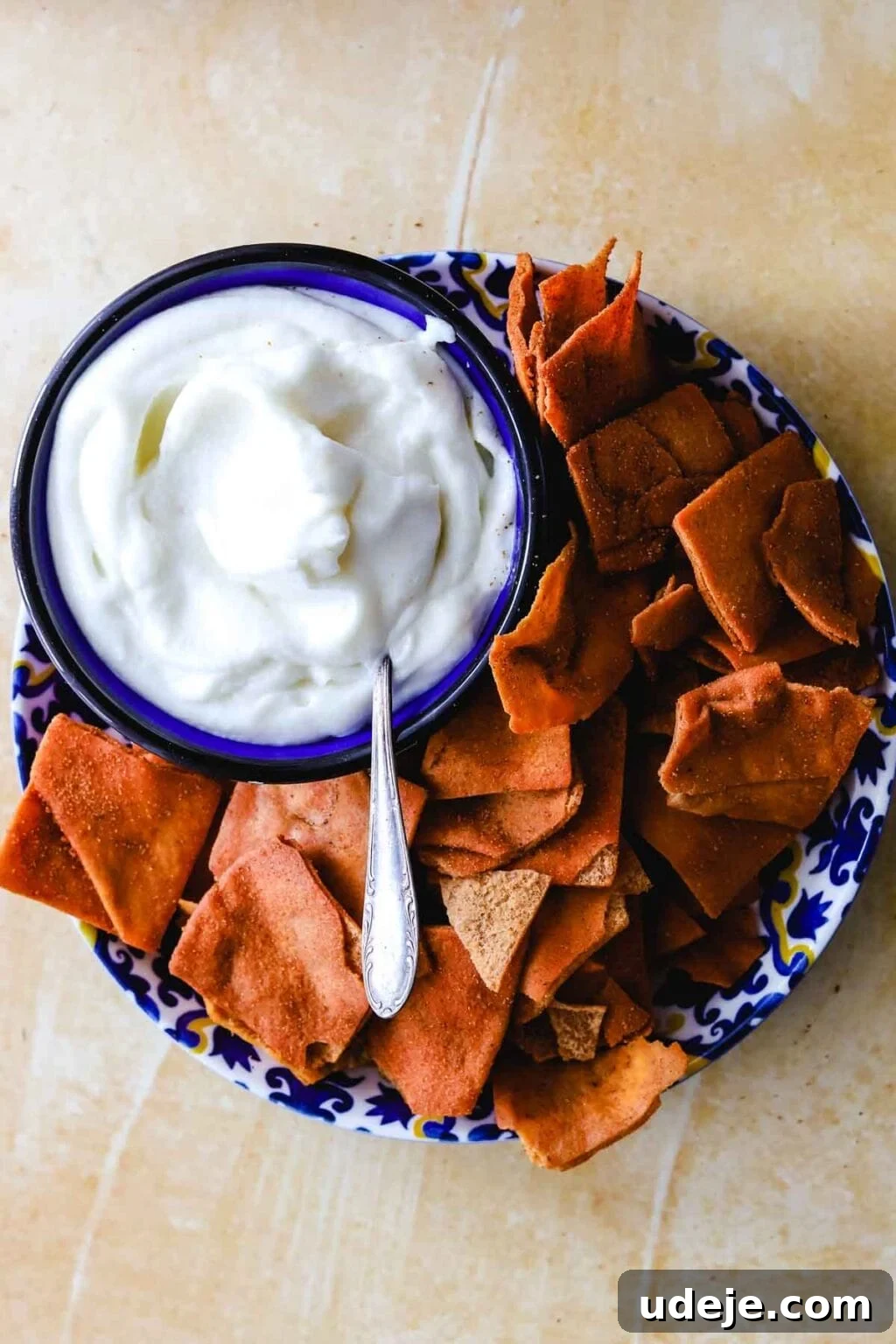
For Those Who Prefer: Making Toum with a Food Processor
If you don’t own an immersion blender, or if you specifically desire to make a significantly larger batch of Toum, or prefer a notably thicker consistency, the food processor method is a perfectly viable alternative. Here’s how to execute it effectively:
First and foremost, ensure you are using a **food processor that is appropriately sized**. For smaller batches, a large 7-cup or 9-cup processor will likely prove inefficient unless it comes with a smaller, insertable work bowl designed for lesser quantities. Without this, the garlic won’t make sufficient contact with the blades. Additionally, having a streaming attachment for the oil and lemon juice can be incredibly helpful, allowing for hands-free and more consistent drizzling.
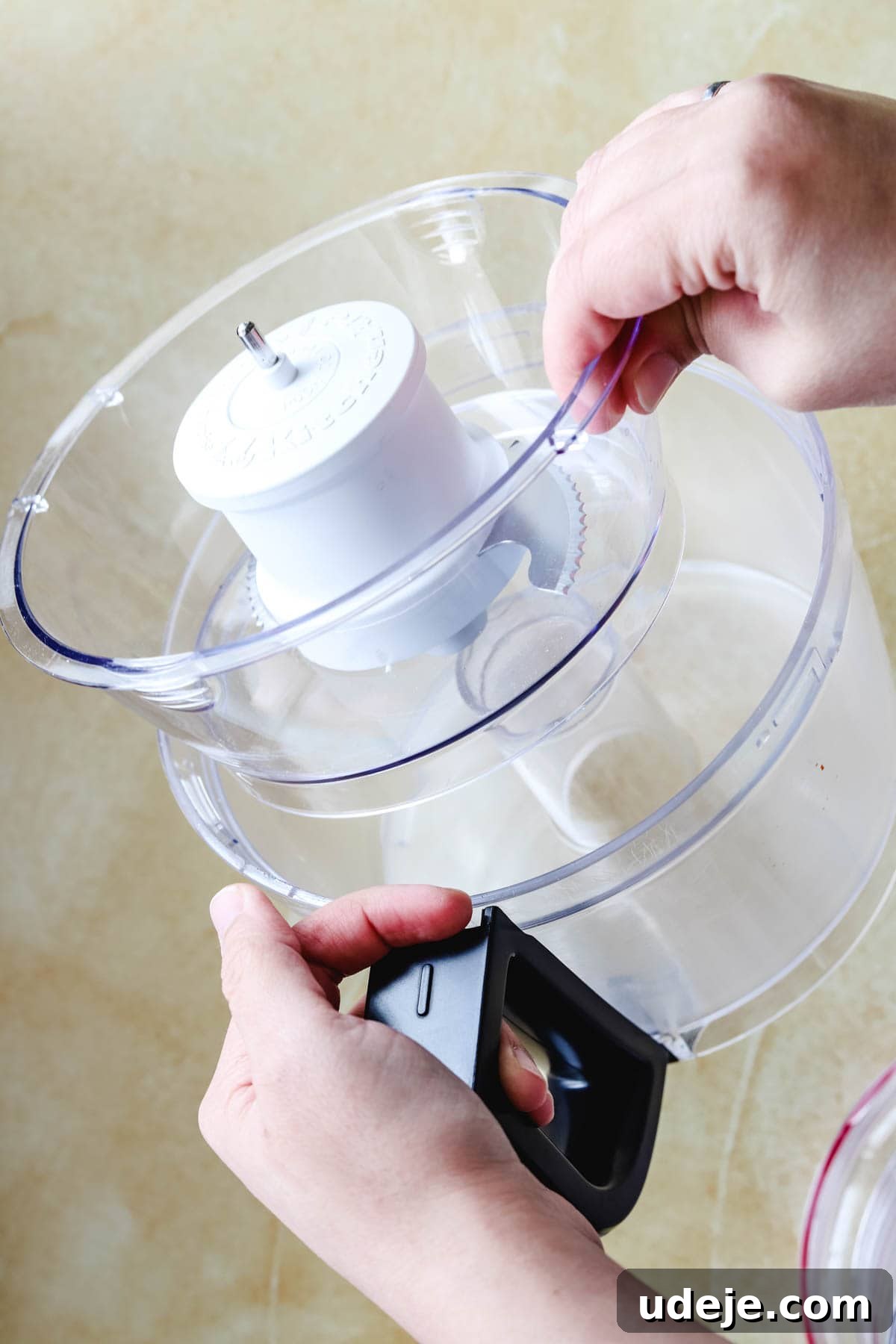
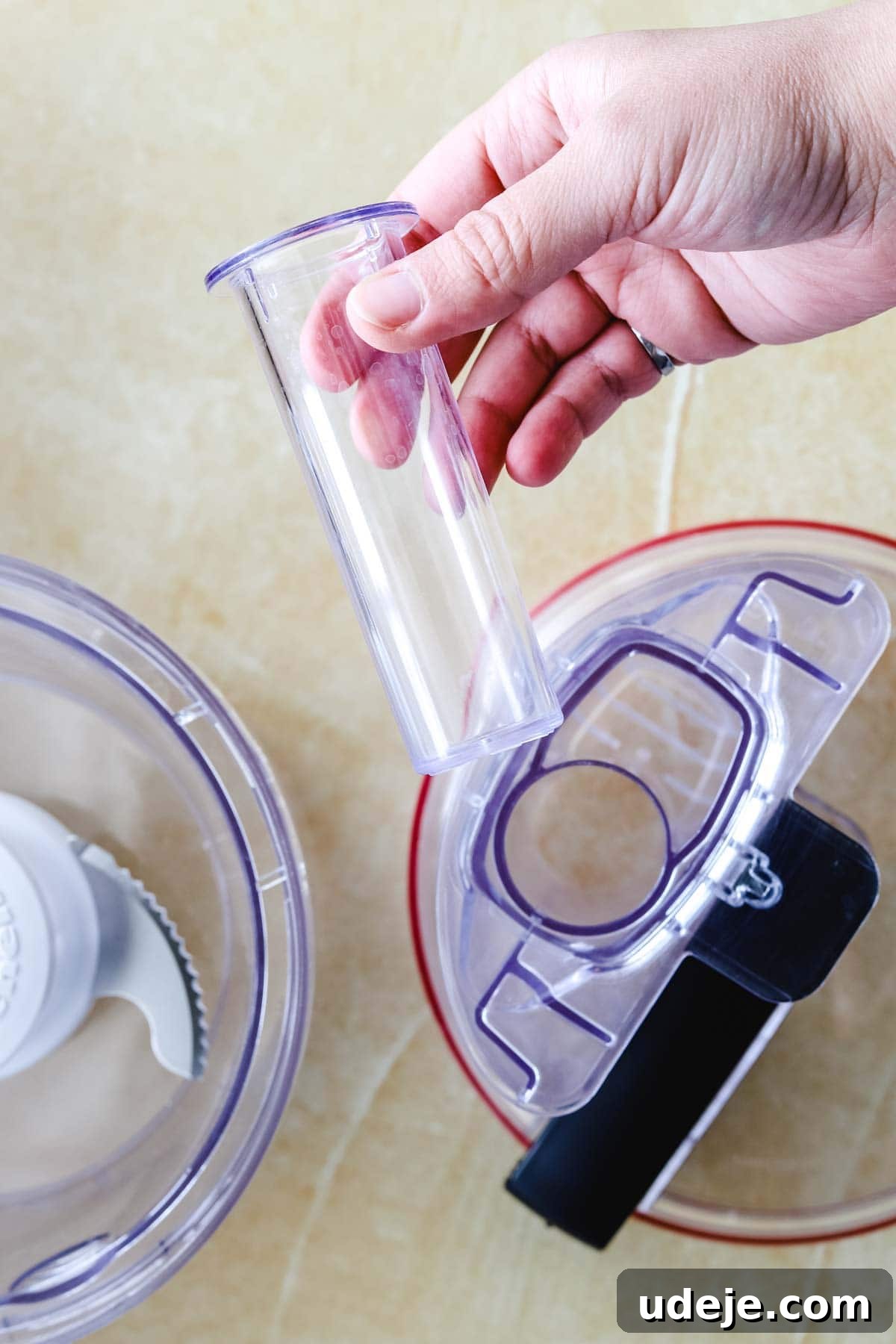
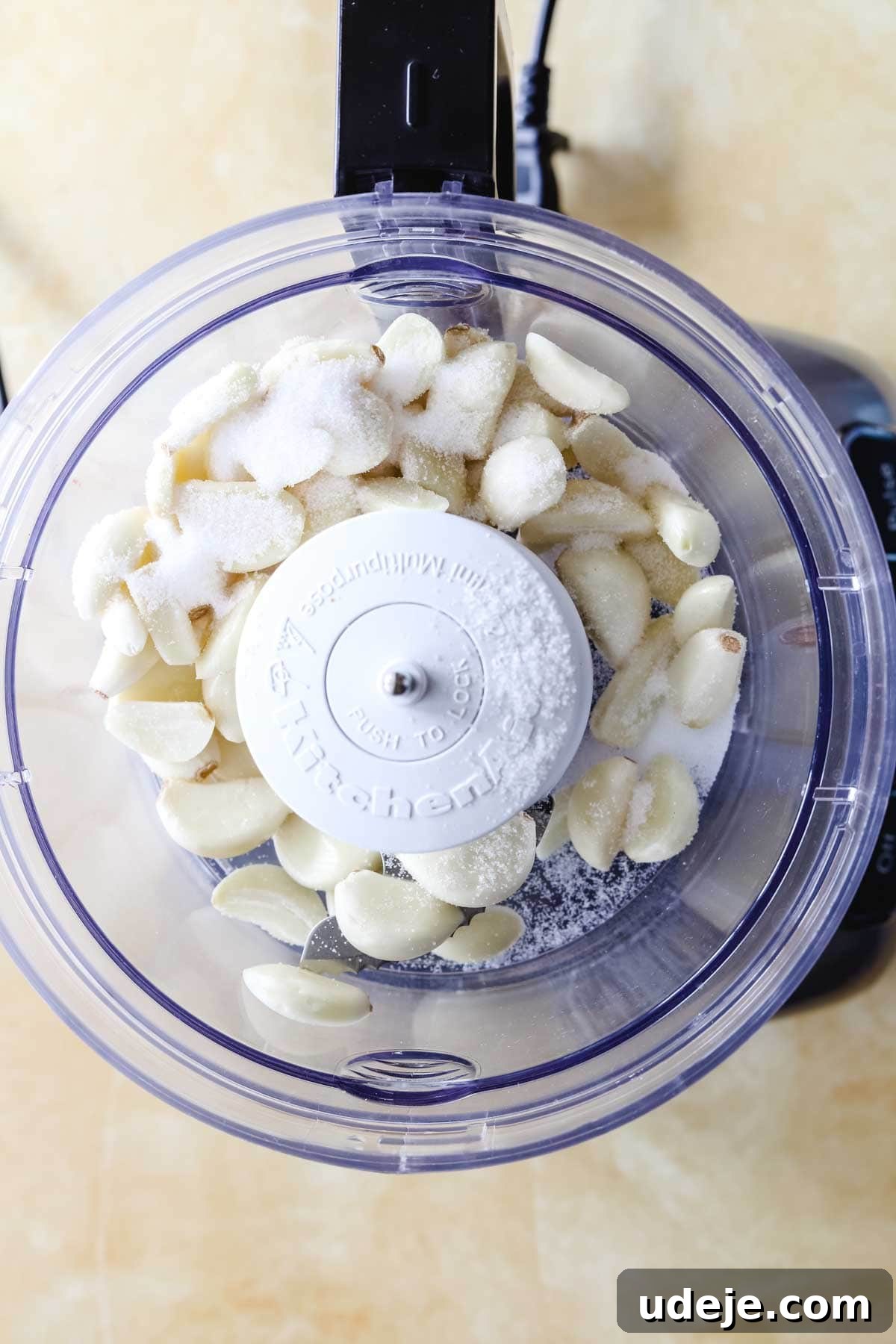
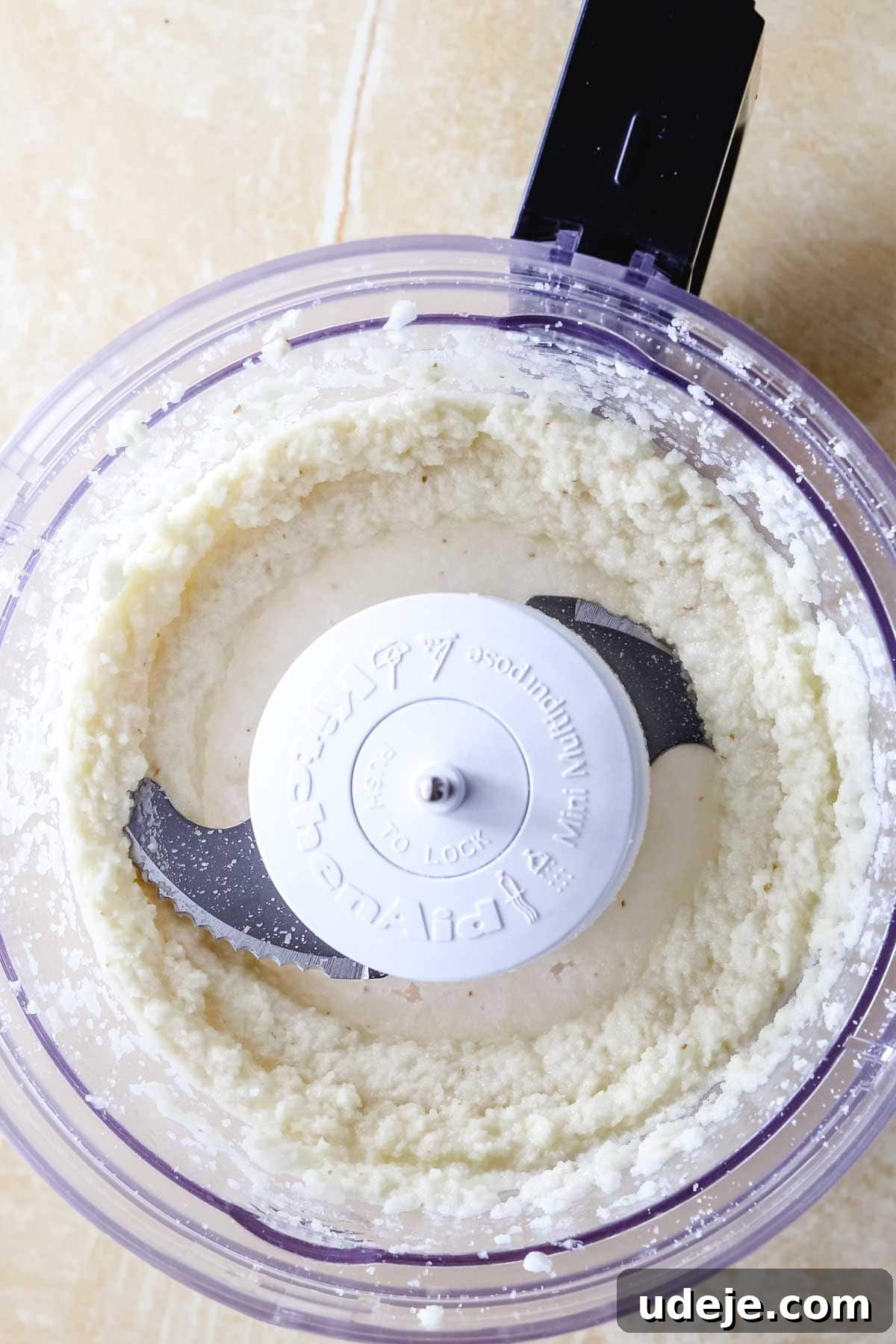
Begin by placing your peeled and germ-removed garlic cloves along with the salt into the food processor. Process on high speed for 2-3 minutes until the garlic is thoroughly pureed into a fine, smooth paste. This ensures there are no large garlic chunks in your final Toum. Next, with the food processor running continuously on high speed, start to slowly drizzle in the neutral oil. It is crucial to add the oil very gradually, just one tablespoon at a time, either by hand or through a dedicated streaming attachment. This slow addition is absolutely essential for the successful emulsification of the sauce. Pause occasionally to scrape down the sides of the bowl, ensuring all ingredients are well incorporated. As you continue, the mixture will visibly begin to emulsify and thicken, starting to resemble a creamy sauce.
Once you’ve added a portion of the oil, begin to alternate with the lemon juice, adding it in similar small increments (a few tablespoons at a time) and equally slowly. Continue this alternating process of adding oil and lemon juice, always with the food processor running on high speed. A key point to remember for a stable emulsion is to make sure the **last ingredient you stream in is the oil, not the lemon juice**. This entire process, given its slow and precise nature, will typically take a longer duration, ranging from 15 to 20 minutes.
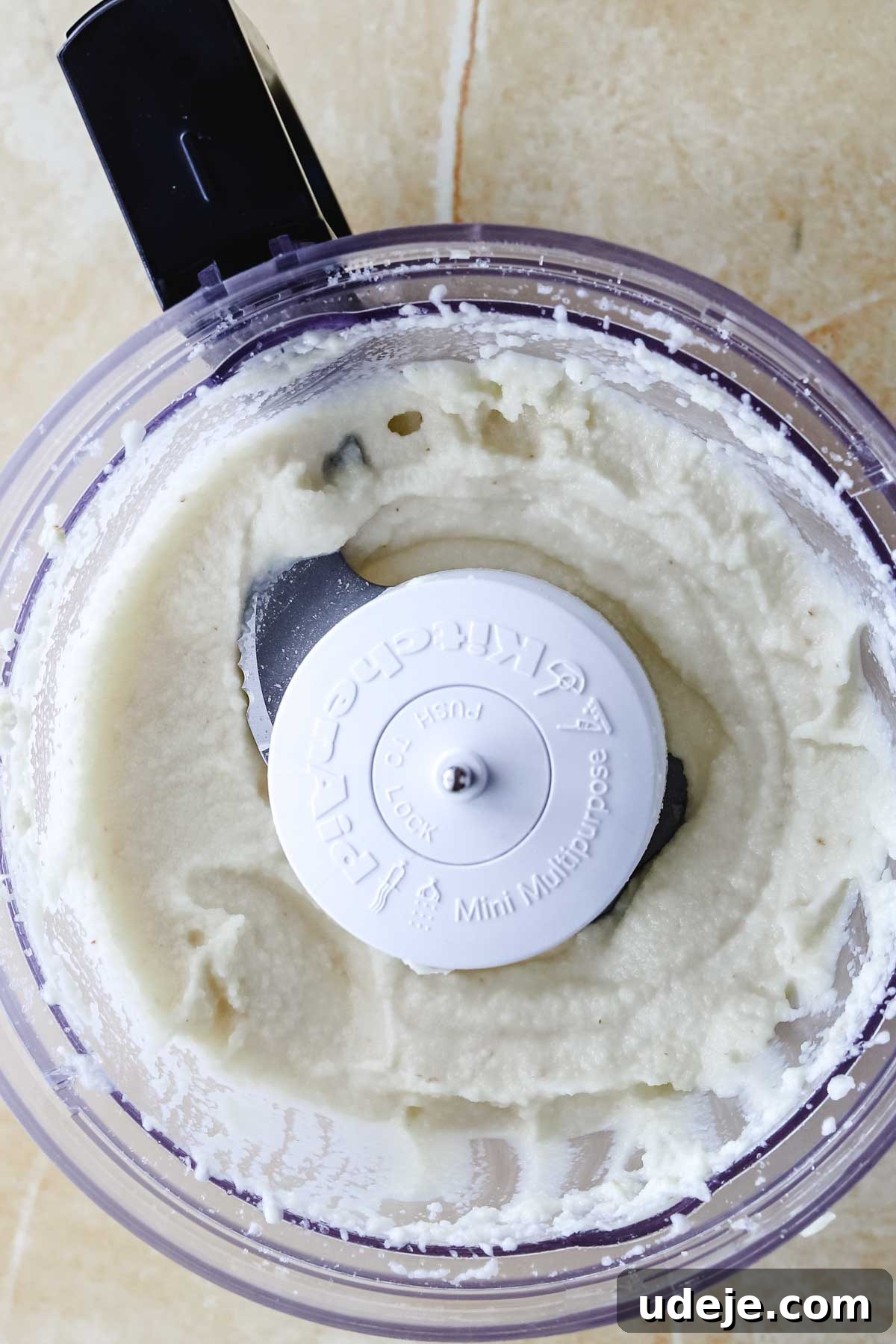
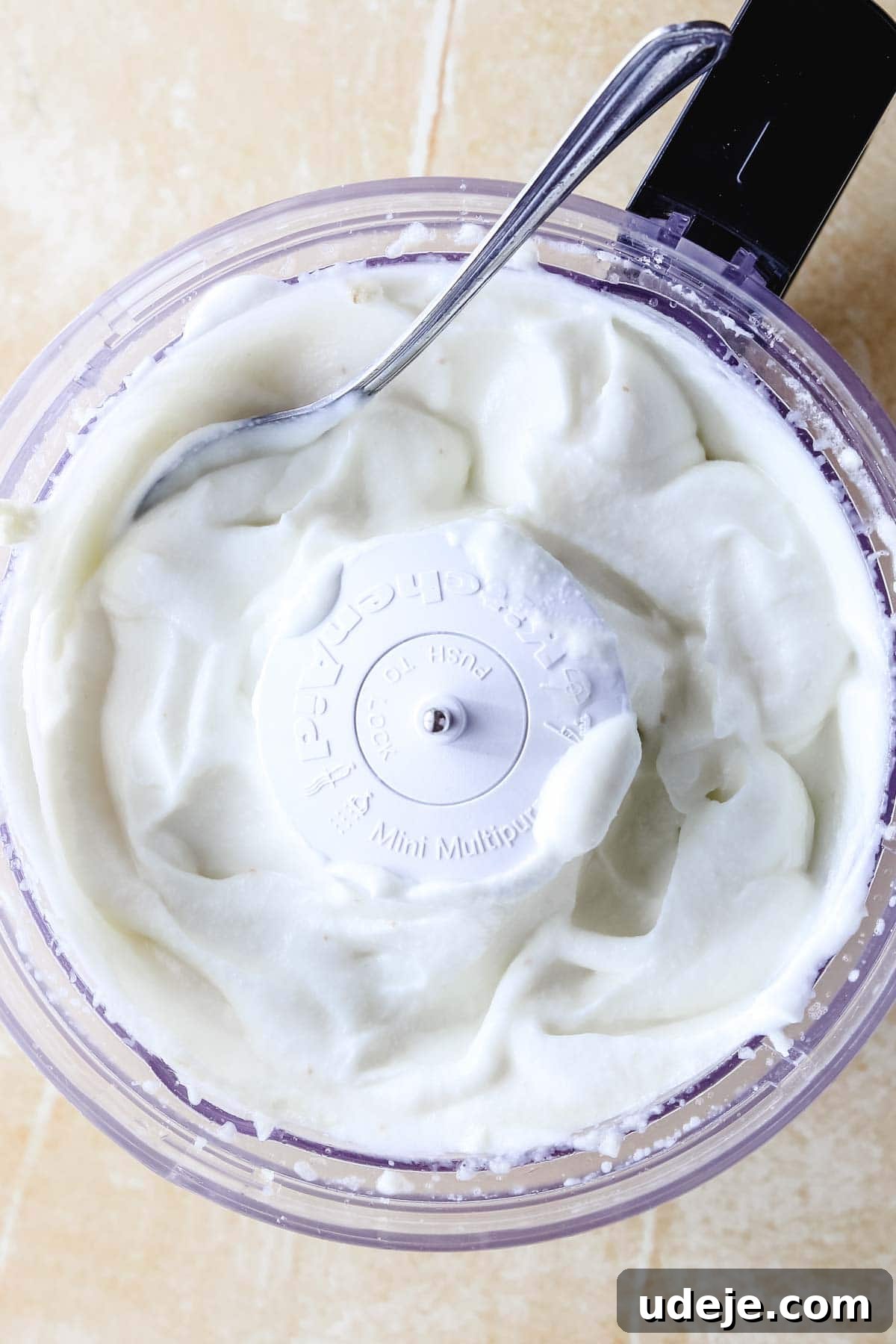
Once all the oil and lemon juice have been carefully streamed in, your Toum will have achieved a beautifully fluffy, thick, and fully emulsified consistency, resembling the enticing texture shown in the photo on the right above. Transfer it to an airtight container and refrigerate.
The Case Against Egg Whites in Toum
Some Toum recipes incorporate egg whites, primarily because their chemical properties make them excellent emulsifying agents. Egg whites effectively bind oil and water components, contributing to a very stable and creamy sauce. However, there’s a significant drawback to using egg whites in Toum: food safety and shelf life.
Due to the limited refrigerator life of raw egg whites (typically safe for consumption for up to 7 days when stored correctly), Toum made with this ingredient can only be safely stored and consumed for about a week. Given that one of the joys of homemade Toum is having a fresh batch readily available for an extended period, opting for an egg-free recipe significantly prolongs its shelf life. Our method ensures your Toum remains fresh and delicious in the fridge for 2-3 months, providing much greater convenience without sacrificing taste or texture.
Customizing Your Toum: How to Achieve a Milder Flavor
Toum is, by its very nature, a celebration of garlic. If you’re making it, chances are you’re a devoted garlic fan! However, for those who might find its intensity a bit too bold, or who simply prefer a slightly more subdued garlic profile, there are several effective strategies to achieve a milder Toum without compromising its essential character:
- Allow for Mellowing Time: Once you’ve prepared your Toum, resist the urge to dive in immediately. Instead, transfer it to an airtight container and let it rest in the refrigerator for at least 2-3 days before serving. During this resting period, the chemical compounds in the garlic naturally undergo changes, which causes the sharp, pungent edge of the raw garlic to mellow out considerably. This aging process results in a smoother, more rounded, and less aggressive garlic flavor.
- Blend with Plain Yogurt: A fantastic and simple way to instantly temper the intensity of Toum is to mix it with an equal or lesser amount of plain yogurt. For example, if you’re serving 1 tablespoon of Toum, blend in about half a tablespoon of thick, plain yogurt. The creamy texture and mild tang of the yogurt effectively dilute the concentration of the garlic, making the Toum less potent while still retaining its delicious garlicky essence. Ensure you mix it thoroughly until smooth. This method is particularly effective for dips or spreads.
Storing Your Homemade Toum for Lasting Freshness
Proper storage is key to maximizing the life of your delicious homemade Toum. It’s incredibly simple to do:
Just transfer the freshly made Toum into an airtight glass jar. I find Mason jars to be perfect for this purpose, and this recipe yields precisely enough to fill one standard 16 oz (approximately 453 g) jar. Once sealed, place it in the refrigerator. To ensure your Toum remains fresh and free from contamination, always use a clean utensil each time you scoop it out. This simple practice helps prevent the introduction of bacteria. Stored correctly in the fridge, your Toum will keep beautifully for an impressive 2-4 weeks, or even longer if made without eggs (as this recipe outlines), often up to 2-3 months.

If you tried this amazing Toum recipe, please consider leaving a star ★★★★★ rating in the recipe card below and/or a review in the comments section further down the page – I’d absolutely love to hear from you! You can also connect with me over on Instagram and say hello!
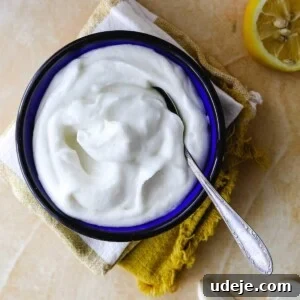
5-Minute Toum (NO Food Processor!)
Leave a Review
Pin Recipe
Ingredients
- 1 cup peeled garlic cloves , (155 grams) pre-peeled works as long as they are fresh
- 1/2 cup lemon juice
- 2 teaspoons salt
- 2 cups neutral vegetable oil (Avocado oil recommended)
Equipment
-
1 Immersion Blender
Instructions
-
Begin by peeling your garlic cloves. For convenience, fresh pre-peeled garlic from a trusted source works wonderfully.
-
Cut each peeled garlic clove in half lengthwise and carefully remove any green germ you find inside. This germ can impart a bitter flavor to your Toum.
-
In a tall, narrow jug or jar specifically chosen to fit your immersion blender, combine the prepared garlic, lemon juice, and salt. Blend these ingredients until they form a smooth paste and become foamy. This typically takes around 20-30 seconds, depending on your blender’s power.
-
With the immersion blender still inside the container and resting at the bottom, pour the entire 2 cups of neutral oil directly on top of the garlic paste.
-
Start blending, keeping the immersion blender blades primarily at the bottom of the jar. Slowly pulse the blender slightly up and down in micro-movements. Continue this for 3-5 minutes until the oil and garlic begin to emulsify. You will notice the emulsion gradually working its way up the jar until the entire sauce becomes uniformly smooth and creamy.
-
Transfer the finished Toum into an airtight Mason jar and store it in the refrigerator. It will stay fresh and delicious for 2-3 months.
Notes
- For convenience, use pre-peeled garlic cloves, ensuring they are fresh and from a reliable grocery store or market.
- Always cut garlic cloves in half and remove the green germ, if present, to prevent bitterness in your Toum.
- If peeling fresh garlic, try smashing cloves with a chef’s knife; this often helps the skin slide right off.
- This immersion blender method is specifically designed for quick emulsification. If using a food processor, please refer to the detailed guidance in the main article body for adaptation.
- This recipe yields approximately one 16 oz (500 ml) jar of Toum.