
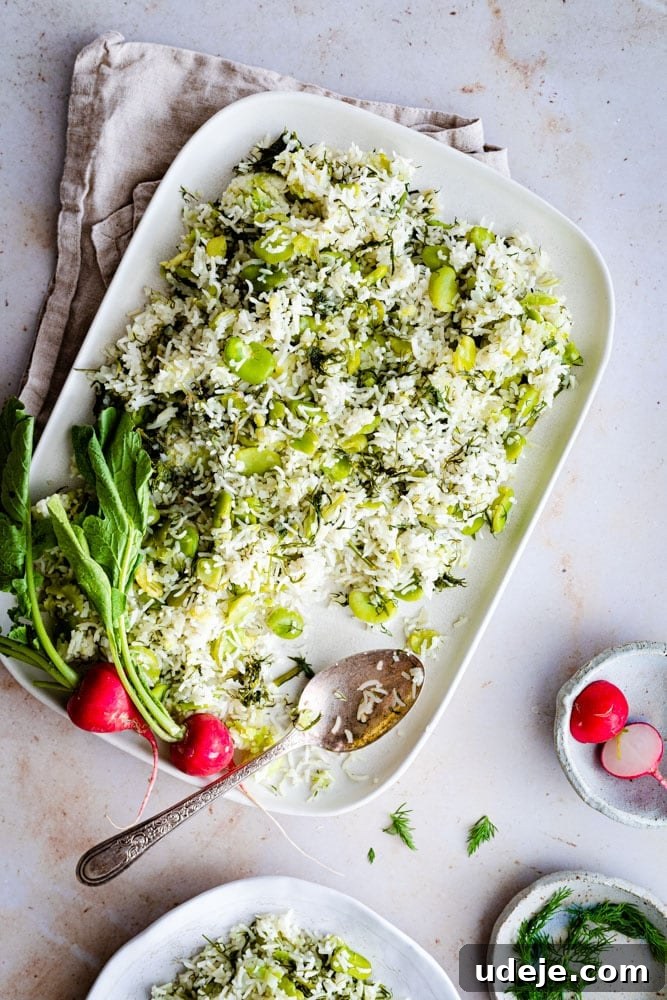
Discover a culinary gem that bridges the rich food traditions of Persia and Iraq: Baghali Polo, also known as Timman Bagilla. This exquisite dill rice dish, traditionally crafted with tender fava beans, is not just a meal; it’s an aromatic experience, packed with robust flavors and wholesome protein. If you’re a lover of fresh dill and seeking to invigorate your weekly menu with a vibrant, satisfying rice dish, then this recipe is an absolute must-try.
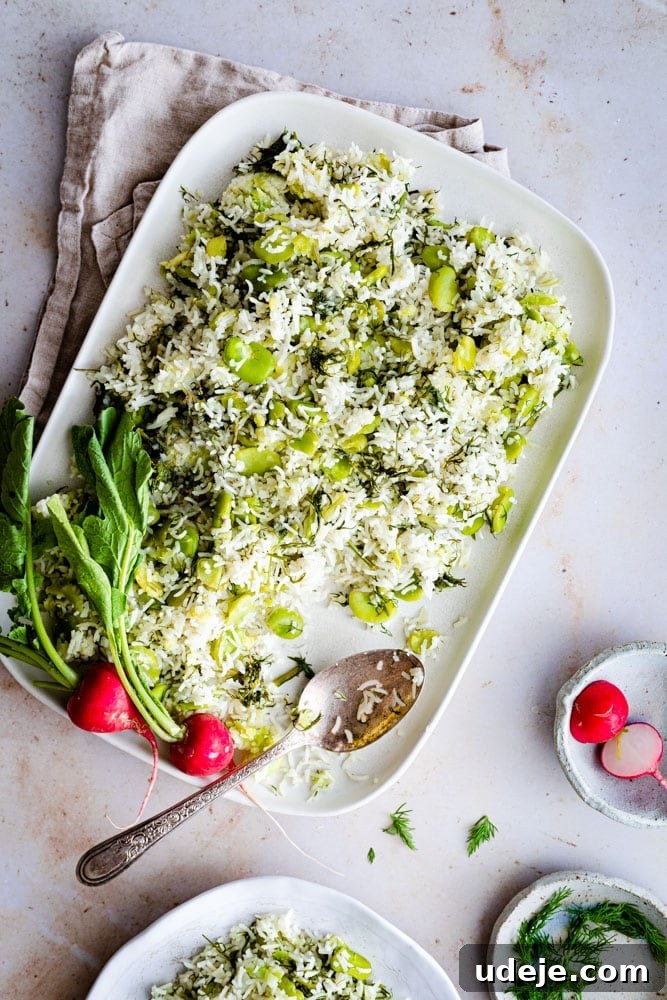
Unveiling Baghali Polo and Timman Bagilla: A Culinary Journey
For those familiar with Middle Eastern cuisine, the names Baghali Polo (Persian) and Timman Bagilla (Iraqi) might resonate as distinct yet remarkably similar dishes. My own culinary journey began with Timman Bagilla, a cherished classic in Iraqi households, a staple I grew up enjoying. It was a delightful discovery to learn of its almost identical Persian counterpart, Baghali Polo, a testament to the beautiful interweaving of flavors and techniques shared across these vibrant culinary landscapes.
Both dishes celebrate the fragrant combination of fresh dill and earthy fava beans, creating a rice pilaf that is both comforting and extraordinarily flavorful. The primary distinction often lies in presentation and a few traditional additions. Persian Baghali Polo frequently incorporates a signature crispy rice layer, known as “Tahdig,” at the bottom of the pot, often infused with saffron and occasionally adorned with thin potato slices. This golden, crunchy base is a hallmark of Persian rice preparation and adds an incredible textural contrast to the fluffy dill rice.
While my simplified method for this recipe focuses on achieving maximum flavor with minimal fuss, you can certainly embrace the Tahdig tradition if you wish, adding an extra layer of authenticity and delight. Furthermore, this dill rice can be enhanced with bone-in chicken pieces, transforming it into a complete and hearty meal. I often prepare it in various ways, adapting to what I’m serving alongside it. Regardless of the subtle variations, the core essence – a wonderfully aromatic and satisfying dill and fava bean rice – remains undeniably delicious and an absolute must-try.
Why You’ll Fall in Love with This Dill Rice
If your taste buds are yearning for something beyond plain rice, Baghali Polo offers an exciting escape. Its appeal lies in several key aspects:
- **Explosion of Flavor:** The generous use of fresh dill infuses every grain of rice with a bright, herbaceous aroma that is truly captivating. Paired with the subtle nuttiness of fava beans, it creates a unique and irresistible taste profile.
- **Nutrient-Rich Goodness:** Fava beans are an excellent source of plant-based protein and fiber, making this dish not only delicious but also incredibly wholesome and satisfying. It’s a fantastic way to incorporate more legumes into your diet.
- **Surprisingly Easy to Make:** Despite its sophisticated flavor, this recipe is remarkably straightforward. It largely follows the principles of cooking a perfect pot of rice, with a few simple additions that build complex flavors effortlessly.
- **Versatile and Adaptable:** Whether you prefer a vegetarian meal or a hearty protein-packed dish, Baghali Polo can be easily customized. It serves beautifully as a standalone main course or as a flavorful side.
- **A Taste of Middle Eastern Tradition:** Preparing this dish offers a delightful dive into the rich culinary heritage of the Middle East, bringing centuries of flavor and comfort right to your kitchen table.
Essential Ingredients for Your Delicious Dill Rice
Crafting this flavorful dill rice masterpiece requires a selection of fresh and wholesome ingredients. Here’s what you’ll need, along with tips for sourcing and substitutions:
- Basmati Rice: The foundation of our dish. Basmati rice is prized for its aromatic fragrance and long, slender grains that cook up fluffy and separate. Always choose high-quality Basmati for the best results. You will need 3 1/2 cups.
- Fava Beans: The star legume. Fava beans add a delightful creaminess and earthy flavor. They can sometimes be challenging to find fresh, depending on your location. I highly recommend seeking out frozen and peeled fava beans, which are readily available at most Arabic or Middle Eastern grocery stores. If using fresh fava beans, you’ll need to boil them until tender, then peel their outer skins before adding them to the rice. Approximately 800 grams of cooked, peeled fava beans are needed. If fava beans are completely unavailable, cooked lima beans or even chickpeas can serve as excellent substitutes, offering a similar texture and protein boost.
- Fresh Dill: The soul of Baghali Polo. The vibrant, herbaceous flavor of fresh dill is irreplaceable in this dish. I strongly advise against using dried dill, as its flavor is significantly muted and won’t provide the same aromatic impact. Look for a large, fresh bunch; you’ll need about 3 cups finely chopped, which is roughly one very large bunch.
- Onion: A large onion, finely diced, forms the aromatic base of our rice, adding depth and sweetness when sautéed.
- Olive Oil: Used for sautéing the onions and adding a rich, subtle flavor to the rice. You’ll need about 5 tablespoons. Any good quality vegetable oil can also be used.
- Chicken Broth: While water can be used, chicken broth elevates the flavor of the rice considerably, infusing it with savory notes. You will need 4 cups. For a vegetarian version, simply substitute with vegetable broth.
- Salt and Pepper: Essential seasonings to balance and enhance all the flavors. Approximately 4 teaspoons of salt and 1/2 teaspoon of black pepper are a good starting point, but always adjust to your taste.
- Optional Bone-in Chicken Pieces: For a more substantial, complete meal, consider adding chicken. To do this, boil bone-in chicken pieces (e.g., thighs or drumsticks) with aromatic spices like bay leaves, cardamom pods, and a cinnamon stick until cooked through. Remove the chicken, strain the flavorful broth to use for the rice, and then lightly pan-fry or brown the chicken pieces to a golden crisp before serving them atop the dill rice. This method not only cooks the chicken but also creates a wonderfully rich broth for your rice.
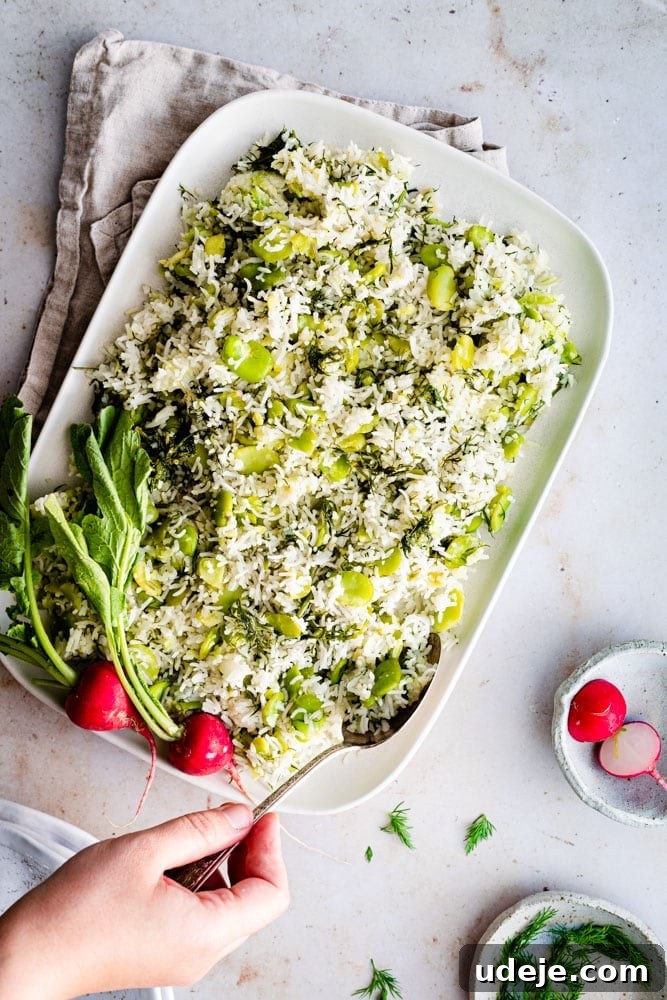
Step-by-Step Guide: Crafting Your Baghali Polo (Dill Rice)
Creating this aromatic dill rice is a straightforward process, largely mirroring the steps for cooking perfect fluffy rice, with a few flavorful additions. Follow these instructions for a truly delicious result:
- Prepare the Rice: Begin by washing 3 1/2 cups of Basmati rice thoroughly under cold running water. Continue rinsing until the water runs clear. This removes excess starch, preventing the rice from becoming gummy. Once washed, soak the rice in fresh water for at least 10 minutes while you gather and prepare your other ingredients. Soaking helps the grains cook more evenly and become fluffier.
- Sauté the Onions: In a large, non-stick pot (one that you’ll use to cook all the rice), heat 5 tablespoons of olive oil over medium heat. Add the finely diced large onion and cook, stirring occasionally, until it softens and turns translucent, which should take about 5-7 minutes. This step creates a foundational layer of flavor for the entire dish.
- Chop the Dill: While the onions are sautéing, wash the fresh dill thoroughly. Finely chop the dill, ensuring to remove any particularly thick or long stems, as these can be fibrous.
- Add Fava Beans: Once the onions are softened, add 800 grams of cooked (and peeled) fava beans to the pot. If using frozen fava beans, allow them to thaw gently in the pot for about 5 minutes, stirring occasionally. If using cooked lima beans or chickpeas as a substitute, add them at this stage as well.
- Infuse with Dill and Broth: Now, add the finely chopped fresh dill, 4 teaspoons of salt, and 1/2 teaspoon of pepper to the pot. Pour in 2 cups of the chicken or vegetable broth. Stir everything together, cover the pot, and bring it to a boil. Allow it to simmer for about 5 minutes, letting the flavors meld and the dill’s aroma infuse the liquid.
- Introduce the Rice and Remaining Broth: Drain the soaked rice completely. Add the drained rice to the pot along with the remaining 2 cups of chicken or vegetable broth. The liquid level should be just slightly above the surface of the rice – roughly even with it, not much higher. Turn the heat to high and bring the pot to a vigorous boil for a few minutes until you see distinct bubbles breaking on the surface.
- Steam the Rice to Perfection: Reduce the heat to the lowest setting. Cover the pot with a tight-fitting, well-sealed lid. It’s crucial that steam does not escape. Cook the rice undisturbed for 20 minutes. Resist the urge to lift the lid, as this releases precious steam needed for proper cooking.
- Fluff and Rest: After 20 minutes, gently remove the lid. Fluff the rice with a fork, carefully turning it over to check its doneness. If the rice is still slightly firm or undercooked, add a small splash of water (about 1/4 cup), cover the pot again, and cook for another 10 minutes on low heat. If it’s perfectly soft and fluffy, turn off the heat and allow the rice to stand, covered, for an additional 10 minutes. This resting period allows the steam to redistribute, resulting in individual, perfectly cooked grains.
- Serve and Enjoy: Your aromatic Baghali Polo is now ready! Serve it hot, perhaps with a refreshing Jajik (cucumber yogurt salad) and savor the rich, herbaceous flavors.
Versatile Creations: Meat Lover’s & Vegetarian Options
One of the beauties of Baghali Polo is its incredible adaptability. This fragrant dill rice can effortlessly cater to various dietary preferences, making it a perfect dish for any occasion.
Crafting a Hearty Meat Version
While my base recipe focuses on a delicious and satisfying rice dish, incorporating meat can transform it into a complete, show-stopping meal. My preferred method for this involves bone-in chicken pieces, which add incredible depth of flavor to the entire dish.
To prepare the chicken:
- Select bone-in chicken pieces such as thighs or drumsticks. These cuts tend to stay moist and release more flavor.
- In a separate pot, boil the chicken pieces with aromatics like bay leaves, a few cardamom pods, and a cinnamon stick. These spices infuse the chicken and the resulting broth with a wonderful fragrance.
- Boil the chicken until it is fully cooked and tender, which usually takes about 30-40 minutes depending on the size of the pieces.
- Once cooked, carefully remove the chicken pieces from the pot. Strain the chicken broth to remove any solids and set it aside; this flavorful broth will be used to cook your dill rice, adding an unparalleled richness.
- After the chicken has cooled slightly, you can choose to debone it or keep it bone-in. For an extra layer of flavor and texture, lightly brown the chicken pieces in a pan with a little oil until the skin is golden and slightly crispy.
Once your dill rice is cooked, serve it piping hot with the browned chicken pieces arranged beautifully on top. This method ensures that the rice itself is incredibly flavorful, having absorbed the essence of the chicken broth, while the browned chicken adds a delicious textural contrast and makes the meal exceptionally hearty.
Delicious Vegetarian Options
If you’re aiming for a completely plant-based meal, Baghali Polo is inherently vegetarian-friendly and incredibly satisfying. The core recipe already uses chicken broth, but a simple swap makes it fully vegetarian:
- **Vegetable Broth is Key:** Instead of chicken broth, use an equal amount of good quality vegetable broth. This will maintain the savory depth of the liquid while keeping it plant-based.
- **Legume Alternatives:** If fava beans are hard to source, cooked lima beans or even chickpeas make fantastic alternatives. They provide a similar texture and a protein boost, ensuring the dish remains filling and nutritious.
- **Complete Meal:** Even without meat, this dill rice is substantial enough to be a main course. Its combination of rice, fava beans (or alternatives), and fragrant dill offers a balanced and flavorful meal.
For more inspiration on vegetarian rice dishes, you might also enjoy my Carrot Rice recipe, another delightful and wholesome option. Whether you prefer it with succulent chicken or as a vibrant vegetarian dish, Baghali Polo promises a burst of fresh flavors that will surely become a favorite in your kitchen. And for another fantastic one-pot rice and chicken dish, you’ll definitely want to try my Arabic Biryani recipe next!
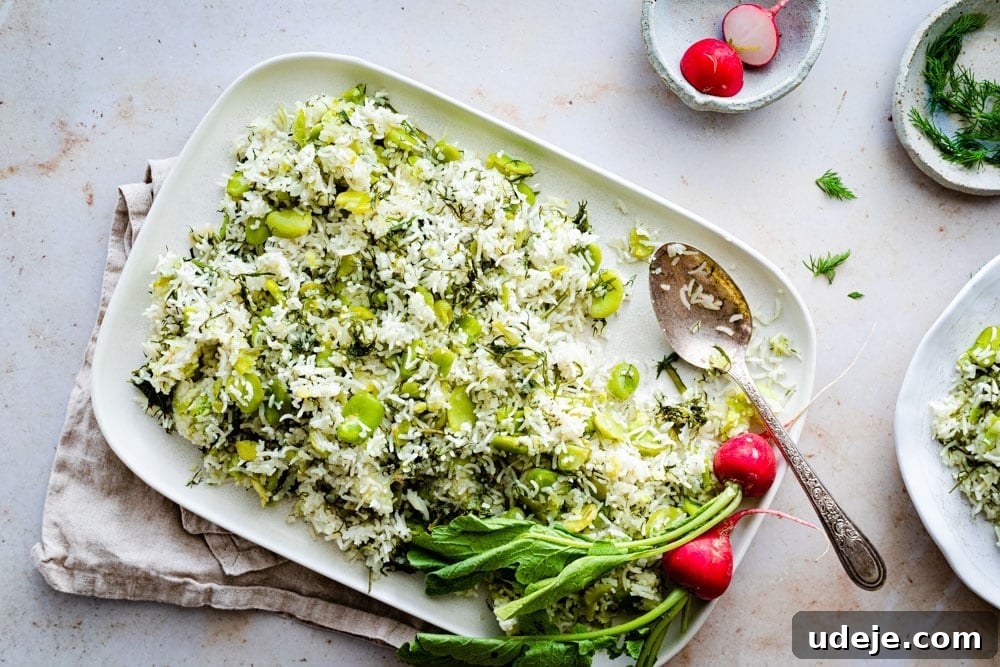
Perfect Pairings: What to Serve with Your Dill Rice
Baghali Polo, with its vibrant flavors and satisfying texture, is incredibly versatile when it comes to serving. It can effortlessly hold its own as a standalone meal or complement a variety of other dishes.
As a Complete Meal
When prepared as described (especially with the optional chicken), Baghali Polo is hearty enough to be the star of your table. To round it out, a simple fresh salad is often all you need:
- Cooling Yogurt Salad: A refreshing Jajik (cucumber yogurt salad) is an ideal accompaniment. Its creamy, tangy notes provide a wonderful contrast to the richness of the rice.
- Crisp Green Salads: Any simple green salad dressed with a light vinaigrette would be perfect. For a more authentic Middle Eastern experience, consider a robust Fattoush salad, with its mix of fresh vegetables, herbs, and crunchy pita bread.
- Fresh Vegetables: A simple platter of fresh radish, crisp green onions, or a handful of fresh mint leaves adds both a visual appeal and a refreshing crunch that cuts through the richness of the rice.
As a Flavorful Side Dish
Baghali Polo also excels as a sophisticated side dish, elevating a range of main courses:
- Grilled or Roasted Meats: Its herbaceous notes pair wonderfully with grilled or roasted proteins. Think succulent Kafta (seasoned ground meat skewers), tender Mediterranean roasted chicken, or even a perfectly seared lamb chop. The dill rice provides a light, aromatic counterpoint to richer meats.
- Fish and Seafood: The fresh dill flavor also makes this rice an excellent partner for fish. Grilled or baked white fish, such as cod or sea bass, would be beautifully complemented by the bright flavors of Baghali Polo.
- Stews and Curries: Serve it alongside a hearty lentil stew, a mild chickpea curry, or a vegetable tagine for a wholesome and satisfying meal. The rice acts as a neutral canvas that absorbs and enhances the flavors of the stew.
Don’t forget the simple garnishes! A sprinkle of extra fresh dill, a few radish slices, or even some toasted nuts like slivered almonds can add a final flourish and enhance the overall presentation and taste of your Baghali Polo.
Explore More Aromatic Rice Dishes
If you’ve enjoyed the delightful flavors of Baghali Polo, you’ll be thrilled to discover the vast and varied world of Middle Eastern rice recipes. Each dish tells a story, offering unique combinations of spices, herbs, and textures. Here are a few more popular and beloved rice dishes that you might want to try next:
- Arabic Rice with Vermicelli: A classic and foundational side dish in many Middle Eastern homes. Fragrant long-grain rice is cooked with golden toasted vermicelli, resulting in a light, fluffy, and slightly nutty side that pairs perfectly with almost any main course. It’s simple, elegant, and utterly delicious.
- Carrot Rice (Timman Jizar): A vibrant and wholesome dish where rice is cooked with grated carrots, often spiced with warming aromatics like cinnamon and turmeric. It’s naturally sweet, colorful, and a fantastic way to incorporate more vegetables into your meal. A great vegetarian option!
- Instant Pot Tomato Rice: For those seeking convenience without compromising on flavor, this recipe is a winner. Made easily in an Instant Pot, this tomato-infused rice is savory, slightly tangy, and perfect as a quick weeknight dinner or a flavorful side.
- Hashweh Rice: A celebratory and hearty rice dish often served at gatherings. “Hashweh” means stuffing, and this rice is typically cooked with ground meat (lamb or beef), toasted nuts, and a blend of aromatic Middle Eastern spices. It’s rich, savory, and incredibly satisfying, often served as a bed for roasted chicken or lamb.
Each of these recipes offers a distinct flavor profile and cooking experience, promising to expand your culinary repertoire and bring the wonderful tastes of the Middle East to your dining table. Happy cooking!
Baghali Polo or Timman Bagilla (Dill Rice) Recipe
Baghali Polo or Iraqi Timman Bagilla is a popular rice dish made with fava beans and fresh dill. It’s incredibly flavorful, comes together in one pot, and can be made with meat or kept vegetarian. A delightful culinary journey if you’re looking for something more exciting than plain old rice!
Yield: 8 servings
Prep time: 10 mins
Cook time: 30 mins
Author: Amina Al-Saigh
Ingredients
- 3 1/2 cups Basmati rice
- 800 grams fava beans (cooked, frozen & peeled, or 800g cooked lima beans)
- 1 large onion
- 3 cups fresh dill, finely chopped (approximately 1 very big bunch)
- 5 tablespoons olive oil, for rice
- 4 teaspoons salt
- 1/2 teaspoon pepper
- 4 cups chicken or vegetable broth (or replace with water)
Instructions
- Start by washing the rice well until the water runs clear, then soak it for 10 minutes while you prepare the other ingredients.
- Finely dice the onion and cook it in a non-stick pot on medium heat with the 5 tablespoons of olive oil. Cook until softened for about 5-7 minutes.
- Wash and finely chop the dill, ensuring to remove any really large and long stems.
- Once onions have softened, add the frozen and peeled fava beans and allow them to thaw for 5 minutes. Or, add the cooked lima beans if you’re using that instead.
- Add the dill, salt, and 2 cups of the chicken broth. Cover and cook for a further 5 minutes.
- Drain the rice and add it to the pot along with the rest of the broth. The liquid level should be approximately even with the surface of the rice (not much more). Turn the heat to high and allow it to come to a boil for a few minutes.
- Cover the pot (with a well-sealed lid), turn the heat to low, and cook for 20 minutes undisturbed.
- After 20 mins, fluff the rice with a fork and check on it. If it is still slightly under, you can add a small splash of water (1/4 cup), cover it and allow it to cook for a further 10 minutes. If it is perfectly soft, turn the heat off and allow it to stand for 10 minutes.
- Serve with Jajik and enjoy!
Notes
- If you can’t find frozen and peeled fava beans, you can cook fresh fava beans, then peel them. Or you can use cooked lima beans, or if you can’t find any of those, you can just use chickpeas.
- You can make this dish with bone-in chicken pieces. Simply boil the chicken pieces with bay leaves, cardamom pods and a cinnamon stick, then use the broth to cook the rice, and brown the chicken to serve on top of the rice.
- This recipe makes a large batch (roughly 6-8 generous servings) so if you’re cooking for a smaller family, you can halve the recipe.
Nutrition Facts (Approximate per serving)
- Serving: 1 serving
- Calories: 503 kcal
- Carbohydrates: 87g
- Protein: 15g
- Fat: 10g
- Saturated Fat: 1g
- Polyunsaturated Fat: 1g
- Monounsaturated Fat: 7g
- Cholesterol: 2mg
- Sodium: 1619mg
- Potassium: 534mg
- Fiber: 7g
- Sugar: 3g
- Vitamin A: 1379 IU
- Vitamin C: 16mg
- Calcium: 105mg
- Iron: 3mg