
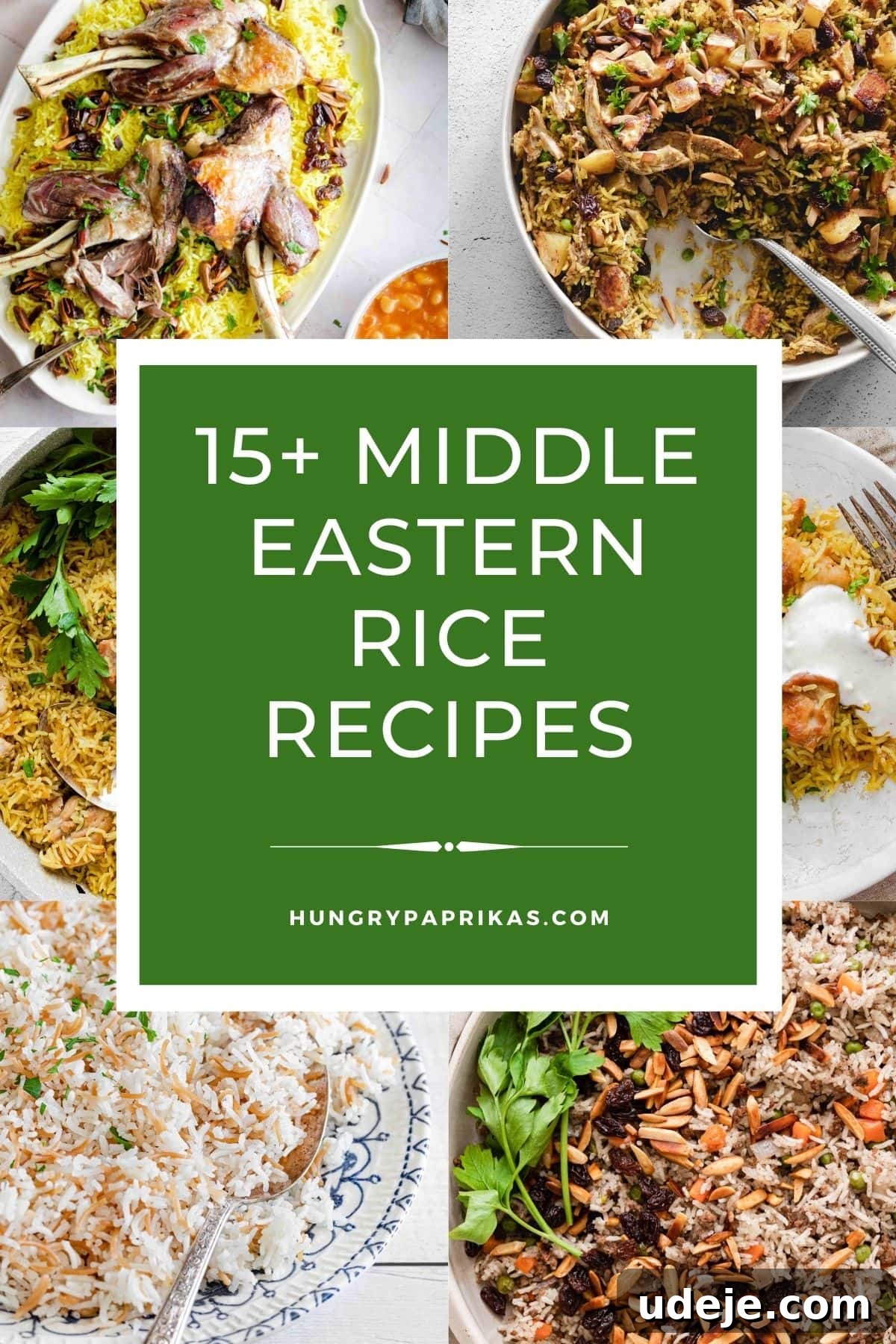
In countless cuisines across the globe, rice stands as a foundational ingredient, revered for its versatility, nutritional value, and comforting presence. Yet, nowhere is its role more integral, more celebrated, and more diverse than in the vibrant culinary landscape of the Middle East. From the bustling souks of Morocco to the ancient streets of Iraq, rice isn’t just a side dish; it’s the heart of the meal, a symbol of hospitality, and a canvas for an incredible array of flavors and textures.
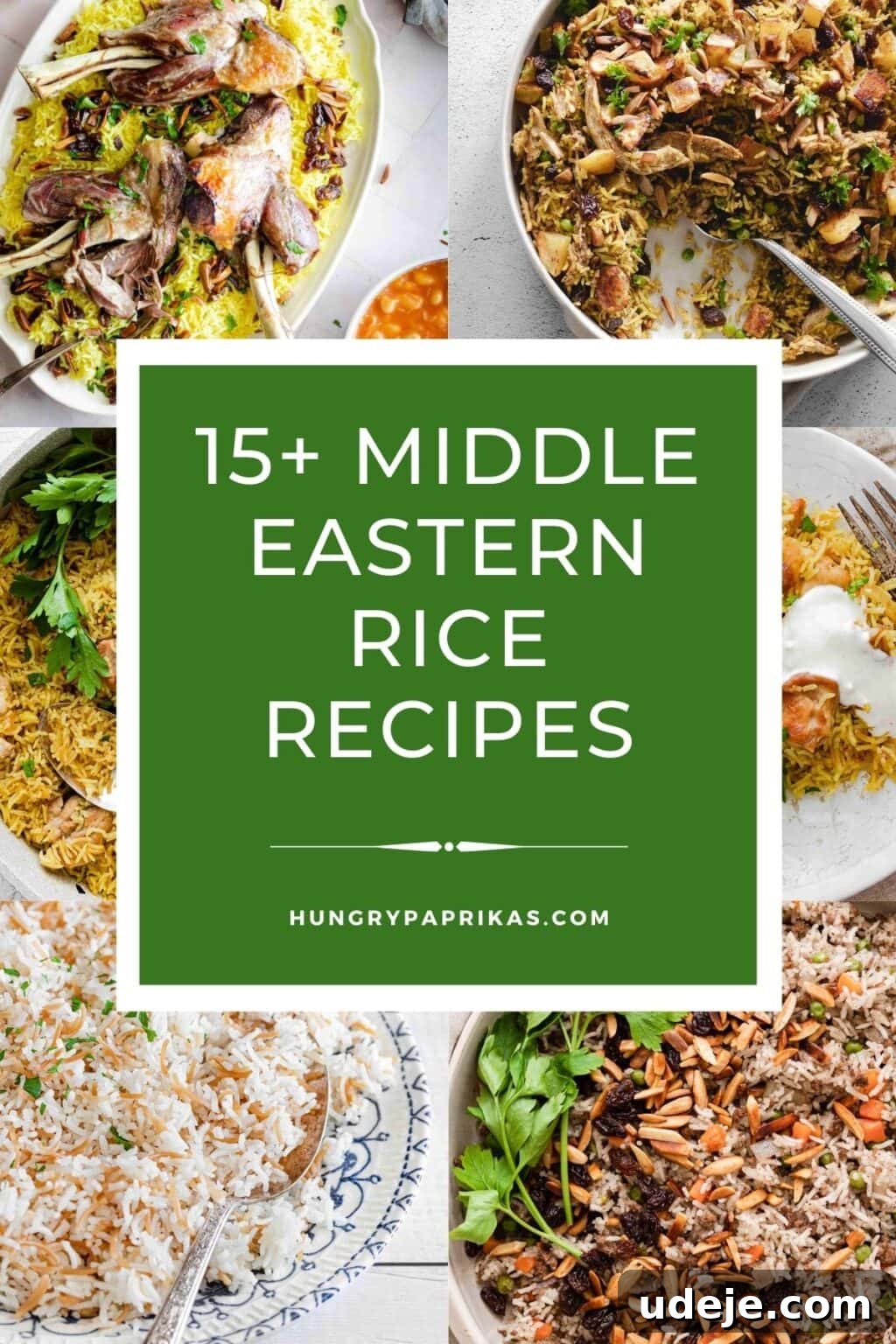
This comprehensive guide dives deep into the world of Middle Eastern rice dishes, offering a meticulously curated collection of over 15 tried-and-true recipes that promise to elevate your home cooking. Whether you’re seeking quick and easy weeknight solutions, impressive main courses for special occasions, or flavorful side dishes to complement any meal, you’ll discover authentic tastes and techniques perfected over generations. These recipes have been tested to ensure success in your kitchen, making it easy for you to recreate the magic of Middle Eastern flavors.
As a devoted food blogger with a particular passion for Middle Eastern cuisine, I’ve come to realize that rice is, without a doubt, my absolute favorite food. There’s an irresistible quality to a freshly cooked pot of aromatic rice, a simple pleasure that I can never quite get enough of. This personal connection drives my commitment to sharing only the best and most authentic rice dishes, ensuring that your culinary journey through the Middle East is as delightful and satisfying as mine has been.
To embark on your own flavorful rice discovery, I have hand-picked and organized a diverse selection of recipes. You’ll find straightforward preparations perfect for a quick weekday dinner, elaborate rice entrees designed to impress at gatherings, and intricate stuffed rice recipes for those moments when you have a bit more time to dedicate to a truly rewarding culinary project. Explore these recipes and prepare to be amazed by the rich tapestry of Middle Eastern rice traditions.
Understanding Rice Varieties in Middle Eastern Cuisine
The secret to perfect Middle Eastern rice often begins with selecting the right grain. While many cultures rely on one or two types, Middle Eastern cuisine embraces the unique characteristics of three primary rice varieties, each lending itself to specific dishes and textures. Let’s review them and understand their typical applications:
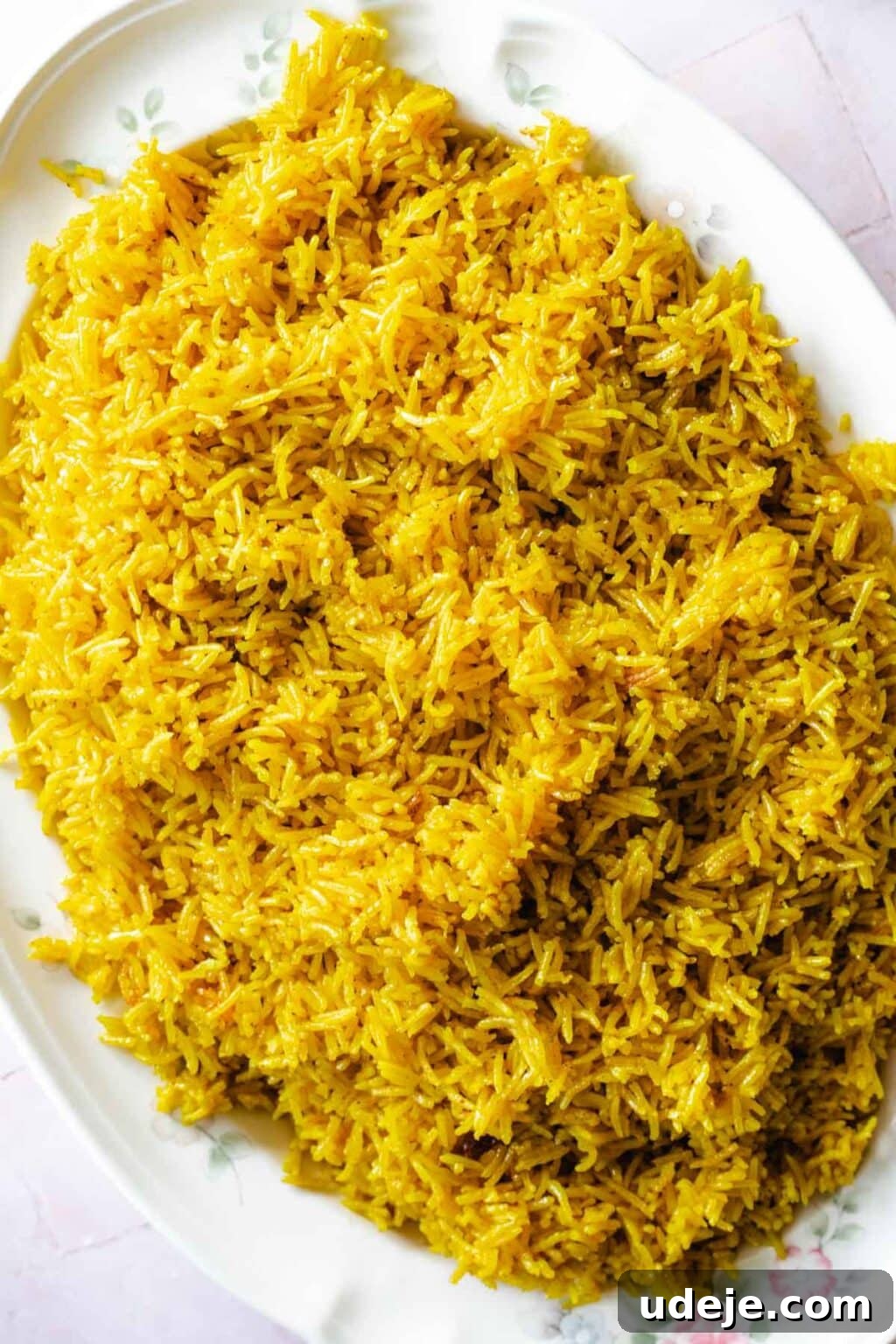
- Long-Grain Rice: True to its name, this rice features slender, elongated grains. It boasts the lowest starch content among the three, which prevents grains from sticking together when cooked. The result is a wonderfully fluffy, separate texture that is highly prized in many Middle Eastern preparations. Long-grain varieties, especially Basmati, are the most common choice throughout the region. They are predominantly used for aromatic pilafs, as the foundation for elaborate meat and rice main dishes, and notably in Arabic Rice with Vermicelli, a quintessential side for countless stews. For beginners, long-grain rice is often the most forgiving, making it an excellent starting point for mastering rice cooking.
- Medium-Grain Rice: This rice is shorter and wider than its long-grain counterpart and contains more starch. When cooked, medium-grain rice develops a slightly chewier and stickier texture. It requires a bit more precision in its water ratio compared to long-grain rice. In the Middle East, this type is frequently used in dishes where rice is stuffed into vegetables, allowing it to bind and hold its shape within the cavity. It also finds its way into various pilafs, particularly dominating Egyptian cuisine. In fact, medium-grain rice is so prominent in Egypt that it is often simply referred to as “Egyptian Rice” in Arabic-speaking countries.
- Short-Grain Rice: As the widest and shortest variety, short-grain rice contains the highest starch content, resulting in a distinctly sticky and creamy texture upon cooking. Like medium-grain rice, it is a popular choice for stuffed dishes, providing a satisfying, cohesive filling. Beyond Middle Eastern borders, this rice is famously used in dishes like Italian risotto, Japanese sushi, and Hawaiian poke bowls. Its inherent creaminess also makes it the preferred rice for classic desserts such as rice pudding.
For those new to cooking Middle Eastern rice, I strongly recommend beginning with long-grain rice, particularly Basmati. Its forgiving nature and fluffy outcome make it the easiest to master, setting you up for success with many of the recipes in this collection.
Categorizing Middle Eastern Rice Dishes
The vast spectrum of Middle Eastern rice dishes can be broadly categorized into three main types, reflecting their role in daily meals, special celebrations, and unique culinary traditions. This classification will help you navigate the diverse offerings and choose the perfect rice dish for any occasion.
- Everyday Rice
- Special Occasion Rice
- Stuffed Rice Dishes
Everyday Rice Dishes: Comfort and Companionship
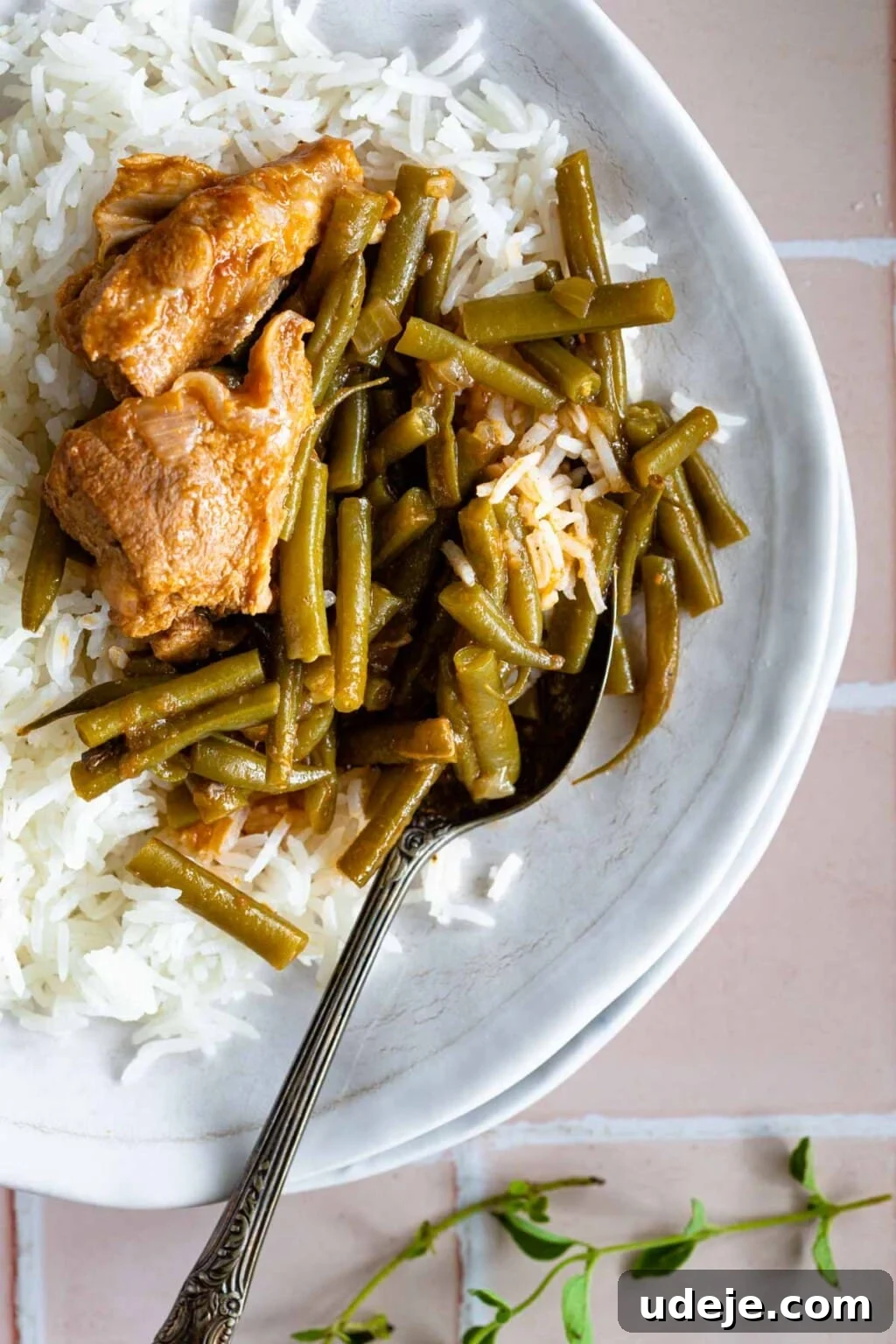
For many Middle Eastern households, a meal isn’t complete without a comforting bowl of everyday rice. These dishes are typically served as a staple alongside various vegetable and meat stews, such as the hearty Fasolia (green bean stew) or the flavorful Bamia (okra stew). The most common preparation involves fluffy white rice cooked with toasted vermicelli noodles, offering a delightful textural contrast. While this classic remains a daily favorite, variations exist to add subtle excitement to weekday meals. The hallmark of “everyday” rice is its supportive role; it’s a delicious and essential accompaniment, rather than the primary star of the plate.
Special Occasion Rice Dishes: Feasts and Festivities
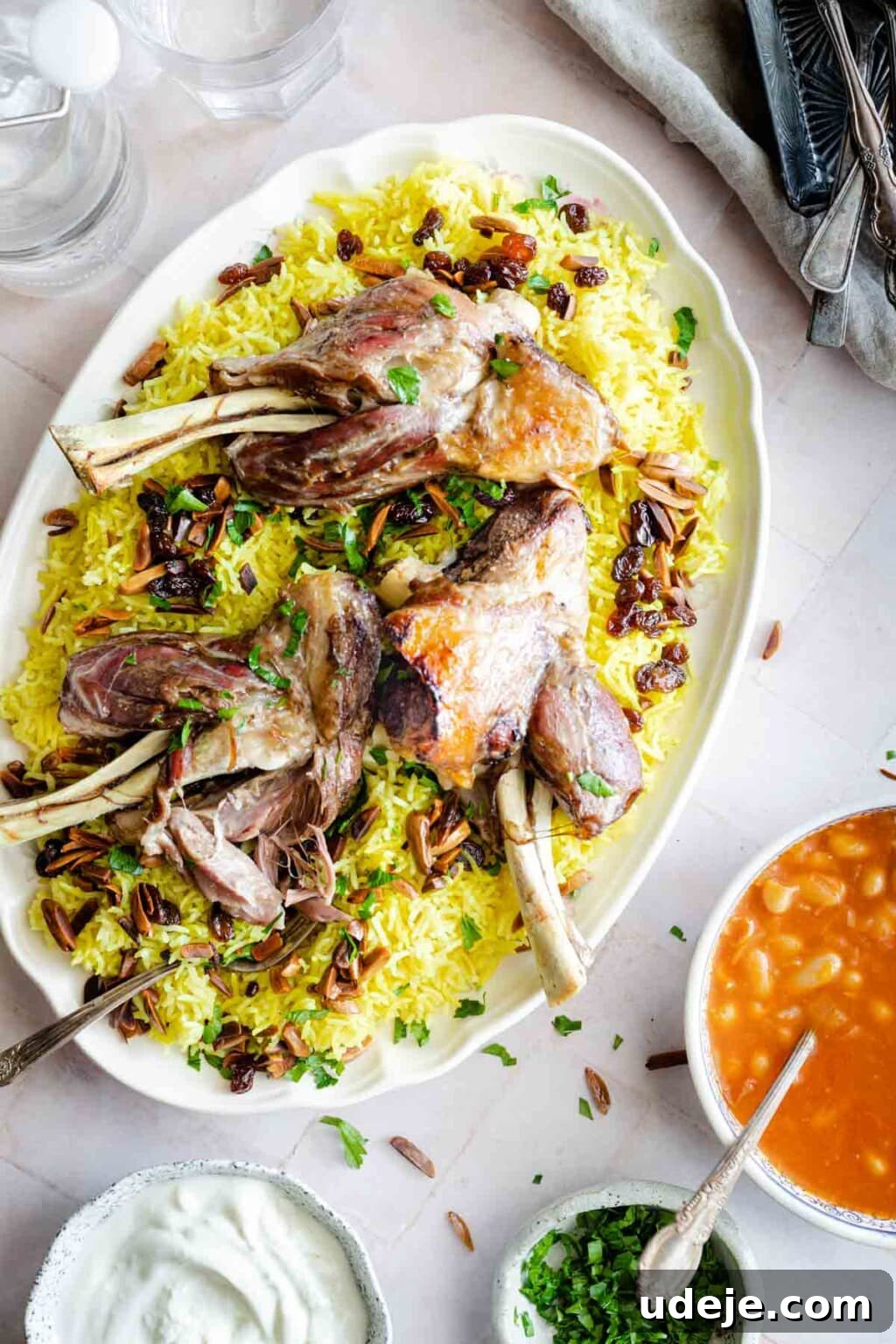
When it comes to celebrations and gatherings, Middle Eastern rice transforms into a show-stopping centerpiece. These elaborate dishes are often prepared in generous quantities and almost invariably served beneath succulent roasted or slow-cooked beef, tender lamb, or perfectly spiced chicken. The combination of richly flavored rice and tender meat is a cornerstone of festive dining in any Middle Eastern home. What truly elevates “special occasion” rice are the luxurious toppings: crisp fried almonds or pine nuts, sweet plump raisins, and sometimes deeply caramelized fried onions, all scattered generously over the rice and meat. These additions contribute layers of flavor, delightful crunch, and a visual extravagance that is simply impossible to resist, as exemplified by the majestic Iraqi Quzi.
Stuffed Rice Dishes: A Labor of Love and Flavor
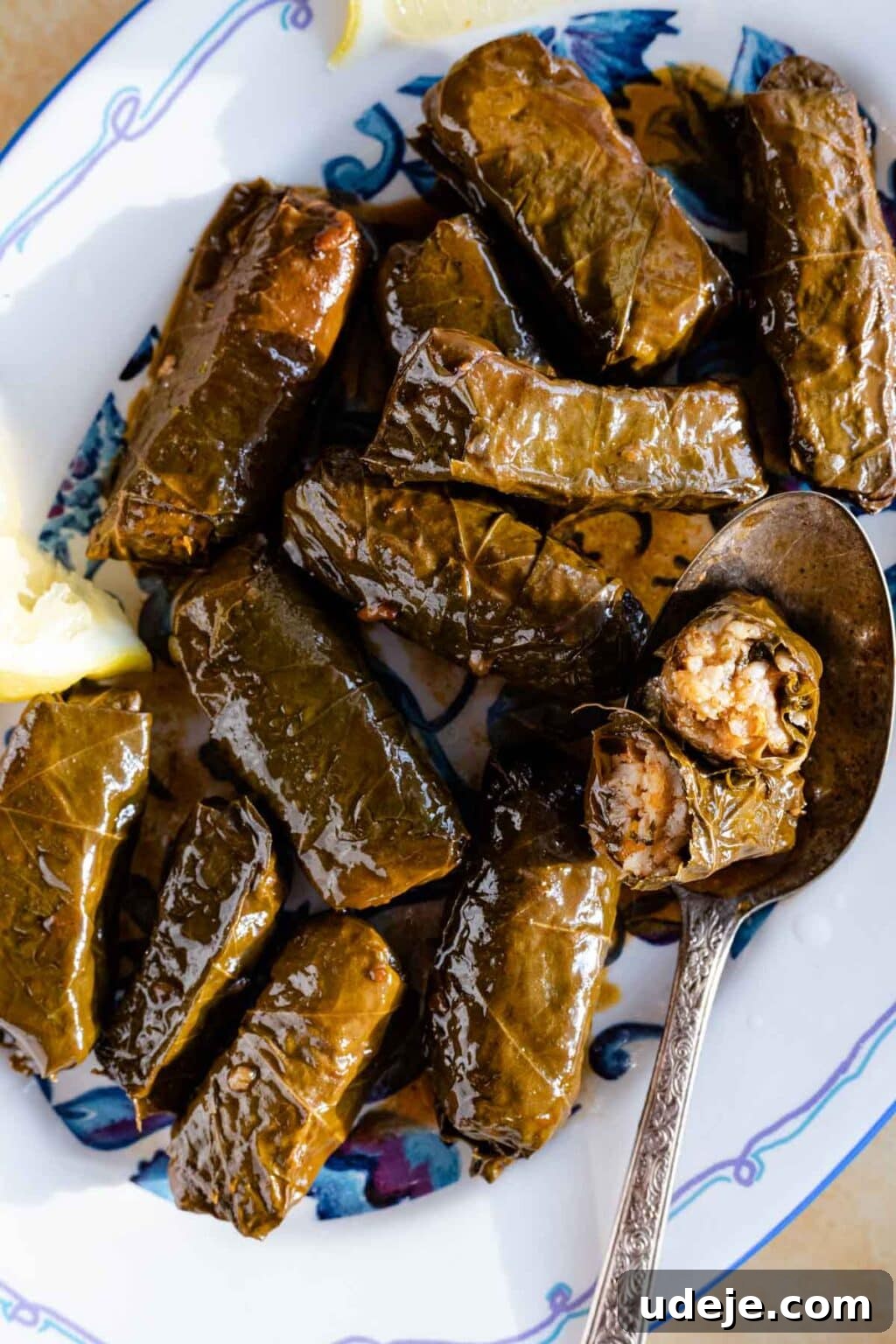
The Middle East has a profound culinary tradition of stuffing, and rice is arguably the most beloved filling. These “stuffed rice dishes” are a testament to the region’s love for intricate, flavorful preparations. Typically, a savory mixture of seasoned rice and ground meat is used to fill a variety of vegetables, creating a symphony of textures and tastes in every bite. To achieve the desired cohesive, slightly sticky filling, most stuffed rice recipes utilize medium-grain or short-grain rice. This ensures the rice binds beautifully within the vegetable, delivering that melt-in-your-mouth tenderness that defines dishes like the exquisite Yalanji (vegetarian stuffed grape leaves).
Mastering the Art of Perfect Rice: Essential Tips
Achieving perfectly cooked rice is a culinary skill passed down through generations in Middle Eastern families, with each matriarch often having her unique touch. While specific recipes will provide detailed instructions, a few fundamental principles apply universally to unlock the potential of any rice grain. Keeping these basics in mind will set any cook, especially beginners, on the path to consistently excellent results.
My tried-and-true rules for cooking the most delicious rice every time include:
- Rinse Until Clear: This is perhaps the most crucial step, regardless of the rice type. Vigorously wash your rice under cold running water, changing the water 7-8 times, until it runs perfectly clear. This isn’t about cleanliness; it’s about removing excess surface starch. Eliminating this starch is key to preventing your rice from becoming overly sticky or clumpy, ensuring those beautifully separate, fluffy grains.
- Accurate Measurement is Key: While experienced cooks might eyeball it, for consistent perfection, especially if you’re still refining your technique, precise measurements are non-negotiable. Always use the specified amounts of rice and water as directed by your recipe. Crucially, use the same measuring cup for both ingredients to maintain the correct ratio.
- Adhere to the Right Water Ratio: The ideal rice-to-water ratio varies significantly with the type of rice and any additional ingredients. For instance, classic Basmati rice typically requires 1.5 cups of water for every 1 cup of rice, with no prior soaking needed. Medium and short-grain varieties, however, often demand a lower ratio (around 1 to 1.25 cups of water per cup of rice) and benefit greatly from a brief soaking period to ensure even cooking and optimal texture.
- Season Generously with Salt: Bland rice can dampen the enjoyment of even the most exquisite meal. Ensure your rice is well-seasoned. A useful guideline is to taste the cooking liquid before adding the rice – it should be noticeably salty, similar to the salinity you’d aim for in pasta water. This ensures the flavor permeates every grain.
- Infuse Flavor with Fat and Broth: For truly exceptional rice, go beyond just water and salt. Incorporating a good quality fat—such as vegetable oil, butter, or ghee—adds richness and helps separate the grains. Using chicken or vegetable broth instead of plain water introduces a depth of savory flavor that transforms the rice from a mere accompaniment into a highlight. You can further enhance this by gently toasting the dry rice grains in the fat for a few minutes before adding liquid, which brings out a delightful nutty aroma.
- Start with Boiling Water: For efficiency and more consistent cooking, always add boiling water (or hot broth) to your rice. This eliminates the time it takes for the water to heat up in the pot, significantly cutting down on overall cooking time and ensuring that the rice begins cooking immediately and evenly.
- Resist the Urge to Peek: Once your rice is simmering and the lid is on, leave it undisturbed! Rice requires the trapped steam within the pot to cook thoroughly and achieve its fluffy texture. Lifting the lid releases this essential steam, disrupting the cooking process and potentially leading to undercooked or unevenly cooked grains. Patience is truly a virtue here.
- Fluff Gently with a Fork: After cooking, rice grains are delicate. To prevent them from breaking and becoming mushy, use the back of a fork to gently fluff the rice. This aerates the grains and helps them separate without damaging their structure.
- Allow for Resting Time: Don’t serve rice immediately after it finishes cooking. It often feels a bit too moist or soft at this stage. After fluffing, re-cover the pot and let the rice stand for an additional 5-10 minutes. This resting period allows residual steam to redistribute, resulting in a drier, firmer, and perfectly textured grain.
- Choose the Right Pot: The type of pot you use can impact your rice’s success. A heavy-bottomed, non-stick pot with a tight-fitting lid is ideal. The heavy bottom ensures even heat distribution, preventing scorching, while a tight lid keeps the precious steam trapped for optimal cooking.
Everyday Rice Recipes: Quick & Delicious
These recipes are your go-to for effortless meals that don’t compromise on flavor. They are designed for quick preparation, making them ideal for busy weeknights, and can be wonderfully paired with any stew or protein you choose.
Arabic Rice with Vermicelli
Check out this recipe!
Shawarma Rice with White Sauce (One-Pot Wonder!)
Check out this recipe!
The Best Carrot Rice Recipe (Iraqi Timman Jizar)
Check out this recipe!
30-Minute Mediterranean Rice (Yellow Basmati Rice)
Check out this recipe!
Baghali Polo or Timman Bagilla (Dill Rice)
Check out this recipe!
Fluffy Egyptian Rice (Medium Grain Rice)
Check out this recipe!
Instant Pot Tomato Rice
Check out this recipe!
Special Occasion Rice Dishes: Grand and Flavorful
When entertaining guests, I always ensure a show-stopping rice and meat platter graces my table. These special occasion rice recipes are designed to impress, beautifully decorating your feast and delighting your friends and family with their rich flavors and festive presentations. Prepare to elevate your dinner parties with these magnificent creations.
Maqluba (Makloubeh) with Lamb (Arabic Rice Dish)
Check out this recipe!
Chicken Machboos (Rice & Chicken Kabsa)
Check out this recipe!
Fragrant Lamb Kabsa (Restaurant Style)
Check out this recipe!
Arabic Biryani
Check out this recipe!
Quzi (Authentic Iraqi Recipe)
Check out this recipe!
Chicken Mandi (Yemeni Chicken & Yellow Rice)
Check out this recipe!
Stuffed Rice Dishes: A Culinary Tradition
Stuffed rice meals are truly a labor of love, but the immense satisfaction and flavor they deliver make every moment spent in their preparation absolutely worthwhile. With each bite, you experience the tender, melt-in-your-mouth vegetable harmoniously combined with the flavorful rice filling – a most delicious and rewarding culinary experience.
Iraqi Dolma (Middle Eastern Stuffed Vegetables)
Check out this recipe!
Yalanji (Vegetarian Stuffed Grape Leaves)
Check out this recipe!
Malfouf (Lebanese Cabbage Rolls)
Check out this recipe!
Rice-Stuffed Mediterranean Peppers (Vegetarian)
Check out this recipe!
We hope you enjoy this culinary journey through Middle Eastern rice. If you tried any of these recipes, please consider leaving a star ⭐️⭐️⭐️⭐️⭐️ rating in the recipe card below and/or a review in the comments section further down the page – I’d love to hear from you! You can also hop on over to Instagram and say hello!
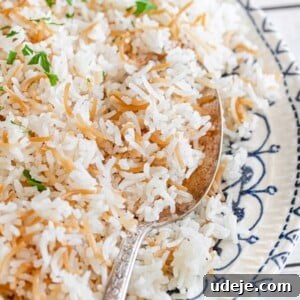
Classic Middle Eastern Vermicelli Rice
Ingredients
- 1 cup vermicelli noodles
- 3 cups long grain rice, Basmati preferred
- 5 tablespoons vegetable oil
- 1 cube chicken stock or vegetable stock, optional
- 2 teaspoons salt
- 5 cups water
Instructions
-
Begin by washing the rice thoroughly several times until the water runs completely clear. Drain well and set it aside.
-
In a large, non-stick pot, heat the vegetable oil over medium heat. Add the vermicelli noodles and cook, stirring constantly, until they turn a beautiful golden brown. Be attentive, as they can burn quickly. This process typically takes 5-7 minutes.
-
Once the vermicelli is golden, add the drained rice, salt, and the optional stock cube. Stir everything together for a few minutes, ensuring all the rice grains are well coated in the oil.
-
Pour in the water, mix thoroughly, and bring the mixture to a rolling boil for a few minutes.
-
Once it begins to boil vigorously, cover the pot tightly with a lid and reduce the heat to its lowest setting. Leave the pot undisturbed for 20 minutes to allow the rice to steam and cook.
-
After 20 minutes, turn off the heat completely, but keep the pot covered for an additional 5 minutes. This resting period helps the rice absorb any remaining moisture and become perfectly fluffy.
-
Finally, gently fluff the cooked rice with a fork. Serve immediately, garnished with fresh parsley and toasted nuts, if desired.
Notes
- The water ratio specified in this recipe is optimized for long-grain rice. If you opt for medium or short-grain rice, use a slightly reduced amount of water to achieve the desired texture. Long-grain rice is generally the most forgiving and recommended for consistent results.
- While the chicken or vegetable stock cube is entirely optional, incorporating it will significantly enhance the overall flavor profile of your rice, taking it to another level of deliciousness.