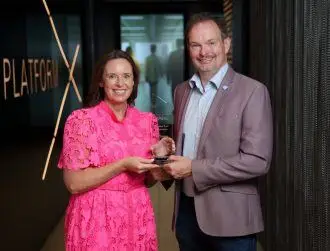
MongoDB's Donal Walsh: AI's Value Sits in the Data Layer
MongoDB's Donal Walsh argues AI differentiation will come from the data foundation under models, not the models themselves. Here's what that means for infrastructure teams.

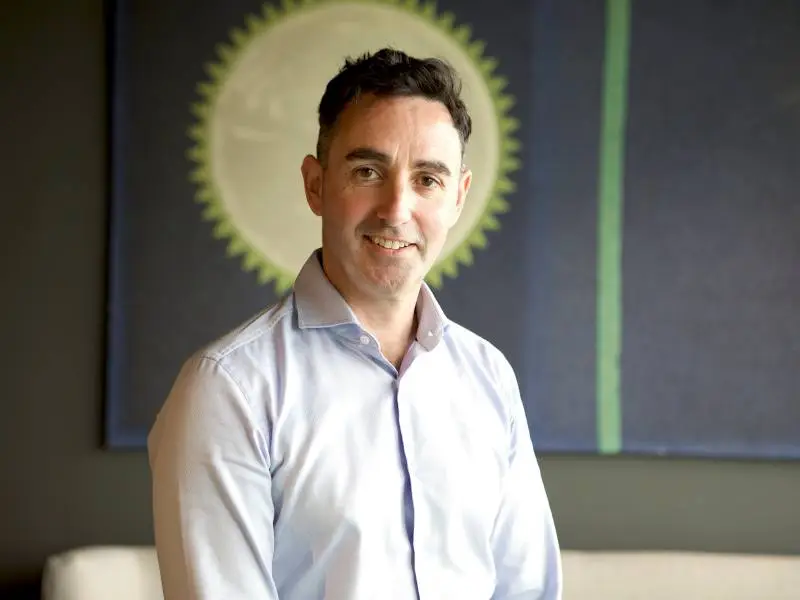
Donal Walsh, vice-president of product and technology at MongoDB EMEA, makes a case that should interest anyone planning AI workloads: the models are becoming interchangeable, and the real differentiator is the data platform underneath them. He's an engineer by training, and his view comes from years of scaling distributed systems, so it's worth hearing out even if you disagree.
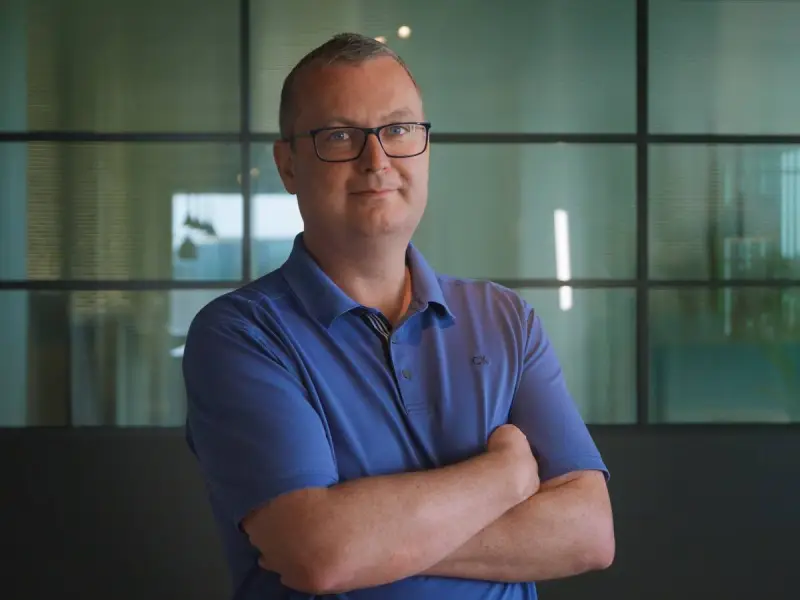
Why the data foundation matters more than the model
Walsh's central argument is simple. "Increasingly we believe that the differentiator in the AI space is not going to be the model, but it's going to be the underlying data foundation on which it's built." He expects competing models to converge into "a level of commoditisation", which leaves the platforms that store and serve the data as the place where value gets added.

That's a sensible bet for infrastructure people to think about. If models become more interchangeable, the expensive decisions shift toward where data lives, how quickly it can be queried, and whether it stays secure and available under load. Walsh describes MongoDB as a data platform for mission-critical workloads, where data has to be secure, durable and highly available, and responses often need to arrive in milliseconds. That's the standard he's measuring the platform against.
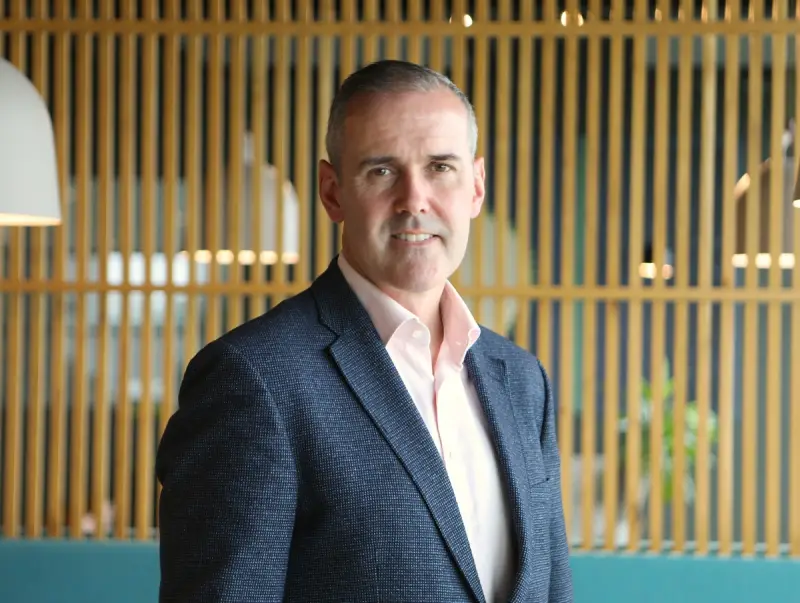
Agents and the document model
MongoDB's engine is built around a document model, which gives customers a flexible way to store data. Walsh links that design to agentic AI, where software goes out, collects information and builds the data structures it needs as it goes. "In the AI space where agents are going and collecting data and dynamically building the data that they need to store, MongoDB is optimised for that," he says.

Here's the thing: schema flexibility is a double-edged sword. It helps when agents create data on the fly, but it also means teams need firm governance over what gets stored and who can read it. Walsh doesn't go into those controls in the interview, so if you're weighing a document store for agent workloads, that's a question to put to the vendor directly.

Where customers want their data to live
Walsh says customers are paying closer attention to control over data location. With geopolitical tension in the background, he says they are "looking more deeply at their disaster recovery kind of scenarios". MongoDB can run across the major clouds or on-premise, which lets a customer keep a copy of its data platform on a different cloud and "flip over between them should the need arise".

For operations teams, that's the practical point. Multi-cloud failover has long been talked about more than it's been tested, and the cost and complexity of keeping a second platform in sync are real. If your recovery plan depends on switching clouds, it's worth running the exercise rather than trusting the architecture diagram.

Dublin's role in the platform
MongoDB was formed in 2009 in New York, which remains its headquarters, and its first product was an open-source database. It set up its international headquarters in Ireland in 2013, with offices in Ballsbridge in Dublin and a further base opened this year in Cork.
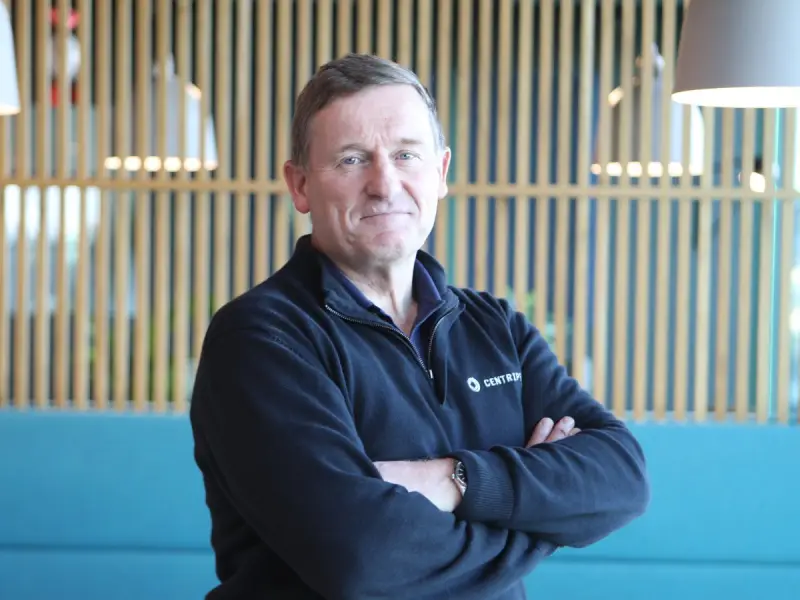
Some of the platform is built and run from Dublin. Walsh points to a material chunk of the core query engine, the observability stack and much of the control plane for Atlas, MongoDB's cloud product. He says that arrangement was deliberate, and that he insisted on that model for the site before agreeing to take on the leadership role late last year.
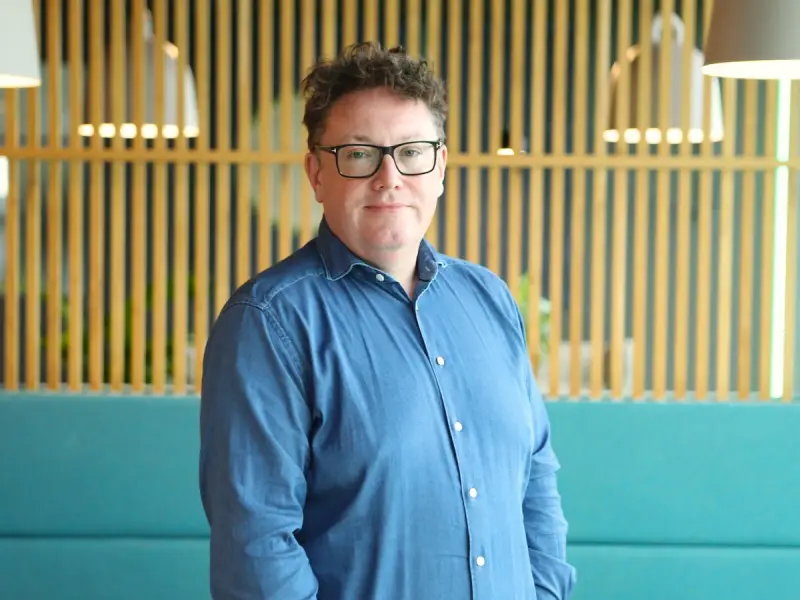
The growth plans are concrete. MongoDB has announced a €74m multi-year investment in its Irish operations, aimed at taking headcount from around 300 going into the end of 2025 to closer to 600 by the end of 2026. Engineering is expected to grow from about 50 people to closer to 200. The company overall reports more than 5,000 employees, 70,000 customers worldwide and growth of 29pc year-on-year, which Walsh describes as the company being in "rude health".

Walsh's route into leadership
Walsh studied electronic engineering at Dublin City University. He then spent 11 years at travel software provider Datalex, including a year in the US and five in Southeast Asia, before moving to Citibank to run its global liquidity engine. After helping Mobile Travel Technologies grow from about 40 people to some 250, he joined Amazon DynamoDB to help scale out its Irish operation.

That background explains his self-description. "So I learned a lot about running highly complex distributed systems," he says. "That's kind of my thing from a career perspective is to come in and take something and help scale it out." For a reader who has run scaling projects, that's a useful signal about the kind of leader MongoDB has put in charge of its Irish engineering base.

Culture as the hard part
On leadership, Walsh says culture matters more to him the longer he works in the industry, and getting it right is critical to success. Scaling a site from a few hundred people toward 600, with engineering roughly quadrupling, is where that stops being an abstract point. Culture decisions made early tend to show up as attrition, slow handoffs and inconsistent standards a year or two later.

The episode is the first of season five of The Leaders' Room podcast, which IDA Ireland supports and which is released fortnightly. The filmed interviews are available on SiliconRepublic.com for anyone who prefers video. If you're tracking how AI infrastructure decisions get made inside large vendors, Walsh's emphasis on the data layer is a clear marker to watch as the Dublin build-out proceeds.